
Reviewed · TEA CEREMONIES
Tokyo: Matcha Making Experience with Mochi Sweets in Asakusa
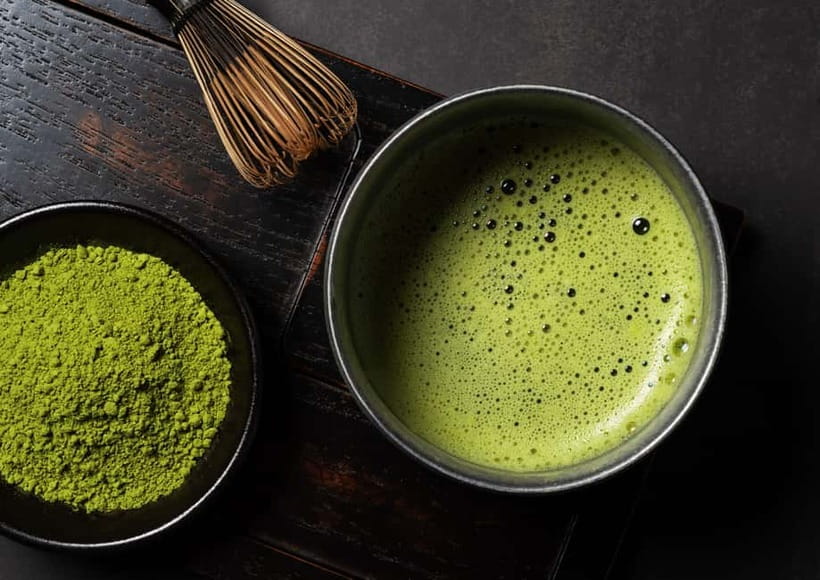
The best part of this one-hour Asakusa class is that you do not just drink matcha, you make it yourself. You learn where the tea comes from, test your new knowledge with a light quiz, then whisk a bowl using the traditional bamboo tool.
I like the friendly teaching style and the easy location, just a minute from Asakusa Station. I also like that the class is seated, conducted in English, and open to solo visitors as well as families. The main consideration is its short length: this is a clear introduction to matcha, not a full formal tea ceremony.
In This Review
- Key points
- Arriving Near Asakusa Station
- Matcha History Through a Playful Quiz
- Learning the Tools Before You Whisk
- Making Your Own Matcha
- Matcha With Mochi Sweets
- A One-Hour Activity With Real Value
- Who Will Enjoy This Asakusa Class
- Planning the Rest of Your Asakusa Day
- Language, Comfort, and Booking Flexibility
- My Verdict on Matcha Making Tokyo
- FAQ
- How long does the matcha-making experience last?
- How much does the experience cost?
- Is the class taught in English?
- Do I need previous matcha-making experience?
- Where is the meeting point?
- Are sweets included?
- Does the price include hotel pickup and drop-off?
Key points
- Whisk your own bowl: Learn the basic technique with a traditional chasen bamboo whisk.
- History with a sense of humor: A light quiz and short presentation make the cultural background easy to follow.
- English-speaking hosts: Instructors including Mana, Ken, Hiyo, Midori, Honoka, and Hayato lead the class at different times.
- Mochi sweets included: Taste Japanese sweets with your freshly prepared matcha.
- Easy Asakusa setting: Find the class one minute from Asakusa Station, in the Relink KAMINARIMON building near Tokyo Skytree.
- Good value for a short break: At $22 per person, it fits neatly between temple visits, shopping, and sightseeing.
Matcha can look simple in a café: green powder, hot water, a quick stir. The proper preparation is more exact, and this class gives you a practical first look at why. You learn how to handle the tools, how to whisk the tea, and why Japanese tea customs place such weight on care and attention.
This is not presented as a stiff ceremony where you sit silently and worry about making a mistake. The mood is relaxed, social, and lightly playful. You can expect instruction, questions, a little history, and time to prepare your own drink before sitting down with Japanese sweets.
At $22, the experience is priced below many longer cooking activities in Tokyo. You get an instructor, ingredients, the class, your matcha, and sweets for one hour. That makes it a sensible choice if you want a cultural activity without giving up half a day.
Arriving Near Asakusa Station
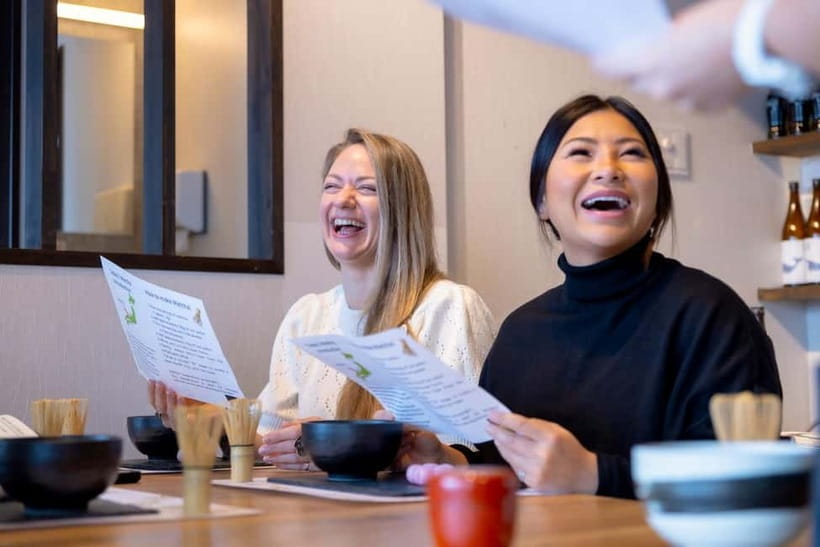
The meeting point is the Relink KAMINARIMON building, on the sixth floor. It is about one minute from Asakusa Station, with coordinates listed as 35.710774, 139.7956532.
That location matters. Asakusa is one of the easiest places in Tokyo to pair with a traditional food activity. You can visit Senso-ji, walk around Kaminarimon, browse local shops, and see Tokyo Skytree nearby. The class gives you a planned hour in the middle of a sightseeing day, rather than sending you across the city for a single short activity.
I would allow a little extra time to find the correct building and reach the sixth floor. The location is central, but a city building can still take a moment to identify when you are watching the clock. Directions are important, so keep the meeting information handy.
The activity does not include hotel pickup or drop-off. You make your own way to Asakusa Station, which is straightforward for anyone already sightseeing in the area.
More tea rooms worth booking:
- Matcha Making Class in Tokyo with Authentic Japanese Sweets Set
★ 5.0 · 744 reviews - Tokyo: Traditional Tea Ceremony with a Tea Master
★ 5.0 · 528 reviews - Tokyo: Matcha and Kimono Experience
★ 4.7 · 219 reviews
Matcha History Through a Playful Quiz
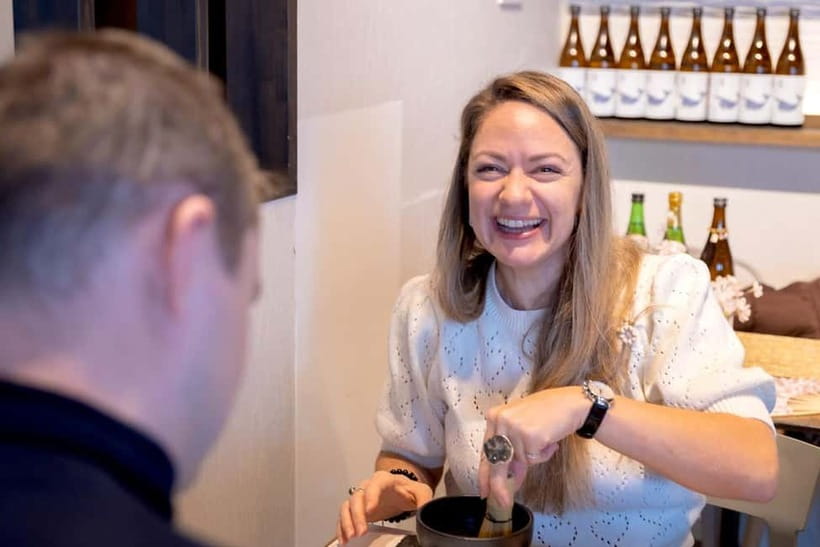
The class begins with an introduction to matcha and its place in Japanese culture. Instead of receiving a long lecture, you take part in an interactive quiz. This is a small detail, but it changes the tone of the lesson.
A quiz gives you something to do while learning the basics. You can expect questions about matcha’s origins, preparation, and customs, with the instructor guiding the group through the answers. It is useful for first-time visitors because you gain enough context to understand the actions that follow.
The history portion is not designed for specialists. It is a compact introduction, suited to people who want to understand the drink before making it. If you already study Japanese tea, you may find the historical material brief. For most visitors, that is a fair trade for a class that fits into one hour.
Instructors such as Mana, Ken, Hiyo, and Hayato are praised for keeping this part funny and interactive. Different sessions may have different hosts, but the format remains focused on clear English explanations and participation.
Learning the Tools Before You Whisk
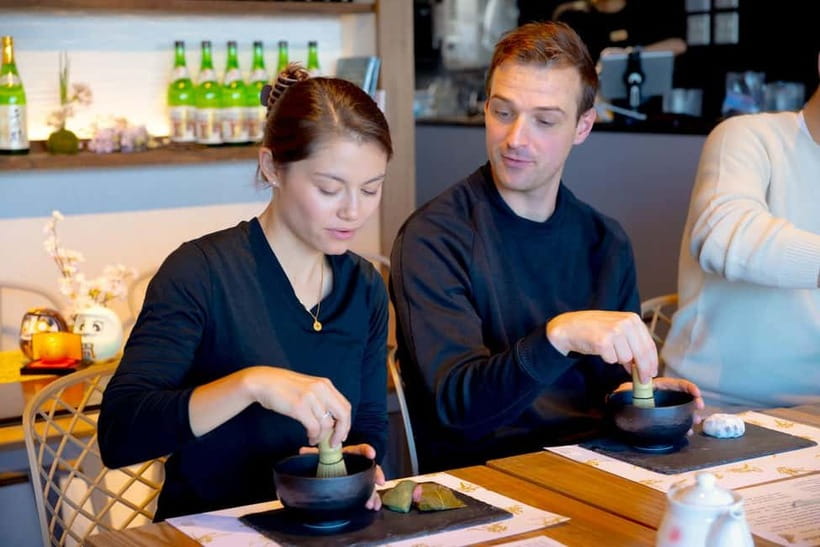
Next, the instructor introduces the equipment and demonstrates how to prepare matcha. The central tool is the bamboo whisk, or chasen. You also work with the bowl and other basic items needed for the drink.
The demonstration gives you a model to copy. You can watch the motion, then try it yourself with guidance nearby. No previous experience is needed, and the class is built for beginners rather than trained tea practitioners.
This is where the activity becomes more useful than simply ordering matcha in a café. You learn a technique you can repeat at home. One participant described leaving ready to make matcha independently, and that is the practical strength of the class: you are not only watching a specialist perform the ritual.
The instructors also cover tea etiquette and the meaning behind parts of the preparation. You should not expect a complete formal tea ceremony, with every traditional movement presented in full. Instead, you get a friendly working lesson that explains the essentials without making them intimidating.
Making Your Own Matcha
The hands-on portion is the heart of the experience. You prepare your own bowl and whisk the tea under instruction. The group works through the steps together, so you have a chance to watch others and adjust your own technique.
Matcha has a distinctive taste. It can be grassy, bitter, and savory, especially if you are used to sweetened café drinks. This class serves it in a more traditional style, without sugar. The sweets provide balance, but they do not turn the matcha into a dessert drink.
That detail is worth knowing before you book. If you want a sweet matcha latte, this is a different experience. If you want to understand matcha as it is prepared in a Japanese tea setting, the unsweetened tasting makes more sense.
The class environment is seated, which helps keep the hour comfortable. One participant specifically valued this because a traditional kneeling position was not practical. You still learn about tea ceremony etiquette, but you do not need to spend the session on your knees.
The instructors are available to correct technique and answer questions. Their teaching style is a major part of the appeal. Mana is repeatedly described as energetic and funny, Ken as engaging, and Hiyo and Yui as warm, clear hosts. The particular instructor will depend on your session, but the pattern is consistent: expect a social teacher who wants you involved.
More Asakusa visits:
- Tokyo: Japanese Dance Cabaret Theater Asakusa-Kaguwa Ticket
★ 4.8 · 2,270 reviews - Tokyo: Meiji Shrine, Asakusa, Skytree Bus Tour and Cruise
★ 4.7 · 1,986 reviews - Tokyo: Roll and Authentic Sushi Making Class in Asakusa
★ 4.9 · 1,957 reviews - Tokyo: Asakusa Walking Tour with Sensoji Temple Visit
★ 4.8 · 1,583 reviews
Matcha With Mochi Sweets
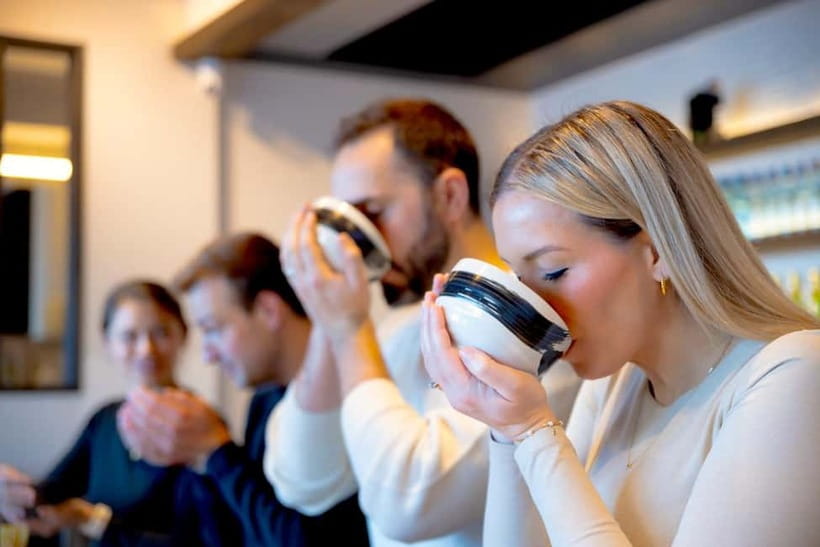
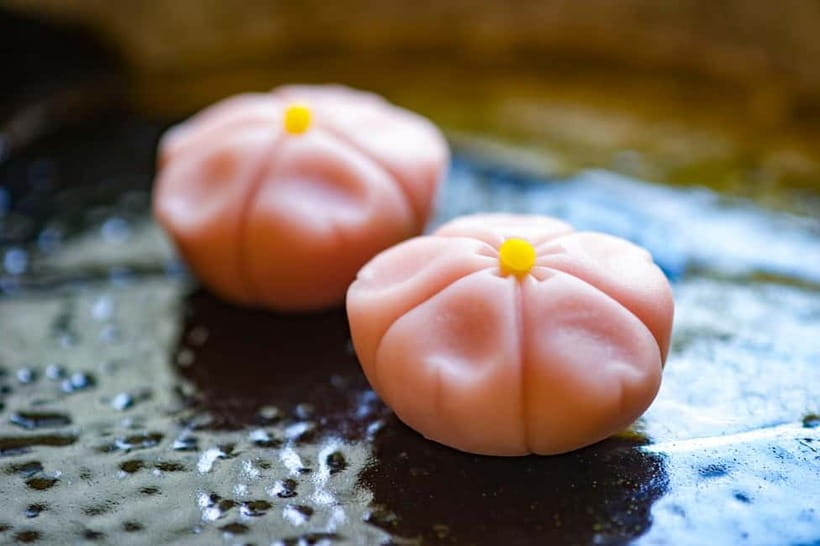
After making the tea, you drink it with Japanese sweets. The sweets are described as traditional and include the mochi-style treats highlighted in the activity. They are not an extra purchase, so the tasting feels like a proper finish to the lesson rather than a separate stop.
The pairing also teaches you something about Japanese tea service. The sweetness gives your palate a contrast with the earthy taste of matcha. You can pay more attention to the tea because you are tasting it alongside a food chosen to complement it.
This part is relaxed and shared with the local staff. You can ask questions, compare your finished bowls, and talk about what you have just learned. That social finish makes the activity a good option for solo visitors. You are not left alone at a counter with a drink. You share a short cultural experience with the group.
Families also seem to fit well here. The quiz and whisking give children something active to do, while the seated format works for older family members. One family found that a 74-year-old parent and a 23-year-old adult child enjoyed the class equally. That is a useful sign that the activity does not depend on fitness or specialist interest.
A One-Hour Activity With Real Value
The price is $22 per person, and the value is strongest if you want a focused introduction. Ingredients, instruction, and the cooking class are included. You also get the matcha and sweets prepared during the session.
I would compare it with the cost of a standard Tokyo snack or café stop. For a modest increase, you receive an activity, a cultural explanation, a skill to take home, and time with English-speaking local hosts. It is not the cheapest possible way to drink green tea, but it is a good price for learning how to prepare it.
The one-hour schedule is another advantage. Tokyo sightseeing days fill quickly, and a long cooking class may not fit between Asakusa and Skytree. This experience gives you a defined block of time with little travel on either side.
The short duration also sets a limit. You will not become a tea master in sixty minutes. You will learn the basic background, tools, preparation, and etiquette, then make and taste one bowl. That is enough for a first encounter, but not enough for a detailed study of different grades of tea or regional production.
The class may end with an opportunity to buy matcha-making equipment. If you want to continue at home, this can be convenient. Equipment purchases are not listed as part of the $22 price, so treat them as optional rather than an included souvenir.
Who Will Enjoy This Asakusa Class
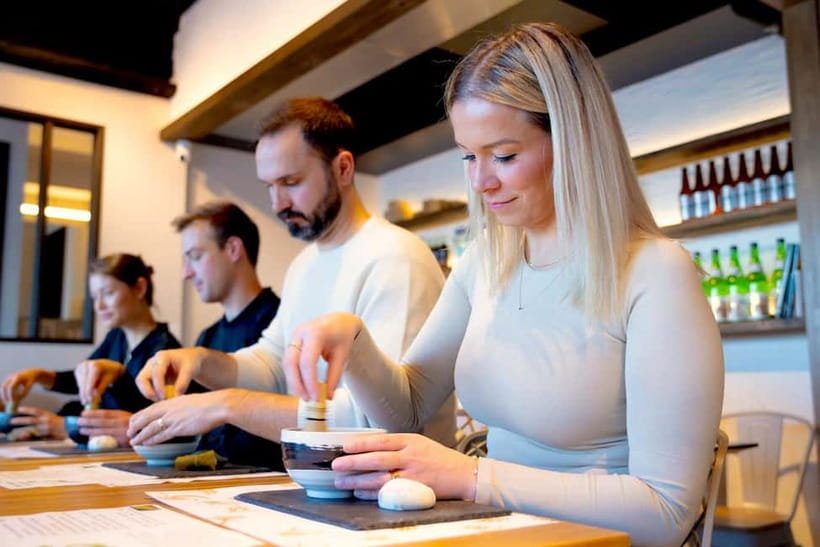
I would recommend this activity to several kinds of visitors:
- First-time matcha drinkers: You receive a plain explanation of the flavor and preparation without needing prior knowledge.
- Food-focused visitors: The activity connects a drink with sweets, tools, etiquette, and Japanese customs.
- Solo visitors: The group format gives you an easy way to meet people from different countries during a short class.
- Families: The quiz and hands-on preparation keep the lesson active, while the seated setting suits a wide age range.
- Visitors with a full Tokyo schedule: One hour near Asakusa Station is easy to place between major sights.
- Matcha fans: You can refine your technique and learn why traditional preparation differs from a modern café drink.
I would be less likely to choose it if you want an elaborate, silent tea ceremony in a historic tearoom. The setting is a modern sixth-floor activity space, and the teaching style is upbeat rather than solemn. That is not a flaw, but it is important to match the class with your expectations.
It is also not a full Japanese cooking class. The main task is preparing matcha, followed by sweets. If you want to make sushi, noodles, or a complete meal, you need a different type of activity.
Planning the Rest of Your Asakusa Day
The class works best as part of a larger Asakusa plan. You can visit the area’s major sights before or after the session, then continue toward Tokyo Skytree. Since the meeting point is close to the station, you do not lose much sightseeing time getting there.
A morning booking could give you a gentle start before exploring the neighborhood. An afternoon booking can serve as a useful rest stop after walking around temples and shopping streets. The seated format is especially welcome when your feet need a break.
I would avoid treating the class as an all-day event. It is a compact lesson, and its value comes from the mix of explanation and participation. Plan another Asakusa activity around it rather than expecting the class itself to fill your day.
You can also use the lesson as a cultural bridge. After making your own bowl, matcha on a café menu becomes easier to understand. You will notice the difference between traditional preparation and sweet modern drinks, and you may feel more confident buying a whisk or preparing tea at home.
Language, Comfort, and Booking Flexibility
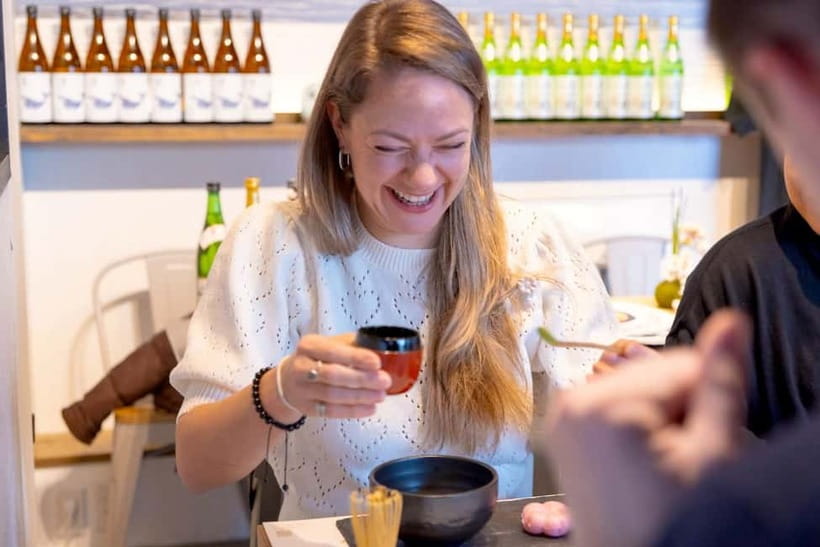
Instruction is provided in English, and the activity is designed for people without prior experience. The hosts focus on clear explanations, demonstrations, and interaction, so you do not need to know Japanese tea vocabulary before arriving.
Groups and solo participants are welcome. The social format means the exact mood can change from one session to another, but the activity is built around shared participation rather than private instruction.
The experience lasts one hour, with starting times available according to the date you choose. You can reserve now and pay later, which helps if your Tokyo schedule is still shifting. Cancellation is free up to 24 hours in advance for a full refund.
Those policies are useful in Tokyo, where weather, train delays, and changing sightseeing plans can affect a busy day. Still, check your selected time carefully and arrive at the correct building, since hotel transport is not provided.
My Verdict on Matcha Making Tokyo
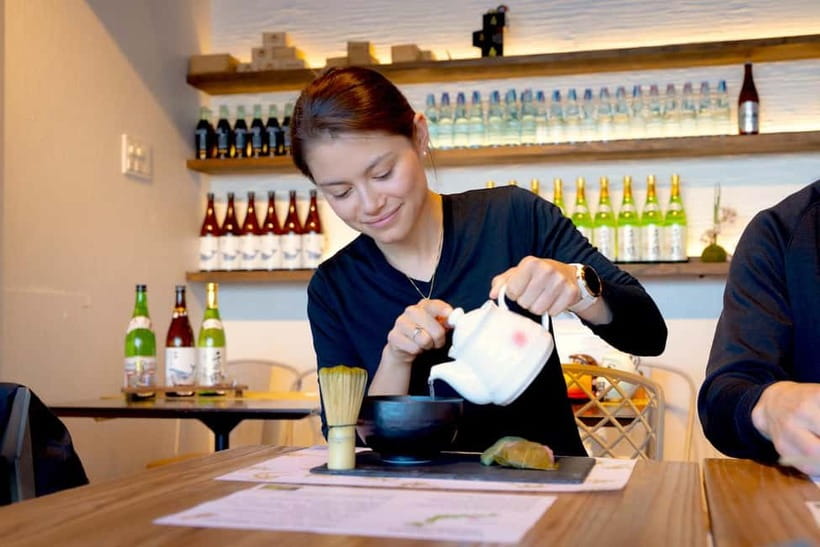
I like this class because it gets the balance right for a first introduction. You learn enough history to understand the tradition, enough technique to make your own bowl, and enough etiquette to see why the process matters. The quiz and friendly hosts keep the lesson from feeling formal or dry.
The strongest reasons to book are the $22 price, the central Asakusa location, and the chance to make unsweetened matcha with traditional tools. The mochi sweets add a pleasant finish, and the seated English-language format makes the activity comfortable for families, older relatives, and solo visitors.
Skip it if you want a long, highly formal tea ceremony or a complete meal-based cooking class. Book it if you want a short, practical cultural activity that fits neatly into a day around Senso-ji and Tokyo Skytree. For most first-time visitors, it is a smart way to spend one hour in Asakusa and leave with a skill you can use again.
FAQ
How long does the matcha-making experience last?
The activity lasts one hour.
How much does the experience cost?
The price is $22 per person.
Is the class taught in English?
Yes. English-speaking instructors lead the class, and English is the listed instruction language.
Do I need previous matcha-making experience?
No. The class is suitable for beginners, and the instructor demonstrates the preparation before you make your own matcha.
Where is the meeting point?
The meeting point is the sixth floor of the Relink KAMINARIMON building, about one minute from Asakusa Station. The listed coordinates are 35.710774, 139.7956532.
Are sweets included?
Yes. Japanese sweets, including the mochi sweets featured with the activity, are served with the matcha you prepare.
Does the price include hotel pickup and drop-off?
No. Hotel pickup and drop-off are not included, so you must make your own way to the Asakusa meeting point.
More Dessert Tours in Tokyo
- Make Traditional Nerikiri Sweets & Matcha experience in Shibuya
★ 5.0 · 130 reviews - Private Mochi Sweets Making class near Shibuya area
★ 5.0 · 93 reviews - Japanese Traditional Sweets making and Tea Ceremony
★ 4.7 · 50 reviews - Tokyo Local Food Tour: Noodles, Skewers, Dumplings, Sweets
★ 5.0 · 48 reviews
New on our Tokyo list
- From Tokyo: Mount Fuji & Hakone Full Day Private Tour★ 4.9 · 25 reviews
- Tokyo Spectacular View Day-Cruise in 90 Minutes★ 5.0 · 25 reviews
- Real Tokyo Runner Club : Daikoku Car Meet Night Tour with JDM Car★ 5.0 · 25 reviews
- 2.5 Hour-Guided Cycle Tour in the Central Tokyo★ 5.0 · 25 reviews
- Ramen Making from Scratch +Akihabara Tour –Cooking Class★ 5.0 · 25 reviews
- [Self-Drive] Tokyo & Daikoku Custom Car Driving Tour★ 4.9 · 25 reviews
- Tokyo: 2-Hour Night Bike Tour of the City’s Hidden Gems★ 4.9 · 25 reviews
- Tokyo: Mt. Fuji, Owakudani, Hakone Shrine, & Open-Air Museum★ 4.7 · 25 reviews
Tea Ceremonies, compared.
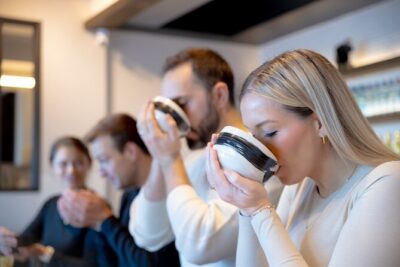
Matcha Making Class in Tokyo with Authentic Japanese Sweets Set
Read our review →
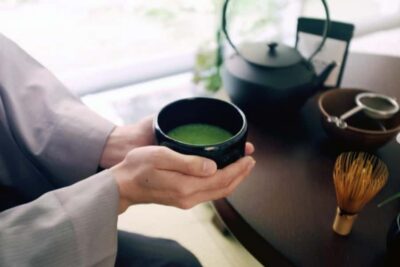
Tea Ceremony Workshop in Tokyo by the Experienced Instrucor
Read our review →

Make Traditional Nerikiri Sweets & Matcha experience in Shibuya
Read our review →
Tea Ceremony Experience in a Private Tea Room in Shibuya
Read our review →Browse the lists this tour appears in