
Reviewed · TEA CEREMONIES
Matcha Making Class in Tokyo with Authentic Japanese Sweets Set
The best part of this one-hour matcha class is its hands-on approach. You do not simply watch a tea demonstration. You learn how matcha is made, handle the traditional tools, whisk your own bowl, and drink it with Japanese sweets in Asakusa, one of Tokyo’s most traditional neighborhoods.
I like the friendly English-speaking instruction, especially the patient teaching style associated with hosts such as Rino and Shuri. I also like the relaxed setting. This is a cultural lesson without the stiff formality of a full tea ceremony. The main consideration is the group size, which can reach 30 people, so the experience may feel less intimate when fully booked.
In This Review
- Key points at a glance
- What happens inside the Asakusa matcha class
- Learning the traditional whisking method
- Matcha and Japanese sweets in one sitting
- A relaxed alternative to a formal tea ceremony
- The hosts make the short lesson work
- Why Asakusa is a useful place for this activity
- Is $21.89 a good value?
- Who will enjoy this matcha experience most?
- Timing, group size, and practical details
- A practical way to add it to your Tokyo day
- Should you book the matcha class?
- FAQ
- How long does the matcha-making class last?
- Where does the class meet?
- Is the class taught in English?
- What is included in the price?
- Do I need previous tea ceremony experience?
- Can I cancel for a full refund?
Key points at a glance
- Whisk your own matcha: Learn the practical steps and make the tea yourself with traditional equipment.
- Seasonal sweets included: Enjoy Japanese confections chosen to balance matcha’s earthy flavor.
- Asakusa setting: Meet near Kaminarimon and finish at the same convenient location.
- English-speaking hosts: Instructors explain matcha’s origins, cultivation, quality, and place in Japanese culture.
- Good for families: Children and first-time tea makers can take part without previous experience.
- Short and affordable: At $21.89 per person for about an hour, it fits neatly into a busy Tokyo day.
What happens inside the Asakusa matcha class
This is a compact cultural activity rather than a long formal tea ceremony. You meet at Matcha Making Tokyo, at 2-chōme-17-9 Kaminarimon in Taito City. The location puts you in Asakusa, an area known for traditional streets, temples, shops, and old-style food culture.
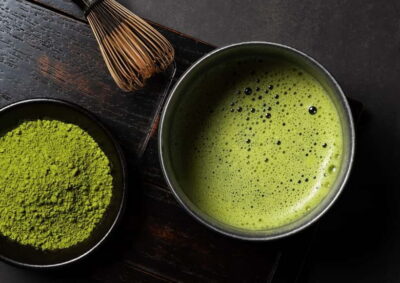
The activity begins with an introduction to matcha. Your host explains where the powder comes from and how it differs from ordinary green tea made from leaves. This distinction matters because matcha is prepared from powdered tea, so you consume the tea itself rather than simply steeping leaves in water.
The teaching also covers how matcha is grown and how to spot better-quality powder. That is useful beyond the class. If you plan to buy matcha in Japan or prepare it at home, knowing what affects flavor and quality gives you a better chance of avoiding a disappointing tin of powder.
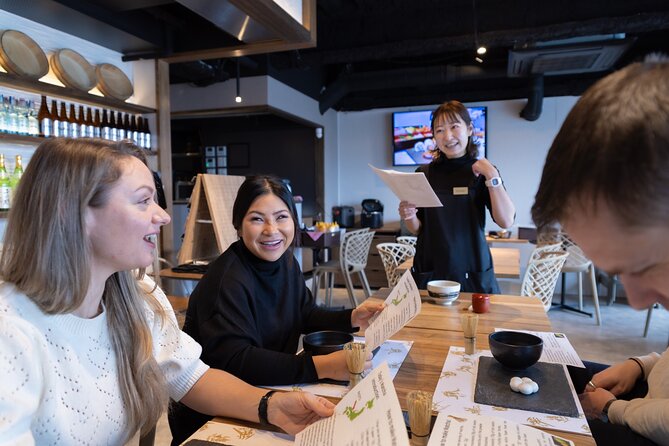
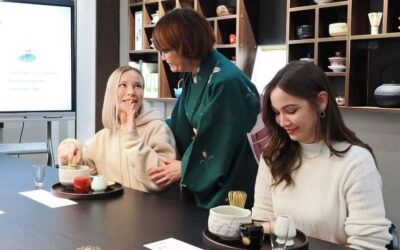
Hosts use visual material, including an iPad presentation, to explain the subject. That makes the short lesson easier to follow, especially if you are new to tea culture or traveling with children. The tone is educational but informal, with room for questions and conversation.
More tea rooms worth booking:
- Tokyo: Traditional Tea Ceremony with a Tea Master
★ 5.0 · 528 reviews - Tokyo: Matcha Making Experience with Mochi Sweets in Asakusa
★ 4.9 · 388 reviews - Tokyo: Matcha and Kimono Experience
★ 4.7 · 219 reviews
Learning the traditional whisking method
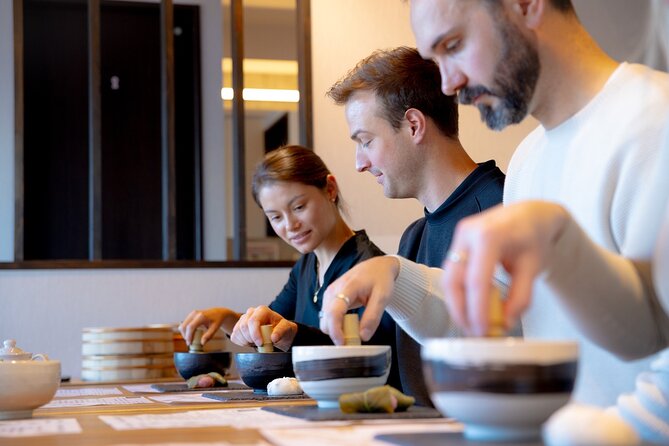
The practical section is the heart of the experience. Your instructor takes you through the process step by step, then gives you the chance to prepare your own matcha.
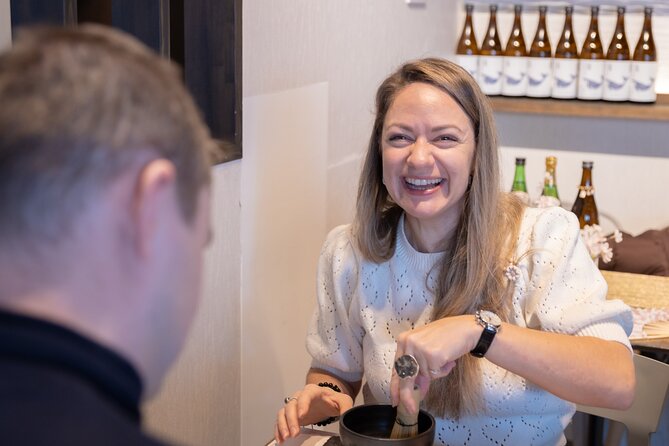
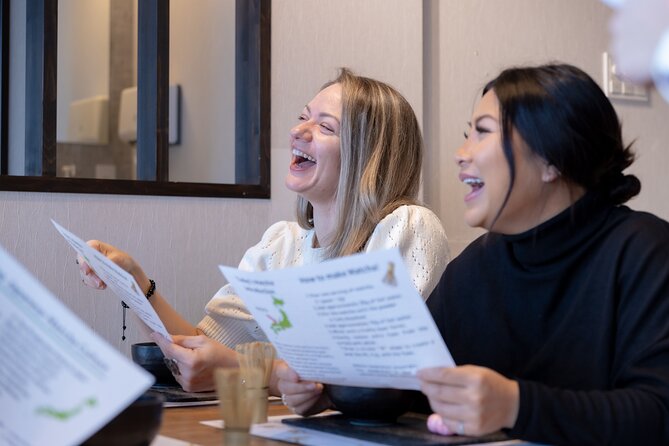
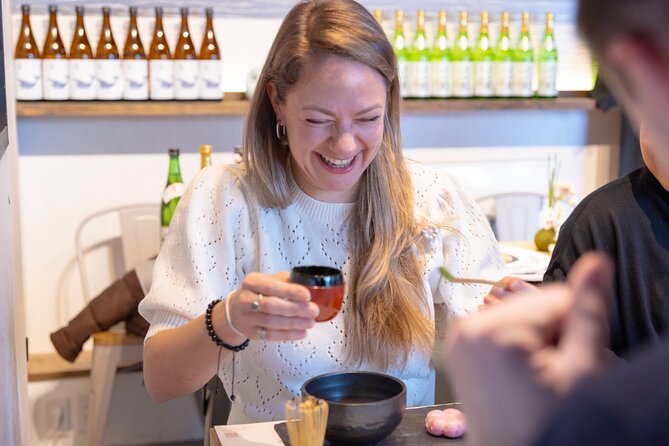
You work with the familiar bamboo whisk and other traditional tools. The key skill is creating a smooth, lightly frothy drink rather than leaving dry clumps floating on the surface. Your host demonstrates the motion and offers one-to-one help as you practice.
This is where the class earns its price. A standard cup of matcha in Tokyo can be easy to find, but drinking one does not teach you how to make it. Here, you leave with a basic method you can repeat at home, along with a better sense of how matcha should look and taste.
Do not worry if your first whisking attempt is not perfect. That is part of the fun. The instruction is designed for beginners, and the hosts focus on helping you get the technique right rather than expecting a polished performance.
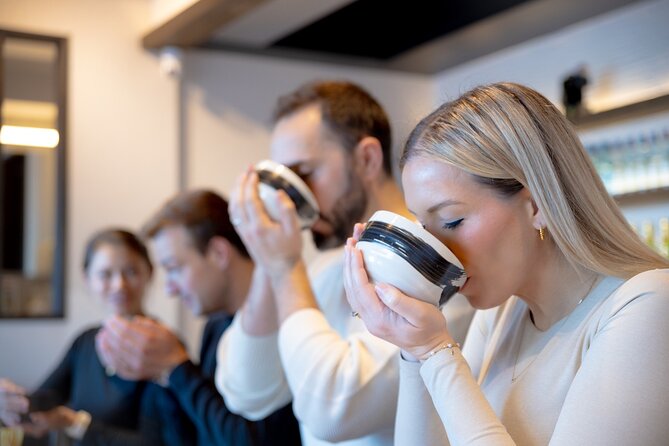
The class also gives you a chance to notice the taste of properly prepared matcha. Some people expect it to be harsh or very bitter. The tea served here is described as smooth and pleasant, and the sweets help soften the tea’s earthy, slightly bitter edge.
Matcha and Japanese sweets in one sitting
After making the tea, you sit down to enjoy it with a set of traditional Japanese sweets. The sweets are seasonal, so the exact selection can vary. That changing element is part of Japanese food culture, where the time of year often shapes what is served.
The pairing is not just decoration. Japanese sweets are often made to balance the strong, vegetal flavor of matcha. A sweet bite followed by tea makes the drink taste rounder and less intense.
The food portion is modest, but it is enough to turn the lesson into a complete tasting experience. You are not paying for a full meal, and you should plan another stop if you are hungry. Think of this as a carefully matched snack and a cultural introduction.
This also makes the class useful for families. Children can take part in whisking and then have something sweet to enjoy. The hosts make an effort to include younger participants, and children as young as six have been specifically accommodated in the class setting.
A relaxed alternative to a formal tea ceremony
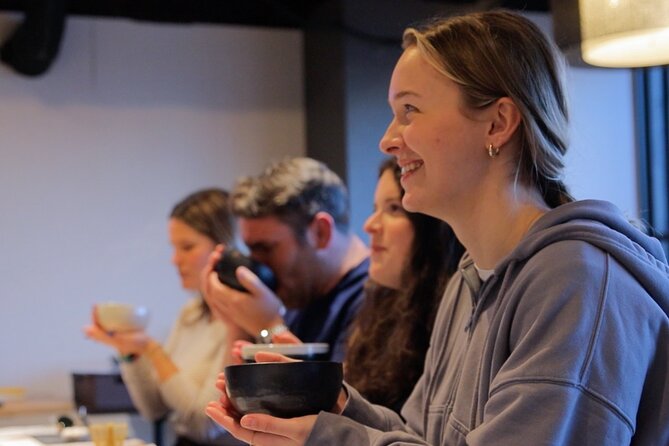
Tokyo has formal tea ceremonies where etiquette, silence, posture, and ritual are central. This class takes a different route. It introduces the core ideas of matcha preparation while keeping the atmosphere friendly and interactive.
That difference is important when choosing your activity. If you want a strict ceremony conducted with highly formal movements, this may feel too casual. If you want to understand the tea, prepare it yourself, ask questions, and take photos, the relaxed format is a better fit.
One account describes the class taking place in a cozy upstairs nook, with participants sitting on the floor in traditional style. The exact feel may depend on the class arrangement and how busy the venue is, but the setting can add a pleasant sense of place.
There may also be other cooking activities happening at the same location. One class experience was quiet because a sushi class was not running at the same time, while a later session had both activities underway. If the venue is full, expect more activity and conversation around you.
A few more Tokyo bookings worth comparing
- Make Traditional Nerikiri Sweets & Matcha experience in Shibuya
★ 5.0 · 130 reviews - Private Mochi Sweets Making class near Shibuya area
★ 5.0 · 93 reviews - Japanese Traditional Sweets making and Tea Ceremony
★ 4.7 · 50 reviews - Tokyo Local Food Tour: Noodles, Skewers, Dumplings, Sweets
★ 5.0 · 48 reviews
The hosts make the short lesson work
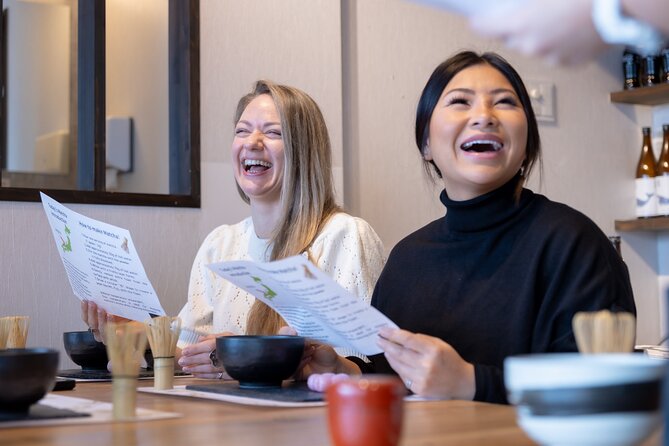
A one-hour class has little room for dull teaching. The instructors need to explain the background, demonstrate the method, help each person practice, and keep the pace moving.
The hosts named in the supplied experiences include Rino, Shuri, Nama, and Hiya. Shuri is described as patient, kind, passionate, and strong in English. Nama is praised for leading an engaging lesson, while Hiya is noted for explaining matcha history and showing how to recognize good powder.
The common thread is personal attention. The hosts do not simply hand you a bowl and leave you to guess what to do. They show you the movements, answer questions, and help with photos at the end. One family even received help taking a group picture, a small touch that makes the experience easier to remember.
English instruction is included, which removes a major barrier for international visitors. You can follow the explanation of the tea process and ask about Japanese customs without relying on translation software.
The host’s style can shape your experience. The class is designed to be warm and social, not silent or highly ceremonial. That suits people who enjoy conversation and interaction. If you prefer a very quiet, meditative tea setting, the energy may feel more casual than expected.
Why Asakusa is a useful place for this activity
The meeting point is in Kaminarimon, part of Asakusa. That makes the class easy to combine with a day spent exploring one of Tokyo’s best-known traditional areas.
You can schedule the activity before or after visiting the local sights, shops, and riverside area. A class lasting about an hour does not take over your day, and the same start and end point simplifies planning.
The setting also gives the tea lesson more context. Matcha is not an isolated food trend in Japan. It connects to sweets, hospitality, religious practice, craft, and the formal tea ceremony. Learning about it in Asakusa helps link the drink to the older side of Tokyo rather than treating it as a modern café novelty.
The venue has been described as offering a pleasant view along the river. That may be a welcome bonus, though the main reason to book is the class itself, not sightseeing from the room.
Is $21.89 a good value?
At $21.89 per person, this is a strong value for a short activity that includes an English-speaking instructor, matcha, Japanese sweets, and hands-on use of the tea tools.
You are paying for more than the drink. The useful part is the instruction: learning the difference between matcha and regular green tea, hearing about cultivation and quality, practicing the whisking technique, and receiving direct help. A simple tea tasting would cost less in some settings, but it would not give you the same practical lesson.
The one-hour duration also helps the value calculation. You can fit it between major Asakusa sights, use it as a calm break in a busy sightseeing day, or book it early in your Tokyo visit to gain a new way to understand Japanese food and drink.
The price is less appealing if you expect a full meal, a long ceremony, or an elaborate performance. The sweets are a pairing, not a substantial dessert course, and the activity is intentionally brief. For a cultural experience that is affordable, accessible, and easy to schedule, the cost is reasonable.
Who will enjoy this matcha experience most?
I would recommend this class to first-time visitors who want a simple introduction to Japanese tea culture. You do not need prior experience, and the step-by-step format keeps the process manageable.
It also works well for families. Children can whisk the tea, learn through pictures, and enjoy the sweets. The hosts are used to keeping the lesson engaging, though a group of up to 30 people may mean less individual time than a private class.
Couples and solo visitors can use it as a gentle break from temples, shopping, and crowded streets. The activity gives you a shared task, so it is more social than simply sitting in a café with a cup of green tea.
Food-focused visitors will appreciate the explanation of quality and preparation. You may leave with enough confidence to buy matcha powder and try the process at home.
I would be more cautious if you are seeking an exact traditional tea ceremony. The experience teaches ceremonial techniques, but its tone is modern, welcoming, and interactive. It is best understood as a practical matcha workshop with cultural context.
Timing, group size, and practical details
The class lasts approximately one hour and ends back at the meeting point. There is no hotel pickup or drop-off, so you need to make your own way to 2-chōme-17-9 Kaminarimon, Taito City, Tokyo 111-0034.
A mobile ticket is included, and confirmation is provided when you book. The venue is near public transportation, making it a practical stop during an Asakusa day.
The maximum group size is 30 people. Some sessions may be much smaller, and one class had only three participants, but you should not assume every time slot will feel that intimate. If you want the most personal atmosphere, choose a quieter time if one is available.
Service animals are allowed. The supplied details do not describe full mobility access, seating options, or specific accommodation arrangements, so contact the provider before booking if you need those details.
Free cancellation is available when you cancel at least 24 hours before the start time. Cancellations or changes made less than 24 hours ahead are not accepted for a refund.
A practical way to add it to your Tokyo day
I would place this class near the middle of an Asakusa visit. Start with the neighborhood’s major sights, take the class as a quieter cultural pause, then continue with food or shopping nearby.
You can also schedule it early in your trip. The lesson gives you useful background for the rest of your time in Japan, especially if you plan to visit tea shops, buy matcha, or try traditional sweets elsewhere.
Arrive with enough time to locate the venue. One host kindly allowed early arrivals to wait in the café, but that should be treated as a courtesy rather than a guaranteed part of the activity. If you are running late, contact the provider as soon as possible. A short delay was accommodated in one case, but the cancellation terms make timing important.
Wear clothing that lets you sit comfortably. The class may involve traditional floor seating in an upstairs area, though the precise arrangement can vary. If floor sitting is difficult, ask ahead rather than hoping for a last-minute adjustment.
Should you book the matcha class?
Book it if you want an affordable, short, hands-on cultural activity in Asakusa. The combination of English instruction, traditional tools, seasonal sweets, and direct practice gives you something more useful than a quick tea tasting.
I especially like it for families, first-time visitors, and anyone who wants to understand what makes matcha different from ordinary green tea. The named instructors, including Rino and Shuri, are praised for making the lesson friendly and easy to follow.
Skip it if you want a long, formal ceremony, a full dessert course, or a private setting guaranteed for your group. Otherwise, at $21.89 and about an hour, this is an easy addition to a Tokyo schedule and a pleasant way to take home a skill rather than just another photograph.
FAQ
How long does the matcha-making class last?
The experience lasts approximately one hour.
Where does the class meet?
The meeting point is Matcha Making Tokyo at 2-chōme-17-9 Kaminarimon, Taito City, Tokyo 111-0034, Japan. The activity ends back at the same location.
Is the class taught in English?
Yes. An English-speaking instructor leads the class.
What is included in the price?
The experience includes the English-speaking instructor, matcha, and a set of Japanese sweets.
Do I need previous tea ceremony experience?
No. The class is designed for beginners, and the instructor explains the preparation process step by step.
Can I cancel for a full refund?
Yes, if you cancel at least 24 hours before the experience start time. Cancellations or changes made less than 24 hours before the start time are not accepted for a refund.
More Workshops in Tokyo
- Sushi Making Tokyo Roll and Authentic Japanese Sushi Class
★ 5.0 · 3,971 reviews - Tokyo: Roll and Authentic Sushi Making Class in Asakusa
★ 4.9 · 1,957 reviews - Tokyo Shinjuku Chopsticks Making Class
★ 5.0 · 1,763 reviews - Tokyo: Sushi Making Class in a Happi Coat near a Famous Spot
★ 4.9 · 1,377 reviews
New on our Tokyo list
- From Tokyo: Mount Fuji & Hakone Full Day Private Tour★ 4.9 · 25 reviews
- Tokyo Spectacular View Day-Cruise in 90 Minutes★ 5.0 · 25 reviews
- Real Tokyo Runner Club : Daikoku Car Meet Night Tour with JDM Car★ 5.0 · 25 reviews
- 2.5 Hour-Guided Cycle Tour in the Central Tokyo★ 5.0 · 25 reviews
- Ramen Making from Scratch +Akihabara Tour –Cooking Class★ 5.0 · 25 reviews
- [Self-Drive] Tokyo & Daikoku Custom Car Driving Tour★ 4.9 · 25 reviews
- Tokyo: 2-Hour Night Bike Tour of the City’s Hidden Gems★ 4.9 · 25 reviews
- Samurai themed Entertainment show in Shinjuku★ 4.5 · 25 reviews
Tea Ceremonies, compared.
Matcha Making Experience with Mochi Sweets in Asakusa
Read our review →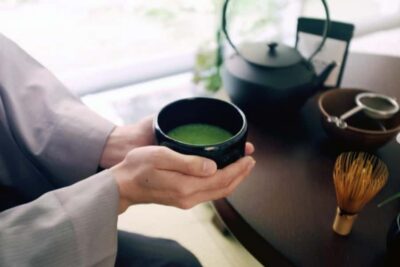
Tea Ceremony Workshop in Tokyo by the Experienced Instrucor
Read our review →

Make Traditional Nerikiri Sweets & Matcha experience in Shibuya
Read our review →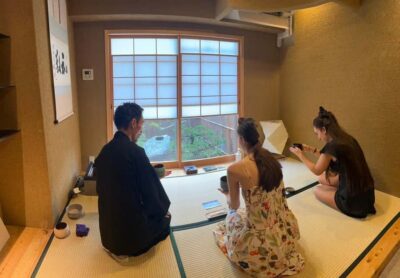
Tea Ceremony Experience in a Private Tea Room in Shibuya
Read our review →Browse the lists this tour appears in