
Reviewed · SUMO EXPERIENCES
【SUMO FESTIVAL】Tokyo Ginza: Sumo Show & Photo Experience
The best part of this Ginza experience is the chance to see sumo from only a few steps away, then take part yourself. You watch demonstrations, learn basic winning techniques, and may even enter the ring against a retired sumo wrestler if your name is drawn.
I like the clear English commentary, which makes the show easy to follow, and the hands-on parts such as shiko, salt throwing, and carrying a traditional mikoshi shrine. Those touches give you more to do than simply sit and watch.
The main caution is that this is an entertainment show, not a full tournament match. The host does a lot of explaining, and some of the two-hour program can feel talk-heavy if you came mainly for several rounds of wrestling.
In This Review
- Key points at a glance
- What this Ginza sumo show really is
- Watching the morning training and demonstrations
- Seeing the wrestlers up close
- Trying shiko, salt throwing, and body collision
- Carrying a mikoshi after the show
- Food, drinks, and the cost of the experience
- Finding TokyoSumoFestival in Ginza
- Who will enjoy this most
- How to get the most from the two hours
- Should you book Tokyo Sumo Festival?
- FAQ
- How long does the Tokyo Ginza sumo experience last?
- Where is TokyoSumoFestival located?
- Is food included in the ticket?
- Can I wrestle against a sumo wrestler?
- Is commentary available in English?
- Can I cancel for a full refund?
Key points at a glance
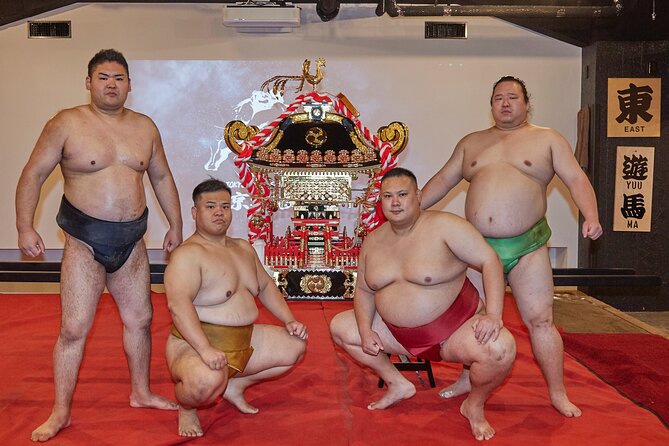
- Sumo at close range: Every seat faces the ring, with a front-row upgrade available.
- A real chance to wrestle: Audience members may challenge a retired sumo wrestler, but participation can be decided by lottery.
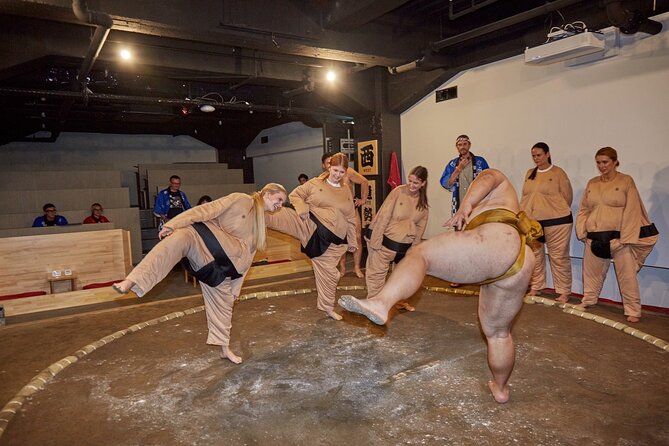
- Hands-on customs: You can try shiko, throw salt, practice a sumo body collision, and help carry a mikoshi.
- Easy English access: The MC provides commentary in English and Japanese, with clear explanations of the sport.
- Ginza location: The venue is near public transportation, though the address can be tricky to find in Google Maps.
- Two-hour cultural show: A welcome drink is included, while meals and additional food cost extra.
What this Ginza sumo show really is
You are not buying a ticket to a formal professional sumo bout. You are signing up for a compact cultural performance built around the sights, sounds, rules, and physical rituals of sumo.
The format combines explanation, demonstration, audience participation, and comedy. You watch sumo wrestlers perform basic moves and short bouts, then get invited to try parts of the sport yourself. The program also includes a mikoshi experience, connecting sumo with another familiar Japanese festival tradition.
That distinction matters. If you want the long build-up, strict ceremony, and competitive tension of a major tournament, this will feel staged and introductory. If you want to understand what you are seeing and get close enough to join in, the format makes sense.
The show is held at TokyoSumoFestival in Ginza, at 1-3-1 Ginza, Chuo City, in the basement of Ginza INZ 1. The venue name to search is TokyoSumoFestival, which is more useful than relying on the street address alone.
More sumo mornings:
- Tokyo: Sumo Show Experience with Chicken Hot Pot and a Photo
★ 4.8 · 6,678 reviews - Tokyo: Sumo Show and Dining Experience
★ 4.8 · 2,742 reviews - the SUMO show
★ 5.0 · 1,960 reviews
Watching the morning training and demonstrations
The program begins with morning sumo training, followed by explanations of techniques used to win. You will see demonstrations of movement and balance before the live sumo action begins.
This introduction helps if you know little about sumo. The sport can look simple from a distance: two large men push, pull, and try to force one another out of the ring. Once the basic techniques are explained, you can pay attention to foot placement, timing, grips, and the way a wrestler uses an opponent’s weight.
The MC handles the commentary in English and Japanese. Several people praised the English delivery as easy to understand, which is important because the talking is a large part of the experience. The explanations are aimed at a broad audience, so families and first-time visitors should be able to follow along.
Still, the tone can be quite tourist-friendly and simplified. I would expect more basic instruction than detailed history or technical coaching. One useful question to ask yourself before booking is simple: do you want a lively introduction to sumo, or do you want a serious lesson in its centuries of tradition?
The answer affects how much you enjoy the program. The show explains moves and principles well, but the historical background may feel brief. Some people would prefer less time from the host and more time watching the wrestlers.
Seeing the wrestlers up close
All seats provide a close view of the ring, so you do not need the most expensive place to understand the action. The front-row upgrade is aimed at people who want a more intense view of the wrestlers and more immediate access to the participation segments.
The small scale is one of the strong points here. You are not watching tiny figures across a huge arena. You can see the wrestlers’ expressions, movements, costumes, and physical effort at close range.
The show usually centers on a small number of wrestlers, with some sessions featuring only two. That creates a friendly and direct atmosphere, but it also limits the number of bouts. You might see only a few rounds rather than a long sequence of matches.
The wrestlers themselves bring much of the energy. Yuma and Kaito received especially warm praise for their humor and crowd interaction. Their role is not just to fight. They demonstrate, joke with the audience, and help turn the room into a shared activity.
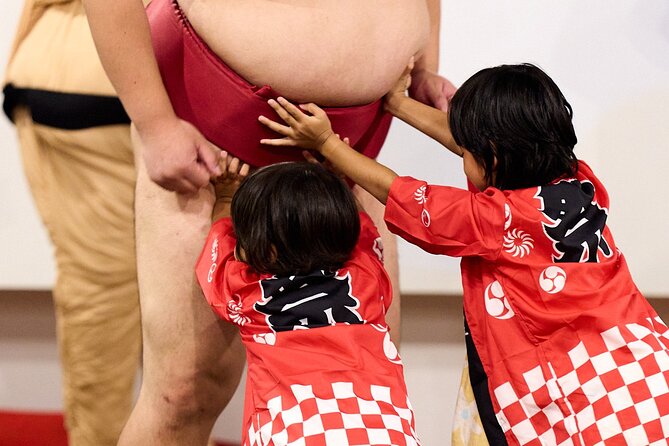
This is also why the experience can work well for families. Children have something to watch, but they may also be invited to participate. Adults should know that the show has a playful, sometimes silly tone rather than the solemn atmosphere of a tournament hall.
Trying shiko, salt throwing, and body collision
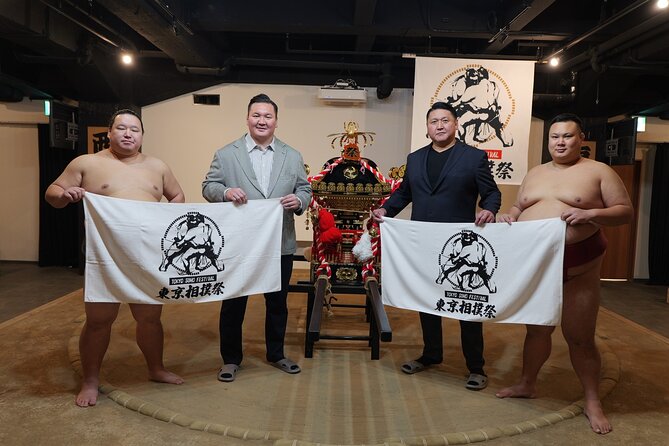
The audience activities give this experience its strongest practical value. You do not just hear that sumo involves ritual and preparation. You get a short chance to copy some of it.
You can try shiko, the slow leg-lifting stomp associated with sumo training. It looks easier than it feels. You also get to practice throwing salt, a ritual linked with purifying the ring before a bout.
Another activity is a sumo body collision exercise. The description does not promise that every person will take part in every activity, but these exercises are included in the program. They give you a safer and simpler sense of the strength and balance involved.
The biggest draw is the chance to challenge a retired sumo wrestler. This part is limited, and if many people want to participate, the selection may be made by lottery. You should treat it as a bonus rather than a guaranteed part of your booking.
Even if you are not chosen, the crowd participation does not stop there. You can watch others enter the ring, join the demonstrations, and take part in the other activities. The format keeps the audience involved instead of leaving you seated for the entire show.
A few more Tokyo bookings worth comparing
- Mt Fuji & Hakone Cruise, Drum Show Bullet Train 1 Day from Tokyo
★ 4.0 · 7,413 reviews - Tokyo Shinjuku Sumo Show & Experience with Photo
★ 5.0 · 1,750 reviews - Mt Fuji & Hakone Cruise, Drum Show Bus 1 Day from Tokyo
★ 4.0 · 1,287 reviews - Tokyo: Sumo Show and Experience in Shinjuku
★ 4.8 · 1,001 reviews
Carrying a mikoshi after the show
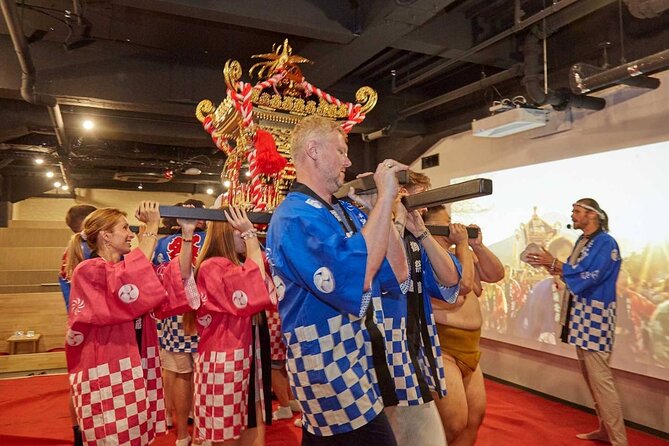
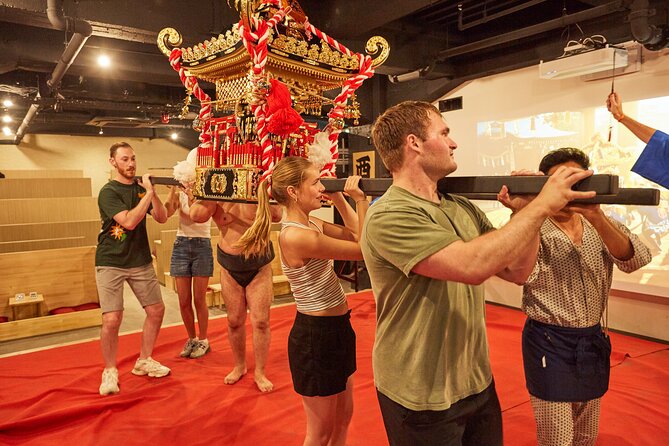
After the sumo performance, you get to experience a mikoshi, the portable shrine carried during Japanese festivals. This is a surprising addition, since it shifts the mood from wrestling demonstration to community celebration.
The mikoshi activity gives you a physical link to a well-known festival custom. You are not simply looking at an object in a museum. You get to help carry it and understand how group effort forms part of the ritual.
This portion will appeal most if you enjoy cultural activities that are participatory and a little playful. If your main goal is sumo, it may feel like an extra segment added to fill out the program. The response to it depends on what you want from the two hours.
I see it as useful context, but not a substitute for more sumo. The strongest version of this experience would keep the mikoshi activity while also allowing more time for wrestling rounds.
Food, drinks, and the cost of the experience
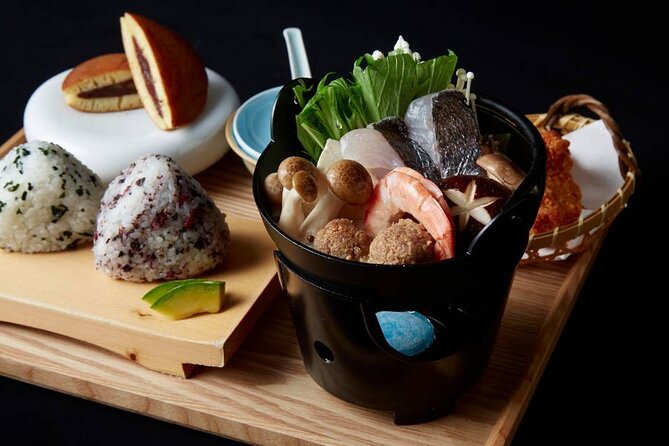
The listed price is $63.41 per person. A welcome drink is included, but meals are not. Food is available for an additional charge, and some people found the portions filling and the dishes tasty. Others found the food mediocre.
That mixed food experience means I would not book this primarily as a meal. Think of the food as a convenient add-on while you watch the show, not the main reason to pay the admission price.
The value comes from the combination of entertainment and participation. You are paying for close seating, English and Japanese commentary, live sumo demonstrations, the chance to challenge a retired wrestler, hands-on rituals, and the mikoshi activity.
At roughly sixty-three dollars, that can be fair for a visitor who has no tournament scheduled during a Tokyo stay and wants a planned sumo activity. It may feel expensive if you want only to watch wrestling, especially when the program has limited bouts and a lot of host commentary.
I would compare the price with your alternatives. A formal sumo tournament offers authentic competition but runs on a very different schedule and may not be taking place during your visit. This show offers flexibility and participation, but it is designed for first-time learners rather than serious fans seeking a full match card.
Finding TokyoSumoFestival in Ginza
The venue is near public transportation, and Ginza is an easy area to pair with shopping, restaurants, and other central Tokyo sights. The practical problem is finding the exact entrance.
The supplied address can point incorrectly in Google Maps, and the venue is below street level in Ginza INZ 1. Search for TokyoSumoFestival on Google Maps instead of entering only the postal address.
Give yourself extra time. A few minutes spent locating the basement entrance is much better than arriving after the program has begun. This is especially important because the venue name may not be familiar to nearby shop staff, and the address alone may not guide you to the right door.
Your mobile ticket is useful once you arrive. Confirmation is sent within 48 hours of booking, subject to availability, so do not assume that payment instantly guarantees a confirmed place.
Who will enjoy this most
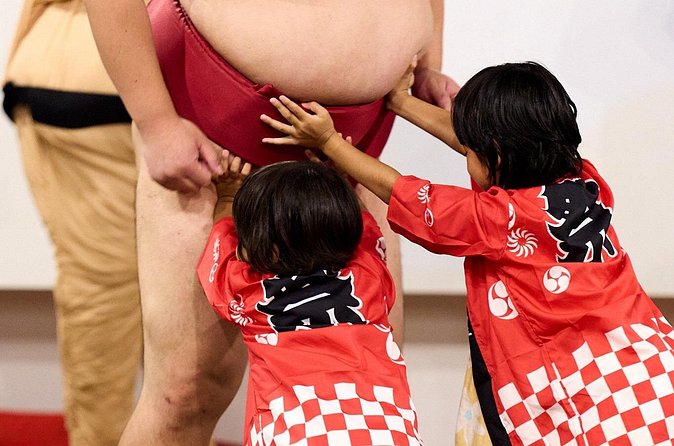
I would recommend this experience to first-time Tokyo visitors who want an easy introduction to sumo without planning around a tournament. It also suits families, groups of friends, and people who prefer cultural activities with a chance to participate.
It is a good pick for you if:
- You want explanations in English.
- You like joining demonstrations rather than only watching.
- You are comfortable with a playful show format.
- You would enjoy trying shiko, salt throwing, and body collision practice.
- You want a close view of wrestlers in central Ginza.
- You accept that the chance to wrestle is decided by lottery when demand is high.
I would be more cautious if you are a dedicated sumo fan looking for extended competitive action. The show may leave you wanting more rounds, more wrestlers, and less talking from the host.
The same applies if you dislike audience participation. The interactive parts are central to the experience, not a minor extra. You can watch without taking the main challenge, but the tone remains social and demonstrative.
How to get the most from the two hours
Arrive early enough to locate the basement venue. Use the venue name in Google Maps, and keep the mobile ticket ready.
If you hope to challenge the retired wrestler, listen for instructions about the lottery. Do not count on being selected, and enjoy the other activities even if your name is not called.
Pay attention during the technique explanations. The show becomes more interesting when you know what to watch for in the demonstrations. Look at how the wrestlers use stance, timing, and balance, not only how hard they push.
If you plan to order food, treat it as optional. Some dishes have been well received, but food quality is not as consistent as the show itself. Since meals cost extra, you can decide on the spot.
Finally, choose your seat based on priorities. Standard seating still gives you a close view. The front row makes sense if being near the ring matters more to you than keeping the price down.
Should you book Tokyo Sumo Festival?
Book it if you want a friendly, accessible introduction to sumo with clear English commentary and plenty of audience involvement. The chance to step into the ring, practice shiko, throw salt, and help carry a mikoshi gives you memories that a standard performance cannot provide.
Skip it if your ideal sumo experience means watching many serious bouts with minimal narration. The host can talk for longer than some people prefer, and the number of wrestlers and rounds may be limited.
For most first-time visitors, I see this as a useful substitute when a professional tournament is not running in Tokyo. Go expecting a cultural show with sumo at its center, not a tournament. That expectation makes the $63.41 price easier to judge, and it lets you appreciate the parts this experience does best: closeness, humor, clear explanations, and the chance to take part.
FAQ
How long does the Tokyo Ginza sumo experience last?
The experience lasts approximately two hours.
Where is TokyoSumoFestival located?
It is at 1-3-1 Ginza, Chuo City, Tokyo, in the basement of Ginza INZ 1. Search for TokyoSumoFestival on Google Maps because the street address may not point to the correct place.
Is food included in the ticket?
No. Meals are available for an additional charge. A welcome drink is included.
Can I wrestle against a sumo wrestler?
You may challenge a retired sumo wrestler, but participation is limited. If many people want to take part, selection may be decided by lottery.
Is commentary available in English?
Yes. The MC provides commentary in English and Japanese.
Can I cancel for a full refund?
Yes, if you cancel at least 24 hours before the experience start time. Cancellations made less than 24 hours in advance are not refundable, and changes within that period are not accepted.
New on our Tokyo list
- From Tokyo: Mount Fuji & Hakone Full Day Private Tour★ 4.9 · 25 reviews
- Tokyo Spectacular View Day-Cruise in 90 Minutes★ 5.0 · 25 reviews
- Real Tokyo Runner Club : Daikoku Car Meet Night Tour with JDM Car★ 5.0 · 25 reviews
- 2.5 Hour-Guided Cycle Tour in the Central Tokyo★ 5.0 · 25 reviews
- Ramen Making from Scratch +Akihabara Tour –Cooking Class★ 5.0 · 25 reviews
- [Self-Drive] Tokyo & Daikoku Custom Car Driving Tour★ 4.9 · 25 reviews
- Tokyo: 2-Hour Night Bike Tour of the City’s Hidden Gems★ 4.9 · 25 reviews
- Samurai themed Entertainment show in Shinjuku★ 4.5 · 25 reviews
Sumo Experiences, compared.
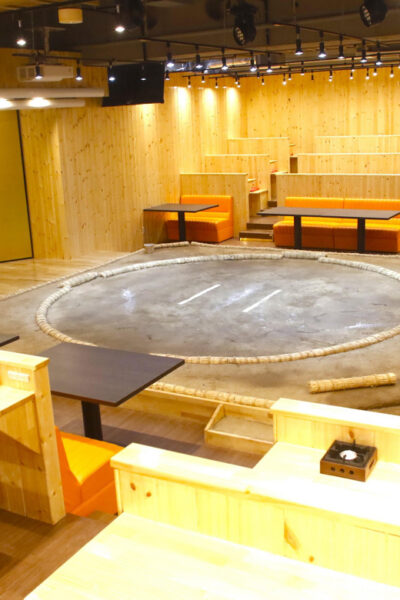
Sumo Show Experience with Chicken Hot Pot and a Photo
Read our review →
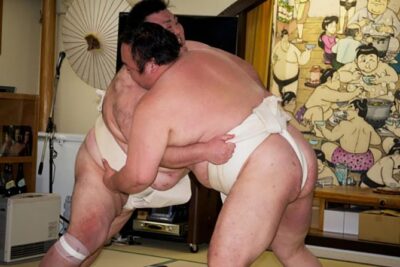
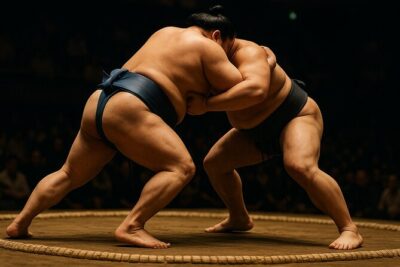
Tokyo Shinjuku Sumo Show & Experience with Photo
Read our review →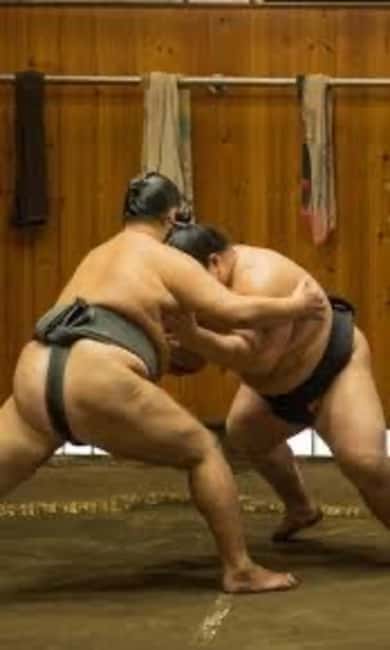

Authentic Sumo Experience in Tokyo: Enter the Sanctuary
Read our review →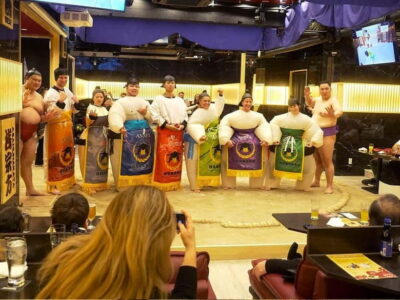
Luxury Sumo Show Experience & Japanese cuisine & Drink
Read our review →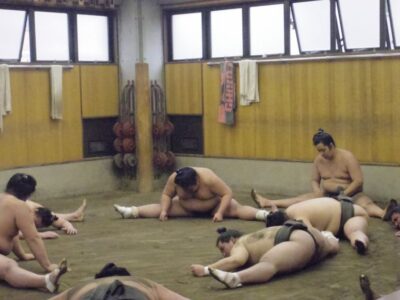
Browse the lists this tour appears in