
Reviewed · TOKYO FOOD TOURS
Asakusa: Tokyo’s #1 Family Food Tour
Asakusa’s best moments often happen away from the giant temple gate. This three-hour food walk takes you through old downtown lanes where red lanterns, rickshaws, shops, and sizzling street food create a lively picture of traditional Tokyo.
I like the local lunch and the way the tour links food with Asakusa’s past. I also like the small group limit of 10, which gives guides such as Michael, Daisuke, and Motoko room to answer questions and keep children involved.
The catch is the high price. At $173 per person, this is not a cheap snack walk. You are paying for a private-feeling small group, an English-speaking guide, and several tastings, so you should book only if that extra help matters to you.
In This Review
- Key points to know before booking
- Why Asakusa works so well for a food walk
- Meeting your guide at the Culture and Tourism Center
- Following the smells through old downtown streets
- The food stops, from snacks to a proper lunch
- Melon pan, the stop children remember
- What the guide adds to the afternoon
- How the schedule fits a Tokyo day
- Is $173 per person a fair price?
- Who will enjoy this Asakusa tour most?
- Booking details worth getting right
- FAQ
- How long does the Asakusa food tour last?
- Where does the tour meet?
- How late will the guide wait?
- What food and drinks are included?
- Is melon pan included?
- How many people are in the group?
- Can I cancel the booking?
- Should you book this Asakusa food walk?
Key points to know before booking
- Three hours in historic Asakusa: The tour runs from 11:00 AM to about 2:00 PM, making it an afternoon food and culture outing.
- Several food stops: You receive a variety of dishes, one included drink, dessert, and the chance to buy extra food or drinks.
- Melon pan is a featured treat: The warm, golden sweet bread is one of the tour’s signature tastes and should appeal to children and adults.
- Small groups keep things personal: A maximum of 10 participants makes it easier to hear stories and ask questions.
- The route goes beyond the main sights: Expect traditional streets, side alleys, shops, a shrine, and a local cafe rather than only the standard temple view.
- Arrive early: The guide waits only five extra minutes, and the group leaves without being able to give directions or make phone contact after departure.
Why Asakusa works so well for a food walk
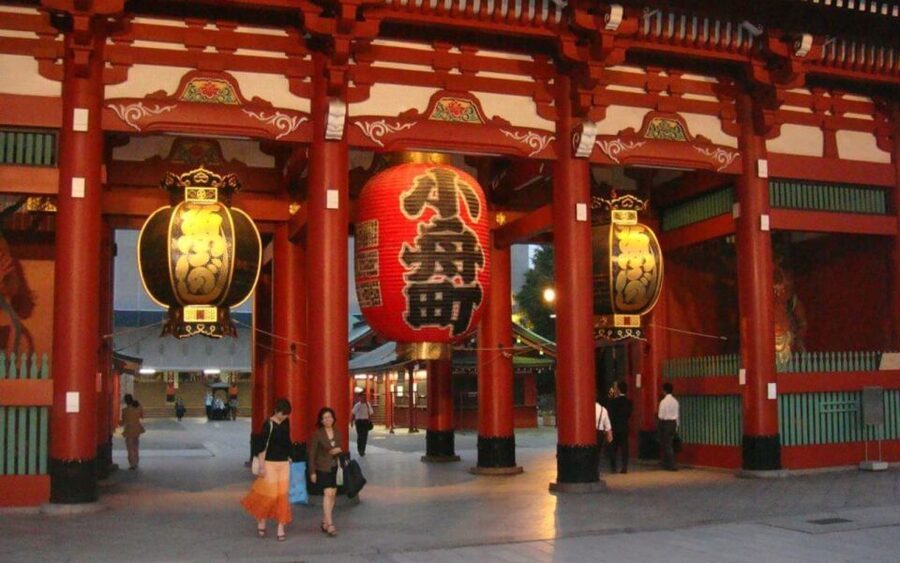
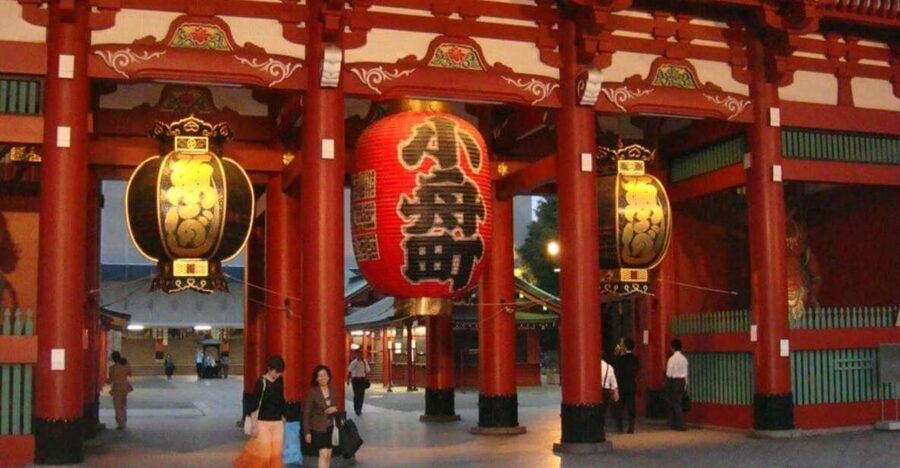
Asakusa is one of the few Tokyo districts where the old downtown character remains easy to see. The area is famous for Senso-ji and the Kaminarimon gate, but the appeal here is not limited to taking a quick photograph and moving on.
The neighborhood is known as shitamachi, or old downtown. That word points to a more ordinary side of Tokyo, where small shops, local eating places, narrow lanes, and long-standing customs sit close to major attractions.
Food gives you a useful way to read the district. Instead of treating Asakusa as a collection of temples and souvenir stalls, the tour uses snacks and lunch to explain how people eat, work, socialize, and preserve local traditions.
You can expect to walk through streets where rickshaws pass by and red lanterns hang over storefronts. The atmosphere changes from the broad tourist routes to rustic side streets, where the pleasure comes from small discoveries rather than grand sights.
This is especially helpful if you are visiting Tokyo for the first time. A guide can explain what you are seeing while you taste it, and you do not have to spend your first afternoon guessing which shop is worth entering.
More Tokyo food crawls:
- Tokyo: Shinjuku Food Tour (13 Dishes at 4 Local Eateries)
★ 5.0 · 6,603 reviews - Tokyo: Shinjuku Food Tour (15 Dishes and 4 Eateries)
★ 4.9 · 2,033 reviews - Best of Shinjuku: Izakaya Food Tour (4 Stops, 14+ Tastings)
★ 5.0 · 1,863 reviews
Meeting your guide at the Culture and Tourism Center
The meeting point is directly in front of the Asakusa Culture and Tourism Center, written in Japanese as 浅草文化観光センター. Your guide will hold a sign, so the location should be straightforward to identify.
Give yourself extra time. The tour allows only a five-minute grace period after the 11:00 AM start, then the group departs. Once the walk begins, the guide cannot provide directions or call you, partly to keep the group moving and partly to respect arrangements with the restaurants.
That rule is strict, but it is useful to understand it before you arrive. Asakusa can feel confusing around the major crossings, especially when you are managing children, luggage, or several family members. Plan to reach the meeting point early rather than treating 11:00 as the time to leave your hotel.
The starting point also makes sense for the tour. You begin near one of Asakusa’s main visitor facilities, then move into the surrounding streets where the food stops and local details take over.
Following the smells through old downtown streets
The walking portion is the backbone of the experience. You are not simply seated in one restaurant for three hours. Instead, the route connects several tastings with stories about Asakusa and its entertainment culture.
The description emphasizes aromas from freshly grilled street food. That detail matters because food here is part of the visual experience too. You may see ingredients cooking, smell dishes before you reach the shop, and sample items you might otherwise pass by.
The route also includes hidden side streets, mall shops, a shrine, and a local cafe. These stops give the tour a mixed rhythm. You are not walking through only one type of place, and you are not relying solely on the most famous temple grounds.
A shrine stop can add a quiet pause to the food route. A local cafe offers a different setting from a street stall, while the shops show how Asakusa handles the demands of modern visitors alongside its older identity.
The tour covers roughly a one-mile area, according to one detailed account of the experience. That makes it manageable for many families, but it also sets expectations correctly. This is a compact neighborhood walk, not a full-day exploration of Tokyo.
Wear comfortable shoes and expect to remain on foot for much of the three hours. The route is short in distance, yet food stops, street crossings, stories, and browsing can make the time pass quickly.
The food stops, from snacks to a proper lunch
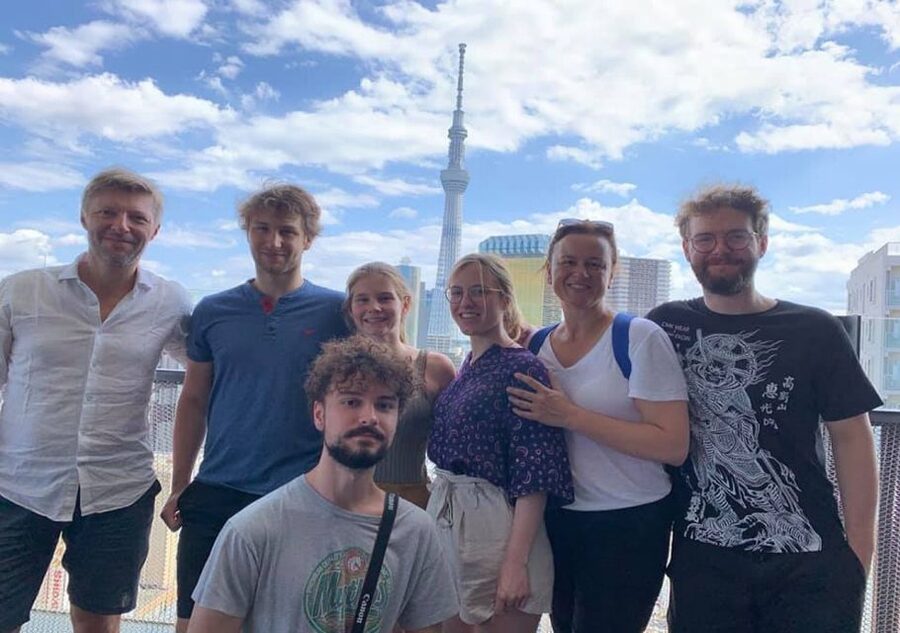
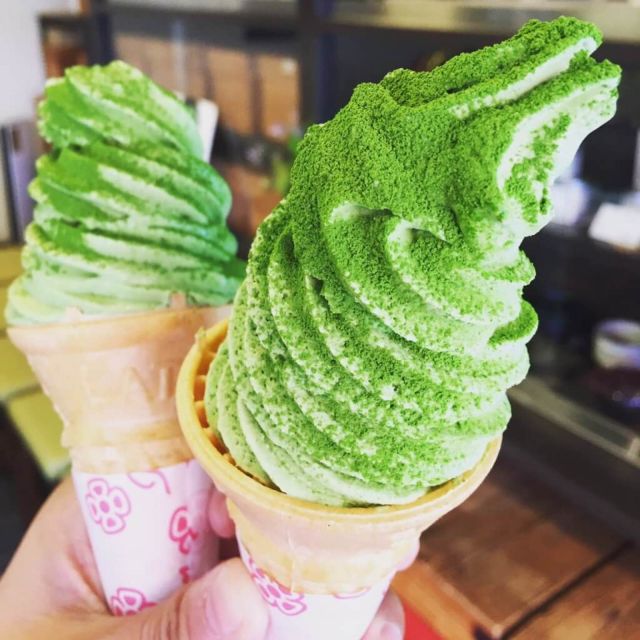
The included food is spread across multiple stops rather than served as one large meal. You receive a variety of dishes, one drink, and dessert, with extra food or drinks available at your own expense.
The best part of this setup is variety. Regional flavors from across Japan give you a chance to sample beyond the dishes most commonly associated with Tokyo. You are not expected to plan a meal, decipher every menu, or commit to a full portion of something unfamiliar.
The tradeoff is that the exact dishes are not specified in advance. If you need to know every item before paying, this lack of detail may bother you. Ask the supplier about the current food plan and share allergies or dietary requirements before the tour.
The lunch is described as traditional, flavorful, and satisfying. One account characterizes it as nice but basic, which is a fair warning. You should expect a local-style meal that supports the walking route, not a luxury dining experience or a carefully staged tasting menu.
That distinction is important at this price. The food itself may not justify $173 per person. The value comes from combining lunch with guided access to several stops, local explanation, and the ease of having someone organize the afternoon.
More Asakusa visits:
- Tokyo: Japanese Dance Cabaret Theater Asakusa-Kaguwa Ticket
★ 4.8 · 2,270 reviews - Tokyo: Meiji Shrine, Asakusa, Skytree Bus Tour and Cruise
★ 4.7 · 1,986 reviews - Tokyo: Roll and Authentic Sushi Making Class in Asakusa
★ 4.9 · 1,957 reviews - Tokyo: Asakusa Walking Tour with Sensoji Temple Visit
★ 4.8 · 1,583 reviews
Melon pan, the stop children remember
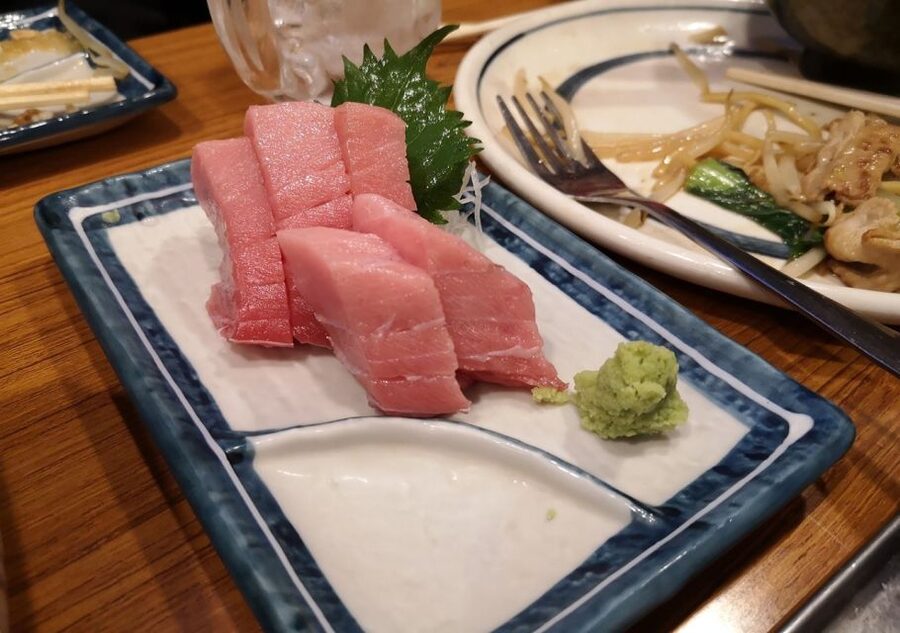
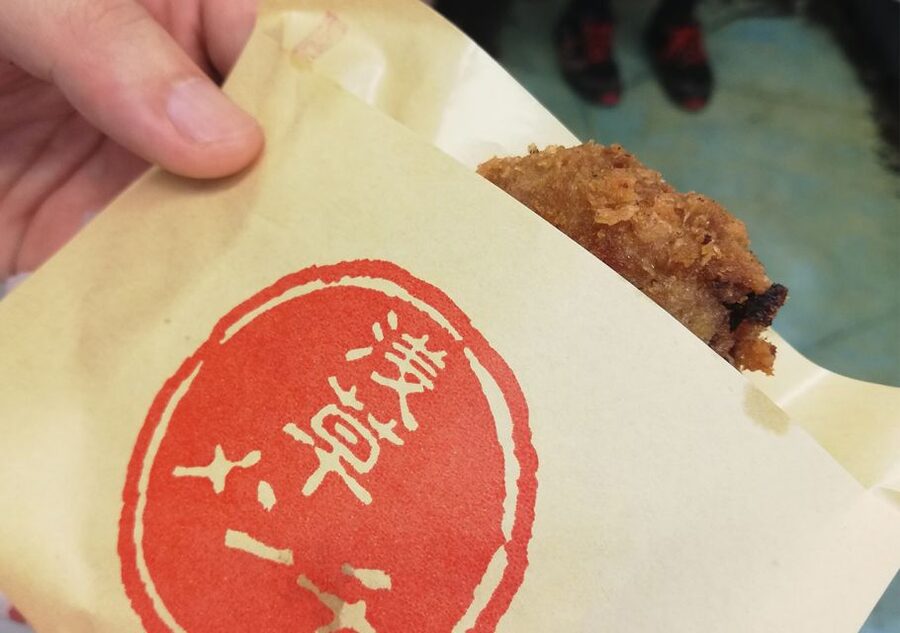
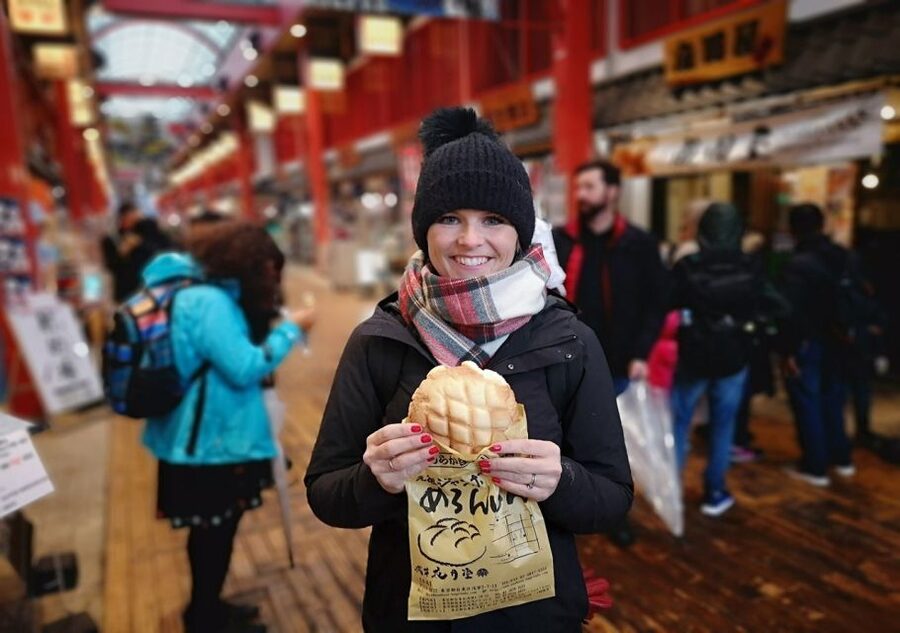
Melon pan is the most clearly identified treat on the route. Despite its name, it is not a melon-filled pastry. It is a sweet Japanese bread with a crisp patterned outside and a soft interior, often served warm.
The tour presents it as an iconic Asakusa snack and a favorite for all ages. That makes it a smart choice for a family food walk. Children get a recognizable sweet treat, while adults can try a famous local bakery item without having to search for it.
The bread is also a useful example of how food memories work in Japan. It is simple, portable, and connected to everyday eating rather than formal restaurant dining. A long line at a popular melon pan shop may be part of the experience, though the supplied information does not promise a particular bakery or waiting time.
If you have a sweet tooth, this is likely to be one of the afternoon’s highlights. If you prefer savory food, remember that melon pan is only one part of a wider tasting schedule.
What the guide adds to the afternoon
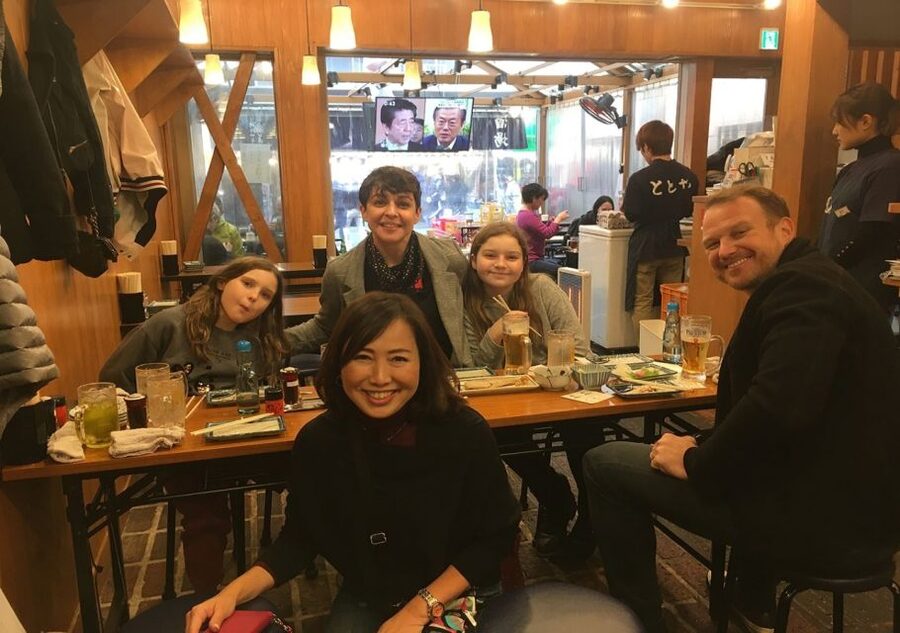
The guide is the main reason to consider this tour instead of making your own food walk. A good guide can explain the district’s samurai-era entertainment culture, point out details you would miss, and make the food feel connected to the neighborhood.
The strongest praise has gone to the guides’ personal approach. Michael is described as able to answer questions and share many interesting details about Japan. Daisuke made a clear effort to include everyone and keep the mood comfortable. Motoko is remembered as friendly and informative.
Those names show that the guide can shape the experience greatly. You are not booking a fixed restaurant menu with an anonymous escort. You are booking time with a local English-speaking person, and the quality of the conversation will affect how much value you receive.
This is good news for families. Children can ask simple questions, adults can ask about customs or food, and grandparents can take part without needing to manage every detail. The small group limit of 10 also gives the guide a better chance to notice when someone needs a slower explanation or a little extra help understanding a dish.
Still, do not expect a private guide. Other people will be in the group, and the pace must suit everyone. The tour requires at least two people per booking, so solo visitors cannot reserve it alone under the stated rules.
How the schedule fits a Tokyo day
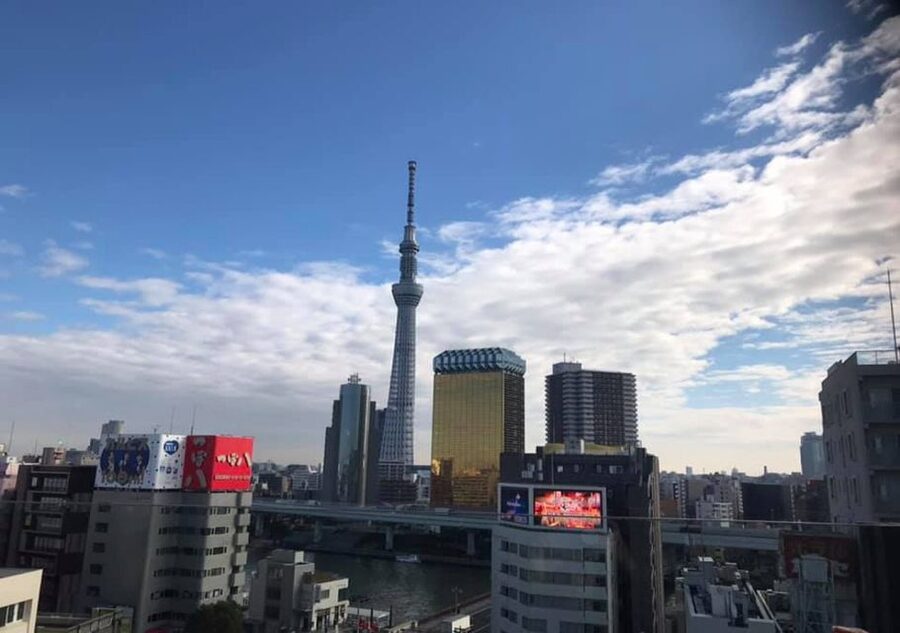
The tour starts at 11:00 AM and ends around 2:00 PM. That timing works well as a late-morning outing that becomes lunch, leaving the rest of the day open for more Asakusa sightseeing or another part of Tokyo.
You should eat lightly beforehand. The tour includes snacks, a drink, dessert, and lunch, so arriving hungry makes sense. At the same time, the food is served across several stops, not necessarily all at once, so do not expect one large meal at the beginning.
The three-hour length is long enough to create a proper sense of place without taking over your day. Families often benefit from this middle ground. A shorter tasting may feel rushed, while a full-day food tour could be tiring for younger children or older relatives.
The route includes walking between stops, so your group should be comfortable spending an afternoon on foot. The information provided does not specify accessibility details, so contact the supplier before booking if anyone in your party needs particular assistance.
Is $173 per person a fair price?
At $173 per person, this tour sits firmly in the premium category for a three-hour neighborhood walk. For two adults, the cost is $346 before any gratuity, transportation, or optional purchases. A larger family can reach a significant total quickly.
You are paying for more than the food. The price includes multiple dishes, one drink, dessert, a traditional lunch, and a live English-speaking guide in a group capped at 10. It also buys convenience, cultural context, and a planned route through places you might not identify on your own.
But the food portion should be judged honestly. The lunch is basic rather than elaborate, and the route is compact. If your main goal is to eat as much as possible for the lowest cost, you can spend far less by choosing snacks and a restaurant yourself.
I would consider the tour better value for a family that wants help navigating Japanese food and customs. It may also suit couples who prefer conversation and local stories over a self-guided list of eateries.
I would hesitate if you are an experienced Tokyo visitor who already knows Asakusa well. In that case, the food and guide may not add enough to justify the premium.
The cost also needs to be read correctly. It is per person, not a total booking price. Check the currency and full amount carefully before confirming, especially if you are booking for several children and adults.
Who will enjoy this Asakusa tour most?
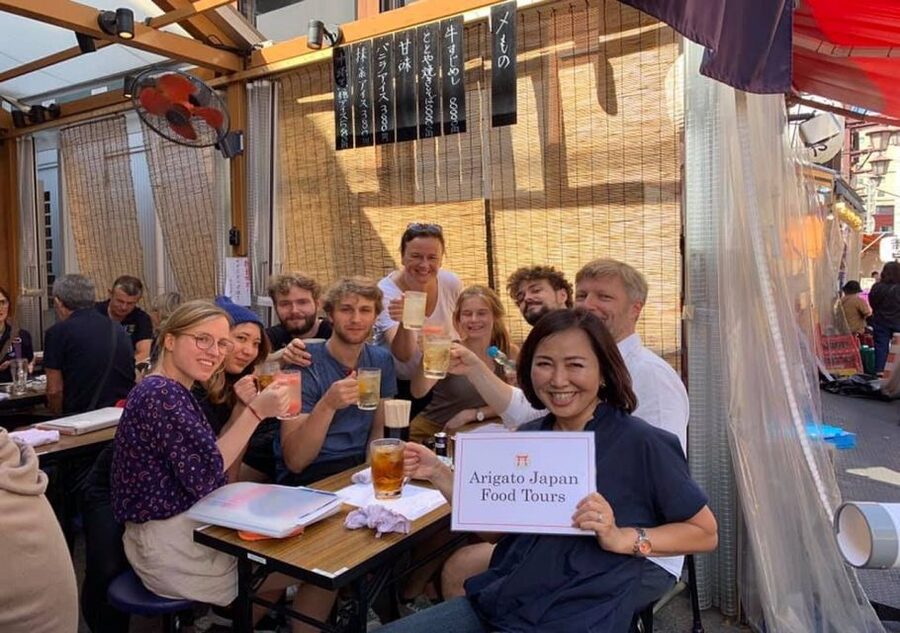
This is a strong fit for families with children, teens, parents, or grandparents because the format keeps changing. You walk, listen, taste, browse, and stop for lunch rather than sitting through a long lecture.
It also suits couples who want a gentle introduction to Asakusa. You get food, history, and neighborhood details in one outing, with the rest of the afternoon free.
First-time visitors to Tokyo may gain the most. The guide handles the practical work of selecting stops and explaining customs, while you concentrate on the sights and flavors.
People with strict dietary needs should contact the supplier before booking. The tour specifically asks you to provide allergy and dietary information, but the available details do not guarantee that every requirement can be met.
This may not suit people seeking fine dining, a long-distance sightseeing route, or a very cheap food crawl. The experience is local and compact, with a strong focus on guidance and group interaction.
Booking details worth getting right
The tour runs daily and is conducted in English. It requires at least two people per booking, and participants aged 10 and over must provide passport information.
Hotel pickup is not included. It can be arranged for an additional charge, but the standard meeting point remains the Culture and Tourism Center in Asakusa. Transportation costs, gratuity, and extra purchases are also separate.
You can cancel up to 24 hours in advance for a full refund. A reserve-now, pay-later option is available, which helps if your Tokyo plans are still shifting.
Bring a little flexibility for the food. The route includes set inclusions, but additional drinks or snacks can be purchased if you want more. Since the exact dishes are not listed, a quick dietary check with the supplier is sensible before you commit.
FAQ
How long does the Asakusa food tour last?
The tour lasts three hours. It starts at 11:00 AM and finishes at approximately 2:00 PM.
Where does the tour meet?
The meeting point is in front of the Asakusa Culture and Tourism Center, or 浅草文化観光センター. The guide will hold a sign.
How late will the guide wait?
The guide can wait only five additional minutes after the scheduled start time. After that, the tour departs, and the guide cannot provide directions or contact participants by phone.
What food and drinks are included?
The tour includes a variety of dishes at multiple food stops, one drink, dessert, and a traditional Japanese lunch. Additional food and drinks can be purchased separately.
Is melon pan included?
Melon pan is identified as one of the tour’s featured treats. The tour description does not specify the exact serving arrangement, so you can confirm this with the supplier if it is important to your group.
How many people are in the group?
The tour is limited to 10 participants. A minimum of two people per booking is required.
Can I cancel the booking?
You can cancel up to 24 hours in advance for a full refund. A reserve-now, pay-later option is also available.
Should you book this Asakusa food walk?
Book it if you want a guided introduction to old Tokyo, enjoy trying several foods in one afternoon, and value an English-speaking local who can answer questions. Families will appreciate the varied pace, the melon pan, and the small group format.
Skip it if $173 per person feels too high for a compact three-hour walk with a basic lunch. You can explore Asakusa’s temple, shops, cafes, and snacks independently for much less.
My practical verdict is simple: this is a well-shaped cultural food outing, not a bargain meal. Arrive early, come hungry, disclose dietary needs, and judge the price as payment for the guide and organized access rather than for lunch alone.
New on our Tokyo list
- Sumi-e Experience in a relaxing green tea shop in Tokyo★ 5.0 · 3 reviews
- Tokyo : Kamikaze Street Drift Ride★ 5.0 · 3 reviews
- Private Zen Meditation in English in Shinjuku, Tokyo★ 5.0 · 3 reviews
- Onsen Spa in Tokyo and Asakusa Bar Hopping with Local Guide★ 5.0 · 3 reviews
- Easy for everyone! Now you can play handmade mini shamisen and show off to everyone! Musical instruments, sweets and live music★ 5.0 · 3 reviews
- Tokyo: Private Tsukiji Street Food & Sake with Local Guide★ 5.0 · 3 reviews
- Mt Fuji Exploration Tour with Free Japanese Kusa Mochi from Tokyo★ 4.5 · 3 reviews
- Tokyo Tsukiji Fish Market Walking and Exploring Hidden Gems Tour★ 5.0 · 3 reviews
Tokyo Food Tours, compared.
Shinjuku Food Tour (13 Dishes at 4 Local Eateries)
Read our review →
Shinjuku Food Tour (15 Dishes and 4 Eateries)
Read our review →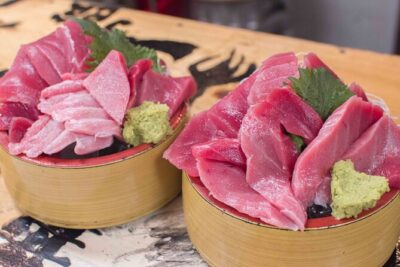
Best of Shinjuku: Izakaya Food Tour (4 Stops, 14+ Tastings)
Read our review →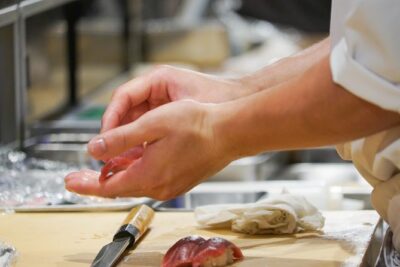
Tokyo Night Foodie Tour in Shinjuku – Seasonal Sushi, Wagyu Beef
Read our review →
Eat and Drink Like a Local: Tokyo Ueno Food Tour-Taverns&Ramen
Read our review →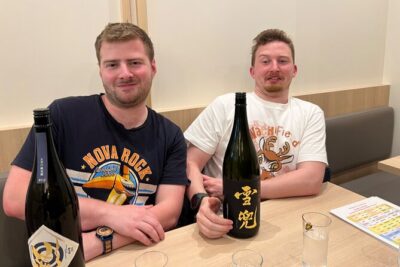
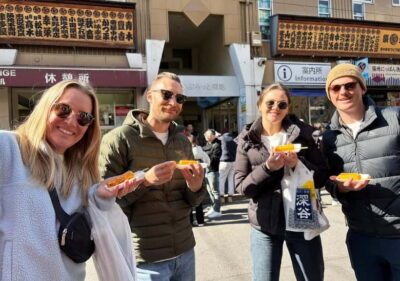
Tsukiji Fish Market: Street Food & Culture Walking Tour
Read our review →Shinjuku Food Tour – 15 Dishes, 3 Drinks, 4 Eateries
Read our review →Browse the lists this tour appears in