
Reviewed · TOKYO FOOD TOURS
Asakusa, Tokyo’s #1 Family Food Tour
Asakusa is at its best when you move beyond the big temple gates and follow the small food shops tucked into nearby streets. This three-hour food walk combines five tasting stops with a proper lunch, regional snacks, and a guided look at one of Tokyo’s oldest downtown districts.
I like the small group size, capped at 10 people, and the way the tour connects food with place. I also like the range: you may taste Japanese plums, pickles, rice crackers, tea, ice cream, and melon pan, then sit down to food from southern Japan rather than simply grazing on street snacks.
The main drawback is the price, $221 per person, which is a serious spend for three hours. Food choices can change with the season, restaurant schedules, holidays, weather, and other practical matters, so you should book this for the local guidance and context as much as for any one promised dish.
In This Review
- Key points at a glance
- Why food is the best way into Asakusa
- Meeting at Asakusa Culture Tourist Information Center
- Kaminarimon and the first taste of local life
- Five stops, with food from southern Japan
- Melon pan, matcha, and the sweet finish
- Senso-ji and the quieter side of the temple district
- What the small group changes
- Family fit, food needs, and practical limits
- How the price compares with a do-it-yourself afternoon
- Who should book this Asakusa food tour?
- Should you book it?
- FAQ
- Where does the Asakusa food tour begin?
- What time does the tour start?
- How long does the experience last?
- Where does the tour end?
- How many food stops are included?
- What food might I taste?
- Is lunch included?
- Is the tour suitable for vegetarians and pescatarians?
- What happens if I need to cancel?
Key points at a glance
- Five food stops include lunch: This is more than a snack crawl, with a sit-down meal from southern Japan included.
- Groups stay small: No more than 10 people join, making it easier to ask questions and keep to the narrow side streets.
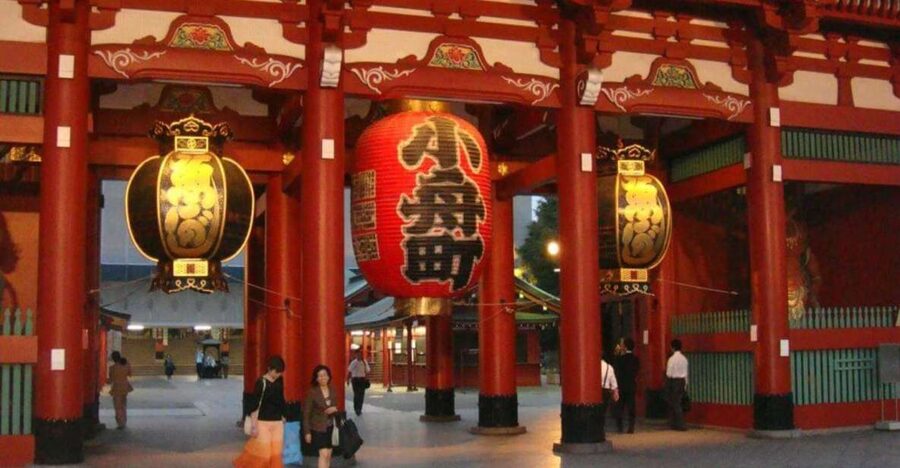
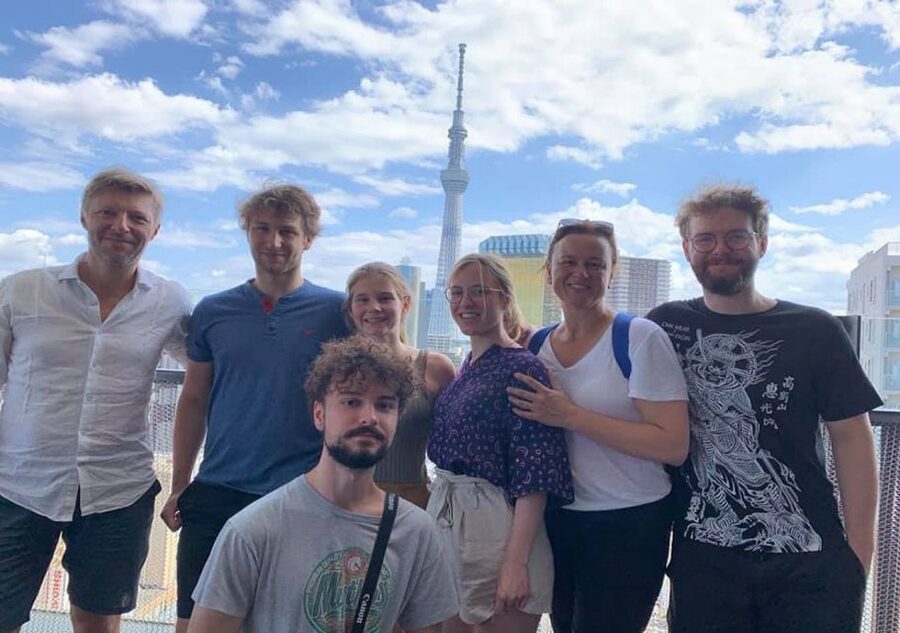
- Asakusa’s major sights frame the walk: You meet near Kaminarimon, pass Senso-ji and Asakusa Shrine, and finish by Nakamise Street.
- The tasting list crosses Japan: Plums, pickles, rice crackers, tea, melon pan, ice cream, and seasonal items may appear.
- Guides add local context: English-speaking guides explain food customs, neighborhood life, and the less obvious corners of Asakusa.
- Families can join: Children must have an adult with them, and the tour requires a minimum of two people per booking.
Why food is the best way into Asakusa
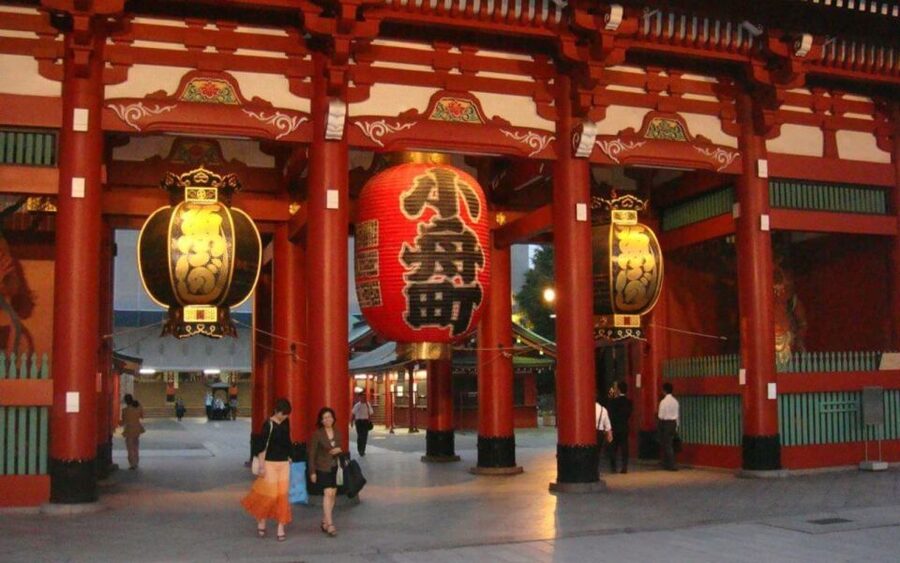
Many first visits to Asakusa begin and end at Senso-ji Temple. That is understandable. Kaminarimon, the great red gate, leads toward Nakamise Street and the temple grounds, creating one of Tokyo’s most recognizable approaches.
This tour gives you a reason to look beyond that postcard view. Your guide leads you through food shops, alleys, and side streets while explaining how the district works as a local neighborhood. The stops are not only about filling your stomach. They give you small clues about Japanese taste, regional cooking, snacks, sweets, and everyday customs.
I especially like the mix of familiar and unfamiliar food. Rice crackers and tea may feel easy to place, while Japanese plums or local pickles give you a chance to try flavors you might otherwise pass by. Melon pan is another useful stop because it is easy to spot in Japan but less obvious to visitors who do not know what to order.
The tour lasts about three hours and begins at 11:00 a.m. That timing matters. You start around lunchtime, eat a full meal during the walk, and finish early enough to continue exploring Asakusa on your own.
More Tokyo food crawls:
- Tokyo: Shinjuku Food Tour (13 Dishes at 4 Local Eateries)
★ 5.0 · 6,603 reviews - Tokyo: Shinjuku Food Tour (15 Dishes and 4 Eateries)
★ 4.9 · 2,033 reviews - Best of Shinjuku: Izakaya Food Tour (4 Stops, 14+ Tastings)
★ 5.0 · 1,863 reviews
Meeting at Asakusa Culture Tourist Information Center
Your starting point is the Asakusa Culture Tourist Information Center at 2-chome-18-9 Kaminarimon. It is near the Kaminarimon area and public transportation, so the meeting point is practical if you are already sightseeing around Asakusa.
The first stop is brief, about five minutes, and gives you an overview of the district. This is a useful way to get your bearings before the food sampling begins. Asakusa can feel confusing around the temple approach, especially when you are trying to match large gates, shopping streets, and side lanes with a map.
You should arrive ready to walk. The tour description calls for a strong level of physical fitness, and the route uses streets and alleyways rather than keeping you in one restaurant. The data does not give an exact walking distance, so I would avoid scheduling another demanding activity immediately afterward.
Kaminarimon and the first taste of local life
From the information center, the tour moves into Asakusa, including the Kaminarimon area. Kaminarimon means Thunder Gate, and it is the dramatic entrance point for Senso-ji. Here, your guide begins tying the district’s sights to its food and local culture.
The formal stop at Kaminarimon is listed as only a minute, but the broader Asakusa walk lasts much longer. That distinction is worth understanding. You are not joining a long lecture at each landmark. Instead, the guide uses the major sights as reference points while taking you to food stops and less obvious streets.
The best part of this approach is efficiency. A local guide knows how to connect the main sights without wasting your limited afternoon on wrong turns. The tradeoff is that you should not expect a detailed temple tour at every gate. The emphasis remains food, neighborhood stories, and a moving look at Asakusa.
Five stops, with food from southern Japan
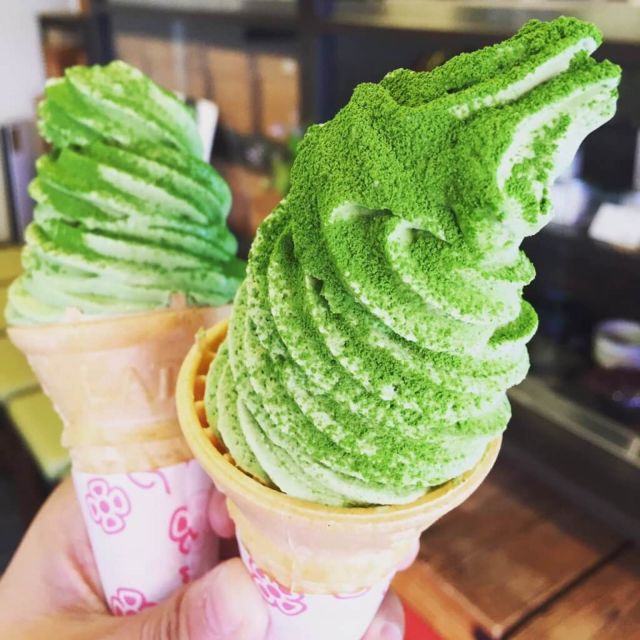
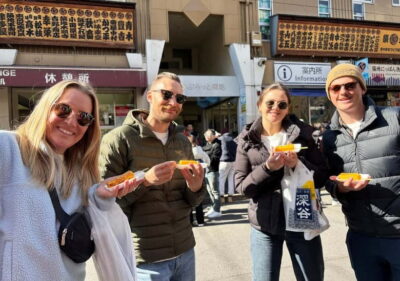
The central promise is five food stops, including lunch. You may sample Japanese plums, pickles, rice crackers, tea, ice cream, and melon bread, with the exact selection changing according to the season.
That flexibility is normal for a food tour, but it also means you should not treat every item in the published tasting list as guaranteed. Restaurant schedules, public holidays, weather, and other changes can require substitutions. If you have your heart set on one particular sweet or snack, ask the guide at the start rather than assuming it will appear.
Lunch is the anchor of the tour. You receive cuisine from southern Japan, which gives the outing more depth than a route made up only of small bites. Japan’s food culture changes from region to region, and a southern-style meal helps show that Japanese cooking is not one fixed menu.
The supplied details do not name the restaurant or specify the exact dishes. That is useful to know before booking. You are paying for a guided tasting route with a regional meal, not a fixed restaurant reservation with a published menu.
One drink is included, as is dessert. Additional drinks and food cost extra. If you have a large appetite, you may want to budget for something later, since the exact portion sizes are not provided.
More Asakusa visits:
- Tokyo: Japanese Dance Cabaret Theater Asakusa-Kaguwa Ticket
★ 4.8 · 2,270 reviews - Tokyo: Meiji Shrine, Asakusa, Skytree Bus Tour and Cruise
★ 4.7 · 1,986 reviews - Tokyo: Roll and Authentic Sushi Making Class in Asakusa
★ 4.9 · 1,957 reviews - Tokyo: Asakusa Walking Tour with Sensoji Temple Visit
★ 4.8 · 1,583 reviews
Melon pan, matcha, and the sweet finish
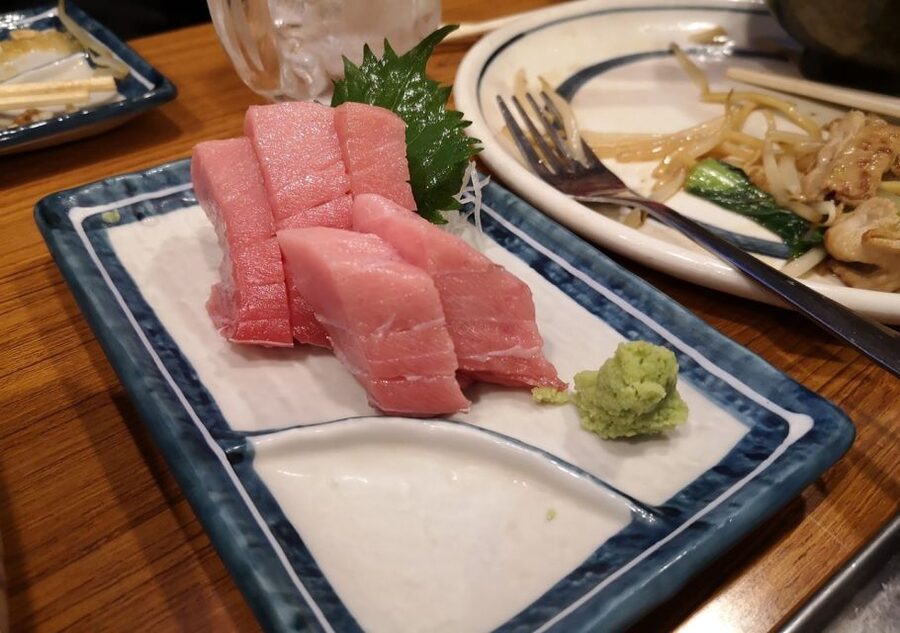
Melon pan is one of the tour’s more distinctive tasting stops. Despite its name, it is not described as a melon-filled dessert. It is a local sweet bread known for its crisp outer layer and soft interior, and it is easy to miss if you do not know to look for it.
The route may also finish with matcha tea or ice cream. That gives the afternoon a simple ending after lunch and the earlier snack stops. The exact finale can change, so treat the tea or ice cream as part of the seasonal plan rather than a firm guarantee of both.
I like that dessert is built into the price. Many food walks leave you guessing how much extra you will spend at each stop. Here, the main food tastings, lunch, dessert, and one drink are included, which makes the final cost easier to judge.
Still, $221 is high. If you compare the price only with the food itself, it may not look like a bargain. The value rests in the guide’s route, the small group, the explanations, and the chance to eat in places you might not choose on your own.
Senso-ji and the quieter side of the temple district
Senso-ji is the visual center of Asakusa and one of Tokyo’s essential sights. The tour includes the Hozomon Gate, Senso-ji Temple, and Asakusa Shrine, with the guide sharing details about the area and the temple’s less obvious features.
The formal temple stop is short, listed at about a minute, so keep your expectations realistic. This is not a full temple history lesson or a dedicated religious tour. The guide helps you understand the setting while the food route remains the main event.
That balance suits families and first-time visitors. You can see the major Asakusa sights without giving up an afternoon to a long formal tour. You also gain some context for the surrounding streets, sometimes called shitamachi, or downtown neighborhood, rather than treating the temple as an isolated monument.
The tour ends at the main gate of Senso-ji in the Asakusa area, near Nakamise Street. From there, you are free to continue shopping, revisit the temple, or make your own way elsewhere in Tokyo.
What the small group changes
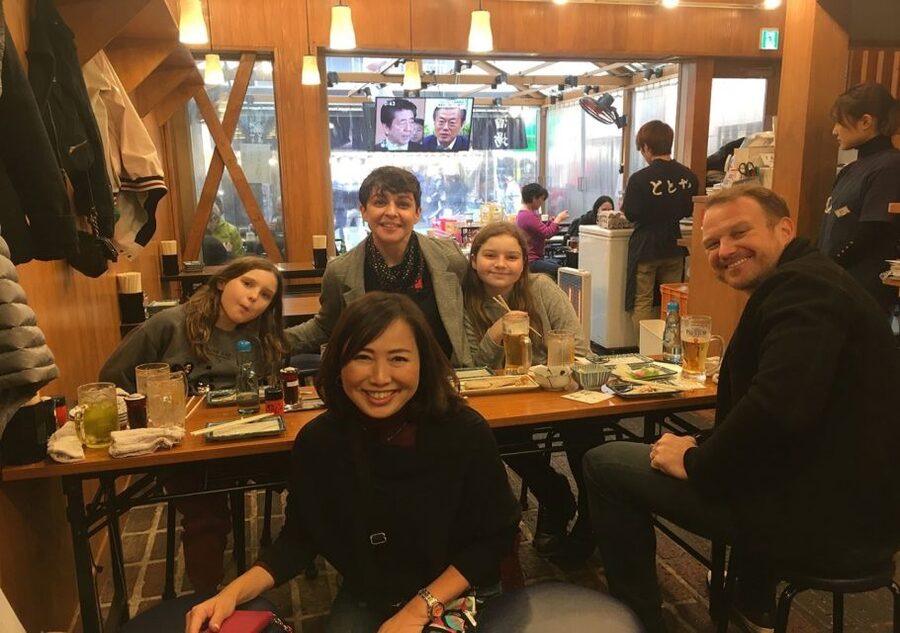
A maximum of 10 people is a real advantage in Asakusa. The district’s side streets can be tight, and a large group would make it harder to hear explanations or gather around a food counter.
A small group also gives you more room to ask about ingredients, eating customs, and regional differences. The guide can usually keep the pace flexible enough for families, though the stated fitness requirement means this is not designed as a slow, seated tasting.
The guides named in the available tour feedback are Michie and Wesley. They were praised for being personable, patient, and helpful in very hot conditions. One especially practical detail came from a day with temperatures around 35 degrees Celsius and 70 percent humidity: the guides shared their own cooling products with the group.
Do not count on that exact gesture every day, but it highlights an important point about summer scheduling. Tokyo heat can make a three-hour walking tour tiring. Bring water, wear light clothing, and use sun protection. One drink is included, but that may not be enough for you in hot weather.
Family fit, food needs, and practical limits
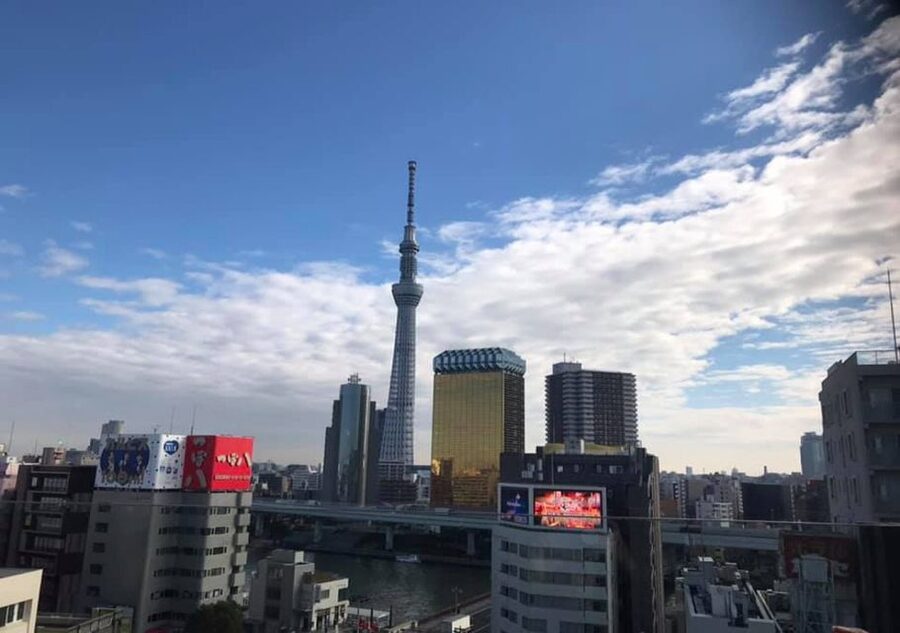
The tour is family-friendly, but children must be accompanied by an adult. A minimum of two people per booking is required, so it is not set up for a solo booking.
Vegetarian and pescetarian diets are accommodated according to the supplied details. You should still explain your needs when booking and confirm them with the guide at the start, especially because tasting stops can change.
The tour is near public transportation, but hotel pickup and drop-off are not included. Transportation costs are also extra. You meet at the information center and finish at Senso-ji, so plan your route to and from those points.
A mobile ticket is provided, and confirmation is received at booking. Same-day booking is available, though the average booking window is 54 days in advance. That long average suggests many people plan this activity as part of a set Tokyo itinerary, but you may still find a place closer to the date.
Free cancellation is available if you cancel at least 24 hours before the 11:00 a.m. start time. Late cancellations and changes are not accepted for a refund. The tour can also be moved or canceled if poor weather affects the outing or if the minimum number of participants is not met.
How the price compares with a do-it-yourself afternoon
At $221 per person, this tour belongs in the premium category. You could buy snacks in Asakusa for far less, and the major temples do not charge an admission fee for this route.
The question is what you want from the afternoon. If you enjoy planning your own food stops, reading menus, and making several purchases, you will likely save money by exploring independently. You will also have more control over pace, portion size, and restaurant choice.
I see stronger value for a family or first-time visitor who wants the hard work handled. Five stops, lunch, dessert, one drink, and an English-speaking guide remove much of the guesswork. The small group also keeps the outing more personal than a large coach-style food tour.
The price makes less sense if you are mainly looking for a temple visit or a quick introduction to street food. Senso-ji and Nakamise Street are easy to visit without a tour. Book this for the combination of food, regional explanation, and backstreet orientation.
Who should book this Asakusa food tour?
I would recommend it to families who want a structured afternoon, first-time Tokyo visitors who prefer a guide, and food-focused visitors who want more than a list of famous snacks. It also suits people who enjoy learning why a food matters, not just tasting it.
It is a good choice near the beginning of your Tokyo stay because the guide can help you understand Asakusa and point you toward the district’s main sights. You can then return to Senso-ji or Nakamise Street later with a better sense of where you are.
You should think twice if you have limited mobility, dislike walking, or need a fixed menu. The route requires a strong fitness level, food choices vary, and the exact restaurants are not specified.
The tour has a 4.7 rating from 55 reviews, with 91 percent recommending it. Those numbers support the strongest selling points: friendly guidance, patience, and good care during the walk. They do not change the price calculation, so I would still compare the cost with what you want from your afternoon.
Should you book it?
Book this tour if you want a guided food introduction to Asakusa, including a proper southern Japanese lunch and several small tastings in a group of no more than 10. The food, temple district, and local stories work well together.
Skip it if you want a cheap snack crawl, a long temple tour, or complete control over every dish. At $221, the tour needs to deliver more than calories, and its real value is the guide’s route and explanations. For families and first-time visitors who want an easy, focused way into Asakusa, that can be worth the premium.
FAQ
Where does the Asakusa food tour begin?
It begins at the Asakusa Culture Tourist Information Center, 2-chome-18-9 Kaminarimon, Taito City, Tokyo 111-0034, Japan.
What time does the tour start?
The tour starts at 11:00 a.m.
How long does the experience last?
The tour lasts approximately three hours.
Where does the tour end?
It ends at the main gate of Senso-ji Temple in the Asakusa area, near Nakamise Street.
How many food stops are included?
Five food stops are included, and the route includes lunch.
What food might I taste?
Possible tastings include Japanese plums, pickles, rice crackers, tea, ice cream, melon pan, and other seasonal foods. The selection may change.
Is lunch included?
Yes. Lunch featuring cuisine from southern Japan is included.
Is the tour suitable for vegetarians and pescatarians?
The tour is listed as suitable for vegetarian and pescetarian diets. You should state your dietary needs when booking and confirm them with the guide.
What happens if I need to cancel?
You can receive a full refund if you cancel at least 24 hours before the local start time. Cancellations or changes made later are not refunded. Weather or minimum-participant cancellations may result in a different date or a full refund.
New on our Tokyo list
- From Tokyo: Mount Fuji & Hakone Full Day Private Tour★ 4.9 · 25 reviews
- Tokyo Spectacular View Day-Cruise in 90 Minutes★ 5.0 · 25 reviews
- Real Tokyo Runner Club : Daikoku Car Meet Night Tour with JDM Car★ 5.0 · 25 reviews
- 2.5 Hour-Guided Cycle Tour in the Central Tokyo★ 5.0 · 25 reviews
- Ramen Making from Scratch +Akihabara Tour –Cooking Class★ 5.0 · 25 reviews
- [Self-Drive] Tokyo & Daikoku Custom Car Driving Tour★ 4.9 · 25 reviews
- Tokyo: 2-Hour Night Bike Tour of the City’s Hidden Gems★ 4.9 · 25 reviews
- Tokyo: Mt. Fuji, Owakudani, Hakone Shrine, & Open-Air Museum★ 4.7 · 25 reviews
Tokyo Food Tours, compared.
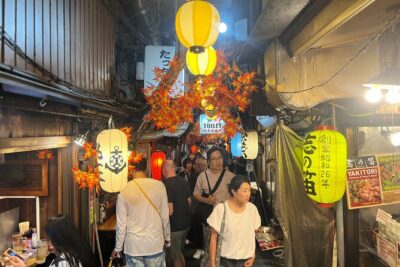
Shinjuku Food Tour (13 Dishes at 4 Local Eateries)
Read our review →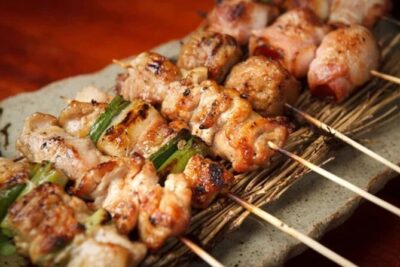
Shinjuku Food Tour (15 Dishes and 4 Eateries)
Read our review →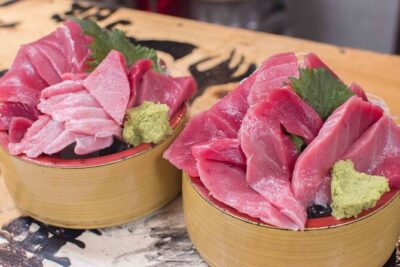
Best of Shinjuku: Izakaya Food Tour (4 Stops, 14+ Tastings)
Read our review →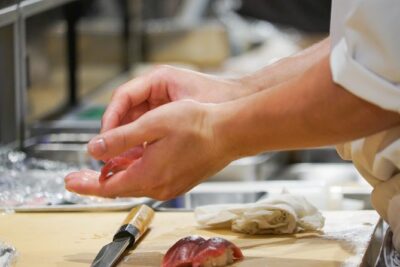
Tokyo Night Foodie Tour in Shinjuku – Seasonal Sushi, Wagyu Beef
Read our review →
Eat and Drink Like a Local: Tokyo Ueno Food Tour-Taverns&Ramen
Read our review →
Tsukiji Fish Market: Street Food & Culture Walking Tour
Read our review →Shinjuku Food Tour – 15 Dishes, 3 Drinks, 4 Eateries
Read our review →Browse the lists this tour appears in