
Reviewed · JAPANESE COOKING CLASSES
Basic Japanese Home Cooking with Fermented Foods(Teriyaki & Miso)
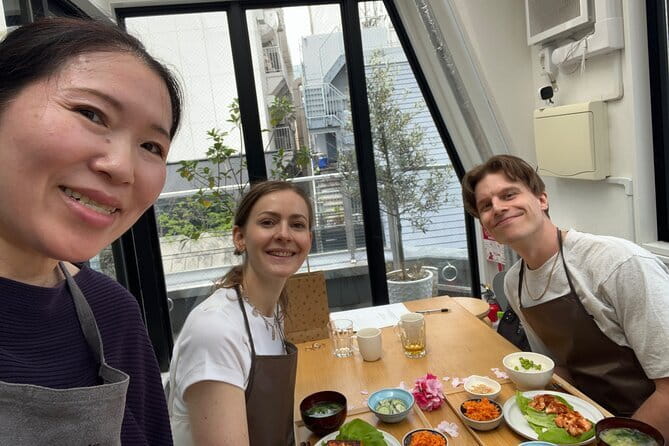
Japanese fermentation is the star here. In a two-hour class near Akasaka-Mitsuke Station, Naoko explains miso, koji, mirin, amazake, and related ingredients before guiding you through a simple Japanese home meal. You cook together, then sit down to eat what you made.
I like the maximum six-person group, which gives you room to ask questions and get useful corrections. I also like that the class connects food with daily life: you hear about grocery shopping in Tokyo and learn dishes meant to be made again at home. The main consideration is that the menu changes by season, so the exact dishes are not fixed.
In This Review
- Key points
- Why Fermented Foods Make This Tokyo Class Different
- Meeting Naoko Near Akasaka-Mitsuke Station
- The Opening Lesson on Miso, Koji, and Mirin
- Cooking Teriyaki and a Seasonal Japanese Meal
- Eating the Meal You Prepared
- What Naoko Adds Beyond the Recipe
- Vegan Requests and Other Food Restrictions
- Is Two Hours Enough for the Price?
- Planning Around the Location and Weather
- Who Should Book This Fermentation Class?
- A Useful Pairing With the Fermented Dessert Class
- My Recommendation for This Tokyo Cooking Experience
- FAQ
- Where does the cooking class meet?
- How long does the class last?
- What foods will I learn to cook?
- Is a vegan option available?
- Is the class suitable for children?
- What is included in the price?
- Can I cancel for a full refund?
Key points
- Fermented-food lesson: Learn how miso, koji, mirin, and amazake fit into Japanese cooking.
- Small class size: The group is limited to six people, allowing more time with Naoko.
- Central Tokyo setting: The kitchen is near Akasaka-Mitsuke and about 10 minutes from Shibuya by train and foot.
- Practical home cooking: Prepare an easy meal rather than watching a long demonstration.
- Dietary planning: A vegan version using deep-fried tofu is available if requested when booking.
- Two-hour format: A useful choice for a busy day in Tokyo, with lunch or dinner included.
Why Fermented Foods Make This Tokyo Class Different
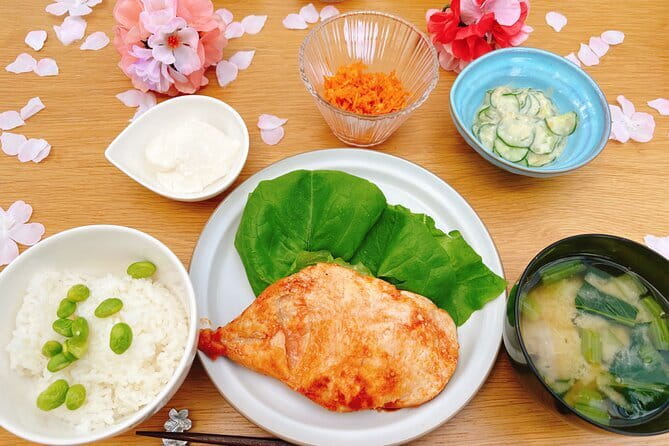
Tokyo offers cooking classes built around sushi, ramen, and tea. This one takes a quieter route, showing you the everyday seasonings behind many Japanese meals.
The focus is on fermented ingredients, especially miso and koji. Fermentation can sound technical, but the class presents it through familiar kitchen uses. You learn what these ingredients are, how they are made or used, and why they matter in Japanese food culture.
Naoko also discusses mirin and amazake. Mirin is a sweet seasoning used in cooking, while amazake is a sweet fermented rice drink or seasoning. The class connects these products with Japanese history, food customs, and their possible place in a balanced diet.
I find this approach useful because it gives you more than a recipe card. You begin to understand why a sauce tastes sweet and savory, why miso adds depth, and how a few traditional ingredients can make simple home cooking more satisfying.
The health discussion should be taken as food education, not a medical consultation. Fermented foods may be part of a wellness-minded diet, but the class is still a cooking lesson first. Its value comes from learning how to use these foods in normal meals.
More cooking classes in Tokyo:
- Ramen & Gyoza Cooking Class in Tokyo with Local Supermarket Visit
★ 5.0 · 823 reviews - Tokyo: Easy Ramen Cooking Experience in Kabukicho, Shinjuku
★ 4.6 · 321 reviews - Ramen and Sushi Cooking Class with Sake Pairing Set in Tokyo
★ 5.0 · 291 reviews
Meeting Naoko Near Akasaka-Mitsuke Station
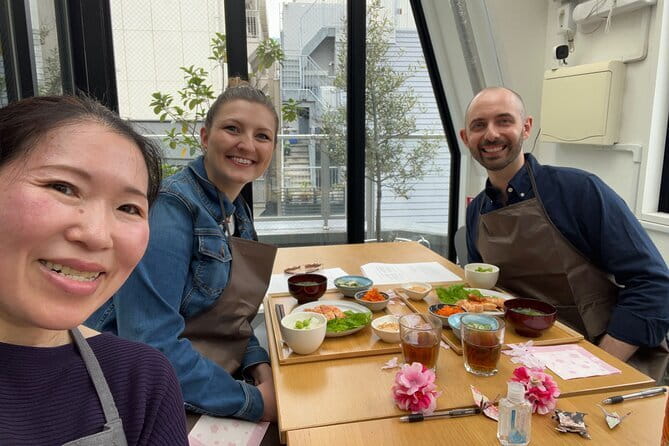
The stated meeting point is Akasaka-Mitsuke Station at 3-chōme-1-6 Akasaka, Minato City. The kitchen is in central Tokyo, and the class description places it about 10 minutes from Shibuya Station, including a short walk.
That location matters in summer or during rainy weather. You do not need to cross the city for a long morning outing, and you can fit the class between other central Tokyo plans. The area is also close to public transportation.
The exact kitchen may change to another central Tokyo location. You receive the final information after booking, so check the meeting details before setting out. I would allow a little extra time, especially if you are not used to Tokyo station exits and underground signs.
This is a shared kitchen setting rather than a private dining room reserved for one booking. That helps keep the class social and supports the small-group format, but it also means the vegan version shares the kitchen with the regular menu.
The Opening Lesson on Miso, Koji, and Mirin
The class begins with a short lecture. Naoko introduces the fermented products used in Japanese cooking and explains their background before you start preparing the meal.
This opening is one of the class’s strongest features. You are not simply handed ingredients and told to copy movements. You learn what you are handling and how it is used. Naoko also answers questions about Japanese food and culture, which makes the lesson helpful for anyone who wants context with their meal.
Koji receives particular attention. It is a culture used in making several Japanese fermented foods, including miso and amazake. If you have seen the word on a Japanese menu or food package but were unsure what it meant, this lesson gives you a clear starting point.
The lecture handout is included. That matters because food terms can be hard to remember after a full day in Tokyo. Presentation material gives you something to check later, especially when you try to find miso, amazake, or similar products at home.
The opening is not designed as a full scientific course on fermentation. In two hours, the goal is practical understanding. You learn enough to recognize the ingredients and use them with more confidence.
Cooking Teriyaki and a Seasonal Japanese Meal
The title points to teriyaki and miso, but the menu changes depending on the season. That means you should book the class for the method and food lesson rather than for a guaranteed, fixed menu.
You prepare a traditional home-style lunch or dinner as a group. The recipes are presented as easy enough for people who cook regularly and for people who are new to the kitchen. Naoko gives tips as you work, so you can ask about technique, flavor, and ingredient use along the way.
The meal is meant to feel practical rather than showy. The strongest praise for the class centers on food that is delicious and homely, which is exactly the point for someone who wants to recreate it at home. You are learning dishes that fit ordinary cooking, not a restaurant performance that would be hard to repeat.
Teriyaki is a good teaching dish because the sauce brings together sweet and savory notes. Miso provides another way to build flavor. The class shows how fermented seasonings can do a lot of work without requiring a long list of complicated ingredients.
You should expect shared preparation rather than a private lesson with a separate dish for each person. That can be a plus if you like talking and comparing notes, though people seeking a quiet, individual cooking session may prefer a private format.
A few more Tokyo bookings worth comparing
- Mt Fuji and Hakone 1-Day Bus Tour Return by Bullet Train
★ 5.0 · 26,383 reviews - 1-Day Tokyo Bus Tour
★ 5.0 · 14,250 reviews - Tokyo: TOKYO SKYTREE® Admission ticket
★ 4.5 · 11,192 reviews - Tokyo: teamLab Planets TOKYO Digital Art Museum Entry Ticket
★ 4.6 · 9,779 reviews
Eating the Meal You Prepared
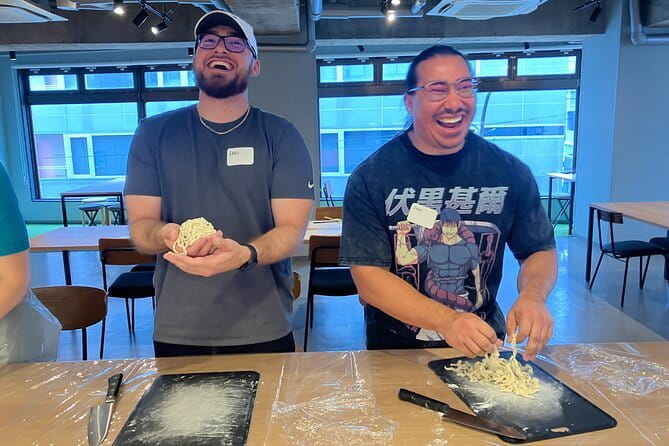
After cooking, you sit down to eat the meal as lunch or dinner. The meal is included in the price, along with coffee, green tea, or another Japanese tea.
This pause gives the lesson a satisfying finish. You can taste the result while the methods and ingredient explanations are still fresh. It also lets you ask final questions about flavor, substitutions, or how to make the dishes outside Japan.
The meal is home-style by design. Do not book this expecting a large restaurant tasting menu or a formal kaiseki presentation. The reward is a warm, simple meal that shows how Japanese households may use familiar fermented seasonings.
The included tea is a small but welcome detail. In Tokyo, you may spend much of your day eating on the move, so a sit-down meal prepared with your own hands offers a change of pace. It is also a sensible break from restaurant food without taking half a day.
Children aged seven and older can take part, but the class is best suited to adults and older children because it focuses on cooking methods and food education. Mirin contains a small amount of alcohol, though the alcohol is removed during cooking. Children may eat the cooked dish, but tasting mirin itself is not available to them.
What Naoko Adds Beyond the Recipe
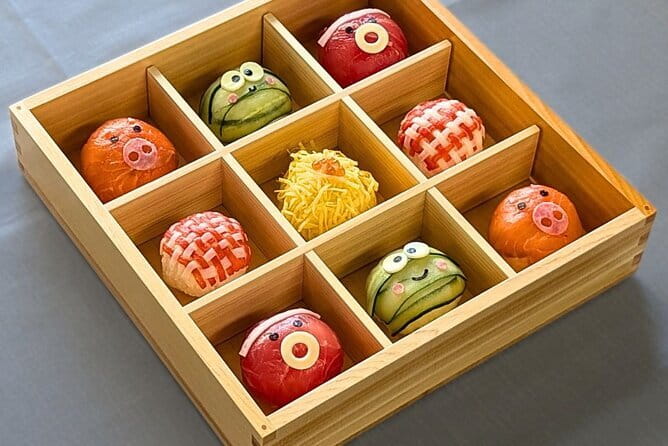
Naoko is a certified instructor and a fermentation specialist. Her teaching is repeatedly praised for being friendly, patient, and clear, and that personal guidance is important in a group class.
She also adds useful Tokyo advice beyond the kitchen. In particular, you can ask about grocery shopping and Japanese food products. That is a practical bonus if you want to bring home ingredients or find similar items after the class.
I would use the question time well. Ask how to identify miso, what amazake is used for, or how to adapt the dishes to ingredients available in your own country. The class is short, so specific questions will give you more value than waiting for every answer to appear in the lecture.
The small group helps here. With no more than six people, Naoko has a better chance to respond to individual questions and offer corrections. A larger class might feel more anonymous, but this format is built for conversation.
The setting is not a formal culinary school course, and that is part of its appeal. You receive practical guidance from an instructor who wants you to keep cooking the dishes after you leave Japan.
Vegan Requests and Other Food Restrictions
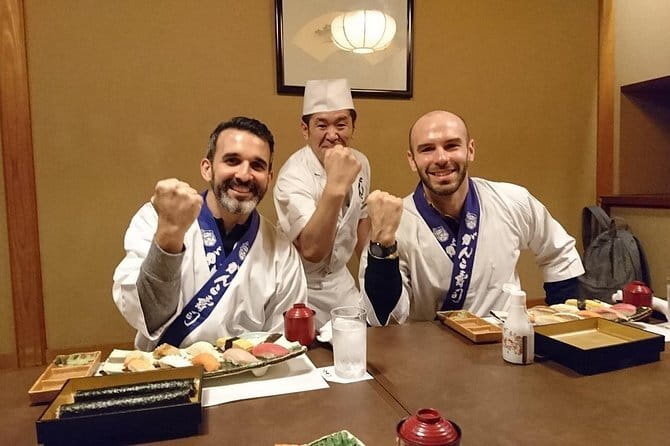
A vegan option is available, using deep-fried tofu in place of the non-vegan version. You must ask for this option when you apply, rather than waiting until the class begins.
The vegan menu shares the kitchen with the regular class. If you have strict cross-contact concerns, ask the provider for clarification before booking, since the supplied information confirms a shared kitchen but does not give detailed allergy procedures.
Allergen restrictions should also be reported in advance. The provider asks you to communicate them, but the available information does not specify which substitutions can be guaranteed.
This is a good class for a vegan visitor who wants a Japanese meal and is comfortable with a shared cooking environment. It may be less suitable if you need a fully separate kitchen or highly controlled preparation area.
Is Two Hours Enough for the Price?
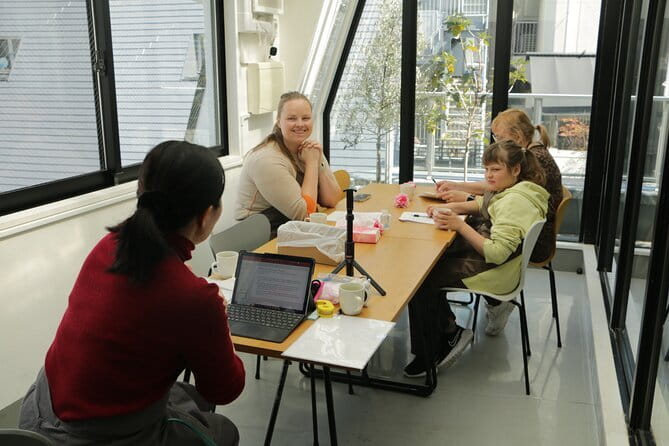
The listed price is $70.36 per person. For two hours, that is not a bargain if you judge it only as a meal. You can find cheaper food in Tokyo.
The value improves when you count the instruction, ingredients, meal, apron rental, tea, and handout. You also receive direct access to Naoko in a group capped at six. For someone interested in Japanese food beyond eating at restaurants, the lesson gives you skills and context that a standard meal cannot.
The short length works well for a city itinerary. You do not need to give up an entire day, and the central location makes it easier to combine the class with sightseeing elsewhere in Tokyo. I see it as a focused food activity rather than a full-day cultural program.
The class may be especially good value for people who cook at home. You can take the ideas back to your own kitchen and use them with local ingredients. If you only want to sample Japanese dishes without preparing them, the price may feel high.
The experience is generally booked around 14 days ahead. That is a useful planning clue, especially because the class has a small capacity. I would reserve before arriving rather than assuming a last-minute place will be available.
Planning Around the Location and Weather

The class begins and ends at the meeting point, and transportation to the venue is not included. You are responsible for getting to the station or kitchen.
The experience is near public transportation, which keeps the journey manageable. The description also emphasizes that the kitchen is convenient and near a station, a welcome feature in Tokyo, where a short walk can still involve a confusing station exit.
The class may be canceled for poor weather or if the minimum number of participants is not met. In either case, you are offered another date or experience, or a full refund.
For a normal cancellation, you can receive a full refund if you cancel at least 24 hours before the start time. Changes or cancellations inside that window are not accepted for a refund, so check your plans before the deadline.
The mobile ticket is convenient. Keep the booking information accessible on your phone, and confirm the final kitchen address after booking if the venue has changed.
Who Should Book This Fermentation Class?
I would recommend it to you if Japanese food interests you at the ingredient level. It suits people who want to know what miso and koji do, how sweet seasonings work, and how to make a Japanese meal without complex restaurant equipment.
It is also a good pick for a wellness-minded visitor who wants to learn about fermented foods in a practical setting. The food discussion is paired with actual cooking, so the lesson does not remain abstract.
You should consider it if you want an activity that works in hot or wet Tokyo weather. The indoor kitchen, central location, and two-hour schedule make it easy to fit between other plans.
Families can join with children aged seven and above, but younger children are not the best match. The class requires attention and participation, and the content is aimed more at learning techniques than at simple entertainment.
I would hesitate to book it if you need a fixed menu, a private class, or a fully separate vegan kitchen. The seasonal menu and shared setting are clear parts of the format.
A Useful Pairing With the Fermented Dessert Class
Coji Life Cooking also offers a fermented food dessert class at 2pm. If you join both classes on the same day, you receive a special gift: rice koji amazake used in the dessert class.
This pairing makes sense if fermentation is the main reason you are interested. The cooking class gives you savory applications, while the dessert session adds a sweet use for rice koji amazake.
The supplied information does not state the total combined duration or price, so check those details before arranging your day. Still, the gift is a nice incentive for anyone who wants a fuller introduction to fermented ingredients.
My Recommendation for This Tokyo Cooking Experience
I would book this class if you want a personal, useful food lesson rather than a staged cultural show. Naoko’s clear instruction, the small group, the home-style meal, and the chance to ask about Tokyo groceries give the activity real practical value.
The best reason to go is the combination of explanation and hands-on cooking. You learn about Japanese fermentation, prepare a seasonal meal, eat it, and take home material that can help you repeat the process.
Keep your expectations sensible. The menu is not fixed, the kitchen may change within central Tokyo, and the class is shared rather than private. With those points in mind, the $70.36 price is fair for a compact class that gives you both a meal and skills to carry home.
FAQ
Where does the cooking class meet?
The stated meeting point is Akasaka-Mitsuke Station at 3-chōme-1-6 Akasaka, Minato City, Tokyo. The kitchen may be at another location within central Tokyo, and you will be notified after booking if that happens.
How long does the class last?
The cooking class lasts approximately two hours.
What foods will I learn to cook?
The class focuses on basic Japanese home cooking with fermented foods, including teriyaki and miso. The menu changes according to the season.
Is a vegan option available?
Yes. A vegan option using deep-fried tofu is available, but you must request it when applying. The vegan cooking takes place in a kitchen shared with the non-vegan class.
Is the class suitable for children?
The class is best suited to adults and children aged seven and above. It may not be suitable for children aged six and under because the content focuses on cooking techniques and learning.
What is included in the price?
Lunch or dinner, an apron rental, coffee or Japanese tea, and a lecture handout are included. Transportation to the venue is not included.
Can I cancel for a full refund?
You can cancel at least 24 hours before the start time for a full refund. Cancellations or changes made less than 24 hours before the start time are not accepted for a refund.
New on our Tokyo list
- Sumi-e Experience in a relaxing green tea shop in Tokyo★ 5.0 · 3 reviews
- Tokyo : Kamikaze Street Drift Ride★ 5.0 · 3 reviews
- Private Zen Meditation in English in Shinjuku, Tokyo★ 5.0 · 3 reviews
- Onsen Spa in Tokyo and Asakusa Bar Hopping with Local Guide★ 5.0 · 3 reviews
- Easy for everyone! Now you can play handmade mini shamisen and show off to everyone! Musical instruments, sweets and live music★ 5.0 · 3 reviews
- Tokyo: Private Tsukiji Street Food & Sake with Local Guide★ 5.0 · 3 reviews
- Mt Fuji Exploration Tour with Free Japanese Kusa Mochi from Tokyo★ 4.5 · 3 reviews
- Tokyo Tsukiji Fish Market Walking and Exploring Hidden Gems Tour★ 5.0 · 3 reviews
Japanese Cooking Classes, compared.
Ramen & Gyoza Cooking Class in Tokyo with Local Supermarket Visit
Read our review →
Easy Ramen Cooking Experience in Kabukicho, Shinjuku
Read our review →
Ramen and Sushi Cooking Class with Sake Pairing Set in Tokyo
Read our review →
Tokyo Washoku 4-hour Cooking Class: From Market to Table
Read our review →
TokyoSumoShow, ChickenHotPot, and Mochi-Pounding by Pro Wrestlers
Read our review →
Professional Ramen & Gyoza with Ramen Chef in a restaurant!
Read our review →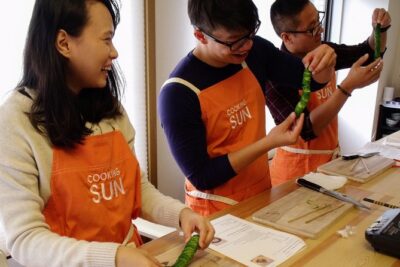
Small-Group Wagyu Beef and 7 Japanese Dishes Tokyo Cooking Class
Read our review →Browse the lists this tour appears in