
Reviewed · WORKSHOPS
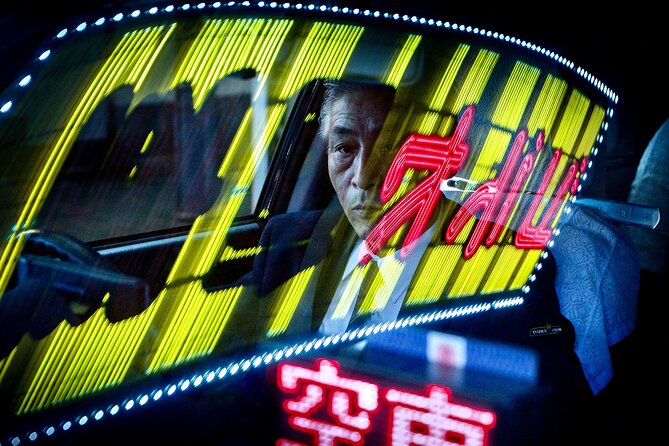
Blade Runner photo workshop in Shibuya with Laurence Bouchard
Shibuya after dark is made for photography: giant screens, glowing signs, wet pavement, quick-moving crowds, and narrow lanes that change character every few steps. This two-hour workshop with Laurence Bouchard gives you a practical way to photograph that energy instead of simply walking past it.
I like two things in particular. First, Laurence knows Shibuya from more than a quick visit, having photographed its streets for over 10 years. Second, the workshop works for different skill levels and equipment. You can bring a proper camera, use a phone, or split the difference as one couple did with one camera and one phone.
The main drawback is time. Two hours goes quickly, especially when you stop to adjust settings and make several attempts at a shot. Some locations may also be unavailable or poorly lit during Japanese holidays, so the exact route can change.
In This Review
- Key points at a glance
- Why Shibuya works so well after dark
- Meeting Laurence Bouchard at 7:30 pm
- Starting with settings before the first shot
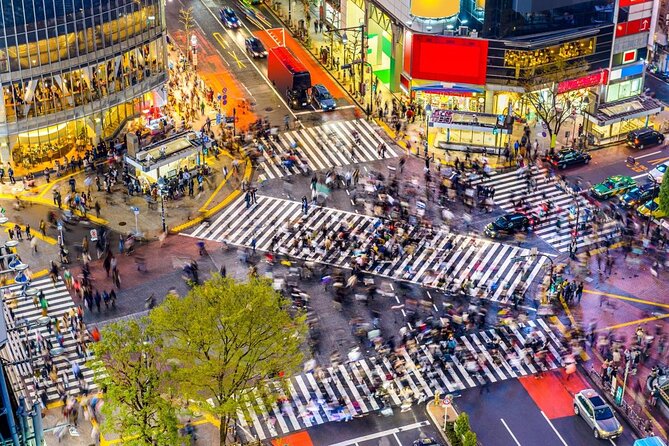
- Shibuya Crossing and the art of panning
- Side streets, neon, and Blade Runner style images
- What you can learn in two hours
- Is $97.98 a fair price?
- Who should book this workshop?
- Equipment and preparation for the evening
- How this compares with exploring Shibuya alone
- Final verdict: book it if you want to make photographs
- FAQ
- Where does the Blade Runner photo workshop begin?
- What time does the workshop start?
- Where does the workshop finish?
- How long does the workshop last?
- Who leads the experience?
- How many people can join?
- Can I use an iPhone or another phone?
- What photography techniques are covered?
- How much does the workshop cost?
- Can I cancel for a full refund?
Key points at a glance
- Small group of up to six: You get more room for questions and personal guidance than on a large photo walk.
- Begins with camera settings: Laurence helps you prepare for low light before taking you into the streets.
- Shibuya Crossing practice: The opening stop focuses on panning, a useful technique for showing movement.
- Blade Runner style images: Expect neon, reflections, graphic shapes, and nighttime scenes rather than standard sightseeing snapshots.
- Camera or phone friendly: The workshop can suit serious photographers, beginners, and people using an iPhone.
- Seven-thirty evening start: The timing puts you in Shibuya after dark, when signs and screens become the main light source.
Why Shibuya works so well after dark
Shibuya can feel visually overwhelming when you first arrive. There are signs above you, lights to both sides, people crossing in every direction, and a steady stream of movement. That confusion is exactly what makes it useful for night photography.
A guide can help you stop seeing Shibuya as one big scene and start breaking it into smaller pictures. A bright sign may become a color block. A passing person may add scale. A wet street can reflect light and create a second image below the first.
The workshop is built around this way of looking. It is not simply a walk to famous points with time to take ordinary snapshots. Laurence leads you to locations he has found through years of photographing the area, including side streets and less obvious angles.
That matters because the best image may not come from the most famous view. Shibuya Crossing is an important starting point, but the side streets are where you can make pictures that feel more personal.
More Shibuya plans:
- Official Street Go-Kart in Shibuya
★ 5.0 · 3,435 reviews - Tokyo: Street Kart Experience in Shibuya
★ 4.9 · 1,484 reviews - Shibuya Meltdown Nightlife Tour: All-You-Can-Drink Bar Hopping
★ 5.0 · 1,058 reviews
Meeting Laurence Bouchard at 7:30 pm
The workshop begins at the Cerulean Tower Tokyu Hotel, 26-1 Sakuragaokacho, Shibuya. The start time is 7:30 pm, and the activity returns to this same meeting point at the end.
The location is near public transportation, which makes the evening easier to plan. You do not need to work out a one-way route through unfamiliar streets or arrange a separate pickup. Meet at the stated hotel, spend the evening in Shibuya, then finish where you started.
Laurence brings both professional experience and a local working knowledge of the neighborhood. He has spent more than a decade photographing Shibuya and has run workshops for several years. That combination is useful here. A good night photographer needs both technical skill and a sense of where the light, movement, and composition are likely to come together.
The group limit is six people. That is small enough for Laurence to look at your settings, answer questions, and adjust his explanations to your level. It also means you should not expect a private lesson. You will still be working in a shared group, and the pace has to suit everyone.
Starting with settings before the first shot
Night photography can be frustrating if your camera is not ready. A bright sign can fool the exposure, movement can turn into blur, and high sensitivity can add unwanted grain. Starting with a short discussion about camera settings gives you a better chance of producing useful images from the first stop.
The supplied information does not promise a fixed technical lesson or a particular camera system. That is a good thing for a mixed group. The workshop has been used by people with substantial photography experience as well as beginners using a phone, and Laurence can adapt his explanations to different camera brands.
If you are experienced, you can treat the opening as a quick check before heading out. If you are new to manual settings, use the time to ask about the controls that matter most in low light. You may not master every part of night photography in two hours, but you can leave with a clearer idea of what to adjust and why.
Phone users are not left out. One participant used an iPhone and still found the workshop useful, while another pair worked with a camera and a phone. You should not expect a phone to behave exactly like an interchangeable-lens camera, but the lessons about timing, framing, light, and position still apply.
Shibuya Crossing and the art of panning
The first major photography stop is Shibuya Crossing, often described as the world’s busiest crossing. Here, Laurence focuses on panning shots.
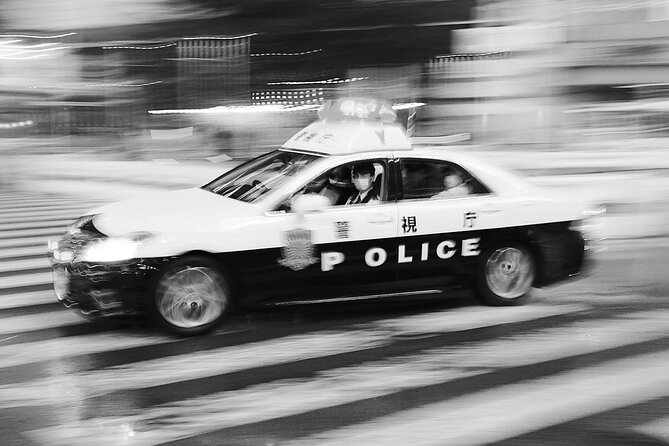
Panning means moving your camera with a subject as it moves across your view. When done well, the subject can remain relatively clear while the background stretches into motion blur. It is a natural match for Shibuya, where people, umbrellas, cars, bicycles, and lights create constant movement.
This is a technique that benefits from coaching. You can read about panning, but it is easier to understand when someone shows you how to position yourself, follow the movement, and keep trying after the first blurry frame. The crossing gives you many chances to practice in a short period.
Do not judge the experience by your first few attempts. Panning is sensitive to timing, shutter speed, and the speed of your own movement. The useful result may come after several misses. A small group helps here because you can try again while Laurence gives direct advice.
The crossing also provides a lesson in restraint. It is easy to point toward the biggest screens and make a bright but flat picture. Laurence’s role is to help you find a stronger arrangement of people, signs, motion, and empty space.
A few more Tokyo bookings worth comparing
- Sushi Making Tokyo Roll and Authentic Japanese Sushi Class
★ 5.0 · 3,971 reviews - Tokyo: Roll and Authentic Sushi Making Class in Asakusa
★ 4.9 · 1,957 reviews - Tokyo Shinjuku Chopsticks Making Class
★ 5.0 · 1,763 reviews - Tokyo: Sushi Making Class in a Happi Coat near a Famous Spot
★ 4.9 · 1,377 reviews
Side streets, neon, and Blade Runner style images
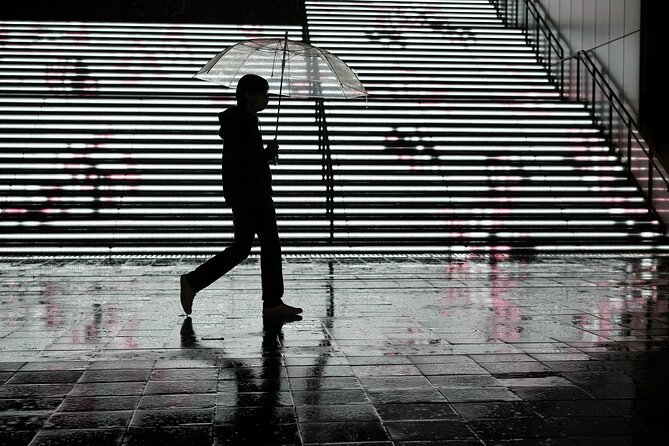
After the crossing, Laurence takes you to other parts of Shibuya. The precise locations are not fixed in the information provided, which is worth noting. The appeal is not a guaranteed checklist of named stops. It is Laurence’s ability to choose visual spots and adjust the route to the conditions of the evening.
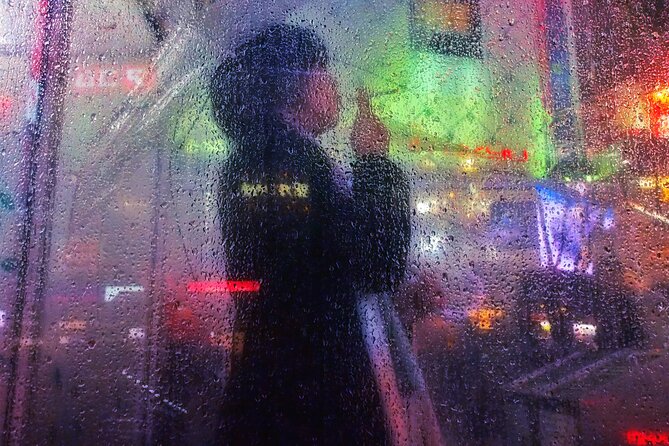
The Blade Runner influence points toward a particular mood: saturated neon, reflections, strong contrasts, unusual angles, and a slightly futuristic feeling. You will be looking for photographs that suggest a story or atmosphere, not only a record of where you stood.
Shibuya’s side streets help create that look. A narrow lane can frame a person beneath a sign. A storefront can provide a pool of color. A reflective surface can turn a simple street scene into something more graphic. You might also work with layers, using signs in the foreground and people moving behind them.
The workshop’s value is strongest if you are willing to experiment. Laurence can point out a promising angle, but you still need to make choices about timing and composition. Take several versions of the same scene. Change your height, move closer or farther back, and watch how people enter the frame.
Because the route is tied to nighttime conditions, it may not look exactly the same every evening. One person specifically noted that Japanese holidays can affect access to locations or whether certain places are lit. If a particular neon spot is essential to your plans, keep your expectations flexible.
What you can learn in two hours
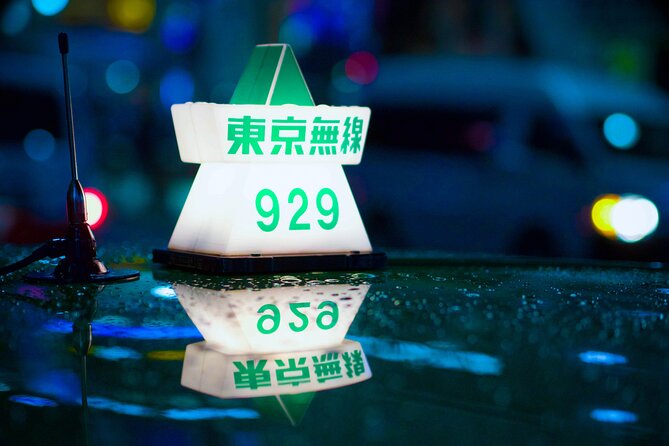
Two hours is enough for a focused introduction, not a full photography course. You will get the most from it if you arrive with one or two clear goals.
You might want to learn how to photograph moving people, improve low-light settings, make better use of your phone, or find more interesting angles in a crowded city. Tell Laurence what you want to work on early in the session. A smaller group makes that kind of exchange more realistic.
The workshop covers several kinds of night photography:
- Low-light camera settings: Learn how to prepare your camera for dark streets and bright signs.
- Panning: Practice showing movement at Shibuya Crossing.
- Nighttime action shots: Work with people and motion rather than static buildings alone.
- Neon compositions: Use Tokyo’s signs and screens as color, shape, and atmosphere.
- Blade Runner inspired images: Seek a cinematic look through framing, reflections, and artificial light.
The strongest benefit is not one perfect photograph. It is learning how to notice possible photographs before you raise the camera. That skill stays useful after you leave Shibuya.
Is $97.98 a fair price?
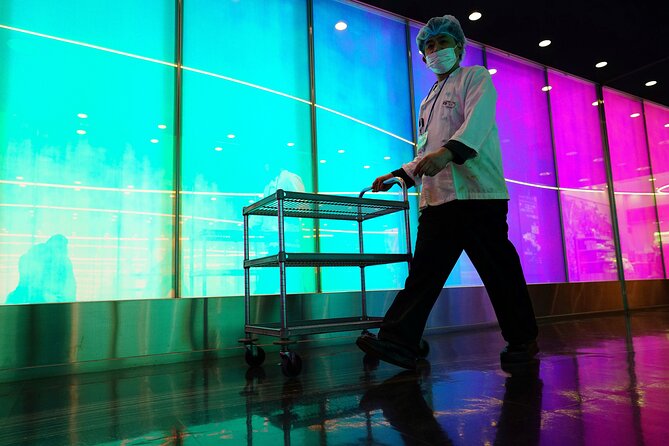
At $97.98 per person, this is more expensive than a casual self-guided evening walk, but it offers something different. You are paying for Laurence’s time, local route knowledge, technical help, and a small group rather than admission to a site or a standard sightseeing tour.
The value depends on how much you want instruction. If you already know your camera well and only want someone to point out locations, the price may feel high. One experienced photographer found that he needed little camera help, but still enjoyed Laurence’s choice of spots and angles.
For beginners, the price is easier to justify. Night photography has a steep learning curve, and a guide can help you spend your limited time making pictures rather than guessing at settings. Phone photographers also have a reason to consider it, since the advice is not limited to advanced camera equipment.
The group size matters in the price calculation. With a maximum of six participants, you are not paying for a private session, but you are also unlikely to disappear into a crowd of twenty or thirty people. If you want individual feedback, ask questions and show Laurence what you are trying to create.
The activity is booked an average of 39 days ahead, so you should not leave it until the last moment if your Tokyo dates are fixed. Free cancellation is available until 24 hours before the start time, which gives you some planning room.
Who should book this workshop?
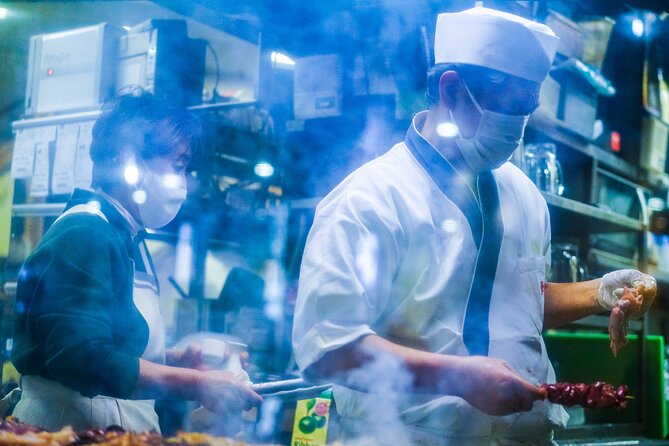
I would choose this workshop if you want to photograph Tokyo rather than only look at it. It is particularly suited to:
- Beginners who want help with night settings.
- Intermediate photographers seeking new street photography ideas.
- Experienced photographers who want a local eye on Shibuya.
- Phone photographers who want more than automatic snapshots.
- Couples or families with different skill levels.
- Anyone drawn to neon, motion, reflections, and cinematic city scenes.
It can also work for a parent and child. An 11-year-old took part with a parent and both had a good time. The activity does require a moderate level of physical fitness, so you should be comfortable walking through Shibuya for two hours and staying active while changing positions.
I would be less likely to book it if you want a relaxed sightseeing walk with no technical discussion. The workshop asks you to pay attention, make repeated attempts, and think about how a photograph is built.
Equipment and preparation for the evening
The information does not require a specific camera or lens. You can use a dedicated camera or a phone. Bring the equipment you already know how to operate, since two hours is not the time to learn an entirely new system from scratch.
Charge your device before meeting Laurence. Night photography uses screens, repeated shots, and sometimes flashlights or other phone functions, so a low battery would limit your options. Also make sure you have enough storage for multiple attempts.
Wear comfortable clothing and shoes. The tour is near public transportation and lasts about two hours, but it takes place on foot in an active city neighborhood. You may stop often, move to different angles, and repeat shots while waiting for the right subject.
Most important, arrive ready to try pictures that may fail. A successful panning frame or a strong moving subject often comes after several ordinary ones. The workshop is more useful when you treat each attempt as part of the lesson.
How this compares with exploring Shibuya alone
You can certainly photograph Shibuya without a guide. The crossing is easy to find, and the signs provide no shortage of subjects. A solo walk gives you total freedom and costs nothing beyond your evening.
The problem is that freedom can turn into repetition. You may take the same crossing photograph that appears in countless Tokyo albums, then move on without knowing how to improve it. You may also miss side streets or fail to notice a strong angle because you are busy navigating.
Laurence adds direction. He knows where to look, explains how to use the conditions, and helps you turn a busy street into a deliberate composition. You still make the photograph yourself, but you have a better chance of returning with images that show your own choices.
The tradeoff is a fixed start time, shared pace, and set duration. You cannot linger indefinitely at one corner or change the entire evening around your own interests. For many people, that structure is exactly what makes the session productive.
Final verdict: book it if you want to make photographs
I recommend the Blade Runner photo workshop if night photography is part of your Tokyo plans and you want practical help in the streets. Laurence Bouchard’s long experience photographing Shibuya, small groups, and willingness to work with both cameras and phones make the $97.98 price reasonable for the right participant.
Book it especially if you are new to panning, unsure about low-light settings, or tired of taking the same standard city images. Experienced photographers can also benefit from Laurence’s locations and visual approach.
Skip it if you prefer a completely free-form walk, already know Shibuya well, or do not want to spend much of your evening stopping to adjust and repeat shots. Keep the route flexible during Japanese holidays, and remember that two hours offers a focused lesson rather than a full night of photography.
FAQ
Where does the Blade Runner photo workshop begin?
It begins at the Cerulean Tower Tokyu Hotel, 26-1 Sakuragaokacho, Shibuya, Tokyo 150-8512, Japan.
What time does the workshop start?
The start time is 7:30 pm.
Where does the workshop finish?
The activity ends back at the meeting point at the Cerulean Tower Tokyu Hotel.
How long does the workshop last?
The workshop lasts approximately two hours.
Who leads the experience?
The workshop is led by Laurence Bouchard, an award-winning street photographer who has photographed Shibuya for more than 10 years.
How many people can join?
The maximum group size is six people.
Can I use an iPhone or another phone?
Yes. The workshop can accommodate phone photographers, including people using an iPhone.
What photography techniques are covered?
The workshop includes nighttime camera settings, panning shots, nighttime action shots, and Blade Runner inspired neon photography.
How much does the workshop cost?
The price is $97.98 per person.
Can I cancel for a full refund?
Yes. You can cancel at least 24 hours before the experience start time for a full refund. Cancellations or changes made less than 24 hours before the start time are not accepted for a refund.
New on our Tokyo list
- Sumi-e Experience in a relaxing green tea shop in Tokyo★ 5.0 · 3 reviews
- Tokyo : Kamikaze Street Drift Ride★ 5.0 · 3 reviews
- Private Zen Meditation in English in Shinjuku, Tokyo★ 5.0 · 3 reviews
- Onsen Spa in Tokyo and Asakusa Bar Hopping with Local Guide★ 5.0 · 3 reviews
- Easy for everyone! Now you can play handmade mini shamisen and show off to everyone! Musical instruments, sweets and live music★ 5.0 · 3 reviews
- Tokyo: Private Tsukiji Street Food & Sake with Local Guide★ 5.0 · 3 reviews
- Mt Fuji Exploration Tour with Free Japanese Kusa Mochi from Tokyo★ 4.5 · 3 reviews
- Tokyo Tsukiji Fish Market Walking and Exploring Hidden Gems Tour★ 5.0 · 3 reviews
Workshops, compared.
Sushi Making Tokyo Roll and Authentic Japanese Sushi Class
Read our review →
Roll and Authentic Sushi Making Class in Asakusa
Read our review →
Sushi Making Class in a Happi Coat near a Famous Spot
Read our review →
Tokyo Sushi Making Class in Tsukiji with Professional Chef
Read our review →
Ramen & Gyoza Cooking Class in Tokyo with Local Supermarket Visit
Read our review →
Matcha Making Class in Tokyo with Authentic Japanese Sweets Set
Read our review →Browse the lists this tour appears in