
Reviewed · RAMEN EXPERIENCES
Breakfast Ramen Tour in Shinjuku, Tokyo
Shinjuku before the crowds, followed by three small bowls of ramen for breakfast, is the appeal here. You begin with a short lesson and quiz at a coffee shop, then visit two ramen shops for classic Tokyo shoyu ramen, another style featuring tonkotsu, and two gyoza dumplings.
I like the careful portion sizes. Three bowls might sound like too much first thing in the morning, but each is about one-third of a normal serving. I also like the early timing, which gives you a quieter view of Kabukicho and Shinjuku than you get later in the day. The main catch is simple: you need to be an early riser, and $90 is a serious price for a two-hour food tour.
In This Review
- Key points
- Starting with ramen school near Kabukicho
- Two mini bowls of classic Tokyo shoyu ramen
- Tonkotsu, gyoza, and the second ramen stop
- Seeing a quieter side of Shinjuku
- The guides make the lesson work
- Is $90 a fair price for two hours?
- Who should book the breakfast ramen tour?
- Booking details worth knowing before you go
- Should you book this ramen morning?
- FAQ
- How long does the Breakfast Ramen Tour last?
- Where does the tour meet?
- How many bowls of ramen are included?
- What else is included besides ramen?
- Which ramen styles will I learn about?
- Is the tour conducted in English?
- Can I cancel the tour for a refund?
Key points
- Three mini bowls instead of one full serving: You can compare ramen styles without ending the morning uncomfortably full.
- Two Shinjuku ramen shops: The food stops give you a taste of classic Tokyo shoyu ramen and tonkotsu-based styles.
- A coffee shop lesson first: You learn basic ramen terms and face a light quiz before ordering.
- An early look at Shinjuku: The neighborhood feels quieter in the morning, a useful contrast to its later energy.
- Small-group or private format: This suits anyone who wants room to ask questions in English.
- Guides with personality: Frank, Daisy, and Deep have each led this tour, with food knowledge and an easy way with groups.
Starting with ramen school near Kabukicho
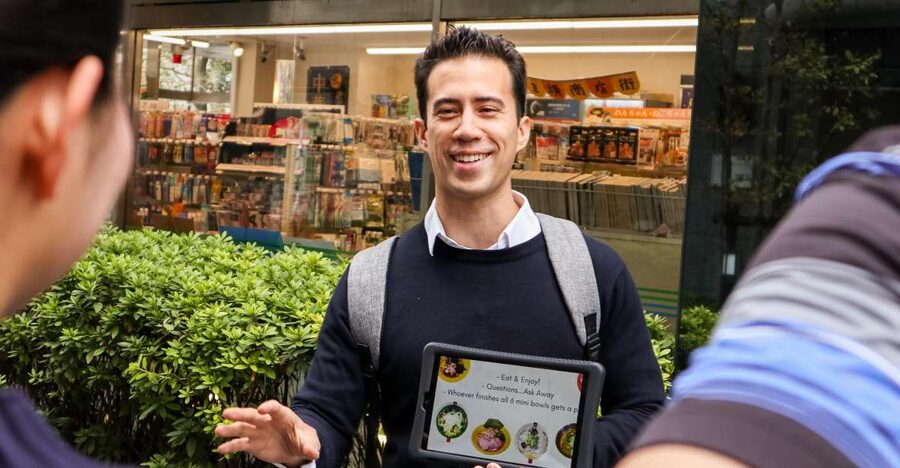
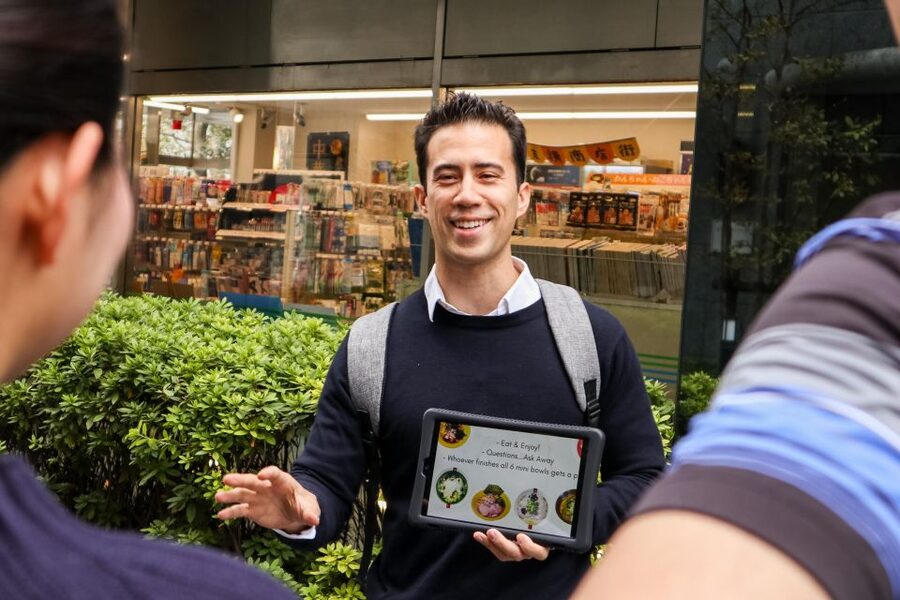
This tour begins in front of the 7-Eleven on Yasukuni-dori Avenue, at the entrance to Kabukicho near Shinjuku Station’s East Exit. Look for the guide holding a Tokyo Ramen Tours sign. That detail matters in Shinjuku, where a wrong turn can quickly put you on a different street from the one you want.
The first stop is a nearby coffee shop, not a ramen counter. This gives you a few minutes to get oriented and learn the basics before the eating begins. Your English-speaking guide explains the main ramen styles, the parts of a bowl, and the role of shoyu, or soy sauce, in Tokyo ramen.
There is also a quiz. It is a light, interactive way to make you pay attention, rather than a formal class. If you know little about ramen beyond the fact that you like it, this opening is useful. You get enough background to understand what arrives at the table instead of simply judging each bowl as good or bad.
The included beverage is served as part of the experience. The information provided does not specify the exact drink, so do not book this expecting a particular coffee or tea order. The coffee shop setting also gives you a more comfortable start than standing at a narrow ramen counter before you have learned how the visit works.
More ramen stops:
- Eat and Drink Like a Local: Tokyo Ueno Food Tour-Taverns&Ramen
★ 5.0 · 957 reviews - Ramen & Gyoza Cooking Class in Tokyo with Local Supermarket Visit
★ 5.0 · 823 reviews - Tokyo: Ramen Tasting Tour with 6 Mini Bowls of Ramen
★ 4.9 · 432 reviews
Two mini bowls of classic Tokyo shoyu ramen
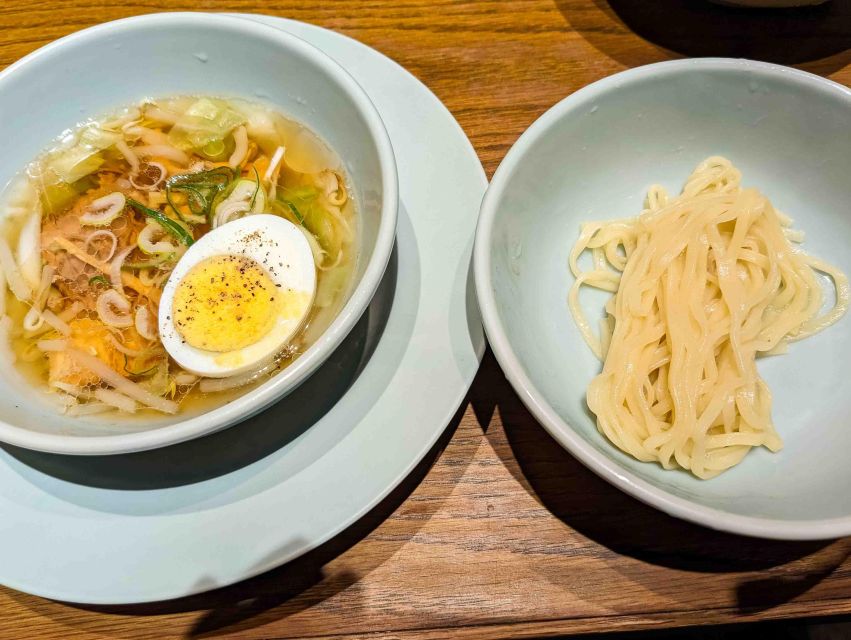
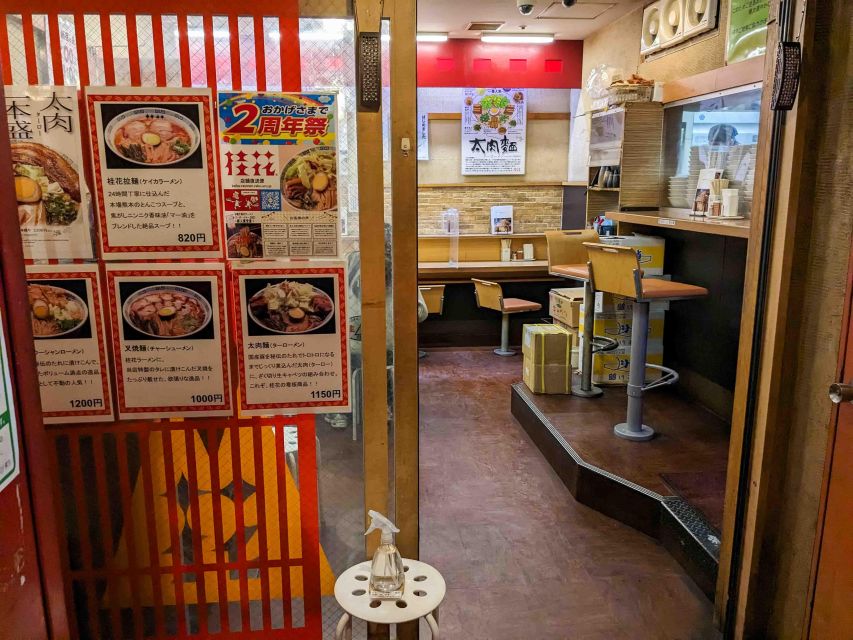
At the first ramen shop, you receive two mini bowls. Both are described as tasty, classic Tokyo shoyu ramen, giving you a chance to compare similar bowls and notice how small changes affect the result.
Shoyu means soy sauce, and it is one of the key styles associated with Tokyo ramen. The seasoning tends to give the broth a clear, savory taste. Your guide explains why shoyu matters and places it in the wider story of ramen in Japan. The point is not just to eat two bowls. It is to learn what you are tasting.
The small portions are the smart feature here. Each bowl is about one-third the size of a full bowl, so two servings at the first shop do not leave you facing a giant breakfast. You can focus on the broth, noodles, and toppings, then move on to the second stop with room left for more.
Still, this is not a snack-sized food walk. Three mini bowls plus gyoza is a real meal, even if the portions are reduced. If you usually eat very lightly in the morning, the two-hour format may feel food-heavy. For most people interested in comparing ramen, though, the portions make more sense than one huge bowl.
The exact shop names and ramen details are not given, so you should not expect a fixed tasting menu with a printed list of ingredients. That flexibility may be part of the charm, but anyone with strict dietary needs should ask before booking. The supplied information does not list vegetarian, vegan, allergy, or gluten-free options.
Tonkotsu, gyoza, and the second ramen stop
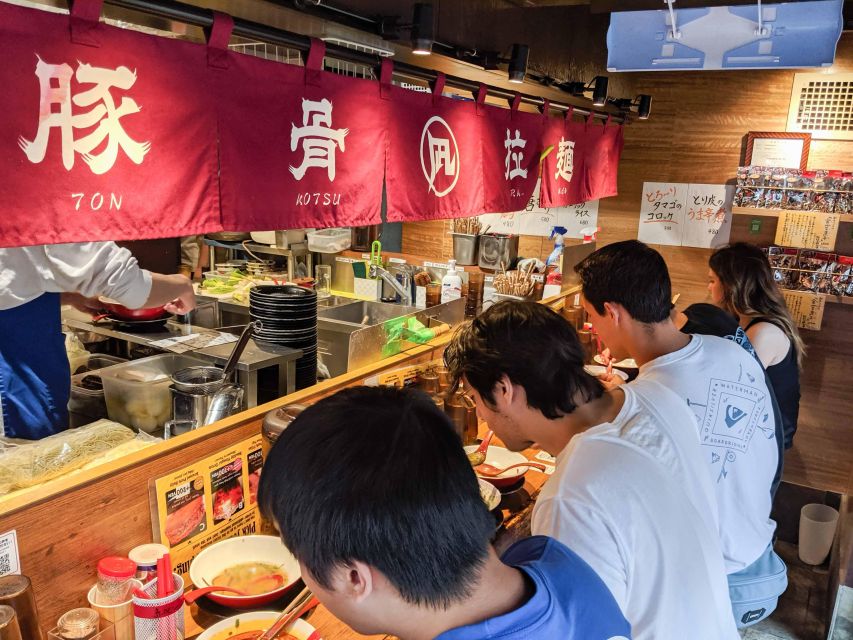
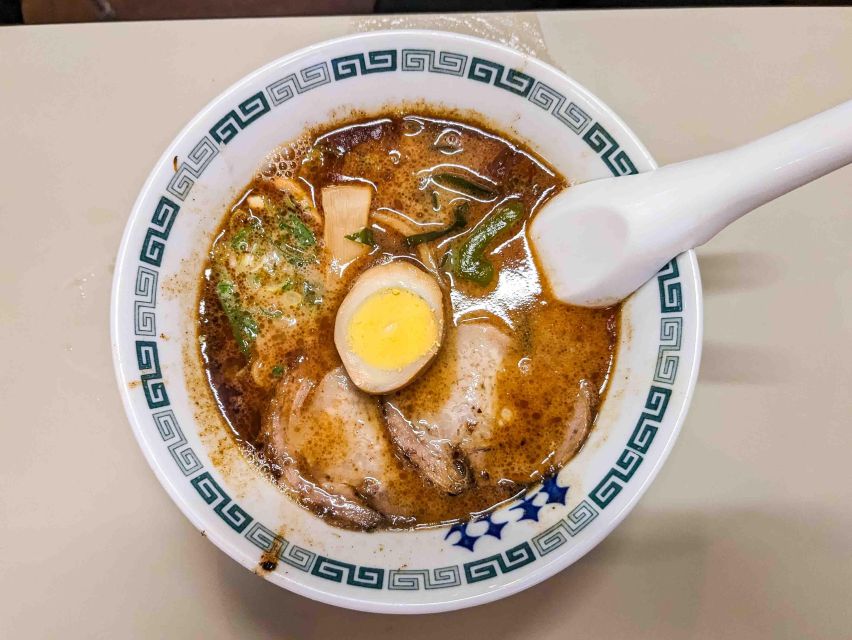
The second ramen shop brings one more mini bowl and two gyoza dumplings. This is where the tour turns from classic Tokyo shoyu toward other ramen styles, with special attention to tonkotsu, the pork-bone style.
Tonkotsu is a useful contrast to shoyu. The two styles can differ in the way the broth tastes and feels, giving you a better sense of why ramen is not one single dish. Your guide helps connect the bowl in front of you to the wider range of ramen served across Japan.
The gyoza add a welcome change in texture. Two dumplings are not a full plate, but they are enough to round out the tasting and show how a common side dish fits into a ramen meal. You will not be choosing from a long menu or building your own bowl. The value is in the guided comparison.
The early visit also helps here. Ramen shops are often compact, and a morning schedule can make the experience feel less rushed. You have time to listen, eat, and ask questions. The tour is not built around wandering from one major attraction to another, so the food remains the main event.
One point to keep in mind: the experience takes you to two shops, but the supplied details do not promise a full exploration of many neighborhoods or a long list of ramen styles. If you want a broad food crawl with many stops, this will feel focused. If you want to understand two major ramen traditions while eating a manageable amount, the structure works well.
Seeing a quieter side of Shinjuku
Most visitors meet Shinjuku at its busiest. This tour asks you to arrive early, when the streets around Kabukicho offer a different first impression. One useful benefit is the chance to see the area before its later crowds and bright-nightlife character take over.
Do not treat this as a sightseeing tour with a long list of landmarks. The neighborhood is the setting for the ramen lesson, not the main attraction. You walk between the meeting point, coffee shop, and ramen shops, while your guide adds context about Tokyo and Japan along the way.
That setting gives the tour a local rhythm. You are not eating ramen in a dining room designed only for international visitors. You are visiting actual ramen shops at the time of day when the tour has been arranged. The information does not identify each shop or promise a particular design, view, or famous address, so book for the food and instruction rather than for photo stops.
The meeting point is close to Shinjuku Station’s East Exit, but you may need a train ticket to reach Shinjuku. Any train fare is not included in the $90 price. Build in enough time to find the East Exit and the 7-Eleven on Yasukuni-dori Avenue, especially if you are unfamiliar with the station.
More Shinjuku nights and walks:
- Tokyo: Shinjuku Food Tour (13 Dishes at 4 Local Eateries)
★ 5.0 · 6,603 reviews - Tokyo Bar Hopping Tour in Shinjuku (All-You-Can-Drink + Dinner)
★ 5.0 · 3,587 reviews - Tokyo: Shinjuku Food Tour (15 Dishes and 4 Eateries)
★ 4.9 · 2,033 reviews - Best of Shinjuku: Izakaya Food Tour (4 Stops, 14+ Tastings)
★ 5.0 · 1,863 reviews
The guides make the lesson work
A food tour depends heavily on the person leading it. The guides associated with this experience include Frank, Daisy, and Deep. The exact guide depends on the date, but the reported pattern is clear: the tour works best when you use the guide’s expertise and ask questions.
Frank has been described as an expert on ramen who is easy to talk with. He led several bookings, including one where the group appreciated the level of detail and another where the tour was a first ramen-tour experience. Daisy was praised for keeping a group of five involved and for choosing enjoyable ramen stops. Deep was noted for a friendly, relaxed manner and for covering ramen, Tokyo, and Japan more broadly.
Those details tell you what to expect from the format. This is not a silent tasting where food simply appears. You can expect explanations, conversation, and some interaction. The opening quiz reinforces that style.
The tour is offered privately or in small groups. That is important for a food lesson because a smaller group makes it easier to hear the guide and ask about ingredients or cooking methods. The supplied information does not give a maximum group size, so you should confirm the group arrangement when choosing a date.
The tour is conducted in English. If you want a lesson in another language, this experience may not fit your needs. If English works for you, the language is a practical advantage because the guide can explain terms that are difficult to pick up from a menu alone.
Is $90 a fair price for two hours?
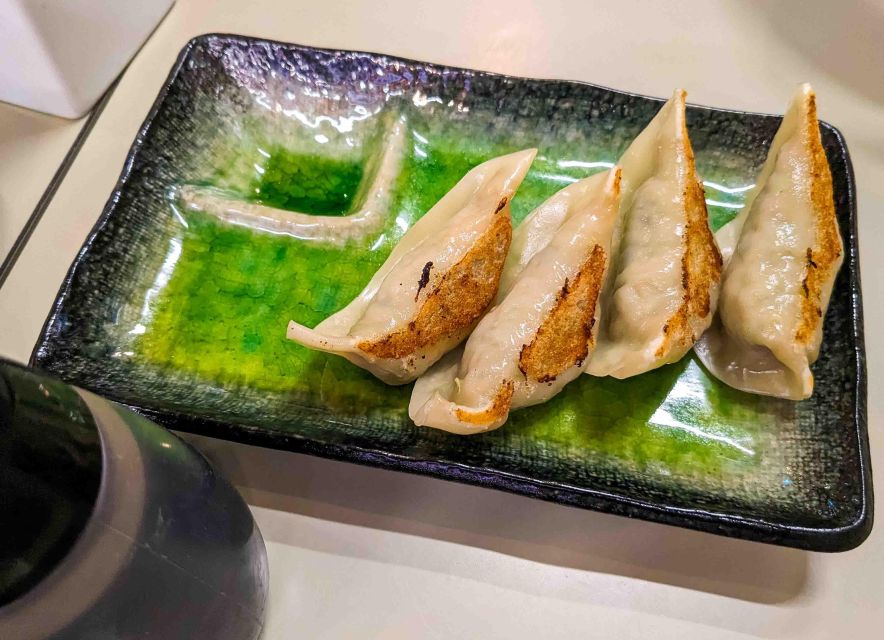
At $90 per person, this is not the cheapest way to eat ramen in Tokyo. You could buy a bowl on your own for far less. The price pays for the guide, the teaching, three mini bowls, two gyoza, one beverage, and the work of selecting and connecting the stops.
The value depends on how you would otherwise spend your first morning in Tokyo. If you already know ramen styles, can read Japanese menus, and feel comfortable finding small shops, you may prefer to spend the money on several independent meals. In that case, the guided lesson may not add enough.
If you are new to ramen, the price is easier to justify. You get three comparisons in a controlled amount, rather than ordering one large bowl and guessing what to try next. You also avoid spending part of your morning working out where to go, what to order, and how the shops differ.
The small portions are part of the value. They let you taste more than one style without paying for or wasting full bowls. The tour also takes you to small places you might not find on your own, according to the experience details. That does not guarantee secret or famous shops, but it does add practical help for a first visit.
The perfect audience is someone who wants food knowledge as well as breakfast. It is less suited to a person seeking a low-cost meal, a long walking tour, or a large number of dishes.
Who should book the breakfast ramen tour?
I would recommend this experience to early risers who want a clear introduction to Japanese ramen. It fits first-time visitors, curious eaters, and people who enjoy learning the difference between dishes rather than simply collecting photos.
It also works well for friends or couples who want a structured first activity in Shinjuku. The guide gives you a useful starting point for later meals. After trying shoyu and tonkotsu, you will have better questions to ask when you encounter other ramen styles during your stay.
Families and groups should think about the morning timing and food preferences. The information does not provide a child price, age range, or special menu. If someone in your party dislikes pork, has allergies, or needs a special diet, check before paying because tonkotsu and gyoza may not suit everyone.
Ramen fans who already know the basics may still enjoy the shop choices and discussion, but the educational part may feel introductory. The tour is strongest as a guided first lesson, not as a specialist tasting with technical scoring or rare regional bowls.
The two-hour length is another plus. You get a focused meal and neighborhood walk without giving up an entire day. The downside is that the schedule is fixed around early morning starting times, so you need to check availability and plan the rest of your day around it.
Booking details worth knowing before you go
Cancellation is free up to 24 hours before the tour for a full refund. You can also reserve now and pay later, which helps if your Tokyo schedule is still changing.
The tour lasts two hours, but exact starting times depend on availability. Confirm the time before booking, then plan your route to the East Exit meeting point. A train ticket, if you need one, is separate.
The activity includes three mini bowls of ramen, two gyoza dumplings, and one beverage. It does not include additional food, extra drinks, or train fare. Since the meal is spread across two shops, you should arrive ready to eat but not stuffed from an earlier breakfast.
The overall rating is listed as 5 from eight reviews, and the strongest praise centers on three things: the food, the guides, and the level of explanation. The early start also receives special attention because it shows you a quieter side of Shinjuku. Those are the parts I would use to judge the experience, rather than expecting a large sightseeing program.
Should you book this ramen morning?
Book it if you want to understand what you are eating, enjoy small local shops, and can handle an early start. The combination of two classic shoyu bowls, a tonkotsu-focused stop, gyoza, and an English-speaking guide gives you more context than a solo bowl of ramen.
Skip it if your main goal is the lowest possible meal price, a late morning, or a long list of restaurants. At $90, the tour earns its price through instruction and access to selected stops, not through quantity.
For most first-time ramen fans, I see the value. You leave with breakfast in you, a clearer sense of shoyu and tonkotsu, and a better idea of how to order ramen during the rest of your Japan trip. Just make sure your group is happy with the early schedule and with the pork-based dishes that are central to the experience.
FAQ
How long does the Breakfast Ramen Tour last?
The tour lasts two hours. Starting times vary, so you need to check availability for your chosen date.
Where does the tour meet?
Meet in front of the 7-Eleven on Yasukuni-dori Avenue at the entrance to Kabukicho in Shinjuku. The meeting point is near Shinjuku Station’s East Exit, and the guide will hold a Tokyo Ramen Tours sign.
How many bowls of ramen are included?
You receive three mini bowls of ramen. Each bowl is about one-third the size of a full bowl.
What else is included besides ramen?
The experience includes two gyoza dumplings and one beverage. Train fare, if required, is not included.
Which ramen styles will I learn about?
The tour covers classic Tokyo shoyu ramen and tonkotsu, or pork-bone ramen. The guide also explains other ramen styles and the history of ramen.
Is the tour conducted in English?
Yes. The tour has a live English-speaking guide.
Can I cancel the tour for a refund?
You can cancel up to 24 hours in advance for a full refund. The experience also offers a reserve-now, pay-later option.
New on our Tokyo list
- Tokyo : Kamikaze Street Drift Ride★ 5.0 · 3 reviews
- Private Zen Meditation in English in Shinjuku, Tokyo★ 5.0 · 3 reviews
- Sumi-e Experience in a relaxing green tea shop in Tokyo★ 5.0 · 3 reviews
- Onsen Spa in Tokyo and Asakusa Bar Hopping with Local Guide★ 5.0 · 3 reviews
- Easy for everyone! Now you can play handmade mini shamisen and show off to everyone! Musical instruments, sweets and live music★ 5.0 · 3 reviews
- Tokyo: Private Tsukiji Street Food & Sake with Local Guide★ 5.0 · 3 reviews
- Mt Fuji Exploration Tour with Free Japanese Kusa Mochi from Tokyo★ 4.5 · 3 reviews
- Tokyo Tsukiji Fish Market Walking and Exploring Hidden Gems Tour★ 5.0 · 3 reviews
Ramen Experiences, compared.

Eat and Drink Like a Local: Tokyo Ueno Food Tour-Taverns&Ramen
Read our review →
Ramen & Gyoza Cooking Class in Tokyo with Local Supermarket Visit
Read our review →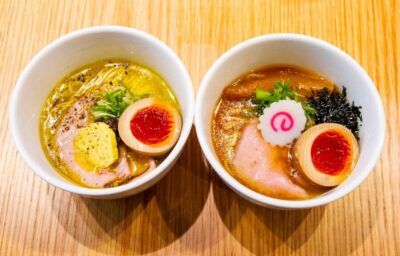

Easy Ramen Cooking Experience in Kabukicho, Shinjuku
Read our review →
Ramen and Sushi Cooking Class with Sake Pairing Set in Tokyo
Read our review →
Professional Ramen & Gyoza with Ramen Chef in a restaurant!
Read our review →
Ramen Dojo Tokyo | Make All 3 (Tonkotsu/Shoyu/Miso)
Read our review →Ramen Dojo Tokyo | Make All 3 (Tonkotsu/Shoyu/Miso)
Read our review →Browse the lists this tour appears in