
Reviewed · JAPANESE COOKING CLASSES
Discover Japanese Umami: Onigiri & Dashi Masterclass in Tokyo
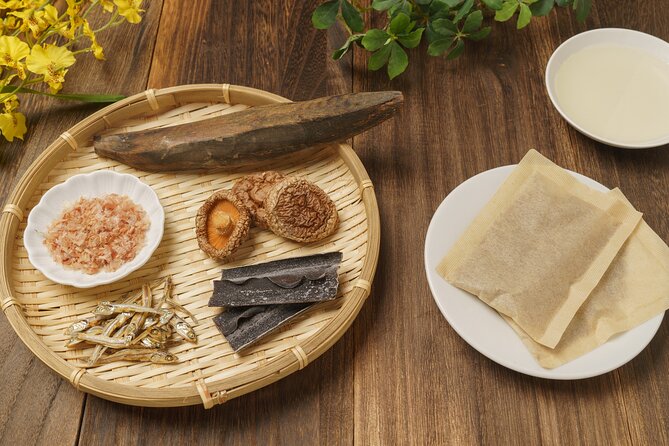
The most revealing part of this Tokyo cooking class comes before you cook. You taste three kinds of dashi side by side: kombu kelp stock, katsuobushi bonito stock, and awase dashi made by combining them. That simple comparison shows why Japanese food can taste so full without relying on heavy sauces.
I like the class for two clear reasons. First, you leave with a practical grasp of umami, not just a recipe card. Second, the small group, with a maximum of eight people, gives the hands-on parts room to breathe. You make dashimaki tamago in a rectangular pan, then choose fillings and shape your own onigiri.
The main consideration is the price: at $129.49 per person, this is not a bargain lunch. It makes better sense if you value instruction, a full meal, sake tasting, take-home recipes, and seasonings, rather than simply wanting a quick cooking demonstration.
In This Review
- Key points at a glance
- Why the dashi lesson matters
- A two-hour route from stock to lunch
- What you actually eat and prepare
- The small group makes a real difference
- English instruction and useful take-home value
- Price, value, and what you are paying for
- Who should book this cooking class
- Practical details before you go
- Should you book it?
- FAQ
- Where does the cooking class start?
- What time does the class begin?
- How long does the experience last?
- Where does the activity end?
- Is transportation included?
- How many people can join the class?
- Is the class taught in English?
- Do I need cooking experience?
- What foods will I make?
- What is included to take home?
Key points at a glance
- Three dashi stocks are tasted together: Compare kombu, katsuobushi, and awase to understand the base of Japanese flavor.
- You cook with traditional tools: Try a rectangular tamagoyaki pan to make fluffy dashimaki tamago.
- The meal is more than rice balls: Miso soup, side dishes, rolled omelet, onigiri, and a sake tasting are included.
- English instruction keeps the class accessible: No previous cooking experience is required.
- The group is capped at eight: This is a personal-scale lesson rather than a large demonstration.
- You take the lesson home: A printed recipe set and Japanese seasonings are included.
Why the dashi lesson matters
Japanese cooking can look simple on the plate: rice, soup, vegetables, omelet, perhaps a little fish or pickled food. The work is often hidden in the stock. Dashi supplies the savory foundation behind miso soup and many other Japanese dishes, and this class gives you a direct way to notice its differences.
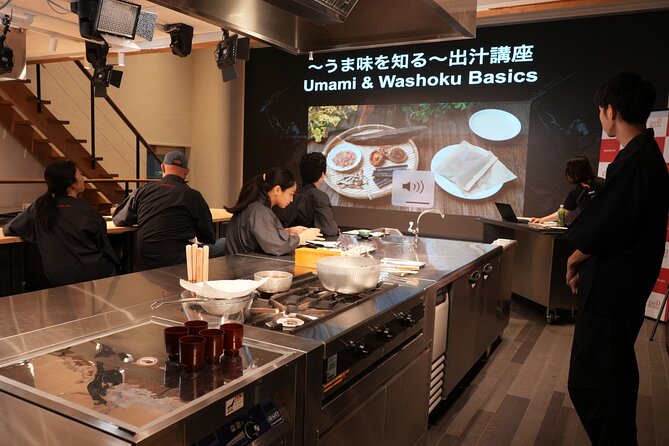
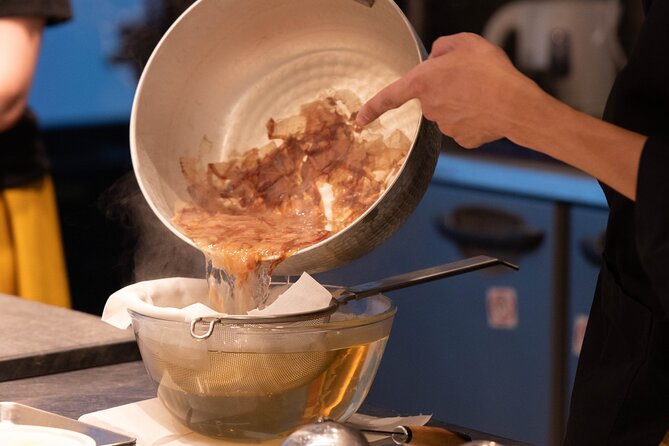
The instructor first explains umami, Japan’s savory fifth taste, then prepares three stocks in front of you. Kombu brings a clean, sea-like savoriness. Katsuobushi, made from bonito, contributes a different depth. Awase dashi combines the two.
The useful part is the tasting. If you only hear a lecture about dashi, the idea can remain abstract. When you try the stocks one after another, you can compare their character before other ingredients cover it up. That makes the lesson valuable for anyone who wants to cook Japanese food at home and understand why a dish tastes the way it does.
One strong point is the way the class links flavor to technique. You are not simply told that dashi is important. You see how it is made, taste the results, and then encounter it again in the meal. The connection between stock, miso soup, side dishes, and omelet becomes easier to remember.
The class also gives you a broader view of Japanese cooking. It is centered on rice, stock, and a few carefully handled ingredients rather than a long list of complicated dishes. That focus is helpful for beginners.
More cooking classes in Tokyo:
- Ramen & Gyoza Cooking Class in Tokyo with Local Supermarket Visit
★ 5.0 · 823 reviews - Tokyo: Easy Ramen Cooking Experience in Kabukicho, Shinjuku
★ 4.6 · 321 reviews - Ramen and Sushi Cooking Class with Sake Pairing Set in Tokyo
★ 5.0 · 291 reviews
A two-hour route from stock to lunch
The experience begins at 11:00 a.m. at Kappodo H.Q., also identified as Tokyo D Kitchen Studio, in Nishiazabu, Minato City. The address provided is 2-chome 21-12, DK Building, Tokyo 106-0031. The class ends back at the same meeting point.
The full session lasts about two hours. That is long enough to include teaching, demonstrations, hands-on cooking, and lunch, but short enough to fit into a busy Tokyo day. I would allow extra time before the start so you can find the studio without rushing. The activity is near public transportation, but private transportation is not included.
After the welcome, the dashi and umami lesson comes first. This order makes sense. You learn the flavor base before using it in the rest of the meal.
Next comes a demonstration of traditional side dishes and miso soup. You watch the preparation and plating, then see how the separate parts are arranged as a Japanese-style meal. Plating may sound like a small detail, but it helps you understand that washoku is not only about cooking each item. Presentation and balance also matter.
The class then turns to dashimaki tamago, the Japanese rolled omelet. You use a rectangular tamagoyaki pan and practice creating the soft, layered shape. This is likely the most technique-sensitive part of the session. The pan is not the familiar round skillet found in many kitchens, and rolling the egg takes coordination.
That challenge is also part of the appeal. You are not merely watching a chef produce a perfect omelet. You get to try the method yourself, with instruction in English and no previous cooking experience required. Your first roll may not look restaurant-ready, but the lesson gives you a useful starting point.
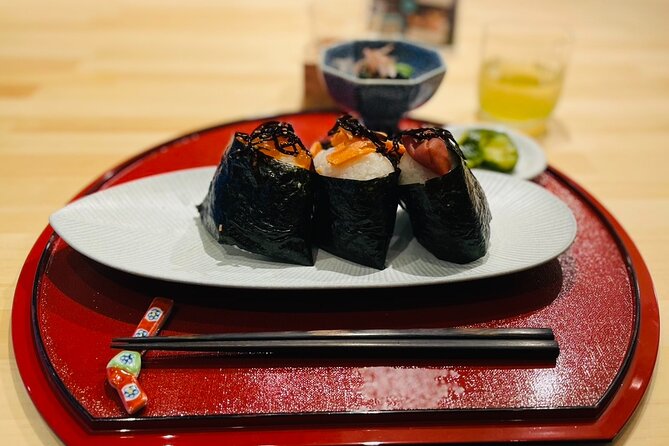
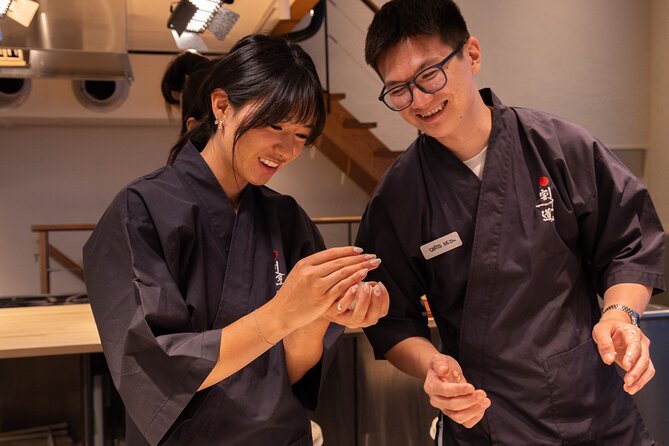
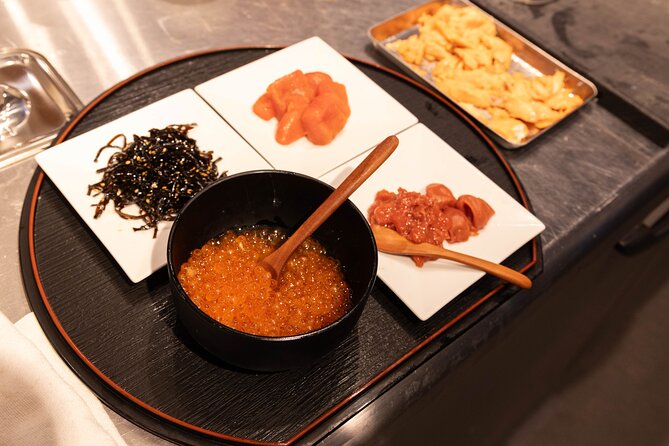
The final hands-on task is onigiri. You select from traditional fillings, then shape the rice balls by hand. Onigiri is one of the most approachable Japanese foods to recreate at home, yet small details matter: the rice must hold together, the filling must sit properly, and the shape needs a gentle touch.
The onigiri section should suit people who enjoy making food with their hands. It also gives you some choice within the set menu, since you can select from the available fillings. The meal is then rounded out with miso soup and side dishes.
What you actually eat and prepare
The lunch is built around familiar Japanese staples rather than a showy string of unrelated tastings. You prepare onigiri and dashimaki tamago, while the side dishes and miso soup are demonstrated as part of the meal.
That balance is useful because it divides the work sensibly. You get enough hands-on time to feel involved, but you are not expected to prepare every dish from start to finish within two hours. The demonstration also lets you watch techniques that might be too time-consuming to add to the active cooking portion.
The meal is described as filling. That matters at this price. You are not paying only for a short lesson followed by a small sample. The class is designed to function as lunch, with rice balls, omelet, soup, and side dishes.
A tasting of Kappodo’s original sake is included as well. This adds a drink-focused element to the class and gives you a chance to connect Japanese food with a traditional beverage. The information provided does not specify the amount or style of sake, so I would treat it as a tasting rather than a full drinks service.
You should also note that the class includes alcoholic beverages. If you do not drink alcohol, check the arrangements before booking, since no nonalcoholic replacement is specified.
The small group makes a real difference
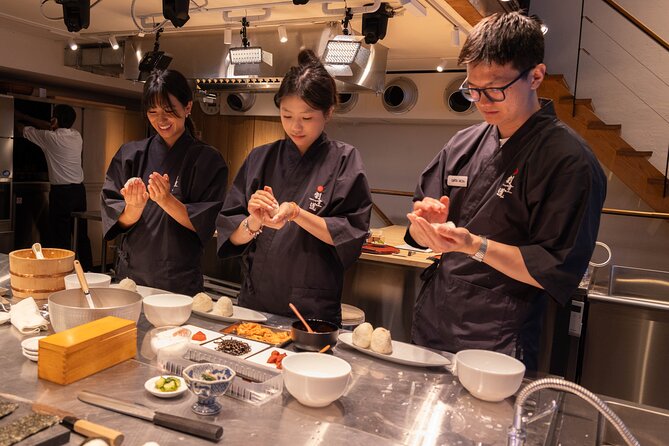
The maximum group size is eight people. For a cooking class, that is a useful limit. You have a better chance of seeing the demonstration clearly, hearing the explanation, and getting access to the equipment without a long wait.
Small groups also help during the tamagoyaki lesson. A rolled omelet requires attention to timing and movement, so the experience would be less useful if you spent most of the session watching from the back of a crowded room.
The format suits pairs and small groups especially well. Friends can compare their omelet technique, couples can share the meal, and solo participants have a clear setting for meeting people around a shared activity. The class is still a group experience, not a private lesson, so book it for company and interaction rather than complete personal control.
All tools and aprons used during the lesson are included. That keeps the experience simple for you. You do not need to bring cooking equipment, and you can focus on the instruction.
A few more Tokyo bookings worth comparing
- Mt Fuji and Hakone 1-Day Bus Tour Return by Bullet Train
★ 5.0 · 26,383 reviews - 1-Day Tokyo Bus Tour
★ 5.0 · 14,250 reviews - Tokyo: TOKYO SKYTREE® Admission ticket
★ 4.5 · 11,192 reviews - Tokyo: teamLab Planets TOKYO Digital Art Museum Entry Ticket
★ 4.6 · 9,779 reviews
English instruction and useful take-home value
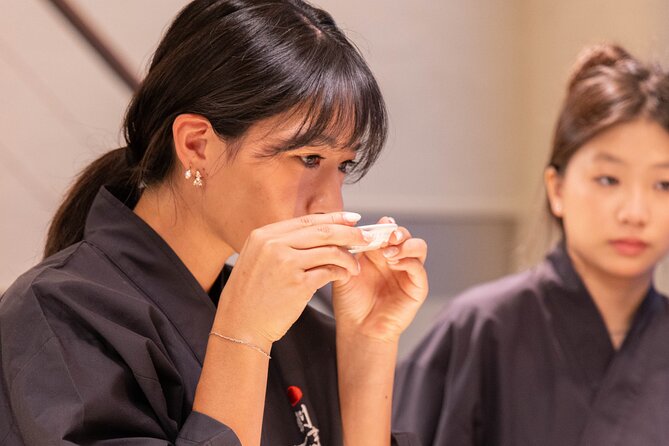
The instruction is in English, which removes one of the biggest barriers for visitors who want more than a food tour. You can ask questions about umami, dashi, fillings, and technique as you go.
The class is aimed at curious food lovers, but it does not require cooking experience. That makes it a good fit for someone who has eaten plenty of Japanese food but has never prepared it. It should also work for a confident home cook who wants to understand the foundations of Japanese flavor.
The printed recipe set is one of the better practical inclusions. A cooking class can be enjoyable in the moment and then disappear from memory once you leave Tokyo. Recipes give you a way to repeat the dishes at home.
Japanese seasonings are included to take home, too. The details of the seasonings are not specified, so you should not expect a particular brand or exact list before booking. Still, this addition supports the class’s main purpose: helping you recreate some of the flavors after your trip.
The strongest learning point is that dashi can be used beyond one bowl of soup. The class explains its place as a base for Japanese cuisine, and the lessons connect it to side dishes and other preparations. That broader understanding is more useful than memorizing one recipe.
Price, value, and what you are paying for
At $129.49 per person, the class sits firmly in the special-experience category. You are paying for approximately two hours of instruction, a full lunch, dashi tasting, hands-on cooking, sake tasting, equipment, an apron, a participation certificate, recipes, and seasonings to take home.
The value improves if you were already planning to pay for lunch and want a food activity as well. You receive a meal, but the main purchase is the explanation behind it. If you only want to eat onigiri, a restaurant will cost less and take less time.
The class is also easier to justify for anyone who cooks at home. Learning how kombu and katsuobushi differ, then seeing how awase dashi is made, can change the way you approach Japanese recipes later. The included seasonings and printed recipes add a practical benefit.
Group discounts may be available, which could make the activity more attractive for friends or family booking together. The provided information does not state the discount amount, so check the current booking terms before relying on it in your budget.
There is free cancellation if you cancel at least 24 hours before the 11:00 a.m. start time. Cancellations or changes made inside that window are not refunded or accepted. The class also requires a minimum number of participants, so a cancellation by the provider may result in another date or a full refund.
Who should book this cooking class
I would point this experience toward you if food is one of the main reasons you came to Tokyo. It gives you cultural context, a substantial lunch, and techniques you can repeat at home.
It is a particularly good match for:
- First-time Japanese cooks who want a clear introduction
- Home cooks interested in stock, seasoning, and umami
- Couples or small groups looking for a shared activity
- Visitors who prefer a hands-on lesson to a standard restaurant meal
- People who want English instruction and take-home recipes
It may be less suitable if you want a quiet, private meal, dislike group classes, or are looking for a low-cost way to fill two hours. The price also deserves extra thought if the recipes and cooking practice do not interest you.
The class is not presented as a broad tour of every region of Japanese cuisine. Its strength is focus. You learn how dashi, rice, omelet, miso soup, and side dishes fit together in one meal.
Practical details before you go
The meeting point is Kappodo H.Q. and Tokyo D Kitchen Studio in Nishiazabu. Use the full address when planning your route: Japan, 106-0031 Tokyo, Minato City, Nishiazabu, 2-chome 21-12, DK Building.
The start time is 11:00 a.m., and the activity returns to the meeting point. Since lunch is included, arriving ready to eat is sensible, though the exact pacing of the meal is not specified.
A mobile ticket is available, and booking confirmation is provided at the time of reservation. The class is near public transportation, but you arrange your own way to the studio because private transportation is not included.
Bring curiosity rather than cooking experience. The lesson is taught in English, and the tools and aprons are supplied. The participation certificate is included, though the practical value lies more in the recipes, seasonings, and skills.
Should you book it?
Book this class if you want to understand Japanese food from the stock pot upward. The side-by-side dashi tasting is the key reason to choose it, while the tamagoyaki and onigiri sessions give you enough hands-on work to make the lesson feel personal.
At $129.49, it is best viewed as a cooking workshop and lunch combined, not as an inexpensive meal. For food-minded visitors, small groups, English instruction, sake, recipes, and take-home seasonings make the cost easier to defend. If your main goal is simply to see Tokyo sights or grab a quick lunch, spend the money elsewhere.
FAQ
Where does the cooking class start?
It starts at Kappodo H.Q., also listed as Tokyo D Kitchen Studio, at 2-chome 21-12, DK Building, Nishiazabu, Minato City, Tokyo 106-0031.
What time does the class begin?
The start time is 11:00 a.m.
How long does the experience last?
The class lasts approximately two hours.
Where does the activity end?
It ends back at the meeting point.
Is transportation included?
Private transportation is not included. The studio is near public transportation.
How many people can join the class?
The activity has a maximum of eight participants.
Is the class taught in English?
Yes. All instruction is in English.
Do I need cooking experience?
No. Previous cooking experience is not required.
What foods will I make?
You will make dashimaki tamago, a Japanese rolled omelet, and onigiri using a choice of traditional fillings. Demonstrations of side dishes and miso soup are also included.
What is included to take home?
You receive a printed recipe set and Japanese seasonings. All tools and aprons used during the lesson are included, along with a certificate of participation.
New on our Tokyo list
- Sumi-e Experience in a relaxing green tea shop in Tokyo★ 5.0 · 3 reviews
- Tokyo : Kamikaze Street Drift Ride★ 5.0 · 3 reviews
- Private Zen Meditation in English in Shinjuku, Tokyo★ 5.0 · 3 reviews
- Onsen Spa in Tokyo and Asakusa Bar Hopping with Local Guide★ 5.0 · 3 reviews
- Easy for everyone! Now you can play handmade mini shamisen and show off to everyone! Musical instruments, sweets and live music★ 5.0 · 3 reviews
- Mt Fuji Exploration Tour with Free Japanese Kusa Mochi from Tokyo★ 4.5 · 3 reviews
- Tokyo Tsukiji Fish Market Walking and Exploring Hidden Gems Tour★ 5.0 · 3 reviews
- Tokyo: Private Tsukiji Street Food & Sake with Local Guide★ 5.0 · 3 reviews
Japanese Cooking Classes, compared.
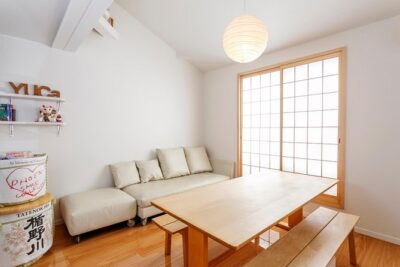
Ramen & Gyoza Cooking Class in Tokyo with Local Supermarket Visit
Read our review →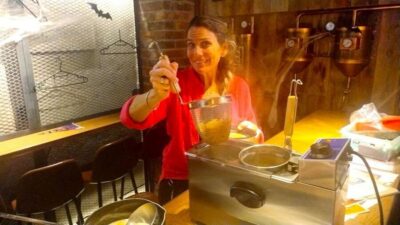
Easy Ramen Cooking Experience in Kabukicho, Shinjuku
Read our review →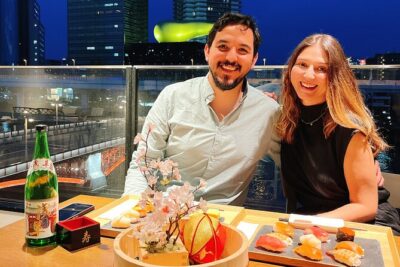
Ramen and Sushi Cooking Class with Sake Pairing Set in Tokyo
Read our review →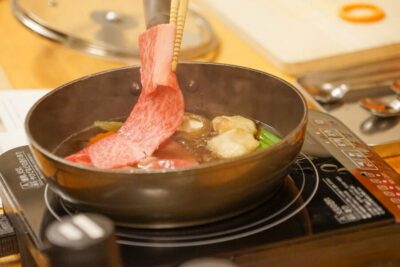
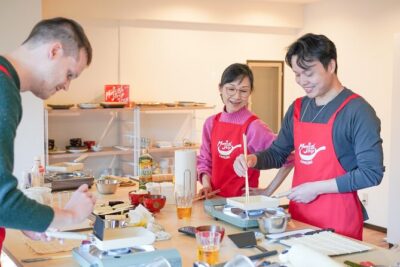
Tokyo Washoku 4-hour Cooking Class: From Market to Table
Read our review →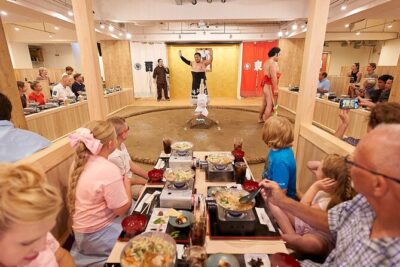
TokyoSumoShow, ChickenHotPot, and Mochi-Pounding by Pro Wrestlers
Read our review →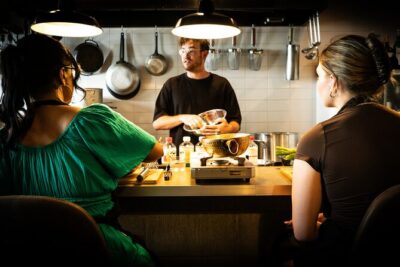
Professional Ramen & Gyoza with Ramen Chef in a restaurant!
Read our review →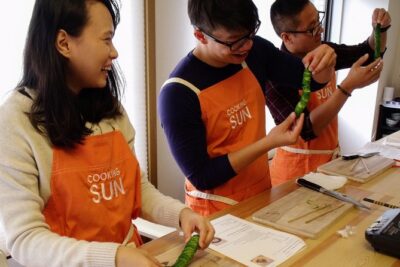
Small-Group Wagyu Beef and 7 Japanese Dishes Tokyo Cooking Class
Read our review →Browse the lists this tour appears in