
Reviewed · RAMEN EXPERIENCES
Exclusive Tokyo Ramen Kitchen Experience
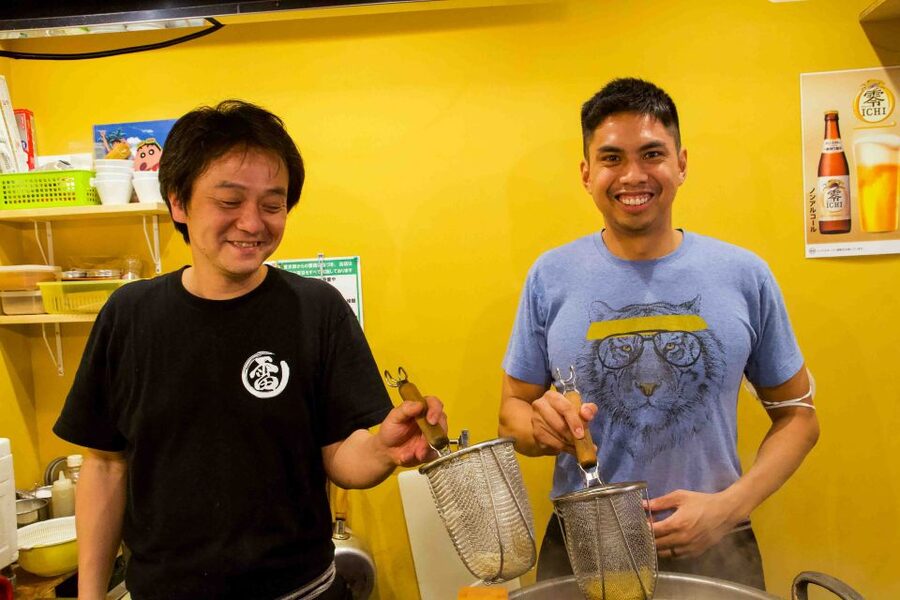
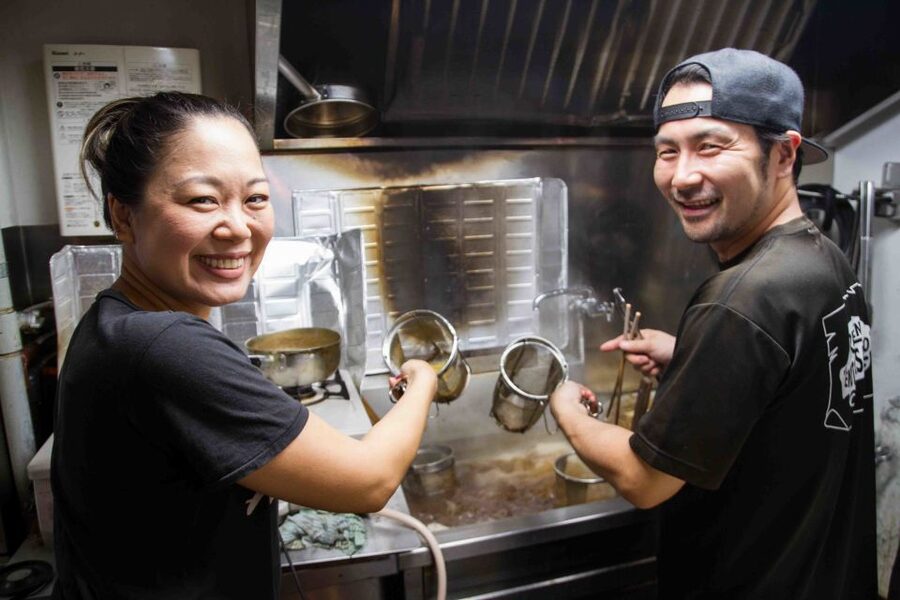
The best part of this experience is simple: you get behind the counter of a real Tokyo ramen shop. This is not a classroom with pretend burners and a tidy recipe card. You stand in the working kitchen, handle hot soup and noodles, and see how a professional shop turns prepared ingredients into a finished bowl.
I like the small group of six and the chance to eat two small bowls rather than one oversized serving. I also like the guide-led explanation of ramen origins, broth, noodles, and toppings. The main catch is value: at $83 per person for one hour, this costs far more than an ordinary ramen meal, and you are not making the broth or noodles from scratch.
In This Review
- Key points to know before booking
- Entering the ramen shop at Nezu Station
- What you learn before assembling your bowl
- Working beside the chef in a real kitchen
- Two ramen bowls and two gyoza
- Why the one-hour length works, and where it falls short
- Is $83 a fair price for this Tokyo food experience?
- The Nezu setting adds a quieter Tokyo touch
- Who will enjoy this most?
- Practical details that affect your booking
- Should you book the ramen kitchen experience?
- FAQ
- Where does the Tokyo ramen experience begin?
- How long does the experience last?
- What language is the tour conducted in?
- How many people are in the group?
- Is this a complete ramen cooking class?
- What food is included?
- Does the ramen contain meat or fish?
- What should I wear and what safety issue should I know about?
Key points to know before booking
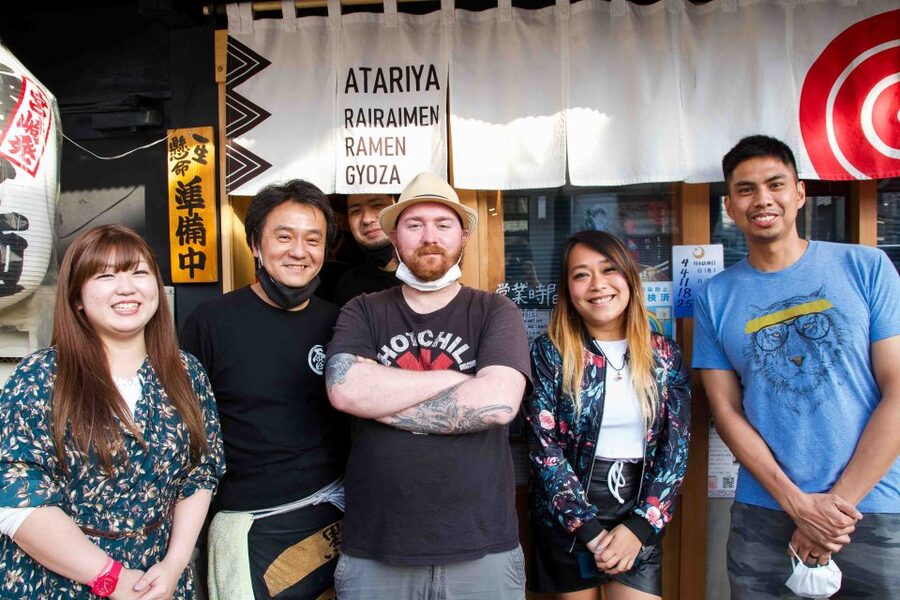
- Behind-the-counter access: You enter a real ramen kitchen that normally is not open to the public.
- Two small ramen bowls: The format lets you sample the shop’s food without committing to one large bowl.
- Two gyoza included: The fried dumplings add a useful side dish to the tasting.
- One-hour format: You get a compact food experience that fits neatly into a Tokyo sightseeing day.
- English-speaking small group: The group is limited to six, with multiple guides used for different departures.
- Not a full cooking class: You assemble ramen and learn the process, but long broth and noodle preparation is shortened.
Entering the ramen shop at Nezu Station
Your meeting point is in front of the Akafudado supermarket at Nezu Station, Exit 1. Look for the guide holding a Tokyo Ramen Tours sign. This detail matters because Nezu Station has several exits, and using the wrong one can turn a simple meeting into a rushed search.
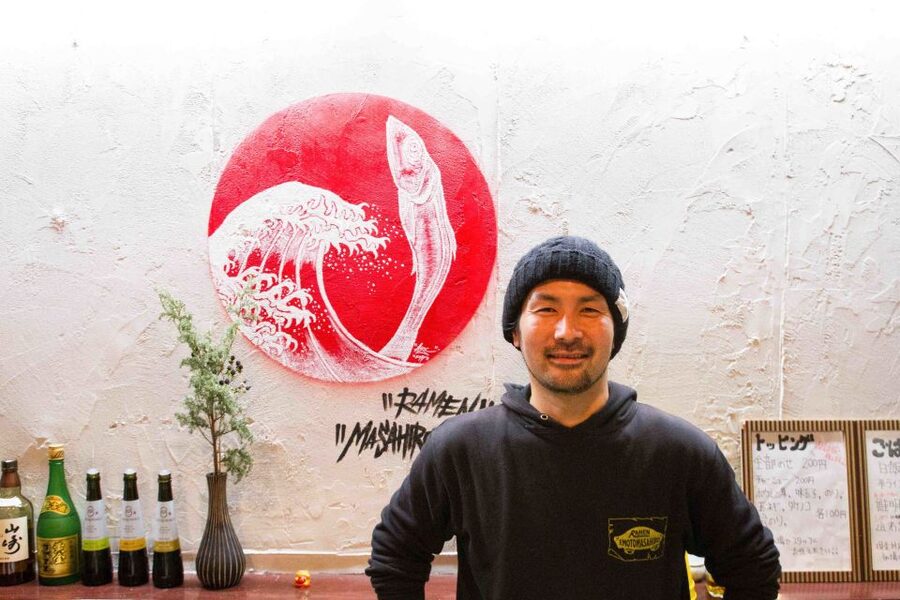
The experience takes place in the Nezu area of Tokyo, not in a mock-up kitchen built for tourists. That gives the hour its appeal. You are not only learning about ramen as a dish. You are seeing the equipment, work surfaces, ingredients, and timing that keep a ramen shop moving.
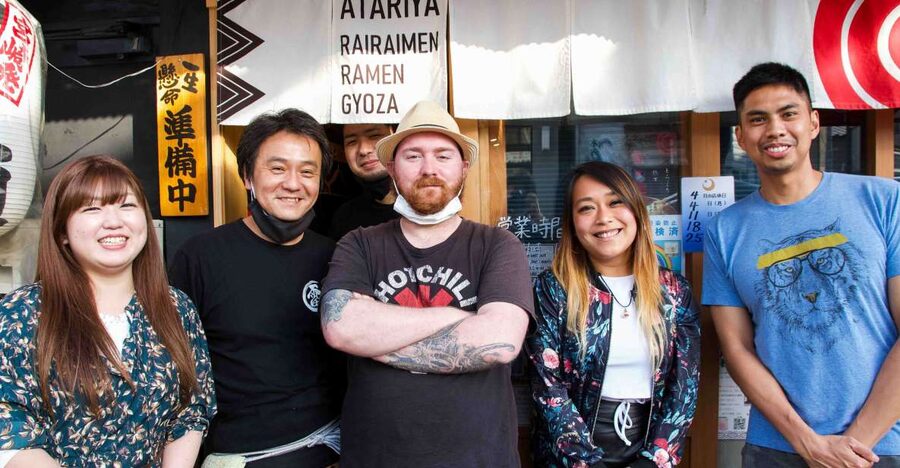
The group size is limited to six people. I consider that a real advantage here. A kitchen activity becomes awkward when too many people crowd around the same pot, but a small group gives you a better chance to see the chef’s work and take part without standing at the back.
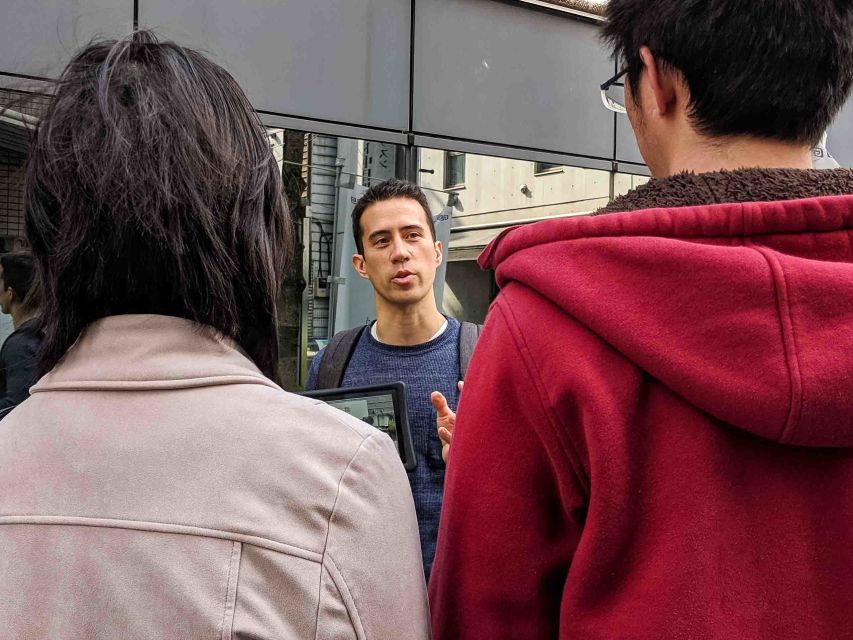
Several guides lead the experience, so your guide may not be the same person each time. Frank is named in several particularly warm accounts, and he has been praised for his enthusiasm about ramen and his ability to explain the food clearly. The guide’s role is important because the chef is focused on the kitchen, while the guide helps you follow the story and instructions in English.
More ramen stops:
- Eat and Drink Like a Local: Tokyo Ueno Food Tour-Taverns&Ramen
★ 5.0 · 957 reviews - Ramen & Gyoza Cooking Class in Tokyo with Local Supermarket Visit
★ 5.0 · 823 reviews - Tokyo: Ramen Tasting Tour with 6 Mini Bowls of Ramen
★ 4.9 · 432 reviews
What you learn before assembling your bowl
The educational part covers ramen origins, major types, ingredients, and preparation. That sounds broad for a one-hour visit, so expect an introduction rather than a specialist course. Still, it gives your meal useful context.
You learn that ramen is not one fixed recipe. The flavor of a bowl depends on the broth, seasoning, noodles, toppings, and cooking method. The experience also explains what individual ingredients do and where they come from. That changes the way you taste the finished food. Instead of treating every element as decoration, you begin to notice how each part affects the bowl.
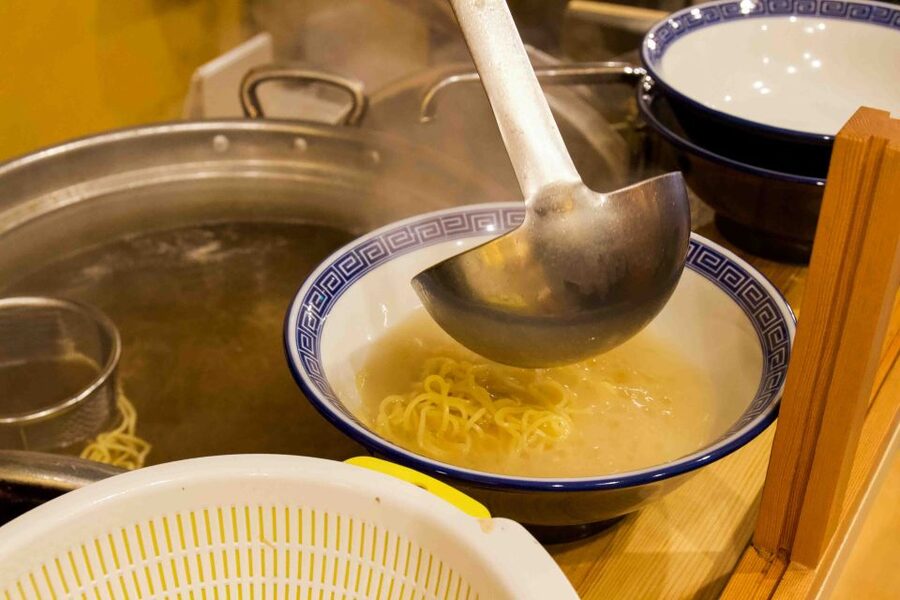
The broth is an especially important point. The shop’s broth takes about 10 hours to make, which explains why the full process cannot fit into a one-hour booking. You are not expected to begin with raw ingredients in the morning and wait until evening for dinner. The tour shortens the process so you can see the final kitchen work and assemble your meal during your visit.
That limitation should be clear before you pay. If you want to learn a complete ramen recipe from start to finish, this is not the right format. If you want to understand how a professional shop handles the last stages of preparation, it makes much more sense.
Working beside the chef in a real kitchen
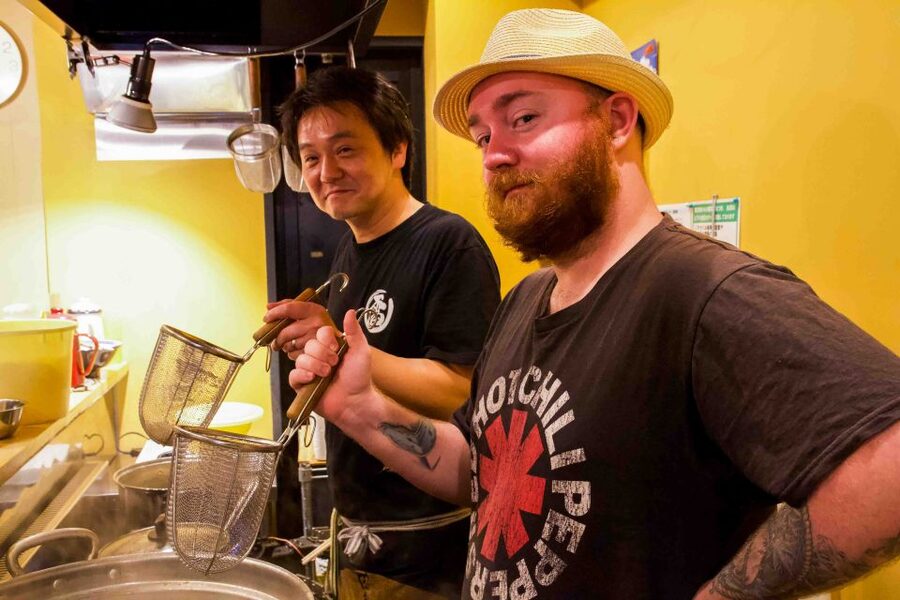
The kitchen activity gives you a brief taste of the chef’s job. You deal with noodles, soup, and toppings while following instructions from the guide and chef. You also work around hot water and hot soup, so this is a hands-on activity that requires care rather than casual sightseeing.
The wording feel like a real ramen chef should be taken in the right spirit. You are not running the restaurant or preparing every component alone. Instead, you take part in the controlled steps that turn the shop’s prepared ingredients into your bowls.
That distinction is useful for families. An 8-year-old and an 11-year-old were carefully included in one booking, showing that children can take part when adults and staff pay close attention. The hot equipment remains a serious concern, though. Parents should be ready to supervise closely, and comfortable clothing is recommended for everyone.
The kitchen setting also adds personality. You get the sights and sounds of a working ramen shop, along with the direct presence of the chef and hosts. This is one reason the experience feels different from a standard food tasting. You are not simply seated and served. You are placed close to the work.
Two ramen bowls and two gyoza
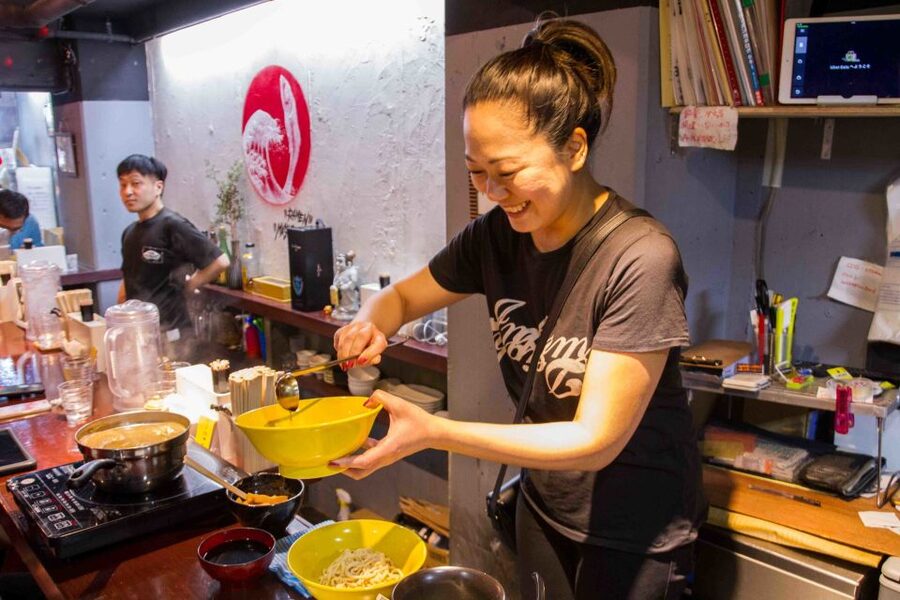
The meal includes two small bowls of ramen and two fried gyoza. The smaller servings are a smart choice for an educational tasting because you can focus on flavor and preparation without feeling weighed down after one giant bowl.
The ramen has been the most consistently praised part of this experience. Some people describe the bowls as the best ramen they ate during a Japan trip, while others single out the food as the reason they would repeat the activity. I would not promise that it will be your personal favorite ramen in Japan, since taste is subjective and Tokyo has countless excellent shops. But the food is clearly not an afterthought.
The two bowls also give you a chance to notice the details you have just been discussing. Pay attention to the balance between soup, noodles, and toppings. Think about texture as well as flavor. The gyoza provide a crisp, savory side and make the meal feel more complete.
The ingredients include chicken, pork, and fish. This is important for dietary planning. The supplied information does not promise vegetarian, vegan, halal, kosher, or allergy-friendly substitutions, so you should not book assuming that alternatives are available.
A few more Tokyo bookings worth comparing
- Mt Fuji and Hakone 1-Day Bus Tour Return by Bullet Train
★ 5.0 · 26,383 reviews - 1-Day Tokyo Bus Tour
★ 5.0 · 14,250 reviews - Tokyo: TOKYO SKYTREE® Admission ticket
★ 4.5 · 11,192 reviews - Tokyo: teamLab Planets TOKYO Digital Art Museum Entry Ticket
★ 4.6 · 9,779 reviews
Why the one-hour length works, and where it falls short
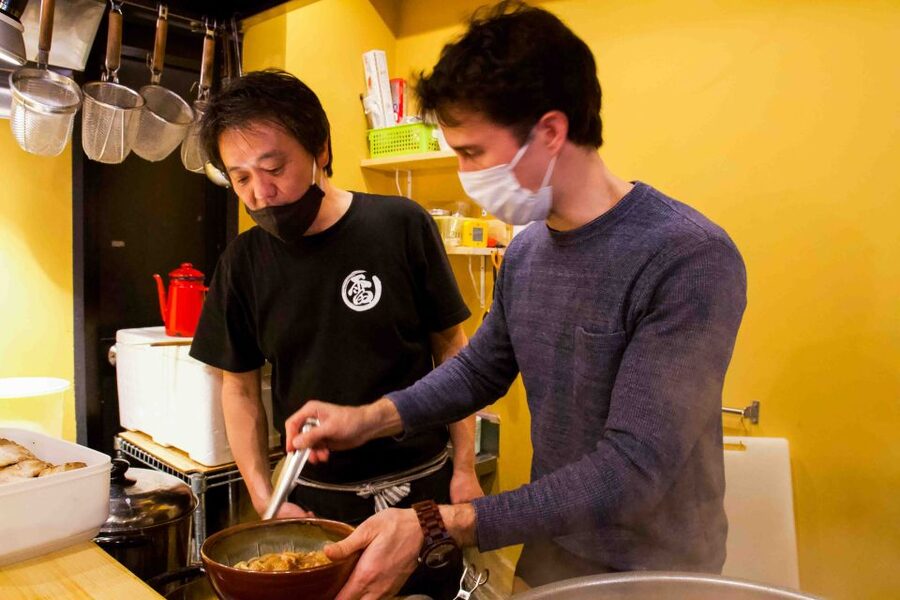
One hour is enough for a focused look at the kitchen, a short lesson, hands-on assembly, and eating. It can fit before another activity, and it avoids taking half a day from your Tokyo plans. If you are building a busy sightseeing schedule, this compact format is useful.
The short length also keeps the activity lively. You do not spend hours waiting for broth or watching repetitive preparation. The shop has already done the lengthy work, including the roughly 10-hour broth process, so you see the parts that can be shared in a short visit.
Still, one hour limits how much technical training you can receive. You will not leave with a full ramen-making routine that you can reproduce at home. One person specifically wished for takeaway recipes, and that is a fair criticism. The experience offers access and explanation, but not a complete home-cooking curriculum.
I would think of it as a ramen kitchen visit with food, rather than a traditional cooking class. That description sets the right expectations and makes the price easier to judge.
Is $83 a fair price for this Tokyo food experience?
At $83 per person, this is expensive compared with eating ramen in an ordinary Tokyo restaurant. You could enjoy a meal for much less, and the activity lasts only one hour. A family of four would feel the cost sharply, especially since the supplied information gives no family discount.
The price makes more sense if you place a high value on access. You are paying for a small group, an English-speaking guide, time inside a professional kitchen, direct contact with the chef, and a structured explanation of ramen. The restaurant has won several awards and normally does not offer this kind of public kitchen access. That special entry is the main value, not the amount of food.
I would recommend the experience more readily to a ramen fan, food-focused visitor, or first-time Japan visitor who wants one memorable meal with a story attached. I would be more cautious for a budget-conscious family or anyone mainly looking for dinner.
The food helps support the price. You receive two small ramen bowls and two gyoza, and the dishes are repeatedly described as excellent. But you should not book because it is a cheap way to eat. It is a paid access experience that happens to include a very good meal.
The Nezu setting adds a quieter Tokyo touch
The meeting point at Nezu Station gives the activity a different feel from a central restaurant district. You begin near a local supermarket and then move into the ramen shop, which makes the experience feel connected to everyday Tokyo rather than separated inside a purpose-built attraction.
The information provided does not promise a walking tour of Nezu, so you should not expect a long neighborhood visit or a sightseeing route. The area is mainly the meeting point and setting for the kitchen experience. Still, you can pair this booking with your own plans nearby if your schedule allows.
Arrive with enough time to find Exit 1 and the Akafudado supermarket. The guide will be holding the tour sign, but a punctual arrival matters because the activity is short. Losing ten minutes in a one-hour kitchen visit would make a noticeable difference.
Who will enjoy this most?
I would put this near the top of the list for:
- Ramen fans who want to understand how a professional bowl comes together
- Food lovers who value access to working kitchens
- Couples or friends looking for a small, unusual Tokyo activity
- Families with older children who can follow safety instructions
- People who want an English-language food experience with a guide
I would think twice if you want to make broth, prepare noodles, or learn a recipe in full. The long cooking stages are shortened, and the activity focuses on the final preparation and behind-the-counter view.
It may also be a poor fit if you avoid chicken, pork, or fish. Those ingredients are part of the ramen, and no alternative menu is stated. Finally, anyone uncomfortable around hot water or soup should choose a less hands-on food activity.
Practical details that affect your booking
The meeting point is Nezu Station, Exit 1, in front of Akafudado supermarket. Your English-speaking guide will carry a Tokyo Ramen Tours sign. Several guides are used, so do not assume that a specific guide will lead every departure, although Frank is one of the named hosts connected with the experience.
Wear comfortable clothes. You will be working in a kitchen rather than sitting through a formal demonstration, and you need to move carefully around hot water and soup.
The experience has a 4.7 rating from 34 reviews, with praise focused on the friendly hosts, the guide’s ramen explanations, the welcoming chef, and the quality of the bowls. One lower-scoring comment still recommended the activity while calling it a little pricey and wishing for recipes. That is a useful way to read the overall picture: the experience delivers something unusual and tasty, but it is not a bargain cooking lesson.
You can cancel up to 24 hours before the start time for a full refund, and the reserve-now, pay-later option keeps your plans flexible. Check the available start times when booking because the tour lasts one hour and departures can vary.
Should you book the ramen kitchen experience?
Book it if you want a close look at how a real Tokyo ramen shop works, especially if ramen is one of the foods you came to Japan to eat. The small group, English guidance, chef interaction, two bowls, and gyoza make this more personal than a normal restaurant meal.
Skip it if your main goal is a low-cost dinner or a full recipe lesson. At $83, the cost is high for the duration, and the long broth-making process is already complete before you arrive.
My practical verdict: this is a strong choice for curious food lovers who value access over quantity. Go in expecting a compact behind-the-counter experience, not a full day of cooking. If that sounds right, the chance to handle ramen in an award-winning shop is unusual enough to justify the splurge.
FAQ
Where does the Tokyo ramen experience begin?
Meet at Nezu Station, Exit 1, in front of the Akafudado supermarket. The guide will be holding a Tokyo Ramen Tours sign.
How long does the experience last?
The experience lasts one hour.
What language is the tour conducted in?
The live tour guide speaks English.
How many people are in the group?
The group is limited to six participants.
Is this a complete ramen cooking class?
No. It is a behind-the-counter kitchen experience. The lengthy preparation is shortened, including the broth, which takes about 10 hours to make.
What food is included?
You receive two small bowls of ramen and two fried gyoza.
Does the ramen contain meat or fish?
Yes. The ramen contains chicken, pork, and fish.
What should I wear and what safety issue should I know about?
Wear comfortable clothes. You will handle or work around hot water and soup, so you must follow instructions and take care in the kitchen.
New on our Tokyo list
- From Tokyo: Mount Fuji & Hakone Full Day Private Tour★ 4.9 · 25 reviews
- Tokyo Spectacular View Day-Cruise in 90 Minutes★ 5.0 · 25 reviews
- Real Tokyo Runner Club : Daikoku Car Meet Night Tour with JDM Car★ 5.0 · 25 reviews
- 2.5 Hour-Guided Cycle Tour in the Central Tokyo★ 5.0 · 25 reviews
- Ramen Making from Scratch +Akihabara Tour –Cooking Class★ 5.0 · 25 reviews
- [Self-Drive] Tokyo & Daikoku Custom Car Driving Tour★ 4.9 · 25 reviews
- Tokyo: 2-Hour Night Bike Tour of the City’s Hidden Gems★ 4.9 · 25 reviews
- Buddha, Bamboo & Zen – Bespoke Kamakura Private Walking Tours★ 5.0 · 25 reviews
Ramen Experiences, compared.

Eat and Drink Like a Local: Tokyo Ueno Food Tour-Taverns&Ramen
Read our review →
Ramen & Gyoza Cooking Class in Tokyo with Local Supermarket Visit
Read our review →

Easy Ramen Cooking Experience in Kabukicho, Shinjuku
Read our review →
Ramen and Sushi Cooking Class with Sake Pairing Set in Tokyo
Read our review →
Professional Ramen & Gyoza with Ramen Chef in a restaurant!
Read our review →
Ramen Dojo Tokyo | Make All 3 (Tonkotsu/Shoyu/Miso)
Read our review →Ramen Dojo Tokyo | Make All 3 (Tonkotsu/Shoyu/Miso)
Read our review →Browse the lists this tour appears in