
Reviewed · YANAKA & OLD TOKYO WALKS
Experience Mikoshi Parade in Kichijoji, Tokyo!
Kichijoji’s Autumn Festival is not a quiet cultural display. It is a moving wall of sound, shoulders, chants, and wooden portable shrines carried through town. On the September 12 program, you can wear a Hanten festival jacket and help carry a Mikoshi beside local residents, an unusually direct way to take part in Japanese festival life.
I like two things right away: the tour gives you access to a local event that is easy to miss, and the guide explains what you are seeing instead of leaving you to guess. The short train ride from Shibuya or Shinjuku also makes Kichijoji a convenient addition to a Tokyo day.
The main consideration is the date-specific format. The schedule assigns Mikoshi carrying to September 12 and the shrine visit and group demonstration to September 13, so check exactly what your chosen date includes before booking. Weather and minimum group numbers can also affect the event.
In This Review
- Key Points Before You Book
- Why Kichijoji’s Mikoshi Parade Feels Different
- Meeting the Parade on Kichijoji Daiyagai
- Musashino Hachimangu and the September 13 Program
- What the Guide Adds to the Afternoon
- Is $39.02 Good Value?
- Timing, Transport, and Physical Effort
- How This Festival Connects to Kichijoji
- Who Should Book This Experience?
- Small Details That Matter on the Day
- Should You Book the Kichijoji Mikoshi Parade?
- FAQ
- Where does the Mikoshi Parade experience start?
- What time does the activity begin?
- How long does the experience last?
- Can I carry a Mikoshi?
- Is the activity private?
- What happens if the weather is poor?
Key Points Before You Book
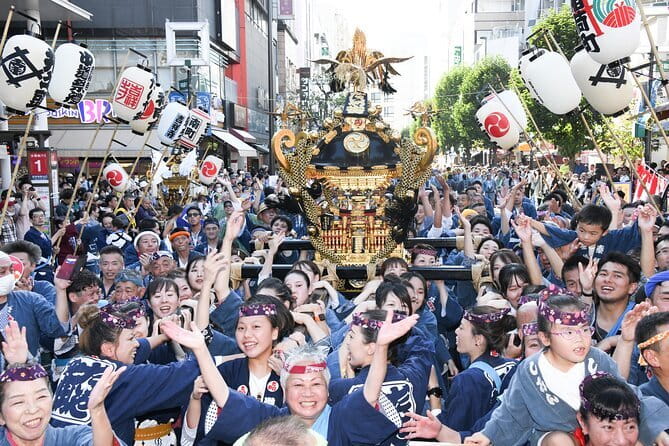
- Carry a Mikoshi on September 12: Put on a Hanten jacket and join the parade from 3:00 to 6:00 p.m.
- See up to 11 portable shrines: One comes from Musashino Hachimangu Shrine, while ten represent local districts.
- Meet local guides: Yamamoto and Kate are named members of the tour team, with Yamamoto also helping arrange participation with local residents.
- Visit an eighth-century shrine: Musashino Hachimangu helps explain how Kichijoji grew around this religious center.
- Stay in one private group: Only your party participates, with the experience ending back at the meeting point.
- Plan around September 12 or 13: The two dates offer different parts of the festival program.
Why Kichijoji’s Mikoshi Parade Feels Different
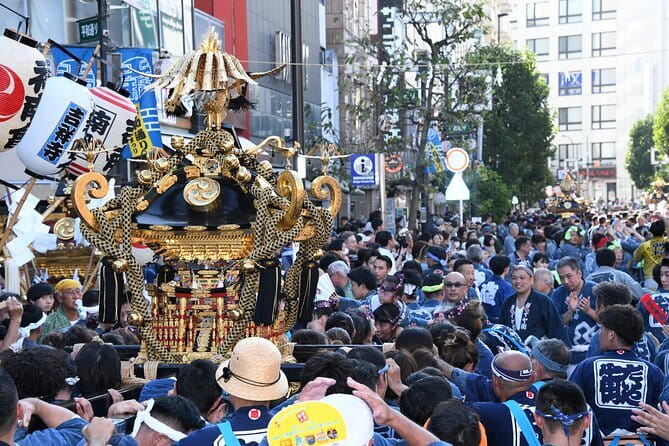
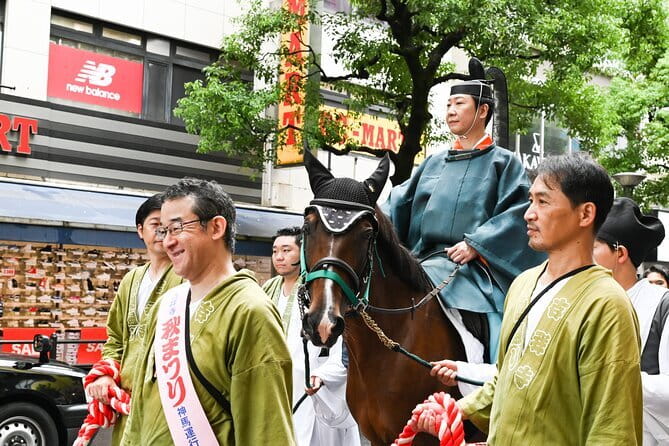
Many Japanese festivals are easy to watch from the edge. You stand behind a barrier, take photographs, and move on. This experience offers something more personal. If you book the September 12 carrying program, you are not simply watching a procession. You are given a Hanten jacket and invited to help carry one of the Mikoshi through Kichijoji.
A Mikoshi is a portable shrine. During a festival, it is carried through the streets so the shrine’s presence reaches the wider community. The important point for you is that each district has its own way of doing things. The carrying rhythm, chants, and group style differ from one neighborhood to the next.
That variety gives the parade its character. You may see up to 11 Mikoshi: one connected with Musashino Hachimangu and ten brought by districts around town. At the festival’s main gathering, the portable shrines come together for a large display of coordinated energy.
The tour adds context without turning the afternoon into a lecture. Your guide helps explain the festival’s customs, the role of the shrine, and what is happening as the parade moves through the shopping streets. That matters because a Mikoshi procession can look chaotic if you do not know what to watch for.
More old-Tokyo backstreet walks:
- Small Town in the Big City: Tasting Tokyo’s Kichijoji
★ 5.0 · 195 reviews - EXCLUSIVE Tokyo Secret: Kichijoji Small-Group Food & Bar Hopping
★ 5.0 · 29 reviews - Explore Kichijoji: Walk Through One of Tokyo’s Beloved Districts
★ 5.0 · 21 reviews
Meeting the Parade on Kichijoji Daiyagai
The first stop is Kichijoji Daiyagai, one of the town’s main shopping streets and the center of the festival action. The published meeting time is 3:00 p.m., and this section lasts about one hour and 40 minutes.
On September 12, the key activity is carrying the Mikoshi. You will put on the Hanten jacket and join townspeople as the portable shrine moves through the streets. The experience is physical and public. You should expect to be part of the procession rather than simply walking behind it.
The local welcome is an important part of the appeal. A participant described being introduced to Yamamoto by a family connection and then receiving help securing a place among the carriers. Another participant said the local residents made the experience feel warm and natural. Those details suggest that the tour team’s role is practical as well as explanatory.
Yamamoto is specifically named in the experience feedback, and Kate is also part of the guiding staff. One account describes questions being answered promptly before the day, which is useful for a festival activity where timing and participation details may matter.
The carrying opportunity is also the part that requires the clearest expectations. You are joining a real local event, not a staged performance designed only for tourists. The provided information does not specify how long each person carries the shrine, how places are assigned, or physical requirements. If that matters to you, ask Yamamoto or Kate before the event.
The stop is listed as free admission because you are paying for the guide-led experience, not a separate entrance ticket. The busy shopping street setting also means you can combine the afternoon with Kichijoji’s shops and restaurants, though the tour itself does not include snacks.
Musashino Hachimangu and the September 13 Program
The second itinerary focuses on Musashino Hachimangu, the guardian shrine of Kichijoji. The shrine dates to the eighth century and played a role in the town’s growth after the Great Meireki Fire in the seventeenth century.
People from Edo rebuilt their lives in this area after the fire, and the settlement developed around the shrine. Today, local people visit Musashino Hachimangu for New Year’s prayers, festivals, family occasions, and other important moments.
On September 13, the scheduled visit runs from 3:00 to 5:00 p.m. You spend about 20 minutes at the shrine learning about its past and its connection to the festival, then walk through town in the festival atmosphere. The main payoff is the demonstration when all the Mikoshi gather together.
This date may suit you if you want cultural explanation and a look at the festival’s central display without necessarily carrying a shrine. It is also the safer choice for anyone who prefers a shorter, less physically demanding program, although the supplied details do not promise that no participation will be required.
Pay close attention to the date when selecting your booking. The description assigns the carrying activity to September 12 and the shrine visit and full Mikoshi gathering to September 13. One participant described carrying a Mikoshi on September 13, so the actual arrangement may vary by year or availability. Contact the operator to confirm the exact program for your date.
What the Guide Adds to the Afternoon
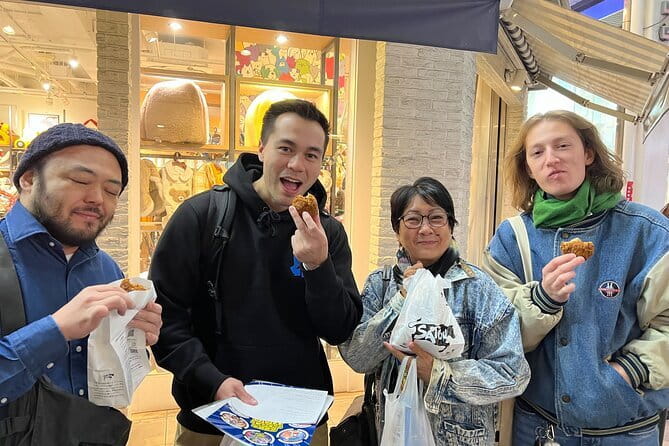
A guide is most useful at a festival when the sights come quickly. You may notice the wooden shrine, the coordinated movement, the chanting, and the crowd, but still miss why different groups behave differently. This tour is designed to connect those details.
The guide explains the traditions behind the Kichijoji Autumn Festival and points out the differences between the district groups. Since each group has its own carrying style, chants, and way of celebrating, a local explanation helps you see more than a single procession.
The named guides are Yamamoto and Kate. Yamamoto appears closely involved with the Mikoshi participation, including helping an overseas participant find a place among local carriers. Kate is also identified as one of the staff members assisting with the experience.
The group is private, meaning only your own party participates in the tour. That can make questions easier and allows the guide to adjust explanations to your interests. It does not mean you will have a private festival. The parade itself is a public town event, with local groups and onlookers around you.
The activity has a five-star rating based on three posted ratings, but the sample is small. I would treat that as a positive sign about the personal welcome and organization, not as proof that every part will suit every person.
A few more Musashino bookings worth comparing
- The 10 Tastings of Tokyo With Locals: Private Street Food Tour
★ 5.0 · 48 reviews - Small Town in the Big City: Tasting Tokyo’s Kichijoji
★ 5.0 · 16 reviews - Seafood Sushi Diversity for All
★ 5.0 · 8 reviews - Samurai Guide Sho’s:Kichijoji Night Training–Drink & Dish Pairing
★ 5.0 · 7 reviews
Is $39.02 Good Value?

At $39.02 per person, the price is fair if you want more than a quick look at a parade. The fee covers a professional guide and access to a structured private experience around an event that is difficult to interpret on your own.
The value is strongest on September 12, when the tour may let you wear festival clothing and help carry a Mikoshi with local residents. That kind of participation is unusual, and it gives the price a clear purpose.
On September 13, the value rests more on the guide’s explanations, the shrine visit, and the chance to see all the Mikoshi gathered. If you are mainly looking for a free public festival, you could watch parts of the event without booking. You are paying here for orientation, local contact, and a more organized introduction.
The price does not include snacks. That is a small point, but the afternoon timing makes it worth planning ahead. Eat before you arrive or arrange food afterward in Kichijoji.
Because the activity takes about two hours, it is also easier to fit into a Tokyo schedule than a full-day excursion. From Shibuya or Shinjuku, Kichijoji is about 15 minutes by train, making it practical after time at Inokashira Park.
Timing, Transport, and Physical Effort
The meeting point is listed at 1-chōme-1-24 Kichijōji Minamichō, Musashino, Tokyo 180-0003. The activity begins at 3:00 p.m. and ends back at the meeting point.
Kichijoji is near public transportation, and the short train ride from central Tokyo makes this a simple outing. You can pair it with Inokashira Park, then head toward the festival area for the afternoon. Leave enough time to locate the meeting point, since the parade schedule is fixed and a late arrival could be awkward.
The September 12 program is more physically active than a normal walking tour. Carrying a Mikoshi involves standing, walking, and working with a group. The supplied details do not list an age limit, fitness standard, or accessibility restrictions, although most people can participate according to the activity information.
If you have concerns about lifting, stamina, or crowded streets, ask about the carrying arrangement before booking. The September 13 shrine and demonstration program may be a better fit if you want to observe and learn with less physical involvement.
The activity requires good weather. If poor weather causes cancellation, you are offered another date or a full refund. A minimum number of participants is also required, so a cancellation for that reason brings the same choices.
How This Festival Connects to Kichijoji
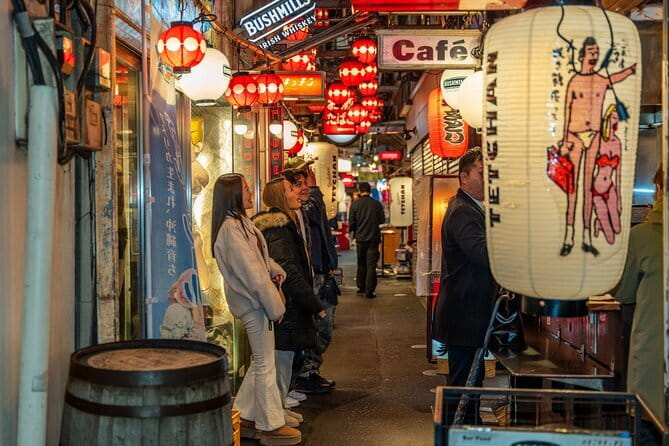
Kichijoji is more than a convenient station stop. The festival makes it easier to see how a modern Tokyo district keeps local identity alive.
Musashino Hachimangu gives the afternoon a clear anchor. The shrine’s long connection with the town, along with its role in New Year celebrations, festivals, and family events, shows why the Mikoshi procession matters to residents. This is not only a show for people passing through.
The ten district Mikoshi also tell you something about the town’s neighborhood structure. Each group carries and chants in its own style, so the parade becomes a meeting of local identities. When all the shrines gather, you get the broad view. When you walk with one group, you see the close-up.
I like that balance. You get a public festival with plenty of energy, but the guide also gives you a sense of place. Kichijoji’s shopping streets provide the everyday setting, while the shrine and portable shrines connect that modern town to older customs.
Who Should Book This Experience?
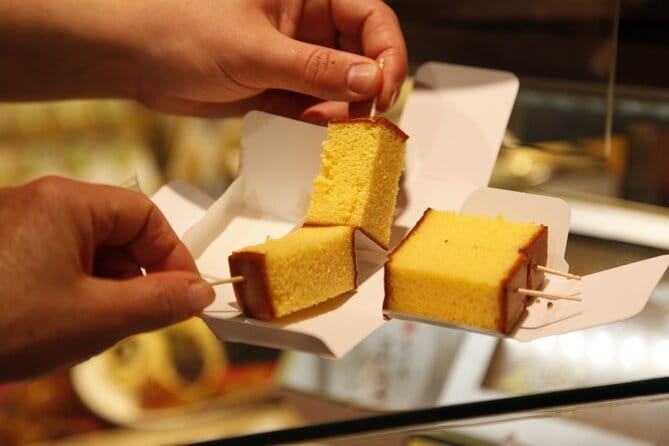
I would recommend it to you if you want a local festival that involves participation, not just photographs. It is especially suited to first-time visitors who would like help understanding Japanese shrine festivals without committing to a long excursion outside Tokyo.
The September 12 program is best for:
- You enjoy active cultural experiences.
- You are comfortable walking and helping carry a portable shrine.
- You want to meet local residents through a shared activity.
- You like clothing, chants, and group traditions as much as sightseeing.
The September 13 program is better for:
- You want to learn about Musashino Hachimangu.
- You prefer a shorter shrine-focused visit.
- You want to see the full Mikoshi gathering.
- You would rather observe the festival structure before deciding how active you want to be.
Families and mixed-interest groups may appreciate the private format, but the physical nature of the carrying program should be discussed in advance. Solo visitors can also benefit from the guide’s help, particularly if joining a local Mikoshi group feels difficult to arrange independently.
Small Details That Matter on the Day
The mobile ticket is convenient, and confirmation is sent within 48 hours, subject to availability. Since the festival takes place on only September 12 and 13, do not assume a last-minute space will be available.
Free cancellation is allowed up to 24 hours before the 3:00 p.m. start time for a full refund. Changes or cancellations inside that window are not accepted, and the local time cutoff applies.
Check the date-specific schedule carefully. The most important question is simple: are you booking the September 12 carrying experience or the September 13 shrine and group demonstration? Since one participant reported carrying on September 13, confirmation from the operator is sensible.
Should You Book the Kichijoji Mikoshi Parade?
Book this if you want a close look at neighborhood festival life and are willing to take part respectfully. The chance to wear a Hanten jacket and carry a Mikoshi with local residents gives the September 12 program a special edge, while the September 13 schedule offers useful shrine context and the big gathering of up to 11 portable shrines.
Skip it if you only want a casual parade photo or need a fully predictable sightseeing walk. The event depends on weather, minimum numbers, local arrangements, and a date-specific schedule. For the right visitor, though, $39.02 buys something more valuable than admission: a guided place in the middle of Kichijoji’s living festival tradition.
FAQ
Where does the Mikoshi Parade experience start?
It starts at 1-chōme-1-24 Kichijōji Minamichō, Musashino, Tokyo 180-0003, Japan.
What time does the activity begin?
The activity starts at 3:00 p.m.
How long does the experience last?
The overall experience lasts about two hours. The September 12 Kichijoji Daiyagai portion is listed at one hour and 40 minutes, while the September 13 Musashino Hachimangu portion is listed at 20 minutes.
Can I carry a Mikoshi?
On the published September 12 program, you can wear a Hanten festival jacket and join local residents in carrying a Mikoshi through town. Because one participant reported carrying on September 13, confirm the exact activity included with your selected date.
Is the activity private?
Yes. Only your group participates in the private tour, although the festival itself is a public local event.
What happens if the weather is poor?
If poor weather cancels the activity, you are offered a different date or a full refund. The same options apply if the minimum number of participants is not reached.
New on our Musashino list
- Tokyo Kichijoji 4hr Private Tour: Fun for Kids and Parents★ 4.5 · 3 reviews
- Jindaiji Traditional Temple Purification Tour with Local Soba★ 5.0 · 4 reviews
- Tokyo Kichijoji Twilight: Explore Instagram-Worthy Hidden Spots★ 5.0 · 4 reviews
- 3-Hour Manga Drawing Workshop in Tokyo★ 5.0 · 5 reviews
- Plant-Based Sushi Diversity for All (vegan-friendly)★ 5.0 · 5 reviews
- Samurai Guide Sho’s:Kichijoji Night Training–Drink & Dish Pairing★ 5.0 · 7 reviews
- Seafood Sushi Diversity for All★ 5.0 · 8 reviews
- Small Town in the Big City: Tasting Tokyo’s Kichijoji★ 5.0 · 16 reviews
Yanaka & Old Tokyo Walks, compared.
Yanaka Walking Tour: Historic and Traditional District of Tokyo
Read our review →

Small Town in the Big City: Tasting Tokyo’s Kichijoji
Read our review →
Stroll in Old traditional culture towns~Yanaka & Nezu
Read our review →
Yanaka Historical Walking Tour in Tokyo’s Old Town
Read our review →
Private Home Cooking in Yanaka – Local Flavors in a Warm Setting
Read our review →
Browse the lists this tour appears in