
Reviewed · YANAKA & OLD TOKYO WALKS
Small Town in the Big City: Tasting Tokyo’s Kichijoji
Kichijoji gives you a useful change of pace from Tokyo’s famous centers. This six-hour food walk moves from a polished department-store food hall to old yakitori counters, street-side octopus balls, sushi, artisanal senbei, and other neighborhood specialties. It is a tour about daily Tokyo life, not just headline dishes.
I like two things right away: the group is capped at six people, and the food is tied to real local businesses rather than a checklist of famous restaurants. Guides including Elly, Michelle, Ken, and Diana have been praised for their English, warmth, and connections with shop owners. The main drawback is the price, $195 per person, plus the fact that the day involves considerable walking and no private transportation.
In This Review
- Key points at a glance
- Why Kichijoji is a smart place to eat in Tokyo
- Starting with Tokyo’s department-store food hall
- Kichijoji’s shotengai and everyday shopping
- Meeting a three-generation senbei family
- From classic counters to newer taverns
- What the guides add to the experience
- Is $195 a fair price?
- Timing, meeting point, and booking concerns
- Who should book this Kichijoji food walk?
- Should you book it?
- FAQ
- Where does the tour begin?
- Where does the tour end?
- How long does the experience last?
- How many people can join?
- What food is included?
- Is transportation included?
- Does the tour visit a department-store food hall?
- Does the tour include a visit with a food-making family?
- Can I cancel for a full refund?
- What happens if the tour does not meet its minimum number?
Key points at a glance
- A six-hour food walk in Kichijoji: You explore one neighborhood instead of rushing between unrelated parts of Tokyo.
- Food halls and street stalls together: The route ranges from a depachika and sushi counter to yakitori and octopus balls served outdoors.
- Family food traditions: You meet three generations of an artisanal senbei-making family.
- Small-group format: The maximum group size is six, which makes conversation and food questions easier.
- Drinks and meals included: Lunch, snacks, coffee or tea, and alcoholic beverages are part of the package.
- A strong guide can shape the day: Elly, Michelle, Ken, and Diana have each been singled out for clear English, energy, cultural insight, and rapport with local businesses.
Why Kichijoji is a smart place to eat in Tokyo
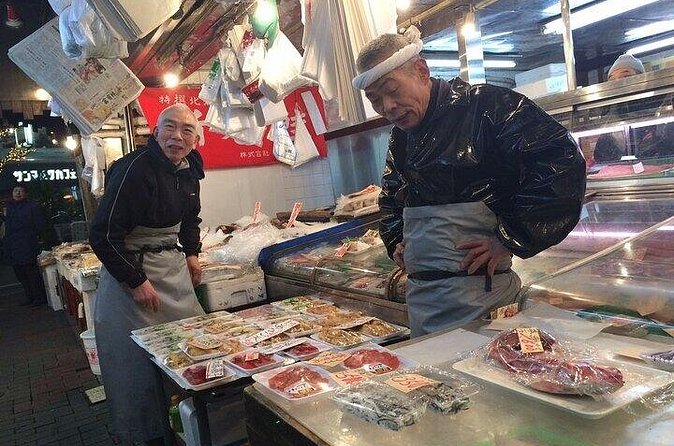
Tokyo can make food planning tiring. The city offers too many districts, too many menus, and too many places where you need to understand local customs before ordering. This tour narrows the focus to Kichijoji, in Musashino, and uses food to explain how the neighborhood works.
That focus is the appeal. Instead of spending six hours crossing Tokyo, you stay in one area and see how different kinds of food fit together. A department-store basement, a shopping street, a long-running family producer, and small restaurants each show a different part of Japanese food culture.
I also like that Kichijoji is presented as a real neighborhood rather than a stage set for sightseeing. You shop alongside local residents, see stores serving ordinary daily needs, and eat in places that are part of the area’s routine. The tour can give you a better sense of Tokyo outside the usual central-city route.
The experience lasts about six hours. That is long for a food tour, but the schedule is built around many small tastes instead of one large meal. You should still arrive ready to eat, walk, and pay attention for most of the day.
More old-Tokyo backstreet walks:
- Small Town in the Big City: Tasting Tokyo’s Kichijoji
★ 5.0 · 195 reviews - EXCLUSIVE Tokyo Secret: Kichijoji Small-Group Food & Bar Hopping
★ 5.0 · 29 reviews - Explore Kichijoji: Walk Through One of Tokyo’s Beloved Districts
★ 5.0 · 21 reviews
Starting with Tokyo’s department-store food hall
The day begins at Kichijoji Station, at 1 Chome-6 Kichijoji Minamicho. The first food stop is a depachika, the basement food hall found beneath many Japanese department stores.
A depachika is useful for understanding the range of Japanese food in one place. You can expect to pass displays of carefully prepared foods, traditional pickles, highly prized fruit, and Japanese snacks. The selection shows both older food customs and newer presentation styles, with quality and appearance treated seriously.
This is not just a quick place to grab a snack. Your guide can use the displays to explain basic ingredients and eating habits before you sit down for more substantial tastings. If you are new to Japanese cuisine, this opening helps put later dishes into context.
The route then reaches a sushi bar favored by local residents. The provided details do not specify every sushi selection, so you should not book this expecting a fixed list of particular fish. The value is the setting and the chance to learn how a local sushi stop fits into the neighborhood.
For me, this first section also helps justify the tour’s price. You are not simply being taken to a single restaurant. You are learning how Japanese food is sold, displayed, valued, and eaten across several kinds of businesses.
Kichijoji’s shotengai and everyday shopping
From the food hall, the tour continues along Kichijoji’s shotengai, or covered shopping street. This part gives you a look at the ordinary side of the neighborhood, where people shop for daily needs and food vendors work close to the street.
The route includes explanations of basic Japanese cuisine, with tastings along the way. That makes the tour useful for anyone who has eaten Japanese food abroad but wants a clearer idea of how the dishes relate to everyday life in Japan.
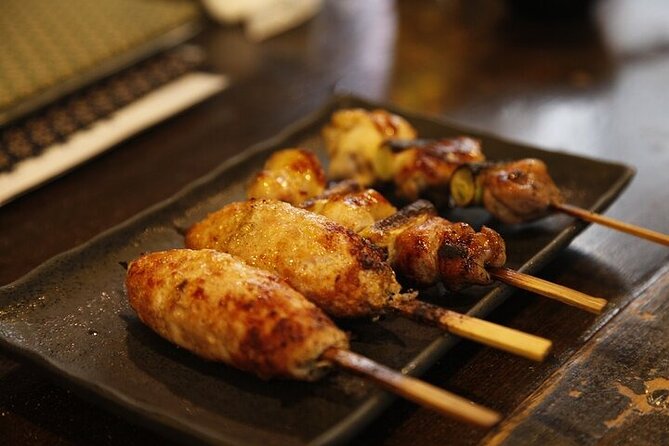
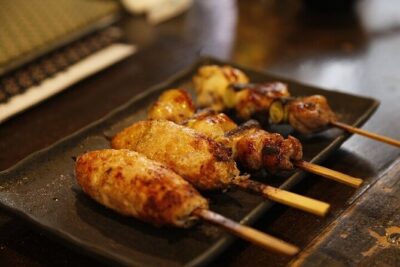
One stop features yakitori, skewered food cooked and served street-side. Yakitori is familiar to many visitors, but it makes more sense when you see it as part of Japan’s casual eating culture rather than as a single restaurant dish. The tour also includes octopus balls, prepared and served from a street stand.
These stops should appeal to you if you prefer small, savory tastes to formal dining. You get to compare the atmosphere of a counter or stall with the careful displays of the depachika. The difference is part of the lesson: Japanese food culture can be polished, informal, traditional, and experimental within a few blocks.
The walking is a practical consideration. No private transportation is included, and the activity moves between food businesses on foot. The route is near public transportation, and most people can participate, but anyone who finds six hours of walking difficult should think carefully before booking.
Meeting a three-generation senbei family
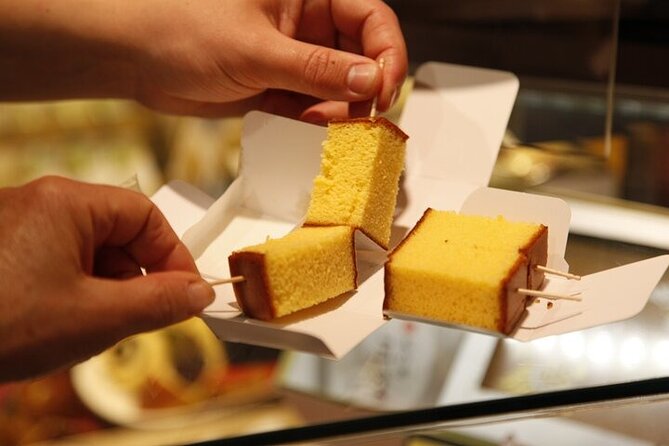
One of the most distinctive parts of the day is a visit with three generations of an artisanal senbei-making family. Senbei are Japanese rice crackers, but the family connection gives this stop more weight than a simple tasting.
This is the kind of visit that can show how a food tradition survives over time. You get a chance to see the human side of a small food business and learn how a familiar snack connects to craft, family, and local commerce.
I especially like this stop because it moves the tour beyond restaurant eating. A good food walk should explain who makes the food and how it reaches the public. Meeting a family with three generations involved offers that link in a direct way.
The available information does not list every senbei flavor or describe a full production demonstration, so I would treat this as a family-business visit and tasting rather than a guaranteed hands-on workshop. Even so, it adds a personal touch that a standard restaurant crawl would miss.
A few more Musashino bookings worth comparing
- The 10 Tastings of Tokyo With Locals: Private Street Food Tour
★ 5.0 · 48 reviews - Seafood Sushi Diversity for All
★ 5.0 · 8 reviews - Samurai Guide Sho’s:Kichijoji Night Training–Drink & Dish Pairing
★ 5.0 · 7 reviews - 3-Hour Manga Drawing Workshop in Tokyo
★ 5.0 · 5 reviews
From classic counters to newer taverns
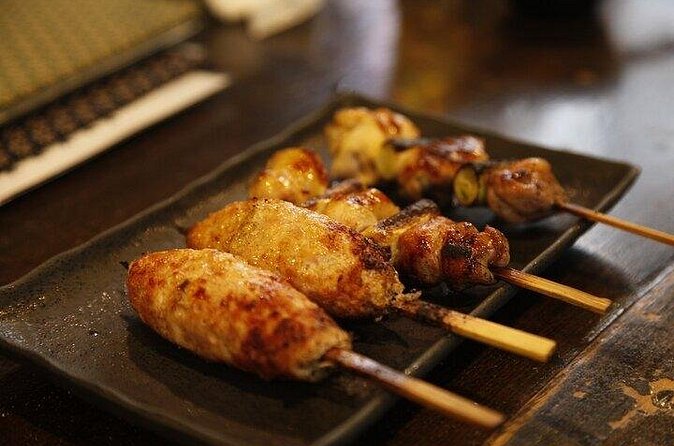
The tour also includes a mix of old-school yakitori joints and more avant-garde taverns. That contrast is important. Kichijoji is not being shown as a neighborhood frozen in the past, nor as a place concerned only with fashionable food.
You might move from a long-established style of casual cooking to a newer tavern that experiments with presentation or combinations. The exact businesses and dishes can vary, but the stated route is designed to show both sides of the neighborhood’s food life.
Alcoholic beverages are included, along with coffee or tea. This makes the day feel more like a series of shared meals than a string of isolated samples. If you do not drink alcohol, the inclusion should not be a problem because nonalcoholic drinks are also listed, but the tour’s food-and-drink format may still be worth noting.
The portions are intended as tastings, not a series of oversized meals. One useful feature of the experience is that the food is described as substantial but not excessive. That matters during a six-hour route. You can keep eating and listening without spending the final hours uncomfortably full.
Some food may be unfamiliar, including puffer fish. If you have dietary restrictions, allergies, or strong dislikes, ask the provider for current details before booking. The information supplied here confirms the variety of food, but it does not specify a full allergy policy or substitution list.
What the guides add to the experience
The guide is a major part of this tour’s value. Elly has been praised for excellent English and for combining walking, conversation, and food into a memorable day. Michelle is described as energetic, engaging, and especially good at sharing stories about food, culture, and life in Tokyo.
Ken has been noted for careful organization, strong familiarity with the venues, and regular attention to whether everyone is comfortable. Diana has been described as warm, friendly, informative, and able to build an easy relationship with the owners of the places visited.
These details matter because a neighborhood food tour depends on explanation. Without a good guide, you may taste several dishes without understanding what makes them different. A strong guide can explain how to approach a counter, what you are eating, why a business matters, and how the area fits into Tokyo life.
The guide may not be any one of the people named above. Still, those names give you a useful idea of the standard the company aims for: clear English, good organization, cultural context, and personal connections at the stops.
The maximum group size is six. I consider that one of the tour’s strongest practical features. A small group makes it easier to hear explanations in crowded areas, ask questions, and fit around small counters or family businesses.
Is $195 a fair price?
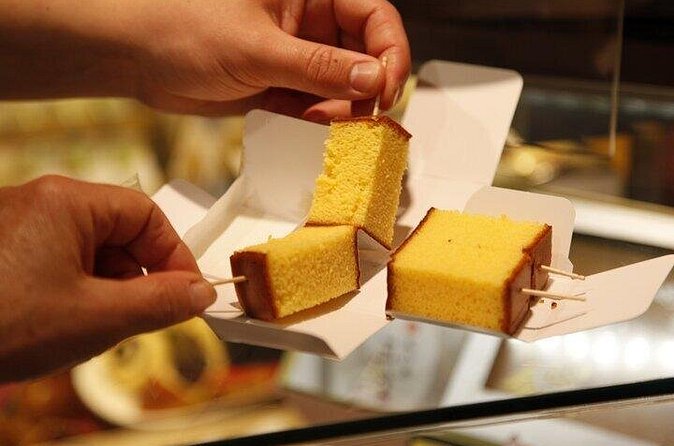
At $195 per person, this is not a budget food crawl. You are paying for about six hours, multiple food stops, lunch, snacks, coffee or tea, alcoholic beverages, and the guide’s time. Private transportation is not included, so the price is not buying a chauffeured sightseeing day.
The value depends on how you use the experience. If you simply want to eat inexpensive street food, you can spend far less in Tokyo. If you want a guide to connect a department-store food hall, sushi, shopping streets, yakitori, senbei, taverns, and local customs, the price becomes easier to understand.
I would consider it good value for a first visit if food is one of your main reasons for coming to Japan. You get a neighborhood orientation, a structured meal, and a list of ideas for eating after the tour. The small group also gives the day a more personal feel than a large coach-style excursion.
It is less appealing if you already know Kichijoji well, prefer to choose every dish yourself, or dislike long food-focused activities. You should also compare the cost with your overall Tokyo plans. This is a premium experience, not a cheap way to fill an afternoon.
Timing, meeting point, and booking concerns
The tour starts at Kichijoji Station and ends back at the meeting point. That return makes planning easier, especially if you have evening plans elsewhere in Tokyo. The activity is near public transportation, and confirmation is provided when you book.
The group has a maximum of six people, but the tour requires a minimum number to operate. If that minimum is not met, the experience can be canceled and you will be offered another date or experience, or a full refund.
There has been at least one serious concern with repeated cancellations and late booking problems. I would not ignore that possibility when planning a tightly scheduled Tokyo itinerary. Booking well ahead may help, and the average booking window is about 31 days before the date.
Free cancellation is available up to 24 hours before the local start time. Changes or cancellations inside that 24-hour window are not accepted for a refund.
Who should book this Kichijoji food walk?
I would recommend it most to you if you:
- Want a guided introduction to Japanese food beyond sushi and ramen.
- Prefer a small group, with no more than six people.
- Enjoy walking through local shopping streets.
- Like meeting food makers and learning about family businesses.
- Want lunch, snacks, drinks, and cultural explanation in one planned day.
- Have already seen Tokyo’s major sights and want a neighborhood with a more local rhythm.
Families can enjoy the range of food, though the six-hour length may be a lot for young children. The tour is also a good fit for couples, friends, and solo visitors who want conversation during meals.
I would hesitate if you need guaranteed dishes for dietary reasons, cannot walk for extended periods, or want a private vehicle. The available details do not promise specific substitutions, and the route is built around walking between businesses.
Should you book it?
Book this tour if you want food to be your way into Tokyo’s neighborhoods. The best parts are the small group, the mix of polished and humble food settings, and the chance to meet people connected to long-running local businesses.
Skip it if $195 feels too high for a food day, or if you would rather explore Kichijoji independently. For everyone else, this is a well-shaped introduction to a part of Tokyo that many first-time visitors miss. Just leave room in your schedule for walking, book with the cancellation terms in mind, and arrive hungry.
FAQ
Where does the tour begin?
It begins at Kichijoji Station, at 1 Chome-6 Kichijoji Minamicho, Musashino, Tokyo 180-0003, Japan.
Where does the tour end?
The activity ends back at the meeting point.
How long does the experience last?
The tour lasts approximately six hours.
How many people can join?
The group has a maximum of six participants.
What food is included?
The experience includes meals, lunch, snacks, coffee or tea, and alcoholic beverages. Tastings include food such as sushi, yakitori, octopus balls, and senbei, with other stops along the route.
Is transportation included?
Private transportation is not included. The tour takes place near public transportation and includes walking between food stops.
Does the tour visit a department-store food hall?
Yes. The experience begins at a depachika, a Japanese department-store food hall, with displays of pickles, fruit, snacks, and other foods.
Does the tour include a visit with a food-making family?
Yes. The route includes a meeting with three generations of an artisanal senbei-making family.
Can I cancel for a full refund?
Yes, if you cancel at least 24 hours before the experience start time. Cancellations made less than 24 hours before the start time are not refunded.
What happens if the tour does not meet its minimum number?
If the provider cancels because the minimum number is not met, you will be offered another date or experience, or a full refund.
New on our Musashino list
- Experience Mikoshi Parade in Kichijoji, Tokyo!★ 5.0 · 3 reviews
- Tokyo Kichijoji 4hr Private Tour: Fun for Kids and Parents★ 4.5 · 3 reviews
- Jindaiji Traditional Temple Purification Tour with Local Soba★ 5.0 · 4 reviews
- Tokyo Kichijoji Twilight: Explore Instagram-Worthy Hidden Spots★ 5.0 · 4 reviews
- 3-Hour Manga Drawing Workshop in Tokyo★ 5.0 · 5 reviews
- Plant-Based Sushi Diversity for All (vegan-friendly)★ 5.0 · 5 reviews
- Samurai Guide Sho’s:Kichijoji Night Training–Drink & Dish Pairing★ 5.0 · 7 reviews
- Seafood Sushi Diversity for All★ 5.0 · 8 reviews
Yanaka & Old Tokyo Walks, compared.
Yanaka Walking Tour: Historic and Traditional District of Tokyo
Read our review →
Small Town in the Big City: Tasting Tokyo’s Kichijoji
Read our review →
Stroll in Old traditional culture towns~Yanaka & Nezu
Read our review →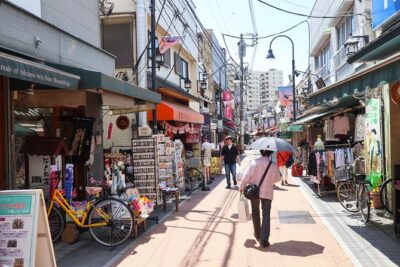
Yanaka Historical Walking Tour in Tokyo’s Old Town
Read our review →
Private Home Cooking in Yanaka – Local Flavors in a Warm Setting
Read our review →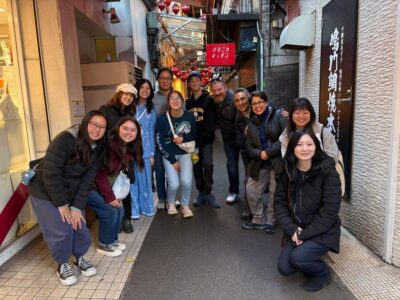
Browse the lists this tour appears in