
Reviewed · TEMPLE & SHRINE TOURS
Jindaiji Traditional Temple Purification Tour with Local Soba
Jindaiji’s traditional fire purification ceremony is the heart of this outing. Inside the prayer hall, you watch monks perform a solemn ritual with sacred fire, and you take part in a custom preserved over many years. No photography is allowed inside, so this is a moment to experience rather than record.
I like the easy pickup at Musashi-Sakai Station and the fact that Rei drives you to the temple while explaining Japanese Buddhism. I also like the gentle finish: handmade local soba followed by freshly prepared matcha and seasonal nerikiri. The main drawback is that lunch costs extra, and the three-hour schedule may feel short if you want a long temple visit.
In This Review
- Key points to know
- Why Jindaiji makes a strong setting for this outing
- Meeting Rei at Musashi-Sakai Station at 10:00
- Walking the temple grounds before the ceremony
- The fire purification ritual inside the prayer hall
- What the included ofuda means for the price
- Soba at a local restaurant
- Matcha and nerikiri in a quiet setting
- The private format and who will enjoy it most
- Timing, weather, and practical details
- Should you book the Jindaiji purification tour?
- FAQ
- Where does the Jindaiji tour begin?
- What time does the tour start?
- How long does the experience last?
- Is the tour private?
- Is transportation to Jindaiji included?
- Is the purification fee included?
- Is the ofuda charm included?
- Is lunch included in the price?
- What happens if the weather is poor?
Key points to know
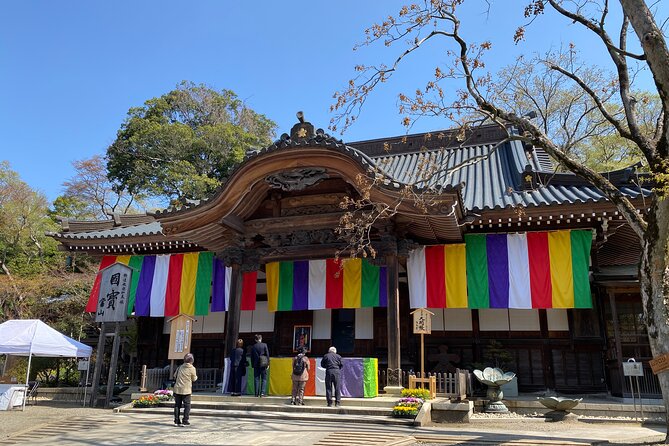
- A rare fire ritual: Enter the prayer hall and observe monks carrying out a purification ceremony with sacred fire.
- The 3,000-yen ofuda fee is included: The charm required for the ritual is covered in the tour price.
- Private and personal: Only your group participates, with Rei serving as driver and guide.
- A taste of Jindaiji: Handmade soba is served at a local restaurant, with the final price depending on your order.
- A calm Tokyo escape: Jindaiji offers a quieter setting away from central Tokyo’s busy streets.
- A thoughtful final stop: Matcha and seasonal nerikiri provide a small Japanese tea experience before you return to the station.
Why Jindaiji makes a strong setting for this outing
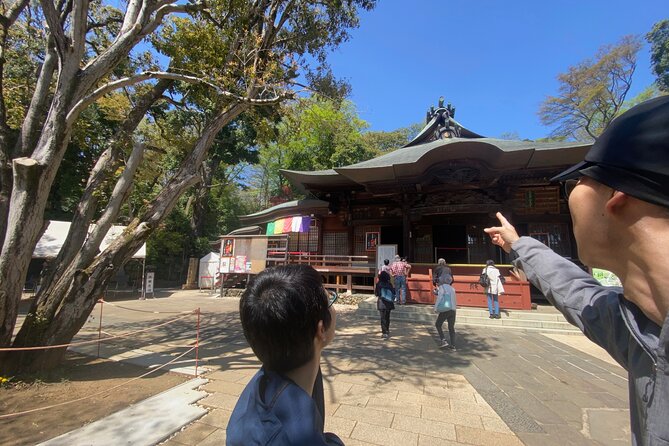
Jindaiji is in Musashino, west of central Tokyo, and gives you a different view of the city. You do not spend the morning rushing between major sights. Instead, you visit an old Buddhist temple, walk its grounds, and take part in a ceremony that still has a clear place in local religious life.
The temple is described as the second oldest in Tokyo, which helps explain its importance. You are not simply looking at gates and buildings. Rei uses the drive and the walk to explain Japanese Buddhist customs, the temple’s background, and the connection between the area, its water, and its food.
That context matters. A temple visit can feel flat if you do not know what you are seeing or why people come to pray. Here, the guide gives you a framework before the ceremony begins. You can then watch the ritual with a better sense of its purpose.
Jindaiji also has a pleasant change of pace from Tokyo’s major sightseeing districts. The tour is well suited to you if you want a cultural activity that is quiet, local, and structured around one meaningful event instead of a long checklist of attractions.
More temples and shrines near Musashino:
- Tokyo: Meiji Shrine, Asakusa, Skytree Bus Tour and Cruise
★ 4.7 · 1,986 reviews - Tokyo: Asakusa Walking Tour with Sensoji Temple Visit
★ 4.8 · 1,583 reviews - Nikko: Kegon Falls, Lake Chuzenji & Toshogu Temple
★ 4.6 · 1,577 reviews
Meeting Rei at Musashi-Sakai Station at 10:00
Your morning begins at the south exit of Musashi-Sakai Station, at 2-chome-1-12 Kyounancho in Musashino. The meeting time is 10:00 a.m., so you should plan to arrive with enough time to find the correct exit and meet Rei without a last-minute dash.
From the station, Rei drives you in an air-conditioned car and parks near Jindaiji Temple. This is useful because the temple is not the meeting point, and the private ride removes some of the work involved in connecting from the station to the site.
The drive is part of the introduction. Rei explains basic Japanese Buddhism and provides background on Jindaiji before you begin walking. That is a practical touch. You get an orientation before reaching the prayer hall, rather than trying to absorb a history lesson while standing in a busy entrance area.
The private format also changes the tone. Only your group takes part, so the visit is not built around keeping up with a large party. You can ask questions during the ride or walk, and Rei can give attention to the interests of your group. The available information does not promise a set language beyond the guide-led format, so you should confirm any special communication needs before booking.
Walking the temple grounds before the ceremony
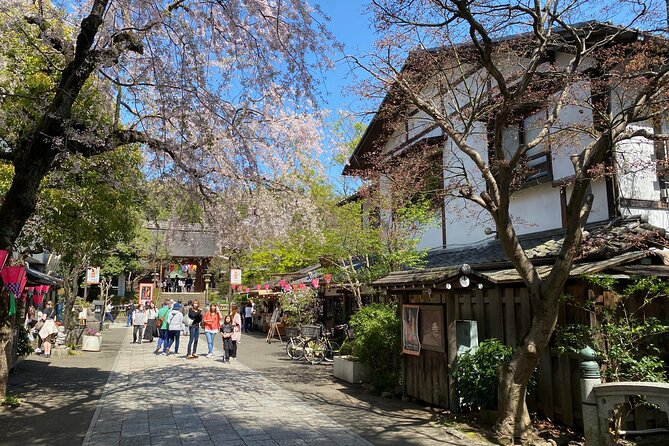
At Jindaiji, you leave the car and walk around the temple grounds with Rei. The tour gives you about 40 minutes at the temple as part of the stated itinerary, though the overall experience lasts about three hours, including transport, food, and tea.
The walk is not presented as a race through every corner of the complex. Its purpose is to introduce the temple and Japanese Buddhist culture before the purification ritual. You might find this especially helpful if this is your first visit to a Buddhist temple in Japan.
Pay attention to how Rei connects the temple with its surroundings. The conversation includes the area’s natural setting, local food, and history. That makes the later soba meal feel like part of the same place, not just a convenient lunch stop.
You should also set expectations correctly. This is not a broad Tokyo sightseeing tour, and it does not include a string of major landmarks. The appeal is the quality of the visit to one temple and the chance to participate in a religious custom with guidance.
The fire purification ritual inside the prayer hall
The most unusual part of the tour is the oharai purification ritual. You enter the prayer hall and observe monks performing the ceremony, with sacred fire at its center.
A powerful version of the ceremony includes five monks and a large fire. The setting is serious, and photography is not allowed inside. That restriction is worth knowing in advance. You will not come away with photographs of the ritual, but the no-camera rule also keeps attention on the ceremony rather than on phones.
The experience is participatory as well as observational. The ritual requires the purchase of an ofuda, a protective charm, and the 3,000-yen fee is already included in the tour price. The charm gives you a physical reminder of the visit, but the important point is that you do not need to arrange this payment separately at the temple.
Rei’s presence is valuable here. Religious customs can be easy to misunderstand, especially when you are unfamiliar with the gestures, sounds, and sequence of a Japanese ceremony. The guide’s explanation before and after helps you approach the ritual with respect.
This is also the part of the outing that may not suit everyone. It is not a staged performance for sightseeing. You are entering a religious space and taking part in a traditional practice. If you prefer only secular attractions, this may feel more formal than expected. If you are interested in Japanese spiritual life, it is likely to be the strongest reason to book.
A few more Musashino bookings worth comparing
- Small Town in the Big City: Tasting Tokyo’s Kichijoji
★ 5.0 · 195 reviews - The 10 Tastings of Tokyo With Locals: Private Street Food Tour
★ 5.0 · 48 reviews - EXCLUSIVE Tokyo Secret: Kichijoji Small-Group Food & Bar Hopping
★ 5.0 · 29 reviews - Explore Kichijoji: Walk Through One of Tokyo’s Beloved Districts
★ 5.0 · 21 reviews
What the included ofuda means for the price
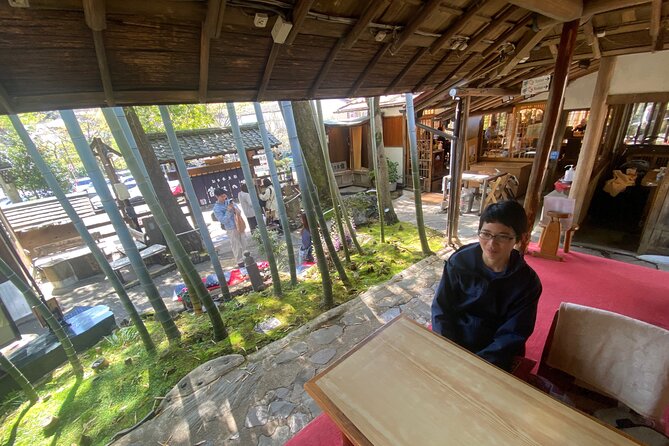
The tour costs $65.04 per person. On value, the important detail is that the 3,000-yen purification fee and required ofuda are included. You are also paying for private transportation from Musashi-Sakai Station, Rei’s guiding, and the tea and sweet at the end.
Lunch is not included. This is sensible because the soba price changes with the type of dish you order, but you should budget for it. The meal is not an all-inclusive restaurant stop, and the final cost depends on your selection.
I see the price as reasonable if you place a high value on a private experience and the ceremony itself. You are not paying only for a temple entrance. You are paying for a guided cultural visit with transport and a religious ritual that would be difficult to understand as fully on your own.
The value is less clear if you mainly want to wander Jindaiji independently or are looking for a low-cost temple stop. In that case, the added guiding and private ride may not matter much to you. The tour makes the most sense when you want context, help with the ritual, and a simple half-day plan.
Soba at a local restaurant
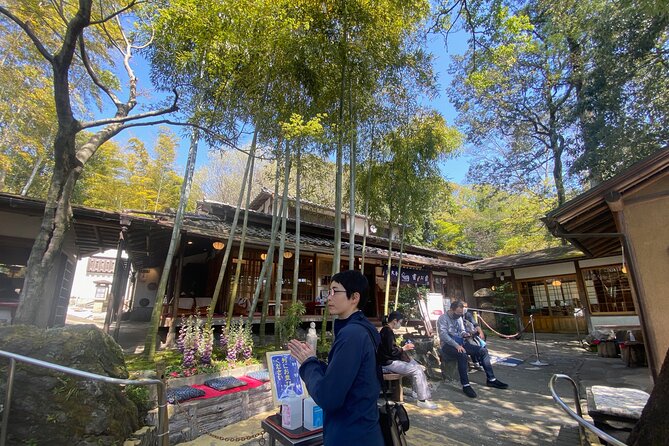
After the temple and ceremony, you sit down for Jindaiji’s famous soba noodles. The noodles are handmade, and Rei discusses the connection between the area, its food, and its past.
Soba is a fitting meal here. It is simple, local, and tied to the identity of Jindaiji. The meal also gives you time to shift from the quiet focus of the prayer hall to a more relaxed conversation over food.
Because lunch is purchased separately, you have some choice in what you order. The information provided does not specify a fixed menu, exact restaurant, or dietary alternatives, so ask Rei or the provider in advance if you have food restrictions or need a particular meal arrangement.
Do not book this expecting a long food tour. There is one local soba meal, not a series of tastings. Its value comes from eating a recognizable specialty in the place associated with it, while your guide explains why it matters.
Matcha and nerikiri in a quiet setting
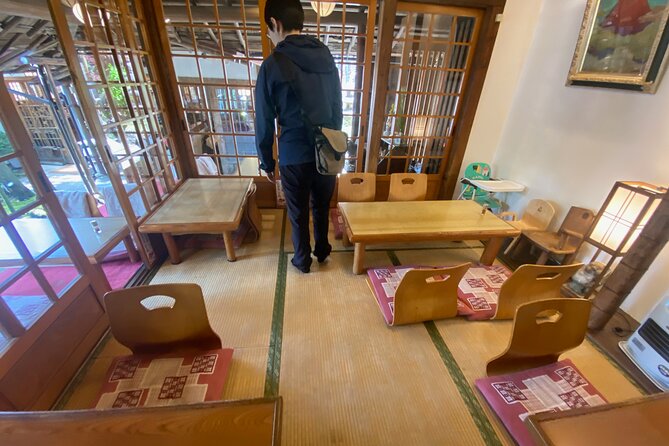
The final part of the experience is a freshly prepared cup of matcha with seasonal nerikiri, a traditional Japanese sweet. You sit on a bench or in a quiet area, possibly near the Aquatic Botanical Garden or along a peaceful street, depending on the plan for the day.
This ending is well judged. After the ceremony and lunch, you get a slower moment to talk with Rei and take in the surroundings. Nerikiri is often shaped and colored to reflect the season, so the sweet gives you a small visual detail as well as a taste of Japanese tea culture.
The tea is not presented as a formal tea ceremony. You should think of it as a calm matcha break with a traditional sweet. That distinction matters if you are seeking a full tea-school performance. If you simply want to try matcha in a pleasant setting, it is a fitting close.
The timing also keeps the experience manageable. At about three hours, you can enjoy a meaningful cultural outing without giving up your entire day in Tokyo.
The private format and who will enjoy it most
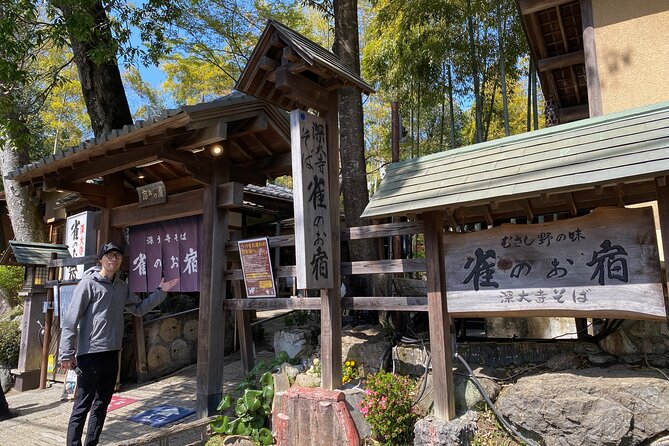
This is a private activity, so only your group participates. That makes it a good choice for families, couples, or friends who would rather ask questions freely than join a large scheduled group.
It may also work well for an adult child and parent traveling together. One detailed account describes a mother and her adult son finding the purification ceremony especially powerful. The same account also notes an interest in the guide’s art, suggesting that Rei may bring a personal and creative side to the conversation.
You should book this if you want:
- A Buddhist temple visit with explanation rather than a self-guided walk
- A traditional purification ceremony with sacred fire
- A quiet outing outside central Tokyo
- A private ride from Musashi-Sakai Station
- A local soba lunch and matcha finish
- A cultural experience that gives you something to think about after you leave
You may want another activity if you need a fully fixed price including lunch, dislike religious ceremonies, or want a full day packed with several Tokyo sights.
Timing, weather, and practical details
The tour starts at 10:00 a.m. and ends back at the Musashi-Sakai Station meeting point. Confirmation is provided when you book, and the activity is near public transportation.
The experience requires good weather. If poor weather causes cancellation, you are offered another date or a full refund. You can cancel for a full refund up to 24 hours before the start time. Changes or cancellations made less than 24 hours before the start are not accepted for a refund.
Most people can participate, but the visit includes walking around temple grounds and spending time standing or moving through the temple. Since no detailed accessibility information is provided, ask before booking if you have mobility concerns.
A mobile ticket is available, which keeps the booking process simple. Still, the most important practical step is getting to the correct south exit at Musashi-Sakai Station on time. The tour returns there, so you do not need to plan a separate end point.
Should you book the Jindaiji purification tour?
Book this tour if the fire purification ceremony is what catches your interest. The combination of five monks, sacred fire, a required ofuda charm, and no photography creates a serious cultural experience rather than a standard temple photo stop.
I also recommend it if you value a private guide who can explain what you are seeing, drive you to the temple, and connect the ceremony with soba, matcha, and the local setting. Rei’s warm personal approach, including an interest in art, adds a human touch to the outing.
Skip it if your priority is an all-inclusive food tour, a major Tokyo landmark, or a completely flexible temple visit. Lunch is extra, the weather can affect the schedule, and the ceremony may feel solemn rather than entertaining.
For the right visitor, this is a thoughtful three-hour introduction to Jindaiji and a side of Tokyo that is easy to miss. The strongest value comes from the ritual and the explanation around it, with soba, matcha, and nerikiri making the morning feel complete.
FAQ
Where does the Jindaiji tour begin?
The tour begins at the south exit of Musashi-Sakai Station in Musashino, Tokyo. The listed address is 2-chome-1-12 Kyounancho.
What time does the tour start?
The scheduled start time is 10:00 a.m.
How long does the experience last?
The tour lasts approximately three hours.
Is the tour private?
Yes. Only your group participates in this private activity.
Is transportation to Jindaiji included?
Yes. Rei drives participants from Musashi-Sakai Station to near Jindaiji Temple in an air-conditioned vehicle.
Is the purification fee included?
Yes. The 3,000-yen fee required to receive purification at Jindaiji Temple is included in the participation fee.
Is the ofuda charm included?
Yes. The protective ofuda charm connected with the purification ritual is included in the participation fee.
Is lunch included in the price?
No. Lunch is not included because the cost depends on the type of soba you order.
What happens if the weather is poor?
The experience requires good weather. If it is canceled because of poor weather, you are offered a different date or a full refund.
New on our Musashino list
- Experience Mikoshi Parade in Kichijoji, Tokyo!★ 5.0 · 3 reviews
- Tokyo Kichijoji 4hr Private Tour: Fun for Kids and Parents★ 4.5 · 3 reviews
- Tokyo Kichijoji Twilight: Explore Instagram-Worthy Hidden Spots★ 5.0 · 4 reviews
- 3-Hour Manga Drawing Workshop in Tokyo★ 5.0 · 5 reviews
- Plant-Based Sushi Diversity for All (vegan-friendly)★ 5.0 · 5 reviews
- Samurai Guide Sho’s:Kichijoji Night Training–Drink & Dish Pairing★ 5.0 · 7 reviews
- Seafood Sushi Diversity for All★ 5.0 · 8 reviews
- Small Town in the Big City: Tasting Tokyo’s Kichijoji★ 5.0 · 16 reviews
Temple & Shrine Tours, compared.
Meiji Shrine, Asakusa, Skytree Bus Tour and Cruise
Read our review →
Asakusa Walking Tour with Sensoji Temple Visit
Read our review →
Kamakura & Enoshima Day Trip including Temple Tickets
Read our review →
Nikko Toshogu Shrine and Kegon Waterfall Tour
Read our review →
Tokyo Panoramic 1 Day: Meiji Shrine, Asakusa, Odaiba and SKYTREE®
Read our review →
Mt. Fuji Heritage Tour: Traditional Villages, Lakes & Shrine
Read our review →Browse the lists this tour appears in