
Reviewed · ANIME & POP CULTURE TOURS
3-Hour Manga Drawing Workshop in Tokyo
The best part of this Kichijoji workshop is that you do not simply watch someone draw manga. You create a finished one-page comic yourself, starting with a pencil sketch and ending with ink, black fills, and possibly effect lines. A professional manga artist guides the process, and you take your work home.
I like the small maximum of five people, which gives you room to ask questions. I also like the chance to use real manga-making tools, rather than only drawing with an ordinary pencil and paper. The workshop also opens the door to questions about Japan’s manga industry, something a standard sightseeing stop cannot offer.
The main point to consider is language. The class is conducted in Japanese, although English appears on the instruction slides and the organizer can speak fluent English. If you need every explanation spoken in English, this may require patience and a willingness to follow visual examples.
In This Review
- Key points at a glance
- Turning a blank page into a manga scene
- What happens during the three-hour session
- 1. Sketching on A4 manga paper
- 2. Inking with specialist tools
- 3. Filling black areas
- 4. Adding concentration lines and effects
- Learning from a professional manga artist
- Why the five-person limit matters
- The Kichijoji meeting point and afternoon timing
- What $97.73 gets you
- Who will enjoy this workshop most
- Who may want the shorter option
- Language, tools, and what to bring
- Cancellation and booking timing
- Should you book the three-hour manga workshop?
- FAQ
- Where does the manga workshop take place?
- What time does the workshop start?
- How long does the activity last?
- Does the workshop finish at the meeting point?
- Is the class taught in English?
- Do I need to bring drawing tools?
- What will I draw during the workshop?
- How many people can join?
- Can I cancel for a full refund?
Key points at a glance
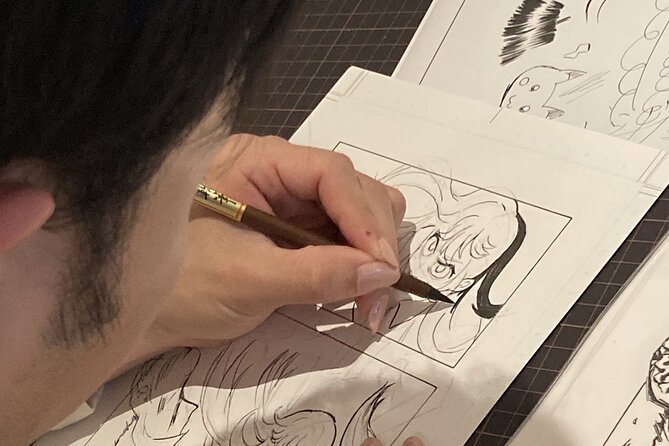
- Create a complete one-page manga: Work on A4 manga paper from rough sketch through inking and black areas.
- Learn from a professional artist: Natsuko Sensei is associated with the workshop and gives practical drawing advice, including help for left-handed artists.
- Use specialist manga equipment: The session introduces tools used for inking and traditional manga production.
- Small group setting: The class accepts no more than five people, so questions are easier to ask.
- English support is available: Instruction is in Japanese, with English on the slides and an English-speaking organizer available.
- Good location for a Kichijoji day: The meeting point is near the Ghibli Museum area in Mitaka, though the museum is not part of the workshop.
Turning a blank page into a manga scene
This is a hands-on art class built around one clear goal: finish a single page of manga. That focus matters. You are not expected to learn an entire comic series in three hours, and you are not left with a half-completed exercise that only makes sense to an art student.
You begin with a pencil sketch on A4 manga paper. This rough stage lets you plan the character, pose, panel content, or simple scene before committing to ink. Samples are provided for different skill levels, so you can follow a model instead of staring at an empty sheet and wondering where to start.
The workshop then moves into inking. This is where the session becomes different from a basic cartoon class. Manga artists use specialized tools to create clean lines, varied weights, and controlled black areas. You get to try those tools under guidance, with advice on how to handle the page rather than simply being handed a finished example.
After inking, you paint selected areas black. If time allows, the artist can also show you how to draw concentration lines and other effect lines. These details help create movement, impact, and emotion on a manga page. They may look simple when you see them in a finished comic, but placing them well takes a little care.
The final page is yours to take home. That gives the three-hour class a useful ending. You leave with a physical souvenir that shows what you learned, not just a few photographs from a studio.
More anime and pop-culture days:
- Official Street Go-Kart Tour – Akihabara
★ 5.0 · 1,578 reviews - Tokyo Go Kart: Asakusa, Skytree, and Akihabara **IDP MUST**
★ 5.0 · 988 reviews - Akihabara Anime & Game Adventure Walking Tour (Group or Private)
★ 5.0 · 404 reviews
What happens during the three-hour session
The listed sequence is straightforward, and that is a strength. You can understand the shape of the afternoon before you arrive.
1. Sketching on A4 manga paper
The first step is the rough pencil sketch. You use manga paper in A4 size, which gives you enough space to make a recognizable page without becoming overwhelmed by a large illustration.
Samples for different levels are available. Beginners can use these as a guide, while more experienced artists can adapt the ideas or ask for more direct advice. The class is designed to welcome people with no manga background, so you do not need to arrive with polished drawing skills.
This stage is also the best time to ask questions. Once ink goes onto the page, corrections become harder. A professional artist can help you think through basic choices before you make them permanent.
2. Inking with specialist tools
Inking is the central practical lesson. You move from loose pencil marks to deliberate black lines, using tools associated with manga production.
For someone who has only drawn digitally or with ordinary pens, this can be the most interesting part of the afternoon. The tools give the page a different feel, and you can see why traditional manga work depends on patience and control.
The artist’s advice is useful here, especially if you are unsure how much pressure to use or how to keep a line clean. One particularly helpful detail is that advice can be adapted for left-handed artists. A left-handed participant specifically received useful guidance, so you should not assume the class is designed only around right-handed drawing habits.
A few more Musashino bookings worth comparing
- Sushi Making Tokyo Roll and Authentic Japanese Sushi Class
★ 5.0 · 3,971 reviews - Tokyo: Roll and Authentic Sushi Making Class in Asakusa
★ 4.9 · 1,957 reviews - Tokyo Shinjuku Chopsticks Making Class
★ 5.0 · 1,763 reviews - Tokyo: Sushi Making Class in a Happi Coat near a Famous Spot
★ 4.9 · 1,377 reviews
3. Filling black areas
Once the line work is in place, you add solid black sections. This might be part of a character, clothing, hair, a background shape, or another area shown in the sample.
This stage teaches you to think about contrast. Manga pages often depend on the relationship between white paper, black fills, and fine lines. Even a simple image can look more finished once those areas are placed with care.
You do not need to produce a professional page. The value is in seeing how the separate stages work together. Pencil, ink, and black fill each serve a different job.
4. Adding concentration lines and effects
If you finish early, the artist can teach concentration lines and similar effects. These lines direct the eye and can suggest speed, force, surprise, or dramatic focus.
The wording matters: this part depends on time. You should treat it as an extra lesson, not a guaranteed full section of the class. If your sketch or inking takes longer, the core activities come first.
That is a sensible arrangement for a mixed-level group. Beginners get the time they need to complete the page, while faster drawers have something more to learn rather than waiting for everyone else.
Learning from a professional manga artist
The three-hour option is taught by a professional manga artist, which is the main reason it costs more than the shorter workshop. The shorter class is handled by management staff and begins with a pencil sketch that has already been prepared. Here, you create the sketch yourself and receive instruction through each stage.
Natsuko Sensei is named in the available feedback and is praised for kind, clear explanations. The class also leaves time for questions about the Japanese manga industry, so the experience is not limited to hand position and line work.
That industry conversation may be especially useful if you are interested in how manga is produced in Japan. You can ask questions as they come up, rather than trying to fit them into a rushed introduction before the drawing begins.
The artist does not speak fluent English, but the organizer does. English is also included on the slides used during instruction. You should expect a class that combines spoken Japanese, visual examples, English slide support, and practical demonstration.
That arrangement may work well even if your Japanese is limited. Drawing instruction often depends on showing rather than explaining, and the small group makes it easier to signal when you need help. Still, I would not book this expecting a fully English-speaking art lesson.
Why the five-person limit matters
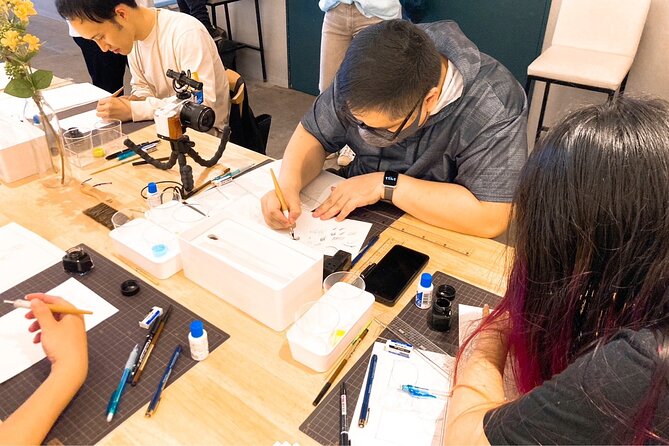
A maximum of five participants is one of the strongest practical features. Drawing is a hands-on activity, and you may need help with a tool, a line, or a small correction at your desk.
In a large class, you could spend much of the session waiting for the instructor to reach you. With five people, the artist has a better chance to see your work and offer advice while you are still at the rough sketch or inking stage.
The small size also makes questions about manga culture easier to ask. You are not speaking to a crowd, and the class can respond to individual interests. If you want feedback on a left-handed technique or need help following the sample, the format is built for that kind of assistance.
This is not a social group activity with a packed room. It is closer to a small practical lesson, where your own page remains the focus.
The Kichijoji meeting point and afternoon timing
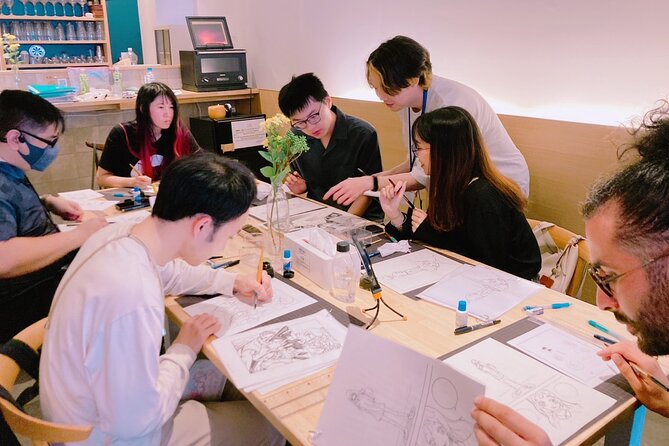
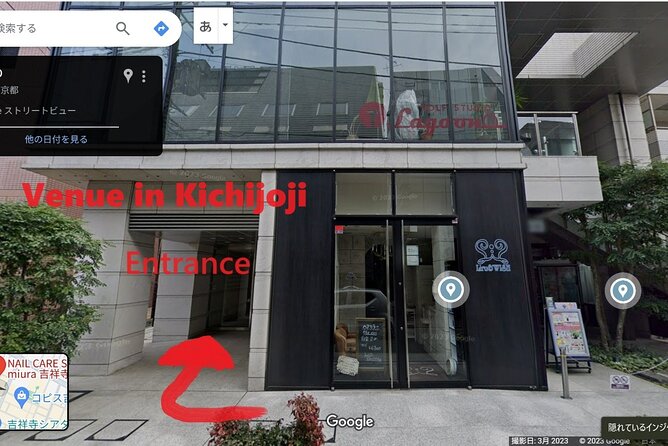
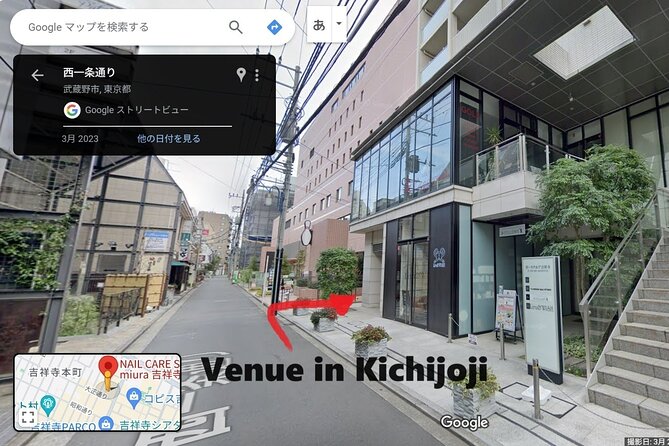
The workshop starts at 1:30 pm at H-Square Kichijoji, 2-chome 46, Kichijoji Honcho, Musashino, Tokyo 180-0004. The activity finishes back at the same meeting point.
Kichijoji is near the Ghibli Museum in Mitaka, which makes the workshop easy to consider alongside other plans in the area. The museum itself is not included, so you need separate arrangements if you want to visit it.
The afternoon start gives you time to reach Kichijoji before the class. The meeting point is near public transportation, and the activity is suitable for most people. Even so, you should allow enough time to find the exact building, since Japanese addresses and compact urban streets can take a moment to sort out.
Because the class returns to its starting point, you do not need to arrange a separate pickup or work out where the lesson ends. That makes it easier to continue with dinner or another Kichijoji plan afterward.
What $97.73 gets you
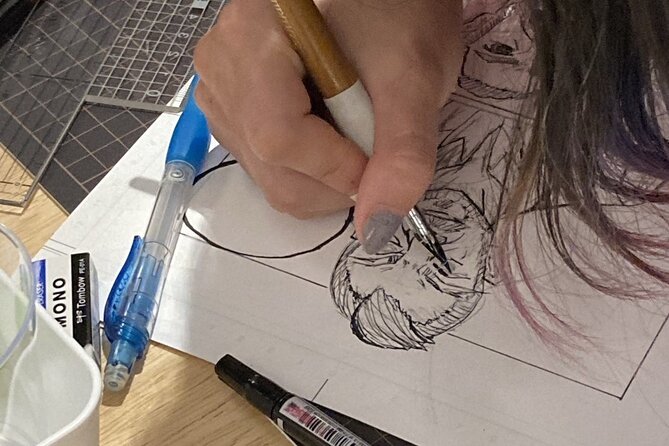
At $97.73 per person, this is not the cheapest creative activity in Tokyo. The price makes more sense when you consider what is included in the lesson itself: three hours, all drawing tools, a professional artist, a finished page to take home, and a small group capped at five.
You are paying for instruction, not just materials. The chance to ask questions about the manga industry also adds value if Japanese comics are a serious interest rather than a passing curiosity.
The comparison with the two-hour option is useful. The shorter class is more affordable and has you ink a pencil sketch that is already prepared. You then add black paint, speech bubbles, lines, and perhaps one area of screen tone.
The three-hour option gives you more control from the start. You sketch your own page, learn the full basic sequence, and may receive instruction in concentration lines. If you mainly want to try manga tools at a lower cost, the shorter class may be enough. If you want the fuller creative process, the extra hour and professional instruction justify the higher price.
I would view the finished artwork as a bonus rather than the main financial calculation. The real value is guided practice. Your page may be simple, especially if you are a beginner, but it will reflect your own decisions.
Who will enjoy this workshop most
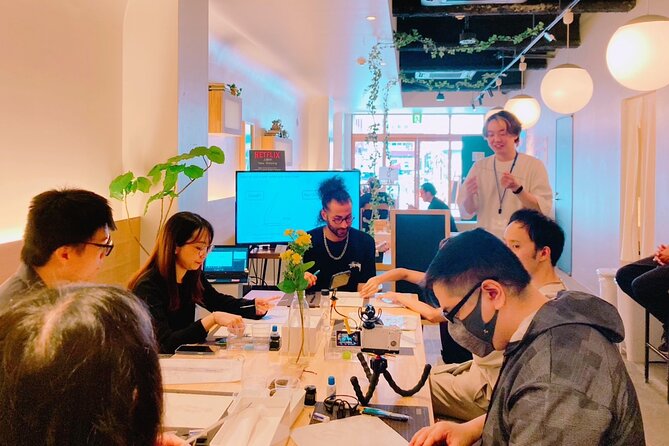
This is a strong match for beginners, manga fans, sketchers, and anyone who wants an activity with a clear result. You do not need advanced drawing ability, and samples are available to help you choose a manageable level.
It also suits people who want a quieter, more focused break from sightseeing. Three hours is long enough to settle into the process, but short enough to fit into an afternoon plan.
Parents and children may need to check the booking details for their particular group, since the available information says most people can participate but does not provide specific age rules. I would not assume that every child will find the three-hour format easy. Young artists who enjoy careful drawing may do well, while children who need constant movement could find the session demanding.
The class can also suit a solo participant. The small group gives you a chance to ask questions without needing to arrive with a friend who shares your skill level.
Who may want the shorter option
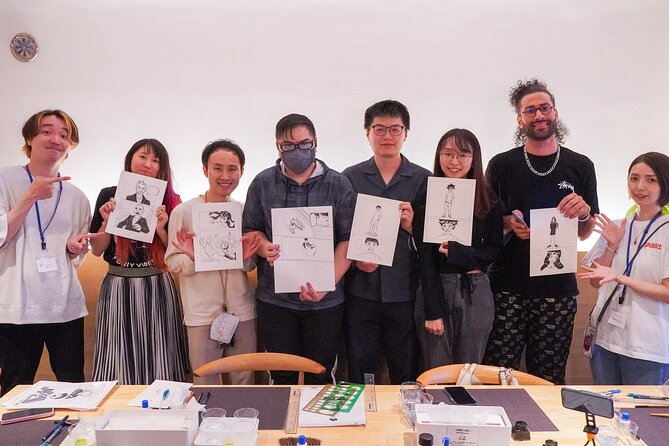
The two-hour workshop is worth considering if you want an introduction without spending as much. It has a simpler starting point because the character sketch is already drawn, and the focus is on inking, black paint, speech bubbles, lines, and a small amount of screen tone if time allows.
That option may be better if your schedule is tight or if you mainly want to try traditional manga materials. It does not offer the same full process as the three-hour class, and it is handled by management staff rather than a professional manga artist.
Choose the longer workshop if making your own page from the first pencil marks matters to you. Choose the shorter one if you want a more affordable, guided introduction to the finishing stages.
Language, tools, and what to bring
All tools needed for the workshop are provided, so you only need to bring yourself. That is helpful for visitors who do not want to buy pens, paper, ink, or other supplies before knowing what they are using.
Instruction is in Japanese, with English on the slides. The organizer can speak fluent English, while the manga artist may not. You should be comfortable learning through a mix of spoken explanation, visual samples, demonstrations, and occasional translation or assistance.
If you have a particular question about drawing technique, keep it simple and show the instructor the part of your page you mean. A visual question is likely to work better than a long technical explanation across a language gap.
The workshop allows service animals, and it is near public transportation. Confirmation is provided when you book, and the group size is limited to five.
Cancellation and booking timing
You can cancel for a full refund up to 24 hours before the local start time. Cancellations or changes made less than 24 hours before the workshop are not accepted for a refund.
The activity requires a minimum number of participants. If the provider cancels because that minimum is not met, you can receive a full refund or be offered another date or experience.
The workshop is booked, on average, 11 days ahead. That is not a guarantee of limited availability on every date, but it is a useful planning clue. If the small group and 1:30 pm start fit your Tokyo schedule, booking earlier is sensible.
Should you book the three-hour manga workshop?
Book it if you want to make something yourself, use traditional manga tools, and learn from a professional artist in a group of no more than five. The chance to ask about Japan’s manga industry and take home a finished page gives the afternoon more substance than a quick craft stop.
Think carefully if you need fully spoken English or dislike slow, precise drawing. The class is conducted in Japanese, and the concentration-line lesson depends on how quickly you finish the core work.
For manga fans and curious beginners, I see good value in the $97.73 price, especially because the workshop supplies the tools and teaches the complete basic process. If you mainly want to experiment with inking at a lower price, compare it with the two-hour option before booking.
FAQ
Where does the manga workshop take place?
The meeting point is H-Square Kichijoji, 2-chome 46, Kichijoji Honcho, Musashino, Tokyo 180-0004. The workshop takes place in Kichijoji near the Ghibli Museum area in Mitaka.
What time does the workshop start?
The three-hour workshop starts at 1:30 pm.
How long does the activity last?
The workshop lasts approximately three hours.
Does the workshop finish at the meeting point?
Yes. The activity ends back at the same meeting point where it starts.
Is the class taught in English?
The workshop is conducted in Japanese, but the instruction slides include English. The organizer can speak fluent English, while the professional manga artist may not speak fluent English.
Do I need to bring drawing tools?
No. All tools needed for the workshop are provided.
What will I draw during the workshop?
You will sketch a one-page comic on A4 manga paper, ink it, paint black areas, and, if time allows, learn concentration lines and other effects.
How many people can join?
The workshop has a maximum of five participants.
Can I cancel for a full refund?
Yes. You can cancel at least 24 hours before the local start time for a full refund. Cancellations or changes made less than 24 hours before the start time are not accepted for a refund.
More 3-Hour Experiences in Musashino
- Tokyo Top Highlights 3h Guided E-bike Tour
★ 5.0 · 714 reviews - 3h Tokyo E-Bike Tour: Hidden Gems, and Local Life with guide
★ 5.0 · 670 reviews - Tokyo: 3-Hour Bike or E-Bike City Highlights Tour
★ 4.8 · 435 reviews - Tokyo: 3-hour Guided E-Bike Tour of the City’s Hidden Gems
★ 4.8 · 251 reviews
New on our Musashino list
- Experience Mikoshi Parade in Kichijoji, Tokyo!★ 5.0 · 3 reviews
- Tokyo Kichijoji 4hr Private Tour: Fun for Kids and Parents★ 4.5 · 3 reviews
- Jindaiji Traditional Temple Purification Tour with Local Soba★ 5.0 · 4 reviews
- Tokyo Kichijoji Twilight: Explore Instagram-Worthy Hidden Spots★ 5.0 · 4 reviews
- Plant-Based Sushi Diversity for All (vegan-friendly)★ 5.0 · 5 reviews
- Samurai Guide Sho’s:Kichijoji Night Training–Drink & Dish Pairing★ 5.0 · 7 reviews
- Seafood Sushi Diversity for All★ 5.0 · 8 reviews
- Small Town in the Big City: Tasting Tokyo’s Kichijoji★ 5.0 · 16 reviews
Anime & Pop Culture Tours, compared.
Tokyo Go Kart: Asakusa, Skytree, and Akihabara **IDP MUST**
Read our review →
Akihabara Anime & Game Adventure Walking Tour (Group or Private)
Read our review →

Akihabara Tailor-made Private Tour for Anime Fans
Read our review →
Ramen Making from Scratch +Akihabara Tour –Tokyo Cooking Class
Read our review →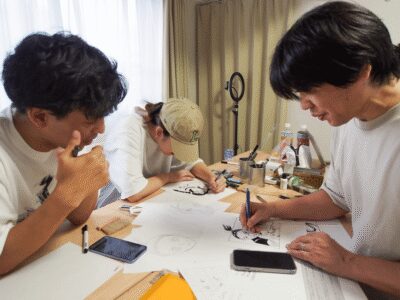
Manga Drawing Workshop Guided by Pro Manga Artist
Read our review →Browse the lists this tour appears in