
Reviewed · YANAKA & OLD TOKYO WALKS
Explore Kichijoji: Walk Through One of Tokyo’s Beloved Districts
Kichijoji is the kind of Tokyo district that rewards walking without a strict sightseeing checklist. This two-hour tour moves from the busy Sunroad arcade to a quiet Buddhist temple, then through old shops, cafés, boutiques, and the narrow lanes of Harmonica Yokocho. The final stop includes one drink and two yakitori skewers, giving the afternoon a distinctly local finish.
I like the way the route shows both sides of Kichijoji: its practical, lived-in shopping streets and its older cultural roots. I also like the small group, capped at eight people, since a guide can explain shop traditions and neighborhood stories without shouting over a crowd.
The main drawback is time. Two hours is enough for an introduction, not a full exploration, and the tour does not include the Ghibli Museum. You will need a separate ticket and visit if that is your main reason for coming to Kichijoji.
In This Review
- Key points to know before you book
- Why Kichijoji makes a good Tokyo side trip
- Sunroad: 300 meters of everyday Kichijoji
- Gesso-ji Temple and the town’s beginnings
- Nakamichi-dori and the pleasure of small shops
- Harmonica Yokocho: a small meal with a big backstory
- What the guide adds to the walk
- Is $45.98 a fair price?
- Who should book this experience?
- Practical details before you go
- Should you book the Kichijoji walk?
- FAQ
- How long does the Kichijoji tour last?
- What time does the tour begin?
- Where does the tour begin?
- Where does the tour end?
- How many people can join the tour?
- Is food or drink included?
- Does the tour include the Ghibli Museum?
- Is the ticket available on a phone?
- Can I cancel for a full refund?
Key points to know before you book
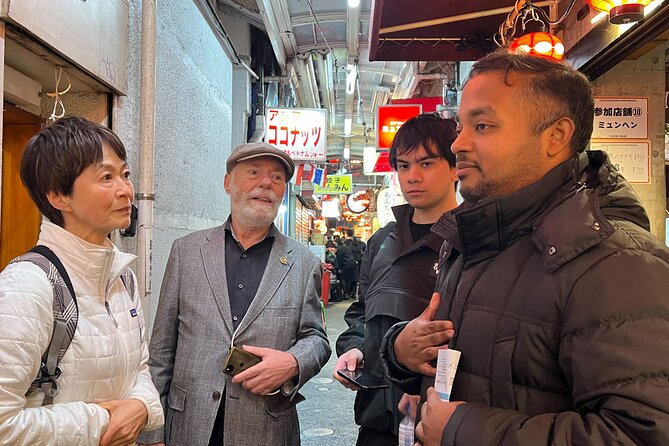
- A local view of Tokyo life: Kichijoji is known as one of Japan’s most desirable places to live, and this walk shows why through its shops, cafés, temple grounds, and easygoing streets.
- Four contrasting stops: You move from the 300-meter Sunroad arcade to Gesso-ji Temple, Nakamichi-dori, and the post-war lanes of Harmonica Yokocho.
- A small group of up to eight: The size suits questions, conversation, and narrow shopping lanes better than a large sightseeing party.
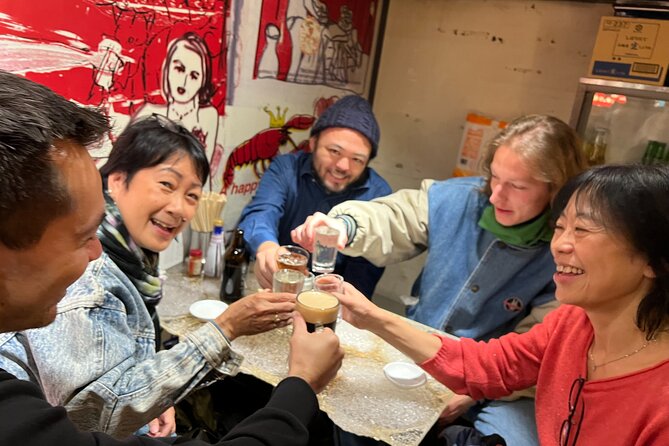
- A useful food finish: The price includes one drink and two skewers of yakitori at Harmonica Yokocho.
- Guides with local insight: Kate and Michi have led this experience, sharing details about old businesses, festivals, pottery shops, and Kichijoji’s past.
- A good afternoon slot: The walk begins at 3:00 pm, handy after a morning in central Tokyo or a visit to the nearby Ghibli Museum.
Why Kichijoji makes a good Tokyo side trip
Kichijoji sits in Musashino, west of central Tokyo, about a 15-minute train ride from Shibuya or Shinjuku. That short ride changes the feel of the day. You are still in Tokyo, but the district has a more neighborhood-focused rhythm than the major central shopping zones.
The appeal is not one grand monument. It is the mix. You get a covered shopping arcade used for everyday errands, small specialty shops, a temple linked to the town’s beginnings, and tiny food and drink spots packed into old lanes. For me, that makes this a useful choice if you want to understand how Tokyo works beyond its famous sights.
The route also helps explain why Kichijoji is so popular as a place to live. It offers plenty to do, yet the streets do not feel like a single-purpose tourist zone. Long-running stores sit near new cafés and independent boutiques. That contrast is the heart of the walk.
The tour starts at 3:00 pm and lasts about two hours. You can schedule it after other sightseeing, though allow enough time to reach the starting point at 1-chōme-1-24 Kichijōji Minamichō. The finish at Harmonica Yokocho is close to the north exit of Kichijoji Station, which makes it easy to continue your evening by train.
More old-Tokyo backstreet walks:
- Small Town in the Big City: Tasting Tokyo’s Kichijoji
★ 5.0 · 195 reviews - EXCLUSIVE Tokyo Secret: Kichijoji Small-Group Food & Bar Hopping
★ 5.0 · 29 reviews - Small Town in the Big City: Tasting Tokyo’s Kichijoji
★ 5.0 · 16 reviews
Sunroad: 300 meters of everyday Kichijoji
The first stop is Sunroad Shopping Street, a covered arcade stretching about 300 meters and lined with roughly 150 shops. It is not just a parade of souvenir stalls. The point is to see a working shopping street where local residents buy food, clothes, household goods, and snacks.
A guide can help you read the street in a way you might miss alone. Instead of rushing from one end to the other, you can learn how the arcade fits into daily life and how its businesses help define Kichijoji. Sunroad was voted Tokyo residents’ second favorite shopping street in 2022, after Ameyoko, which gives some context for its local popularity.
The scheduled visit is about 15 minutes, so this is an orientation rather than a shopping session. If you enjoy browsing, you may want to return after the tour. The short stop works well as an introduction, but it leaves little time for serious purchases or extended browsing.
Gesso-ji Temple and the town’s beginnings
After Sunroad, the walk reaches Gesso-ji Temple. This quiet Zen Buddhist temple is tied directly to the formation of Kichijoji, making it more than a brief pause among the shops.
The temple gives the tour a welcome change of pace. After the bright arcade and its steady stream of customers, greenery and temple grounds offer a calmer setting. You can connect the modern district to the event that helped create it around 350 years ago, including the earthquake mentioned during the tour’s local history discussion.
The scheduled stop is 15 minutes. That is enough to see the setting and hear the basic story, but not enough for a slow, contemplative temple visit. I would treat it as a cultural explanation within a neighborhood walk, not as a standalone temple tour.
The stop can also bring seasonal details into the experience. One account of the walk included learning about the Tanabata star festival at a small temple, writing a wish on a tanzaku, and hanging it as part of the celebration. That kind of moment depends on timing and what is taking place locally, so you should not count on it every day. Still, it shows the sort of cultural detail a guide may point out.
Nakamichi-dori and the pleasure of small shops

The longest part of the tour takes place around Kichijoji Nakamichidori and nearby streets. You have about an hour here, which makes sense because this is where the district’s character comes through most clearly.
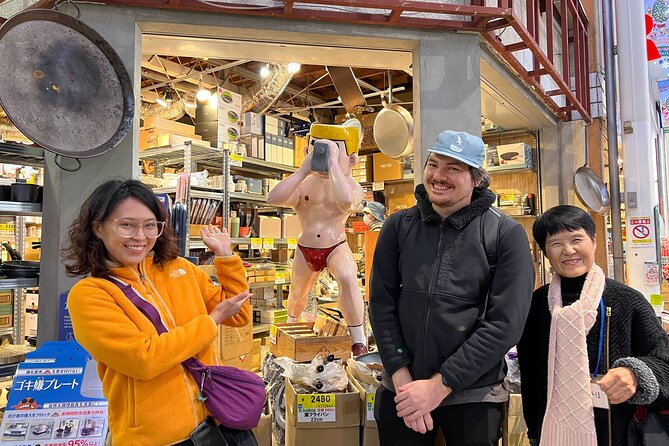
Old businesses that have served the area for more than half a century appear alongside stylish cafés, sweets shops, independent boutiques, and artisan stores. That mix is more useful than a simple list of attractions. You can see how older forms of commerce continue beside newer tastes, rather than being pushed into a separate historic quarter.
This is also the section where a guide adds the most value. Without local context, you may notice attractive storefronts but miss why certain shops matter. Kate has been praised for knowing the area well and pointing out special places, while Michi has led walks focused on both old and new Kichijoji. Your guide may be someone else, but Kate and Michi are the names associated with the experience’s strongest personal touch.
The route can include antique shops and pottery stores with pieces gathered from around Japan. If you care about crafts, this may be the most rewarding part of the walk. It gives you a chance to see Japanese material culture in a store setting, rather than only in a museum or department store.
You should keep expectations realistic. The tour does not promise a purchase opportunity at every shop, and the group will keep moving. If you see pottery, clothing, sweets, or another item you want to examine carefully, note the location and return after the walk. The guide’s job here is to help you understand the area, not to give you an hour at each shop.
More walking routes in Musashino:
- Tokyo Tsukiji Fish Market Food and Culture Walking Tour
★ 5.0 · 3,184 reviews - Tokyo: Imperial Palace and Shogun Historical Walking Tour
★ 5.0 · 2,251 reviews - Tokyo: Shinjuku Local Bar and Izakaya Guided Walking Tour
★ 4.9 · 1,794 reviews - Tokyo: Tsukiji Fish Market Food and Walking tour
★ 5.0 · 1,724 reviews
Harmonica Yokocho: a small meal with a big backstory
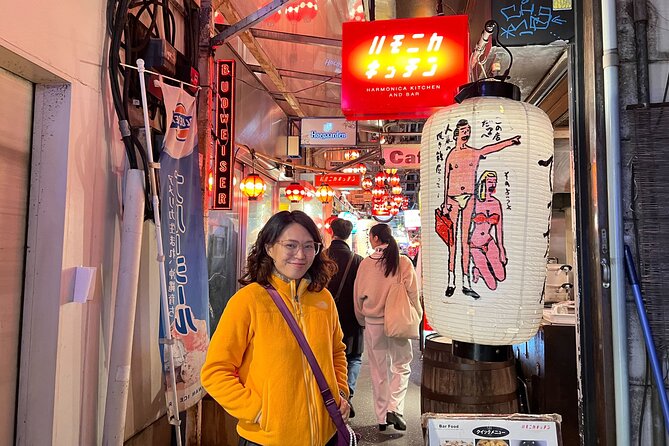
The final stop is Harmonica Yokocho, a narrow maze of bars and eateries close to Kichijoji Station’s north exit. Its name comes from the way the tight lanes resemble the reeds of a harmonica. The area began as a post-war black market, and that origin helps explain its compact, improvised feel.
Red lanterns, tiny storefronts, and closely packed lanes create a sharp contrast with Sunroad’s broad covered arcade. This is the most atmospheric part of the route, but it is also the least spacious. If you dislike tight alleys or prefer a quiet meal, you may find the setting hectic. The group size of eight helps, but the physical space remains narrow.
The included tasting is simple: one drink and two skewers of yakitori. That is not dinner, and you should plan another meal if you are hungry. It is a useful way to end the walk, though, since you get to sample the type of casual food associated with the area rather than simply looking at restaurants from outside.
The 15-minute schedule means this is a short introduction to Harmonica Yokocho. You may want to stay afterward and explore the bars and eateries on your own. Since the tour ends here, you can make your evening as brief or as long as you like.
What the guide adds to the walk
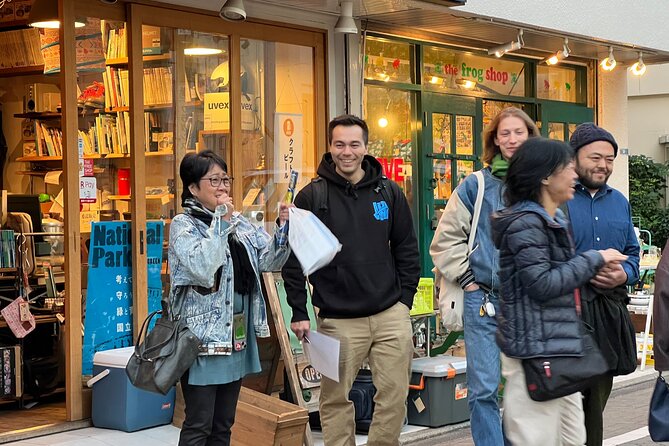
Kichijoji is easy enough to reach and pleasant enough to wander alone. The reason to pay for this tour is the explanation between the stops.
A guide can connect the 350-year-old event that helped shape the town with its current popularity. You can learn why an ordinary-looking temple matters, how older shops fit into the current retail scene, and where small businesses reflect Japanese culture in ways that guidebooks may skip.
The strongest guide experiences have included clear explanations, local shop knowledge, and stories about both traditional and modern culture. Kate has been described as friendly and informative, while Michi has focused on special places and the neighborhood’s past and present. Since the provider is Musashino city urban tourism corp, the experience has a natural connection to the area rather than feeling like a generic Tokyo walk.
That local focus matters most for first-time visitors to Kichijoji. You can certainly walk Sunroad or Harmonica Yokocho alone, but a guide helps you understand the links between them. You leave with a better sense of why the district appeals to residents, not just a collection of photos.
Is $45.98 a fair price?

At $45.98 per person, this is not the cheapest way to spend two hours in Tokyo. You could walk the streets, visit the temple exterior, and look through the arcades without paying an admission fee.
The price becomes easier to justify when you count what is included: a two-hour guided walk, a small group limited to eight people, local interpretation, and one drink plus two yakitori skewers. You are paying mainly for access to context and for a route that has been organized around the district’s history and current life.
I would consider it good value if you are new to Kichijoji, want help finding smaller shops, or prefer a guided introduction before exploring alone. It is less compelling if you already know the neighborhood, mainly want free time for shopping, or expect a substantial food tour.
The schedule also has value. Starting at 3:00 pm lets you use the morning elsewhere, then finish near the station in time for dinner. If you are visiting the Ghibli Museum, Kichijoji is nearby, but this tour does not include museum admission or a museum visit. Check your timing carefully before combining both plans.
Who should book this experience?
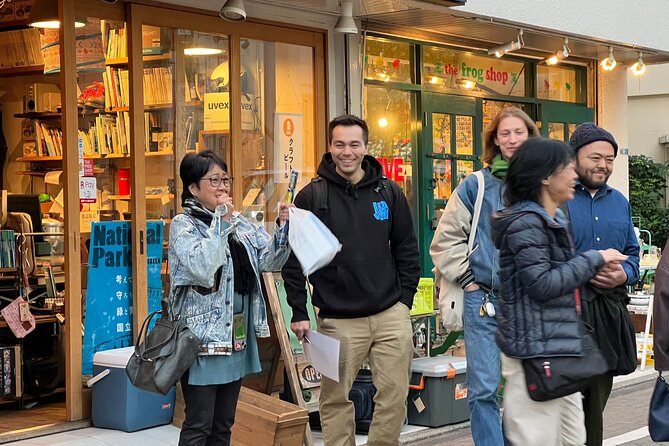
I would recommend this walk to first-time visitors who want a softer, more local side of Tokyo. It suits you if you enjoy shops, neighborhood stories, temples, casual food, and short walks with several changes of scenery.
It is also a good fit for solo visitors or couples who would like a guide but do not want to join a large group. A maximum of eight people gives the walk a more personal scale and makes it easier to ask about a shop, a festival, or a local custom.
Families and older visitors may also like the manageable two-hour format, though the route involves walking through shopping streets and narrow lanes. The supplied information says most people can participate, but it does not provide detailed accessibility notes, so ask the provider if you have specific mobility needs.
I would skip it if your priority is a long temple visit, a full meal, extensive shopping time, or the Ghibli Museum itself. In those cases, use the walk as an optional introduction rather than the main event.
Practical details before you go
The start point is 1-chōme-1-24 Kichijōji Minamichō, Musashino, Tokyo 180-0003, Japan, at 3:00 pm. The tour ends at Harmonica Yokocho, 1-chōme-1 Kichijōji Honchō, Musashino, Tokyo 180-0004, Japan, a short walk from the station’s north exit.
You receive a mobile ticket, and confirmation arrives within 48 hours of booking, subject to availability. The experience is generally open to most participants and has a maximum of eight people.
It is usually booked about 33 days ahead, so reserve early if your Tokyo dates are fixed. Free cancellation is available up to 24 hours before the start time for a full refund. Cancellations or changes made within 24 hours are not accepted for a refund, and the local cut-off time applies.
Should you book the Kichijoji walk?
Book it if you want a guided introduction to a Tokyo district that combines ordinary shopping streets, older cultural sites, independent stores, and a small food stop. The best reason to go is not a single landmark. It is the chance to understand how Kichijoji’s past and present fit together in a short afternoon.
The tour is especially useful on a first visit, when you might otherwise walk through Sunroad and Nakamichi-dori without knowing what you are seeing. Just remember that two hours passes quickly, the yakitori tasting is small, and the Ghibli Museum requires its own plan. For an informed first look at Kichijoji, this is a focused and fairly priced choice.
FAQ
How long does the Kichijoji tour last?
The experience lasts approximately two hours.
What time does the tour begin?
The tour starts at 3:00 pm.
Where does the tour begin?
It begins at 1-chōme-1-24 Kichijōji Minamichō in Musashino, Tokyo.
Where does the tour end?
It ends at Harmonica Yokocho, located at 1-chōme-1 Kichijoji Honchō, near the north exit of Kichijoji Station.
How many people can join the tour?
The group has a maximum of eight participants.
Is food or drink included?
Yes. The experience includes one drink and two skewers of yakitori at Harmonica Yokocho.
Does the tour include the Ghibli Museum?
No. The tour takes place near the Ghibli Museum, but museum admission and a museum visit are not included.
Is the ticket available on a phone?
Yes. The experience includes a mobile ticket.
Can I cancel for a full refund?
Yes, if you cancel at least 24 hours before the experience start time. Cancellations or changes made less than 24 hours before the start time are not refunded.
New on our Musashino list
- Experience Mikoshi Parade in Kichijoji, Tokyo!★ 5.0 · 3 reviews
- Tokyo Kichijoji 4hr Private Tour: Fun for Kids and Parents★ 4.5 · 3 reviews
- Jindaiji Traditional Temple Purification Tour with Local Soba★ 5.0 · 4 reviews
- Tokyo Kichijoji Twilight: Explore Instagram-Worthy Hidden Spots★ 5.0 · 4 reviews
- 3-Hour Manga Drawing Workshop in Tokyo★ 5.0 · 5 reviews
- Plant-Based Sushi Diversity for All (vegan-friendly)★ 5.0 · 5 reviews
- Samurai Guide Sho’s:Kichijoji Night Training–Drink & Dish Pairing★ 5.0 · 7 reviews
- Seafood Sushi Diversity for All★ 5.0 · 8 reviews
Yanaka & Old Tokyo Walks, compared.
Yanaka Walking Tour: Historic and Traditional District of Tokyo
Read our review →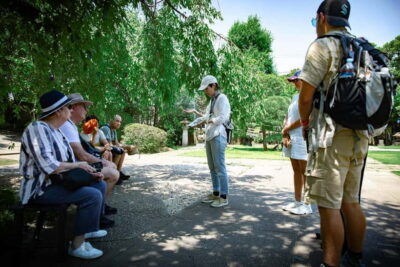
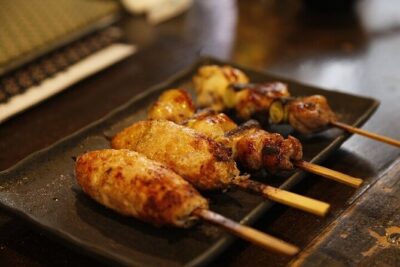
Small Town in the Big City: Tasting Tokyo’s Kichijoji
Read our review →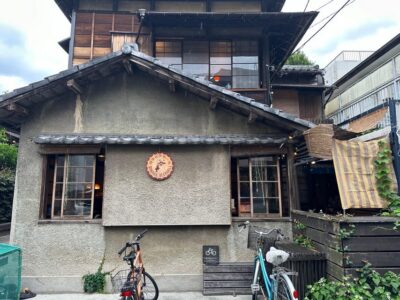
Stroll in Old traditional culture towns~Yanaka & Nezu
Read our review →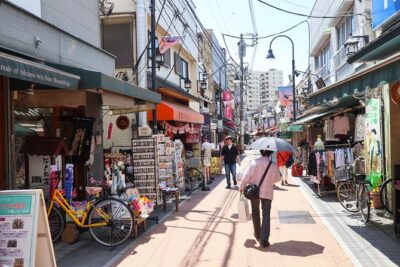
Yanaka Historical Walking Tour in Tokyo’s Old Town
Read our review →
Private Home Cooking in Yanaka – Local Flavors in a Warm Setting
Read our review →
Browse the lists this tour appears in