
Reviewed · TEMPLE & SHRINE TOURS
Full Tokyo: Meiji Shrine, Imperial Palace, Asakusa & Skytree
Tokyo reveals its many personalities on this seven-hour outing: Shibuya’s neon energy, Meiji Shrine’s quiet forest, the Imperial Palace, Akihabara, historic Asakusa, and the high lookout at Skytree. You cover a lot of ground by train, so this suits you if you want a quick first look at central Tokyo without working out every transfer yourself.
I like the thoughtful route, which pairs major sights with very different moods, and I like having train tickets handled by the guide. Guides including Oliver, Jorg, Melody, Erik, George, and Burt have been singled out for warmth and clear explanations. The tradeoff is time: some stops can feel brisk, especially Shibuya, the Imperial Palace, and Senso-ji.
In This Review
- Key points at a glance
- A fast, useful introduction to Tokyo
- Meeting Hachiko in Shibuya
- Meiji Shrine, Tokyo’s calm center
- The Imperial Palace exterior and its limits
- Akihabara in passing
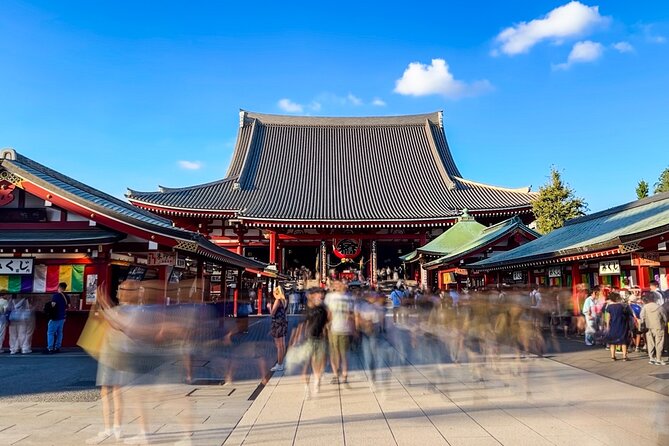
- Two hours in Asakusa and Senso-ji
- Tokyo Skytree and the final city view
- Traveling between sights by train
- Guide quality and language options
- Is $69 good value?
- Who should book this Tokyo day tour?
- Final verdict
- FAQ
- How long does the tour last?
- Where does the tour begin?
- Where does the tour end?
- Is Tokyo Skytree admission included?
- Is lunch included?
- Are train tickets included?
- What languages does the guide speak?
- How much time is spent at Meiji Shrine?
- Is the tour suitable for wheelchair users?
- What should I bring?
Key points at a glance
- Seven hours across central Tokyo: Move from Shibuya to Meiji Shrine, the Imperial Palace, Akihabara, Asakusa, and Skytree.
- Train transfers included: Your guide handles the tickets between the main stops.
- Meiji Shrine gets a proper visit: The planned 70 minutes gives you time for the forest approach and shrine grounds.
- Asakusa is the longest stop: You have about two hours for Senso-ji, lunch if selected, and personal exploring.
- Lunch and Skytree entry are optional: Check your chosen package carefully before booking.
- English and Spanish guiding: The tour is offered with a live guide in either language.
A fast, useful introduction to Tokyo
At $69 per person, this tour aims to solve a common Tokyo problem: the city’s sights are spread across different districts, and each one has a different feel. In one day, you move from modern city spectacle to Shinto worship, imperial landmarks, anime and electronics, old Tokyo, and a skyscraper view.
That range is the main value. You will not study any one neighborhood at length, but you will get a clear sense of how Tokyo works as a collection of distinct centers. The train rides also give you a practical introduction to moving around the city.
The price needs a close look. Train tickets and the guide are included, but lunch and Tokyo Skytree admission depend on the option you select. If you choose the basic package and arrive at Skytree without an entry ticket, you cannot simply join the observation deck visit at the end. Read the package details before paying.
The tour has a current score of 4.7 from 16 ratings, with especially strong praise for the guides. Oliver received warm words for helping visitors understand New Year customs, while Jorg, Melody, Erik, George, and Burt were each praised for friendliness, organization, or clear information. One especially positive account noted that the guide managed several languages and adjusted the walking pace for people who needed more time.
More temples and shrines near Tokyo:
- Tokyo: Meiji Shrine, Asakusa, Skytree Bus Tour and Cruise
★ 4.7 · 1,986 reviews - Tokyo: Asakusa Walking Tour with Sensoji Temple Visit
★ 4.8 · 1,583 reviews - Nikko: Kegon Falls, Lake Chuzenji & Toshogu Temple
★ 4.6 · 1,577 reviews
Meeting Hachiko in Shibuya
The day begins beside the Hachiko Statue at Hachiko Square. This is a sensible meeting point because Hachiko is one of Shibuya’s easiest landmarks to find, though the square can be crowded and you should allow enough time to locate the guide.
Shibuya Crossing is the first big visual hit. From the surrounding streets, you can watch waves of pedestrians cross at once, with giant screens and city traffic forming the backdrop. The tour presents this mainly as a scenic stop, not as a long neighborhood exploration.
That distinction matters. The planned schedule refers to Shibuya as a scenic drive, and one account found the actual look at the crossing much shorter than expected. You may get a photo opportunity and a quick orientation rather than time to wander, shop, or visit an observation point.
I would treat Shibuya as a taste, not a full visit. If crossing the intersection, browsing the area, or taking night photos is high on your list, return later on your own. The morning tour is using Shibuya to set the scene before moving to quieter places.
Meiji Shrine, Tokyo’s calm center
After the opening city rush, the tour heads to Meiji Shrine. This is where the pace improves. The shrine sits within a broad wooded area, creating a striking change from Shibuya’s signs and traffic.
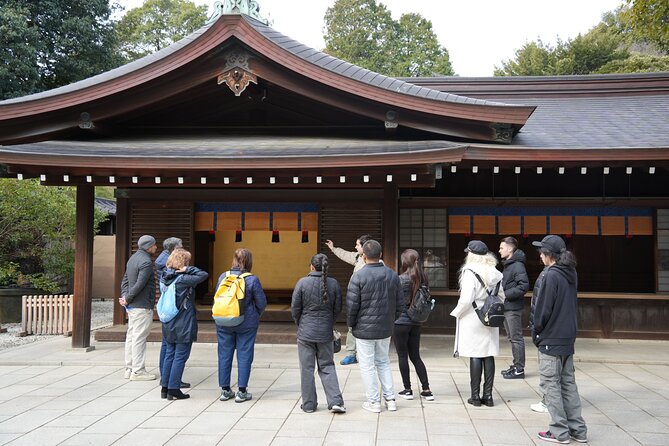
The planned guided visit lasts about 70 minutes, making it one of the better-developed stops. You can expect a walk through the forested approach, time around the shrine buildings, and an introduction to Shinto customs. Bring a camera, but remember that this remains an active religious site, not only a sightseeing backdrop.
Meiji Shrine is especially useful early in your Tokyo visit because it gives you a first look at Japanese religious practice. You may see visitors making offerings, observing shrine etiquette, or taking part in seasonal customs. The exact activity depends on the date, but the setting itself offers a quiet pause in the middle of the capital.
Comfortable shoes matter here. Even if the walking is manageable, the tour combines shrine paths, stations, city sidewalks, and later time in Asakusa. A hat, water, and sunscreen are sensible in warm weather.
The Imperial Palace exterior and its limits
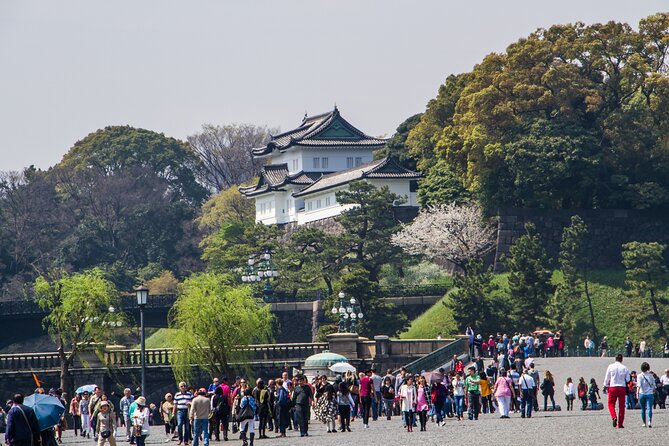
The next stop brings you to the Imperial Palace area. The palace grounds and exterior offer a formal contrast to Meiji Shrine. Here, the focus is on official Tokyo, broad open space, stone walls, and the image of the imperial residence rather than on entering the palace interior.
The scheduled guided time is about 30 minutes in the supplied route, although another description refers to a longer palace segment. You should therefore plan for a photo stop and short explanation, not a full palace tour. The palace itself is not presented as an interior visit.
This is one of the tour’s weaker points for anyone expecting extensive palace access. One account found the actual time much shorter than expected. Still, the stop has value if you want a quick photograph and a basic sense of the imperial district without arranging a separate visit.
Ask your guide questions here. The quality of this stop depends heavily on how much context you receive about the palace, its role, and the surrounding grounds. Some guides, including George and Burt, were praised for making cultural details easy to follow, but guiding styles can vary.
More Asakusa visits:
- Tokyo: Japanese Dance Cabaret Theater Asakusa-Kaguwa Ticket
★ 4.8 · 2,270 reviews - Tokyo: Roll and Authentic Sushi Making Class in Asakusa
★ 4.9 · 1,957 reviews - Tokyo Asakusa Rickshaw Tour
★ 5.0 · 1,375 reviews - Tokyo Panoramic 1 Day: Meiji Shrine, Asakusa, Odaiba and SKYTREE®
★ 4.5 · 1,222 reviews
Akihabara in passing
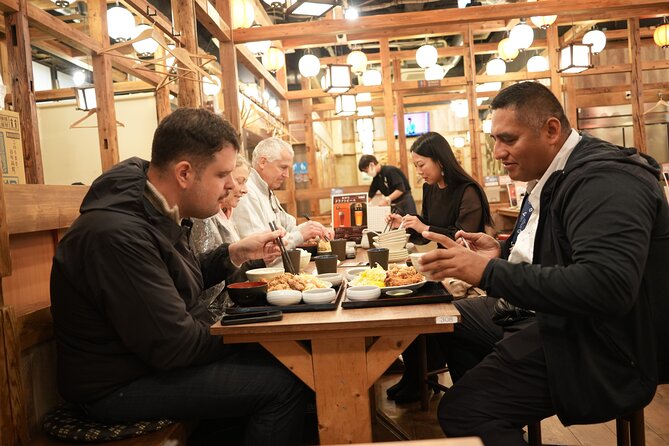
The route then continues through Akihabara, Tokyo’s famous electronics and pop-culture district. The supplied schedule describes this mainly as a scenic drive, so you should not expect a long shopping session or a detailed visit to specialist stores.
Akihabara matters because it shows another side of Tokyo. The district is associated with electronics, games, anime, manga, and colorful advertising. Even a short look from the train or street can help you understand why the area has such a strong identity.
If you want specific purchases, allow a separate visit on another day. The group schedule does not leave enough confirmed free time for careful browsing. This stop works best as a quick visual introduction between the palace and Asakusa.
Two hours in Asakusa and Senso-ji
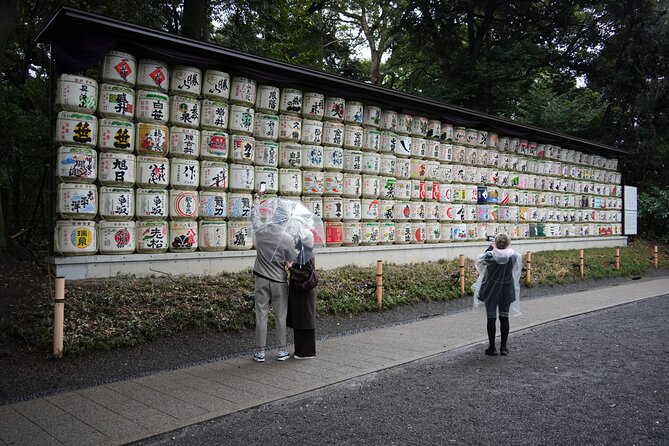
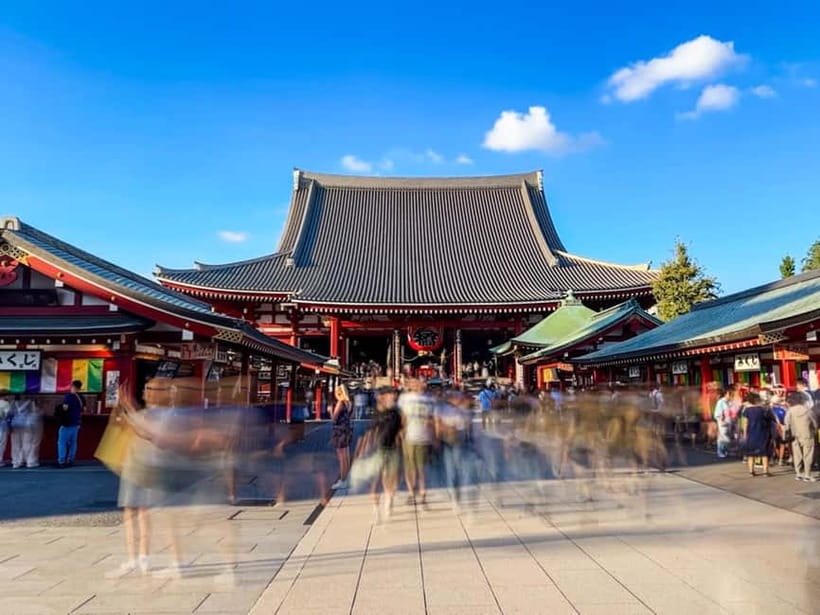
Asakusa is the heart of the day’s historic section. You visit Senso-ji, Tokyo’s oldest and best-known Buddhist temple, then have time for lunch and personal exploration.
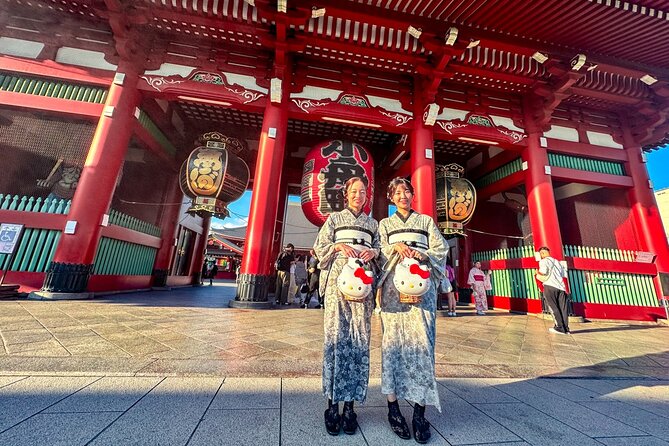
The temple approach gives you a memorable change of mood. Senso-ji is a working place of worship with a strong connection to old Tokyo, and the surrounding area offers food, souvenirs, and traditional storefronts. Your guide should explain the main gate, the incense, the worship customs, and the temple’s place in the city.
This is also where timing becomes important. The schedule allows roughly two hours, which sounds generous until you include the temple, lunch, toilets, photographs, and free time. If you choose the lunch option, the meal is at a local Japanese restaurant. One account described the meal as delicious and well served, while another found the lunch rushed because the group had to regroup.
My advice is simple: choose the lunch option if you want convenience and a set local meal, but do not expect a long, leisurely restaurant experience. If you prefer street food, independent choices, or more time at Senso-ji, skip the included lunch and use the free period carefully.
A second practical point is the guide’s role. One account felt Senso-ji received too little explanation and too little time. Since this is one of the day’s most culturally important stops, stay close during the initial orientation, then use free time for your own photographs and exploring.
Tokyo Skytree and the final city view
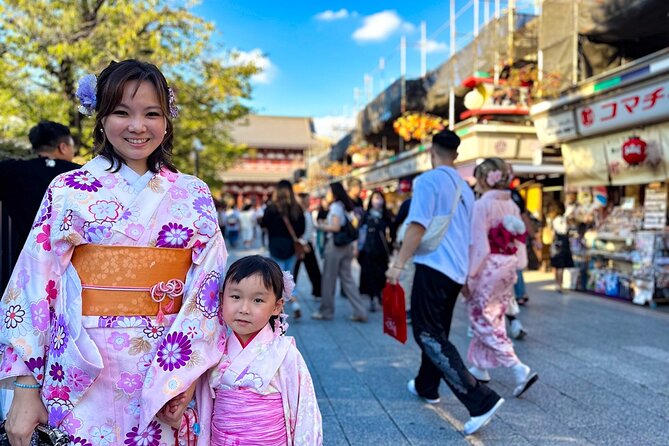
The final destination is Tokyo Skytree, with drop-off also available in Asakusa. If you have purchased the Skytree option, you can go up to the observation deck for wide views over Tokyo.
This is the tour’s big finish. After seeing Tokyo from street level, you get a chance to understand its scale from above. The view can help connect the separate districts you have visited, from Shibuya to the palace area and Asakusa.
The important catch is admission. You can only enter Skytree if you have already purchased the required ticket option. The route ends at Skytree, and the guide does not automatically provide entry for every booking. If your package excludes the ticket, you will be dropped off there or in Asakusa, but you should not assume you can access the observation deck.
Weather also affects the payoff, though no weather guarantee is offered. On a clear day, the height is the attraction. On a hazy day, the experience may be less dramatic, but the building remains a useful final landmark.
Because the tour ends here, think about your evening plans before booking. Skytree and Asakusa are the two drop-off choices, so you can continue exploring nearby if you still have energy.
Traveling between sights by train
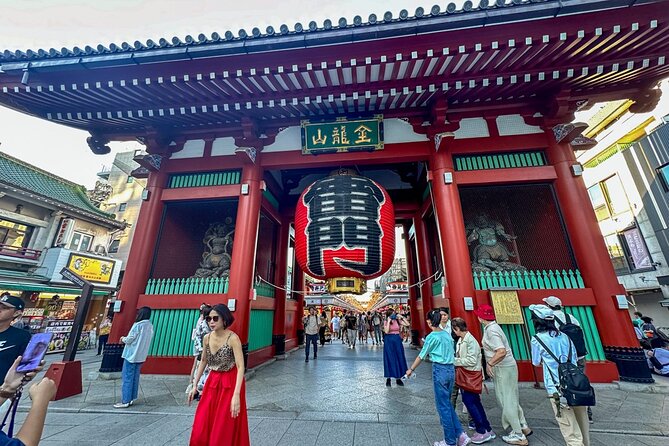
The train transfers are one of the strongest practical features. Tokyo’s rail system can seem daunting on a first visit, especially when you are trying to keep a group appointment and find the correct platform. Having the guide handle tickets reduces that work.
The route includes several transfers, with listed travel periods of about 30 to 45 minutes. These are not wasted hours. They show you how spread out Tokyo is and give you a chance to rest between walking sections.
Still, this is an active day. You will use stations, walk through busy public areas, and keep to group meeting times. The tour is not suitable for wheelchair users, and anyone with limited mobility should think carefully about the combination of stations and walking.
The pace can also vary. One account praised the guide for waiting for slower walkers and managing the route well, while another felt the schedule was rushed. I would book this as a structured overview, not a slow stroll. Wear shoes you can use all day and carry only what you need.
Guide quality and language options
The tour offers live guiding in English and Spanish. The guide’s contribution is central because several stops are short and the schedule gives you only a limited amount of time to ask questions.
The most warmly praised guides include Oliver, Jorg, Melody, Erik, George, and Burt. Oliver helped explain local New Year customs during a December 31 visit. Jorg was also praised for giving useful advice about train travel in Japan, a detail that can help beyond this single day.
One particularly strong account described a guide who could move between several languages, organize the train sections, provide relevant information, and adjust the pace for people who walked more slowly. That is exactly the sort of practical help that makes a packed city tour work.
The caution is that not every experience will be equally informative. One account found the commentary light on Tokyo’s history and culture. If you want deep explanations at every site, ask questions early and stay near the guide during the walking sections.
Is $69 good value?
At $69, the tour can be good value for a first day in Tokyo, especially if you value transport help and want to cover several districts. Buying individual train tickets is not the major expense here, but the guide’s route planning saves time and mental effort.
The value is strongest when you choose the tour as an orientation day. You see the major districts, learn how the rail system fits together, and identify places you may want to revisit. It is less compelling if you already know Tokyo or want long visits at each landmark.
Check the package carefully because the advertised price does not tell you everything about the final cost. Lunch may be optional, and Skytree admission is only included when that option is selected. Drinks are not included.
The tour also includes free cancellation up to 24 hours in advance and allows you to reserve while paying later. Those terms help if your Tokyo schedule is still changing, but they do not solve the main decision: are you happy with a fast overview rather than a detailed single-site visit?
Who should book this Tokyo day tour?
I would recommend it to a first-time visitor who wants an organized introduction to central Tokyo. It is also a good fit if you are comfortable with public transport but would rather let someone else handle the first day’s route.
You are likely to get the most from it if you:
- Want to see several famous districts in one day
- Prefer a live English or Spanish-speaking guide
- Like combining cultural sites with city views
- Want train tickets and transfers handled for you
- Are happy with short visits at Shibuya, the palace, and Akihabara
- May want a Japanese lunch and Skytree admission arranged as options
I would hesitate if your priority is slow photography, detailed temple teaching, palace access, or independent shopping. You may feel hurried at Senso-ji, and the shorter stops may not match the time suggested in the schedule.
Final verdict
Book this tour if you want a well-organized first look at Tokyo’s main contrasts and you understand that it is a sampler. Meiji Shrine and Asakusa provide the strongest cultural stops, while Shibuya and Skytree deliver the most recognizable city images.
Before booking, select Skytree entry if you want to go up, decide if a fixed lunch suits your pace, and arrive ready for a full day on foot and by train. The route is ambitious, the guides can add real value, and the main risk is not poor destination choice. It is simply trying to fit too much Tokyo into seven hours.
FAQ
How long does the tour last?
The tour lasts seven hours.
Where does the tour begin?
It begins beside the Hachiko Statue at Hachiko Square in Shibuya.
Where does the tour end?
The tour ends at Tokyo Skytree, with Asakusa also listed as a drop-off location.
Is Tokyo Skytree admission included?
Skytree admission is included only if you select the option that includes the ticket. You cannot enter the observation deck without having purchased the required ticket option in advance.
Is lunch included?
Lunch is included only if you choose the lunch option. Drinks are not included.
Are train tickets included?
Yes. Train tickets for transfers between the itinerary points are included.
What languages does the guide speak?
Live guiding is available in English and Spanish.
How much time is spent at Meiji Shrine?
The planned guided visit to Meiji Shrine lasts about 70 minutes.
Is the tour suitable for wheelchair users?
No. The activity is not suitable for wheelchair users.
What should I bring?
Bring comfortable shoes, a hat, a camera, sunscreen, and water.
New on our Tokyo list
- Sumi-e Experience in a relaxing green tea shop in Tokyo★ 5.0 · 3 reviews
- Tokyo : Kamikaze Street Drift Ride★ 5.0 · 3 reviews
- Private Zen Meditation in English in Shinjuku, Tokyo★ 5.0 · 3 reviews
- Onsen Spa in Tokyo and Asakusa Bar Hopping with Local Guide★ 5.0 · 3 reviews
- Easy for everyone! Now you can play handmade mini shamisen and show off to everyone! Musical instruments, sweets and live music★ 5.0 · 3 reviews
- Tokyo Tsukiji Fish Market Walking and Exploring Hidden Gems Tour★ 5.0 · 3 reviews
- Tokyo: Private Tsukiji Street Food & Sake with Local Guide★ 5.0 · 3 reviews
- Mt Fuji Exploration Tour with Free Japanese Kusa Mochi from Tokyo★ 4.5 · 3 reviews
Temple & Shrine Tours, compared.
Meiji Shrine, Asakusa, Skytree Bus Tour and Cruise
Read our review →
Asakusa Walking Tour with Sensoji Temple Visit
Read our review →
Kamakura & Enoshima Day Trip including Temple Tickets
Read our review →
Nikko Toshogu Shrine and Kegon Waterfall Tour
Read our review →
Tokyo Panoramic 1 Day: Meiji Shrine, Asakusa, Odaiba and SKYTREE®
Read our review →
Mt. Fuji Heritage Tour: Traditional Villages, Lakes & Shrine
Read our review →Browse the lists this tour appears in