
Reviewed · SUSHI EXPERIENCES
Hand-rolled Sushi Temaki Zushi Workshop in Tokyo
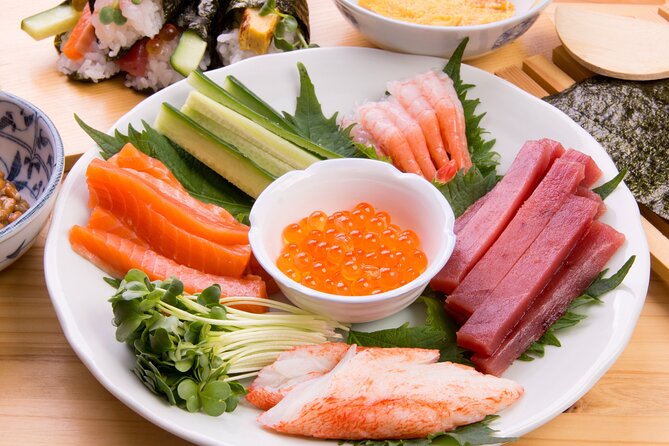
The best part of this Tokyo cooking class is that it teaches a sushi style you can actually repeat at home. Temaki sushi is hand-rolled, party-friendly, and far less fussy than nigiri. You choose the fillings, add them to seasoned rice and seaweed, then roll your own cone.
I like the practical rice lesson, since properly seasoned sushi rice makes or breaks the meal. I also like the small group of no more than six, plus the flexible fillings. Vegetarian guests can take part, though the $72 price may feel high if you only want a quick meal rather than a skill you can use again.
In This Review
- Key points to know before booking
- Why temaki sushi makes a smart Tokyo cooking class
- Starting with sumeshi, the heart of the meal
- Building your own hand-rolled sushi
- The value of a flexible filling menu
- Adding Japanese clear soup to the table
- Meeting Mariko-san and Yoichi-san
- A two-hour pace in Sumiyoshi
- Is $72 a fair price?
- Who will enjoy this workshop most
- Cancellation and planning details
- Should you book the temaki sushi workshop?
- FAQ
- How long does the temaki sushi workshop last?
- Where does the workshop meet?
- Where does the activity end?
- How many people can join the workshop?
- Can vegetarians take part?
- What is included in the cooking lesson?
Key points to know before booking
- You make hand-rolled temaki sushi: Choose fillings and assemble your own sushi instead of watching a chef prepare every piece.
- Sushi rice gets proper attention: The class demonstrates how to make sumeshi, or vinegared sushi rice, including a small but useful technique.
- Fish and vegetable choices are available: The format lets you build rolls around your own tastes, including vegetarian fillings.
- A Japanese clear soup is included: You learn a simple side dish that pairs well with the sushi.
- The group is capped at six people: This keeps the lesson personal and gives you room to ask questions.
- The class meets in Sumiyoshi: The starting and ending point is Canal Palace, at 2-chome-16-11 Sumiyoshi in Koto City.
Why temaki sushi makes a smart Tokyo cooking class
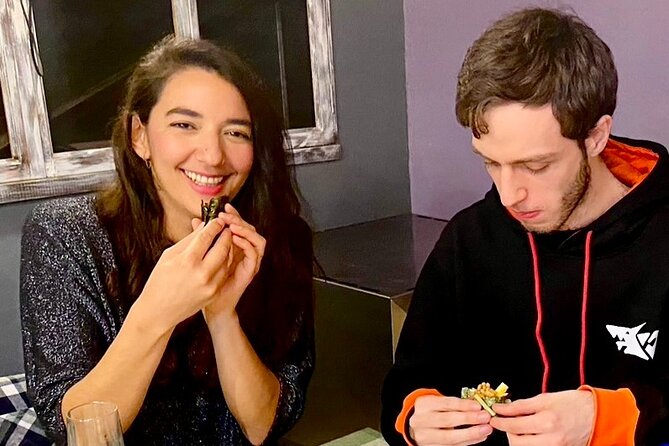
Sushi can look like a craft reserved for trained professionals. Nigiri requires careful shaping, precise knife work, and years of practice. Temaki sushi takes a friendlier route. You place sushi rice and fillings on a sheet of nori, then roll it by hand into a cone.
That simplicity is the point. You still get the look and flavor of sushi, but you are not expected to copy a master’s exact movements. I see this as a good choice if you want to cook during your trip, not just watch somebody else do it.
In Japan, temaki sushi is a popular home-party menu because it is social and flexible. You can set out rice, seaweed, fish, vegetables, and other fillings, then let people build their own rolls. Each person gets to choose what goes inside. That makes the meal easy to adapt for different tastes.
The class focuses on this home-style side of Japanese food. It is less about formal sushi ceremony and more about a useful meal you can prepare for friends. If your idea of a cooking class is copying a complicated restaurant dish, this may feel modest. If you want a skill that can return to your own kitchen, it makes more sense.
More sushi mornings and classes:
- Sushi Making Tokyo Roll and Authentic Japanese Sushi Class
★ 5.0 · 3,971 reviews - Tokyo: Roll and Authentic Sushi Making Class in Asakusa
★ 4.9 · 1,957 reviews - Make Sushi and Create Unforgettable Memories in Tokyo
★ 5.0 · 1,413 reviews
Starting with sumeshi, the heart of the meal
The workshop begins with an explanation of how to prepare temaki sushi. The first major lesson is sumeshi, or vinegared sushi rice. This is the foundation of the dish, and the class includes a demonstration of how to make it.
The method is described as simple, but there is a small trick involved. That detail matters. Sushi rice is not just ordinary cooked rice placed in seaweed. Its seasoning, texture, and preparation affect every roll you make afterward.
I like that the class begins here instead of rushing straight to assembly. Once you understand the rice, the rest of the process becomes easier to repeat. You can buy excellent fish and fresh vegetables, but poor rice will still leave you with a disappointing result.
You should also expect this part to be instructional rather than flashy. The available information does not specify the exact ingredients, equipment, or the particular rice technique used. What is clear is that the guides show you the process and point out the small step that helps produce more authentic sushi rice.
For a first-time cook, that is useful knowledge. You leave with more than a photograph of a sushi plate. You learn the base that supports the fillings and gives the nori roll its familiar taste.
Building your own hand-rolled sushi
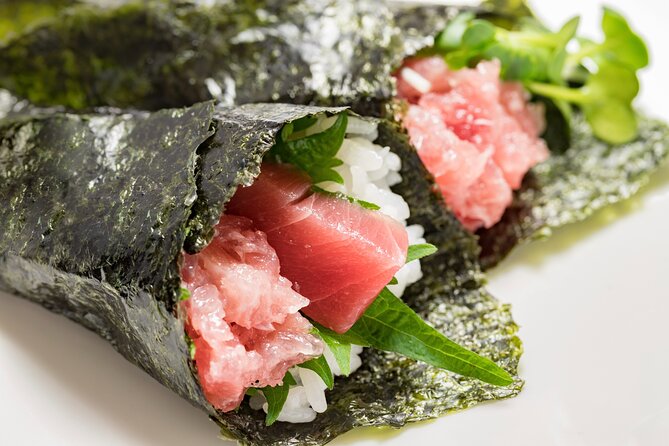
After the rice lesson, you make your own temaki sushi. This is where the class becomes hands-on. You select fillings from a variety of fish and vegetables, place them with the sushi rice, and roll each piece yourself.
The format gives you control. You can keep the filling simple or combine ingredients according to your taste. Since the roll is made individually, you do not need to wait for a chef to prepare a fixed menu. You can adjust the balance of rice, seaweed, fish, and vegetables as you go.
The process is also forgiving. Your first roll may not have a perfect cone shape, but it should still be edible and enjoyable. That is one reason temaki works well for beginners and groups. The dish looks special on the table without requiring professional sushi skills.
Freshness is important here. The ingredients are described as incredibly fresh, and the selection includes both seafood and vegetables. Specific fish are not listed, so you should not book expecting a particular type of tuna, salmon, or shellfish. The useful promise is variety, not a fixed menu.
This also helps people with different diets. One vegetarian participant was able to make vegetarian temaki, so you can ask for vegetable choices if you do not eat fish. The information does not spell out other dietary accommodations, so anyone with allergies or strict restrictions should confirm them before booking.
The value of a flexible filling menu
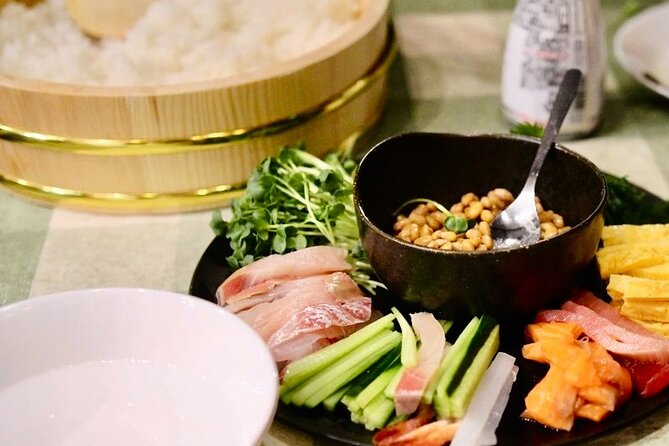
A fixed tasting menu gives you a clear idea of what you will eat. Temaki sushi offers something different: choice. You get to make a meal that suits your preferences, which can be especially helpful in a small group with mixed tastes.
I see this as one of the strongest parts of the experience. Someone who loves fish can choose seafood fillings, while someone who prefers vegetables can build a roll without fish. You also learn how the same basic ingredients can be combined in different ways.
That flexibility is central to the home-party tradition. The finished food is not meant to be identical piece by piece. It is meant to be assembled, shared, and enjoyed at your own pace. You are learning a style of eating as well as a recipe.
The tradeoff is that the class may feel less like a polished chef demonstration. There is no indication that you will learn advanced sushi cutting, restaurant plating, or the preparation of elaborate raw fish. If those are your priorities, you may want a more technical sushi course.
For most people, though, the relaxed approach is an advantage. You can focus on making something tasty instead of worrying about professional standards.
A few more Tokyo bookings worth comparing
- Tokyo Shinjuku Chopsticks Making Class
★ 5.0 · 1,763 reviews - Tokyo: Sushi Making Class in a Happi Coat near a Famous Spot
★ 4.9 · 1,377 reviews - Chopstick Making Workshop in Ginza
★ 4.8 · 1,366 reviews - Tokyo Sushi Making Class in Tsukiji with Professional Chef
★ 5.0 · 1,177 reviews
Adding Japanese clear soup to the table
The class also shows you how to make Japanese clear soup. It is designed to go well with temaki sushi, giving the meal a warm side dish alongside the cool rice and fillings.
This is a small addition, but it makes the class more useful. A party menu needs more than one central item, and a simple soup can turn hand-rolled sushi into a fuller meal. You learn how the dishes work together rather than treating sushi as an isolated recipe.
The exact ingredients and cooking steps for the soup are not provided, so you should not expect a detailed preview of the recipe. Still, its inclusion adds variety to the two-hour session and gives you another Japanese dish to repeat at home.
I also like the balance it creates. Sushi assembly is interactive and hands-on. Soup introduces another basic cooking technique and gives you a warm component to serve with the rolls.
Meeting Mariko-san and Yoichi-san
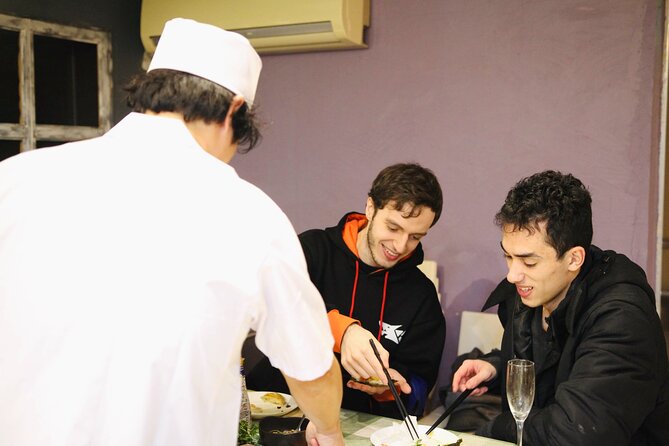
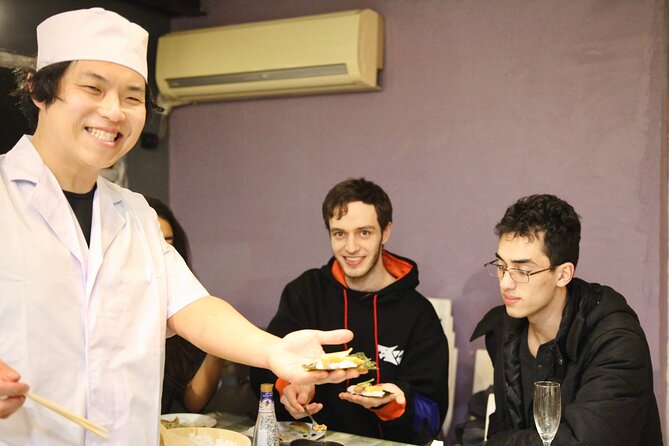
The workshop is led by Mariko-san and Yoichi-san. Their role goes beyond placing ingredients in front of you. They explain how to prepare the rice, demonstrate the rolling method, and show you how to enjoy temaki sushi as a home meal.
Their teaching style is described as warm and willing to share Japanese culture. That matters in a small class. With a maximum of six people, you have a better chance to ask for help with a roll, clarify a step, or discuss vegetarian choices.
The available details do not promise a particular language format, so you should confirm any communication needs before booking. Still, the named guides and limited group size suggest a personal lesson rather than a large, anonymous demonstration.
The small group also affects the mood. You are not simply sitting in a room with dozens of people while a chef works at the front. You are making the food yourself, and the format leaves space for individual choices.
A two-hour pace in Sumiyoshi

The experience lasts about two hours. That is enough time for an introduction, the rice demonstration, sushi assembly, soup preparation, and eating what you make, without taking up an entire day of sightseeing.
The class starts and ends at Canal Palace, at 2-chome-16-11 Sumiyoshi, Koto City, Tokyo 135-0002. It is near public transportation, which makes it practical to fit into a Tokyo itinerary. Since the activity returns to the meeting point, you do not need to arrange a separate end location.
Sumiyoshi is useful as a base for this kind of local activity because the class is not presented as a tour of Tokyo’s major sights. You are going to a set meeting point for a focused food lesson. Allow time to reach the address carefully, especially if you are coming from another part of the city.
A mobile ticket keeps the booking simple. Confirmation arrives when you book, and you can show the ticket from your phone. The experience is small, so arriving on time matters even though no special arrival procedure is described.
Is $72 a fair price?
At $72, this is not the cheapest way to eat sushi in Tokyo. If your only goal is lunch, you can find simpler and less expensive meals. The value here comes from the teaching, the hands-on preparation, the small group, and the chance to repeat the meal at home.
The price makes more sense if you plan to use what you learn. Temaki sushi works well for a dinner party, family meal, or casual gathering. You receive a method rather than just a plate of food, and the rice lesson gives you a foundation for future attempts.
Fresh ingredients also matter. The class includes a selection of fish and vegetables, and the food is part of the activity rather than an afterthought. You are learning by preparing and eating the result.
Still, keep your expectations in line with the format. This is a roughly two-hour workshop, not a full-day culinary program. There is no stated market visit, knife-skills lesson, fish-filleting session, or restaurant kitchen tour. If you want a broad survey of Japanese cuisine, $72 may be better spent elsewhere.
For a visitor who wants one focused, practical food experience, the cost is easier to justify. The best return comes after your trip, when you use the technique again.
Who will enjoy this workshop most
I would recommend this class to first-time visitors who want a simple introduction to Japanese food culture. It works particularly well if you enjoy making your own meal and prefer a relaxed activity over a formal chef-led demonstration.
It also suits:
- Vegetarians, since vegetable temaki can be prepared.
- Couples and small groups, since the maximum is six people.
- Families and food-minded friends, because each person can choose fillings.
- Home cooks, who will appreciate the sumeshi lesson and party-menu idea.
- Sushi beginners, since temaki does not require special professional skills.
I would be more cautious if you want advanced sushi training. The class teaches an approachable home dish, not the precision work associated with nigiri sushi. I would also ask about ingredients in advance if you have allergies, avoid particular seafood, or need more than a vegetarian option.
Cancellation and planning details
You can cancel for a full refund up to 24 hours before the experience starts. Cancellations made less than 24 hours ahead are not refunded, and changes within that period are not accepted. The cut-off follows Tokyo local time.
Confirmation is provided at booking, and the ticket is mobile. The workshop is near public transportation, but the information does not provide a train station, route, or walking time. Use the full Canal Palace address when planning your journey.
Because the activity ends back at the meeting point, it is easy to schedule before or after another plan in Tokyo. I would avoid placing a time-sensitive reservation immediately afterward, since the duration is approximate.
Should you book the temaki sushi workshop?
Book it if you want a friendly, practical sushi lesson that you can recreate at home. The strongest reasons are the small group, the hands-on rolling, the attention to vinegared rice, and the choice of fish or vegetable fillings. Mariko-san and Yoichi-san also make the experience feel personal rather than purely instructional.
Skip it if you are mainly looking for the cheapest sushi meal, a formal nigiri lesson, or a wide-ranging cooking tour. At $72, the workshop earns its price through the skill and cultural context, not through quantity alone.
For a food lover with two free hours in Tokyo, this is a sensible choice. You eat what you make, learn a useful home-party dish, and leave with a recipe concept that does not require a sushi chef’s years of training.
FAQ
How long does the temaki sushi workshop last?
The workshop lasts approximately two hours.
Where does the workshop meet?
The meeting point is Canal Palace, located at 2-chome-16-11 Sumiyoshi, Koto City, Tokyo 135-0002, Japan.
Where does the activity end?
The activity ends back at the meeting point.
How many people can join the workshop?
The group has a maximum of six participants.
Can vegetarians take part?
Yes. Vegetarian temaki can be prepared using the available vegetable fillings.
What is included in the cooking lesson?
You learn how to prepare sumeshi, or vinegared sushi rice, make hand-rolled temaki sushi with fish and vegetable fillings, and prepare Japanese clear soup.
New on our Tokyo list
- Sumi-e Experience in a relaxing green tea shop in Tokyo★ 5.0 · 3 reviews
- Tokyo : Kamikaze Street Drift Ride★ 5.0 · 3 reviews
- Private Zen Meditation in English in Shinjuku, Tokyo★ 5.0 · 3 reviews
- Onsen Spa in Tokyo and Asakusa Bar Hopping with Local Guide★ 5.0 · 3 reviews
- Easy for everyone! Now you can play handmade mini shamisen and show off to everyone! Musical instruments, sweets and live music★ 5.0 · 3 reviews
- Tokyo: Private Tsukiji Street Food & Sake with Local Guide★ 5.0 · 3 reviews
- Mt Fuji Exploration Tour with Free Japanese Kusa Mochi from Tokyo★ 4.5 · 3 reviews
- Tokyo Tsukiji Fish Market Walking and Exploring Hidden Gems Tour★ 5.0 · 3 reviews
Sushi Experiences, compared.
Sushi Making Tokyo Roll and Authentic Japanese Sushi Class
Read our review →
Roll and Authentic Sushi Making Class in Asakusa
Read our review →
Make Sushi and Create Unforgettable Memories in Tokyo
Read our review →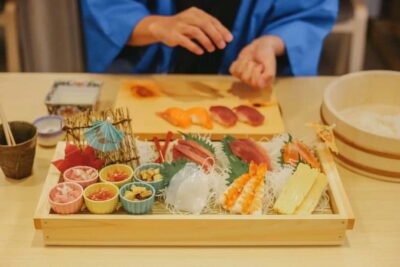
Sushi Making Class in a Happi Coat near a Famous Spot
Read our review →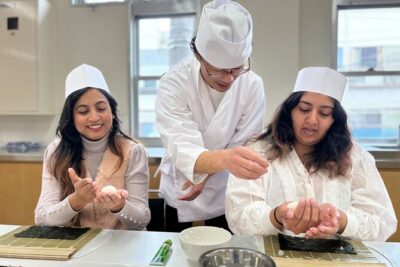
Tokyo Sushi Making Class in Tsukiji with Professional Chef
Read our review →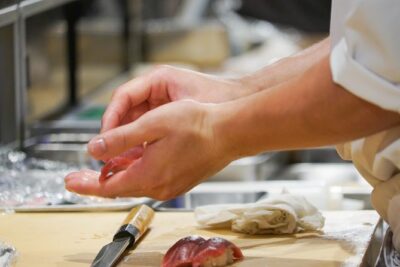
Tokyo Night Foodie Tour in Shinjuku – Seasonal Sushi, Wagyu Beef
Read our review →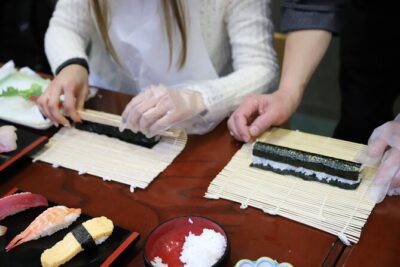
Tsukiji Fish Market Guided Tour and Sushi Making with Pro Chef
Read our review →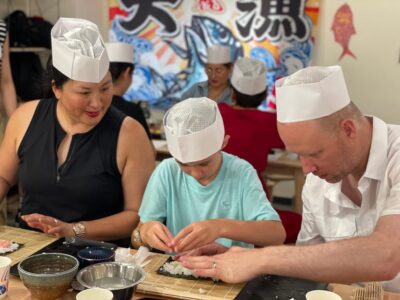
Tsukiji Fish Market Sushi Making Class with Pro Chef
Read our review →Browse the lists this tour appears in