
Reviewed · TOKYO FOOD TOURS
Hands On Wagyu Sushi Making Experience
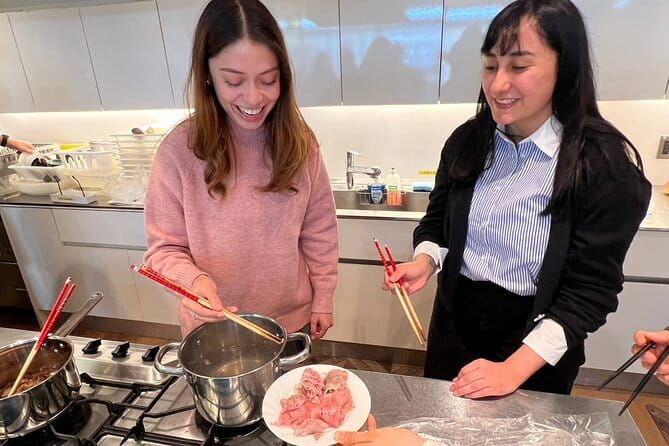
Wagyu sushi flips the usual Tokyo cooking class on its head. Instead of working with raw fish, you’ll prepare premium beef as nigiri, gunkan maki, and temaki, then sit down to eat what you made. Instructors including Hiroko and Saori guide you through the rice, meat, shaping, and presentation.
I like the small six-person limit, which leaves room for help at each step, and I like that the class provides every ingredient and tool. The main caution is simple: this is not a fit for vegetarians or vegans, and the $104.51 price is best value if you want both a meal and a hands-on lesson rather than lunch alone.
In This Review
- Key points at a glance
- Why Wagyu sushi makes this class different
- A 90-minute class with a clear rhythm
- What you make: nigiri, gunkan maki, and temaki
- The teachers and the value of hands-on help
- What makes the meal worth the price
- Getting there and fitting it into your Tokyo day
- The best fit, and the main limitations
- Photos, plating, and the final lunch
- Booking timing and cancellation details
- Should you book the Wagyu sushi class?
- FAQ
- Where does the Wagyu sushi class take place?
- What time does the experience start?
- How long does the class last?
- What types of sushi will I learn to make?
- Is lunch included?
- Are ingredients and cooking equipment provided?
- Is the class taught in English?
- How many people can join the class?
- Are vegan or vegetarian options available?
- Is hotel pickup included?
- Can I cancel for a refund?
Key points at a glance
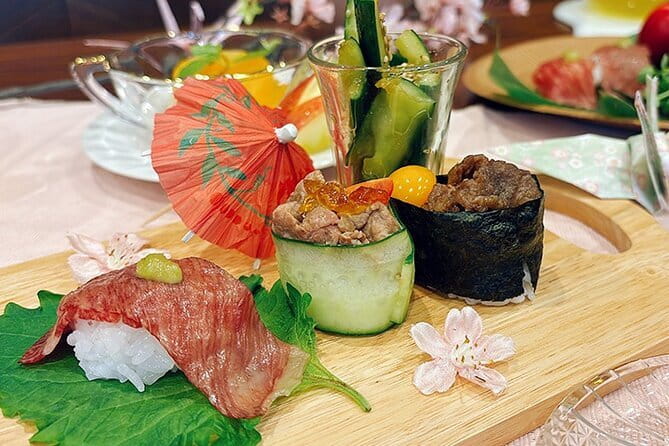
- Three Wagyu sushi styles: Prepare nigiri, gunkan maki, and temaki rather than just rolling one basic sushi.
- English-speaking instruction: The teachers explain each step clearly, including how to make shari, the seasoned sushi rice.
- A six-person maximum: The compact class size should make it easier to get personal guidance.
- Lunch is included: You eat the sushi and other dishes you prepare at the end.
- A meat-focused alternative: This suits people who like sushi technique but prefer beef to fish and seafood.
- Simple Tokyo planning: Meet in Tokyo at noon, with public transportation nearby, and finish at the same meeting point.
Why Wagyu sushi makes this class different
Most sushi lessons in Tokyo center on fish, seafood, or a familiar California-style roll. This class takes a different route by pairing sushi technique with Japanese Wagyu. That makes it appealing if you love sushi but are less keen on raw fish, or if you already know basic sushi and want a more unusual lunch activity.
You are not simply watching a chef work. The point is to prepare the food yourself. The class covers several forms, so you can see how the same core ingredients behave in different shapes. Nigiri gives you the clean, compact sushi form. Gunkan maki uses a seaweed wrap that holds its topping. Temaki gives you a hand-rolled cone that is more relaxed and forgiving.
The beef is the headline ingredient, but the rice matters just as much. You’ll learn about shari, the seasoned sushi rice used as the base for nigiri and other pieces. Getting the rice right is one of the useful skills here, since poorly handled rice can make even fine ingredients difficult to eat.
The instructors also show you how to cook the meat. That is an important detail for anyone who assumes Wagyu sushi means simply placing beef on rice. The preparation needs to suit the sushi form, and the class gives you a chance to learn that process rather than treating the Wagyu as a ready-made topping.
More sushi mornings and classes:
- Sushi Making Tokyo Roll and Authentic Japanese Sushi Class
★ 5.0 · 3,971 reviews - Tokyo: Roll and Authentic Sushi Making Class in Asakusa
★ 4.9 · 1,957 reviews - Make Sushi and Create Unforgettable Memories in Tokyo
★ 5.0 · 1,413 reviews
A 90-minute class with a clear rhythm
The experience lasts about an hour and a half and starts at 12:00 pm. That timing makes it an easy lunch plan, though you should allow time to find the meeting point in Tokyo and arrive ready to begin. The class ends back where it starts, so you do not need to arrange a separate return transfer.
The first stage is orientation and preparation. Ingredients and equipment are supplied, which keeps the class focused on technique rather than shopping, measuring, or bringing special tools. This is especially helpful if you are in Tokyo for only a few days and want a cooking activity without a large time commitment.
You then work through the sushi forms. The class teaches nigiri, gunkan maki, and temaki, giving you a useful contrast between neat hand-shaped pieces, wrapped sushi, and cone-shaped hand rolls. The variety also keeps the session active. You are not repeating the same movement for 90 minutes.
The meat preparation is part of the lesson too. You learn how to cook the Wagyu, while the teachers explain the sushi rice and assembly. The class has been described as friendly and easy to follow, with the instructors helping at each stage. That matters for beginners, since sushi looks simple until you try to shape rice without crushing it or losing the filling.
The final stage is plating and eating. Presentation is treated as a skill, not an afterthought. You arrange your finished sushi into a meal, take photographs during the experience that can be downloaded later, and then enjoy lunch. This gives the class a satisfying finish: you learn, make, photograph, and eat.
What you make: nigiri, gunkan maki, and temaki
Nigiri is likely the most recognizable form in the class. It consists of a small portion of sushi rice with a topping placed over it. With Wagyu in place of fish, the finished piece combines the soft, seasoned rice with the beef’s fuller flavor.
Gunkan maki offers a different challenge. The seaweed forms a small vessel around the rice and topping. Its shape makes it useful for ingredients that do not sit neatly on a flat rice base, and it gives you another lesson in controlling nori and portion size.
Temaki is the most casual of the three. You form the ingredients into a cone and eat it by hand. It is often a good format for beginners because the shape does not need to look as precise as nigiri. You still learn the basics of rice, filling, and seaweed, but there is less pressure to make every piece identical.
The class also includes Wagyu shabu-shabu according to the activity details and class feedback. That adds another way to enjoy the beef and broadens the lesson beyond sushi alone. Since the exact balance of dishes can vary, you should think of the listed sushi styles as the firm core and the shabu-shabu as an additional part of the meal.
The teachers and the value of hands-on help
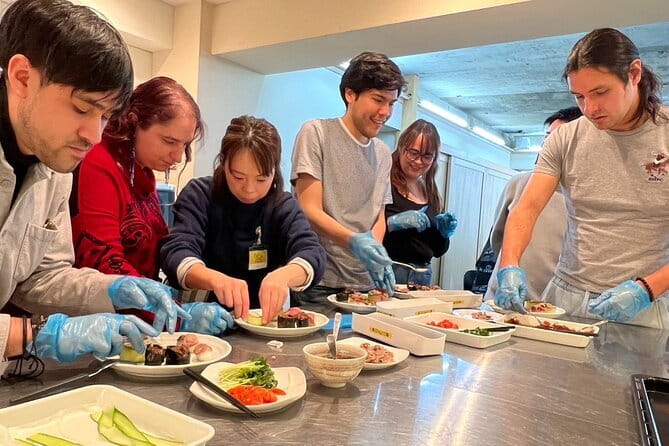
Hiroko and Saori are named as instructors, and the class uses English-speaking teachers. That is a practical advantage. Food classes can become frustrating when directions depend on watching silently or guessing what to do next, especially when the task involves rice texture, meat cooking, and careful shaping.
The strongest praise for this experience centers on the teaching. You can expect the instructors to help with each step, explain how to prepare the rice, and show you how to handle the Wagyu. The tone is intended to be friendly and patient rather than formal or intimidating.
A maximum of six people is another useful feature. Small groups do not guarantee individual attention, but this size gives the teachers a reasonable chance to check your sushi and correct your technique. It also keeps the class more personal than a large demonstration with rows of participants.
The two-person minimum is worth noting if you are booking alone. A single-person reservation is not enough to meet that requirement. Couples, friends, and families with older children who enjoy cooking are more naturally suited to the format, although the supplied information does not specify a minimum age.
More Tokyo food crawls:
- Tokyo: Shinjuku Food Tour (13 Dishes at 4 Local Eateries)
★ 5.0 · 6,603 reviews - Tokyo: Shinjuku Food Tour (15 Dishes and 4 Eateries)
★ 4.9 · 2,033 reviews - Best of Shinjuku: Izakaya Food Tour (4 Stops, 14+ Tastings)
★ 5.0 · 1,863 reviews - Tokyo Night Foodie Tour in Shinjuku – Seasonal Sushi, Wagyu Beef
★ 5.0 · 1,161 reviews
What makes the meal worth the price
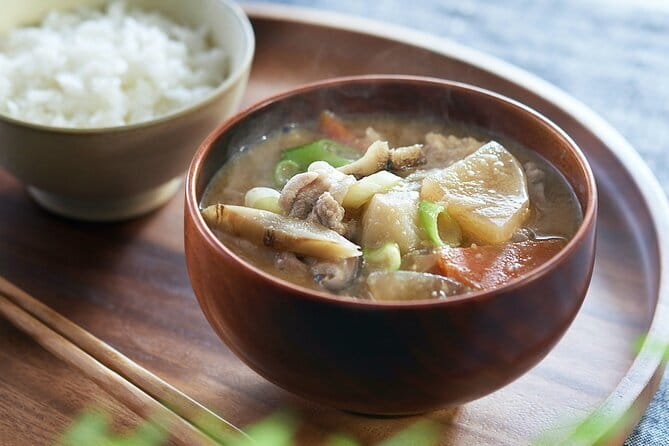
At $104.51 per person, this is not a cheap lunch. You are paying for premium Wagyu, instruction, equipment, ingredients, a prepared meal, and the use of a small class format. The value depends on how you measure the outing.
If you only want to taste Wagyu, a restaurant may offer a simpler and possibly less expensive way to do it. If you want to learn sushi shaping, understand shari, prepare the beef, and eat your own work, the comparison changes. The fee covers an activity as well as food.
I would see this as a good use of money for a first-time visitor who wants a structured Japanese food experience without giving up half a day. Ninety minutes is long enough to learn several techniques but short enough to fit around other Tokyo plans. The included lunch also means you do not need to budget for a separate midday meal.
The value is less convincing if you dislike group classes, already have strong sushi-making skills, or simply want a quiet meal. The small group helps, but this remains a lesson with other people, not a private chef service.
Getting there and fitting it into your Tokyo day
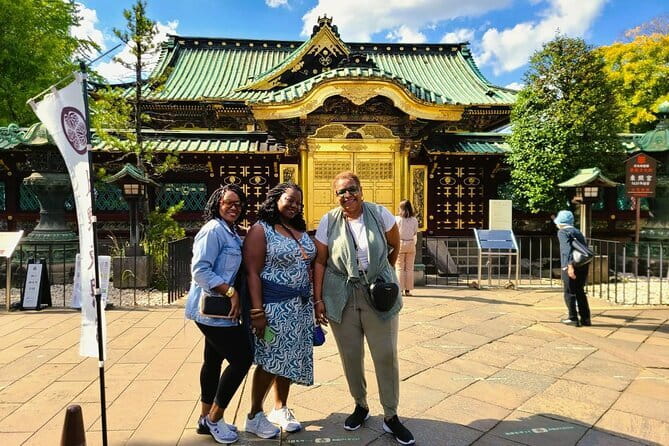
The meeting point is in Tokyo, near public transportation, and the activity starts at noon. The exact street address should be checked carefully in your booking confirmation before leaving, since Tokyo’s station areas can contain several exits and similarly named streets.
Because there is no hotel pickup or drop-off, you are responsible for reaching the class. That is normal for a central Tokyo activity, but it means you should plan your route in advance. A mobile ticket makes it easy to keep the booking on your phone, and confirmation is provided at the time of booking.
The class returns to the original meeting point when it ends. That makes it easier to continue sightseeing afterward, though you should not assume the activity ends at another attraction or station unless your confirmation says so.
The noon start works well after a relaxed morning. It also places lunch at the natural end of the class, when the food is ready to eat. If you are scheduling a museum, shopping appointment, or train immediately afterward, leave extra time rather than planning a tight connection.
The best fit, and the main limitations
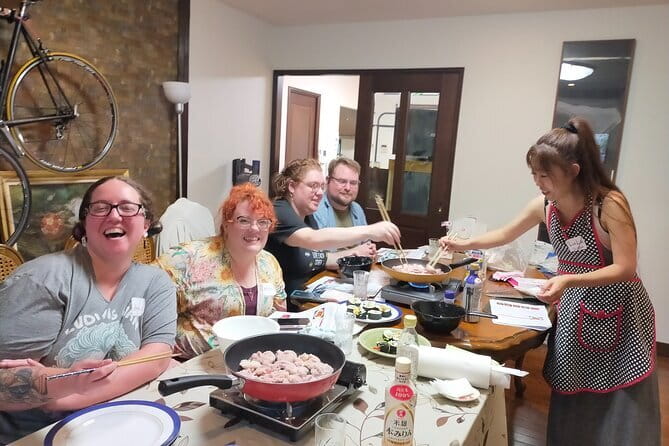
This is a strong choice for people who enjoy food, want to do more than take photographs, and prefer beef to traditional sushi toppings. It also suits couples and small groups who want a shared activity with a meal built in.
Families or friends may appreciate the hands-on format because each person can make and plate food. The teachers’ English support makes the class more accessible to international visitors who do not speak Japanese.
You should skip it if you need vegan or vegetarian food. No plant-based option is available. The class is also not designed for someone seeking a broad survey of Japanese cooking, since the focus is specifically Wagyu sushi, sushi rice, plating, and related beef preparation.
Those with food allergies or dietary restrictions should confirm details before booking, since the supplied information does not list alternatives or allergy procedures. Do not assume that ingredients can be changed on the day.
Photos, plating, and the final lunch
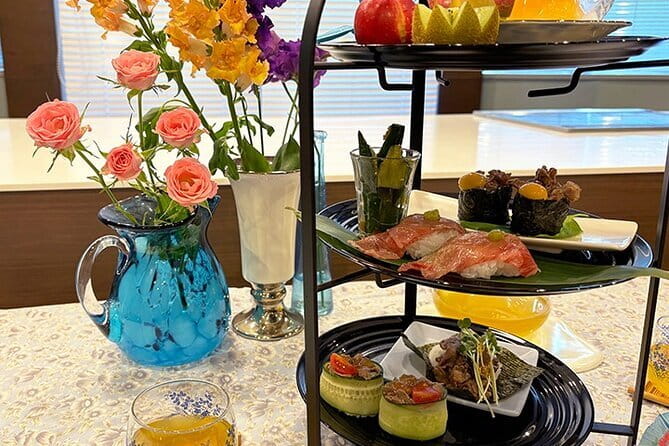
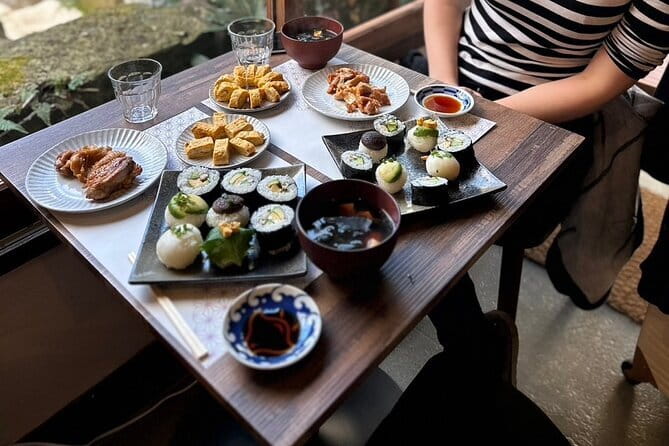
The plating section adds more value than it may first appear. Sushi is partly about proportion and appearance, and the way pieces are arranged affects how the meal feels. You’ll get a chance to turn your handmade sushi into a finished dish rather than eating each piece as soon as it is formed.
Photographs taken during the experience can be downloaded later. That is useful if you want a record of the process without keeping your phone in your hand while working. It also gives you something more lasting than a plate of food that disappears at the end of lunch.
Eating the finished dishes is the natural reward. You can taste the difference between the sushi forms and see how the rice, seaweed, and Wagyu work together. Since the food is prepared during the lesson, the meal also gives you a direct test of the techniques you have just practiced.
The class has received a perfect five-star rating from the supplied set of 16 reviews, with 100 percent recommending it. The most consistent praise is for the friendly teachers, clear English instruction, quality ingredients, and delicious finished sushi. That pattern suggests the experience succeeds most clearly as a warm, beginner-friendly food class.
Booking timing and cancellation details
This experience is typically booked about 36 days ahead. That is a useful planning signal, especially if you have fixed Tokyo dates or want a noon slot during a busy season. I would reserve early rather than assume you can find an opening a day or two before arrival.
You can cancel for a full refund up to 24 hours before the local start time. Changes or cancellations made inside that 24-hour window are not accepted for a refund.
The activity may also be canceled if the minimum number of bookings is not reached. In that case, you can choose another date or experience, or receive a full refund. The supplied policy also says poor weather can lead to a new date or full refund, although weather is an unusual condition for an indoor cooking class. Keep that clause in mind when making a tight itinerary.
Should you book the Wagyu sushi class?
Book it if you want a compact Tokyo activity that combines premium beef, practical sushi skills, and lunch. The six-person limit, English-speaking teachers such as Hiroko and Saori, and mix of nigiri, gunkan maki, and temaki give the lesson more substance than a quick roll-making demonstration.
I would especially recommend it to first-time sushi makers, meat lovers, and anyone looking for a food experience that feels different from a standard fish-focused class. The price is fair when you count the instruction, ingredients, meal, and small-group setting.
Skip it if you are vegetarian, vegan, uncomfortable with Wagyu, or mainly interested in eating rather than cooking. For everyone else, this is a focused and friendly way to spend 90 minutes in Tokyo, with the useful bonus that your lunch is the result of your own work.
FAQ
Where does the Wagyu sushi class take place?
The class takes place in Tokyo, Japan, at a meeting point near public transportation.
What time does the experience start?
The scheduled start time is 12:00 pm.
How long does the class last?
The experience lasts approximately 1 hour and 30 minutes.
What types of sushi will I learn to make?
You will learn to prepare Wagyu nigiri, gunkan maki, and temaki.
Is lunch included?
Yes. Lunch and the cooking experience are included, and you eat the food you prepare.
Are ingredients and cooking equipment provided?
Yes. The ingredients and equipment needed for the class are provided.
Is the class taught in English?
English-speaking instructors lead the class. Hiroko and Saori are among the named teachers.
How many people can join the class?
The activity has a maximum of six people. A minimum of two people per booking is required.
Are vegan or vegetarian options available?
No. Vegan and vegetarian options are not available.
Is hotel pickup included?
No. You must make your own way to the Tokyo meeting point, and hotel pickup and drop-off are not included.
Can I cancel for a refund?
Yes. You can cancel at least 24 hours before the local start time for a full refund. Cancellations or changes made less than 24 hours before the start time are not refunded or accepted.
New on our Tokyo list
- Sumi-e Experience in a relaxing green tea shop in Tokyo★ 5.0 · 3 reviews
- Tokyo : Kamikaze Street Drift Ride★ 5.0 · 3 reviews
- Private Zen Meditation in English in Shinjuku, Tokyo★ 5.0 · 3 reviews
- Onsen Spa in Tokyo and Asakusa Bar Hopping with Local Guide★ 5.0 · 3 reviews
- Easy for everyone! Now you can play handmade mini shamisen and show off to everyone! Musical instruments, sweets and live music★ 5.0 · 3 reviews
- Tokyo: Private Tsukiji Street Food & Sake with Local Guide★ 5.0 · 3 reviews
- Mt Fuji Exploration Tour with Free Japanese Kusa Mochi from Tokyo★ 4.5 · 3 reviews
- Tokyo Tsukiji Fish Market Walking and Exploring Hidden Gems Tour★ 5.0 · 3 reviews
Tokyo Food Tours, compared.
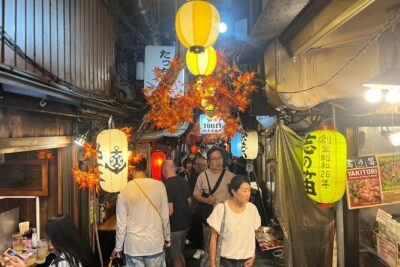
Shinjuku Food Tour (13 Dishes at 4 Local Eateries)
Read our review →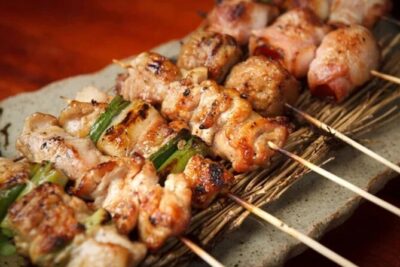
Shinjuku Food Tour (15 Dishes and 4 Eateries)
Read our review →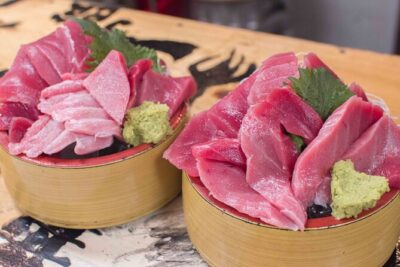
Best of Shinjuku: Izakaya Food Tour (4 Stops, 14+ Tastings)
Read our review →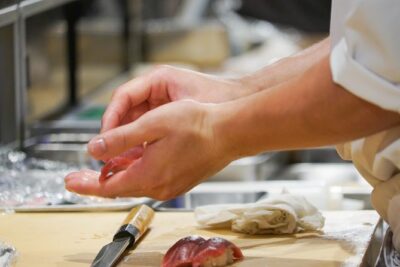
Tokyo Night Foodie Tour in Shinjuku – Seasonal Sushi, Wagyu Beef
Read our review →
Eat and Drink Like a Local: Tokyo Ueno Food Tour-Taverns&Ramen
Read our review →
Tsukiji Fish Market: Street Food & Culture Walking Tour
Read our review →Shinjuku Food Tour – 15 Dishes, 3 Drinks, 4 Eateries
Read our review →Browse the lists this tour appears in