
Reviewed · JAPANESE COOKING CLASSES
Home Cooking with a Local Host (Optional Shiba Inu Picnic)
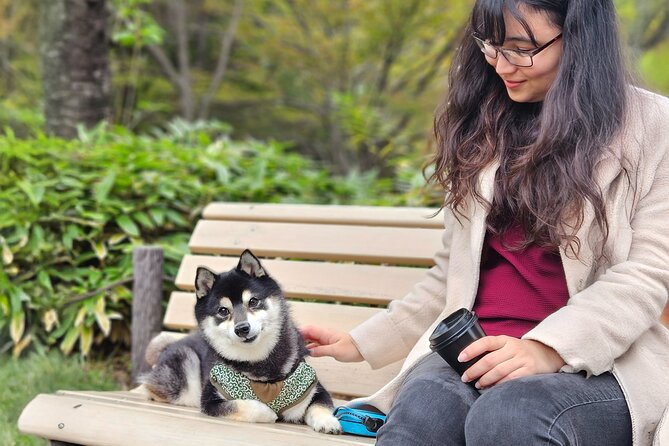
Making lunch in a real Tokyo home is the heart of this experience. You’ll prepare a handmade bento with a local Japanese mom, then carry it to a nearby park and shrine for a picnic with Ginta, a Shiba Inu who adds a very cheerful finish to the morning.
I like the small private format, which gives your guide room to translate, explain Japanese customs, and help with each cooking step. I also like the useful souvenir: the bento box comes with you, rather than becoming another disposable tour extra. The main drawback is the strict, non-refundable cancellation policy, so you’ll want to book only when your Tokyo plans are firm.
In This Review
- Key points at a glance
- Why this Tokyo morning feels different
- Meeting at Iidabashi Station at 10:00
- Cooking a bento in a local kitchen
- What a homemade bento teaches you
- Walking to the park and shrine
- Picnic time with Ginta
- Is $150 a fair price?
- Who will enjoy this most
- Practical points before you reserve
- Should you book this bento and Shiba Inu picnic?
- FAQ
- Where does the tour begin?
- How long does the experience last?
- Is the tour private?
- Is an English-speaking guide included?
- What is included in the price?
- Can I cancel or change my reservation?
Key points at a glance
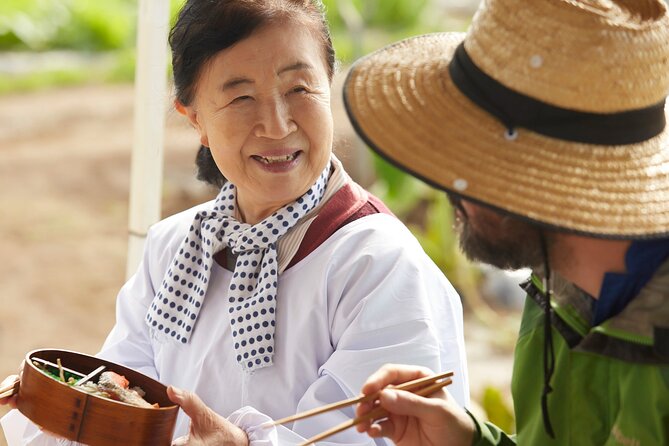
- Cook in a real Japanese home: You’ll make your own bento in a local mom’s kitchen, with ingredients and guidance supplied.
- Meet Ginta the Shiba Inu: The picnic includes time for photos and interaction with the dog at a nearby park and shrine.
- Enjoy an English-supported experience: A bilingual guide translates instructions and adds cultural context throughout the morning.
- Keep the bento box: Your cooking container is included as a take-home souvenir.
- Private and short: The tour runs for about three hours, beginning and ending near Iidabashi Station.
- Check the group limit: The details describe the experience as private and limited to a small group, but give both 2 to 4 and 2 to 6 as group ranges. Confirm the exact limit before booking.
Why this Tokyo morning feels different
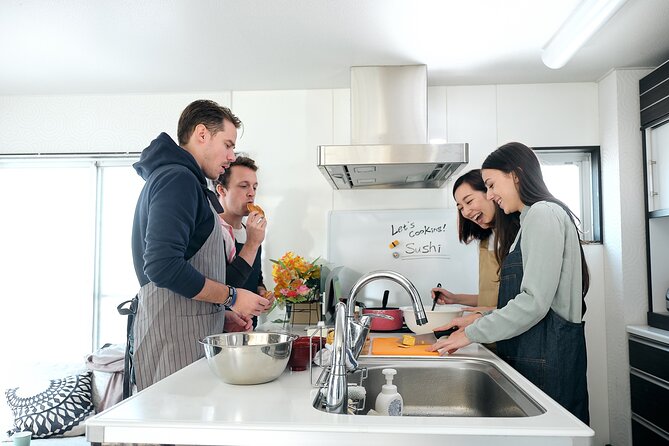
Tokyo offers countless food tours, but many take place in restaurants, markets, or cooking studios built for visitors. This experience takes you into a Japanese home instead. That change of setting matters. You’re not simply learning how a bento is assembled. You’re seeing the domestic side of Japanese food preparation in a personal kitchen.
The meal is also practical. A bento is not just a restaurant dish. It is a compact homemade lunch, arranged carefully so that several foods fit neatly into one box. Preparing one gives you a clearer sense of everyday Japanese eating habits than simply ordering a beautifully presented meal.
Your guide acts as the bridge between you and the host. English translation is included, along with cultural explanations and hands-on help. That makes this a good choice if you want a local experience but do not speak Japanese well enough to follow kitchen instructions on your own.
The second half adds an unusual social touch. After cooking, you’ll walk with the guide to a nearby park and shrine, meet Ginta, and eat the bento you made. The Shiba Inu is not a decoration for the tour. He is part of the picnic experience, with time set aside for photos and interaction.
More cooking classes in Tokyo:
- Ramen & Gyoza Cooking Class in Tokyo with Local Supermarket Visit
★ 5.0 · 823 reviews - Tokyo: Easy Ramen Cooking Experience in Kabukicho, Shinjuku
★ 4.6 · 321 reviews - Ramen and Sushi Cooking Class with Sake Pairing Set in Tokyo
★ 5.0 · 291 reviews
Meeting at Iidabashi Station at 10:00
The morning begins at the West Exit of Iidabashi Station. The stated meeting address is 4-chōme-9-5 Iidabashi, Chiyoda City, Tokyo 102-0072, and the tour ends back at the meeting point.
Iidabashi is a useful starting place because the activity is near public transportation, and you do not need to arrange a taxi or private transfer. The experience includes escorting you between the station, the home, and the picnic location, but it does not include private transportation.
You’ll want to arrive ready to start at 10:00. This is a timed morning, not a drop-in class. If you are coming from another part of Tokyo, allow enough time to find the correct station exit and meeting spot. Tokyo stations can be large and confusing, and a late arrival could cut into your cooking time.
The tour is private, so you participate only with your own group. That gives the guide more flexibility to answer questions and help you through the recipe. It also makes the experience a better fit for families, couples, or friends who prefer not to cook beside a large class of strangers.
Cooking a bento in a local kitchen
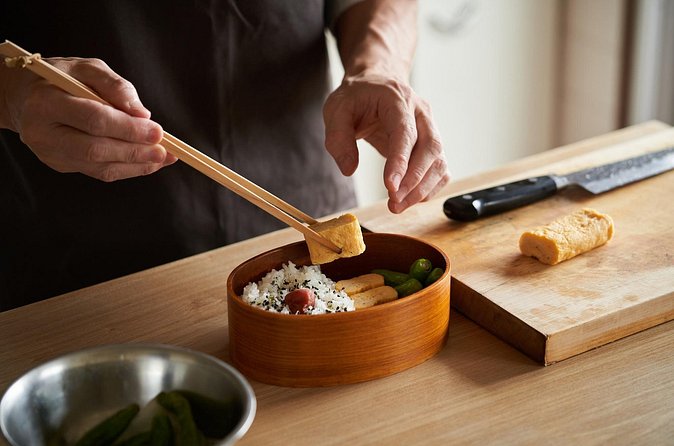
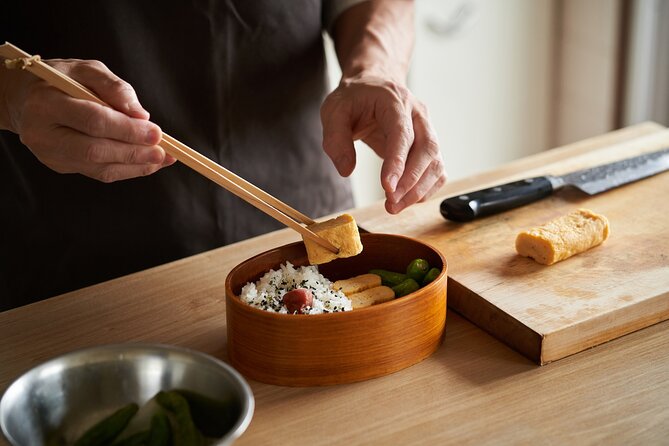
The cooking portion lasts about 90 minutes. Aprons and cooking caps are provided, along with hand sanitizer and vinyl gloves. Ingredients, a recipe, and the bento box are included, so you do not need to shop for anything before arriving.
The local host guides you through the preparation in her kitchen while your English-speaking guide translates. You can expect the guide to explain each step and offer cultural context as you work. The setup is more personal than a standard cooking lesson, although the available details do not list the exact dishes or ingredients used on the day.
That missing menu information is worth noting. If you have allergies, dietary restrictions, or strong food preferences, ask the provider about them before booking. The tour promises a traditional handmade bento, but it does not specify vegetarian, vegan, halal, gluten-free, or allergy accommodations.
The appeal is in making the meal yourself. A pre-packed bento may look perfect, but preparing your own helps you understand how the foods are portioned and arranged. You also get to see the difference between simply following a recipe and learning from someone who prepares this kind of food at home.
You do not need to be an experienced cook. The available feedback describes the steps as easier than expected, with the instructor walking participants through the process. That does not mean the class is effortless, but it does suggest that the guide is there to keep beginners moving rather than leave them to figure things out alone.
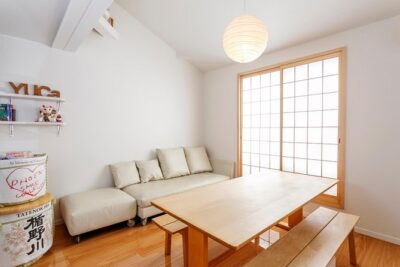
The kitchen setting also has limits. A private home is not the same as a large, purpose-built cooking school. You may have less space, fewer workstations, and a more informal rhythm. For me, that is part of the charm, but anyone seeking a polished professional classroom should know what kind of experience this is.
What a homemade bento teaches you

A bento is a lesson in balance and presentation. Several small portions share one container, and the arrangement matters as much as the cooking. The box encourages you to think about color, shape, texture, and how food travels from kitchen to picnic.
The cultural value comes from the setting. You’re learning in a home, not just hearing a guide describe Japanese domestic life from a street corner. The host’s kitchen provides a direct look at an ordinary part of living in Japan, even though a short visit cannot represent every Japanese household.
You may also pick up small habits that are easy to miss in a restaurant. The experience is designed to include cultural commentary, and the provider’s other food activities include explanations of Japanese dining manners. For this bento tour, the confirmed focus is cooking and picnic dining, so you should regard any etiquette guidance as an added explanation rather than a separate formal lesson.
Once the food is ready, your bento box becomes yours to keep. That adds real value to the $150 price because you receive a practical reminder of the activity, not just a meal that disappears at lunchtime.
A few more Tokyo bookings worth comparing
- Mt Fuji and Hakone 1-Day Bus Tour Return by Bullet Train
★ 5.0 · 26,383 reviews - 1-Day Tokyo Bus Tour
★ 5.0 · 14,250 reviews - Tokyo: TOKYO SKYTREE® Admission ticket
★ 4.5 · 11,192 reviews - Tokyo: teamLab Planets TOKYO Digital Art Museum Entry Ticket
★ 4.6 · 9,779 reviews
Walking to the park and shrine
At about 11:30, the group leaves the home and walks for roughly 15 minutes to the picnic location. The destination is described as a nearby park and shrine, with Kitanomaru Park appearing in the available experience details.
This short walk gives the morning a natural change of pace. You move from the kitchen to an outdoor setting without spending time on a long transfer. The shrine and park also provide a calmer place to eat than a crowded restaurant or a busy station area.
You should keep the walking portion in proportion. This is not a major sightseeing walk or a shrine tour with a long historical explanation. The location serves as the setting for lunch and time with Ginta. If your main goal is detailed shrine history, you’ll need a separate visit elsewhere.
The walk may be especially pleasant after cooking. You’ll have a completed lunch in hand, and the shift outdoors keeps the experience from feeling like three hours in one room. The tour ends at the station after the picnic, so you can continue sightseeing in central Tokyo afterward.
Picnic time with Ginta
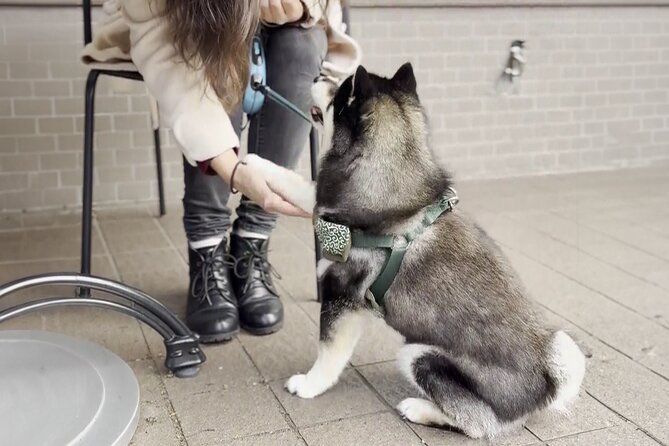
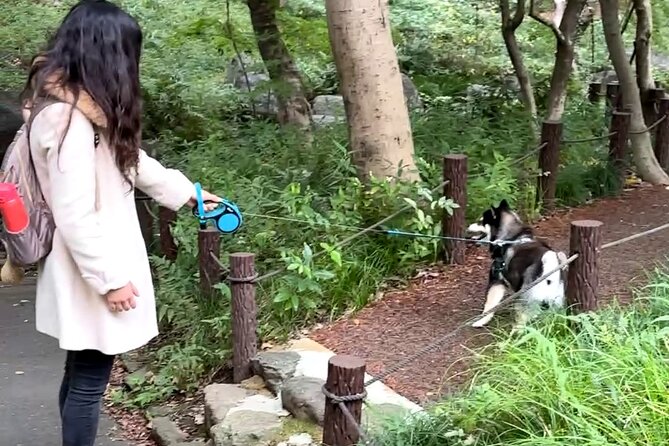
The picnic lasts about an hour, from approximately 11:45 to 12:45. You’ll open the bento you made, eat outdoors, and spend time with Ginta, the Shiba Inu.
This is the part most likely to appeal to dog lovers and families. Shiba Inu dogs are closely associated with Japan, but seeing one in a real local setting is different from spotting a dog briefly on the street. The planned time allows you to relax, take photos, and enjoy the animal without rushing through a single posed picture.
The guide takes photos during the experience and sends digital copies afterward at no additional charge. That is useful because your hands will be occupied with food, the dog, or both. Still, remember that an animal is an animal. Ginta’s mood and energy may affect how much interaction is possible on the day. The description promises time with him, not unlimited handling or a guaranteed set of poses.
The picnic location is also weather-sensitive. The supplied information does not explain what happens during rain or extreme heat, so ask the provider about weather arrangements if you are booking during an unsettled season. The activity is built around an outdoor picnic, and that is an important part of the experience rather than a minor extra.
Is $150 a fair price?
At $150 per person, this is not a budget lunch. You are paying for more than ingredients and a meal. The price covers a private three-hour activity, a local host, bilingual guide support, cooking instruction, an apron and cooking supplies, the bento box, the picnic, photos, and liability insurance for injury and damage at visited sites, excluding intentional acts.
The private format is the biggest factor in the value. A large group cooking class might cost less, but it would not offer the same home setting or the same amount of translation and personal assistance. If you value direct contact with a local host, the price is easier to justify.
The bento box and digital photos also help. You leave with a physical souvenir and images of the morning. The lunch itself is part of the activity, rather than an extra restaurant bill.
The price makes less sense if you mainly want to eat a bento cheaply, visit a shrine, or take a quick photo with a dog. You can pursue each of those things separately for less. This tour earns its cost through the combination of home cooking, cultural explanation, private guiding, and the unusual picnic setting.
There is also a limited-time 20 percent discount for people willing to be photographed for the provider’s website, complete a survey, and write a review. Read those conditions carefully. The reduced price is tied to those commitments, so it is not simply a general discount with no strings attached.
Who will enjoy this most
I would recommend this experience to someone who wants a personal introduction to Japanese home cooking rather than a formal culinary course. It suits couples, small families, and friends who enjoy food, dogs, and relaxed cultural encounters.
It is also a strong option for first-time visitors who want an activity with English support. You can ask questions as you cook, and the guide handles translation between you and the host. That removes much of the uncertainty that can come with entering a local home.
Families should find the format appealing, especially if children enjoy animals and hands-on activities. The 90-minute kitchen portion requires attention, though, so very young children may need close supervision. The available information does not state a minimum age, so confirm age rules before booking.
The tour may appeal less to serious cooks looking for advanced techniques. The focus is on making a traditional bento with guidance, not on professional knife skills, specialized equipment, or a long culinary curriculum. The exact menu is also not provided in advance.
Dog lovers should keep their expectations sensible. Ginta is a key part of the picnic, but the experience is still a cooking tour first. You should choose it because you want both activities, not only because you hope for an extended dog encounter.
Practical points before you reserve
The activity lasts about three hours and begins at 10:00. You’ll return to the station around 12:45, giving you much of the afternoon for other Tokyo plans.
The tour is mobile-ticket based, and booking confirmation is provided at the time of reservation. Keep the ticket details easy to access on your phone, especially while navigating the station.
The group description needs a quick check. The overview describes a private tour for 2 to 4 people, while the additional wording says the experience is limited to 2 to 6 participants. Since group size affects the feel of a home-based activity, confirm the exact maximum for your booking.
The experience is non-refundable and cannot be changed after booking. That is the biggest practical risk. Avoid reserving it on a day when your schedule depends on a flight, uncertain train connection, or another activity that may shift.
The provider supplies an apron, cooking cap, sanitizer, gloves, ingredients, recipe, and bento box. You are escorted between the meeting point and activity locations, but private transportation is not part of the package.
Should you book this bento and Shiba Inu picnic?
Book it if you want a small, personal Tokyo experience built around home cooking and local contact. The combination of a Japanese kitchen, English translation, a handmade lunch, a shrine-side picnic, Ginta the Shiba Inu, photos, and a take-home bento box gives the morning a clear identity.
Skip it if you need a flexible booking, have strict dietary requirements that have not been confirmed, or want a detailed sightseeing tour of the shrine and park. The $150 cost is fair for a private cultural activity with several included extras, but it is too high if you view it as only a lunch.
For the right person, this is a memorable way to spend a Tokyo morning. You make the food, carry it outside, and eat it in a setting that connects everyday Japanese life with one of the country’s most recognizable dog breeds. Just confirm the group size, menu, dietary arrangements, and weather plan before committing to the non-refundable booking.
FAQ
Where does the tour begin?
The tour begins at 10:00 at the West Exit of Iidabashi Station. The stated meeting address is 4-chōme-9-5 Iidabashi, Chiyoda City, Tokyo 102-0072, Japan.
How long does the experience last?
The full experience lasts approximately three hours. Cooking runs from 10:00 to 11:30, the walk takes about 15 minutes, the picnic runs from approximately 11:45 to 12:45, and the guide then escorts you back to the station.
Is the tour private?
Yes. Only your group participates. The supplied information describes the experience as limited to a small group, with both 2 to 4 and 2 to 6 participants stated in different sections. Confirm the exact maximum when booking.
Is an English-speaking guide included?
Yes. A bilingual English and Japanese guide provides translation, cultural commentary, and assistance during the cooking and picnic portions.
What is included in the price?
The price includes the bento-making lesson, ingredients, recipe and guidance, apron, cooking cap, hand sanitizer, vinyl gloves, bento box, guide service, digital photos, and liability insurance for injury and damage at visited sites, excluding intentional acts.
Can I cancel or change my reservation?
No. The experience is non-refundable and cannot be changed for any reason. If you cancel or request an amendment, the amount paid will not be refunded.
New on our Tokyo list
- Sumi-e Experience in a relaxing green tea shop in Tokyo★ 5.0 · 3 reviews
- Tokyo : Kamikaze Street Drift Ride★ 5.0 · 3 reviews
- Private Zen Meditation in English in Shinjuku, Tokyo★ 5.0 · 3 reviews
- Onsen Spa in Tokyo and Asakusa Bar Hopping with Local Guide★ 5.0 · 3 reviews
- Easy for everyone! Now you can play handmade mini shamisen and show off to everyone! Musical instruments, sweets and live music★ 5.0 · 3 reviews
- Tokyo: Private Tsukiji Street Food & Sake with Local Guide★ 5.0 · 3 reviews
- Mt Fuji Exploration Tour with Free Japanese Kusa Mochi from Tokyo★ 4.5 · 3 reviews
- Tokyo Tsukiji Fish Market Walking and Exploring Hidden Gems Tour★ 5.0 · 3 reviews
Japanese Cooking Classes, compared.
Ramen & Gyoza Cooking Class in Tokyo with Local Supermarket Visit
Read our review →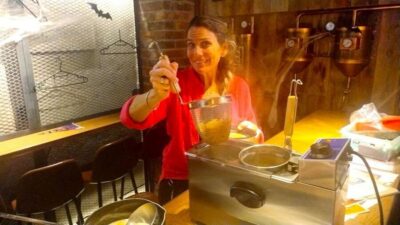
Easy Ramen Cooking Experience in Kabukicho, Shinjuku
Read our review →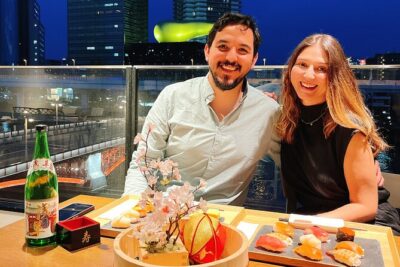
Ramen and Sushi Cooking Class with Sake Pairing Set in Tokyo
Read our review →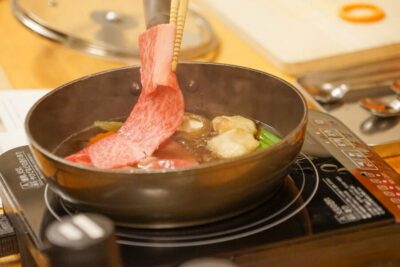
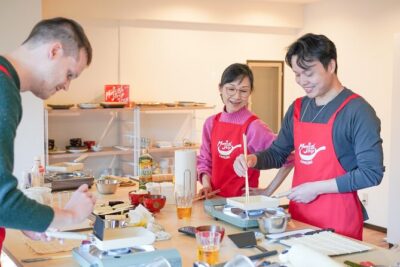
Tokyo Washoku 4-hour Cooking Class: From Market to Table
Read our review →
TokyoSumoShow, ChickenHotPot, and Mochi-Pounding by Pro Wrestlers
Read our review →
Professional Ramen & Gyoza with Ramen Chef in a restaurant!
Read our review →
Small-Group Wagyu Beef and 7 Japanese Dishes Tokyo Cooking Class
Read our review →Browse the lists this tour appears in