
Reviewed · SAMURAI & NINJA EXPERIENCES
Imperial Palace Tour: Discover Samurai History with a Guide
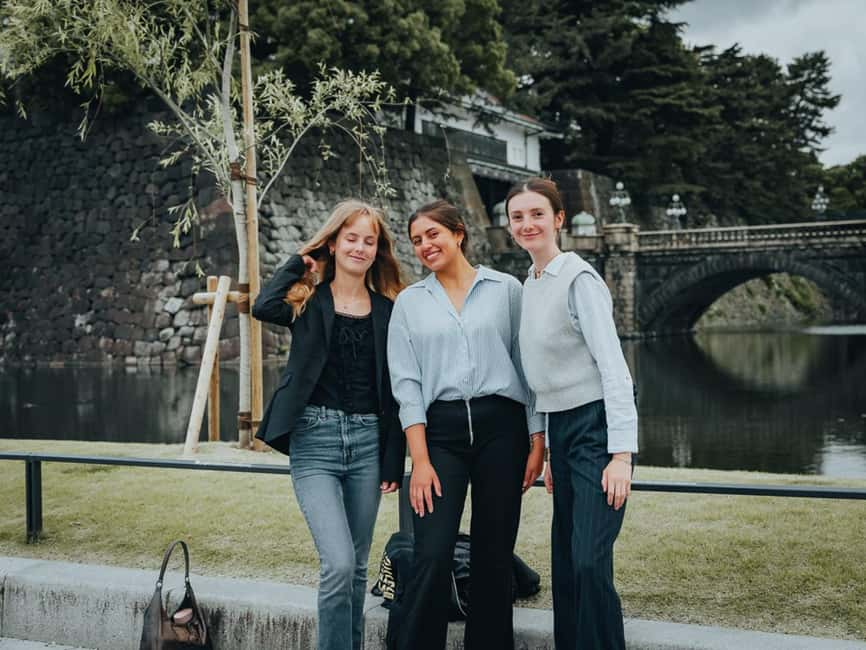
Tokyo’s Imperial Palace East Gardens give you something rare in central Tokyo: a quiet walk through the former stronghold of the Tokugawa shoguns, with Edo Castle ruins tucked among clipped paths and open lawns. The tour connects those stones to samurai power, emperors, and the making of modern Tokyo.
I like the small group of no more than eight, which gives you a fair chance to ask questions. I also like the range of guides, including Hina, Naoki Sugar, Delfo, Taku, and Hiroshi, with strong feedback for their warmth, clear explanations, and Spanish or other language skills. The main caution is timing: the experience is sold as 90 minutes, while the stated visits total about 100 minutes and some descriptions call it two hours, so check the exact schedule before booking.
In This Review
- Key points at a glance
- Why Edo Castle matters more than the palace name suggests
- Meeting at Starbucks by Wadakura Fountain Park
- The first 30 minutes around Tokyo Imperial Palace
- Seventy minutes among East Gardens and castle ruins
- What the small group adds for $24
- Language choices and guide style
- Timing: plan around the 90-minute claim
- Who will get the most from this walk
- Simple preparation for the palace grounds
- Should you book the Imperial Palace tour?
- FAQ
- Where does the Imperial Palace tour begin?
- Where does the tour finish?
- How long does the tour last?
- What language can I take the tour in?
- What landmarks will I see?
- How many people are in the group?
- Is the tour wheelchair accessible?
- What should I bring?
Key points at a glance
- Walk through former Edo Castle grounds: See the Tenshudai base, old gates, stonework, and the Tatsumi Yagura watchtower.
- A guide gives the stones a story: Learn how samurai rule, the Tokugawa shogunate, and the imperial court shaped Tokyo.
- Small groups matter here: With a maximum of eight people, you get more room for questions and personal attention.
- Meet at a clear city landmark: Find the guide in front of Starbucks at Wadakura Fountain Park, holding a YURAGI signboard.
- Good value at $24: The fee covers a professional local guide, with no separate entrance charge listed.
- Choose from three languages: Tours are offered in English, Spanish, and French.
Why Edo Castle matters more than the palace name suggests
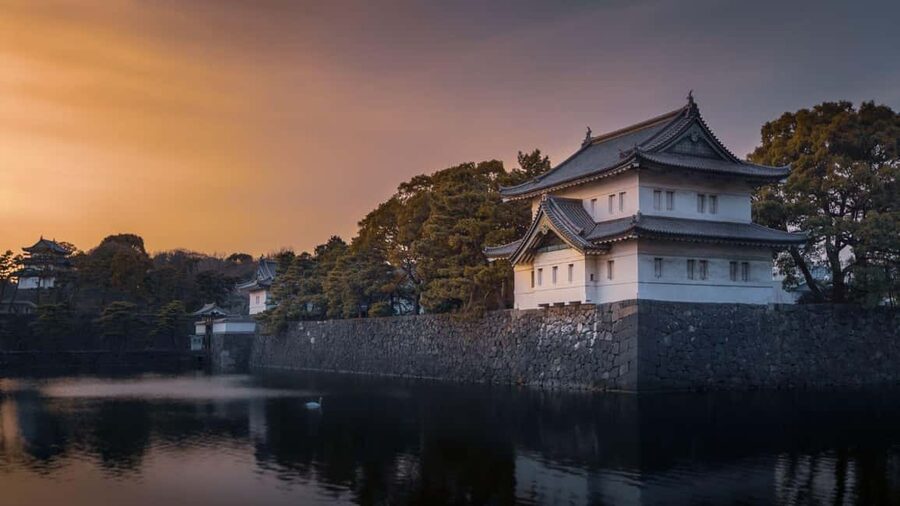
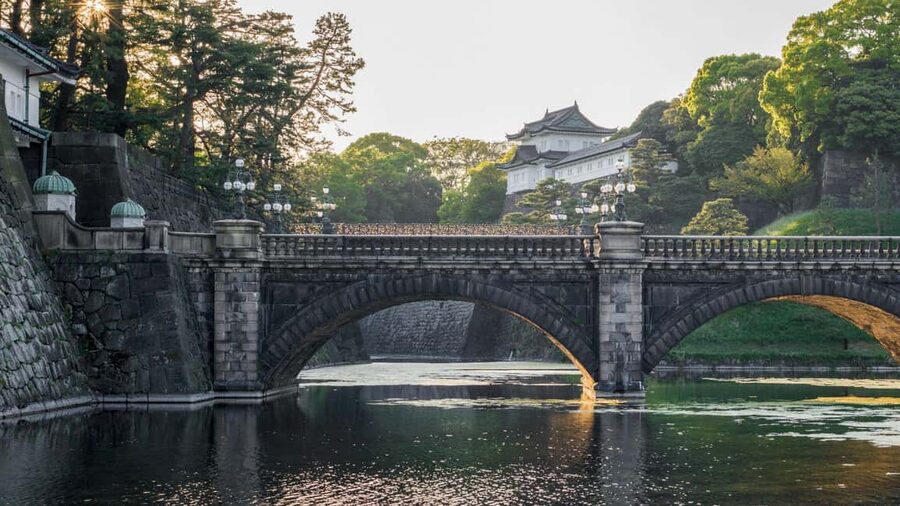
Many people hear Imperial Palace and picture a royal residence, perhaps with grand interiors and rooms open to the public. That is not what this walk provides. The appeal is the former Edo Castle site around the East Gardens, where the visible remains are mainly foundations, gates, towers, walls, and carefully maintained grounds.
That difference matters. You are not touring a furnished palace. You are reading Japan’s political past from the ground itself. A guide helps you understand why a broad stone base or defensive tower mattered, and why this location became the center of power under the Tokugawa shogunate.
I find this kind of visit more useful than a quick photo stop. The ruins are not always self-explanatory, especially if you do not already know the difference between the emperor’s role and the shogun’s military government. A good explanation turns plain stonework into a map of who controlled Japan and how that power was organized.
The setting also gives you a break from Tokyo’s hard edges. Within a short walk of major transport links, you get paths, gardens, old masonry, and open space. The tour is still firmly in the city, but its pace feels calmer than a standard downtown sightseeing walk.
More samurai and ninja sessions:
- Tokyo: Samurai Ninja Museum Guided tour and Experience
★ 4.6 · 1,010 reviews - Tokyo: Samurai Sword & Archery Class from Samurai Descendant
★ 5.0 · 603 reviews - Best Samurai Experience in Tokyo
★ 5.0 · 458 reviews
Meeting at Starbucks by Wadakura Fountain Park
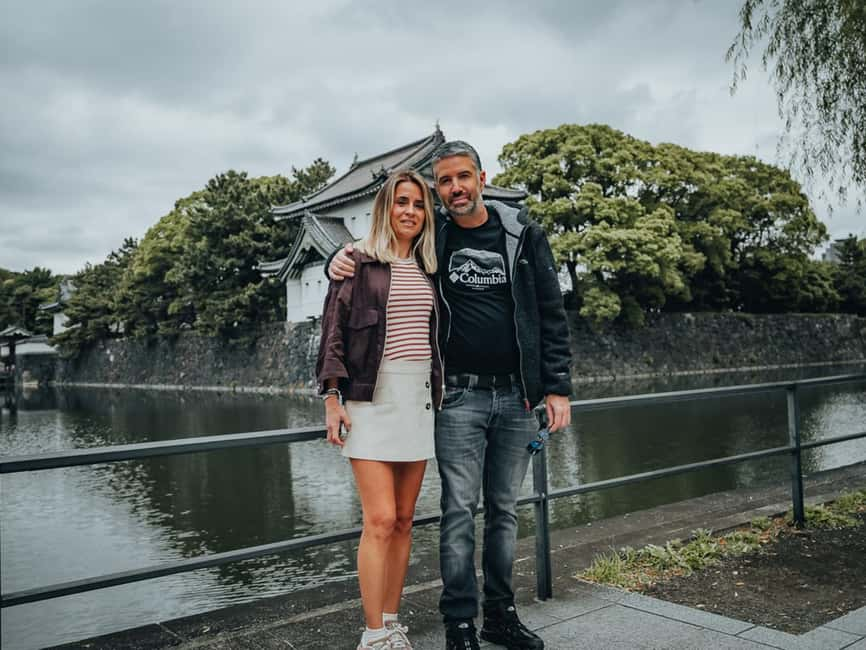
The tour begins at Starbucks Coffee Imperial Palace Gaien Wadakura Fountain Park, written in Japanese as スターバックス コーヒー 皇居外苑 和田倉噴水公園店. Your guide waits in front of the cafe with a sign for the inbound tour service YURAGI.
This is a practical meeting point because it gives you a recognizable landmark rather than an anonymous street corner. I would still arrive with enough time to orient yourself. Large Tokyo stations and palace-area paths can make a short final walk feel longer than expected, especially if you are carrying luggage or trying to read a map on your phone.
Look for the YURAGI signboard, not just a person who appears to be waiting. If you cannot find the guide, direct contact is available by WhatsApp or phone. Keep your confirmation and contact details easy to reach before you leave your hotel.
The route returns to the same Starbucks location. That is handy for a simple onward plan: coffee, a station, another central Tokyo sight, or a meeting point for the rest of your day.
The first 30 minutes around Tokyo Imperial Palace
The itinerary allows about 30 minutes at Tokyo Imperial Palace before the longer East Gardens portion. This part helps place the garden walk in the wider imperial setting.
You should expect an exterior-oriented experience rather than access to private palace rooms. The focus is on the grounds, approach, history, and the role of the palace area in Japan’s modern capital. Your guide can connect the visible setting to the earlier Edo Castle site, helping you see the change from shogunal headquarters to imperial center.
This is where the guide’s style can make the biggest difference. The raw facts are easy to find, but the connections are harder. A strong guide can explain how samurai government, imperial authority, and Tokyo’s growth fit together without turning the walk into a string of dates.
Recent guide names associated with this experience include Hina, Naoki Sugar, Delfo, Taku, and Hiroshi. Hina is noted for being pleasant, accommodating, and clear about the Edo period. Naoki Sugar is suited to Spanish-speaking visitors, while Delfo is described as warm and thorough in Spanish. Taku is praised for answering questions and adding facts about the site, and Hiroshi for a friendly, prepared approach.
Those details point to an important benefit of booking a guided walk instead of going alone. You are not only looking at the palace grounds. You are choosing someone who can adjust the explanation to your questions and language.
Seventy minutes among East Gardens and castle ruins
The East Gardens take up the largest part of the route, with about 70 minutes allocated to this section. This is the heart of the experience.
You walk along maintained paths past old gates, stone remains, and castle-era structures. The two named landmarks are the Tenshudai base and Tatsumi Yagura. Each offers a different way to understand Edo Castle.
The Tenshudai base is the stone foundation connected with the castle’s main keep. You will not see a standing wooden keep rising above Tokyo. Instead, the base shows the scale and defensive ambition of the former structure. This is a good place to listen closely, because a guide can explain what the foundation tells you about the castle even when the most dramatic building is gone.
Tatsumi Yagura is a watchtower structure with a more recognizable vertical form. It helps you picture how castle defenses worked, with towers placed to watch and protect key areas. The contrast between the low stone base and the surviving tower makes the site easier to understand than a collection of ruins viewed in isolation.
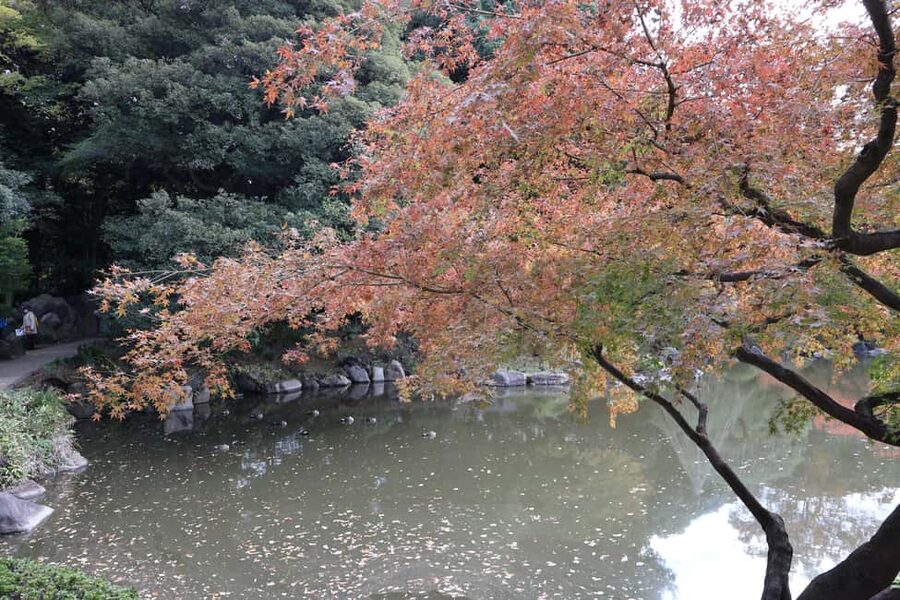
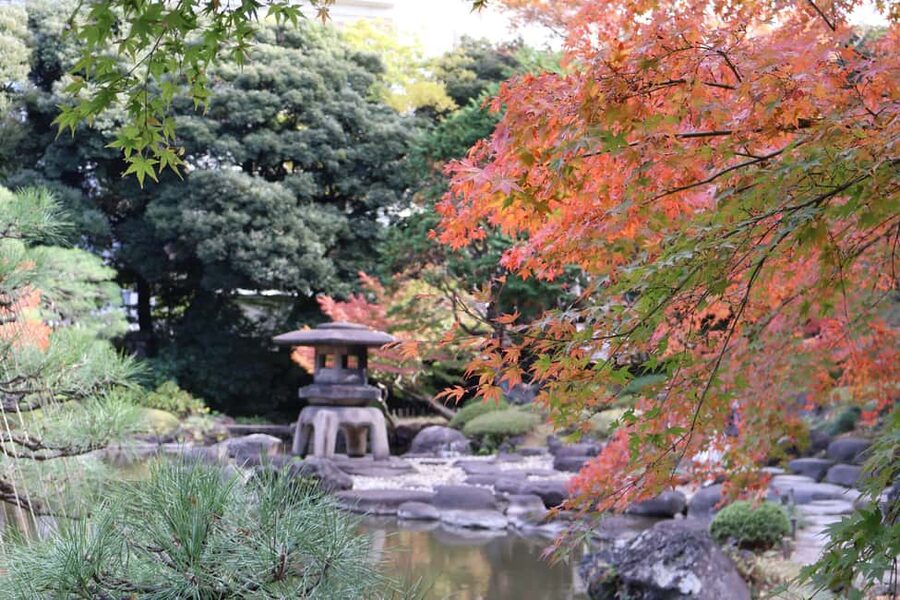
The gardens themselves are part of the pleasure. The maintained paths soften the military character of the walls and foundations. You move between historical remains and planted spaces, which keeps the walk from feeling like a dry archaeology lesson.
I would give the guide your questions early. Ask about the samurai class, the Tokugawa shogunate, the emperor, or the change from Edo to Tokyo. The advertised subject range is broad, and a small group gives you a better chance to steer the conversation toward the period that interests you most.
The route is walking-focused, so comfortable shoes are essential. Bring water and a camera. The grounds may feel easy at first, but you should be ready to walk for the full duration on outdoor paths. The activity is identified as wheelchair and stroller accessible, and service animals are allowed, but the stated guidance also says it is not suitable for people with low fitness levels or pregnant women. If either point affects you, confirm the route and conditions before paying.
A few more Tokyo bookings worth comparing
- Tokyo: Imperial Palace and Shogun Historical Walking Tour
★ 5.0 · 2,251 reviews - Tokyo: Imperial Palace Japanese History Walking Tour
★ 4.9 · 987 reviews - Tokyo: Shinjuku Historical Walking Tour & Secret Backstreets
★ 5.0 · 530 reviews - Yanaka Walking Tour: Historic and Traditional District of Tokyo
★ 5.0 · 530 reviews
What the small group adds for $24
At $24 per person, this is a modestly priced way to add historical context to a central Tokyo visit. The price covers a professional local guide. No separate exclusions are listed, though you should not read that as a promise that food, drinks, transport, or personal purchases are included. The supplied details identify the guide as the included service.
The value depends on what you want from the palace grounds. If you only need a peaceful walk and a few photographs, you can explore on your own and spend less. If you want to understand the politics behind the stones, $24 is reasonable, particularly with a group capped at eight.
Small groups are especially useful at sites where the important details are easy to miss. You can ask why a gate was placed in a certain position, how a tower worked, or what changed after the shogunate. One person’s question often improves the walk for everyone else.
One recent booking had both a guide and a trainee, giving the group extra attention. That may not happen on every departure, so I would not count on it, but it shows how the limited group size can make the experience feel more personal than a large coach tour.
The strongest pattern in the guide feedback is not flashy entertainment. It is courtesy, clear teaching, and willingness to answer questions. That is exactly what you need here. The palace grounds reward patience and context more than speed.
Language choices and guide style
Live guiding is available in English, Spanish, and French. Language choice can shape the whole experience, especially when the subject includes Japanese political titles, social ranks, and changes in government.
Spanish-speaking visitors have specific guide options in the reported feedback. Naoki Sugar is described as speaking Spanish well and explaining the subject clearly. Delfo is also praised for an informative, warm, and courteous Spanish-language tour.
English-speaking visitors can expect guides such as Hina, Taku, and Hiroshi to lead at different times, though the exact guide depends on the departure. Hina is noted for her friendly and accommodating manner. Taku is valued for taking questions seriously, while Hiroshi is described as prepared and pleasant.
I would book this for someone who enjoys asking questions rather than simply following a script. The group size and guide-led format are best used actively. Tell the guide what you already know, and ask for more detail where your interest lies.
Timing: plan around the 90-minute claim
The advertised duration is 90 minutes. The route description also gives 30 minutes at Tokyo Imperial Palace and 70 minutes in the East Gardens, which adds up to 100 minutes. Elsewhere, the experience is described as a two-hour guided walk.
That inconsistency is worth noting because Tokyo plans often depend on tight timing. I would check the available starting time and the expected finish before placing this between a reservation or train connection. Treat the tour as roughly 90 minutes to two hours until the exact departure details confirm otherwise.
The walk begins and ends at the same Starbucks, which makes the timing easier to manage than a one-way route. Still, allow extra time for meeting the guide and returning from the garden paths. A little cushion is wise in any central Tokyo plan.
Who will get the most from this walk
I would choose this tour if you want your first look at the Imperial Palace area to have a clear historical thread. It suits couples, solo visitors, families with older children, and small groups who prefer conversation over a large organized outing.
It is also a good pick if you are curious about samurai government but do not want a full museum visit. The route gives you physical remains to look at while the guide explains the political story.
Language support makes it useful for English, Spanish, and French speakers. The small group is another advantage for anyone who prefers to ask questions without raising a hand in a crowd.
I would hesitate if you want palace interiors, a long free period for photography, or a gentle stroll with almost no walking. This is an outdoor history walk, not a luxury palace visit. The low fitness warning should be taken seriously, even though the activity is wheelchair and stroller accessible.
Weather can also affect comfort. The supplied information recommends water and comfortable shoes, which tells you what kind of preparation matters most. Dress for an outdoor walk and keep your camera ready for the castle remains and garden views.
Simple preparation for the palace grounds
Use the Starbucks at Wadakura Fountain Park as your anchor and look for the YURAGI signboard. Save the guide’s WhatsApp or phone contact before setting out, since finding a person in a busy public area is easier when you can call.
Wear shoes made for walking. Bring water and a camera. If you use a wheelchair or stroller, the activity is marked accessible, but you may still want to confirm the exact route and meeting details in advance.
The tour offers free cancellation up to 24 hours before departure for a full refund. You can also reserve now and pay later, which helps if your Tokyo schedule is still shifting.
Should you book the Imperial Palace tour?
Book it if you want the East Gardens to make sense, not just look pretty. For $24, the guide-led format gives you access to the key Edo Castle remains and a focused explanation of samurai rule, emperors, and Tokyo’s political past.
I especially like it for first-time visitors who want a manageable introduction to Japanese history. The strongest guide feedback centers on Hina’s care, Naoki Sugar and Delfo’s Spanish, Taku’s answers, and Hiroshi’s preparation. The eight-person limit should help keep the conversation open.
Skip it if your priority is entering palace rooms, avoiding outdoor walking, or keeping to a strict 90-minute schedule. Also check the actual departure length because the stated timing varies. For most visitors who want context, a calm walk, and a direct look at Edo Castle remains, this is a sound small-group buy.
FAQ
Where does the Imperial Palace tour begin?
The meeting point is in front of Starbucks Coffee Imperial Palace Gaien Wadakura Fountain Park. The guide holds a YURAGI inbound tour service signboard.
Where does the tour finish?
The walk returns to the same Starbucks location at Wadakura Fountain Park.
How long does the tour last?
The activity is listed as 90 minutes. The route details allow 30 minutes at Tokyo Imperial Palace and 70 minutes in the East Gardens, while another description calls it two hours. Check the exact departure details when booking.
What language can I take the tour in?
Live guiding is available in English, Spanish, and French.
What landmarks will I see?
The route includes the Tokyo Imperial Palace area and the Imperial Palace East Gardens, with Edo Castle remains such as the Tenshudai base and Tatsumi Yagura watchtower.
How many people are in the group?
The tour is limited to eight participants.
Is the tour wheelchair accessible?
Yes. The activity is marked wheelchair accessible and stroller accessible. Service animals are also allowed.
What should I bring?
Bring comfortable shoes, water, and a camera. Contact the guide by WhatsApp or phone if you have trouble finding the meeting point.
New on our Tokyo list
- Sumi-e Experience in a relaxing green tea shop in Tokyo★ 5.0 · 3 reviews
- Tokyo : Kamikaze Street Drift Ride★ 5.0 · 3 reviews
- Private Zen Meditation in English in Shinjuku, Tokyo★ 5.0 · 3 reviews
- Onsen Spa in Tokyo and Asakusa Bar Hopping with Local Guide★ 5.0 · 3 reviews
- Easy for everyone! Now you can play handmade mini shamisen and show off to everyone! Musical instruments, sweets and live music★ 5.0 · 3 reviews
- Tokyo: Private Tsukiji Street Food & Sake with Local Guide★ 5.0 · 3 reviews
- Mt Fuji Exploration Tour with Free Japanese Kusa Mochi from Tokyo★ 4.5 · 3 reviews
- Tokyo Tsukiji Fish Market Walking and Exploring Hidden Gems Tour★ 5.0 · 3 reviews
Samurai & Ninja Experiences, compared.
Samurai Ninja Museum Guided tour and Experience
Read our review →
Samurai Sword & Archery Class from Samurai Descendant
Read our review →
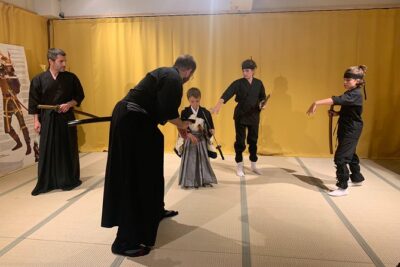
Ninja Experience (Family Friendly) at Samurai Ninja Museum TOKYO
Read our review →
Samurai Entertainment Night Show in Kanda Shrine
Read our review →
Tokyo Sword Experience – includes Museum Ticket/Ninja Experience
Read our review →
Samurai Ninja Museum Asakusa: Samurai Sword Lesson & Tour
Read our review →
Ninja Samurai 2-hour hands-on lesson by Japanese master in Tokyo
Read our review →Browse the lists this tour appears in