
Reviewed · SAMURAI & NINJA EXPERIENCES
Imperial Palace Tour: Discover Samurai History with a Local Guide
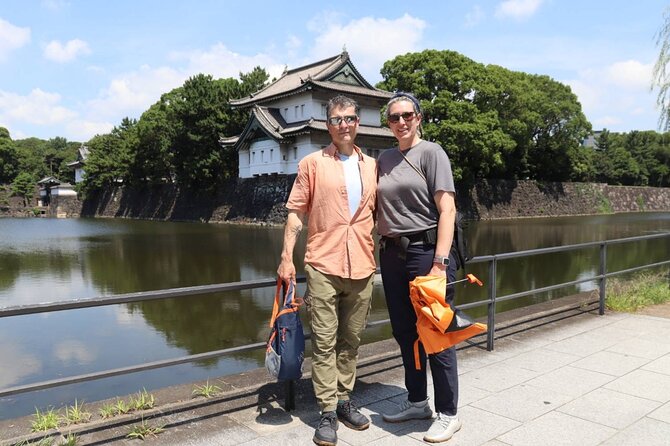
The best part of this tour is the chance to see Edo Castle remains in the middle of modern Tokyo. You walk beside moats, stone walls, old gates, and the Tatsumi Yagura watchtower while a professional guide explains how samurai rule and imperial power shaped Japan.
I like the small maximum group of eight, which gives you a better chance to ask questions. I also like the low price, about $12.90 per person, for a two-hour introduction to one of Tokyo’s most important sites. The main drawback is practical: one visitor had trouble finding the guide at the start, so arrive early and keep the meeting point details close at hand.
In This Review
- Key points at a glance
- Why Edo Castle matters in the middle of Tokyo
- Meeting at Wadakura Fountain Park
- Sakurada Tatsumi Yagura and the surviving castle walls
- Nijūbashi and the palace’s most familiar view
- The East Gardens and Edo Castle’s Tenshudai
- The Imperial Palace and Tokyo’s changing identity
- What the two-hour format gives you
- Is $12.90 good value?
- Who should book this palace walk?
- Should you book the Imperial Palace Tour?
- FAQ
- How long does the Imperial Palace Tour last?
- Where does the tour begin?
- Where does the tour end?
- What areas are visited?
- Is admission included?
- How many people can join the tour?
- Is the tour guided?
- How much does the tour cost?
- Is the tour suitable for people with limited mobility?
- Can I cancel for a full refund?
Key points at a glance
- See surviving Edo Castle structures: Visit the Tatsumi Yagura, Tenshudai, stone walls, gates, and moat-side grounds.
- Walk through the East Gardens: Enjoy a public garden area that combines traditional landscaping with major samurai-era ruins.
- Get a history lesson in place: The guide connects emperors, samurai warriors, the Tokugawa shogunate, and Tokyo’s growth.
- Keep the group personal: The tour accepts no more than eight people, useful for questions and clearer commentary.
- Spend only two hours: This is a focused introduction, not an all-day palace visit.
- Pay a modest price: At $12.90, the tour offers good value if you want context rather than a simple photo stop.
Why Edo Castle matters in the middle of Tokyo

Tokyo can feel defined by glass towers, crowded rail stations, and bright commercial streets. Then you reach the Imperial Palace grounds and the pace changes. Moats and broad stone walls replace the city’s hard edges, while carefully kept paths lead through the former center of samurai power.
This is the setting for the tour. The East Gardens occupy part of the old Edo Castle site, once the stronghold of the Tokugawa shogunate. That fact gives the walk more weight than a standard city stroll. You are not simply looking at attractive gardens. You are walking through the place where political control over Japan was organized for centuries.
The imperial connection adds another layer. The Imperial Palace is the residence of the Emperor of Japan, and the grounds bring together two eras that are often presented separately: the age of shoguns and samurai, and the modern imperial state. A good guide can help you follow that change without reducing it to a list of dates.
At $12.90, the experience is priced as an accessible introduction. You are paying for interpretation and structure rather than admission, since the stops are listed with free entry. That is useful in Tokyo, where a little historical background can make an otherwise quiet stone wall or gate far more meaningful.
More samurai and ninja sessions:
- Tokyo: Samurai Ninja Museum Guided tour and Experience
★ 4.6 · 1,010 reviews - Tokyo: Samurai Sword & Archery Class from Samurai Descendant
★ 5.0 · 603 reviews - Best Samurai Experience in Tokyo
★ 5.0 · 458 reviews
Meeting at Wadakura Fountain Park
The tour begins at Starbucks Coffee in Kokyogaien Wadakura Fountain Park, at 3-1 Kōkyogaien in Chiyoda City. This is a public park setting near the palace grounds and public transportation, but you should still allow extra time to find the exact meeting spot.
The only negative detail in the available feedback concerns the opening minutes. One visitor could not locate the guide at first, though the rest of the tour became interesting and enjoyable. That makes a simple practical tip worthwhile: arrive before the start time, check your booking confirmation, and keep your phone available in case the guide needs to contact you.
The tour ends back at the same meeting point. That makes the experience easy to fit into a Tokyo day, especially if you are planning lunch, shopping, or another attraction in the Chiyoda area afterward.
The walking is moderate rather than extreme, but you should be comfortable on foot for about two hours. The operator recommends a moderate level of physical fitness. Wear shoes you can walk in without complaint, and remember that much of the value comes from moving between several separate historic points rather than staying in one place.
Sakurada Tatsumi Yagura and the surviving castle walls
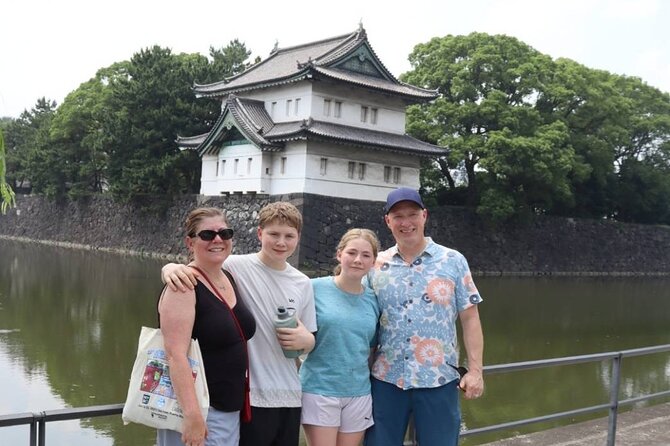
The first major stop is Sakurada Tatsumi Yagura, also called Sakurada Nijū Yagura. This two-story watchtower dates from the Edo period and is one of the few surviving structures connected with the old castle complex.
The tower helps you picture the defensive system that once guarded Edo Castle. A watchtower was not decorative. Its position, height, and strong construction served the practical needs of surveillance and defense. The tour gives you a chance to look at the structure as part of a larger fortress rather than as an isolated old building.
About 30 minutes are allocated here. That is a useful amount of time for a guide to explain the tower, point out details, and connect the site to samurai government. You can also take photographs, though the real value is in understanding why these structures were placed where they were.
The stop is especially good for first-time visitors who know Edo mainly from films, books, or museum displays. Here, the samurai period is not just an idea. It appears in masonry, gates, moats, and military architecture.
Do not expect to tour a fully preserved castle interior. The surviving remains are partial, and the experience is primarily an outdoor walk. If you want grand rooms, museum displays, or a long look inside the imperial residence, this tour will not provide that. Its focus is the visible evidence left on the grounds.
Nijūbashi and the palace’s most familiar view
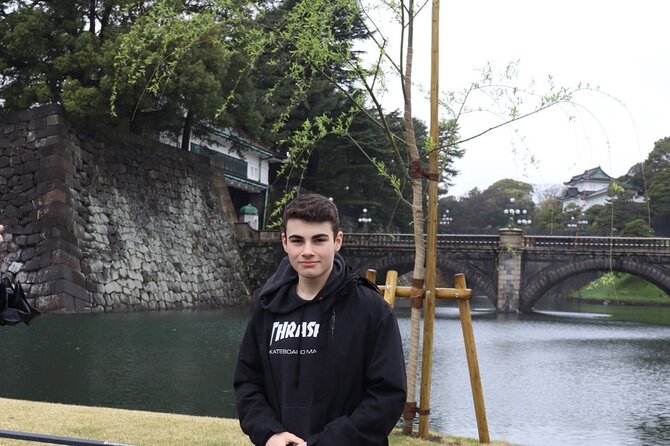
The walk continues to Nijūbashi, often translated as the Two-tiered Bridge. It is one of the best-known views associated with the Imperial Palace, spanning the moat on the approach to the inner grounds.
The bridge’s elegant stone form contrasts with the defensive walls and watchtowers seen elsewhere on the walk. This is one of those places where Tokyo’s ceremonial side comes forward. The setting looks formal and carefully arranged, and the moat helps frame the palace area as a protected seat of power.
The stop lasts about 15 minutes, so expect a shorter pause than at the castle ruins. That is enough for the guide to explain the bridge’s role and for you to take in the view. It also keeps the tour moving at a steady pace.
Nijūbashi is a strong photo stop, but it is more useful when paired with the guide’s historical explanation. Without context, you may see an attractive bridge and a moat. With context, you can better understand the difference between the public approach and the restricted inner grounds.
Because this is a well-known landmark, it may feel more formal and less quiet than the garden sections. The tour does not promise a private viewpoint or exclusive access. Its benefit is that you visit the bridge as part of a larger story about the palace and the city around it.
A few more Tokyo bookings worth comparing
- Tokyo: Imperial Palace and Shogun Historical Walking Tour
★ 5.0 · 2,251 reviews - Tokyo: Imperial Palace Japanese History Walking Tour
★ 4.9 · 987 reviews - Tokyo: Shinjuku Historical Walking Tour & Secret Backstreets
★ 5.0 · 530 reviews - Yanaka Walking Tour: Historic and Traditional District of Tokyo
★ 5.0 · 530 reviews
The East Gardens and Edo Castle’s Tenshudai
The East Gardens are the heart of the walk. Open to the public, they occupy former Edo Castle grounds and combine traditional Japanese garden design with substantial castle remains.
You will see stone walls, gates, seasonal flowers, and carefully maintained paths. These details offer a calmer side of Tokyo, but the gardens are not simply a park break. The stonework and raised areas preserve the scale of the castle that once dominated this part of the city.
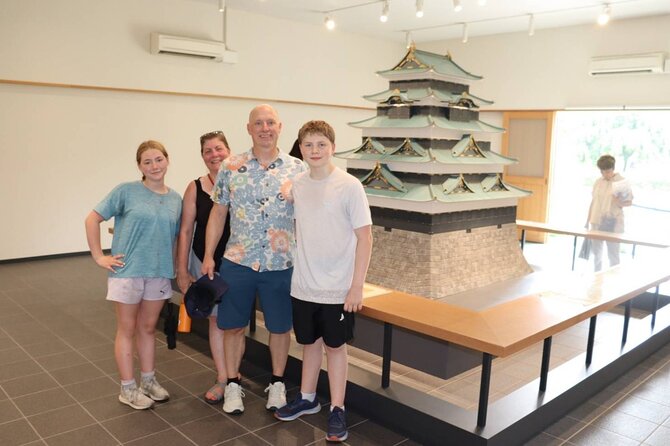
A key feature is the Tenshudai, the former foundation area associated with the castle’s main tower. The remains are a reminder of what has disappeared as well as what survives. A broad stone base can be less immediately dramatic than a standing tower, yet it helps you understand the size and importance of the old complex.
The scheduled time here is about 30 minutes. I see that as enough for an overview, especially if the guide keeps the explanation focused. You can ask questions about the Tokugawa shogunate, samurai culture, and the castle’s role in Japan’s political history while looking directly at the site.
The East Gardens also change with the season because flowers and plantings vary throughout the year. The gardens are maintained in a traditional style, but the tour’s main emphasis is historical rather than botanical. If you are hoping for a specialist garden tour, this may feel too brief. If you want history presented in an attractive outdoor setting, it works well.
The paths make the past easier to grasp. You can see how gates, walls, open spaces, and raised foundations related to one another. The guide’s job is to connect those physical clues to the people who used them, from samurai officials to imperial representatives.
The Imperial Palace and Tokyo’s changing identity
The final stop is the Imperial Palace itself, also allocated about 30 minutes. The palace stands in Chiyoda Ward on the former Edo Castle site and remains the Emperor of Japan’s residence.
This is where the tour brings its themes together. The grounds reflect the old military authority of the Tokugawa shogunate, while the palace represents Japan’s imperial institution. The surrounding city, meanwhile, has grown into a modern capital. You can see all three layers in one compact area.
The tour does not promise entry into the emperor’s private residence. Much of the palace area is restricted, so the experience is based on exterior views, public grounds, moats, walls, and nearby landmarks. That limitation matters if you are expecting an indoor palace visit.
Still, the outside setting is valuable. The palace is not an isolated monument with a single story. It sits within a former fortress, and the remains around it show how political power moved from samurai rule to the imperial era and then into modern Tokyo.
A professional guide can also help you avoid a common mistake: treating the palace as only a ceremonial sight. The tour presents it as part of Tokyo’s long development. That makes the stop useful for visitors who want to understand the city, not just collect another landmark photograph.
What the two-hour format gives you
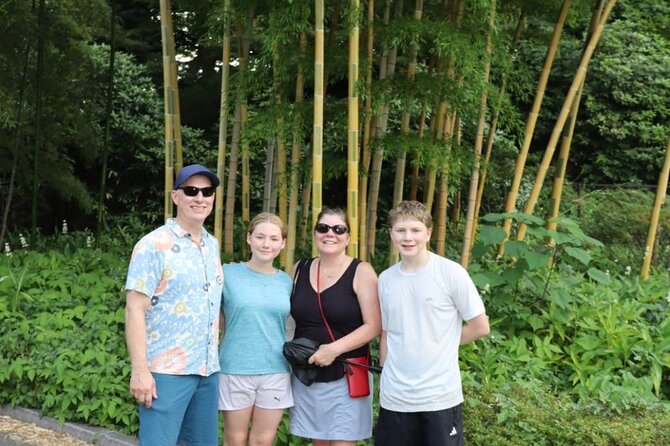
The tour lasts about two hours and covers four main stops. In practical terms, that means each location receives a short, purposeful visit rather than a long period of free exploration.
I like this format for a first day in Tokyo or for a morning between other plans. You get a clear introduction without committing half a day. The route also has enough variety to hold your attention: a watchtower, a famous bridge, garden paths, castle foundations, and the imperial grounds.
The tradeoff is depth. Two hours cannot cover every part of Edo Castle, explain every stage of Japanese history, or give you extended time in the gardens. You should choose this experience for a well-organized overview with live commentary.
The small group helps compensate for the limited time. With a maximum of eight people, the guide can keep the group together and respond to questions more easily than on a large coach tour. You should still stay alert at the meeting point, since the one reported organizational problem occurred before the walk really began.
The tour is conducted on foot, so the experience feels more connected than a bus ride past the palace. You move through the setting at a human pace. That lets you notice the relationship between the walls, moat, gardens, and surviving structures.
Is $12.90 good value?
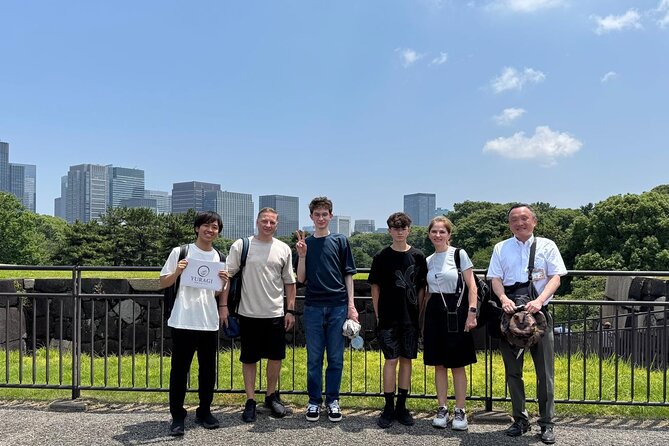
Yes, for the right kind of visitor. At about $12.90 per person, this is an inexpensive way to add structure and historical explanation to a free public area. You are not paying for entry to a special room or an exclusive palace access point. You are paying for a guide to make sense of what you see.
That distinction matters. If you are comfortable reading about Edo Castle beforehand and exploring independently, you can visit the public East Gardens without this tour. The fee becomes worthwhile when you prefer to learn on site, ask questions, and follow a planned route.
The price is also attractive for couples, families, and small groups, particularly because group discounts are available. The maximum of eight keeps the setting more personal, though the exact discount amount is not specified.
The tour earns a strong 4.9 rating from 20 reviews, with 100 percent recommendation shown in the supplied information. One rating was four out of five because of difficulty finding the guide at the beginning, not because the historical walk itself failed. I would treat that as a reminder to prepare for the meeting point rather than as a reason to dismiss the tour.
Free cancellation is available if you cancel at least 24 hours before the start time. Inside that window, the payment is not refunded and changes are not accepted. That is worth noting before you book, especially if your Tokyo schedule is still shifting.
Who should book this palace walk?
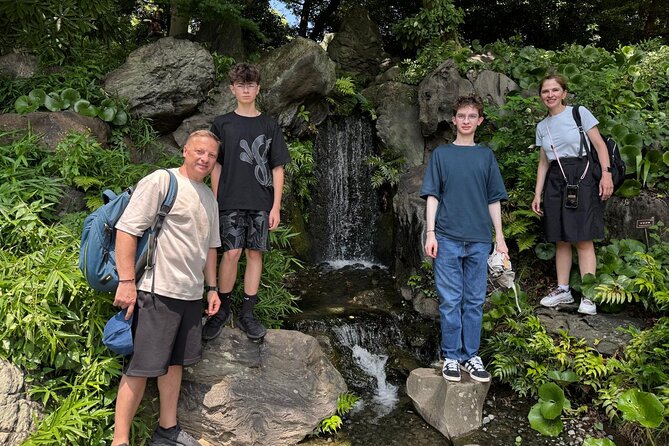
I would recommend it to you if you want a short history lesson tied to real places. It suits first-time Tokyo visitors, people interested in samurai culture, and anyone who wants to understand why the Imperial Palace occupies such a large and important part of the city.
It also fits visitors with limited time. Two hours is enough to see the major points without taking over your day. The return to the original meeting point makes it simple to continue elsewhere afterward.
Families and small groups may appreciate the modest price and eight-person limit. Service animals are allowed, and the location is near public transportation. You should be ready for a moderate amount of walking and outdoor time.
I would choose something else if you want access inside the palace, a long private tour, or a specialist explanation of Japanese gardens. The focus here is the connection between Edo Castle, samurai rule, imperial history, and Tokyo’s growth.
Should you book the Imperial Palace Tour?
Book it if you want an affordable, guided introduction to Tokyo’s political past and prefer seeing history in its original setting. The strongest reasons are the small group, the free public sites made easier to understand by a guide, and the variety of surviving castle features within a compact two-hour walk.
Before booking, plan to arrive early at the Starbucks meeting point in Wadakura Fountain Park. That small step addresses the only clear problem reported about the experience. If you accept that the palace is viewed mainly from public outdoor areas, this tour offers solid value at $12.90 and a useful first look at the forces that shaped Tokyo.
FAQ
How long does the Imperial Palace Tour last?
The tour lasts approximately two hours.
Where does the tour begin?
The meeting point is Starbucks Coffee in Kokyogaien Wadakura Fountain Park, 3-1 Kōkyogaien, Chiyoda City, Tokyo 100-0002, Japan.
Where does the tour end?
The activity ends back at the original meeting point.
What areas are visited?
The tour includes Sakurada Tatsumi Yagura, Nijūbashi or Two-tiered Bridge, the Imperial Palace East Gardens and Edo Castle ruins, and the Imperial Palace area.
Is admission included?
The listed stops have free admission. The supplied information does not identify a separate entrance fee.
How many people can join the tour?
The group can include a maximum of eight people.
Is the tour guided?
Yes. A professional guide leads the walking tour and explains samurai culture, imperial history, Edo Castle, and Tokyo’s development.
How much does the tour cost?
The price is $12.90 per person. Group discounts are available.
Is the tour suitable for people with limited mobility?
The activity recommends a moderate level of physical fitness because it is a walking tour. Specific accessibility details beyond service animals being allowed are not provided.
Can I cancel for a full refund?
Yes, if you cancel at least 24 hours before the experience start time. Cancellations or changes made within 24 hours are not accepted for a refund.
New on our Tokyo list
- Sumi-e Experience in a relaxing green tea shop in Tokyo★ 5.0 · 3 reviews
- Tokyo : Kamikaze Street Drift Ride★ 5.0 · 3 reviews
- Private Zen Meditation in English in Shinjuku, Tokyo★ 5.0 · 3 reviews
- Onsen Spa in Tokyo and Asakusa Bar Hopping with Local Guide★ 5.0 · 3 reviews
- Easy for everyone! Now you can play handmade mini shamisen and show off to everyone! Musical instruments, sweets and live music★ 5.0 · 3 reviews
- Tokyo: Private Tsukiji Street Food & Sake with Local Guide★ 5.0 · 3 reviews
- Mt Fuji Exploration Tour with Free Japanese Kusa Mochi from Tokyo★ 4.5 · 3 reviews
- Tokyo Tsukiji Fish Market Walking and Exploring Hidden Gems Tour★ 5.0 · 3 reviews
Samurai & Ninja Experiences, compared.
Samurai Ninja Museum Guided tour and Experience
Read our review →
Samurai Sword & Archery Class from Samurai Descendant
Read our review →
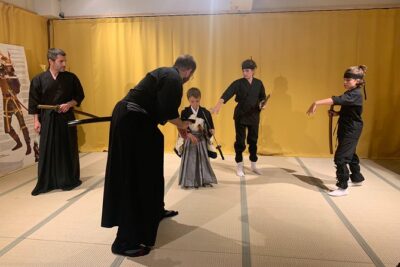
Ninja Experience (Family Friendly) at Samurai Ninja Museum TOKYO
Read our review →
Samurai Entertainment Night Show in Kanda Shrine
Read our review →
Tokyo Sword Experience – includes Museum Ticket/Ninja Experience
Read our review →
Samurai Ninja Museum Asakusa: Samurai Sword Lesson & Tour
Read our review →
Ninja Samurai 2-hour hands-on lesson by Japanese master in Tokyo
Read our review →Browse the lists this tour appears in