
Reviewed · DESSERT TOURS
Japanese Sweets (Mochi & Nerikiri) making at a Private studio
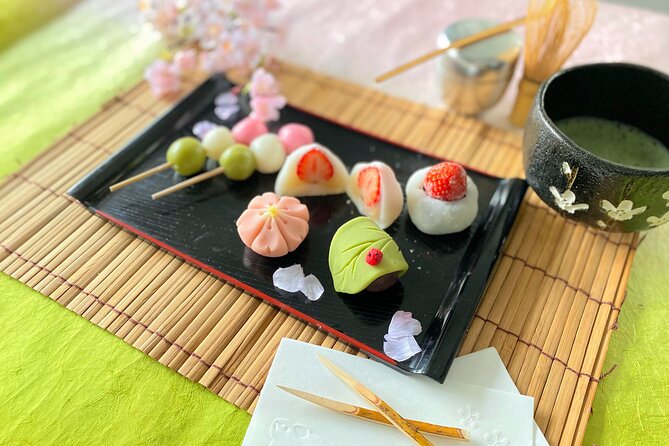
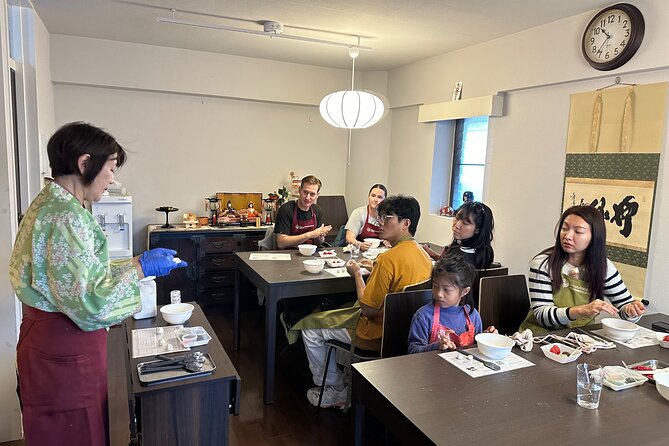
The most special part of this Tokyo class is the setting: you enter a local home, not a large cooking school, and learn wagashi from the person making it beside you. You prepare strawberry daifuku, three-color dango, and seasonal nerikiri, then enjoy your work with matcha.
I like the small maximum of eight people, which gives you room to ask questions and fix a sticky dough problem before it becomes dessert soup. I also like the cultural thread, from seasonal mochi traditions to the meaning of omotenashi, or Japanese hospitality.
The main consideration is the price, $91.96 per person. That is not a cheap snack stop, but it covers a 2.5-hour lesson, tasting, tea, ingredients, an apron, and a recipe sheet. Children under four cannot attend, and observers cannot sit in on the class.
In This Review
- Key points to know before booking
- Why this wagashi class feels different
- Starting with mochi, festivals, and Japanese custom
- Making strawberry daifuku from the dough up
- Rolling three-color dango on skewers
- Shaping seasonal nerikiri by hand
- Finishing with matcha and omotenashi
- What the $91.96 price really covers
- Who will get the most from the class
- Timing, meeting point, and practical planning
- How the teaching shapes the experience
- Should you book this Tokyo wagashi class?
- FAQ
- Where does the Japanese sweets class take place?
- How long does the class last?
- What sweets will I make?
- Is matcha included?
- Are the ingredients suitable for plant-based and gluten-free diets?
- What is the maximum class size?
- Can young children attend?
- Is cancellation free?
Key points to know before booking
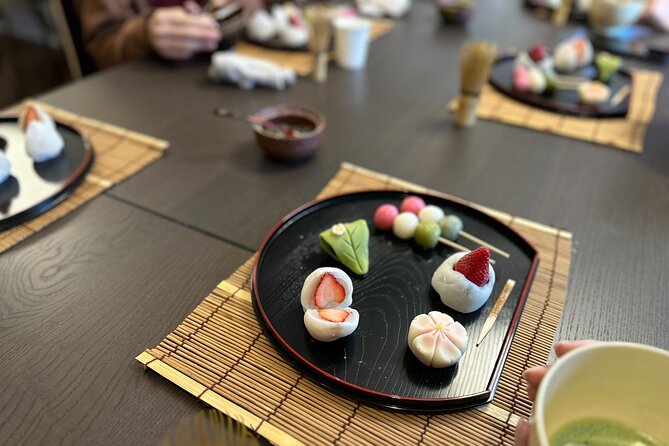
- Three sweets in one class: Make strawberry daifuku, three-color dango, and a seasonal nerikiri wagashi.
- Private-home setting: Meet at a Tokyo residence in Meguro City for a more personal cooking lesson.
- Matcha included: Finish by preparing and drinking matcha with the sweets you made.
- English instruction: The certified nerikiri instructor can explain techniques, culture, and local Tokyo suggestions in fluent English.
- Plant-based and gluten-free: All ingredients are plant-derived and gluten-free.
- Family-friendly, with limits: Children four and older may join, but every participant must take part because observers are not allowed.
Why this wagashi class feels different
Many food activities in Tokyo focus on eating. This one asks you to slow down and make something that usually looks too pretty to touch. Wagashi are traditional Japanese sweets tied to seasons, festivals, tea, and presentation, so the lesson gives you more than a recipe.
You work with the dough, adjust its texture, color it, and shape it by hand. That physical work matters. You begin to understand why a smooth nerikiri flower takes patience, and why a well-made daifuku is more than sweet filling wrapped in rice dough.
The private-home setting adds another layer. You meet at President Meguro Heights in Meguro City, at 1-chome, Meguro 3-16. This is a chance to see a slice of ordinary Tokyo life rather than spending the whole day among major sights and polished commercial venues.
The class is capped at eight people. That is small enough for the instructor to watch your technique and answer questions, though you should still expect a shared lesson rather than a private one-on-one appointment.
A few more Tokyo bookings worth comparing
- Matcha Making Class in Tokyo with Authentic Japanese Sweets Set
★ 5.0 · 744 reviews - Tokyo: Matcha Making Experience with Mochi Sweets in Asakusa
★ 4.9 · 388 reviews - Make Traditional Nerikiri Sweets & Matcha experience in Shibuya
★ 5.0 · 130 reviews
Starting with mochi, festivals, and Japanese custom
The class begins with a short presentation about mochi and its place in Japanese culture. You learn about different kinds of mochi and how certain sweets connect with seasons and festivals.
This introduction gives the cooking a useful frame. Without it, you might simply see white rice dough, red bean filling, and colorful skewers. With it, the shapes and colors begin to make sense as part of a wider food tradition.
The lesson also touches on tea ceremony hospitality. The Japanese idea of omotenashi is not just formal politeness. It is the care shown in preparing, presenting, and sharing food. You see that idea again at the end, when the finished sweets are paired with tea.
The presentation is short, so you will not lose half the class to a lecture. That balance suits a hands-on activity. You get enough background to understand what you are doing, then move quickly to the workbench.
Making strawberry daifuku from the dough up
The first major sweet is strawberry daifuku. You learn the process from the basic dough through filling and shaping, rather than receiving a premade piece to decorate.
Daifuku can look simple, but the texture is unforgiving. The rice dough must be soft and workable without becoming impossible to handle. A patient instructor makes a real difference here, especially if this is your first time working with mochi.
You should expect hands-on mixing, kneading, and shaping. The lesson is designed for beginners, and past teaching experiences show that the instructor takes time to explain each stage. You do not need to arrive with pastry skills.
The strawberry gives the daifuku a fresh center beneath the soft, chewy coating. It also makes a satisfying first project because you can see the sweet take shape fairly quickly. If your wrapping is not perfect, that is part of the fun. Homemade daifuku has a little more personality than a shop display.
Rolling three-color dango on skewers
Next comes three-color dango, the round mochi balls served on skewers. This part adds a different kind of practice. Instead of wrapping one larger filling, you work toward similar-sized balls and arrange them in a traditional color pattern.
The colors are not only decoration. The instructor explains the meaning behind colors and shapes, connecting the visual side of wagashi with Japanese culture. This is one of the class’s strongest details for anyone who wants to understand why Japanese sweets are so carefully presented.
Dango is also a good project for families. Children can take part in rolling and arranging the balls, while the instructor handles any parts that need extra care. The minimum age is four, but children under four are not admitted because of safety concerns.
Keep in mind that every person attending needs to participate. The class does not allow observers to sit nearby, so a parent who wants to watch while a child cooks would need to check the booking arrangement carefully.
Same corner of Tokyo, a completely different plan:
- Mt Fuji and Hakone 1-Day Bus Tour Return by Bullet Train
★ 5.0 · 26,383 reviews - 1-Day Tokyo Bus Tour
★ 5.0 · 14,250 reviews - Tokyo: TOKYO SKYTREE® Admission ticket
★ 4.5 · 11,192 reviews - Tokyo: teamLab Planets TOKYO Digital Art Museum Entry Ticket
★ 4.6 · 9,779 reviews
Shaping seasonal nerikiri by hand
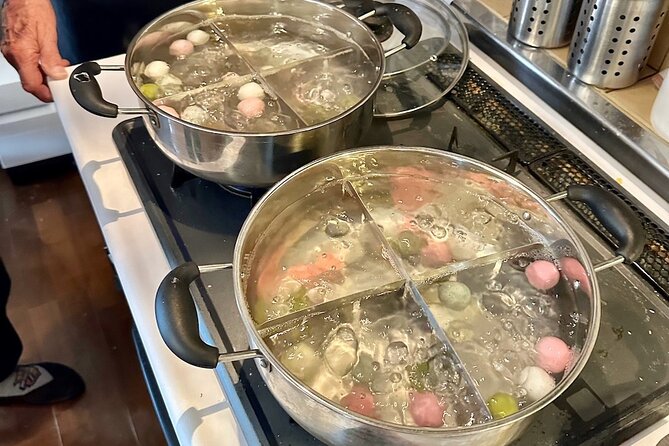
The most artistic part of the class is nerikiri. First, the instructor shows you how to make the nerikiri dough. Then you color and shape your own sweet into a seasonal motif.
This is where the class moves from basic cooking into edible craft. Nerikiri is often formed into flowers, leaves, fruit, or other seasonal designs. The exact motif can vary, but the point is to learn how color, texture, and shape work together.
You will not simply copy a finished sweet without explanation. The instructor demonstrates the method, then lets you try. The process rewards a light touch, and you may need several attempts before the surface looks smooth and the shape holds together.
That makes nerikiri a good reason to choose this class over a quick food demonstration. You gain a skill you can attempt again at home, even if your first flower looks more abstract than botanical.
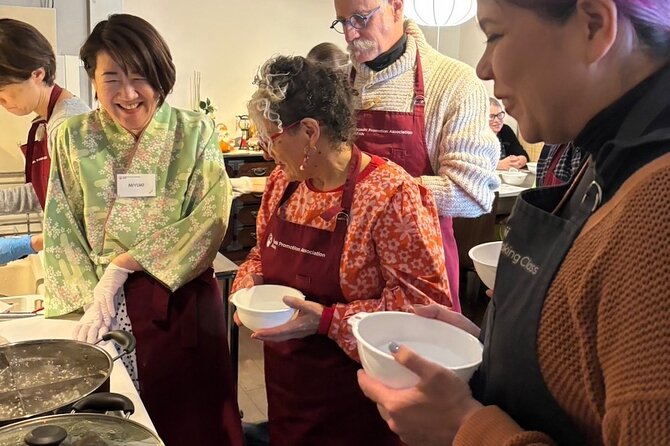
The instructor is a certified Nerikiri Art Instructor and speaks fluent English. Several instructors associated with the class have been praised for careful teaching, including Yukka, Waka, Miho, Satoko, Kaoru, and Miyuki Suyari. Names may vary by session, but the teaching style described for the class is patient and step-by-step.
Finishing with matcha and omotenashi
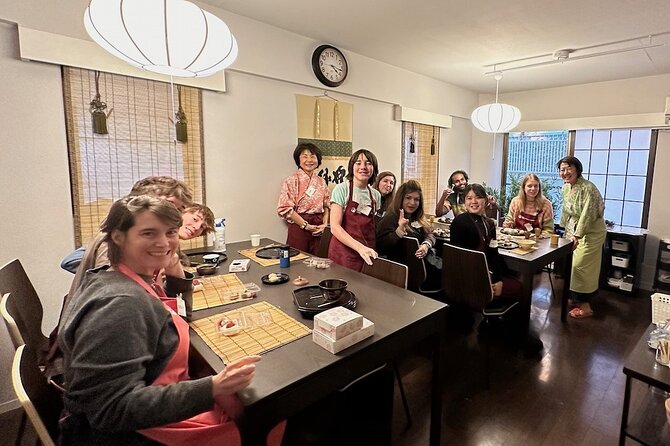
Once the sweets are ready, you taste them with a bowl of matcha green tea. You also learn how to prepare the matcha, so the tea is part of the lesson rather than a drink simply placed in front of you.
This ending works well because wagashi are closely linked with tea. The sweets provide sweetness, while the matcha supplies a bitter, grassy contrast. You get to see how the two are meant to work together.
A short talk about omotenashi and the spirit of chado, or tea ceremony, follows. It is not presented as a full tea ceremony, so book this for a tea-related introduction, not a formal ceremonial performance.
If you do not want caffeine, the inclusions specify matcha or another non-caffeinated tea. Food tasting is included, as are the ingredients used during the lesson.
What the $91.96 price really covers
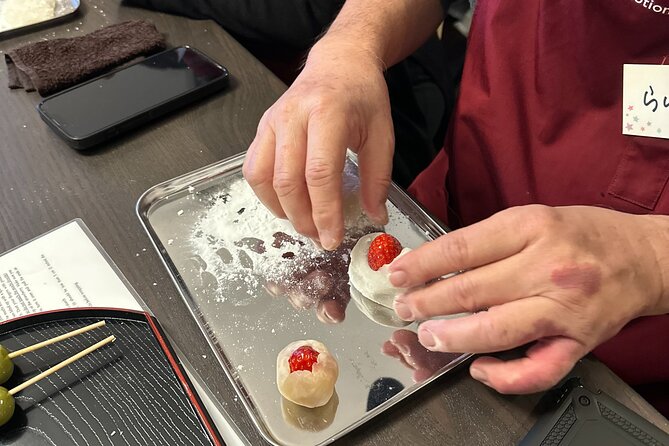
At $91.96 per person, this is a premium cooking activity. You can buy wagashi cheaply in Tokyo, and you can find online recipes for free. The value comes from having an instructor demonstrate the texture, timing, coloring, and shaping in real time.
The fee includes the traditional sweets lesson, tasting, apron use, an English recipe sheet, and matcha or another non-caffeinated tea. You also leave with techniques that can be repeated at home, and some sessions provide access to a video reminder of the process.
The home setting adds value if you care about personal contact. The instructor can answer questions about local life, suggest places to shop, and offer advice on Tokyo sightseeing. One particularly useful part of the experience is learning where to find tools and ingredients for making wagashi at home.
I would see the class as good value for someone who wants a cultural activity with a finished product. It is less appealing if you only want a quick tasting or are trying to keep every Tokyo activity under a tight budget.
Who will get the most from the class
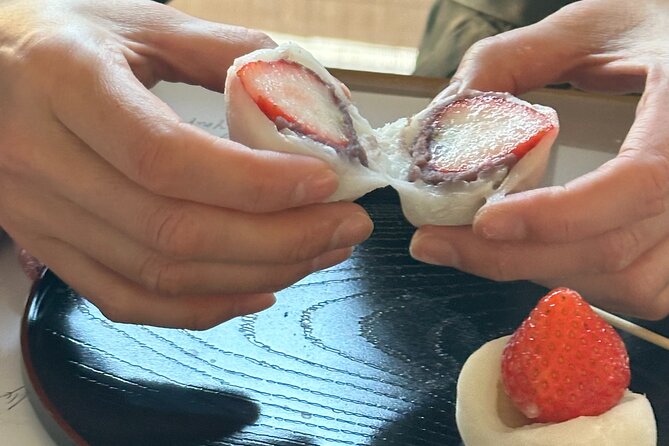
This is a strong choice for families with children aged four and older, couples, and small groups of friends. The class has worked well for children around seven and nine, as well as teenagers, but young participants need to be comfortable following instructions and taking part.
It also suits anyone interested in Japanese food beyond sushi and ramen. Wagashi opens a different door into Japanese culture, one based on seasonality, visual detail, and tea.
You do not need prior cooking experience. The instructor demonstrates each stage, and the class allows time for mixing, kneading, coloring, and shaping. If you are nervous about making something pretty, remember that the lesson is about learning the process, not producing a shop-window masterpiece.
Art-minded visitors may enjoy the nerikiri portion most. Food-focused visitors may prefer the daifuku and dango. Families get a nice mix of both.
The class is not ideal for someone who wants a private tour with no other participants, since as many as eight people may attend. It is also not suitable for a person who only wants to observe.
Timing, meeting point, and practical planning
The activity lasts about two hours and 30 minutes. You can choose a morning or afternoon class, which makes it easier to fit around sightseeing in Tokyo.
The meeting point is in Meguro City at:
Japan, 〒153-0063 Tokyo, Meguro City, Meguro, 1-chome-3-16, President Meguro Heights
The experience ends back at the same meeting point. There is no hotel pickup or drop-off, and transportation to or from other attractions is not included. The location is near public transportation, but you should allow time to find the exact building and arrive ready to start.
A mobile ticket is provided, and booking confirmation arrives at the time of booking. Since the class is often reserved well ahead, plan early if your Tokyo dates are fixed. The average booking lead time is 48 days.
Wear something comfortable enough for kitchen work. Aprons are provided, but you may still want to avoid clothing you would worry about around colored dough or tea.
All ingredients are plant-derived and gluten-free. That is helpful for many dietary needs, though anyone with a serious allergy should still discuss the ingredients with the provider before attending.
Free cancellation is available if you cancel at least 24 hours before the local start time. Changes or cancellations inside that window are not refunded, and the class requires a minimum number of participants. If that minimum is not met, you are offered another date or experience, or a full refund.
How the teaching shapes the experience
The instructor is the key to this class. Wagashi depends on small cues that are hard to describe in a recipe: how soft the dough should feel, how firmly to press a shape, and how much color to add.
The class format lets you watch a professional work, then try the same movement yourself. That is especially useful for nerikiri, where a photograph or written recipe cannot show every detail.
English fluency is another practical advantage. You can ask about technique, Japanese customs, local shopping, or sightseeing without relying on translation software. The instructor’s local advice may be as useful as the recipe, particularly if you want to explore Tokyo beyond the usual routes.
The teaching also appears well suited to first-timers. Instructors such as Waka, Satoko, Kaoru, and Miyuki Suyari have been noted for giving clear explanations and allowing enough time for each step. That does not guarantee every session will feel identical, but the class is built around patient guidance rather than a rushed demonstration.
Should you book this Tokyo wagashi class?
Book it if you want to make something with your hands, learn why Japanese sweets look the way they do, and meet an English-speaking local in a private-home setting. The combination of daifuku, dango, nerikiri, and matcha gives you plenty to do during the two-and-a-half-hour visit.
I would especially recommend it for families with children four and older, couples who enjoy food crafts, and repeat Tokyo visitors looking for a quieter activity away from major sights. The recipe sheet, plant-based ingredients, and advice about recreating the sweets at home add lasting value.
Skip it if you want only a tasting, dislike shared classes, or need an activity where children can watch without participating. At $91.96, the cost is justified by the instruction and cultural context, but not by the food alone. For the right visitor, this is a memorable way to spend part of a Tokyo morning or afternoon.
FAQ
Where does the Japanese sweets class take place?
The class takes place at a private home at President Meguro Heights in Meguro City, Tokyo. The address is Japan, 〒153-0063 Tokyo, Meguro City, Meguro, 1-chome-3-16.
How long does the class last?
The activity lasts approximately two hours and 30 minutes.
What sweets will I make?
You will make strawberry daifuku mochi, three-color dango on skewers, and nerikiri wagashi shaped into a seasonal motif.
Is matcha included?
Yes. The class concludes with tasting the sweets alongside matcha green tea. Another non-caffeinated tea is also available.
Are the ingredients suitable for plant-based and gluten-free diets?
All ingredients are plant-derived and gluten-free.
What is the maximum class size?
The class can have a maximum of eight participants.
Can young children attend?
Children aged four and older may attend. Children under four are not allowed in the class for safety reasons.
Is cancellation free?
You can cancel for a full refund if you do so at least 24 hours before the experience start time. Cancellations or changes made less than 24 hours before the start are not accepted for a refund.
New on our Tokyo list
- Sumi-e Experience in a relaxing green tea shop in Tokyo★ 5.0 · 3 reviews
- Tokyo : Kamikaze Street Drift Ride★ 5.0 · 3 reviews
- Private Zen Meditation in English in Shinjuku, Tokyo★ 5.0 · 3 reviews
- Onsen Spa in Tokyo and Asakusa Bar Hopping with Local Guide★ 5.0 · 3 reviews
- Easy for everyone! Now you can play handmade mini shamisen and show off to everyone! Musical instruments, sweets and live music★ 5.0 · 3 reviews
- Tokyo: Private Tsukiji Street Food & Sake with Local Guide★ 5.0 · 3 reviews
- Mt Fuji Exploration Tour with Free Japanese Kusa Mochi from Tokyo★ 4.5 · 3 reviews
- Tokyo Tsukiji Fish Market Walking and Exploring Hidden Gems Tour★ 5.0 · 3 reviews
Dessert Tours, compared.

Matcha Making Class in Tokyo with Authentic Japanese Sweets Set
Read our review →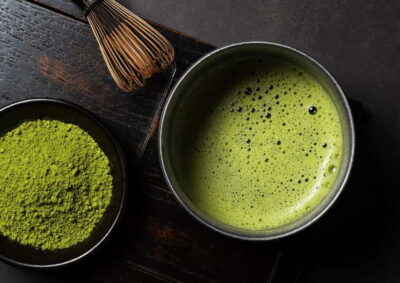
Matcha Making Experience with Mochi Sweets in Asakusa
Read our review →
Make Traditional Nerikiri Sweets & Matcha experience in Shibuya
Read our review →
Private Mochi Sweets Making class near Shibuya area
Read our review →
Japanese Traditional Sweets making and Tea Ceremony
Read our review →
Tokyo Local Food Tour: Noodles, Skewers, Dumplings, Sweets
Read our review →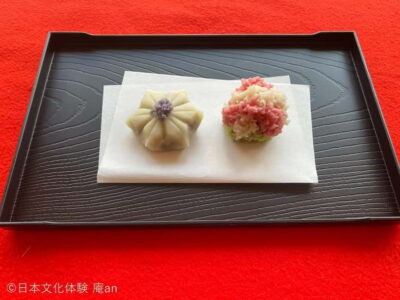
Two Types of Japanese Sweets Making and Tea Ceremony
Read our review →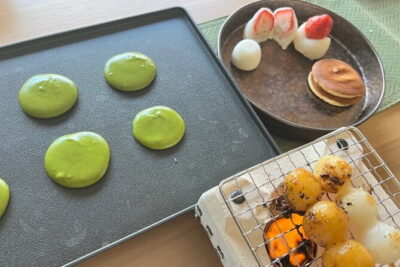
Mochi Matcha Gluten Free Japanese Sweets Class near Shibuya area
Read our review →Browse the lists this tour appears in