
Reviewed · TEA CEREMONIES
Mochi Matcha Gluten Free Japanese Sweets Class near Shibuya area
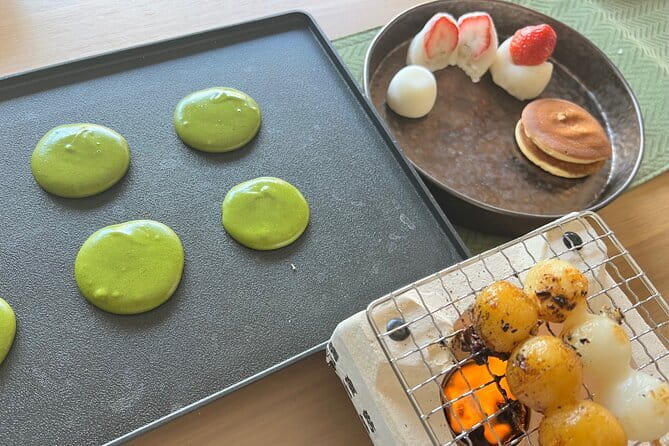
Making mochi in Sakura-san’s home gives you something a pastry counter cannot: time to work with the dough, ask questions, and learn why these sweets matter in Japan. In about two hours, you make four different Japanese sweets, including matcha mochi, then receive recipes to try at home.
I like the private format, especially if you are cooking with children or need gluten-free sweets. I also like the simple cultural touch: Sakura explains the origins of mochi while you work, then gives you a photo table for your finished creations. The main drawback is the price, $112.01 per person, which is a serious spend for a short class, and the meeting point is in Sangenjaya, not central Shibuya itself.
In This Review
- Key points at a glance
- A private mochi lesson near Shibuya
- What you make during the two hours
- Why the gluten-free detail matters
- Meeting Sakura and learning in her home
- The photo table and the best moment to pause
- Is $112.01 per person a fair price?
- Who will enjoy this class most
- Practical details before you book
- Should you book the mochi class?
- FAQ
- Where does the mochi class take place?
- Is the class in Shibuya?
- How long does the experience last?
- Is this a private activity?
- How many sweets will I make?
- Is the class gluten-free?
- Who teaches the class?
- What is included in the price?
- Is alcohol included?
- Can I cancel for a full refund?
Key points at a glance
- Four sweets in two hours: You make several Japanese treats rather than focusing on one recipe.
- A private home lesson: Only your group takes part, giving Sakura time to adjust the pace and answer questions.
- Gluten-free focus: The class is designed around gluten-free Japanese sweets and has suited participants with celiac concerns.
- Sakura’s patient teaching: She speaks excellent English and has experience teaching children.
- Recipes and photos to take home: You leave with recipes, finished sweets, and a dedicated table for pictures.
- A useful rainy-day plan: The indoor class works well during hot, wet, or otherwise unhelpful Tokyo weather.
A private mochi lesson near Shibuya
This is not a large cooking demonstration where you watch someone else do the work. You take part from the start, handling the ingredients and shaping the sweets under Sakura’s guidance. The setting is her home at 1-chōme-11-13 Sangenjaya, in Setagaya City.
The address matters. The experience is advertised for the Shibuya area, but the meeting point is in Sangenjaya. That neighborhood is near Tokyo’s central sightseeing districts, yet it is not the same as meeting beside Shibuya Crossing. Check your route and allow enough time to reach the exact address.
Once you arrive, the class runs for roughly two hours and ends back at the meeting point. The supplied details do not describe a separate sightseeing walk, so think of this as a focused kitchen activity rather than a neighborhood tour.
The private format is the heart of the experience. Your group participates alone, and the schedule can feel close to a one-on-one lesson, especially if you book for one or two people. Several participants ended up with the class to themselves, which allowed extra practice and conversation.
That arrangement is also useful for families. Sakura has experience teaching children, and the hands-on work gives younger cooks something to do at every stage. Still, you should remember that mochi has sticky textures and can require patience. This is a cooking lesson, not a quick snack stop.
More tea rooms worth booking:
- Matcha Making Class in Tokyo with Authentic Japanese Sweets Set
★ 5.0 · 744 reviews - Tokyo: Traditional Tea Ceremony with a Tea Master
★ 5.0 · 528 reviews - Tokyo: Matcha Making Experience with Mochi Sweets in Asakusa
★ 4.9 · 388 reviews
What you make during the two hours
The central subject is mochi, the chewy Japanese sweet made from glutinous rice flour. The word can cover many forms, from soft filled sweets to seasonal wagashi. Sakura introduces the cultural background as you prepare the food, so the class connects technique with Japanese customs.
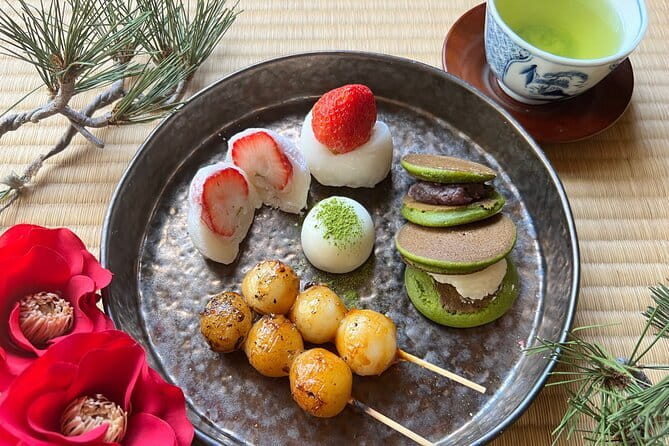
You make four types of sweets together. Matcha green tea flavors are a major theme, and the class also focuses on gluten-free Japanese sweets. The exact names and shapes of all four creations are not specified, so you should not book expecting a fixed menu of named confections beyond the matcha mochi description.
The hands-on process is the real value. You get a chance to learn how the texture changes, how to handle the dough, and how to shape the finished pieces. These are small skills, but they are the sort that can make a home recipe work instead of leaving you with a sticky, shapeless result.
Sakura keeps the lesson accessible. Her English is described as excellent, and her teaching style suits beginners. She explains clearly, works patiently, and can adjust her help as you go. That matters with mochi because the dough can feel unfamiliar if you have only cooked Western-style cakes or cookies.
The class also includes Japanese green tea, listed as coffee and/or tea. The tea gives you a natural pause between stages and lets you taste the sweets in a more traditional setting. Alcoholic drinks are not included.
Why the gluten-free detail matters
Gluten-free visitors often have a hard time sampling Japanese sweets without asking careful questions. Soy sauce, wheat-based fillings, shared equipment, and unclear ingredient labels can turn a simple snack into a concern.
This class specifically presents its sweets as gluten-free, and one participant with celiac disease found the arrangement suitable. That makes the experience more useful than a standard wagashi lesson if you need to avoid gluten.
You should still communicate your needs when booking and confirm the details directly with the provider. The supplied information says the class accommodates gluten-free requirements, but it does not provide a full ingredient list, allergen protocol, or medical guarantee. If you have celiac disease or a serious allergy, ask about cross-contact before you attend.
There is also a practical advantage: you learn recipes you can prepare for family and friends at home. For someone who usually has to skip Japanese desserts, that is a meaningful takeaway. You are not only eating a sweet during a holiday. You are learning a way to make a version you can control later.
Meeting Sakura and learning in her home
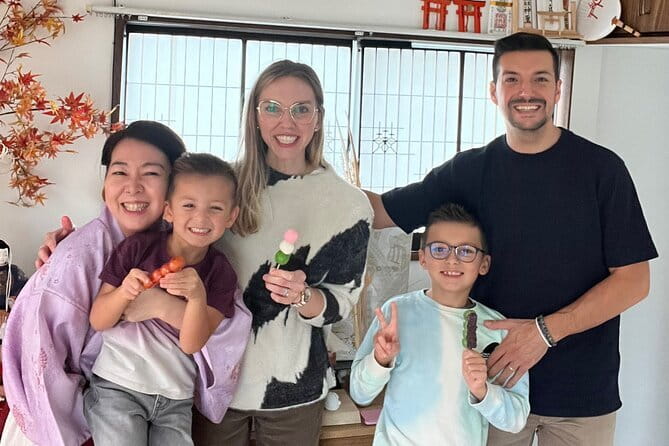
Sakura is the named instructor and the person who shapes the experience. The class takes place in her home, creating a more personal setting than a commercial cooking school. That can feel cozy and authentic, though it also means the environment is home-based rather than a formal studio.
A small detail adds to the relaxed character: her dog, Chocolate, may be present. That was a welcome part of the visit for one participant, but anyone uncomfortable around dogs or concerned about allergies should ask about the home setting before booking.
Sakura’s strongest role is teacher. She explains the cultural meaning of different mochi types, demonstrates the steps, and lets you practice. Her patience is particularly useful for beginners and children, who may need more time to shape the sweets neatly.
The private arrangement gives you room to ask basic questions without holding up a larger group. You can ask about ingredients, texture, or the reason a sweet is prepared in a certain form. If you already cook, you may appreciate the chance to focus on technique rather than sit through a broad introduction.
The home setting will not suit everyone. Some people prefer a polished cooking school with multiple workstations and commercial equipment. This class is better for a personal lesson and cultural exchange than for a highly structured culinary workshop.
More Shibuya plans:
- Official Street Go-Kart in Shibuya
★ 5.0 · 3,435 reviews - Tokyo: Street Kart Experience in Shibuya
★ 4.9 · 1,484 reviews - Shibuya Meltdown Nightlife Tour: All-You-Can-Drink Bar Hopping
★ 5.0 · 1,058 reviews - Shibuya Official Street Go-Kart in Shibuya Annex
★ 5.0 · 972 reviews
The photo table and the best moment to pause
After making the sweets, you can arrange them on a dedicated photo-op table. This is a small but thoughtful addition. Japanese sweets are often shaped and colored with care, so a plain kitchen counter does not always show them at their best.
The photo table gives you a clean place to display what you made before eating it. If you are traveling with children, the presentation adds a final goal to the lesson. If you are posting pictures, you can take better shots without needing to improvise a background.
Do not judge the class by the photo table alone, though. It is a pleasant extra, not the main reason to pay for the activity. The stronger benefits are the private instruction, cultural explanation, gluten-free focus, and recipes.
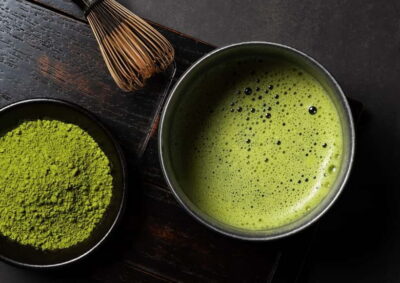
The finished sweets are part of the meal and part of the lesson. You get to taste the results while the methods are still fresh in your mind. Matcha can have a pleasantly bitter edge, which balances the sweetness and gives the treats a flavor beyond simple sugar.
Is $112.01 per person a fair price?
At $112.01 per person, this is not a bargain snack-making activity. You are paying for a private two-hour lesson, an instructor’s attention, ingredients, Japanese tea, an apron, and the chance to make four sweets. The price also reflects the personal home setting rather than a large class with many participants.
The value is strongest for a small group that wants focused guidance. A parent and child, a couple, or a solo cook who wants a personal lesson can get more from the format than from a cheaper group demonstration. The recipe handout adds lasting value because you can make the sweets again after returning home.
The price is harder to justify if you mainly want to taste mochi. Tokyo has many inexpensive places to buy Japanese sweets, and a shop visit will cost far less. You should book this class for the process, not just the food.
Group discounts are available, so the final cost may work better for a larger booking. Since the experience is private, ask how the discount applies before you commit. The class is also booked an average of 38 days ahead, which suggests you should reserve early if your Tokyo dates are fixed.
Free cancellation is allowed up to 24 hours before the start time for a full refund. Changes or cancellations made inside that window are not accepted for a refund. Confirmation arrives within 48 hours of booking, subject to availability, so do not leave the reservation until the last minute if your schedule is tight.
Who will enjoy this class most
I would put this near the top of the list for several kinds of visitors:
- Families with children: Sakura has experience teaching kids, and the hands-on format keeps young cooks involved.
- Gluten-free diners: The class centers on gluten-free sweets and has accommodated celiac concerns, with advance communication still important.
- Mochi fans: You get more than a tasting. You learn texture, shaping, tradition, and recipes.
- Rainy-day planners: The activity is indoors and lasts about two hours.
- Solo visitors and couples: A private class can feel especially rewarding when you receive direct instruction.
- People seeking a local setting: Making sweets in a private home offers a more personal encounter than a shop counter.
I would think twice if you want a fast, cheap activity, dislike home-based experiences, or prefer a broad sightseeing program. There is no indication that this includes a walking tour of Shibuya or transport from your hotel.
Practical details before you book
Wear something comfortable for kitchen work. An apron is included, but the supplied information does not specify whether you need to bring anything else. Mobile tickets are accepted, and the meeting point is near public transportation.
Use the full address when planning: 1-chōme-11-13 Sangenjaya, Setagaya City, Tokyo 154-0024, Japan. Do not rely only on the phrase near Shibuya, since the actual starting point is in Sangenjaya.
The experience returns to the same meeting point. It lasts about two hours, and only your group participates. Coffee and/or Japanese green tea, guidance, and an apron are included. Alcohol is not included.
If you have food allergies or strict dietary rules, contact the provider before the class. The gluten-free focus is a major strength, but you should confirm ingredients and preparation conditions for your own needs.
Should you book the mochi class?
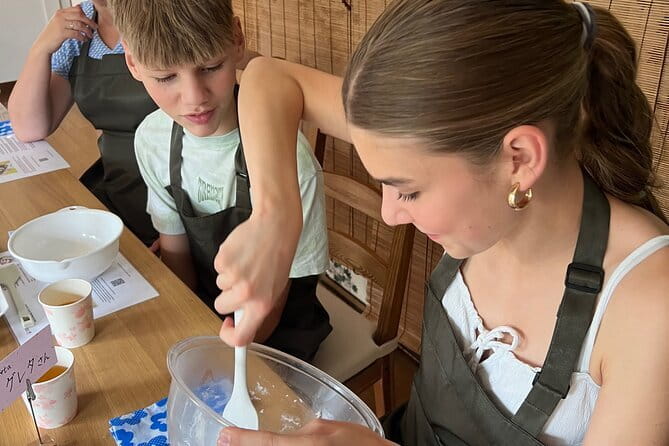
Book it if you want to learn rather than simply eat. The combination of four sweets, Japanese tea, cultural explanation, recipes, and private instruction gives the class a clear purpose. Sakura’s patient teaching and excellent English make it approachable for beginners, while the gluten-free focus solves a real problem for some diners.
I especially recommend it for families, couples, solo cooks, and anyone looking for an indoor break from Tokyo’s heat or rain. The personal home setting and Chocolate the dog add character, although they may not suit every preference.
Skip it if $112.01 feels too high for a two-hour activity or if you only want a quick taste of mochi. For everyone else, this is a practical way to turn a favorite Japanese sweet into a skill you can carry home.
FAQ
Where does the mochi class take place?
The meeting point is 1-chōme-11-13 Sangenjaya, Setagaya City, Tokyo 154-0024, Japan. The class takes place in Sakura’s home.
Is the class in Shibuya?
It is described as being near the Shibuya area, but the listed meeting point is in Sangenjaya, Setagaya City. Check the full address before setting out.
How long does the experience last?
The class lasts approximately two hours.
Is this a private activity?
Yes. Only your group participates in the activity.
How many sweets will I make?
You will make four different types of Japanese sweets during the lesson. Matcha green tea mochi is specifically included in the class description.
Is the class gluten-free?
The class focuses on gluten-free Japanese sweets and has accommodated participants with celiac concerns. Contact the provider in advance to confirm ingredients and preparation details for your needs.
Who teaches the class?
The instructor is Sakura, a qualified and professional teacher with experience teaching children. Her English is described as excellent.
What is included in the price?
An apron, coffee and/or Japanese green tea, and guided instruction are included.
Is alcohol included?
No. Alcoholic beverages are not included.
Can I cancel for a full refund?
Yes, you can cancel at least 24 hours before the experience start time for a full refund. Cancellations or changes made less than 24 hours before the start time are not accepted for a refund.
More Workshops in Tokyo
- Sushi Making Tokyo Roll and Authentic Japanese Sushi Class
★ 5.0 · 3,971 reviews - Tokyo: Roll and Authentic Sushi Making Class in Asakusa
★ 4.9 · 1,957 reviews - Tokyo Shinjuku Chopsticks Making Class
★ 5.0 · 1,763 reviews - Tokyo: Sushi Making Class in a Happi Coat near a Famous Spot
★ 4.9 · 1,377 reviews
More Dessert Tours in Tokyo
- Make Traditional Nerikiri Sweets & Matcha experience in Shibuya
★ 5.0 · 130 reviews - Private Mochi Sweets Making class near Shibuya area
★ 5.0 · 93 reviews - Japanese Traditional Sweets making and Tea Ceremony
★ 4.7 · 50 reviews - Tokyo Local Food Tour: Noodles, Skewers, Dumplings, Sweets
★ 5.0 · 48 reviews
New on our Tokyo list
- From Tokyo: Mount Fuji & Hakone Full Day Private Tour★ 4.9 · 25 reviews
- Tokyo Spectacular View Day-Cruise in 90 Minutes★ 5.0 · 25 reviews
- 2.5 Hour-Guided Cycle Tour in the Central Tokyo★ 5.0 · 25 reviews
- Real Tokyo Runner Club : Daikoku Car Meet Night Tour with JDM Car★ 5.0 · 25 reviews
- Ramen Making from Scratch +Akihabara Tour –Cooking Class★ 5.0 · 25 reviews
- [Self-Drive] Tokyo & Daikoku Custom Car Driving Tour★ 4.9 · 25 reviews
- Tokyo: 2-Hour Night Bike Tour of the City’s Hidden Gems★ 4.9 · 25 reviews
- Samurai themed Entertainment show in Shinjuku★ 4.5 · 25 reviews
Tea Ceremonies, compared.

Matcha Making Class in Tokyo with Authentic Japanese Sweets Set
Read our review →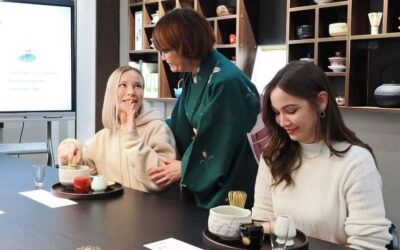
Matcha Making Experience with Mochi Sweets in Asakusa
Read our review →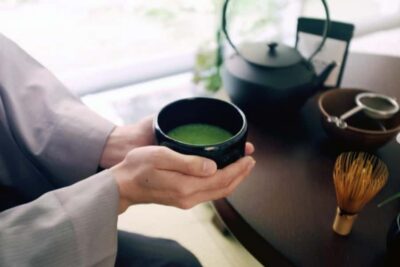
Tea Ceremony Workshop in Tokyo by the Experienced Instrucor
Read our review →

Make Traditional Nerikiri Sweets & Matcha experience in Shibuya
Read our review →Browse the lists this tour appears in