
Reviewed · WORKSHOPS
Private Mochi Sweets Making class near Shibuya area
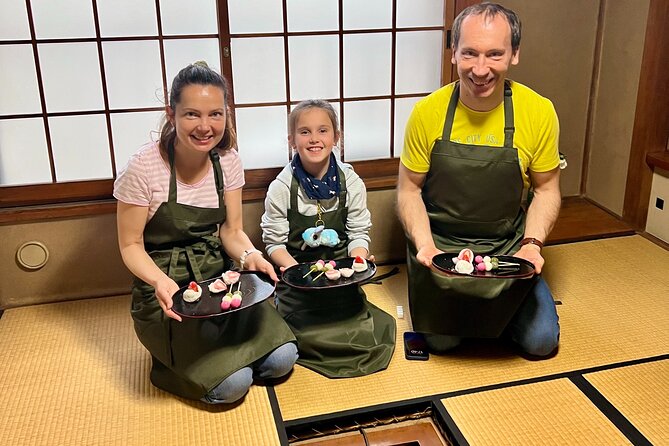
The special part of this class is not only the mochi. It is the chance to enter Sakura’s home in Sangenjaya and take part in a small Japanese household experience. You make fruit daifuku and dango by hand, hear why these sweets matter, and eat what you prepare with tea.
I like two things right away: you do every step yourself, rather than watching a cooking show, and Sakura has a patient teaching style that works well for children and beginners. The take-out bag is another smart touch, since handmade mochi can be surprisingly filling.
The main consideration is the setting. This is a home class, not a polished cooking studio. You must climb stairs to the second floor, and a dog lives in the house, so it is not a good fit if you have a dog allergy.
In This Review
- Key points at a glance
- Why a home kitchen near Shibuya changes the experience
- The Sangenjaya meeting point and neighborhood
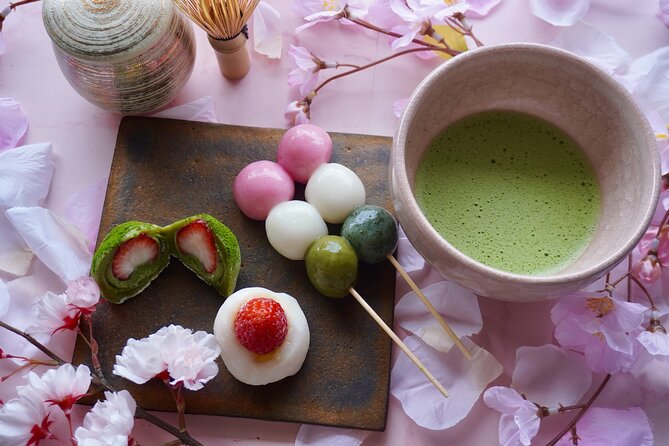
- What you make: fruit daifuku and dango
- A lesson, not a demonstration
- The cultural side of mochi
- Tea, tasting, and the take-home bag
- Is $79.28 a fair price?
- Who will enjoy this most?
- Practical details before you book
- Should you book Sakura’s mochi class?
- FAQ
- Where does the mochi-making class take place?
- How long does the experience last?
- Where does the activity end?
- What sweets will I make?
- Is the class suitable for children?
- How many people can join?
- Is tea included?
- Is food or drink other than tea included?
- Are aprons provided?
- Is the class suitable for someone with a dog allergy?
- Can I cancel for a refund?
Key points at a glance
- Sakura teaches in her own home: You get a look at everyday Japanese life, not just a commercial kitchen.
- Fruit daifuku and dango are hands-on: You shape and cook the sweets yourself, with guidance at each stage.
- The class suits families: Children as young as eight and groups with teenagers have enjoyed the calm, gentle instruction.
- Matcha and green tea are part of the experience: Decaffeinated black tea is available if you avoid caffeine.
- Sangenjaya adds a local Tokyo setting: The meeting point is near public transport and in a neighborhood that is pleasant to explore before or after class.
- The class is small: With a maximum of eight people, Sakura can correct your technique and answer questions.
Why a home kitchen near Shibuya changes the experience

Many Tokyo food activities take place in a formal studio designed for tourists. This one takes you to a residential part of Setagaya, near the Sangenjaya meeting point at 1-chōme-11-13 Sangenjaya. The setting gives the class a warmer, more personal feel.
Sakura has taught more than 1,000 people from over 35 countries, and she has also taught in Switzerland as a guest instructor. That background matters because she is used to explaining Japanese food customs to people who may have never handled mochi dough before.
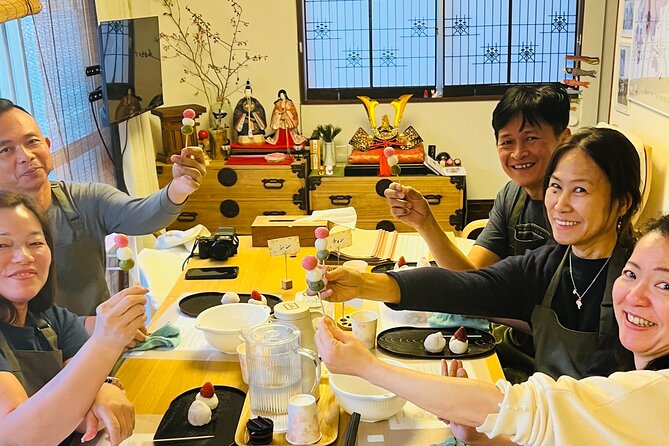
You are not simply handed a finished sweet to photograph. Sakura explains the process, gives you a demonstration, and then lets you work through it yourself. The class has been used by families, couples, adult children, and colleagues from different countries. That mix makes it a good choice if your group wants an activity that encourages conversation without requiring advanced cooking skills.
The home setting also has limits. Space and equipment are suited to a maximum of eight people, not a large tour group. The venue is on the second floor, with stairs to climb. A household dog is present, which adds charm for dog lovers but is an important warning for anyone with a dog allergy.
More Shibuya plans:
- Official Street Go-Kart in Shibuya
★ 5.0 · 3,435 reviews - Tokyo: Street Kart Experience in Shibuya
★ 4.9 · 1,484 reviews - Shibuya Meltdown Nightlife Tour: All-You-Can-Drink Bar Hopping
★ 5.0 · 1,058 reviews
The Sangenjaya meeting point and neighborhood
The activity begins and ends at the same Sangenjaya address. That makes the day simple to plan, especially if you want to combine the class with time around Shibuya or Setagaya.
Sangenjaya is a useful change of pace from central Shibuya. The area is known for its local streets and everyday atmosphere, and the class location is described as being close to public transportation. You may want to arrive early enough to find the home without rushing, then spend a little time in the neighborhood afterward.
Private transportation is not included, so you are responsible for reaching the meeting point. The experience ends where it begins, with no drop-off at Shibuya Station or elsewhere. That is not a serious problem, but it is worth allowing for when you plan the rest of your afternoon.
The address is in a residential setting rather than a major attraction. Keep your phone ticket and booking details ready, and pay attention to the meeting instructions you receive after confirmation. Confirmation can take up to 48 hours and depends on availability, so do not book it as a last-minute activity if your schedule is tight.
What you make: fruit daifuku and dango
The class focuses on two familiar Japanese sweets: fruit daifuku and dango. The exact recipes can vary, but the supplied details identify fruit daifuku and several types of dango as the main hands-on dishes.
Daifuku is soft mochi wrapped around a filling. Fruit daifuku gives you a pleasant contrast between the chewy outer layer and the fresh fruit inside. Shaping it takes some care, since the dough can be sticky and delicate. That is part of the fun. Your first piece may look less tidy than Sakura’s, but you will quickly see how small changes in pressure and folding affect the result.
Dango is a chewy rice-flour sweet formed into small balls. It is often served on skewers and can be linked to seasonal events and social customs in Japan. You make the dough, shape the pieces, and cook them with Sakura’s help.
The recipes contain no gluten, alcohol, or additives according to the activity information. That is useful for many people, but you should still contact the provider directly about serious allergies or cross-contamination concerns. The information provided does not list every ingredient or promise that the class meets a specific medical dietary standard.
One practical benefit is that the ingredients are described as easy to find abroad. If you enjoy the class, you can try making the sweets at home instead of treating the activity as a one-time novelty. Sakura gives tips that help beginners understand the basic process, not just copy a finished shape.
A lesson, not a demonstration
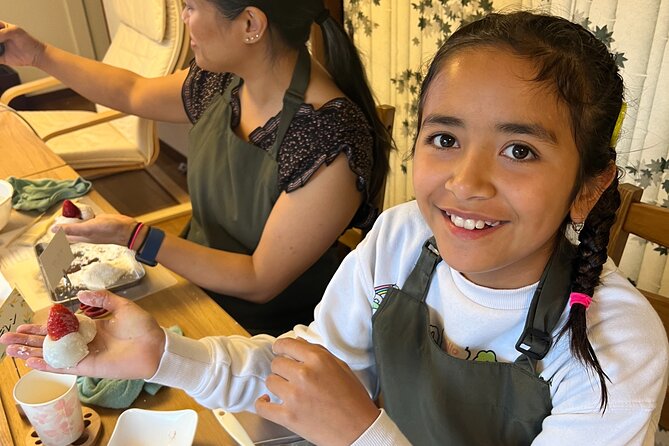
The class works best for people who want to use their hands. You will not spend the full two hours sitting quietly while Sakura prepares everything. She guides you through the stages and helps when the dough becomes difficult to handle.
The small group limit of eight is important here. In a larger class, it would be easy to miss a step or wait for help. With fewer people, Sakura can pay attention to each person’s technique. That is especially helpful for children, who may need a slower explanation or a little encouragement.
Sakura’s experience as a mother also shapes the tone of the lesson. Her teaching is gentle and patient, which has made the activity suitable for families with children and teenagers. Parents should still supervise younger children around hot cooking equipment, since the supplied information does not describe the precise kitchen setup or age restrictions.
The class can also work well for adults who are not confident cooks. You do not need specialist knowledge of Japanese sweets. Sakura explains the method in English, and several international groups have found communication easy. If your group includes people from different countries, the shared task gives everyone something to do and talk about.
A few more Tokyo bookings worth comparing
- Matcha Making Class in Tokyo with Authentic Japanese Sweets Set
★ 5.0 · 744 reviews - Tokyo: Matcha Making Experience with Mochi Sweets in Asakusa
★ 4.9 · 388 reviews - Make Traditional Nerikiri Sweets & Matcha experience in Shibuya
★ 5.0 · 130 reviews - Japanese Traditional Sweets making and Tea Ceremony
★ 4.7 · 50 reviews
The cultural side of mochi
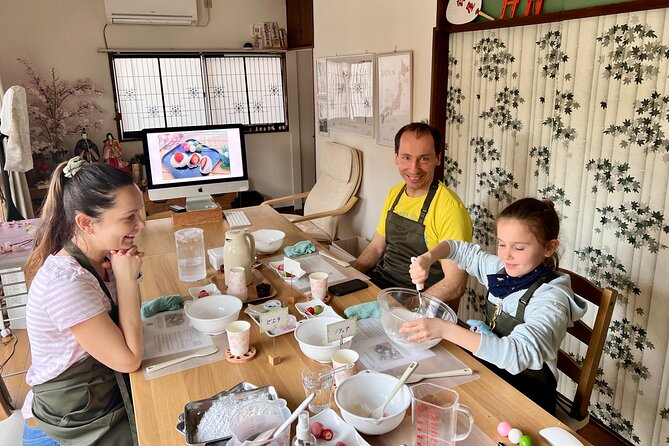
This is more than a recipe class. Sakura explains the place of mochi in Japanese culture, including occasions when people eat it and why it has such a strong connection with seasonal and ceremonial life.
That short cultural lesson gives the food context. You begin to understand why mochi appears at celebrations, why dango is associated with particular customs, and how traditional sweets fit into daily life. The class also includes stories about recipes and the meaning behind the food, rather than treating mochi as a fashionable snack.
Some sessions include a slideshow or a brief presentation before cooking. One version of the class has also included dango haiku and matcha tea. The exact balance between presentation, cooking, and tasting may vary, but the activity is built around both cultural explanation and practical work.
I find this balance valuable. A food class can become shallow if you only shape something and eat it. Here, the explanation helps you notice what you are making when you later see mochi in a shop, market, festival, or Japanese restaurant.
Tea, tasting, and the take-home bag
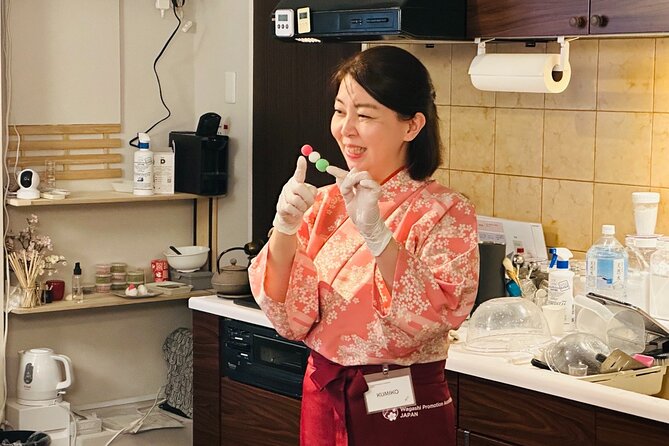
After the cooking, you sit down with the sweets you made. Japanese green tea or matcha is served, creating a proper pause after the hands-on work. It is a simple detail, but it helps the class feel like a shared cultural activity rather than a rushed production line.
If you do not like caffeine, decaffeinated black tea is available. Bottled water is not included, so bring your own if you need it. Soda, alcohol, and brunch are also not part of the price. You should think of this as a sweets lesson with tea, not as a full meal.
The take-out bag is useful. Mochi is dense, and some people may not want to eat everything immediately after making it. You can carry the extras back to your hotel, although the information does not specify how long the sweets remain at their best or whether refrigeration is recommended. Ask Sakura about storage if you plan to keep them for later.
Aprons are available to rent. Wear comfortable clothing that you do not mind cooking in, even though the class provides this basic protection. The provider does not list a separate bottled-water service or private transport, so plan those small needs yourself.
Is $79.28 a fair price?
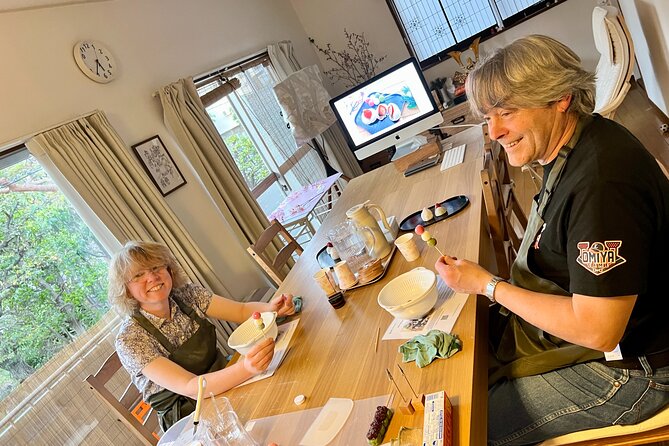
At $79.28 per person, this is not the cheapest way to taste mochi in Tokyo. You can buy finished sweets from a shop for a small amount. The price makes more sense when you count the private-home setting, the instruction, the tea, the ingredients, and the time Sakura spends with your group.
You are paying for access to a local host and for a skill you can repeat at home. The class lasts about two hours, which is long enough to include cultural background, several types of sweets, cooking, and tasting without taking up an entire day.
The value is strongest for families and small groups. A family of four can treat the activity as a shared memory and a practical lesson, rather than buying another packaged attraction. It also suits visitors who have already seen major Tokyo sights and want something quieter and more personal.
For a solo visitor, the price may feel higher because you are paying for a small-group experience rather than a simple food sample. Group discounts are available, so larger parties should check the final price before booking. With a maximum of eight people, the group format still remains fairly intimate.
Who will enjoy this most?
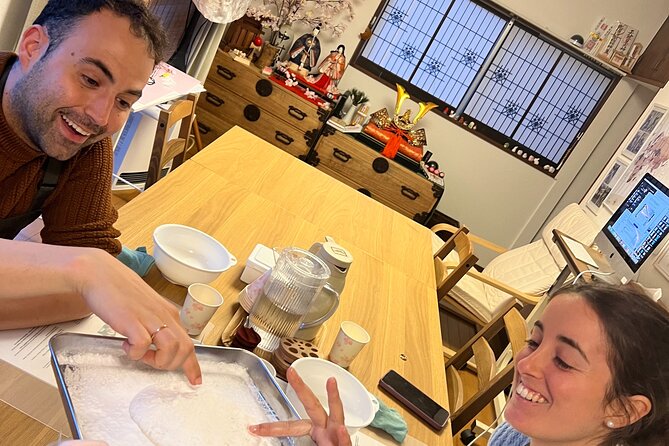
I would recommend this class to:
- Families with school-age children or teenagers
- Couples who want a calm indoor activity
- First-time visitors curious about Japanese sweets
- People who enjoy cooking but do not need an advanced lesson
- Small work or friend groups looking for a shared activity
- Anyone who wants a local neighborhood experience near Shibuya
It is also a good choice at the start of a Japan trip. The class gives you an early introduction to Japanese hospitality, food customs, and polite tea service. Several family groups have used it as one of their first activities, and the relaxed pace can help everyone settle into Tokyo.
I would think twice if you have a dog allergy, dislike home-based activities, need step-free access, or want a full meal. The second-floor venue requires stairs, and the activity includes tea but not bottled water or brunch.
Practical details before you book
The mobile ticket makes it easy to keep your booking on your phone. Confirmation is sent within 48 hours, subject to availability. The activity allows service animals, but the presence of a dog in the home remains important for anyone with allergies.
You can cancel for a full refund up to 24 hours before the start time. Changes or cancellations inside that 24-hour window are not accepted for a refund. Cut-off times follow Tokyo local time.
The experience requires good weather, and it may also be canceled if the minimum number of participants is not reached. In either case, you are offered another date or experience, or a full refund. Since the class takes place indoors, the weather requirement may be linked to access or operating conditions rather than the cooking itself, so check the provider’s message if bad weather is forecast.
The activity ends at the same meeting point. No private vehicle, hotel pick-up, bottled water, soft drink, alcohol, or brunch is included.
Should you book Sakura’s mochi class?
Book it if you want to make rather than simply eat Japanese sweets, and if a welcoming home setting appeals to you. Sakura’s patience, English instruction, cultural explanations, and experience with children make this a strong choice for families and small groups.
The price is reasonable for a two-hour, small-group lesson with tea and take-home sweets, though it is not a bargain tasting activity. Check the dog warning, stairs, transport plan, and cancellation terms before paying.
For a personal Tokyo experience near Shibuya, this class offers something a sweets shop cannot: you learn the method, hear the meaning behind the food, and leave with a recipe you can try again at home.
FAQ
Where does the mochi-making class take place?
The class takes place in Sakura’s home at 1-chōme-11-13 Sangenjaya, Setagaya City, Tokyo 154-0024, Japan.
How long does the experience last?
The class lasts approximately two hours.
Where does the activity end?
The activity ends back at the Sangenjaya meeting point where it begins.
What sweets will I make?
You will learn to make fruit daifuku and dango. Some sessions include two types of daifuku and two types of dango.
Is the class suitable for children?
Yes. Sakura has experience teaching children, and families with children and teenagers have taken part. Younger children should still be supervised around cooking equipment.
How many people can join?
The maximum group size is eight people.
Is tea included?
Yes. Japanese green tea or matcha is included. Decaffeinated black tea is available if you avoid caffeine.
Is food or drink other than tea included?
Bottled water, brunch, soda, and alcoholic drinks are not included.
Are aprons provided?
Aprons are available to rent. A take-out bag is also included for sweets you do not eat during the class.
Is the class suitable for someone with a dog allergy?
The class is not recommended for someone with a dog allergy because a dog lives in Sakura’s home.
Can I cancel for a refund?
You can cancel up to 24 hours before the start time for a full refund. Cancellations or changes made less than 24 hours before the experience are not accepted for a refund.
More Workshops in Tokyo
- Sushi Making Tokyo Roll and Authentic Japanese Sushi Class
★ 5.0 · 3,971 reviews - Tokyo: Roll and Authentic Sushi Making Class in Asakusa
★ 4.9 · 1,957 reviews - Tokyo Shinjuku Chopsticks Making Class
★ 5.0 · 1,763 reviews - Tokyo: Sushi Making Class in a Happi Coat near a Famous Spot
★ 4.9 · 1,377 reviews
New on our Tokyo list
- From Tokyo: Mount Fuji & Hakone Full Day Private Tour★ 4.9 · 25 reviews
- Tokyo Spectacular View Day-Cruise in 90 Minutes★ 5.0 · 25 reviews
- Real Tokyo Runner Club : Daikoku Car Meet Night Tour with JDM Car★ 5.0 · 25 reviews
- 2.5 Hour-Guided Cycle Tour in the Central Tokyo★ 5.0 · 25 reviews
- Ramen Making from Scratch +Akihabara Tour –Cooking Class★ 5.0 · 25 reviews
- [Self-Drive] Tokyo & Daikoku Custom Car Driving Tour★ 4.9 · 25 reviews
- Tokyo: 2-Hour Night Bike Tour of the City’s Hidden Gems★ 4.9 · 25 reviews
- Buddha, Bamboo & Zen – Bespoke Kamakura Private Walking Tours★ 5.0 · 25 reviews
Workshops, compared.
Sushi Making Tokyo Roll and Authentic Japanese Sushi Class
Read our review →
Roll and Authentic Sushi Making Class in Asakusa
Read our review →
Sushi Making Class in a Happi Coat near a Famous Spot
Read our review →
Tokyo Sushi Making Class in Tsukiji with Professional Chef
Read our review →
Ramen & Gyoza Cooking Class in Tokyo with Local Supermarket Visit
Read our review →
Matcha Making Class in Tokyo with Authentic Japanese Sweets Set
Read our review →Browse the lists this tour appears in