
Reviewed · DESSERT TOURS
Japanese Traditional Sweets making
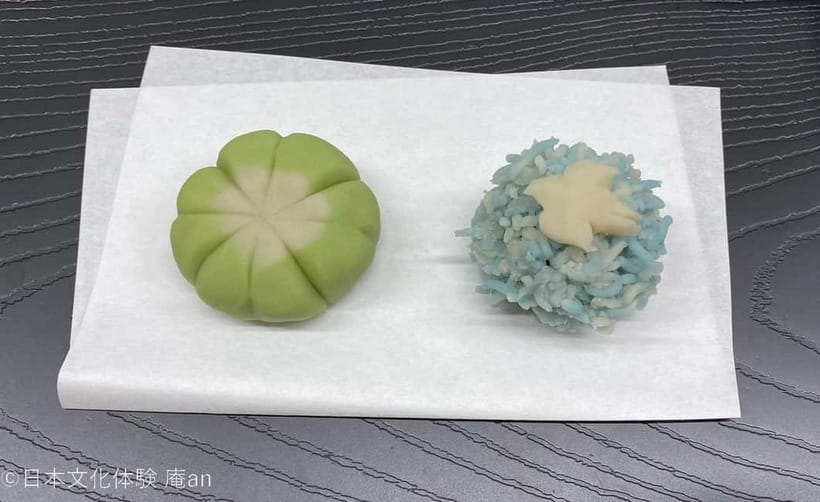
The best part of this 65-minute class is that you make two real nerikiri sweets with white and red bean paste supplied by long-established Kyoto shops. You shape one into a flower and make a second kinton-style sweet, then eat your small works of art on the spot.
I like the low $11 price, which makes this an easy cultural activity to fit between bigger Tokyo sights. I also like the seasonal focus: these are not generic snacks, but sweets designed to reflect the time of year.
The main caution is pace. Some sessions move quickly, with only a short time for each step. English support is available as much as possible, but explanations may be brief, and people seated at the back of a large classroom may have trouble seeing every demonstration.
In This Review
- Key points
- Making Kyoto-style sweets in central Tokyo
- The 65-minute schedule, step by step
- Why the Kyoto bean paste matters
- A good value at $11 per person
- The biggest issue: a fast classroom pace
- What makes the class memorable
- Who should book this experience
- Timing, cancellation, and small practical details
- Should you book the nerikiri class?
- FAQ
- How long does the Japanese traditional sweets class last?
- How many sweets will I make?
- Can I eat the sweets after making them?
- What ingredients are used?
- Is English available during the activity?
- How much does the class cost?
- Where does the activity take place?
- What happens if I arrive late?
- Can I cancel for a full refund?
Key points
- Two seasonal sweets: Make a flower-shaped nerikiri and a kinton nerikiri.
- Kyoto ingredients: Work with white and red bean paste made by established Kyoto sweet shops.
- Eat your creations: The standard experience ends with time to enjoy both sweets in the room.
- Strong value: At $11 per person, this is one of Tokyo’s less costly hands-on cultural activities.
- Short and easy to schedule: The full visit lasts 65 minutes, including making, photos, eating, and departure.
- Plan to arrive early: Delays are not accommodated, and missed bookings can incur cancellation charges.
Making Kyoto-style sweets in central Tokyo
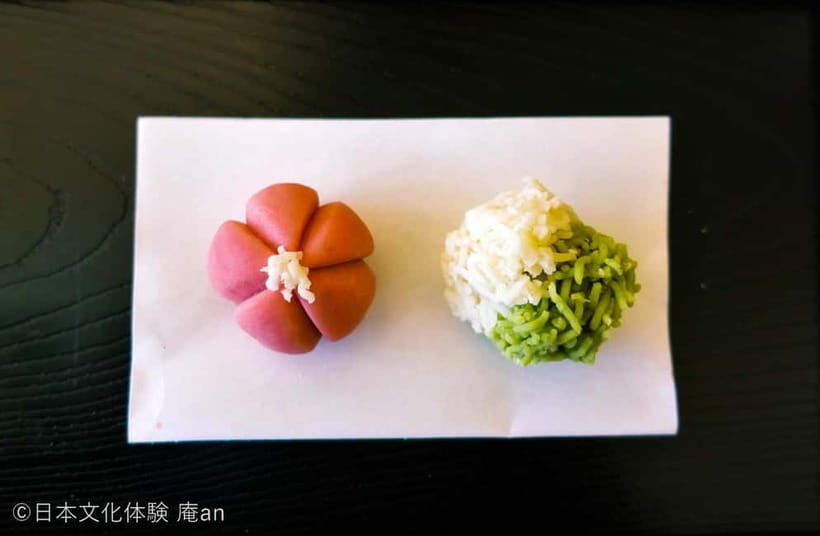
Nerikiri is a traditional Japanese sweet made from smooth bean paste, usually shaped into seasonal flowers, leaves, or other refined designs. It is as much about appearance as taste. The finished sweet may be only a few bites, but careful shaping turns it into a small edible ornament.
At AN TOKYO Japanese Culture Experience, you do not simply watch a demonstration. You handle the paste yourself and create two sweets from the beginning of the practical session. The ingredients include white and red bean paste produced by long-established shops in Kyoto, giving the class a direct link to one of Japan’s best-known confectionery traditions.
That connection matters. Tokyo has no shortage of themed activities, but this one introduces a food craft with a clear Japanese identity and a simple set of steps you can follow. You leave with more than a snack. You have made something that reflects the season and the visual style of traditional wagashi.
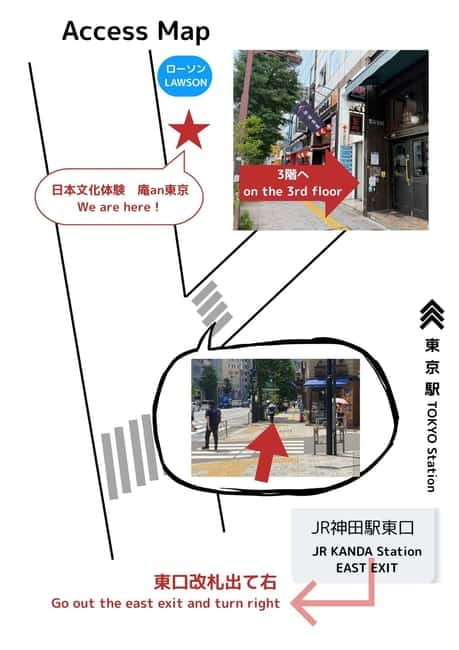
The venue is in Tokyo on Honshu, at AN TOKYO Japanese Culture Experience. The supplied meeting-point coordinates are 35.6916541, 139.7715022. Check the exact meeting instructions before setting out, since the class will not hold the event for late arrivals.
A few more Tokyo bookings worth comparing
- Matcha Making Class in Tokyo with Authentic Japanese Sweets Set
★ 5.0 · 744 reviews - Tokyo: Matcha Making Experience with Mochi Sweets in Asakusa
★ 4.9 · 388 reviews - Make Traditional Nerikiri Sweets & Matcha experience in Shibuya
★ 5.0 · 130 reviews
The 65-minute schedule, step by step
The session begins with an explanation of Japanese traditional sweets. This opening is intended to give you the basic idea behind nerikiri before your hands go to work. The instructor is Japanese, and English translation is provided as much as possible if you request it.
The first practical task is a flower-shaped nerikiri. This is the most immediately recognizable design in the class. You work the bean paste into a form that looks like a seasonal flower, using your hands and the techniques shown by the instructor.
The second task is a kinton nerikiri. Kinton sweets have a more textured appearance, often made to resemble fine strands or a natural seasonal form. Here, the interest comes from changing the surface and shape rather than simply repeating the first design.
After the two sweets are complete, you have picture time. This is worth using. Nerikiri is delicate, and the best moment to photograph it is before you eat it. The point of the activity is partly visual, so take a quick picture of both pieces together on the plate.
The formal making portion ends at about 55 minutes. Eating time follows, and the room departure is scheduled at 65 minutes. You can eat the sweets at the venue, so there is no need to carry fragile bean-paste designs through Tokyo.
Why the Kyoto bean paste matters
The class uses white and red bean paste made by established shops in Kyoto. That is a useful detail for anyone comparing a hands-on cooking activity with a simple tasting stop.
Bean paste is the heart of nerikiri. It provides the sweetness, texture, and pliability needed to shape the designs. Using prepared paste from specialist producers also lets you focus on the artistic work instead of spending the class cooking beans or making a filling from scratch.
This means the experience is about shaping rather than full confectionery production. If you want a long technical pastry lesson, this may feel limited. If you want a short introduction that lets you create attractive Japanese sweets with authentic ingredients, the format makes sense.
The sweets are intended to taste good as well as look good. You do not have to save them for later or pay extra to sample them. Eating them immediately also shows how the finished shape and soft texture come together.
A good value at $11 per person
At $11, this class is priced for easy inclusion in a Tokyo day. The fee covers one set of nerikiri making, including the two sweets you create. You can take part alone or with a group, and the activity has enough structure to give a solo participant a clear social setting without requiring a full-day commitment.
The value is strongest if you care about doing something rather than only collecting photos. For roughly an hour, you get instruction, hands-on work, two seasonal sweets, picture time, and a chance to eat what you made. That is a fair exchange for the price.
There are two small extras. A take-out box costs 100 yen, and a completion certificate costs 300 yen. The certificate can be made with your name if you provide it in advance. Otherwise, a blank space is left for the name.
The take-out box may be useful if you cannot eat the sweets immediately, but the experience is designed around eating them on the spot. Remember that nerikiri is delicate, so carrying it around without suitable packaging would not be practical.
Same corner of Tokyo, a completely different plan:
- Mt Fuji and Hakone 1-Day Bus Tour Return by Bullet Train
★ 5.0 · 26,383 reviews - 1-Day Tokyo Bus Tour
★ 5.0 · 14,250 reviews - Tokyo: TOKYO SKYTREE® Admission ticket
★ 4.5 · 11,192 reviews - Tokyo: teamLab Planets TOKYO Digital Art Museum Entry Ticket
★ 4.6 · 9,779 reviews
The biggest issue: a fast classroom pace
The class has received praise for being informative, fun, delicious, and good value. It can also feel rushed. Some sessions give you only about 30 to 40 seconds for a particular task before the instructor moves on.
That pace may suit you if you prefer clear instructions and a compact activity. It is less comfortable if you want to work slowly, ask many questions, or perfect each petal. Shaping nerikiri is a small craft, and beginners may need a moment to understand how firmly to press, roll, or form the paste.
The instructor explains the process in Japanese, with English translation provided as much as possible. You should not expect a long bilingual lecture at every stage. If you need extra English assistance, contact the provider ahead of time and request it.
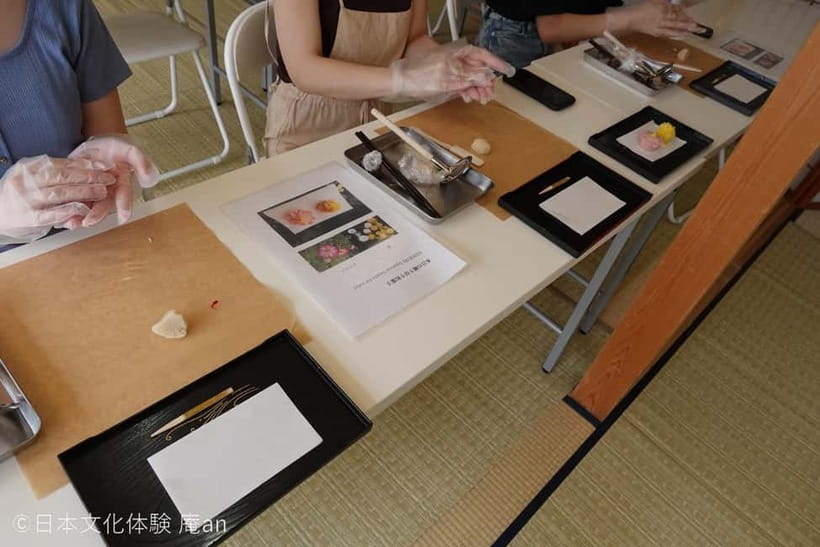
The room can be large enough for around 30 people. If you sit near the back, seeing each demonstration may be harder. Try to arrive early and position yourself where you can watch the instructor’s hands clearly. This is especially useful because the techniques are visual and the work moves quickly.
There may also be limited space for personal belongings. Coats and bags may need to remain on the floor beside you, so keep what you bring to a minimum.
What makes the class memorable
The strongest feature is the contrast between humble ingredients and refined results. Bean paste is simple, but the shaping gives it a seasonal identity. A plain mound becomes a flower. A second piece gains a different texture and character through the kinton method.
This is also a useful activity for solo visitors. The work gives you an immediate shared task, and the short format makes conversation easier than at a formal lecture. You can concentrate on your own sweets while still having a social setting around you.
Families can also consider it, although the information specifically states that children under two who sit on a parent’s lap are free. No other child pricing or age guidance is provided, so check before booking for older children.
The experience is not built around sightseeing or a tour of Tokyo. You will spend the session indoors, focused on your worktable and the instructor’s demonstration. That makes it a sensible break from walking, shopping, or visiting major attractions, but not a replacement for a neighborhood tour.
Who should book this experience
I would recommend it to you if you want a low-cost cultural activity with a clear beginning and end. It works especially well for:
- First-time visitors who want to try a traditional Japanese food craft
- Solo visitors looking for a structured activity
- Couples or friends who want matching photos of handmade sweets
- Families with very young children who can sit on a parent’s lap
- Anyone who enjoys presentation, seasonal design, and small creative tasks
You may want to skip it if you dislike timed classes or need extensive English instruction. It is also not the right pick if you want to make a large quantity of sweets or learn every stage of wagashi production from raw ingredients.
The class is friendly to beginners because you are guided through two set designs. Still, do not expect unlimited time to experiment. The phrase the possibilities are endless describes the creative potential of the paste, not necessarily the number of designs offered during this scheduled session.
Timing, cancellation, and small practical details
Operating hours are from 10:00 to 17:00. Reservations received after 17:00 are processed the next day. Starting times vary, so check availability for the date you want.
You can reserve now and pay later, which helps if your Tokyo schedule is still changing. Free cancellation is available up to 24 hours in advance for a full refund, but cancellation charges apply after that point. If you change the date or time after a fee has been incurred, an additional specified fee may apply.
Take the start time seriously. The provider will not hold the event for delays, whatever the reason. If you miss the class, travel expenses to the venue are not compensated, and a refund may not be available.
Only people taking part in the experience may enter. If someone in your party plans to wait inside without making sweets, check with the provider first.
Should you book the nerikiri class?
Book it if you want an inexpensive, hands-on taste of Japanese confectionery and can work at a brisk pace. The Kyoto-made bean paste, two seasonal designs, and eat-on-site finish give the class more substance than a simple snack stop.
Approach it as a short introduction, not a leisurely masterclass. Arrive early, request English help in advance if needed, bring few belongings, and try to sit where you can see the instructor’s hands. With those expectations, the $11 price is easy to justify.
If you want time to perfect every detail, ask long questions, or work in a small quiet room, choose another activity. For most visitors seeking a compact and affordable cultural experience, however, making and eating your own nerikiri is a pleasant way to spend an hour in Tokyo.
FAQ
How long does the Japanese traditional sweets class last?
The full activity lasts 65 minutes. The making and picture portion ends at about 55 minutes, followed by eating time and room departure at 65 minutes.
How many sweets will I make?
You will make two seasonal nerikiri sweets. The designs are a flower-shaped nerikiri and a kinton nerikiri.
Can I eat the sweets after making them?
Yes. Eating time is included after the picture session, and you can eat your handmade sweets at the venue.
What ingredients are used?
The class uses white and red bean paste produced by long-established shops in Kyoto.
Is English available during the activity?
The instructor is Japanese, and English translation is provided as much as possible. Contact the provider if you would like to request additional English support.
How much does the class cost?
The listed price is $11 per person. A take-out box costs an additional 100 yen, and an experience completion certificate costs an additional 300 yen.
Where does the activity take place?
The meeting point is AN TOKYO Japanese Culture Experience in Tokyo, Japan. The listed coordinates are 35.6916541, 139.7715022.
What happens if I arrive late?
The event cannot be held to accommodate delays. Plan to arrive before the scheduled starting time.
Can I cancel for a full refund?
You can cancel up to 24 hours in advance for a full refund. Cancellation charges apply after that point, and missed participation may not be refunded.
New on our Tokyo list
- Sumi-e Experience in a relaxing green tea shop in Tokyo★ 5.0 · 3 reviews
- Tokyo : Kamikaze Street Drift Ride★ 5.0 · 3 reviews
- Private Zen Meditation in English in Shinjuku, Tokyo★ 5.0 · 3 reviews
- Onsen Spa in Tokyo and Asakusa Bar Hopping with Local Guide★ 5.0 · 3 reviews
- Easy for everyone! Now you can play handmade mini shamisen and show off to everyone! Musical instruments, sweets and live music★ 5.0 · 3 reviews
- Tokyo: Private Tsukiji Street Food & Sake with Local Guide★ 5.0 · 3 reviews
- Mt Fuji Exploration Tour with Free Japanese Kusa Mochi from Tokyo★ 4.5 · 3 reviews
- Tokyo Tsukiji Fish Market Walking and Exploring Hidden Gems Tour★ 5.0 · 3 reviews
Dessert Tours, compared.
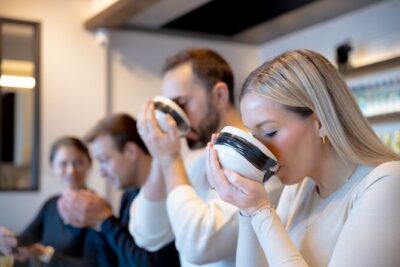
Matcha Making Class in Tokyo with Authentic Japanese Sweets Set
Read our review →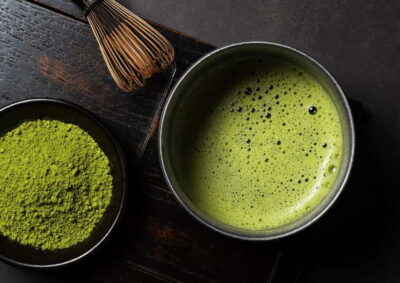
Matcha Making Experience with Mochi Sweets in Asakusa
Read our review →
Make Traditional Nerikiri Sweets & Matcha experience in Shibuya
Read our review →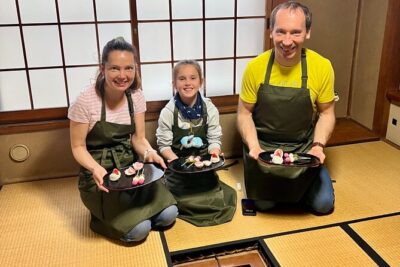
Private Mochi Sweets Making class near Shibuya area
Read our review →
Japanese Traditional Sweets making and Tea Ceremony
Read our review →
Tokyo Local Food Tour: Noodles, Skewers, Dumplings, Sweets
Read our review →
Two Types of Japanese Sweets Making and Tea Ceremony
Read our review →
Mochi Matcha Gluten Free Japanese Sweets Class near Shibuya area
Read our review →Browse the lists this tour appears in