
Reviewed · KAMAKURA TOURS
Kamakura 4hr Private Trip with Government-Licensed Guide
Kamakura’s biggest advantage is choice. In four hours, you can focus on the Great Buddha and Hasedera, explore quiet Zen temples, or pair historic shrines with the sea and Enoshima. A private, government-licensed guide helps you use your limited time well instead of sorting out train routes and temple order on your own.
I like the easy meeting point at Kamakura Station and the freedom to shape the day around your interests. I also like the personal touch: guides such as Shinji, An, Hiro, and Mr. Goto have helped families with train delays, Japanese practice, restaurant choices, and religious customs. The main drawback is that transportation and entrance fees cost extra, and four hours is not enough for more than two or three major stops.
In This Review
- Key points at a glance
- Why a private Kamakura tour works
- Start with Tsurugaoka Hachimangu
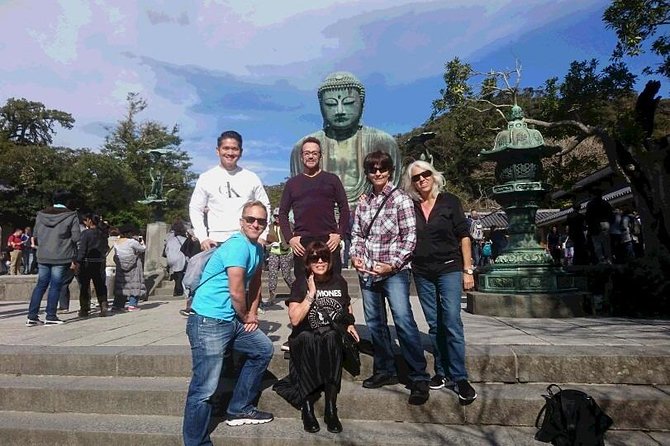
- Meet the Great Buddha at Kotoku-in
- See Hasedera’s statue and hillside view
- Find quiet among the bamboo at Hokoku-ji
- Pick a Zen temple cluster at Kita-Kamakura
- Try the money-washing ritual at Zeniarai Benten
- Add a wooded temple or hydrangea season
- Choose a trail or the coast
- How the four hours really work
- Price, private access, and extra costs
- Who should book this experience
- Final call: choose your two or three priorities
- FAQ
- Where does the tour begin?
- How long does the tour last?
- How many sites can I visit?
- Is the tour private?
- Is transportation included?
- Are entrance fees included?
- Is lunch included?
- Can I visit Enoshima?
- What is the cancellation policy?
Key points at a glance
- Choose two or three sites: Build the outing around temples, shrines, bamboo, hiking, the beach, or Enoshima.
- Meet at Kamakura Station: The tour starts on foot, with no private vehicle included.
- Great for first-time visitors: Your guide can explain train connections, temple customs, and the story behind each place.
- Private means flexible: Only your group takes part, so the pace can suit a family, couple, or small party.
- Expect extra costs: Train fares, admission tickets, lunch, and personal purchases are not included.
- Plan for walking: Most of the experience takes place on foot and suits most people who can manage a walking tour.
Why a private Kamakura tour works
Kamakura is close enough to Tokyo for a day trip, yet its sights are spread across several stations and side streets. The Great Buddha is in the Hase area, Tsurugaoka Hachimangu is near central Kamakura, and the major Zen temples cluster around Kita-Kamakura. Enoshima lies farther west, connected to the mainland by bridge.
That layout makes a private guide useful. You can see the places that fit your interests instead of following a fixed route. Your guide can also help you decide how much ground to cover. A family may want the Great Buddha, Hasedera, and lunch. A temple fan may prefer Engaku-ji, Kencho-ji, and Jochi-ji. Someone returning to Kamakura might skip the headline sights and choose Zeniarai Benten or a wooded trail.
This is not a bus tour. You meet your guide on foot within the designated Kamakura area, then use public transportation and your own two feet. That keeps the outing close to daily Japanese travel, but you need to be comfortable with stations, sidewalks, stairs, and changing trains.
The guide roster varies. Shinji is praised for patience, including helping families who were delayed by train trouble. Hiro has taken families to the beach and Enoshima, explained Shinto and Buddhist practices, and helped with a traditional restaurant meal. Mr. Goto has used a booklet of images to explain symbols and history, while An has helped with train and restaurant advice. You cannot request every guide by default, but these examples show the kind of help the experience is designed to provide.
More Private Tours in Kamakura
- Kamakura Private Tour: Temples, Nature, and the Great Buddha
★ 5.0 · 121 reviews - Kamakura 8 hr Private Walking Tour with Licensed Guide from Tokyo
★ 5.0 · 80 reviews - Kamakura: Private Guided Walking Tour with Local Guide
★ 4.8 · 60 reviews
Start with Tsurugaoka Hachimangu
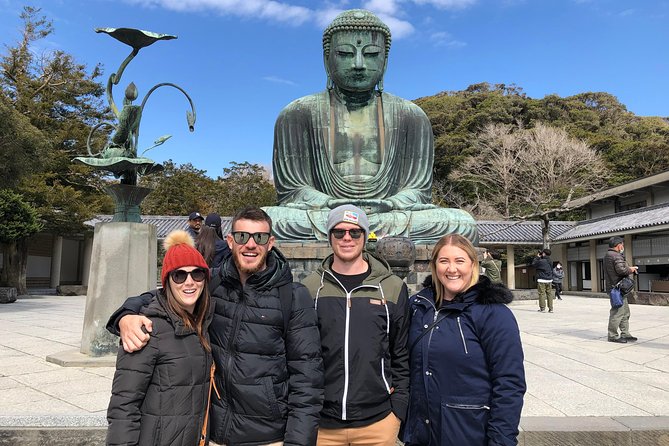
Tsurugaoka Hachimangu is Kamakura’s central shrine and a natural choice if you want an introduction to the city’s samurai past. It is dedicated to Hachiman, linked with Emperor Ojin and regarded as the patron deity of the Minamoto family and samurai more broadly.
The shrine grounds give your guide plenty to explain: the place of Shinto worship, the role of the Minamoto clan, and why Kamakura became a center of military power. The supplied schedule allows only about 10 minutes here, so treat it as a focused visit rather than a leisurely shrine walk.
Timing matters. New Year brings major crowds, and the first three days can be especially packed. One guide described using an early shrine visit to avoid a long wait, with the main street, Wakamiya-oji, closed to cars during the New Year period. If your tour falls then, tell your guide at the start that the shrine is a priority.
Meet the Great Buddha at Kotoku-in
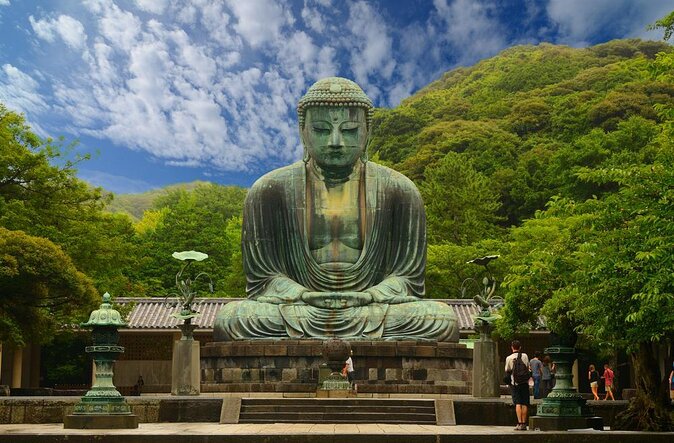
The Great Buddha is Kamakura’s signature sight. The bronze Amida Buddha at Kotoku-in Temple measures 11.4 meters high and has long been Japan’s second-tallest bronze Buddha statue.
The statue is powerful because of its scale, but the setting is open and relatively simple. Your guide can give you the religious context instead of leaving you with only a quick photo stop. Ask about Amida Buddha and how this image fits into Japanese Buddhist practice.
The planned stop is listed at about 10 minutes, with admission extra. That is enough for a look and an explanation, but not much time for lingering. If this is your top priority, say so before the tour begins. You may want the guide to give this stop more time and trim another site.
See Hasedera’s statue and hillside view
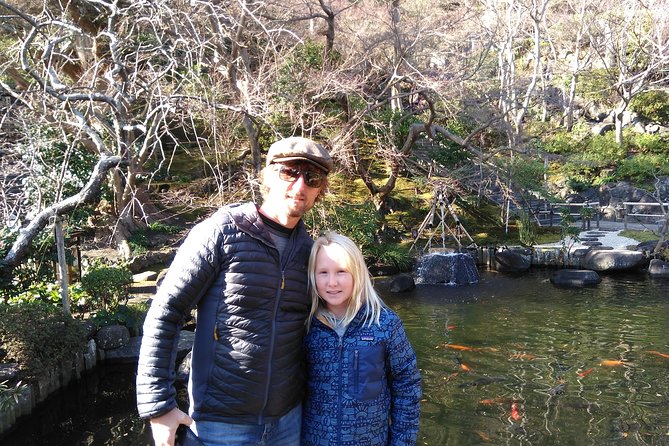
Hasedera is a strong partner for the Great Buddha because both are in the Hase area. The temple belongs to the Jodo sect and is famous for its eleven-headed Kannon, a 9.18-meter gilded wooden statue associated with mercy.
The temple’s hillside setting is another reason to choose it. The tour highlights the view from its highest point, giving you a broader look toward Kamakura and the coast. This is one of the better choices if you want both a major religious site and a scenic pause.
The schedule lists about five minutes, though the temple can deserve more. Hasedera includes slopes and likely stairs, so tell your guide if your group needs a slower pace. Admission is not included. For a first visit, I would usually choose Hasedera with the Great Buddha rather than trying to add several distant temples.
More Kamakura and Enoshima days:
- Tokyo: Kamakura & Enoshima Day Trip including Temple Tickets
★ 4.5 · 1,375 reviews - Tokyo: Mt. Fuji, Kamakura, Big Buddha, & Lake Ashi Day Trip
★ 4.5 · 867 reviews - From Tokyo: Kamakura & Enoshima 1-Day Bus Tour
★ 4.5 · 189 reviews - Kamakura Historical Walking Tour with the Great Buddha
★ 5.0 · 129 reviews
Find quiet among the bamboo at Hokoku-ji
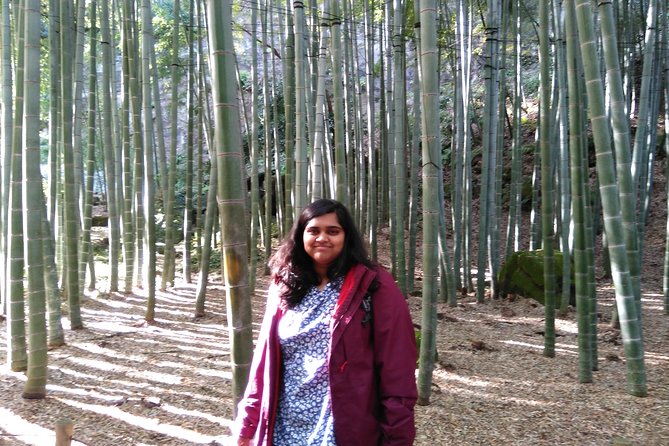
Hokoku-ji offers a different mood. Behind the main hall is a small bamboo grove with more than 2,000 dark green stalks and narrow paths running through them.
This is a good choice when you want a calmer, more visual stop. The grove is not a huge forest, so keep expectations in check. Its appeal comes from the intimate paths and the change of pace after larger shrines. One family specifically combined the bamboo garden with the Great Buddha and Tsurugaoka Hachimangu, a sensible three-stop plan.
The planned visit is about 15 minutes, and admission is extra. If a matcha experience is important to you, note that one guide arranged matcha and Japanese sweets making for a family, but that is not included as a standard promise of this tour. Ask about special requests before booking.
Pick a Zen temple cluster at Kita-Kamakura
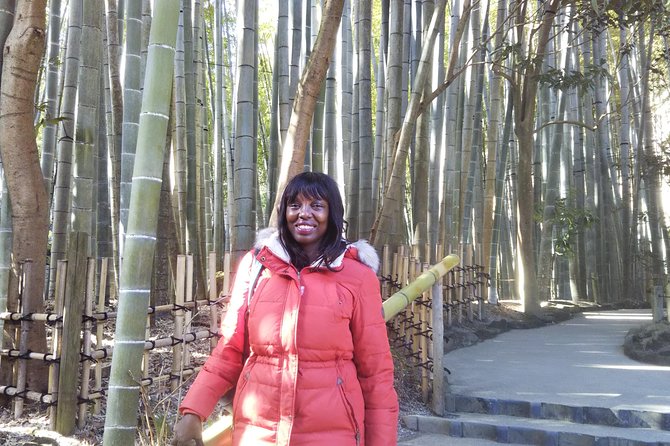
Kita-Kamakura is the best part of the menu for travelers who want temple architecture, quiet grounds, and Zen traditions. The options include Engaku-ji, Kencho-ji, Jochi-ji, Tokei-ji, Jufuku-ji, and Eisho-ji.
Engaku-ji is ranked number two among Kamakura’s five great Zen temples. It was founded in 1282 by Hojo Tokimune, the regent who ruled during the Mongol invasions. Kencho-ji ranks first and was founded in 1253, making it the oldest Zen temple in Kamakura.
Jochi-ji is number four among the five great Zen temples and belongs to the Rinzai tradition. Tokei-ji is a small branch temple nearby. Jufuku-ji, number three, was established at the request of Minamoto Yoritomo’s wife, Hojo Masako. Eisho-ji is especially distinctive because it is Kamakura’s only surviving nunnery.
You cannot see all six properly in four hours, especially if you also want the Great Buddha. Choose one or two, then allow time for the train or walk between areas. One family selected Engaku-ji with the Great Buddha and found that pairing worthwhile. I would choose Engaku-ji or Kencho-ji if you want a major temple, then add a smaller site only if your pace is quick.
Try the money-washing ritual at Zeniarai Benten
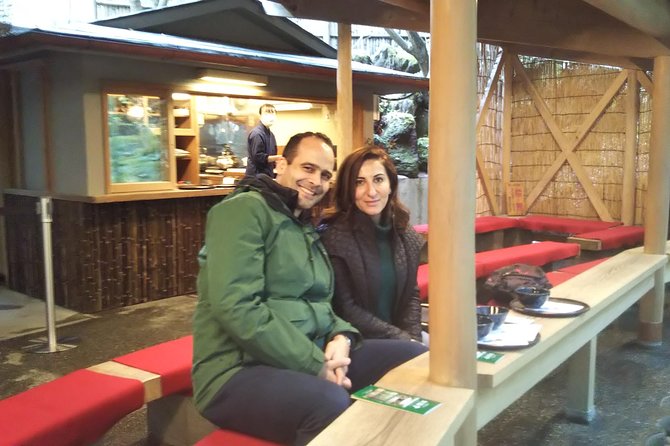
Zeniarai Benten is one of Kamakura’s more unusual shrine visits. Its name refers to washing money, and local belief holds that money washed in the spring will increase.
The ritual gives you something active to do, rather than simply looking at another building. It also takes you into western Kamakura, where the shrine feels different from the broad central approach to Tsurugaoka Hachimangu. The stop is listed at about 15 minutes and admission is free.
This is a good pick for repeat visitors or anyone who enjoys local customs. It may be less important for a first-time visitor who has not yet seen the Great Buddha or Hasedera. Ask your guide to explain the proper steps, since that practical help is part of the value of having a local escort.
Add a wooded temple or hydrangea season
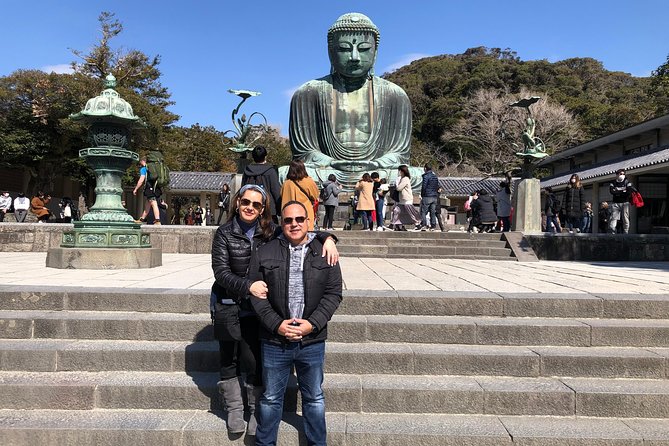
Meigetsu-in is known as the Hydrangea Temple because hydrangeas bloom heavily on its grounds. It belongs to the Rinzai Zen sect and dates to 1160.
This choice depends heavily on the season. During hydrangea bloom, it may be one of the most attractive options. Outside that period, the temple’s appeal is more about its Zen setting and history. Admission is extra, and the planned stop is about 15 minutes.
Zuisen-ji lies in a narrow valley in eastern Kamakura, surrounded by wooded hills. It is a branch temple of Engaku-ji and suits you if you want a quieter setting away from the main route. Jomyo-ji, the fifth of the five great Zen temples, also occupies the eastern hills and was founded by the Ashikaga family.
Ankokuron-ji and Myohon-ji offer Nichiren Buddhist connections in the southeastern hills. Myohon-ji was founded in 1260, while Ankokuron-ji is tied to Nichiren’s arrival in Kamakura around 1253. These are better choices for a return visit or for you if Buddhist history matters more than checking off the city’s famous sights.
Choose a trail or the coast
Kamakura is surrounded by the ocean to the south and wooded hills elsewhere. Several hiking paths link temples and pass through the hills, though the tour description does not specify a particular trail or hiking distance.
That lack of detail matters. If you want a serious walk, ask your guide what is realistic within four hours and what footwear or pace is suitable. The hiking option is listed as free, but a trail can use more time than expected, especially when combined with temples and train travel.
Enoshima gives you a completely different outing. The island sits just west of Kamakura, connected to the mainland by bridge, and includes a shrine and other attractions. A guide has taken a family to the beach and Enoshima after they made those interests clear, so this is a real customization possibility.
Still, Enoshima is not a quick add-on to every temple route. The island requires a short train ride from Kamakura, and four hours can disappear quickly. Choose it when the sea and island atmosphere matter more to you than visiting several inland temples.
How the four hours really work
The 18 possible stops can look overwhelming, but they are a menu, not a promise to visit every place. You choose two or three activities, and your guide builds the route around them.
A practical first visit might look like this:
- Tsurugaoka Hachimangu, for Kamakura’s central shrine and samurai connections
- The Great Buddha, for the city’s best-known image
- Hasedera, for Kannon and the hillside view
A quieter plan could pair Engaku-ji, Hokoku-ji, and Zeniarai Benten, though transport and walking time need careful planning. A family might prefer the Great Buddha, Hasedera, and lunch, while a repeat visitor could choose Enoshima and a smaller temple.
The short listed times, often 10 to 15 minutes, are best understood as rough stop lengths. They do not include every train ride, transfer, queue, photo break, or meal. One guest felt the tour ended well before the scheduled four hours and wished another site had been added. That is a useful warning: discuss the route at the beginning and make sure you have a full plan.
Some guides also help with lunch. Hiro took a family to a local Japanese restaurant with floor-level seating and explained how to eat the dish. Another guide joined a group for lunch and demonstrated the meal. Lunch is not included, and these arrangements depend on your guide and chosen route.
Price, private access, and extra costs
At $108.99 per person, this is not the cheapest way to see Kamakura. The value depends on group size and how much help you want. In a private group, you are paying for a licensed English-speaking guide, route planning, local transport help, and the ability to adjust the day as you go.
For a couple, the cost is easier to justify if Kamakura is a major part of your Japan trip or if train navigation feels stressful. For a family or small group, the per-person price may compare more favorably with a larger fixed tour, especially when everyone wants different things.
You pay separately for public transportation, temple and shrine admissions where charged, lunch, and personal expenses. Private transportation is not provided. Group discounts may be available, but the tour cannot combine multiple tour groups.
The booking includes a mobile ticket and free cancellation up to 24 hours before the local start time. Changes or cancellations inside that window are not refunded. Pickup means an on-foot meeting within the designated Kamakura area, not a car collecting you from your hotel.
Who should book this experience
I would point this tour toward:
- First-time visitors who want Kamakura explained, not just photographed
- Families that need a patient guide and a flexible pace
- Couples choosing between temples, bamboo, the beach, and Enoshima
- Visitors arriving from Tokyo or Yokohama who want help with trains
- People interested in Shinto, Buddhism, samurai history, or local customs
- Repeat visitors who want smaller temples beyond the standard route
I would hesitate if you want a fully escorted vehicle tour, a fixed sightseeing schedule, or admission and transport bundled into one price. I would also avoid packing too many sites into the four hours. Kamakura rewards a slower visit, and rushing between five or six temples defeats the point of having a private guide.
Final call: choose your two or three priorities
Book this experience if you want a personal introduction to Kamakura and are willing to walk, use public transportation, and pay site fees separately. Its strongest feature is not the number of possible stops. It is the ability to make four hours fit your group.
Before the day begins, tell your guide your top three priorities, your walking pace, and whether lunch, Enoshima, or a special activity matters. If the Great Buddha is your main goal, pair it with Hasedera. If you prefer quiet temple grounds, focus on Kita-Kamakura. If you have already seen the famous sights, choose Zeniarai Benten, a smaller Nichiren temple, a trail, or Enoshima.
The high 4.9 rating from 58 reviews and 100 percent recommendation reflect a consistently strong experience, but the best results come from clear planning. This is a good-value private outing for the right group, not a catch-all tour of every corner of Kamakura.
FAQ
Where does the tour begin?
You meet your licensed local English-speaking guide on foot within the designated area of Kamakura. The highlighted meeting point is Kamakura Station.
How long does the tour last?
The private tour lasts approximately four hours.
How many sites can I visit?
You can customize the outing around two or three activities from the available choices. The tour is not designed to cover every listed temple and shrine in four hours.
Is the tour private?
Yes. Only your group participates, and multiple tour groups cannot be combined.
Is transportation included?
No. You travel by public transportation and on foot, but train and other transportation fees are not included. Private transportation is also not included.
Are entrance fees included?
No. Entrance fees are generally separate. Guide entry fees are covered only for sights specifically listed under the tour’s included attractions.
Is lunch included?
No. Lunch and other personal expenses are separate. Some guides may help arrange or recommend a local restaurant.
Can I visit Enoshima?
Enoshima is one of the possible choices, along with the beach and many Kamakura temples and shrines. Since the tour lasts four hours, choosing Enoshima may limit how many other sites you can see.
What is the cancellation policy?
You can cancel up to 24 hours before the experience start time for a full refund. Cancellations or changes made less than 24 hours before the start time are not accepted for a refund.
New on our Kamakura list
- Buddha, Bamboo & Zen – Bespoke Kamakura Private Walking Tours★ 5.0 · 25 reviews
- Yokohama and Kamakura 6hr Private Trip Government-Licensed Guide★ 5.0 · 25 reviews
- Tokyo: Kamakura and Yokohama Private Day Trip with Guide★ 4.6 · 27 reviews
- Private Kamakura plus Yokohama Tour – English Speaking Driver★ 4.5 · 28 reviews
- Day Trip to Kamakura & Enoshima: Shrines, Seaside, Temples & Tea★ 5.0 · 32 reviews
- Kamakura: A Journey Through Medieval Japan★ 4.9 · 32 reviews
- From Tokyo: Kamakura Private Customize Tour by Luxury Van★ 4.6 · 38 reviews
- Exciting Kamakura – One Day Tour from Tokyo★ 5.0 · 40 reviews
Kamakura Tours, compared.
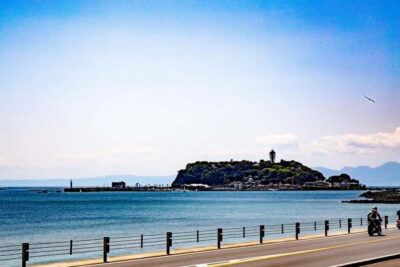
Kamakura & Enoshima Day Trip including Temple Tickets
Read our review →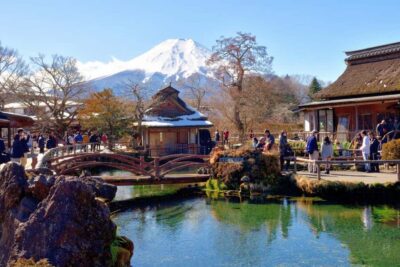
Mt. Fuji, Kamakura, Big Buddha, & Lake Ashi Day Trip
Read our review →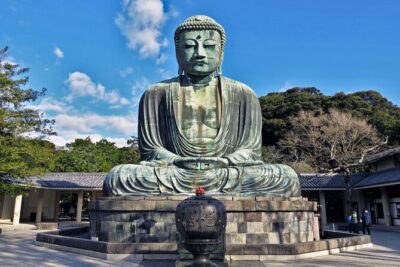
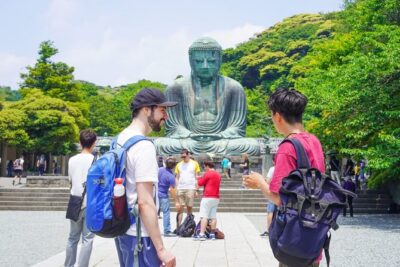
Kamakura Historical Walking Tour with the Great Buddha
Read our review →
Kamakura Private Tour: Temples, Nature, and the Great Buddha
Read our review →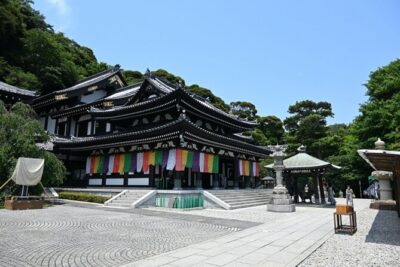
Sea of Mount Fuji, Hakone Ropeway, Ōwakudani, Enoshima
Read our review →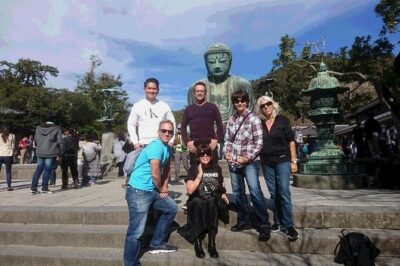
Kamakura 8 hr Private Walking Tour with Licensed Guide from Tokyo
Read our review →Browse the lists this tour appears in