
Reviewed · KAMAKURA TOURS
Kamakura Day Trip from Tokyo with a Local: Private & Personalized
Kamakura packs medieval temples, forest paths, a famous bronze Buddha, and the Pacific coast into one very manageable day from Tokyo. The best part of this experience is that you are not locked into a fixed route. Your local host shapes the day around your interests, so you can focus on shrines, gardens, food, art, or seaside life.
I like the private format, since your group gets one host rather than a guide speaking to a crowd. I also like the included JR train tickets, which remove one small piece of Tokyo transport planning. Hosts such as Kay, Marc, Michael, and Martin have helped make the day personal, flexible, and easy to follow.
The main drawback is the price, $323.38 per person, before food, attraction tickets, and any transport beyond the included train. You should also expect plenty of walking. That is part of Kamakura’s appeal, but it can make for a long day if you prefer a slow, seated sightseeing style.
In This Review
- Key points to know before booking
- Why Kamakura makes a fine break from Tokyo
- Starting at Tokyo Station and taking the JR train
- Komachi Street and the approach to Hachimangu
- Tsurugaoka Hachimangu and Kamakura’s samurai past
- The Great Buddha and Hase-dera
- Hokokuji’s bamboo grove and a cup of matcha
- Engakuji in the forested hills
- Food, art, beaches, and room to follow your interests
- Walking, mobility, and the real cost of the day
- Who gets the most from this Kamakura day trip?
- Should you book this private Kamakura experience?
- FAQ
- How long is the Kamakura day trip?
- Where does the experience start?
- Where does the experience end?
- Are train tickets included?
- Is local transportation included?
- Are meals and drinks included?
- Are entrance fees included?
- Is the tour private?
- Can I cancel for a full refund?
Key points to know before booking
- A private eight-hour route: Your host can adjust the day to your interests instead of following one rigid schedule.
- The JR train is included: Round-trip tickets from Tokyo to Kamakura are covered, while other transport costs are extra.
- Kamakura’s biggest sights fit into one day: The Great Buddha, Hase-dera, Hachimangu Shrine, Komachi Street, Hokokuji, and Engakuji may all be considered.
- Walking is central: Forest temple paths, shrine grounds, shopping streets, and seaside areas make comfortable shoes essential.
- Season changes the experience: Hase-dera is especially appealing in June for hydrangeas, while cherry blossoms add another seasonal highlight.
- Hosts can help with practical needs: Marc assisted a family with elevators and walking concerns, though you should explain any limitations in the pre-tour questionnaire.
Why Kamakura makes a fine break from Tokyo
Tokyo gives you bright signs, packed trains, huge department stores, and enough neighborhoods to fill a week. Kamakura offers a different rhythm. It was once the capital of medieval Japan, and its temples and shrines sit among wooded hills rather than city towers.
The trip also gives you a look at coastal life. Kamakura is a beach town, so the day can include ocean views, forest walks, and perhaps a stop at a casual surf shack for a drink. That mix makes the city more than a temple checklist.
I especially like Kamakura for travelers who want history without giving up fresh air. You can spend the morning around ancient religious sites, stop for noodles or another local meal, then finish near the coast. The experience gives you room to shape the balance.
This is not the best choice if you want a tightly scripted lecture or a bus that drops you at every entrance. The day is built around walking and conversation. Your host can explain what you are seeing, but the quality and exact style depend on the person matched to your interests.
More Private Tours in Kamakura
- Kamakura Private Tour: Temples, Nature, and the Great Buddha
★ 5.0 · 121 reviews - Kamakura 8 hr Private Walking Tour with Licensed Guide from Tokyo
★ 5.0 · 80 reviews - Kamakura: Private Guided Walking Tour with Local Guide
★ 4.8 · 60 reviews
Starting at Tokyo Station and taking the JR train
The stated meeting point is the JR EAST Travel Service Center near Tokyo Station’s Marunouchi North Gate. The exact meetup can be flexible, and you can request a meeting at your hotel or accommodation, or arrange a convenient nearby spot with your host.
That flexibility helps, especially in a city where Tokyo Station can feel like a small underground country. Confirm the meeting details after booking, and give yourself time to reach the agreed location. Your round-trip JR tickets to Kamakura are included, which is a useful value point and saves you from buying those tickets separately.
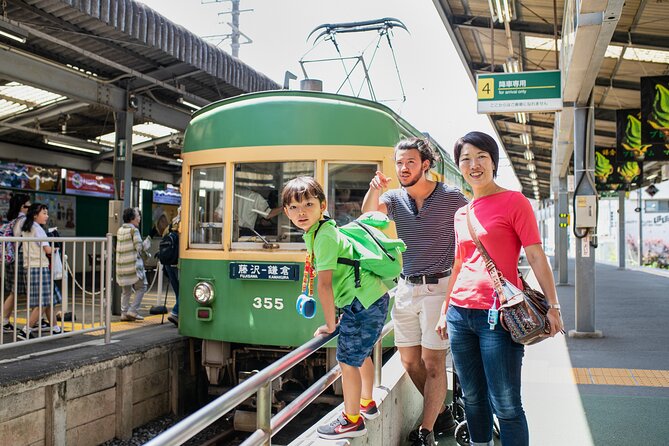
The train ride sets up the day well. You leave Tokyo’s central core and reach a smaller city with a more relaxed feel. The experience is private, but the train itself is regular public transport, so you should still expect a normal rail journey rather than a reserved sightseeing carriage.
The tour runs for about eight hours and ends back at the meeting point. Since meals and entrance fees are not included, keep room in your budget for lunch, snacks, and the sights you choose to enter.
Komachi Street and the approach to Hachimangu
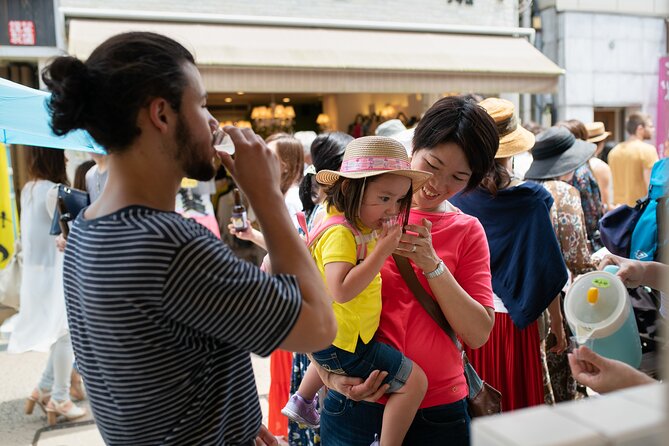
A natural opening is Komachi Street, a busy strip of shops and food stalls leading toward Tsurugaoka Hachimangu Shrine. It is an amusing contrast: modern boutiques and quick bites sit right beside one of Kamakura’s most important historic sites.
This is a good place to let your host read your interests. You might want to browse food stalls, look for small gifts, or move quickly toward the shrine. Since the route is private, you can spend more time where you want rather than waiting for a large group.
Komachi Street can also be one of the more crowded parts of the day. If you dislike shopping streets, tell your host early. The value of this format is not simply seeing everything on a list. It is being able to shorten one stop and give that time to a temple, a café, an art gallery, or the coast.
Tsurugaoka Hachimangu and Kamakura’s samurai past
Tsurugaoka Hachimangu is Kamakura’s most famous shrine. Hachiman, the patron god of the Minamoto family and samurai in general, is worshipped here, giving the site a direct link to Japan’s feudal past.
This is where a local host can add real value. A quick solo visit may leave you with attractive buildings and a few photographs. A good explanation connects the shrine to the people who shaped Kamakura and helps you understand why this particular place matters.
The grounds are broad, and the approach from Komachi Street creates a clear sense of arrival. You can take in the religious setting, then ask questions about Shinto practice, samurai culture, or the city’s role in Japanese history.
Remember that an entrance fee may apply at attractions, and these costs are separate from the tour price. The provided information does not specify fees for individual sites, so ask your host about the day’s planned stops before entering.
More Kamakura and Enoshima days:
- Tokyo: Kamakura & Enoshima Day Trip including Temple Tickets
★ 4.5 · 1,375 reviews - Tokyo: Mt. Fuji, Kamakura, Big Buddha, & Lake Ashi Day Trip
★ 4.5 · 867 reviews - From Tokyo: Kamakura & Enoshima 1-Day Bus Tour
★ 4.5 · 189 reviews - Kamakura Historical Walking Tour with the Great Buddha
★ 5.0 · 129 reviews
The Great Buddha and Hase-dera
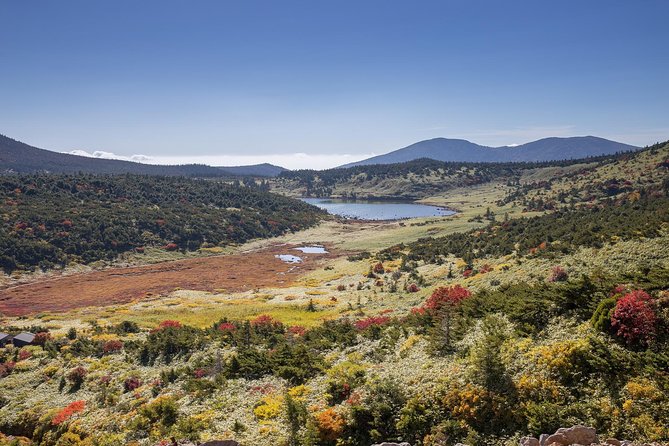
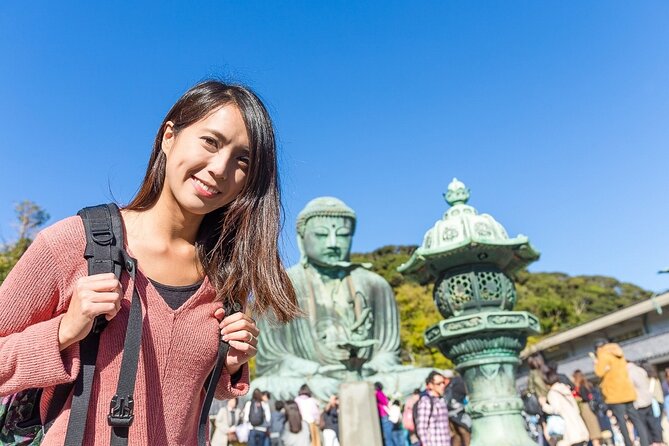
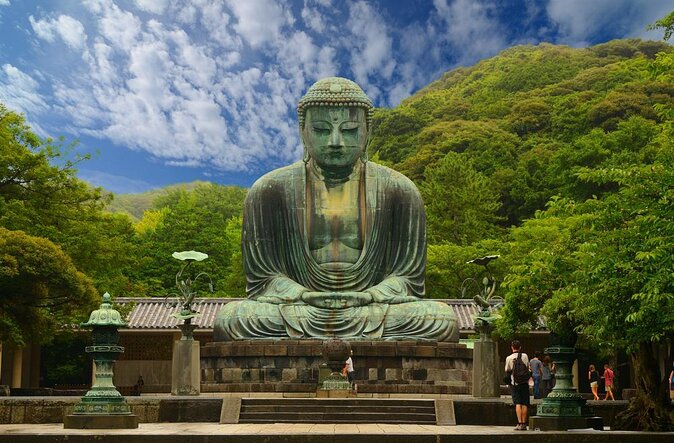
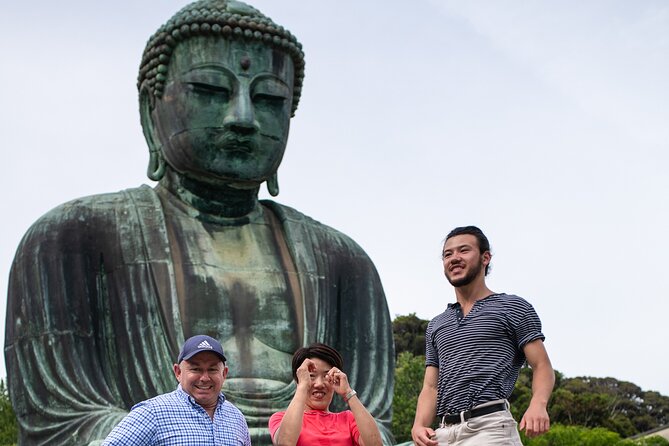
The Great Buddha is Kamakura’s signature sight. This nearly 800-year-old bronze image of Amida Buddha is large enough to make the visit feel important, but the open setting also lets you appreciate its age and craftsmanship.
Your host can help place the statue in the wider story of Kamakura rather than treating it as a quick photo stop. This is one of the places where a private guide is useful, since you can pause for questions and spend time looking rather than being hurried along.
Nearby Hase-dera adds a different mood. It is a temple connected with Kamakura’s religious heritage, and its grounds are particularly attractive in June when hydrangeas bloom around the temple. Seasonal timing matters here. If your visit falls in June, ask whether the garden route suits your interests and the day’s conditions.
Hase-dera and the Great Buddha are among the busiest stops likely to appear on a Kamakura day. That is not a reason to skip them, but it is a reason to set realistic expectations. Your host can help with timing and route choices, though no private tour can remove all crowds from famous places.
Hokokuji’s bamboo grove and a cup of matcha
Hokokuji Temple is a smaller, quieter-feeling stop known for its bamboo grove behind the main hall. A narrow path runs through the bamboo toward a tea house, where you can sit with a cup of matcha while taking in the setting.
This stop works well for anyone who wants a break from major monuments. The grove is not described as vast, and that is part of its charm. You walk a short route, slow down, and enjoy a more focused setting instead of trying to cover a large complex.
The path may be narrow, so it is worth asking your host about the route if you have mobility concerns. The experience is not only about reaching the bamboo. Sitting for matcha gives the day a pause, something a packed temple schedule often lacks.
Hokokuji may not fit into every personalized route. Kamakura has more possible stops than one eight-hour day can comfortably handle, so tell your host what matters most to you before setting out.
Engakuji in the forested hills
Engakuji sits among the forested hills of Kita-Kamakura and is one of eastern Japan’s leading Zen temples. Its setting makes it feel different from the more central streets and seaside areas.
This is a strong pick if you want quiet religious architecture and wooded surroundings. The forested hills also mean walking on uneven or sloping paths may be part of the visit. Comfortable shoes are not optional decoration here.
Engakuji can pair well with a day focused on Zen temples, while Hachimangu and the Great Buddha create a broader introduction to Kamakura. Your host should help you decide if you would rather see several major sites or give more time to fewer places.
The exact route is not guaranteed. This is a private and personalized activity, so the places you visit may differ from those described above. That is a benefit if you communicate clearly, but it can frustrate you if you expect every named attraction to be included automatically.
Food, art, beaches, and room to follow your interests
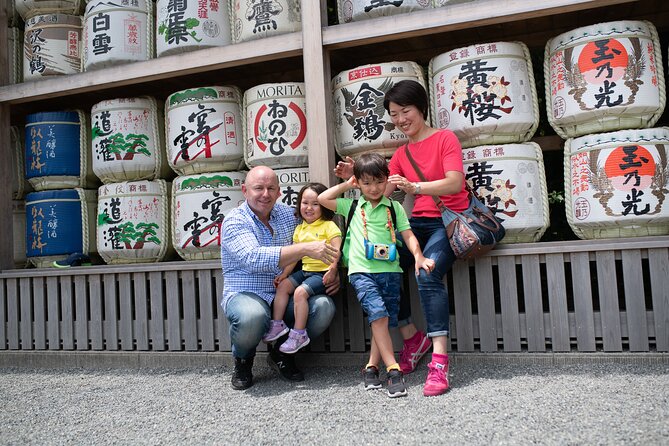
Food is not included, but that leaves you free to choose what suits your group. One possible day might include udon, a local café, or a small art gallery. Those details matter because Kamakura is more enjoyable when you leave space for ordinary local experiences rather than rushing from one famous site to the next.
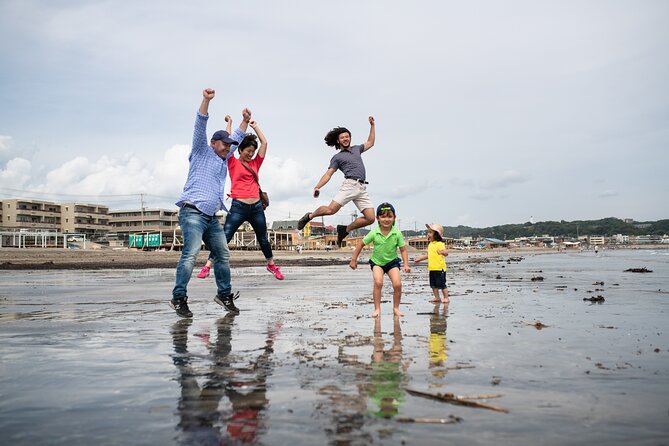
The experience can also include the sea and nearby nature. You might stop for an ocean view or visit a surf shack for a beer. The wording of the experience makes clear that these choices depend on your host and your custom route, so treat them as possibilities rather than promises.
I would use the pre-tour questionnaire carefully. Tell the provider if you care most about gardens, temples, food, art, nature, shopping, or history. Also explain your preferred pace. Hosts are matched with attention to your interests, and that information gives the host a useful starting point.
The guide names connected with especially positive experiences include Kay, Marc, Michael, and Martin. Kay helped one person combine the bamboo grove, Great Buddha, art, and udon. Marc was attentive to elevators and walking concerns, while Michael was praised for patience and helping the day run smoothly. You are not guaranteed one of these hosts, but these examples show the kind of flexibility the format is meant to provide.
Walking, mobility, and the real cost of the day
The advertised price is $323.38 per person. That is a serious expense for an eight-hour day, especially if you are paying for several people. Group discounts may be available, but the supplied details do not state the discount amount.
The price makes more sense for a small group that values a private host, personalized planning, and the included train tickets. You are paying for time and flexibility, not just transport between sights. A standard group excursion may cost less, but it may not let you change the pace or focus.
You still need to pay for food, attraction tickets, and any transport beyond the round-trip JR train. Since the day is mostly a walking experience, additional local transport might be useful depending on the route, but that cost is extra.
Walking is the clearest practical concern. One person specifically warned that there is a lot of it, even while praising the sights. If you have mobility issues, mention them in advance. Marc helped one family locate elevators and make the day easier, and the activity information says most people can participate. Still, that does not mean every path or temple area is fully step-free.
Service animals are allowed, and the experience is near public transportation. These are useful points, but you should still discuss your exact needs with the host before the day begins.
Who gets the most from this Kamakura day trip?
I would recommend this experience to first-time visitors who want Kamakura explained rather than simply photographed. It also suits families, couples, and small groups with different interests, since one person can ask about samurai history while another looks for gardens, food, or art.
It is a particularly good fit if you have one full day available from Tokyo and do not want to plan every train, shrine, lunch stop, and walking route yourself. The guide can provide structure while leaving room for small changes.
You may prefer another option if your budget is tight, you want every admission included, or you dislike walking. You may also prefer a fixed sightseeing tour if seeing every major stop matters more to you than personal attention.
Free cancellation is available up to 24 hours before the start time for a full refund. Changes or cancellations made less than 24 hours ahead are not accepted, with cut-off times based on local time.
Should you book this private Kamakura experience?
Book it if you value a flexible day and want a local host to connect Kamakura’s shrines, temples, coast, and food to your own interests. The included train tickets and private format help justify the cost for a small group, and the positive guide examples point to strong personal service.
Before paying, be clear about your priorities, walking ability, and must-see places. Ask how the route will be balanced, since the Great Buddha, Hase-dera, Hokokuji, Engakuji, Hachimangu, Komachi Street, and seaside areas cannot all receive equal attention in eight hours.
For a history-minded visitor who enjoys walking and prefers conversation over a fixed script, this is one of the more adaptable ways to see Kamakura from Tokyo. For a low-cost, all-inclusive outing, it is not the right match.
FAQ
How long is the Kamakura day trip?
The experience lasts approximately eight hours.
Where does the experience start?
The stated meeting point is the JR EAST Travel Service Center at Tokyo Station’s Marunouchi North Gate, 1-chōme-9-1 Marunouchi, Chiyoda City, Tokyo.
Where does the experience end?
The activity ends back at the meeting point.
Are train tickets included?
Yes. Round-trip JR train tickets between Tokyo and Kamakura are included.
Is local transportation included?
No. Transportation costs other than the included round-trip train are not included. Other transport can be arranged at an additional cost.
Are meals and drinks included?
No. Food and drinks are not included.
Are entrance fees included?
No. Tickets to attractions are not included.
Is the tour private?
Yes. Only your group participates in this private activity.
Can I cancel for a full refund?
Yes. You can cancel at least 24 hours before the experience start time for a full refund. Cancellations or changes made less than 24 hours in advance are not accepted.
More Day Trips from Tokyo
- Mt Fuji and Hakone 1-Day Bus Tour Return by Bullet Train
★ 5.0 · 26,383 reviews - 1-Day Tokyo Bus Tour
★ 5.0 · 14,250 reviews - Mt Fuji & Hakone Cruise, Drum Show Bullet Train 1 Day from Tokyo
★ 4.0 · 7,413 reviews - Tokyo: DisneySea 1-Day Passport
★ 4.5 · 2,726 reviews
New on our Tokyo list
- Sumi-e Experience in a relaxing green tea shop in Tokyo★ 5.0 · 3 reviews
- Tokyo : Kamikaze Street Drift Ride★ 5.0 · 3 reviews
- Private Zen Meditation in English in Shinjuku, Tokyo★ 5.0 · 3 reviews
- Onsen Spa in Tokyo and Asakusa Bar Hopping with Local Guide★ 5.0 · 3 reviews
- Easy for everyone! Now you can play handmade mini shamisen and show off to everyone! Musical instruments, sweets and live music★ 5.0 · 3 reviews
- Tokyo: Private Tsukiji Street Food & Sake with Local Guide★ 5.0 · 3 reviews
- Mt Fuji Exploration Tour with Free Japanese Kusa Mochi from Tokyo★ 4.5 · 3 reviews
- Tokyo Tsukiji Fish Market Walking and Exploring Hidden Gems Tour★ 5.0 · 3 reviews
Kamakura Tours, compared.
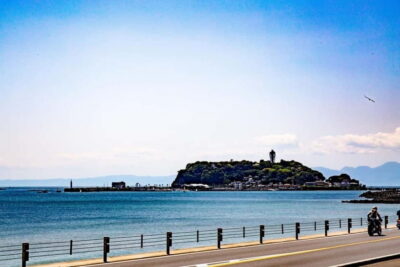
Kamakura & Enoshima Day Trip including Temple Tickets
Read our review →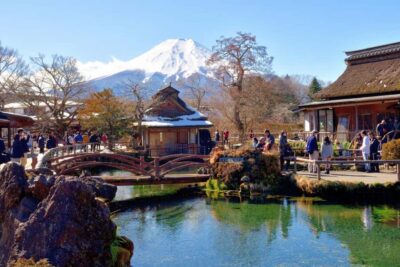
Mt. Fuji, Kamakura, Big Buddha, & Lake Ashi Day Trip
Read our review →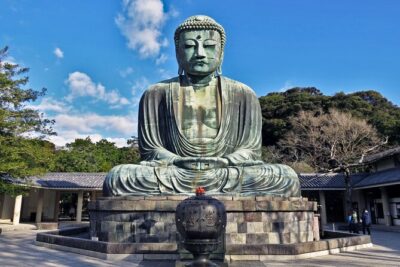
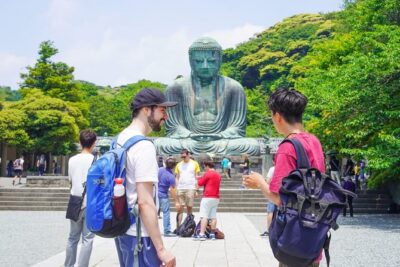
Kamakura Historical Walking Tour with the Great Buddha
Read our review →
Kamakura Private Tour: Temples, Nature, and the Great Buddha
Read our review →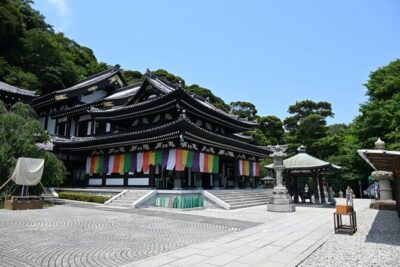
Sea of Mount Fuji, Hakone Ropeway, Ōwakudani, Enoshima
Read our review →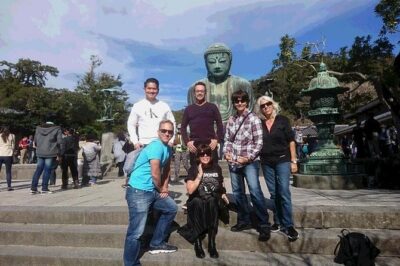
Kamakura 8 hr Private Walking Tour with Licensed Guide from Tokyo
Read our review →Browse the lists this tour appears in