
Reviewed · TEMPLE & SHRINE TOURS
Kamakura & Enoshima: Great Buddha, Shrines and Ocean Views
Kamakura and Enoshima make a fine pairing because you get samurai-era shrines and seaside Japan in one half-day. You begin at Tsurugaoka Hachimangu, ride the old Enoden train toward the coast, wander Enoshima, then finish among Kamakura’s great temples and the famous bronze Buddha.
I like the easy mix of culture and scenery, and I like having a local English-speaking guide to explain what you are seeing. Guides Yoko and Yuya are praised for kindness, clear English, and thoughtful answers. The main drawback is the pace: five hours covers a lot, and crowded trains, temple paths, stairs, and island streets may feel tiring.
In This Review
- Key Points At A Glance
- Why This Coastal Half-Day Works
- Tsurugaoka Hachimangu And The Samurai City
- A Short Market And Food Break
- Riding The Enoden Toward Enoshima
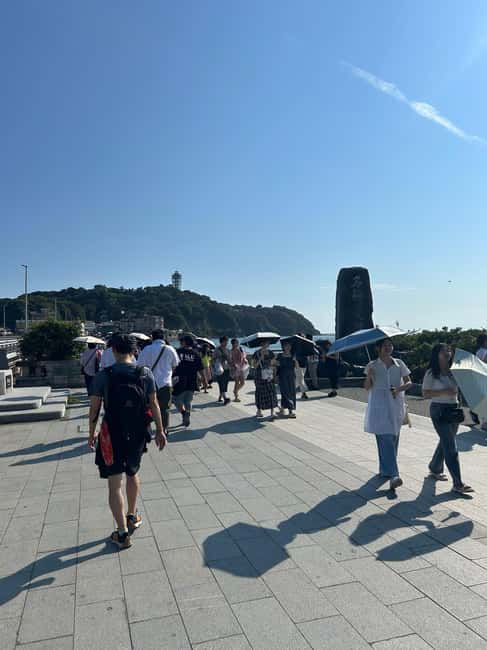
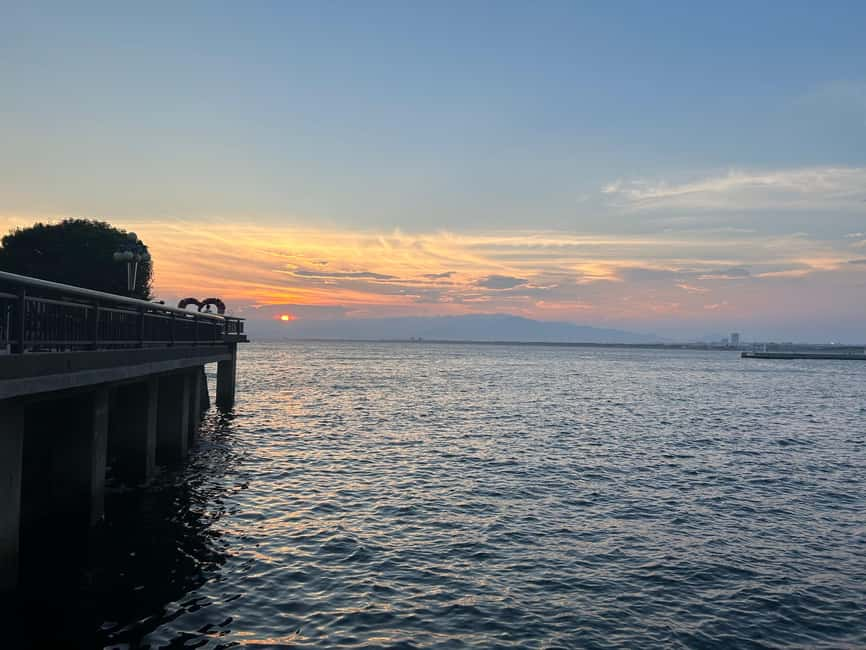
- Enoshima Island: Streets, Shrines, And Sea Air
- Hase-dera And The Statue Of Kannon
- Meeting The Great Buddha At Kotoku-in
- What The Guide Adds
- Walking, Weather, And The Pace
- Who Gets The Best Value
- Should You Book This Kamakura Tour?
- FAQ
- How long does the Kamakura and Enoshima tour last?
- Where does the tour meet and finish?
- Is an English-speaking guide included?
- Which attractions are visited?
- Is the Enoden train part of the tour?
- What should I bring?
- Can children or wheelchair users join?
Key Points At A Glance
- A smart Kamakura and Enoshima pairing: Visit major spiritual sites and the coast without planning separate outings.
- The Enoden train adds atmosphere: The 15-minute coastal railway ride is part of the experience, not just a transfer.
- Three very different landmark stops: Tsurugaoka Hachimangu, Hase-dera, and Kotoku-in each show a distinct side of Kamakura.
- Enoshima brings food and ocean views: You get time for island streets, scenery, and a food tasting.
- Yoko and Yuya guide the experience: Their friendly manner, strong English, and detailed answers are useful for curious visitors.
- Plan for active sightseeing: Comfortable shoes, cash, and weather-ready clothing matter more here than fancy tour gear.
Why This Coastal Half-Day Works
At $50 per person, this tour is priced as a practical introduction to one of the most rewarding day-trip areas near Tokyo. You are paying for an English-speaking guide, a structured route, and entrance fees to the attractions. That can be good value if you want context at the temples and help connecting Kamakura with Enoshima by local train.
The value depends partly on the group option you choose. Private and small-group formats are available, which should make it easier to ask questions and adjust the rhythm within the limits of the route. The experience is not a slow, empty-temple retreat. It is an active five-hour outing with several transfers and popular sights.
I especially like the route order. Tsurugaoka Hachimangu gives you the political and spiritual background of Kamakura first. Enoshima then changes the mood with ocean air, food stalls, island lanes, and views. Hase-dera and Kotoku-in bring the tour back to the city’s best-known Buddhist landmarks.
You meet at Kamakura Station, at the Midori no Madoguchi area, though the exact meeting point can vary by booking option. Arrive at least 10 minutes early. That is good advice here, since a station meeting is less forgiving if you are searching for the right entrance or ticket area.
More Temple & Shrine Tours in Kamakura
- Tokyo: Kamakura & Enoshima Day Trip including Temple Tickets
★ 4.5 · 1,375 reviews - Kamakura Historical Walking Tour with the Great Buddha
★ 5.0 · 129 reviews - Kamakura Private Tour: Temples, Nature, and the Great Buddha
★ 5.0 · 121 reviews
Tsurugaoka Hachimangu And The Samurai City
The tour begins with a 10-minute walk to Tsurugaoka Hachimangu, Kamakura’s central Shinto shrine. You have about 45 minutes for a guided visit, sightseeing, and photos.
This is the right first stop because the shrine helps explain why Kamakura matters. The city is closely tied to samurai rule, and Tsurugaoka Hachimangu remains one of its clearest symbols. Your guide can connect the shrine’s rituals and layout with the political power that once centered here.
Give yourself time to notice the approach, not just the main buildings. The walk toward the shrine creates a strong sense of arrival, and the broad ceremonial setting is part of the visit. A guide is useful because it is easy to admire the architecture without understanding the traditions or historical personalities connected with it.
The stop also sets a spiritual tone without asking you to spend the whole day in formal religious sites. You will have time for photos and questions, but not unlimited time to wander every corner. If you want a quiet, unhurried shrine visit, the schedule may feel brisk.
A Short Market And Food Break
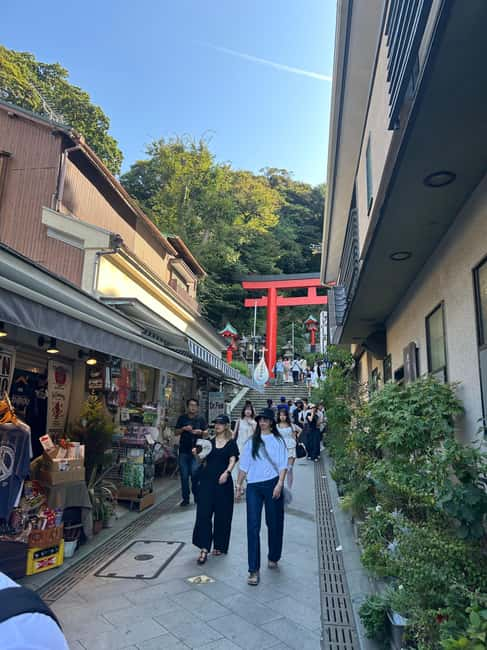
After Tsurugaoka Hachimangu, the itinerary includes about 20 minutes for photos, sightseeing, and a food market visit. This is a small part of the day, but it gives you a look at Kamakura’s everyday tourist streets rather than only its major monuments.
You can use this pause to ask your guide about local snacks or small purchases. Bring cash, since some shops do not accept cards. The tour includes a food tasting later at Enoshima, but the supplied details do not specify exactly which foods are served, so I would treat this as a chance to sample something local rather than a full meal.
Twenty minutes passes quickly. If you see something worth buying, keep your purchase compact. Large bags and luggage are not allowed on the tour, and the day involves trains, walking, and temple grounds.
Riding The Enoden Toward Enoshima
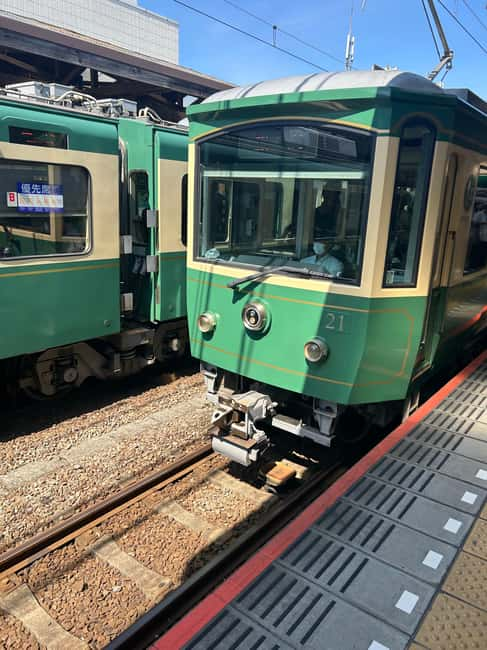
The Enoden train ride takes about 15 minutes. This is one of the most enjoyable links in the route because it changes the setting from historic Kamakura to the coast.
The train is described as historic and scenic, and its role here is more than a simple way to save your feet. You get a glimpse of local neighborhoods and the shoreline as you move toward Enoshima. Keep your expectations sensible, though. This is a short scheduled ride, not a long railway excursion with guaranteed window views.
The tour includes another train ride of about 10 minutes after Enoshima, followed by a 10-minute walk to Hase-dera. Since the included details list entrance fees but do not clearly state that train fares are included, bring cash for transport and small purchases. That is the safest approach.
Crowds can affect this part of the outing. Popular coastal trains may be busy, especially during peak hours. Your guide should help keep the route moving, but you will still need to stay alert and close to the group.
More temples and shrines near Kamakura:
- From Tokyo Kamakura, Hachimangu Shrine and Enoshima Full Day Tour
★ 4.5 · 36 reviews - Day Trip to Kamakura & Enoshima: Shrines, Seaside, Temples & Tea
★ 5.0 · 32 reviews - Kamakura Temples Private Guided Tour from Tokyo
★ 4.8 · 21 reviews - Kamakura Bamboo Forest and Great Buddha Private Tour
★ 5.0 · 12 reviews
Enoshima Island: Streets, Shrines, And Sea Air
You have about an hour on Enoshima Island for guided sightseeing, photos, and food tasting. This is the most relaxed-feeling portion of the tour, though the island itself can be busy.
Enoshima is known for seaside views, historic shrines, and shopping streets. The appeal comes from the mix. One moment you are looking at a religious site, and the next you are browsing food or walking along a lane with the sea nearby. It feels different from inland Kamakura and gives the tour a welcome change of pace.
The hour is enough for an introduction, not a full island exploration. You will not have time to linger at every shrine, shop, and viewpoint. If Enoshima is your main reason for booking, you may want to return on another day for a slower visit.
Wear shoes with good grip. The island portion involves walking, and the wider tour includes temple grounds and station transfers. The information does not promise a particular amount of stair climbing, but people with mobility limitations should note that the tour is not suitable for them, wheelchair users, baby strollers, or baby carriages.
The food tasting adds a pleasant local touch, but it should not replace lunch. Five hours is a long stretch for a half-day activity, and the schedule does not describe a full meal. Cash is especially useful on an island shopping street.
Hase-dera And The Statue Of Kannon
After Enoshima, you ride the train for about 10 minutes and walk another 10 minutes to Hase-dera. The temple visit lasts about 30 minutes.
Hase-dera is known for peaceful gardens and an impressive statue of Kannon, the goddess of compassion. This stop offers a softer mood after the activity of Enoshima. The gardens give you a chance to slow down, while the statue provides a clear focus for the guide’s explanation of Buddhist belief and temple tradition.
Thirty minutes is enough to see the main points and take photos, but not enough for a long garden stroll. I would listen closely to the guide here. The value is not only in seeing the statue, but in understanding why Kannon is important and how this temple fits into Kamakura’s spiritual life.
The temple may be crowded during peak hours. That can affect the quiet feeling, and you may need to wait for a clear view. Still, a guided stop keeps you from spending your limited time guessing which paths and buildings matter most.
Meeting The Great Buddha At Kotoku-in
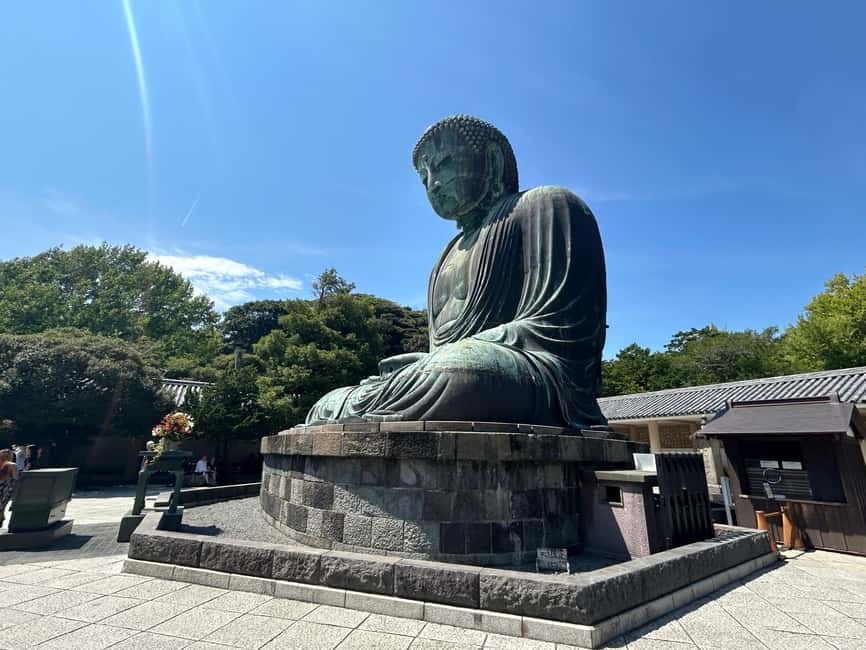
The final major stop is Kotoku-in, home of the Great Buddha of Kamakura. You have around 40 minutes for the temple, sightseeing, and photos.
The bronze Buddha is the visual climax of the tour. Its scale and calm expression make it memorable, but the guide’s historical and religious context can add much more than a quick photo stop. You will have time to take in the statue and the temple setting before the group heads back toward Kamakura Station.
This is a popular place, so expect other people around you. The tour information specifically warns that some attractions may be crowded during peak hours. The Great Buddha is still worth seeing, but you should not expect a private moment or a long period of silence.
Finishing at Kotoku-in works well. You have already learned about Kamakura’s samurai connection, seen a Shinto shrine, experienced Enoshima, and visited Hase-dera. The Great Buddha gives the day a clear final landmark instead of ending with a random walk back to the station.
What The Guide Adds
A local guide matters most at places where the visual experience can seem familiar but the meaning is less obvious. At Tsurugaoka Hachimangu, you can ask about samurai culture and shrine customs. At Hase-dera and Kotoku-in, you can ask about Kannon, Buddhist practice, and the role of the temples.
The English guide may be Yoko or Yuya, depending on the departure. Yoko is described as kind and well informed, with a good balance between sightseeing and views. Yuya is noted for very good English, patience with many questions, and a helpful manner.
Those details matter if you like to ask questions rather than simply follow a flag. The experience is built around local stories, and the guide can help you connect the sites instead of treating each one as an isolated photo stop. With a small group or private option, the conversation should be easier than on a large bus tour.
You should still check the group format when booking. The activity offers private or small-group choices, but the supplied information does not give a fixed maximum group size. That can affect how personal the experience feels.
Walking, Weather, And The Pace
The route includes a 10-minute walk at the start, several train transfers, a 10-minute walk to Hase-dera, and walking around shrine, temple, market, and island areas. Comfortable shoes are essential.
The tour runs rain or shine. Bring clothing suited to the forecast, since much of the day takes place outdoors. Ocean weather can make the island feel different from inland Kamakura, so a light rain layer is a practical choice when conditions look uncertain.
The itinerary may change because of weather or local events. That is reasonable for a route involving trains, open-air sightseeing, and popular religious sites. You should book this as a guided overview, not as a rigid promise that every stop will unfold at exactly the same pace.
Children under seven are not accepted. People with mobility impairments and wheelchair users should choose another experience. Baby strollers, baby carriages, luggage, and large bags are also not allowed.
Who Gets The Best Value
I would recommend this tour to you if you are staying in the Tokyo area and want a guided introduction to Kamakura without building the route yourself. It suits first-time visitors who want the major sights, but it also helps curious visitors who want more background than a quick independent visit provides.
It is a good choice for people who enjoy walking, local rail travel, temples, shrines, and changing scenery. The combination is stronger than a temple-only outing because Enoshima adds a casual coastal break.
I would be more cautious if you dislike fixed schedules or want extended time at one temple. You may also find the pace demanding if you need frequent rests. The tour is not designed for small children under seven or for anyone who cannot manage regular walking and train transfers.
At $50, I see solid value if the guide’s explanations are important to you and you plan to visit all four major areas anyway. Entrance fees are included, and the route saves you from working out the order of Kamakura, Enoshima, Hase, and Kotoku-in on your own. Keep extra cash ready for train costs if needed, food, and purchases.
Should You Book This Kamakura Tour?
Book it if you want a clear five-hour introduction to Kamakura and Enoshima with an English-speaking guide, major temple entrances, coastal rail travel, and time for local food.
Skip it if you want a slow day, have mobility limits, or care more about one detailed temple visit than seeing several places. For most active visitors, especially those who value good explanations and efficient routing, this is a sensible way to meet the Great Buddha, understand Kamakura’s samurai past, and enjoy Enoshima without turning the day into a transport puzzle.
FAQ
How long does the Kamakura and Enoshima tour last?
The tour lasts five hours.
Where does the tour meet and finish?
The listed meeting and drop-off point is Kamakura Station, at the Midori no Madoguchi area. The exact meeting point may vary depending on the option booked.
Is an English-speaking guide included?
Yes. An English-speaking live guide is included. Depending on the departure, your guide may be Yoko or Yuya.
Which attractions are visited?
The route includes Tsurugaoka Hachimangu, Enoshima Island, Hase-dera, and Kotoku-in, home of the Great Buddha of Kamakura.
Is the Enoden train part of the tour?
Yes. The route includes an approximately 15-minute train ride to Enoshima and another train ride of about 10 minutes afterward.
What should I bring?
Bring cash and comfortable walking shoes. Some shops do not accept cards, and the tour includes walking, train transfers, temple visits, and island sightseeing.
Can children or wheelchair users join?
Children under seven are not suitable for this activity. It is also not suitable for people with mobility impairments or wheelchair users. Baby strollers, baby carriages, luggage, and large bags are not allowed.
New on our Kamakura list
- 1-Day trip: Kamakura City (Enoshima/Shonan/Beach)★ 4.7 · 3 reviews
- Kamakura Zen: Great Buddha, Nature, Bamboo & Samurai Culture★ 5.0 · 3 reviews
- Kamakura Half Day Walking Tour with Local Experience★ 3.4 · 4 reviews
- Hiking Tour in Enoshima with a Local Guide★ 5.0 · 4 reviews
- Kamakura Tour with Pro Photographer: Anime Train & Fuji Sunset★ 5.0 · 4 reviews
- Kamakura Private Custom Tour★ 5.0 · 4 reviews
- Kamakura Historical and Cultural Day Trip with Local Cuisine★ 5.0 · 4 reviews
- Kamakura Full-Day Private Tour★ 5.0 · 4 reviews
Temple & Shrine Tours, compared.
Meiji Shrine, Asakusa, Skytree Bus Tour and Cruise
Read our review →
Asakusa Walking Tour with Sensoji Temple Visit
Read our review →
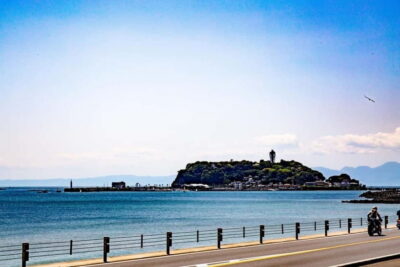
Kamakura & Enoshima Day Trip including Temple Tickets
Read our review →
Nikko Toshogu Shrine and Kegon Waterfall Tour
Read our review →
Tokyo Panoramic 1 Day: Meiji Shrine, Asakusa, Odaiba and SKYTREE®
Read our review →
Mt. Fuji Heritage Tour: Traditional Villages, Lakes & Shrine
Read our review →Browse the lists this tour appears in