
Reviewed · TEMPLE & SHRINE TOURS
Kamakura Bamboo Forest and Great Buddha Private Tour
Kamakura’s appeal comes into focus when you move from Hokoku-ji’s cool bamboo grove to the huge outdoor Buddha at Kotoku-in, then continue through shrines, temple gardens, and an old shopping street. This private tour gives you a full day in the former shogunate capital without the work of planning every train, bus, and walking route yourself.
I especially like the private format and the use of public transportation. You can keep your group together, ask for help as you go, and see how Kamakura functions beyond a sightseeing bus window. The guide support is another plus. Akira, Kono-san, and Yumiko have all led strong days, with Kono-san receiving particular praise for clear explanations, patient pacing, transport help, and even taking excellent photos.
The main catch is simple: you will walk a lot. The day covers five major stops in roughly nine hours, admission fees are extra, and the public transport costs from Tokyo and around Kamakura are not included. Anyone with knee trouble or limited stamina should think carefully before booking.
In This Review
- Key points to know before booking
- Why Kamakura works so well as a day trip
- Starting at Hasedera, Kamakura’s temple of flowers
- Meeting the Great Buddha at Kotoku-in
- The quiet bamboo at Hokoku-ji
- Tsurugaoka Hachimangu and the center of Kamakura
- Komachi-dori for snacks and small shops
- What the private guide adds
- Nine hours, public transit, and the walking question
- Is the $176.37 price good value?
- Weather, cancellation, and practical planning
- Who should book this Kamakura day?
- Should you book it?
- FAQ
- How long does the Kamakura private tour last?
- Does the tour include hotel pickup in Tokyo?
- Is transportation included in the tour price?
- Are admission fees included?
- Is this a private tour?
- Can I cancel for a full refund?
Key points to know before booking
- Five major Kamakura sights in one private day: Hasedera, the Great Buddha, Hokoku-ji, Tsurugaoka Hachimangu, and Komachi-dori are all included.
- About 2,000 bamboo stalks at Hokoku-ji: The grove is compact but atmospheric, with the option to enjoy matcha while looking into the bamboo.
- Public transportation, not a private car: Your guide helps with the route, but you pay the train and local transport fares.
- Tokyo 23-ward hotel pickup: Pickup is offered, making the start easier, though the long day still depends on trains and walking.
- Flexible private guiding: Only your family or friends participate, so the day can feel more personal than a large group outing.
- Expect a strong walking day: The schedule works best for people who can stay on their feet for much of the day.
Why Kamakura works so well as a day trip
Kamakura gives you a different view of Japan than central Tokyo. It was the capital during the first shogunate, and its temples and shrines reflect the city’s long connection with samurai government, religious practice, and pilgrimage.
The sights are spread across town rather than packed into one historic district. That is why a guide can be useful. You are not simply walking between monuments. You are moving through Kamakura by public transportation, finding the right stops, and fitting several places into a single day.
This tour is especially useful if you want more than the Great Buddha alone. A quick independent visit can cover one temple and the statue, but this route adds gardens, shrine traditions, shopping, and time in the city center. You get a broader picture of Kamakura without joining a large coach group.
The private arrangement also matters for families and friends. You do not share the guide with strangers, and the pace can be adjusted within reason. The schedule is full, though, so private does not mean leisurely at every stop.
More Private Tours in Kamakura
- Kamakura Private Tour: Temples, Nature, and the Great Buddha
★ 5.0 · 121 reviews - Kamakura 8 hr Private Walking Tour with Licensed Guide from Tokyo
★ 5.0 · 80 reviews - Kamakura: Private Guided Walking Tour with Local Guide
★ 4.8 · 60 reviews
Starting at Hasedera, Kamakura’s temple of flowers
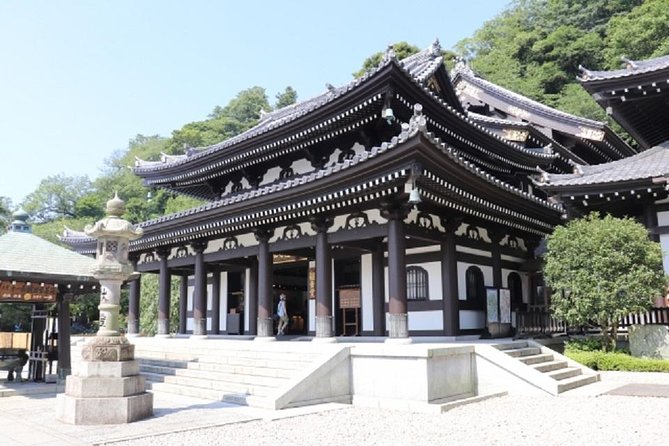
Hasedera is the first stop and receives about an hour. The temple is known for seasonal flowers and is often called a temple of flowers, so the mood can change depending on when you visit.
This is a good opening stop because it introduces Kamakura through gardens and religious architecture before the day reaches its most famous monument. You can expect time to walk through the grounds, see the plantings, and hear the guide explain what makes the temple important.
One hour is enough for a focused visit, but not for a slow exploration of every corner. If gardens are your main interest, tell your guide early. The tour has five stops, and the schedule requires some discipline.
Admission is not included. Keep that in mind when comparing the headline price with your likely total cost.
Meeting the Great Buddha at Kotoku-in
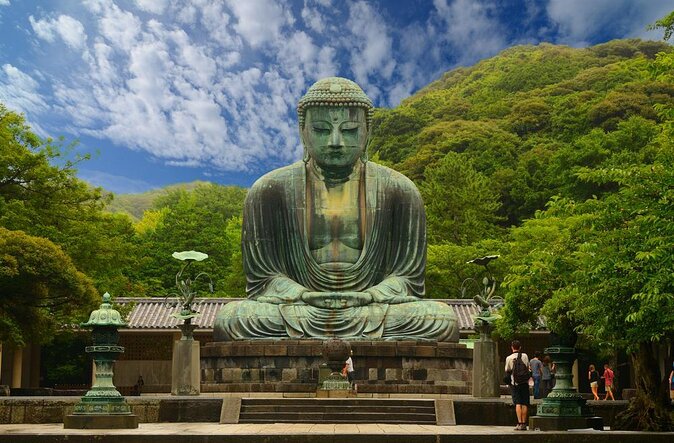
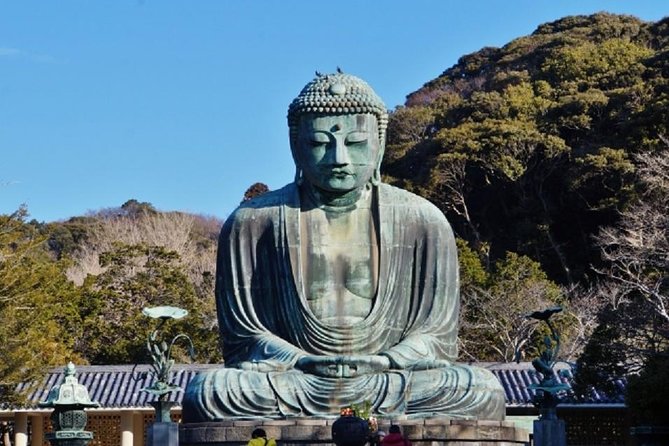
The Great Buddha is the visual centerpiece of the day. This bronze Amida Buddha sits outdoors on the grounds of Kotoku-in and measures about 13.35 meters high.
The open-air setting gives the statue a different feel from a Buddha inside a dark temple hall. You can take in its scale from the surrounding grounds, then listen as your guide explains its place in Kamakura’s religious and political story.
The stop lasts about an hour. That gives you enough time to see the statue properly, take photographs, and ask questions. It also prevents the visit from swallowing the rest of the day.
The guide can add real value here. One strong part of the experience is hearing the explanation while you are standing in front of the statue rather than trying to piece together information from a sign. Several guides connected with this tour have been praised for explaining the sites in detail, while one less successful pairing struggled with questions beyond prepared material. That suggests a practical tip: ask for the guide you want to provide clear historical explanations when making your reservation, but understand that a specific guide may not be guaranteed.
Kotoku-in admission is also extra.
The quiet bamboo at Hokoku-ji
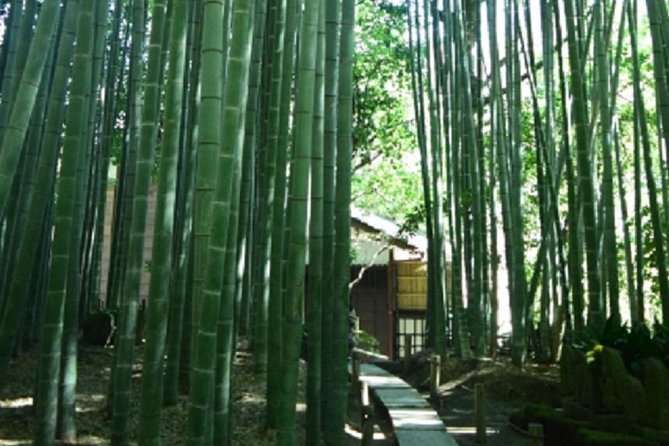
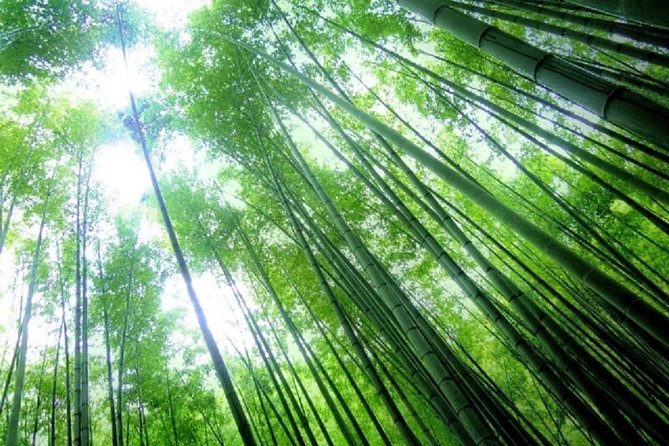
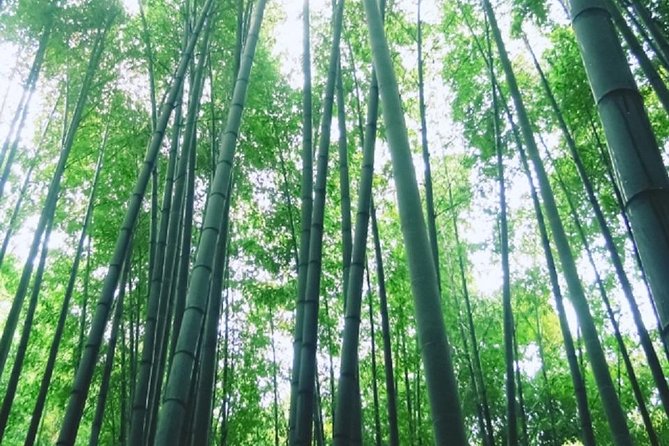
Hokoku-ji is the stop most closely tied to the tour’s name. Its bamboo garden contains approximately 2,000 stalks, creating a cool, shaded setting that feels quite different from the open space around the Great Buddha.
The grove is not a full-day forest trek. It is a concentrated garden visit, which makes the one-hour stop a sensible length. You can walk among the bamboo, enjoy the calm atmosphere, and take photographs without needing to spend the whole afternoon there.
A tea stop is part of the appeal. You can drink matcha while looking toward the bamboo garden, adding a traditional pause to an otherwise active sightseeing day. Check the exact arrangements with your guide, since food and drinks are not included in the tour price.
Hokoku-ji’s atmosphere is one of the best reasons to choose this experience instead of a simple Great Buddha excursion. The visit gives you a quiet contrast: first the imposing bronze statue, then tall bamboo, filtered light, and tea.
Again, admission is not included. The garden may also be less comfortable in poor weather, which matters because the experience requires good weather and may be canceled if conditions are unsuitable.
More Temple & Shrine Tours in Kamakura
- Tokyo: Kamakura & Enoshima Day Trip including Temple Tickets
★ 4.5 · 1,375 reviews - Kamakura Historical Walking Tour with the Great Buddha
★ 5.0 · 129 reviews - From Tokyo Kamakura, Hachimangu Shrine and Enoshima Full Day Tour
★ 4.5 · 36 reviews - Day Trip to Kamakura & Enoshima: Shrines, Seaside, Temples & Tea
★ 5.0 · 32 reviews
Tsurugaoka Hachimangu and the center of Kamakura
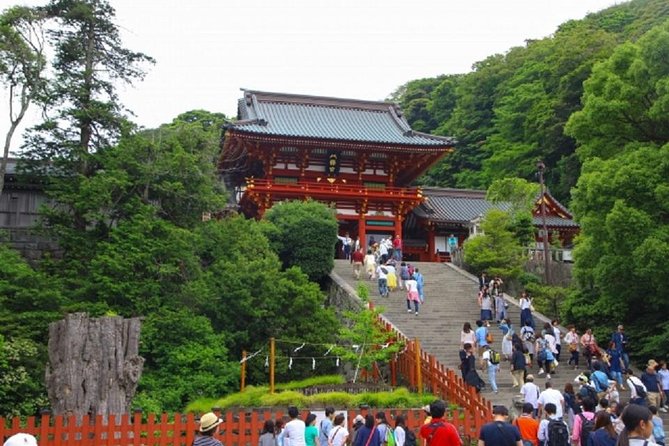
Tsurugaoka Hachimangu brings the day back into the middle of Kamakura. The shrine sits in the city center and was revered for centuries as the home of gods of war.
This stop connects the modern town with Kamakura’s samurai-era identity. You can expect a broad shrine setting, ceremonial spaces, and an explanation of the rituals and traditions associated with the site.
The guide is helpful here because shrine visits can look simple if you do not know what you are seeing. You can ask about sacred customs, historical figures, and how to behave respectfully. Past guests have particularly valued explanations of Japanese rituals and the chance to feel more connected to the culture rather than simply taking photographs.
The planned visit lasts about an hour. Since this is a major shrine in a central location, it can be an important stop for anyone interested in Japanese religious practice, but it also adds more walking to an already full day.
Komachi-dori for snacks and small shops
The final stop is Komachi-dori, a 30-minute stroll through one of Kamakura’s best-known shopping streets. This is your chance to shift from temples and shrines to food, small shops, and everyday town life.
Half an hour is enough to browse and pick up a snack, but it is not a long shopping session. If you hope to buy gifts or sit down for a full meal, you may need to plan that separately or ask whether the schedule can accommodate it.
Food and drinks are not included. That keeps the tour flexible, since you can choose what interests you, but it also means you should budget for purchases. Komachi-dori works well at the end because it gives you a less formal finish after a day of religious sites.
What the private guide adds
A private guide can make this route much easier than it first appears. Kamakura requires movement between several areas, and public transportation is part of the experience. You are not being driven from one gate to the next, so help with stations, connections, and local routes can save time and stress.
Kono-san has been praised for helping with transportation to Kamakura, within the city, and back toward Tokyo. That is useful if you are not comfortable reading Japanese station signs or working out a route while trying to keep a full day on schedule.
Akira has also received strong praise for being organized, friendly, and clear at each point of interest. Yumiko is described as offering pleasant explanations and stories. These comments point to the best version of this tour: a guide who keeps the day moving while giving you enough context to understand the places you see.
Still, guide quality can vary. One pairing was friendly and covered the expected sights, but communication made detailed questions difficult. If you want an extended conversation about history, ask about the guide’s English ability and teaching style before confirming.
Nine hours, public transit, and the walking question
The nine-hour duration sounds generous, but the route is full. Five stops, transport between areas, and a Tokyo connection leave little room for long breaks.
You should be comfortable walking for much of the day. One rainy-day visit was still considered worthwhile, but the guest specifically noted the amount of walking. Another account explained that a fixed departure time required shorter visits at each stop, even though the group managed to cover all five places.
This is not a good choice if you want to sit down often or explore each temple at a slow pace. It is better suited to an active day with steady movement. Comfortable shoes matter more here than stylish ones.
The public transport format has two sides. You pay the fares separately, but you also get a more ordinary view of traveling in Japan. You ride with local passengers, move through real stations, and avoid being sealed inside a tour vehicle all day.
Hotel pickup is offered within Tokyo’s 23 wards. The phrase pickup offered does not mean all transportation is included, so budget separately for the route from your hotel, the trains or buses during the day, and the return journey.
Is the $176.37 price good value?
At $176.37 per person, the tour is not the cheapest way to visit Kamakura. You still pay admission fees, public transportation, food, and drinks. A solo visitor or a couple focused on only the Great Buddha and one temple could likely spend less by traveling independently.
The value improves for a family or group of friends. Since the tour is private, you are paying for the guide’s time for your own group rather than joining a shared excursion. Group discounts are available, which can make the per-person cost more attractive as the party grows.
You are also paying for planning and coordination. The route includes five substantial stops, Tokyo pickup, local navigation, English guidance, and a full day of support. If you would otherwise spend hours researching train routes and deciding which sights to cut, that service has a clear value.
I would judge the price this way: it is reasonable for a group that wants a guided overview of Kamakura in one day, but less compelling for an independent visitor who enjoys planning and does not need explanations. The admission and transport extras should be added before you compare it with other options.
The experience is often reserved well ahead of time, with an average booking lead time of about 44 days. That does not guarantee that every date sells out, but it is a useful sign to plan early, especially if your Tokyo schedule is tight.
Weather, cancellation, and practical planning
The tour requires good weather. If poor weather causes cancellation, you are offered another date or a full refund. That policy is helpful for an outdoor-heavy day involving the bamboo garden, temple grounds, shrine spaces, and walking between transport stops.
You can cancel for a full refund up to 24 hours before the start time. Changes or cancellations made inside that window are not accepted and are not refunded.
Confirmation normally arrives when you book. If you reserve within two days of departure, confirmation can take up to 48 hours and depends on availability.
Most people can participate, but the long walking day deserves more attention than the general participation statement. If you have knee problems, limited mobility, or trouble walking for several hours, ask detailed questions before booking. The private format may allow some adjustment, but the five-stop route still requires movement.
Who should book this Kamakura day?
I would recommend it most strongly to families, friends, and first-time visitors who want to see Kamakura’s major sights without managing the logistics alone. It is also a good fit if you want cultural explanations, not just photographs.
Choose it if you like a full day, can walk steadily, and want a mix of temples, a shrine, bamboo, a monumental Buddha, and food shopping. The private setting is especially useful when different people in your group have different interests, since you can communicate directly with the guide.
Think twice if you dislike fixed schedules, want long meals, or prefer to spend half a day in one temple garden. You should also be cautious if bad weather would spoil the experience or if walking is difficult.
Should you book it?
Book this tour if you want an efficient, private introduction to Kamakura and value help with public transportation. The strongest elements are the range of sights, the bamboo and matcha setting at Hokoku-ji, and the support of guides such as Akira and Kono-san, whose organization and explanations have made the day especially effective.
Skip it if you are comfortable arranging trains yourself, want to control every minute, or are mainly interested in one or two sights. Before paying, confirm the total group size, expected guide, walking demands, admission costs, and transport budget. For an active group seeking a full Kamakura day from Tokyo, this is a well-planned way to cover a lot of ground.
FAQ
How long does the Kamakura private tour last?
The tour lasts approximately nine hours.
Does the tour include hotel pickup in Tokyo?
Pickup is offered from hotels in Tokyo’s 23 wards.
Is transportation included in the tour price?
No. Customers pay for public transportation to and from Kamakura and for transportation used during the tour.
Are admission fees included?
No. Admission fees for the temples and other paid sights are paid by customers.
Is this a private tour?
Yes. Only your own family or friends participate in the private activity.
Can I cancel for a full refund?
Yes. You can cancel at least 24 hours before the local start time for a full refund. Cancellations or changes made less than 24 hours before the start time are not refunded or accepted.
More Temple and Shrine Visits
- Kamakura Temples Private Guided Tour from Tokyo
★ 4.8 · 21 reviews - Kamakura: Great Buddha, Hase Temple, & Komachi Street Tour
★ 5.0 · 11 reviews - Trip to Kamakura & Enoshima: Shrines, Seaside, Temples &Tea
★ 5.0 · 11 reviews - From Kamakura: Daibutsu Hiking Trail Tour with Local Guide
★ 5.0 · 10 reviews
New on our Kamakura list
- 1-Day trip: Kamakura City (Enoshima/Shonan/Beach)★ 4.7 · 3 reviews
- Kamakura Zen: Great Buddha, Nature, Bamboo & Samurai Culture★ 5.0 · 3 reviews
- Kamakura Half Day Walking Tour with Local Experience★ 3.4 · 4 reviews
- Hiking Tour in Enoshima with a Local Guide★ 5.0 · 4 reviews
- Kamakura Tour with Pro Photographer: Anime Train & Fuji Sunset★ 5.0 · 4 reviews
- Kamakura Private Custom Tour★ 5.0 · 4 reviews
- Kamakura Historical and Cultural Day Trip with Local Cuisine★ 5.0 · 4 reviews
- Kamakura Full-Day Private Tour★ 5.0 · 4 reviews
Temple & Shrine Tours, compared.
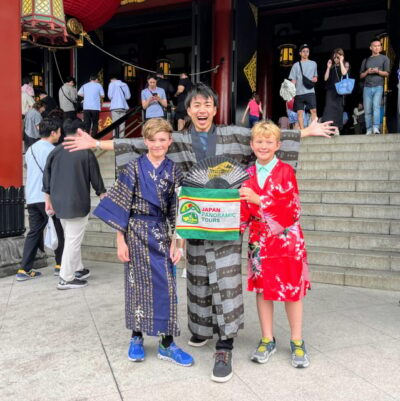
Meiji Shrine, Asakusa, Skytree Bus Tour and Cruise
Read our review →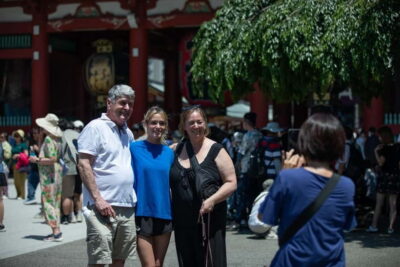
Asakusa Walking Tour with Sensoji Temple Visit
Read our review →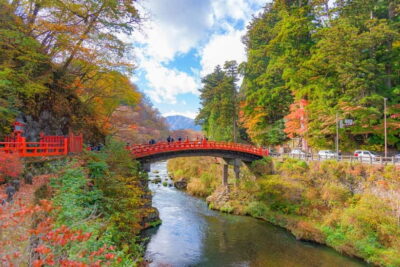
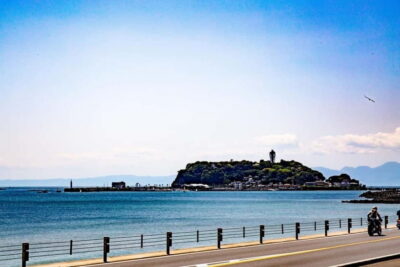
Kamakura & Enoshima Day Trip including Temple Tickets
Read our review →
Nikko Toshogu Shrine and Kegon Waterfall Tour
Read our review →
Tokyo Panoramic 1 Day: Meiji Shrine, Asakusa, Odaiba and SKYTREE®
Read our review →
Mt. Fuji Heritage Tour: Traditional Villages, Lakes & Shrine
Read our review →Browse the lists this tour appears in