
Reviewed · SAMURAI & NINJA EXPERIENCES
Kamakura; First Samurai Capital walking tour
Kamakura’s peaceful temple lanes hide a rough beginning: this was Japan’s first samurai capital, founded in 1192 after years of war. This small-group walk brings that story to life through Engaku-ji, Kencho-ji, and Tsurugaoka Hachimangu, then finishes with an unusual look at Kamakura lacquerware, an art form with 800 years of local roots.
I like the calm start at Kita-Kamakura Station and the way the tour connects Zen architecture, samurai power, religion, and craft. I also like the personal touch from guide Yurie, whose clear English, hand-drawn map, and original history panels help put each site in context. The catch is the physical effort: expect about four hours on foot, hills, uneven ground, and 135 stairs to the temple bell.
In This Review
- Key points to know before booking
- Why this Kamakura walk feels different
- Meeting the guide at Kita-Kamakura Station
- Engaku-ji and the 135-step climb
- Walking to Kencho-ji through Kita-Kamakura
- Tsurugaoka Hachimangu and the making of Kamakura
- Kamakurabori, an 800-year-old local craft
- How much walking and climbing should you expect?
- Who will get the most from this tour?
- Practical costs, timing, and planning tips
- Should you book the Kamakura First Samurai Capital walk?
- FAQ
- Where does the tour begin?
- Which train line goes to Kita-Kamakura Station?
- How long does the tour last?
- What language is the tour conducted in?
- How many people are in the group?
- Are temple entrance fees included?
- Is the Kamakura Lacquerware Museum admission included?
- Does the tour include food or drinks?
- How difficult is the walking?
- Does the tour run in bad weather?
Key points to know before booking
- Begin at a quiet station: Kita-Kamakura gives you a calmer introduction to Kamakura than starting in the busier central district.
- See two major Rinzai-Zen temples: Engaku-ji and Kencho-ji offer grand gates, Buddha halls, Dharma halls, and temple bells.
- Climb 135 stairs at Engaku-ji: The reward is an 800-year-old bell, listed as a national treasure.
- Walk the historic Dankazura: This 450-meter raised walkway leads toward Tsurugaoka Hachimangu and is well known for cherry blossoms.
- Finish with local craft: Kamakurabori Museum displays lacquerware from the Muromachi period to today.
- Plan for extra costs: Temple admission is about ¥500 per temple, while the museum admission is included.
Why this Kamakura walk feels different
Many first-time visitors come to Kamakura for the Great Buddha. This tour takes another route, focusing on the city’s political and religious center rather than its most famous bronze statue.
That choice makes sense if you want to understand why Kamakura matters. The city was Japan’s first samurai capital, and its temples and shrine were tied to the military government, Zen Buddhism, family ambition, and prayers for political success. The result is a tour with several layers: grand religious buildings, quiet wooded paths, views over the city, and stories about the people who shaped medieval Japan.
The group is limited to four participants, so the format is personal rather than crowded. With an English-speaking licensed guide, you can ask questions as you go, and the pace allows time for explanations at each stop.
Guide Yurie is a major part of the appeal. She speaks very clear English and uses original panels to explain where Kamakura fits into Japanese history. Her hand-drawn map is also useful after the tour, especially if you plan to spend the afternoon around Komachi-dori or explore more temples on your own.
The price is $63 per person. That is reasonable for a 210-minute private-feeling walk with a licensed guide, though you should add around ¥1,000 for the two temple admissions. The lacquerware museum admission is included, which helps balance the extra temple fees.
More Walking Tours in Kamakura
- Kamakura Historical Walking Tour with the Great Buddha
★ 5.0 · 129 reviews - Kamakura Walking Tour – The City of Shogun
★ 5.0 · 100 reviews - Kamakura 8 hr Private Walking Tour with Licensed Guide from Tokyo
★ 5.0 · 80 reviews
Meeting the guide at Kita-Kamakura Station
The tour begins at the East exit of Kita-Kamakura Station. This is important: the Yokosuka Line is the only train line that stops there, and the platform is extremely long.
If you are coming from Tokyo, ride in the carriage closest to the driver. Exit through the ticket gate at the front of the platform, near the trains heading toward Zushi, Yokosuka, and Kurihama. The guide meets you just outside the gate.
If you are arriving on a train heading toward Tokyo, use the rearmost carriage. You will need to cross the railroad crossing to reach the other side and then use the nearest ticket gate.
Take these instructions seriously. Kita-Kamakura is a small station, but the platform arrangement can make a simple meeting point confusing. Do not cross the railroad crossing if you are already on the correct side of the station.
Engaku-ji and the 135-step climb
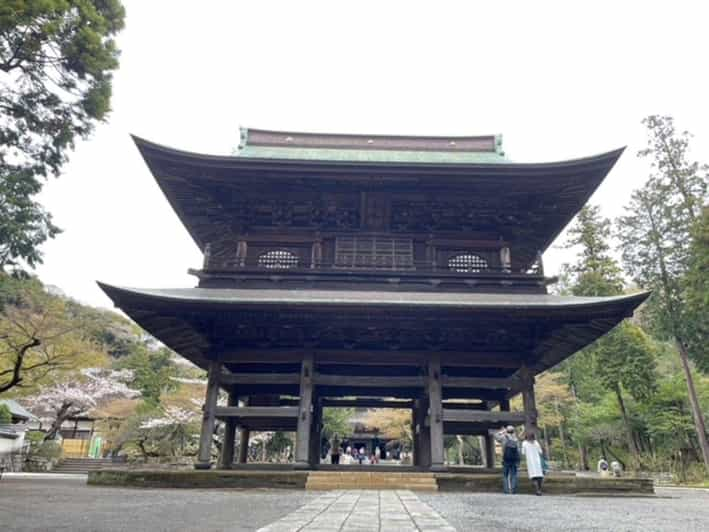
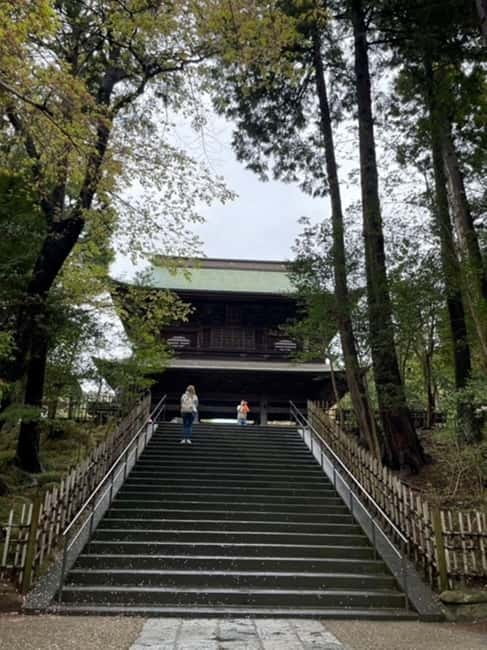
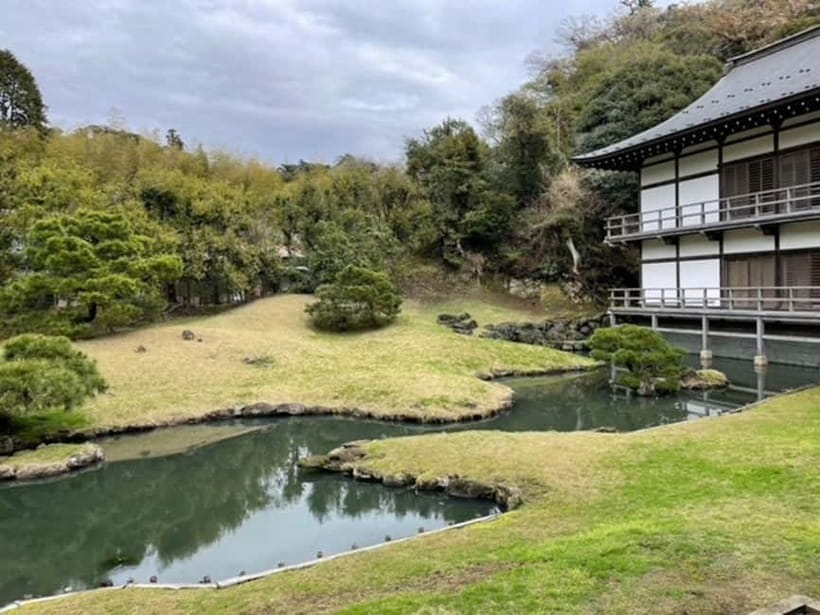
Engaku-ji is only about two minutes from the station, so the tour moves quickly from the meeting point into temple grounds. You enter through the large Sanmon Gate, an impressive opening that immediately gives the site a sense of scale and ceremony.
The guide then takes you to the Butsuden, or Buddha Hall, to see the Buddha statue. From there, you visit the Hatto, the Dharma Hall, where a dragon painting covers the ceiling. These buildings are not simply stops for photographs. Their arrangement helps you see how Zen temple design directs attention from public entrances toward increasingly important religious spaces.
Engaku-ji also contains the Shariden, a particularly significant building. It was described during the tour as the only national treasure construction in Kamakura, making it an important reason to look beyond the main route through the grounds.
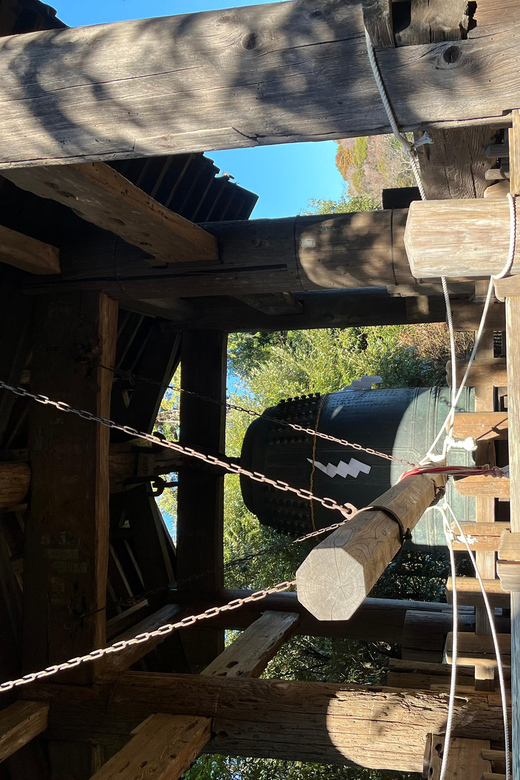
The physical challenge comes near the end of the visit. You climb 135 stairs to reach the Bonsho, or temple bell. The effort is manageable for many active walkers, but it is not a flat sightseeing stop, and the steps can feel demanding in hot weather.
At the top, the 800-year-old bell gives you a fitting reward. The bell is a national treasure, and its position also gives you a chance to pause and enjoy the surroundings. Bring water, wear shoes with good support, and do not treat the stairs as an optional detail.
Admission to Engaku-ji is not included and costs approximately ¥500. Bring cash, since the tour specifically advises you to prepare for temple entrance fees and optional Goshuin stamps.
Walking to Kencho-ji through Kita-Kamakura
The walk from Engaku-ji to Kencho-ji takes about 20 minutes. This is one of the tour’s pleasant features because you move between major sites on foot instead of spending the morning getting on and off buses.
Kita-Kamakura feels quieter and more relaxed than the central shopping streets. The walk gives the guide room to explain how Kamakura developed and how its religious sites relate to the city’s samurai past.
Kencho-ji is presented as Kamakura’s most prestigious Zen temple. Its Sanmon Gate, Butsuden, Hatto, and Bonsho follow a similar sequence to Engaku-ji, but the scale feels grander.
The repeated layout is useful rather than dull. After seeing one major Rinzai-Zen temple, you can compare the two. A guide can point out changes in size, emphasis, and atmosphere that might otherwise pass unnoticed.
One limitation matters at Kencho-ji: the Butsuden is closed for maintenance until 2027. You can still visit the temple and see its other major features, but anyone specifically coming for the Buddha Hall should adjust expectations.
The temple admission costs approximately ¥500 and is paid separately. As with Engaku-ji, carry Japanese cash.
More samurai and ninja sessions:
- Kamakura Zen: Great Buddha, Nature, Bamboo & Samurai Culture
★ 5.0 · 3 reviews - Tokyo: Samurai Ninja Museum Guided tour and Experience
★ 4.6 · 1,010 reviews - Tokyo: Samurai Sword & Archery Class from Samurai Descendant
★ 5.0 · 603 reviews - Best Samurai Experience in Tokyo
★ 5.0 · 458 reviews
Tsurugaoka Hachimangu and the making of Kamakura
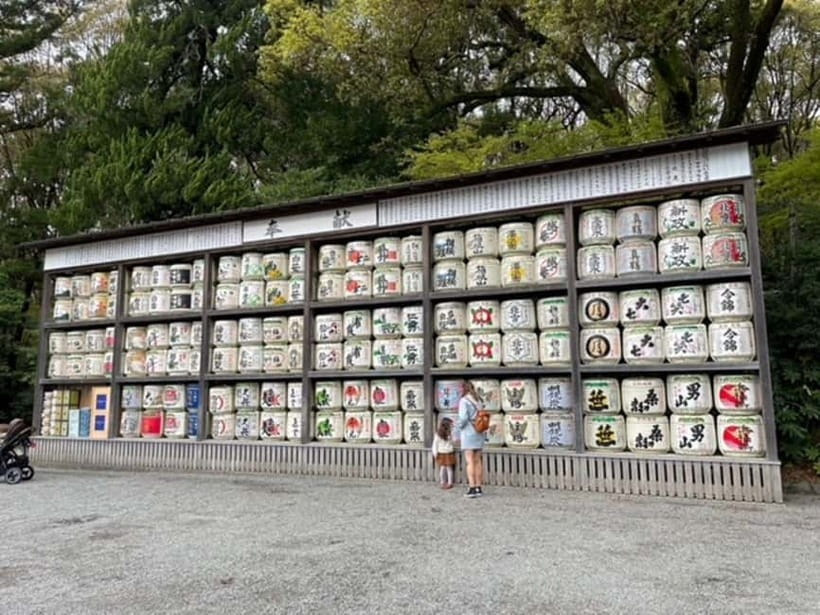
After about 15 minutes on foot, the tour reaches Tsurugaoka Hachimangu, Kamakura’s central shrine and enduring symbol. The shrine was built to display the authority of the first shogun, so its broad approach and elevated position are part of the political message.
The shrine is dedicated to Hachiman, a kami associated with good fortune in warfare. That connection helps explain why this site mattered so much to the samurai government. It was not only a place for private prayer. It also represented military legitimacy and public power.
You climb toward the shrine and gain a scenic view over Kamakura. The height gives the visit a satisfying sense of arrival after the quieter temple grounds.
The tour also covers Dankazura, the 450-meter walkway leading from the former coastline toward the Third Torii Gate. The first shogun built it as a prayer for the safe delivery of an heir, adding a personal and dynastic purpose to what might otherwise look like a simple ceremonial road.
The route walks from the Third Torii Gate toward the Second Torii Gate, the current starting point of Dankazura. The walkway is especially well known for cherry blossoms, although the tour does not promise seasonal blooms.
Tsurugaoka Hachimangu is more open and ceremonial than the Zen temples. Expect a stronger sense of public grandeur here, along with a different religious tradition. The contrast is one of the best reasons to visit all three major sites rather than spending the whole morning at one temple.
Kamakurabori, an 800-year-old local craft
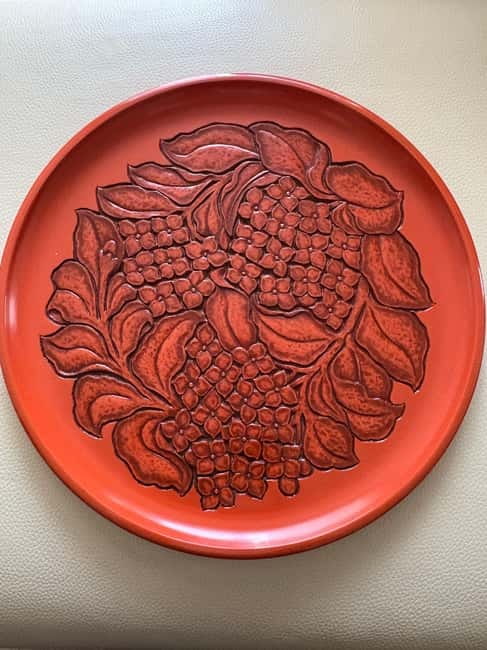
The final walk takes about 10 minutes and ends at the Kamakurabori Museum, local gift shop, and cafe. The museum visit lasts about 20 minutes and gives the tour an artistic finish.
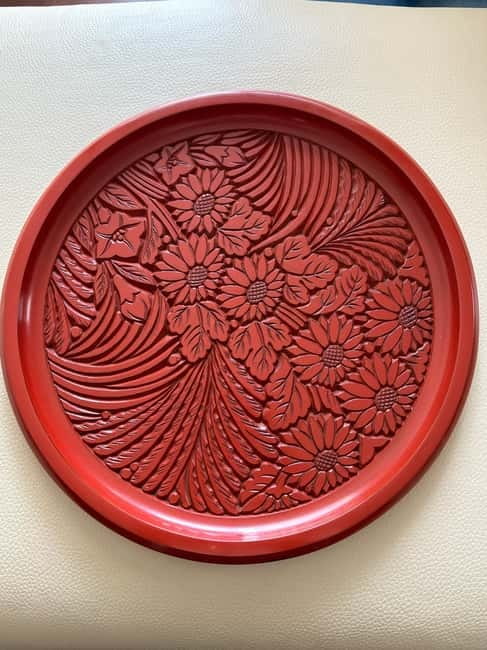
Kamakurabori is a traditional lacquerware craft recognized by Japan’s Ministry of Economy, Trade and Industry. Buddhist sculptors originally developed it about 800 years ago, and its early use was tied to religious objects and temple culture.
During the Edo period, from 1603 to 1868, the craft expanded beyond Buddhist ritual items. Makers began producing everyday goods, and Kamakurabori later became popular for tea ceremony use.
The museum displays works dating from the Muromachi period, 1336 to 1568, through the present day. That range helps you see the craft as a living tradition rather than a decorative footnote.
This stop is particularly valuable because it connects the temples to modern Japanese art. The carved forms, lacquer finish, and long production tradition reflect the same close relationship between religion, craftsmanship, and daily life that you have seen throughout the morning.
You can also browse the local gift shop and cafe at the finish. Food and drinks are not included, but ending here gives you a convenient place to pause before continuing around Kamakura.
How much walking and climbing should you expect?
The tour lasts 210 minutes, or three and a half hours. The scheduled walking sections alone total about 45 minutes, but the temple grounds also involve standing, slopes, stairs, and movement between buildings.
Comfortable shoes are essential. The 135 stairs at Engaku-ji are the clearest challenge, but the tour also includes general ups and downs and uneven outdoor surfaces.
Summer can be hot, so bring water and a hat. The tour operates rain or shine, which means weather-appropriate clothing matters. A light rain layer, sun protection, and shoes that can handle wet ground will make the morning easier.
This is not suitable for wheelchair users, people with a cold, or people over 95. The restrictions reflect the walking conditions and the physical demands of the route.
Who will get the most from this tour?
I would choose this tour if you want more than a quick photo stop at Kamakura’s biggest sights. It suits you if you enjoy historical explanation, religious architecture, local art, and a steady walking route.
It is also a strong choice for first-time visitors who want help organizing Kamakura. Starting at Kita-Kamakura and finishing at the museum gives you a clear morning plan, while the rest of the day remains open for shopping, food, or additional sightseeing.
The small group works well for people who prefer questions and conversation over a large crowd. It also helps if you want the guide to adjust explanations to your interests.
You may want a different plan if your main goal is the Great Buddha, seaside scenery, or a broad list of temples. This route concentrates on Zen temples, the central shrine, and lacquerware, so it is focused rather than all-inclusive.
Practical costs, timing, and planning tips
The listed cost is $63 per person. You should budget extra for approximately ¥500 at each temple, plus any food, drinks, gifts, transportation, or personal purchases.
Goshuin stamps may cost about ¥500 if you collect them. Bring cash for these as well as the entrance fees.
Hotel pickup and drop-off are not provided, and transportation costs are not included. You are responsible for reaching Kita-Kamakura Station and making your own way onward after the museum.
The tour is offered in English and includes a licensed live guide. You can cancel up to 24 hours before the start for a full refund, and the reserve-now, pay-later option keeps your plans flexible.
Since the tour runs in all weather, check the forecast before leaving your hotel. The best preparation is simple: water, a hat in summer, comfortable shoes, modest weather protection, and enough Japanese cash.
Should you book the Kamakura First Samurai Capital walk?
Book it if you want Kamakura explained as a place of samurai government, Zen Buddhism, shrine ritual, and local craftsmanship. The combination of Engaku-ji, Kencho-ji, Tsurugaoka Hachimangu, and Kamakurabori gives you a fuller picture than a temple-only outing.
I especially recommend it for visitors who appreciate a strong guide. Yurie’s English, historical panels, hand-drawn map, and enthusiasm for lacquerware add real value to a route that could otherwise become a blur of gates and statues.
Skip it if stairs are difficult, you need wheelchair access, or your priority is the Great Buddha. Also remember that Kencho-ji’s Butsuden will remain closed for maintenance until 2027.
For active walkers who want a focused, well-explained morning close to Tokyo, the $63 price is fair. You get a small group, three major cultural sites, a local craft museum, and enough free time afterward to continue exploring Kamakura on your own.
FAQ
Where does the tour begin?
The tour begins outside the East exit of Kita-Kamakura Station.
Which train line goes to Kita-Kamakura Station?
The Yokosuka Line is the only train line that stops at Kita-Kamakura Station.
How long does the tour last?
The tour lasts 210 minutes, or three and a half hours.
What language is the tour conducted in?
The tour is conducted in English by a licensed live guide.
How many people are in the group?
The group is limited to four participants.
Are temple entrance fees included?
No. Each temple costs approximately ¥500, and you should bring cash.
Is the Kamakura Lacquerware Museum admission included?
Yes. Admission to the Kamakura Lacquerware Museum is included.
Does the tour include food or drinks?
No. Food and drinks are not included.
How difficult is the walking?
The route includes quite a lot of walking, hills, ups and downs, and 135 stairs at Engaku-ji. Comfortable shoes are recommended.
Does the tour run in bad weather?
Yes. The tour takes place rain or shine, so you should wear weather-appropriate clothing.
New on our Kamakura list
- 1-Day trip: Kamakura City (Enoshima/Shonan/Beach)★ 4.7 · 3 reviews
- Kamakura Zen: Great Buddha, Nature, Bamboo & Samurai Culture★ 5.0 · 3 reviews
- Kamakura Half Day Walking Tour with Local Experience★ 3.4 · 4 reviews
- Hiking Tour in Enoshima with a Local Guide★ 5.0 · 4 reviews
- Kamakura Tour with Pro Photographer: Anime Train & Fuji Sunset★ 5.0 · 4 reviews
- Kamakura Private Custom Tour★ 5.0 · 4 reviews
- Kamakura Historical and Cultural Day Trip with Local Cuisine★ 5.0 · 4 reviews
- Kamakura Full-Day Private Tour★ 5.0 · 4 reviews
Samurai & Ninja Experiences, compared.
Samurai Ninja Museum Guided tour and Experience
Read our review →
Samurai Sword & Archery Class from Samurai Descendant
Read our review →
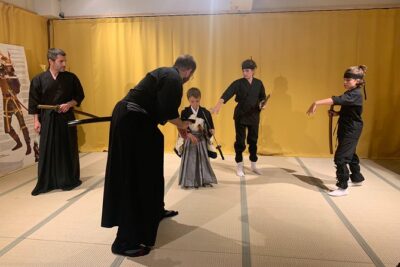
Ninja Experience (Family Friendly) at Samurai Ninja Museum TOKYO
Read our review →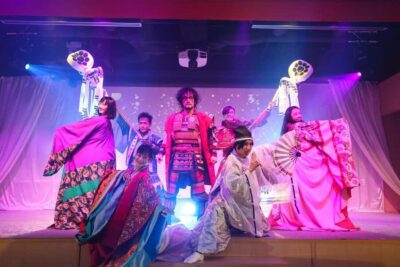
Samurai Entertainment Night Show in Kanda Shrine
Read our review →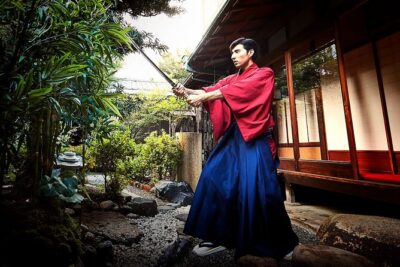
Tokyo Sword Experience – includes Museum Ticket/Ninja Experience
Read our review →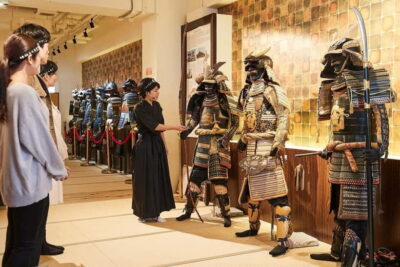
Samurai Ninja Museum Asakusa: Samurai Sword Lesson & Tour
Read our review →
Ninja Samurai 2-hour hands-on lesson by Japanese master in Tokyo
Read our review →Browse the lists this tour appears in