
Reviewed · KAMAKURA TOURS
Kamakura Full Day Tour with Licensed Guide and Vehicle from Tokyo
Kamakura’s best sights are spread across an old seaside city, and this private day tour gives you a car, a licensed guide, and eight hours to connect the dots. You can see the 11.4-meter Great Buddha, quiet temple gardens, a bamboo grove, the beach, and Komachi Street without working out every train and bus connection.
I like the freedom to shape the day around three or four main sites, and I like having a guide who can explain Buddhist and samurai traditions instead of leaving you with a photo stop. Guides named Kei and Yoshi have also built food and shopping into the day, including buckwheat noodles and sushi at local restaurants.
The main concern is communication. One booking produced a serious complaint about the guide’s English, while other bookings describe an efficient and enjoyable day. The pace can also become hurried if you try to fit all eight listed stops into eight hours, especially with Tokyo traffic.
In This Review
- Key points to know before booking
- Why Kamakura works well as a private day trip
- Hasedera Temple and its 9.18-meter Kannon
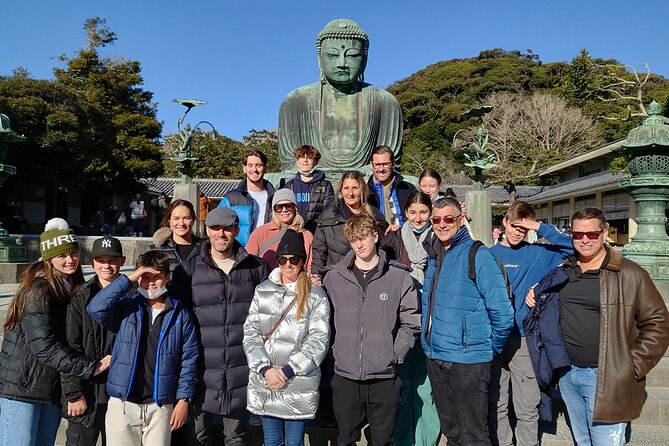
- Kotoku-in and Kamakura’s bronze Great Buddha
- Kencho-ji, the oldest Zen temple in Kamakura
- Tsurugaoka Hachimangu and the samurai connection
- Hokoku-ji’s bamboo grove and matcha pause
- Yuigahama Beach and a breath of sea air
- Komachi Street for snacks, shopping, and lunch
- Eishoji, a quiet final temple
- How the eight-hour schedule really works
- Private-car value at $1,026.90 per group
- Guide communication matters
- Who should book this Kamakura tour?
- FAQ
- How long does the tour last?
- Is pickup included?
- How many people can join the tour?
- Are entrance fees and lunch included?
- Can I choose which Kamakura sights to visit?
- What happens if the weather is poor?
Key points to know before booking
- Private car from Tokyo: Travel time to Kamakura is about one hour each way, with traffic able to change the schedule.
- Choose 3 to 4 highlights: The service is customizable, so confirm your preferred temples and sights before the day.
- Licensed multilingual guide: English is offered, but guide quality and ease of communication may vary.
- Strong mix of sights: Expect Buddhist temples, a major Shinto shrine, bamboo, sea air, shopping, and local food.
- Admission costs extra: Entrance fees, lunch, tea, and personal purchases are not included.
- Best for a small group: The $1,026.90 price covers up to four people, making the value stronger when shared.
Why Kamakura works well as a private day trip
Kamakura gives you a very different Japan from Tokyo’s tall buildings and crowded rail stations. It was a major political center in the medieval period, and today its appeal comes from the way temples, shrines, wooded hills, and the Pacific sit close together.
The city is easy to reach by train, but its sights are not all clustered in one spot. Hasedera and Kotoku-in are near the coast, Kencho-ji and Tsurugaoka Hachimangu sit farther inland, and Hokoku-ji is in another part of town. A private vehicle saves time between these areas, though it cannot make Tokyo traffic disappear.
I see the car as the practical heart of this experience. You can start with pickup in Tokyo, leave the navigation to someone else, and use the ride between sights to rest your feet. The tradeoff is that a car is not always faster during busy periods, and the tour does not promise a specific vehicle type.
The total duration is about eight hours, including travel time. That means you are not getting eight full hours inside Kamakura. With roughly two hours spent traveling between Tokyo and the city, your sightseeing time needs careful planning.
More Kamakura and Enoshima days:
- Tokyo: Kamakura & Enoshima Day Trip including Temple Tickets
★ 4.5 · 1,375 reviews - Tokyo: Mt. Fuji, Kamakura, Big Buddha, & Lake Ashi Day Trip
★ 4.5 · 867 reviews - From Tokyo: Kamakura & Enoshima 1-Day Bus Tour
★ 4.5 · 189 reviews
Hasedera Temple and its 9.18-meter Kannon
Hasedera is a strong opening choice because it combines a major religious object with gardens and views toward the sea. The temple belongs to the Jodo sect and is known for its eleven-headed Kannon, the Buddhist figure associated with mercy.
The gilded wooden statue measures 9.18 meters and sits inside the Kannon-do Hall. You cannot simply stroll past it like a monument in an open plaza. Your guide can add context about Kannon and help you understand why the statue matters within Japanese Buddhism.
Hasedera is also a good place to slow down after the drive from Tokyo. The grounds are known for attractive gardens, and higher points provide ocean views. The route does involve temple grounds and elevated areas, so you should expect some walking rather than a vehicle-to-door sightseeing style.
One hour is a sensible amount of time here. You can see the main religious features, enjoy the garden setting, and take in the coast without letting one stop swallow the day. Entrance is not included, so keep separate money for admission.
Kotoku-in and Kamakura’s bronze Great Buddha
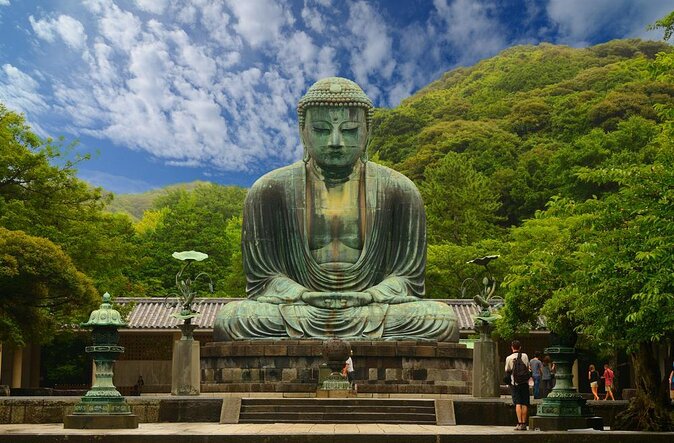
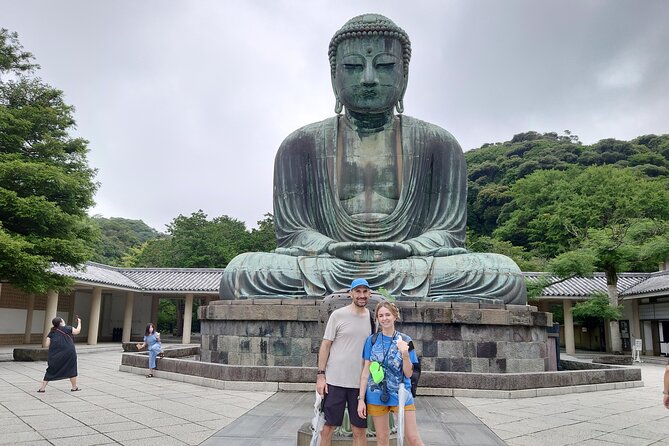
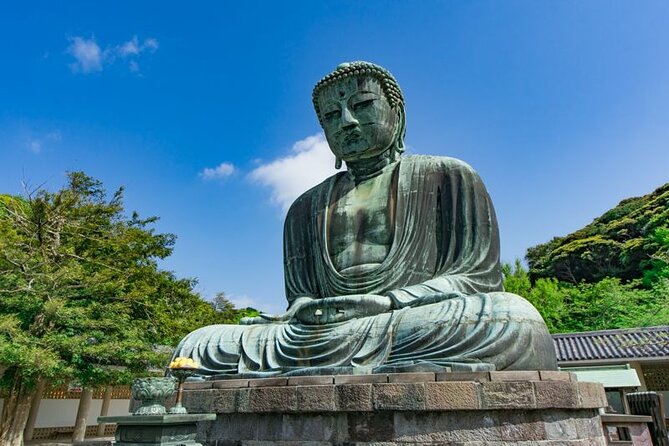
The Great Buddha at Kotoku-in is the image most closely linked with Kamakura. This bronze Amida Buddha measures 11.4 meters high and has long been known as Japan’s second-tallest bronze Buddha, after the one at Todaiji in Nara, aside from newer works.
The statue is powerful because it is both monumental and exposed. It is not sealed away inside a vast modern hall. You can see its full form clearly, which makes the visit quick to understand even if you know little about Buddhist art.
Your guide can explain Amida Buddha and the place of Kotoku-in within Kamakura’s religious story. If you want a classic Kamakura photograph, this is the essential stop.
The planned visit is about one hour, though the actual time you need depends on crowds and whether you choose to pay for the additional interior viewing. The admission fee is not included. If you are choosing only three or four sites, I would put Kotoku-in near the top of the list.
Kencho-ji, the oldest Zen temple in Kamakura
Kencho-ji brings a different mood. It is the first of Kamakura’s five great Zen temples and was founded in 1253 by Hojo Tokiyori, the ruling regent of the period. Its first head priest, Rankei Doryu, came from China.
The temple once covered a much larger area, but it remains an extensive complex. After the Sanmon gate, you can see the temple bell, a designated national treasure. Buildings and smaller temple compounds continue toward the wooded hills behind the main grounds.
This is a stop for people who want more than one famous statue. Kencho-ji helps explain Zen temple design, religious discipline, and the relationship between architecture and forested hills. It also gives the guide room to discuss Kamakura’s samurai-era connections.
The scheduled visit is only 30 minutes, which feels tight for a large temple complex. If Kencho-ji matters to you, tell the guide before the day begins and ask for enough time. Otherwise, it may become a quick gate, bell, and photograph stop.
Admission is extra. The temple’s size also makes comfortable shoes useful, particularly if you want to walk beyond the first main buildings.
A few more Tokyo bookings worth comparing
- From Tokyo: Mount Fuji Full-Day Sightseeing Trip
★ 4.5 · 4,970 reviews - Mount Fuji Full-Day Private Tour from Tokyo (Customizable)
★ 4.9 · 1,470 reviews - Tokyo Private Full-Day Tour by Car or Van
★ 5.0 · 684 reviews - From Tokyo: Must-Visit Mount Fuji Highlight Full-Day Tour
★ 4.7 · 532 reviews
Tsurugaoka Hachimangu and the samurai connection
Tsurugaoka Hachimangu is Kamakura’s central Shinto shrine and one of the easiest places to connect the city with the samurai. It is dedicated to Hachiman, the patron deity of the Minamoto family and of samurai in general.
The shrine enshrines the deified spirits of Emperor Ojin, identified with Hachiman, along with Hime-gami and Empress Jingu. Those names may sound distant at first, but a guide can make the connections clearer and explain why this shrine became so important to Kamakura’s ruling families.
The one-hour visit is useful because the grounds offer more than a single building. You can observe the approach, shrine structures, and ceremonial atmosphere at a comfortable pace. Admission is free, which helps offset the paid temple stops.
This is one of the better choices for a first visit to Kamakura. It gives you religious history, samurai context, and a clear sense of the city’s ceremonial center. Pair it with Kotoku-in for a balanced day.
Hokoku-ji’s bamboo grove and matcha pause
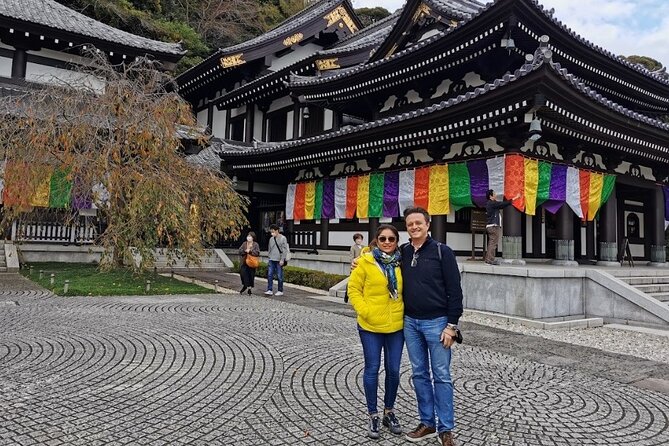
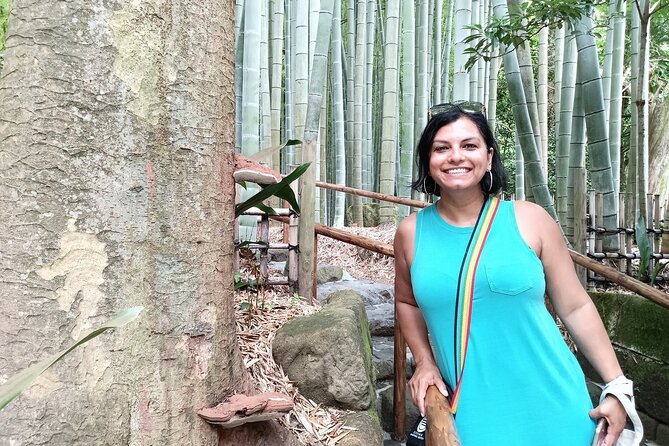
Hokoku-ji is smaller than the city’s famous temple complexes, but its bamboo grove gives the day a change of scale and color. More than 2,000 dark green bamboo stalks fill the area behind the main hall, with narrow paths passing through the grove.
A tea house sits within the bamboo area. For an additional fee, you can enjoy matcha while looking into the grove. Tea is not included, so decide in advance if this quiet pause is part of the experience you want.
The temple also has shallow caves cut into the hillsides. They are believed to hold the ashes of later Ashikaga lords, adding another layer to the site’s connection with Kamakura’s military families.
The planned visit is one hour, enough for the grove, the temple, and tea if the timing works. Hokoku-ji is especially useful when you want a calmer stop between larger monuments. It is also a good choice for photographs, though the narrow paths can feel less peaceful during busy periods.
Yuigahama Beach and a breath of sea air
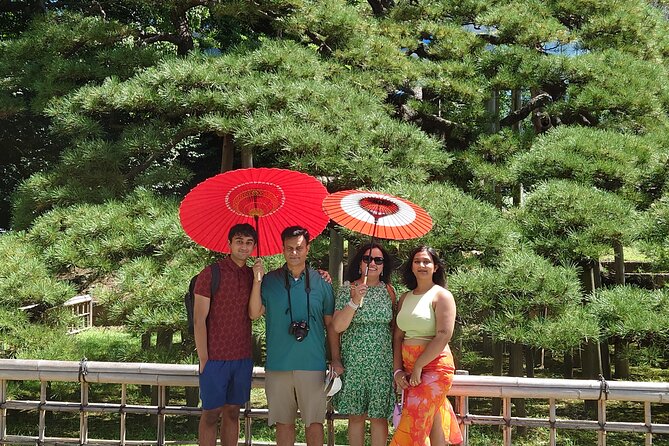
Yuigahama gives the schedule a welcome coastal break. It is one of Kamakura’s main beaches, with a broad, flat stretch of sand near Kamakura Station.
The visit is planned for 30 minutes, so think of it as a short walk and a chance to feel the sea air, not a beach day. The beach can be crowded, and its appeal depends heavily on weather and your interest in coastal scenery.
I like this stop because it keeps Kamakura from becoming a temple-only excursion. It also gives you a visual reminder that the city is a seaside destination, not simply an old religious center. Still, if your priority is historic architecture, you may prefer to use these 30 minutes elsewhere.
The tour requires good weather. If poor weather cancels the experience, you can be offered another date or a full refund.
Komachi Street for snacks, shopping, and lunch
Komachi-dori runs from Kamakura Station’s East Exit toward Tsurugaoka Hachimangu. It is the most practical place on this day to stop for food, souvenirs, and a little unstructured time.
You will find traditional souvenir shops alongside modern clothing stores and restaurants. The street is popular with both locals and tourists, so it is not the quietest part of Kamakura. That is precisely why it works as a contrast to the temples.
Look for Hatosabure, the dove-shaped biscuit associated with Kamakura. It travels well as a small gift and gives you something local to try without committing to a full meal.
Lunch is not included, but the guide can help you make a choice. One version of the day included buckwheat noodles served with hot soup, prepared at the restaurant, while another included sushi at a traditional Japanese restaurant. These examples suggest that the guide may help shape the meal around your interests, but you should budget separately and confirm what you want.
The scheduled hour is useful. You can eat, shop, and walk toward the shrine without feeling that every minute is controlled. If you want a slower lunch, ask the guide to protect this time rather than squeezing in another temple.
Eishoji, a quiet final temple
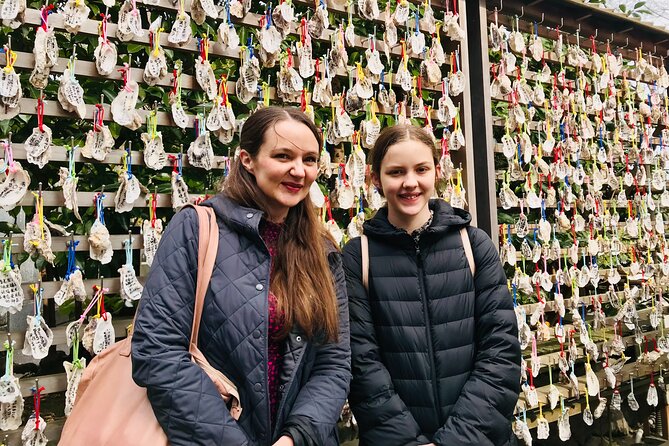
Eishoji is the only surviving nunnery in Kamakura and sits near Tsurugaoka Hachimangu. Founded in the early Edo period by a woman connected with the Tokugawa family, it is known as a flower temple because of its seasonal blooms.
The grounds include a small bamboo grove and an Amida Buddha statue attributed to the famous sculptor Unkei. The setting is described as peaceful, making it a useful choice for anyone who prefers lesser-known religious sites to headline attractions.
The planned stop is only 10 minutes. That is enough for a brief look, but not enough for a leisurely visit or a careful study of the grounds. I would choose Eishoji only if the guide confirms that the temple is open and the timing works, or if quiet atmosphere matters more to you than a longer visit at Kencho-ji or Hokoku-ji.
Admission is not included.
How the eight-hour schedule really works
The day lists eight possible stops, but the included service describes a customizable visit to three or four sites. Treat that as the important planning rule. Seeing every stop in one day would require short visits and favorable traffic, and the Tokyo to Kamakura journey already takes about an hour each way.
A sensible plan might look like this:
- Kotoku-in, Hasedera, Komachi Street, and Tsurugaoka Hachimangu for the classic first visit
- Kencho-ji, Tsurugaoka Hachimangu, Hokoku-ji, and Komachi Street for temples, Zen, bamboo, and food
- Hasedera, Kotoku-in, Yuigahama Beach, and Komachi Street for monuments with a coastal feel
You can ask about Eishoji as a replacement for one of the larger temples. The best schedule depends on traffic, opening conditions, your walking pace, and how long you want for lunch.
Private-car value at $1,026.90 per group
The price is $1,026.90 for up to four people, not per person. For a full group of four, that works out to about $257 per person before entrance fees, lunch, tea, and personal purchases.
That is a substantial price compared with public transport. The value comes from the private setup, hotel pickup, guide, and the time saved planning connections between scattered sights. It is strongest for a family or group of friends who would otherwise need to coordinate several train and bus rides, or for people who place a high value on a tailored schedule.
For one or two people, the cost is harder to justify unless private transport and a guide are central to your trip. Kamakura can be visited independently, and the free Tsurugaoka Hachimangu grounds and Komachi Street can help keep a self-guided day affordable.
Only one reservation is allowed per group, and separate tour groups cannot be combined. The service is private, so only your own party participates. A limited number of car seats and booster seats are available, and rear-facing car seats are not offered. Contact the provider directly if you need child seating.
Guide communication matters
A licensed local English-speaking guide is included, and the service also describes multilingual guiding. Guides Kei and Yoshi are names connected with versions of this experience, with Kei handling an efficient temple-focused day and Yoshi shaping a schedule around gardens, temples, a viewpoint, shopping, and Japanese food.
I would contact the provider before booking with your preferred language and the kind of explanation you want. This is not a minor detail. A private guide can make the temples far more meaningful, but only if you can comfortably follow the commentary.
The available feedback is mixed enough to take seriously. One booking praised the guide’s efficiency and the ability to see as many as eight destinations. Another reported that the guide’s English was difficult to understand. That does not prove every departure will have the same problem, but it is a fair reason to confirm guide language ability and request clear communication about your expectations.
Who should book this Kamakura tour?
I would choose this tour if you want a private day from Tokyo, dislike planning transport, or have a small group that values flexibility. It also suits people who want historical explanation, help with lunch, and a vehicle between Kamakura’s separate areas.
Families may appreciate the private format, though you should arrange car seats early. Older visitors or anyone who finds repeated train transfers tiring may also find the car worthwhile, while remembering that temples still require walking.
I would hesitate if your main goal is the lowest possible price, if you prefer a slow day at one or two sites, or if you are happy managing Kamakura by rail. I would also avoid trying to force every listed stop into the schedule. Choose your priorities and let the day breathe.
FAQ
How long does the tour last?
The experience lasts about eight hours, including travel time between Tokyo and Kamakura. Travel from Tokyo to Kamakura takes about one hour, though traffic can change the timing.
Is pickup included?
Pickup is offered. The tour uses a private vehicle, but a specific vehicle type cannot be requested.
How many people can join the tour?
The private tour covers one group of up to four people. Separate reservations cannot be combined into one larger group.
Are entrance fees and lunch included?
No. Entrance fees, lunch, tea at Hokoku-ji, and personal expenses are paid separately. The guide’s entry fees are covered only for sights included in the expected tour arrangements.
Can I choose which Kamakura sights to visit?
Yes. The service is customizable, with three to four sites chosen from the listed attractions. Confirm your preferred stops because the full list contains more places than a relaxed eight-hour schedule can usually accommodate.
What happens if the weather is poor?
The experience requires good weather. If it is canceled because of poor weather, you can be offered a different date or a full refund. You can also cancel for a full refund up to 24 hours before the start time.
New on our Tokyo list
- Sumi-e Experience in a relaxing green tea shop in Tokyo★ 5.0 · 3 reviews
- Tokyo : Kamikaze Street Drift Ride★ 5.0 · 3 reviews
- Private Zen Meditation in English in Shinjuku, Tokyo★ 5.0 · 3 reviews
- Onsen Spa in Tokyo and Asakusa Bar Hopping with Local Guide★ 5.0 · 3 reviews
- Easy for everyone! Now you can play handmade mini shamisen and show off to everyone! Musical instruments, sweets and live music★ 5.0 · 3 reviews
- Tokyo: Private Tsukiji Street Food & Sake with Local Guide★ 5.0 · 3 reviews
- Mt Fuji Exploration Tour with Free Japanese Kusa Mochi from Tokyo★ 4.5 · 3 reviews
- Tokyo Tsukiji Fish Market Walking and Exploring Hidden Gems Tour★ 5.0 · 3 reviews
Kamakura Tours, compared.
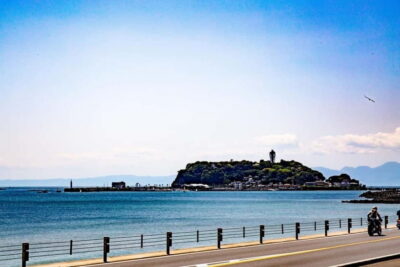
Kamakura & Enoshima Day Trip including Temple Tickets
Read our review →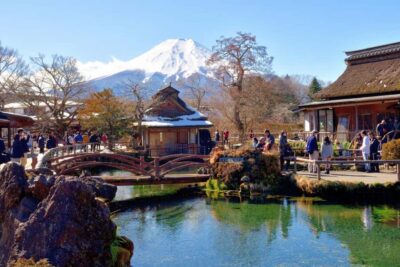
Mt. Fuji, Kamakura, Big Buddha, & Lake Ashi Day Trip
Read our review →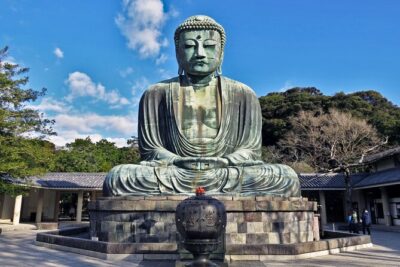
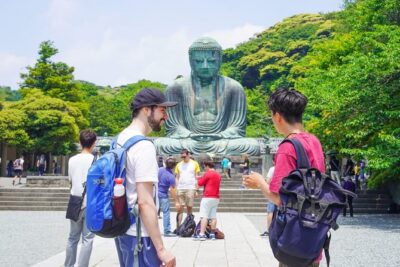
Kamakura Historical Walking Tour with the Great Buddha
Read our review →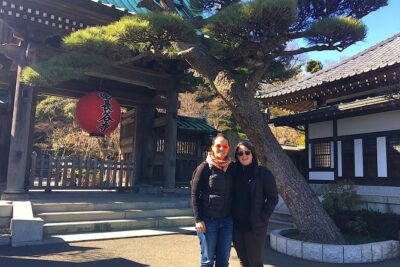
Kamakura Private Tour: Temples, Nature, and the Great Buddha
Read our review →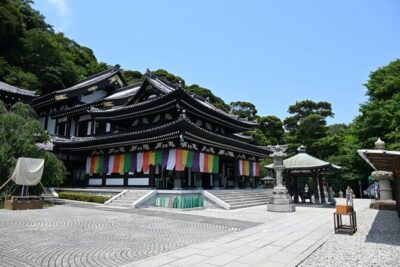
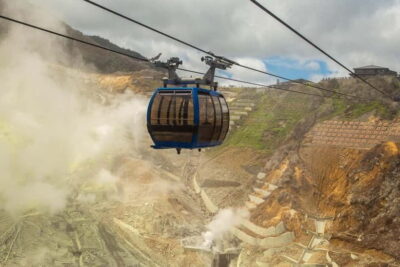
Sea of Mount Fuji, Hakone Ropeway, Ōwakudani, Enoshima
Read our review →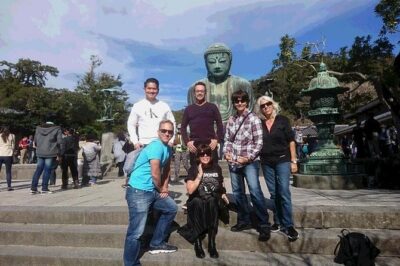
Kamakura 8 hr Private Walking Tour with Licensed Guide from Tokyo
Read our review →Browse the lists this tour appears in