
Reviewed · KAMAKURA TOURS
Kamakura Private Custom Tour with Local Guide
Kamakura is easy to visit from Tokyo, but its temples, shrines, lanes, and coastal corners make more sense with someone who knows how they fit together. This private tour lets you see the big sights, then adjust the day around your interests, from the Great Buddha to quiet temples known mainly by locals.
I like the freedom to build a 4 to 8-hour day, and I like that public transportation keeps you close to everyday Kamakura life. The main thing to weigh is cost: at $122 per person, you still pay separately for transport, meals, and entrance fees, so the value depends on how much you want personal guidance.
In This Review
- Key points at a glance
- Why a private guide helps in Kamakura
- Starting with the Great Buddha at Kotoku-in
- Walking through Tsurugaoka Hachimangu Shrine
- The bamboo at Hokokuji Temple
- Komachi Street for snacks and souvenirs
- Lesser-known temples and local stories
- Public transportation keeps the day local
- How much time should you book?
- Is $122 per person a good value?
- Who will enjoy this Kamakura tour most?
- Booking details worth knowing
- Should you book it?
- FAQ
- Where does this Kamakura private tour take place?
- How long does the tour last?
- Is the tour private?
- Is an English-speaking guide included?
- Can I customize the itinerary?
- Can I be picked up at my accommodation?
- Is transportation included in the price?
- Are entrance fees and lunch included?
- Is the tour wheelchair accessible?
Key points at a glance
- Meet guide Ken: Recent bookings identify Ken as a friendly English-speaking guide who shares local stories and takes visitors to lesser-known temples.
- Choose your own pace: Set aside four hours for the main sights, or use up to eight hours for a fuller day with food, coastal views, tea, or Zen.
- See Kamakura’s essential landmarks: The Great Buddha, Tsurugaoka Hachimangu Shrine, Hokokuji Temple, and Komachi Street form the core of the experience.
- Use public transportation: Trains and buses help you experience Kamakura as a local destination, though a private vehicle can be arranged on request.
- Go beyond the standard route: Your guide can add quiet corners and places you would be unlikely to find on a first visit alone.
- Know the extra costs: Lunch, transportation, admission fees, and gratuity are not included.
Why a private guide helps in Kamakura
Kamakura can look compact on a map, but its sights are spread across different areas. The Great Buddha is in the west, Tsurugaoka Hachimangu is near the central shopping streets, and Hokokuji is farther east. Moving between them takes time and some planning.
A private guide gives you one useful advantage: you do not have to build the day around a fixed group schedule. You can spend longer at a temple that interests you, skip a stop that does not, or ask for more local history as you go.
That flexibility matters most if your interests are specific. You can request a day focused on Zen Buddhism, traditional tea, scenic coastal views, local food, or the main historical sites. A private group also means the conversation can match your level, from a first introduction to Kamakura to a more serious interest in religious traditions.
The strongest praise attached to this experience centers on Ken. His name appears repeatedly in the booking feedback, along with comments about his friendly manner, clear explanations, local stories, and ability to find places visitors would not normally reach on their own. I would still confirm the assigned guide when booking, but Ken is the guide specifically identified in the available feedback.
More Private Tours in Kamakura
- Kamakura Private Tour: Temples, Nature, and the Great Buddha
★ 5.0 · 121 reviews - Kamakura 8 hr Private Walking Tour with Licensed Guide from Tokyo
★ 5.0 · 80 reviews - Kamakura: Private Guided Walking Tour with Local Guide
★ 4.8 · 60 reviews
Starting with the Great Buddha at Kotoku-in
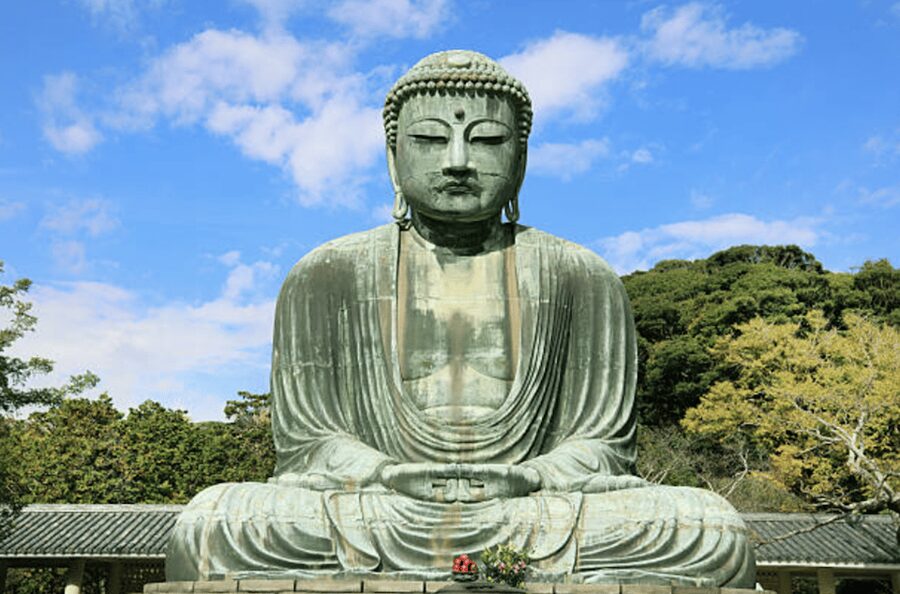
The Great Buddha at Kotoku-in Temple is the natural anchor for a first visit. This large bronze statue is one of Kamakura’s defining sights, and it gives you an immediate sense of the city’s religious importance.
You can expect your guide to explain the setting and the role of the statue within Kamakura’s Buddhist traditions. That context is more useful than simply taking a photograph and moving on. A guide can point out details you might otherwise miss and explain why this particular site matters.
The Great Buddha is also a practical first stop because it gives the day a clear beginning. If you have four hours, this landmark can fit neatly with one or two nearby or central sights. If you have eight hours, it can serve as one part of a wider route that includes temples, shopping, food, and the coast.
Admission is not included, so keep some extra money available. The same applies to other temples and shrines on the route. Exact entrance costs are not provided, and your final total will depend on which places you choose.
Walking through Tsurugaoka Hachimangu Shrine
Tsurugaoka Hachimangu is Kamakura’s major Shinto shrine and one of the city’s most important cultural stops. Its broad approach and formal setting offer a useful contrast to the Buddhist atmosphere around the Great Buddha.
This is where a local guide can add real value. Kamakura’s religious sites are not just a list of buildings. They reflect different traditions, practices, and periods of local history. Your guide can explain what you are seeing, how Shinto and Buddhism appear in the city, and why the shrine has such a central place in Kamakura.
The approach also connects naturally with Komachi Street, making this part of the tour practical as well as cultural. You can visit the shrine, then move into the city’s food and shopping scene without arranging a separate route.
The main caution is pace. Tsurugaoka Hachimangu and Komachi Street can take more time than expected if you stop for snacks, souvenirs, photographs, and explanations. Tell your guide early if you need to finish by a set time.
The bamboo at Hokokuji Temple
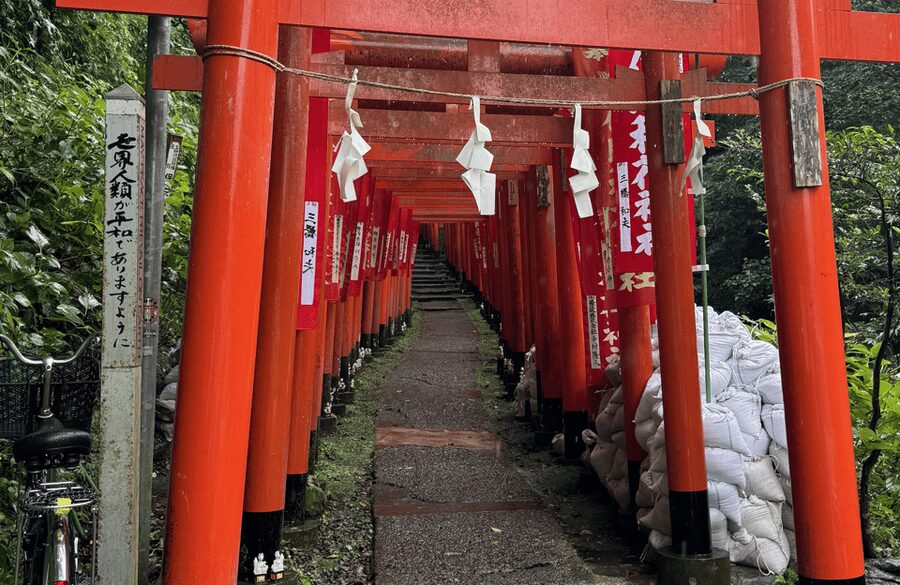
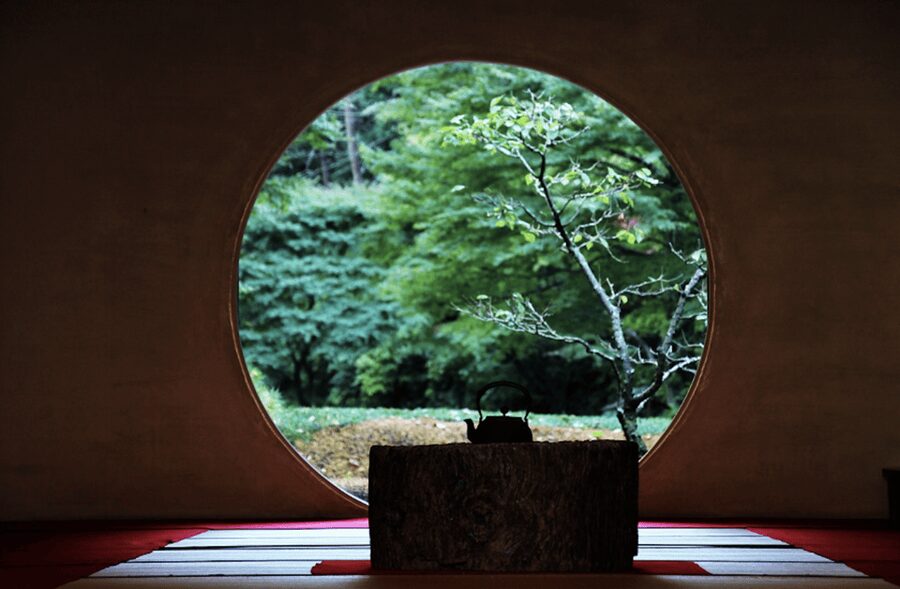
Hokokuji Temple offers a quieter change of mood. Its bamboo forest is one of Kamakura’s most atmospheric places, and it gives the tour a strong visual contrast to the city streets and larger landmarks.
The bamboo area is not a substitute for seeing Kamakura’s main sites, but it is an excellent addition if you have enough time. It suits visitors who want a slower stop, an introduction to Zen surroundings, or a calmer setting after busy streets.
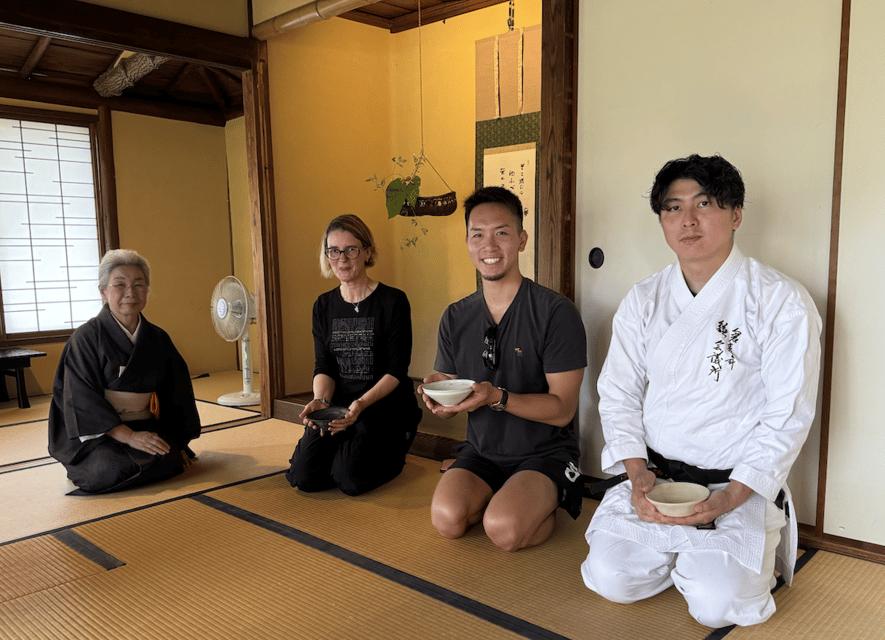
The tour description also allows for a traditional tea experience, though this should be treated as an optional focus rather than a guaranteed part of every outing. If tea is important to you, request it when planning the itinerary.
Hokokuji is one reason the longer eight-hour option can make sense. A short tour may need to choose between the main western sights, the central shrine, and eastern temples. More time gives you room to include the bamboo forest without rushing every other stop.
More Kamakura and Enoshima days:
- Tokyo: Kamakura & Enoshima Day Trip including Temple Tickets
★ 4.5 · 1,375 reviews - Tokyo: Mt. Fuji, Kamakura, Big Buddha, & Lake Ashi Day Trip
★ 4.5 · 867 reviews - From Tokyo: Kamakura & Enoshima 1-Day Bus Tour
★ 4.5 · 189 reviews - Kamakura Historical Walking Tour with the Great Buddha
★ 5.0 · 129 reviews
Komachi Street for snacks and souvenirs
Komachi Street is the most obvious place to add food and shopping to the day. You can sample local delicacies, browse for unusual souvenirs, and see a more social side of Kamakura between temple visits.
Lunch is not included, so this is a good point to discuss your preferences with the guide. You can ask for help choosing local food, but the supplied details do not promise a specific restaurant or meal. The guide can help shape the stop, while you should budget separately for anything you eat or buy.
I like this part of the tour because it keeps the experience from becoming a string of solemn religious sites. Kamakura is also a living town, and a walk along Komachi Street adds a taste of its present-day character.
Shopping can also change the timing. If you want a relaxed look through the shops, a four-hour tour may feel tight. If your priority is the Great Buddha and a shrine, you may prefer a shorter Komachi Street stop and more time at the historic sites.
Lesser-known temples and local stories
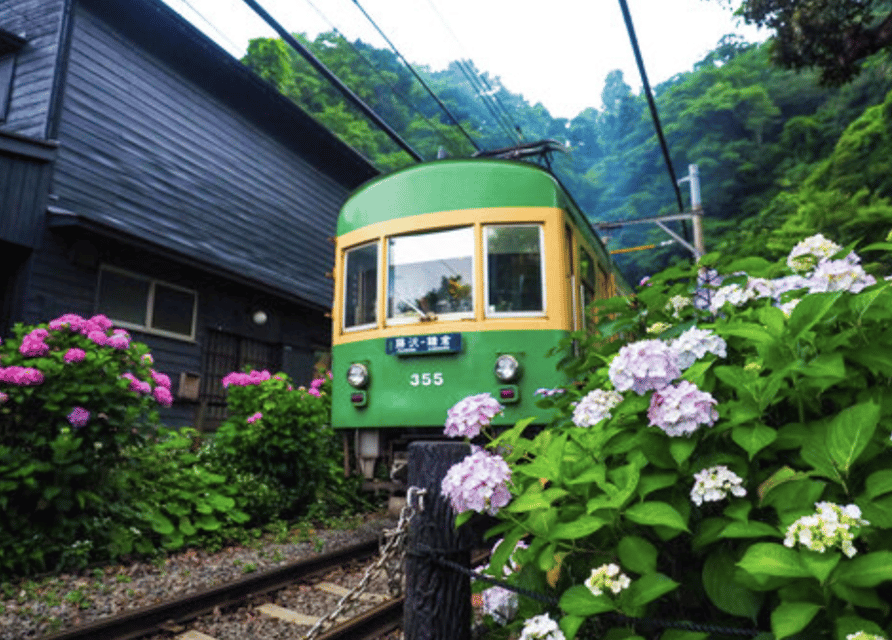
The tour’s most distinctive promise is not simply seeing Kamakura’s famous landmarks. It is the chance to visit lesser-known temples and quiet corners that you might miss without local help.
Several pieces of feedback single out this feature. The guide is described as taking visitors to unique spots and temples known mainly to locals, while sharing stories about Kamakura along the way. That suggests the best part of the day may come between the famous stops, when the route becomes less predictable.
You should keep your expectations realistic. The exact places are not listed because the itinerary is customized. That is a benefit if you enjoy discovery, but it also means you cannot judge the full route in advance. Tell the guide what you have already seen and what you most want from the day.
This flexibility is especially useful for repeat visitors. If you have already visited the Great Buddha or Tsurugaoka Hachimangu, you can ask for a different angle on Kamakura rather than repeating the standard sightseeing circuit.
Public transportation keeps the day local
Public transportation is used for the tour, which may mean trains or buses depending on the route. This keeps you connected to the way people move around Kamakura, and it avoids treating the city as a series of isolated photo stops.
The tradeoff is that you need to allow time for transfers and walking. The tour is also described as a walking tour, so comfortable shoes are sensible. The exact transportation cost is not included, and the tour price does not cover admission fees.
A private vehicle can be arranged on request. The details do not state the added price or confirm availability for every route, so ask about both before booking if you prefer not to use public transportation.
The transportation choice can shape the whole day. Public transit is likely the better fit if you want ordinary local atmosphere and do not mind walking. A vehicle may suit you better if your group has mobility concerns, heavy luggage, or a firm schedule, though the tour is listed as wheelchair accessible.
How much time should you book?
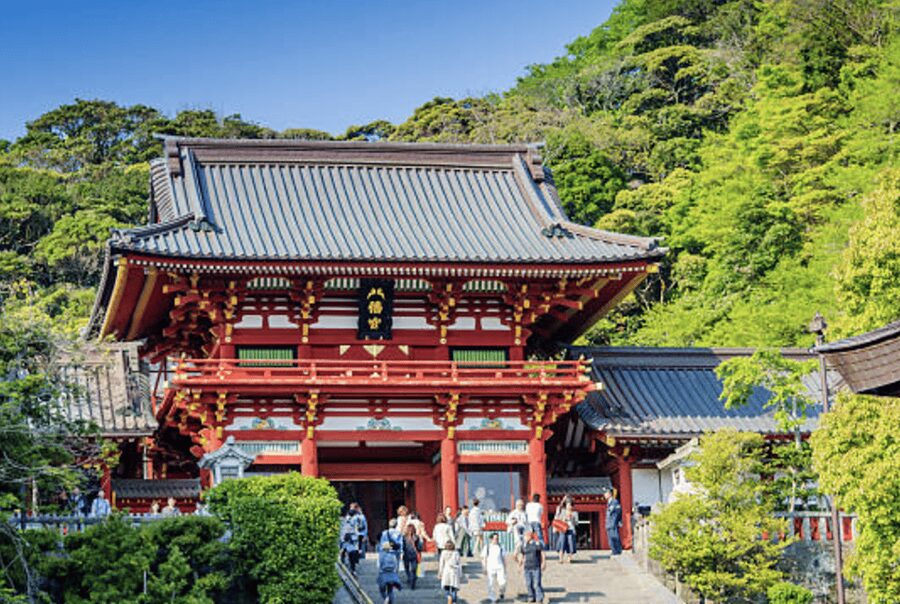
The 4-hour option is best for a focused introduction. You can concentrate on the Great Buddha, Tsurugaoka Hachimangu, Komachi Street, or another carefully chosen combination. It is less suited to fitting every major area into one relaxed outing.
The 8-hour option gives you room to combine the main landmarks with Hokokuji, food, shopping, local temples, and a special interest such as tea or coastal views. It also leaves more space for conversation with the guide instead of rushing from gate to gate.
The exact starting times depend on availability. Pickup from your accommodation in Kamakura can be arranged if you want it, which is useful when you are already staying in town. The provided details do not promise pickup from every location, so confirm the meeting plan before the day.
If you are staying outside Kamakura, you should also think about your arrival and departure trains. Since transportation is not included, you will need to manage those costs and timing yourself.
Is $122 per person a good value?
At $122 per person, this is not a bargain sightseeing walk. You pay for a private experience, an English-speaking local guide, route planning, and the ability to customize the day. You also pay extra for transportation, lunch, entrance fees, and gratuity.
The value improves when you are traveling as a small private group and care about context. A guide can save you from spending time on the wrong route, explain traditions that are easy to overlook, and show you places you might not identify from a guidebook.
It may be less appealing if you are comfortable researching Kamakura, using trains and buses, and visiting only the major sights. Independent sightseeing will cost less, though it will not provide the same personal explanations or local route suggestions.
I would compare the price with the length you choose. Four hours at $122 per person gives you a concentrated guided visit. Eight hours spreads the guide’s time across a fuller day and may offer better value if you want several districts and special interests included.
All seven recorded ratings are 5 out of 5. The most repeated strengths are the guide’s friendly approach, his explanations of Kamakura, and the unusual places he adds to the route. Those points are the best reason to book, rather than simply using the tour as private transportation.
Who will enjoy this Kamakura tour most?
I would recommend it to first-time visitors who want the major sights explained rather than simply photographed. It also suits couples, families, and private groups that want to set their own pace.
History and religion enthusiasts should ask for more detail on Kamakura’s samurai-era heritage, Buddhist traditions, and local legends. The tour is also a good match for anyone who wants to combine temples with food, shopping, coastal views, or tea.
The experience may not suit independent visitors on a strict budget. It is also not ideal if you want a fully fixed itinerary with every stop guaranteed in advance, since the route is designed around customization.
Keep in mind that the activity is listed as wheelchair accessible, but the tour also includes walking and public transportation. If you use a wheelchair, discuss the exact route and vehicle arrangements before booking so the plan fits your needs.
Booking details worth knowing
You can cancel up to two days in advance for a full refund. The duration is flexible from four to eight hours, and starting times depend on availability.
The tour is private, with an English-speaking live guide. Pickup from accommodation in Kamakura is available if requested, but transportation itself is not included.
You should budget for four separate extras: lunch, public transportation, entrance fees, and gratuity. A private vehicle may be arranged on request, but ask about its cost before confirming.
Should you book it?
Book this tour if you want Kamakura to feel like more than a checklist of famous temples. The strongest case is the personal route, the chance to ask questions as you go, and the local corners associated with guide Ken.
Choose the longer option if you want the Great Buddha, Tsurugaoka Hachimangu, Hokokuji, Komachi Street, and lesser-known temples in one day. Choose four hours if you want a sharp introduction and prefer to keep the rest of your schedule open.
Skip it if your main goal is the lowest possible cost or if you are happy managing the city alone. For everyone else, the $122 price can be fair when you value local stories, flexible planning, and a guide who helps Kamakura make sense.
FAQ
Where does this Kamakura private tour take place?
The tour takes place in Kamakura on Honshu, Japan. The route can include major landmarks, temples, shrines, shopping streets, coastal views, and lesser-known local sites.
How long does the tour last?
The tour lasts between 4 and 8 hours. Starting times depend on availability.
Is the tour private?
Yes. This is a private tour for a private group.
Is an English-speaking guide included?
Yes. An English-speaking live local guide is included. Ken is the guide named in the available booking feedback.
Can I customize the itinerary?
Yes. The itinerary can be customized around interests such as Kamakura’s main sights, Zen Buddhism, coastal views, traditional tea, local food, and lesser-known places.
Can I be picked up at my accommodation?
Pickup from your accommodation in Kamakura can be arranged if you want it. Confirm the exact pickup plan when booking.
Is transportation included in the price?
No. Transportation is not included. Public transportation is used for the tour, and a private vehicle can be arranged on request.
Are entrance fees and lunch included?
No. Lunch and entrance fees are not included. You should also budget for transportation and gratuity.
Is the tour wheelchair accessible?
Yes. The activity is listed as wheelchair accessible. Since the tour includes walking and public transportation, confirm the route and transport arrangements in advance.
New on our Kamakura list
- 1-Day trip: Kamakura City (Enoshima/Shonan/Beach)★ 4.7 · 3 reviews
- Kamakura Zen: Great Buddha, Nature, Bamboo & Samurai Culture★ 5.0 · 3 reviews
- Kamakura Half Day Walking Tour with Local Experience★ 3.4 · 4 reviews
- Hiking Tour in Enoshima with a Local Guide★ 5.0 · 4 reviews
- Kamakura Tour with Pro Photographer: Anime Train & Fuji Sunset★ 5.0 · 4 reviews
- Kamakura Private Custom Tour★ 5.0 · 4 reviews
- Kamakura Historical and Cultural Day Trip with Local Cuisine★ 5.0 · 4 reviews
- Kamakura Full-Day Private Tour★ 5.0 · 4 reviews
Kamakura Tours, compared.
Kamakura & Enoshima Day Trip including Temple Tickets
Read our review →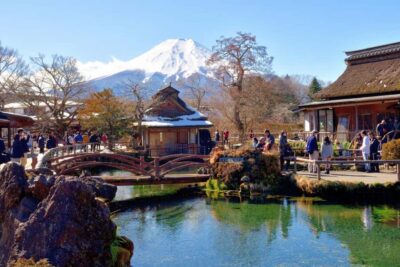
Mt. Fuji, Kamakura, Big Buddha, & Lake Ashi Day Trip
Read our review →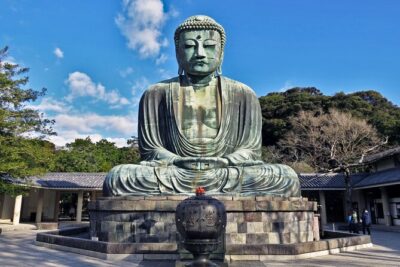
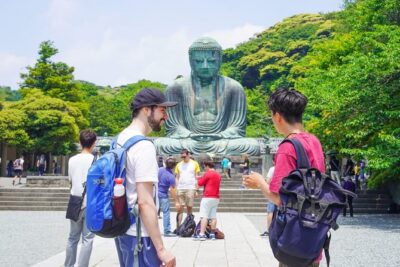
Kamakura Historical Walking Tour with the Great Buddha
Read our review →
Kamakura Private Tour: Temples, Nature, and the Great Buddha
Read our review →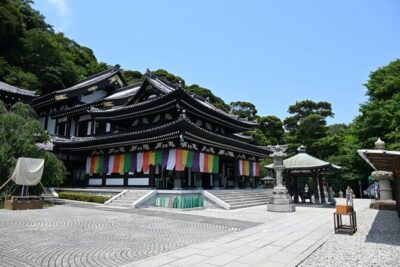
Sea of Mount Fuji, Hakone Ropeway, Ōwakudani, Enoshima
Read our review →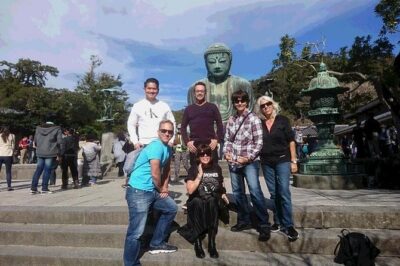
Kamakura 8 hr Private Walking Tour with Licensed Guide from Tokyo
Read our review →Browse the lists this tour appears in