
Reviewed · KAMAKURA TOURS
Kamakura Private & Customizable Tour – All-in-One Experience
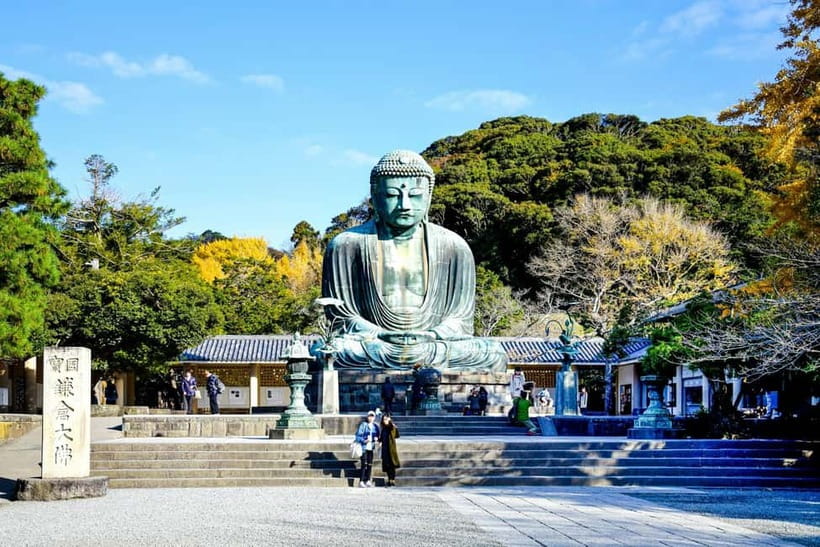
Kamakura works best when you can slow down, choose your priorities, and let someone who knows the town shape the day with you. This private tour can focus on major sights such as Kotoku-in, Hasedera, and Tsurugaoka Hachimangu, or take you toward quieter places and scenic corners.
I like the pre-tour planning session, which helps turn a vague wish list into a sensible route. I also like the easygoing pace, especially for families, solo visitors, and anyone who wants help with Japan’s train system. The main catch is that transport and temple admission cost extra, and the walking can be tiring for anyone with low fitness.
In This Review
- Key points to know before booking
- Why a private Kamakura day can work so well
- Building your route around Kamakura’s best-known sights
- What the guides add to the temples and shrines
- Choosing between a short visit and a full day
- Family trips, solo days, and special needs
- Pickup, trains, and the cost of the day
- What the planning email means for you
- The main tradeoffs to consider
- Should you book the Kamakura custom tour?
- FAQ
- How long does the Kamakura private tour last?
- Is transportation included?
- Is hotel pickup available?
- Are entrance tickets included?
- Can children join the tour?
- What language is the tour offered in?
Key points to know before booking
- A real custom itinerary: Choose temples, shrines, nature, food, shopping, spiritual sites, or a mix.
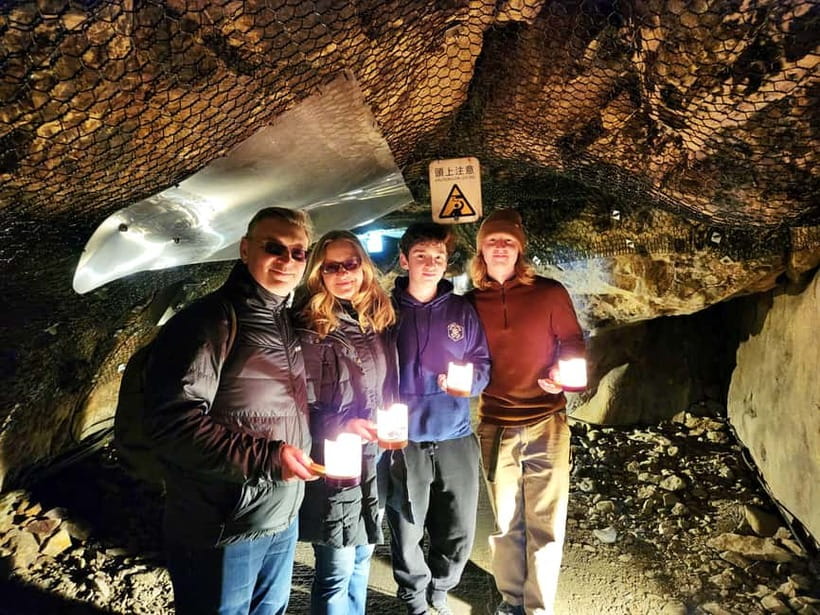
- Guides who adapt well: Deen, Marco, Sofia, and Lauren are named in the feedback, with praise for their history, culture, and family skills.
- Useful for first-time visitors: Your guide can help with local trains, station platforms, timing, and route choices.
- Flexible length: A three-hour essentials visit can work well, while six to eight hours gives you room for more sights or Enoshima.
- Family-friendly planning: Children under 12 join free when included in the booking, and guides can adjust explanations and pace.
- Bring walking shoes and cash: Public transport, private vehicles, and entrance tickets are not part of the $51 starting price.
Why a private Kamakura day can work so well
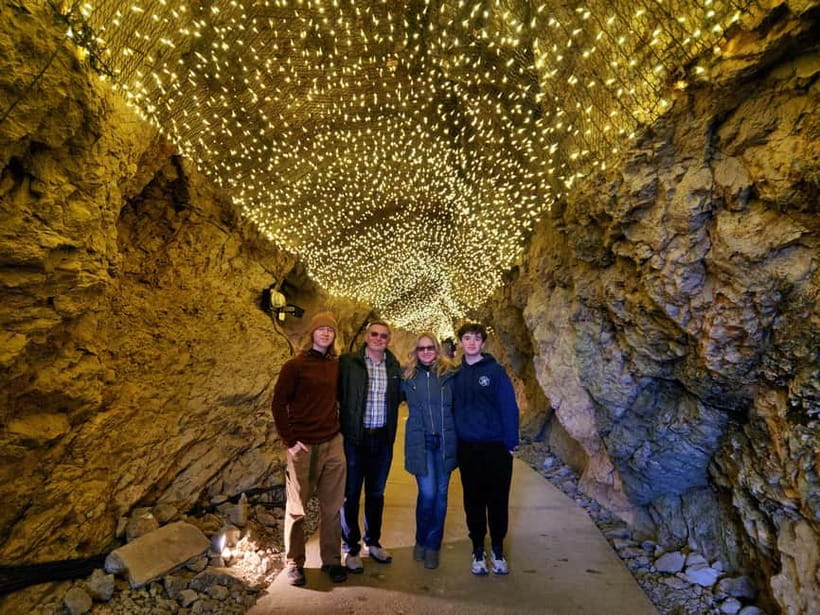
Kamakura is close enough to Tokyo and Yokohama for an easy outing, but it has enough temples, shrines, hills, shopping streets, and coastal attractions to make planning tricky. A fixed group tour may force you to move on just as you get interested. This private format gives you room to stop, ask questions, change direction, or cut a visit short.
You begin with a planning process rather than a rigid schedule. After booking, the guide sends possible start times, a suggested route based on your interests, a list of destinations, and pickup details if you select walking pickup. A consultation before the tour is also available for people who want help before committing to a plan.
That preparation matters. You can tell the guide that you want major sights, nature, Japanese religion, family-friendly stops, food, photography, or a less familiar route. The guide then helps match your wishes to the time available. A two-hour booking needs a very narrow focus. An eight-hour day can include several temple areas and possibly Enoshima, but only if you are comfortable with the extra walking and transport.
The private group format is especially useful if your party moves at different speeds. One family used the guide’s flexibility to keep a child engaged while the adults had time to take in the surroundings. Another guide adjusted the pace for a guest with limited mobility, though the activity is not suitable for wheelchair users and is not a good fit for people with low fitness.
More Private Tours in Kamakura
- Kamakura Private Tour: Temples, Nature, and the Great Buddha
★ 5.0 · 121 reviews - Kamakura 8 hr Private Walking Tour with Licensed Guide from Tokyo
★ 5.0 · 80 reviews - Kamakura: Private Guided Walking Tour with Local Guide
★ 4.8 · 60 reviews
Building your route around Kamakura’s best-known sights
The classic Kamakura route can include Kotoku-in, home of the Great Buddha, Hasedera, and Tsurugaoka Hachimangu. These are sensible choices for a first visit because they give you a broad introduction to the town’s Buddhist and Shinto traditions.
Kotoku-in is the obvious headline stop. The Great Buddha gives the visit a strong visual focus, while the surrounding grounds provide a chance to pause and discuss the place in its religious and historical setting. Admission is not included, so keep cash available for tickets and small purchases.
Hasedera adds a different feel. The temple grounds include religious buildings and scenic views, and it works well for visitors who want both culture and a change of pace. It can involve stairs and uneven walking, so tell your guide about mobility limits before the day is planned.
Tsurugaoka Hachimangu gives you a look at an important Shinto site in the center of Kamakura. The approach and shrine grounds make it a useful stop for learning how Shinto spaces differ from Buddhist temples. If you are new to Japanese customs, this is where a guide can explain what you are seeing and how to behave without making the visit feel like a classroom lesson.
Your exact order will depend on your start point, opening times, crowd levels, and interests. The point is not to check off three names. It is to understand how the sites connect and to leave enough time for questions, photos, and a meal.
What the guides add to the temples and shrines
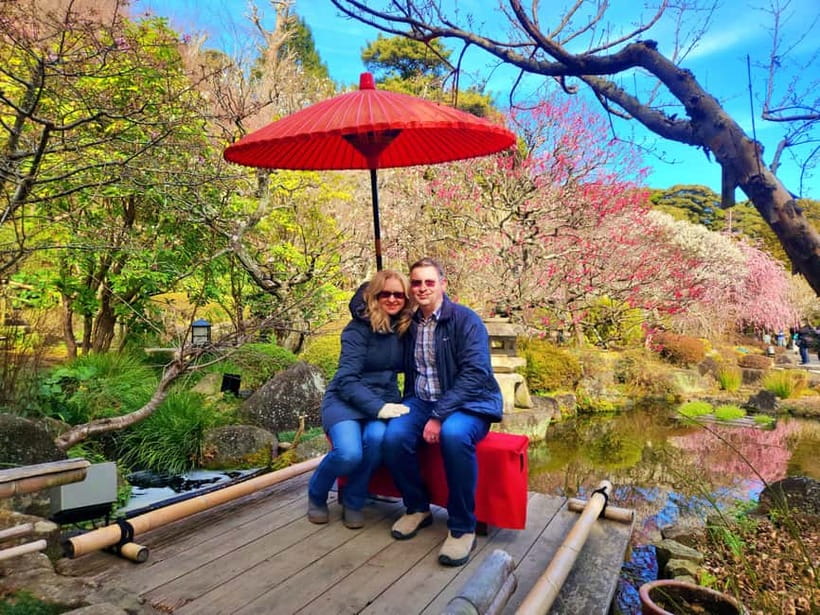
The strongest part of this experience is the human side. Deen is repeatedly singled out for making history, religion, Japanese culture, and present-day life easy to discuss. Marco is praised for clear explanations of temples, traditions, and the religions connected with them. Sofia is described as a good match for a faster pace, while Lauren helped shape a food stop around dietary restrictions and kept a child involved.
Guide assignments can vary, so you should not assume you will receive a particular person. Still, the range of comments points to a useful pattern: the guides are expected to adjust their approach rather than deliver one memorized speech.
That makes a difference at religious sites. You can ask why a custom matters, what a symbol means, or how Buddhist and Shinto traditions differ. If you prefer a lighter visit, you can keep the discussion casual. If religion interests you, Deen in particular has studied several faiths and can go further.
I also like the practical help. Deen has assisted with getting to Kamakura by train, and Marco helped one party collect luggage and find the correct platform at Yokohama for a train to Haneda Airport. That kind of support is valuable when you are dealing with unfamiliar signs, large stations, or a tight schedule.
Do not confuse this with a private car tour. The guide does not provide a private vehicle, and public transport is also excluded from the price. You will use trains, buses, or walk as needed, paying those costs yourself. The upside is that the day stays connected to ordinary local movement rather than placing you inside a vehicle from one attraction to the next.
Choosing between a short visit and a full day
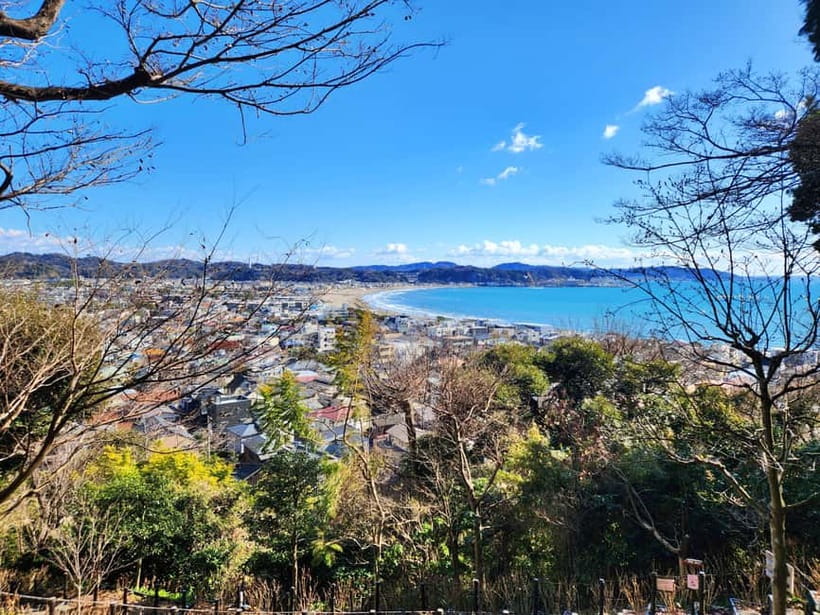
The two-hour option suits a narrow goal. You might choose one temple area, a shrine, or a brief introduction to Kamakura. It is a useful choice if you are fitting the town between other plans or have a child who cannot manage a long day.
The three-hour essentials format has already proved practical for a first look. It can give you time for major sights without turning the visit into a race, provided you keep the route focused. This is probably the best length for many people staying in Tokyo or Yokohama who want a clear introduction rather than an all-day outing.
Four to six hours gives the itinerary breathing room. You can combine temples and shrines with shopping, food, nature, or a quieter spiritual stop. It also allows more time to ask questions and pause for photos.
An eight-hour day suits people who want Kamakura plus additional nearby sights, including Enoshima if the route and timing allow. One family combined Kotoku-in, Hasedera, Tsurugaoka Hachimangu, and Enoshima. That is a full day, not a casual stroll, so wear proper shoes and be honest about your energy level.
A private tour also lets you change the pace during the day. A fast walker can cover more ground, while a family with children or a guest who needs breaks can keep the route manageable. The guide can suggest what to drop if the schedule starts to feel too packed.
More Kamakura and Enoshima days:
- Tokyo: Kamakura & Enoshima Day Trip including Temple Tickets
★ 4.5 · 1,375 reviews - Tokyo: Mt. Fuji, Kamakura, Big Buddha, & Lake Ashi Day Trip
★ 4.5 · 867 reviews - From Tokyo: Kamakura & Enoshima 1-Day Bus Tour
★ 4.5 · 189 reviews - Kamakura Historical Walking Tour with the Great Buddha
★ 5.0 · 129 reviews
Family trips, solo days, and special needs
Families are a strong match for this experience. Children under 12 join without an additional tour charge, but you must include them in the booking. The guides can adjust explanations, keep younger children engaged, and help parents handle the practical side of a long sightseeing day.
One parent traveling alone with a one-year-old received help planning how to get around Kamakura with a toddler. Another family appreciated a guide who gave the children attention while the adults enjoyed the surroundings. These details matter more than a standard list of sights when you are traveling with kids.
Solo visitors also gain something important: help with photos. Photos taken by the guide may be available, and a separate photography add-on can be selected when offered. For a solo visitor, that can mean more than a few hurried self-portraits, though you should treat photography as an option rather than a guaranteed part of every tour.
The tour can also help with food planning. Lauren worked around one guest’s food restrictions and included a restaurant the guest had already found. Tell the guide about dietary needs during planning so the day is built around realistic choices.
There are limits. This is a walking-based experience, and the activity is not suitable for wheelchair users or people with low fitness. Even if you choose a shorter tour, temple grounds, station connections, stairs, and uneven surfaces can add up. Comfortable shoes are essential.
Pickup, trains, and the cost of the day
Walking pickup is an optional add-on from locations in Tokyo, Yokohama, and Kamakura. The wording matters: this is pickup on foot, not private car service. Confirm the exact meeting point and allow enough time if you are coming from outside central Kamakura.
If you do not choose pickup, your guide can still help with route planning and public transport. That is one of the tour’s practical strengths, especially for people who are unsure how to reach Kamakura from Tokyo or how to make connections at Yokohama.
At $51 per person, the tour is priced as a guide service rather than an all-inclusive sightseeing package. You still pay for trains, buses, and temple admission. The value comes from private attention, planning help, cultural explanation, and the ability to shape the route around your group.
For one person or a couple, the per-person cost may feel higher than joining a large group walk. For a family, children under 12 joining free can improve the calculation. The benefit is greatest when you have limited time, a specific interest, or a group that needs a custom pace.
Bring cash. The activity specifically advises it, and you may need it for admission tickets or small purchases. Check your total budget before booking so the $51 price does not give you the wrong impression about the full cost of the day.
What the planning email means for you
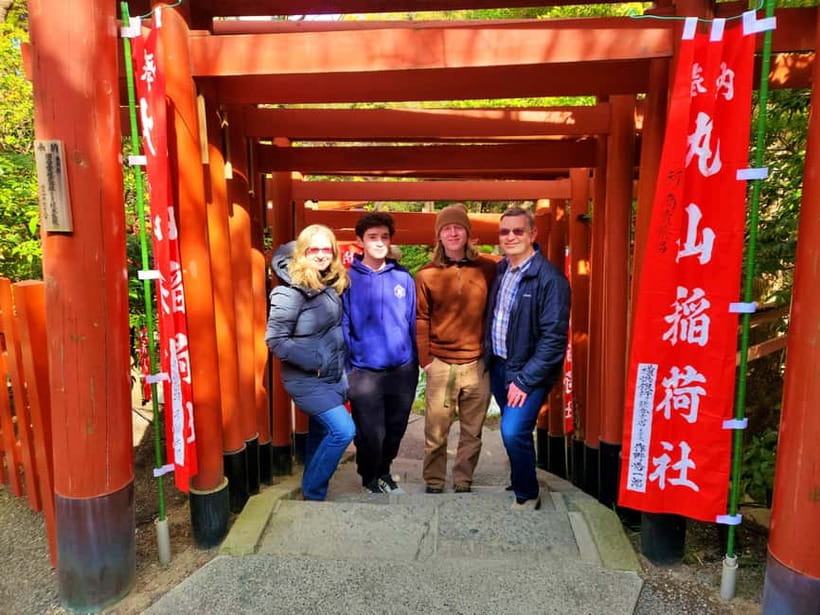
The booking process has a few details worth noting. Operating hours are 9:00 AM to 6:00 PM Japan time. If the system displays 9:00 AM as your start time, treat it as a placeholder until the actual time is confirmed.
You should receive a confirmation email within 72 hours. After that, your assigned guide sends a personal follow-up with start time options, a proposed itinerary, destination ideas, pickup details if selected, and other useful information.
Use that exchange well. Tell the guide how long you want to walk, which sights matter most, if you have children, if food restrictions affect your plans, and if you need to catch a train afterward. The more specific you are, the more useful the route can become.
You can also ask for post-tour suggestions. Guides have offered food ideas and places to visit in Yokohama, which can help you extend the day without booking another formal activity.
Free cancellation is available up to 24 hours before the tour for a full refund. You can also reserve now and pay later, which is handy when your Japan schedule is still changing.
The main tradeoffs to consider
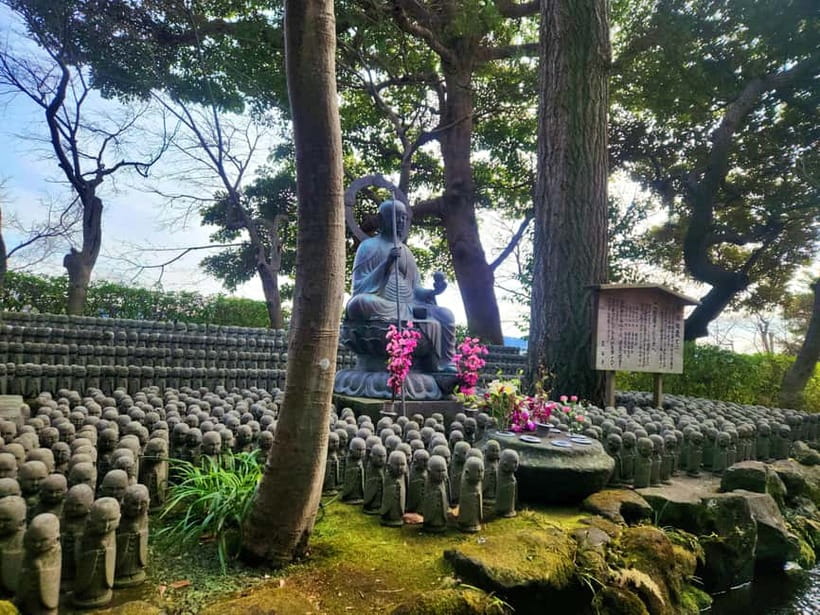
The biggest advantage is control. You are not locked into a fixed list, and you do not have to pretend that every attraction interests you equally. A good guide can turn a broad wish into a focused day and help you use public transport without losing time.
The second advantage is conversation. You can ask about customs, religion, food, modern Japanese life, and local habits as they come up. That turns the temples and shrines into places with meaning instead of photo stops.
The main drawback is that the experience depends on communication and planning. The guide can suggest a route, but you need to state your priorities. If you want a fully packaged tour with transport, tickets, and a fixed schedule, this is not that product.
You should also expect physical effort. Kamakura sightseeing involves walking, and some temple areas require stairs. A flexible itinerary makes the day easier, but it does not remove the need for comfortable shoes or a reasonable fitness level.
Should you book the Kamakura custom tour?
Book it if you want private guidance without a rigid schedule, especially if you are traveling with children, have a short window in Kamakura, or care about religion, culture, food, or quieter sites as much as famous landmarks.
The three-hour option is a sensible starting point for major sights. Choose more time if you want nature, shopping, a relaxed meal, or Enoshima. Families should include children under 12 in the booking even though they join free.
Skip it if you want private transport, included entrance tickets, or a low-walking day. For everyone else, the mix of planning help, local conversation, flexible pacing, and practical train support makes this a strong way to see Kamakura on your own terms.
FAQ
How long does the Kamakura private tour last?
You can book the experience for 2 to 8 hours. Starting times vary, so check availability and wait for confirmation of your actual start time.
Is transportation included?
No. Private car or bus transport and public transportation are not included. You pay separately for trains, buses, or other transport used during the day.
Is hotel pickup available?
Optional walking pickup is available in the Tokyo, Yokohama, and Kamakura areas. It is an add-on and does not mean pickup by private vehicle.
Are entrance tickets included?
No. Entrance tickets are not included in the tour price. Bring cash for tickets and other purchases.
Can children join the tour?
Yes. Children under 12 join free, but you must include them in the booking. The private format allows the guide to adjust the pace and explanations for families.
What language is the tour offered in?
The tour is offered in English with a live English-speaking guide. Guides named in the available information include Deen, Marco, Sofia, and Lauren, but the assigned guide may vary.
New on our Tokyo list
- From Tokyo: Mount Fuji & Hakone Full Day Private Tour★ 4.9 · 25 reviews
- Tokyo Spectacular View Day-Cruise in 90 Minutes★ 5.0 · 25 reviews
- Real Tokyo Runner Club : Daikoku Car Meet Night Tour with JDM Car★ 5.0 · 25 reviews
- 2.5 Hour-Guided Cycle Tour in the Central Tokyo★ 5.0 · 25 reviews
- Ramen Making from Scratch +Akihabara Tour –Cooking Class★ 5.0 · 25 reviews
- [Self-Drive] Tokyo & Daikoku Custom Car Driving Tour★ 4.9 · 25 reviews
- Tokyo: 2-Hour Night Bike Tour of the City’s Hidden Gems★ 4.9 · 25 reviews
- Samurai themed Entertainment show in Shinjuku★ 4.5 · 25 reviews
Kamakura Tours, compared.
Kamakura & Enoshima Day Trip including Temple Tickets
Read our review →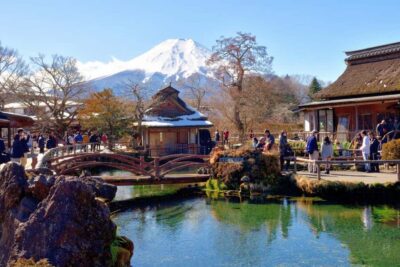
Mt. Fuji, Kamakura, Big Buddha, & Lake Ashi Day Trip
Read our review →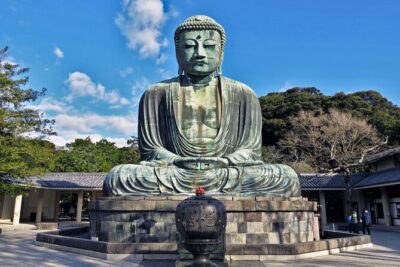
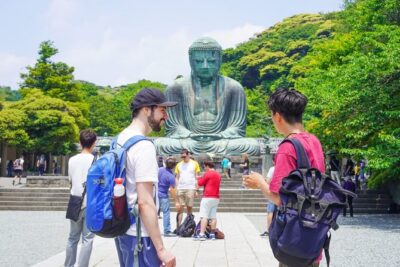
Kamakura Historical Walking Tour with the Great Buddha
Read our review →
Kamakura Private Tour: Temples, Nature, and the Great Buddha
Read our review →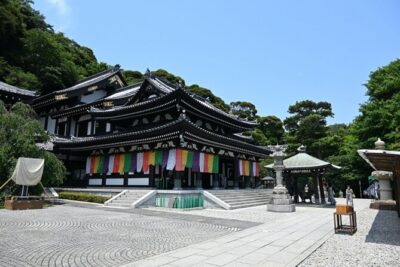
Sea of Mount Fuji, Hakone Ropeway, Ōwakudani, Enoshima
Read our review →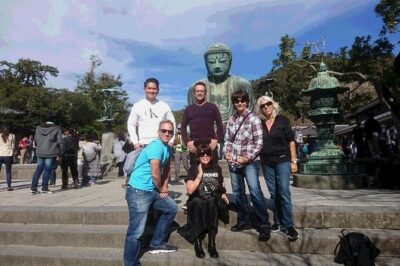
Kamakura 8 hr Private Walking Tour with Licensed Guide from Tokyo
Read our review →Browse the lists this tour appears in