
Reviewed · KAMAKURA TOURS
Kamakura Private Tour by Public Transportation
Kamakura is easiest to appreciate with someone who can connect its temples, shrines, and old streets to the city’s past. This private nine-hour outing takes you from your hotel into Kamakura by commuter train and public bus, then guides you through its main sights without the stress of sorting out every transfer yourself.
I like the custom schedule, which lets your group shape the day around its interests. I also like the local feel of public transportation, especially if you want more than a polished coach ride. The tradeoff is that admission fees, meals, and transport are extra, and the day leans heavily toward temples and shrines rather than Kamakura’s seaside side.
In This Review
- Key points at a glance
- Why Kamakura works well as a private day trip
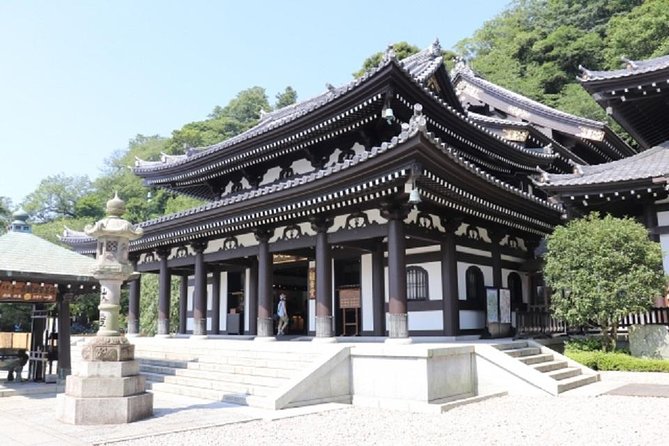
- Hasedera Temple and its changing gardens
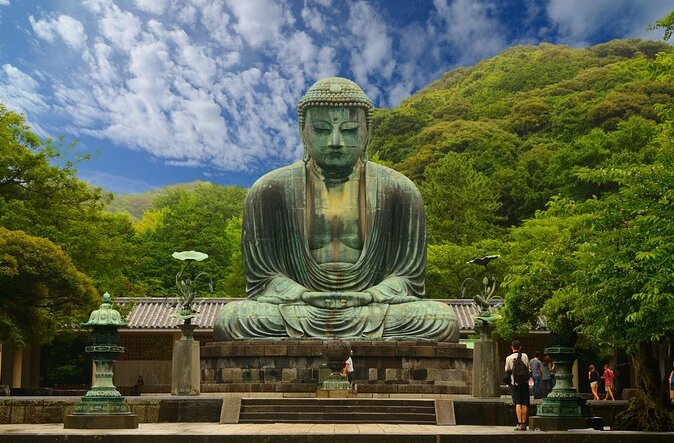
- Meeting the Great Buddha at Kotoku-in
- Hokoku-ji’s bamboo garden
- Tsurugaoka Hachimangu in the city center
- Komachi Street for a short food break
- How public transportation shapes the day
- The value of a private, customizable schedule
- What the $156.09 price really covers
- Who should book this Kamakura tour
- Practical details before you go
- Should you book it?
- FAQ
- How long does the Kamakura private tour last?
- Where does the tour begin?
- Is transportation included in the price?
- Are admission fees included?
- Are meals and drinks included?
- Is this a private tour?
- Is the guide English-speaking?
- Which places does the tour visit?
- Does the tour use public transportation?
- Can the tour be customized?
- Can I cancel for a full refund?
Key points at a glance
- Public transportation with a private guide: You use commuter trains and buses while your English-speaking escort handles the route.
- Five well-chosen stops: The day includes Hasedera, the Great Buddha, Hokoku-ji, Tsurugaoka Hachimangu, and Komachi Street.
- A flexible private format: Your group alone participates, and the schedule can be adjusted to suit your interests.
- About nine hours of sightseeing: This is a full day, with roughly one hour planned at each major temple or shrine.
- Bring coins and plan for extra costs: Bus fares, train fares, admission tickets, food, and drinks are not included.
- A strong guide experience: Yumiko Sano has been praised for her punctuality, kindness, historical explanations, and easy handling of public transport.
Why Kamakura works well as a private day trip
Kamakura gives you a sharp change of pace from Tokyo. The city is compact enough for a day trip, yet its temples and shrines feel far removed from the capital’s tall buildings and packed train stations. This tour focuses on the city’s best-known cultural sights rather than trying to cover every corner.
The private setup matters here. Kamakura’s attractions are spread across several train and bus stops, and a first visit can involve some guesswork. With a guide beside you, you can focus on the buildings, gardens, statues, and rituals instead of constantly checking directions.
You also get a more ordinary Japanese travel experience than you would on a private vehicle tour. The route uses public transportation, including an old-fashioned commuter train and public buses. That means some waiting, boarding, and walking, but it also keeps the day connected to everyday life.
The tour is listed at $156.09 per person. That price does not cover transportation, entrance tickets, or food, so you need to add those costs to your budget. In return, you receive a private English-speaking guide, hotel-lobby pickup, and a full day of personal assistance. For a group that values guidance and flexibility, the price can make sense. If you are comfortable navigating trains and buses alone, the added cost may be harder to justify.
More Private Tours in Kamakura
- Kamakura Private Tour: Temples, Nature, and the Great Buddha
★ 5.0 · 121 reviews - Kamakura 8 hr Private Walking Tour with Licensed Guide from Tokyo
★ 5.0 · 80 reviews - Kamakura: Private Guided Walking Tour with Local Guide
★ 4.8 · 60 reviews
Hasedera Temple and its changing gardens
Hasedera is a good opening stop because it introduces the calm, decorative side of Kamakura. The temple is known for flowers throughout the year, earning it a reputation as a temple of flowers. Your planned visit is about one hour, with admission charged separately.
Expect a temple setting where the gardens are part of the attraction, not just a backdrop to the main hall. The appearance changes with the seasons, so the visual experience depends partly on when you go. The guide can help explain what you are seeing and place the temple within Kamakura’s religious tradition.
I like this stop for travelers who want more than a quick photograph of a famous statue. It gives you time to look at the grounds and understand how Japanese temples use plants, paths, and quiet spaces to shape a visit.
The limitation is time. One hour is enough for a focused visit, but not an unhurried exploration if you want to inspect every corner. Since the schedule includes several other major stops, you will need to keep moving.
Meeting the Great Buddha at Kotoku-in
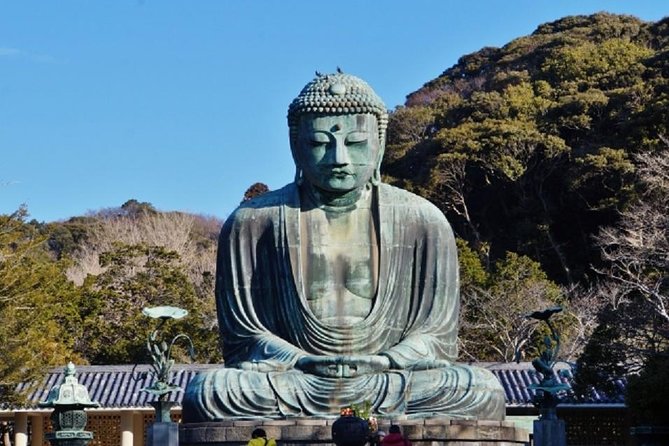
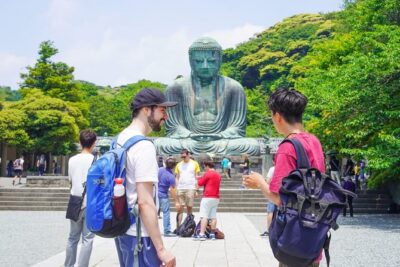
The Great Buddha is the visual centerpiece of the day. This outdoor bronze statue of Amida Buddha rises about 13.35 meters on the grounds of Kotoku-in Temple. Admission is not included, and the visit is planned for about one hour.
The statue’s outdoor setting gives it a different character from a Buddha figure inside a dark temple hall. You can take in its size from several angles, then pause to consider the calm expression and the craftsmanship of the bronze surface.
This is likely to be the stop that first-time visitors remember most clearly. It is also one of the places where a guide adds useful context. Instead of seeing the statue as an isolated landmark, you can ask about Amida Buddha and the role of the temple site.
Do not expect the Great Buddha alone to fill an entire morning. The grounds are focused, and an hour is generally suited to viewing the statue, visiting the temple area, and hearing an explanation. The value comes from combining it with the other stops rather than treating it as the whole Kamakura experience.
Hokoku-ji’s bamboo garden
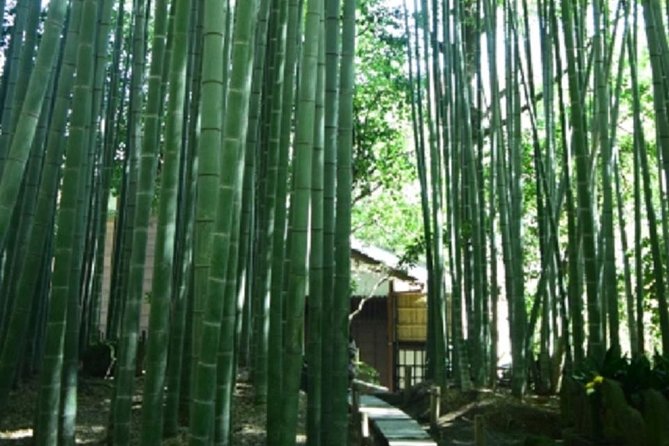
Hokoku-ji is often called Kamakura’s Bamboo Temple, and its large bamboo garden supplies the day’s strongest change in mood. The garden has a cool, mysterious feel, with tall bamboo creating a sheltered space within the temple grounds. Admission costs extra, and the planned visit lasts about an hour.
I like the contrast between this garden and the more open setting around the Great Buddha. After several historic buildings and religious sites, the bamboo gives you a place where the atmosphere comes from height, shade, and sound rather than from a large monument.
This is also a useful stop for a private tour because you can control the pace. You might spend only a short time in the bamboo grove, or linger longer if that is the part of Kamakura that appeals to you most. The tour is customizable, so it is worth making your preference clear.
The garden is not a substitute for Kamakura’s coastal scenery. If you are hoping for beaches, ocean views, or the town’s resort character, this itinerary may feel too focused on religious sites. One visitor specifically found the day more shrine-oriented than expected. That is a fair warning, not a flaw, as long as you book it for the right reason.
More Kamakura and Enoshima days:
- Tokyo: Kamakura & Enoshima Day Trip including Temple Tickets
★ 4.5 · 1,375 reviews - Tokyo: Mt. Fuji, Kamakura, Big Buddha, & Lake Ashi Day Trip
★ 4.5 · 867 reviews - From Tokyo: Kamakura & Enoshima 1-Day Bus Tour
★ 4.5 · 189 reviews - Kamakura Historical Walking Tour with the Great Buddha
★ 5.0 · 129 reviews
Tsurugaoka Hachimangu in the city center
Tsurugaoka Hachimangu is Kamakura’s major Shinto shrine and sits in the middle of the city. For centuries, it was connected with gods of war, giving the site a different religious and historical tone from the Buddhist temples earlier in the day.
The shrine is an important counterpoint to Hasedera, Kotoku-in, and Hokoku-ji. You are not simply visiting one temple after another. The route introduces both Buddhist and Shinto traditions, and the guide can help explain the difference between them.
An hour gives you time to see the central areas and absorb the scale of the shrine complex. Because it is in the city center, this stop also helps you understand how Kamakura’s religious landmarks fit into modern daily life.
This is another place where the guide’s explanations can make the experience stronger. Without context, a shrine may look like a series of gates, buildings, and stone paths. With an informed escort, you can better understand what makes the site Shinto and why it has mattered to Kamakura for so long.
Komachi Street for a short food break
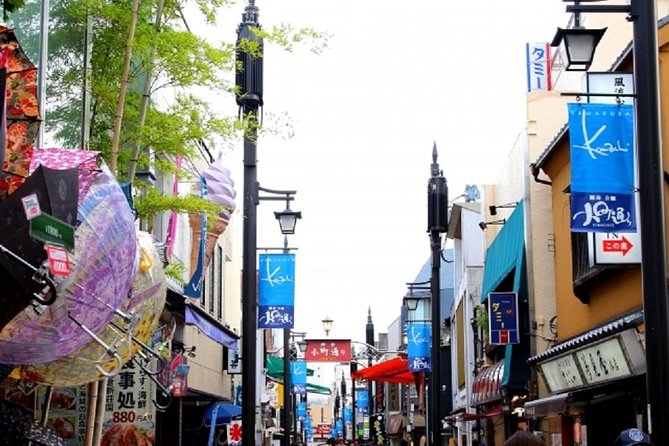
The final listed stop is Komachi Street, where you have about 30 minutes to stroll among food stalls and distinctive shops. There is no admission charge, but food and drinks are your responsibility.
This is a welcome change after a day of formal religious sites. You can browse, pick up a snack, and see the commercial side of Kamakura. The short visit is best treated as a taste of the street rather than a full shopping session.
Thirty minutes passes quickly, especially if you want to eat and browse. If food is important to you, ask your guide early in the day how the schedule can accommodate it. Meals are not included, and the tour description does not promise a dedicated lunch stop.
How public transportation shapes the day
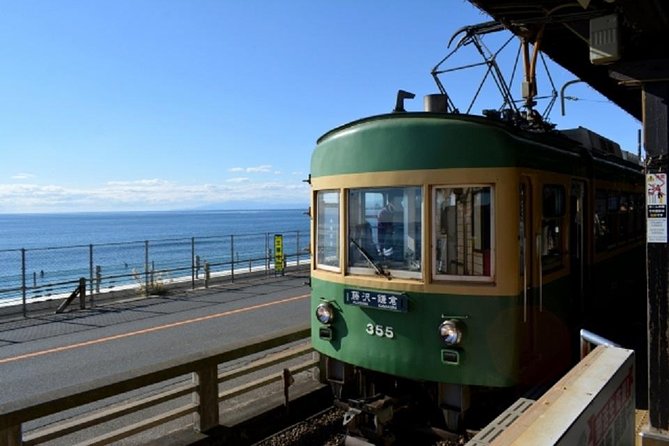
The transportation is part of the experience, not just a way to get between attractions. You will travel by public train and bus, with the guide escorting you along the way. Hotel transfers are included in the sense that the meeting begins in your hotel lobby, but your own train and bus fares are extra.
This setup keeps costs lower than a private car and lets you see how people move around the area. It also brings practical demands. You need to be ready for walking, commuter trains, and public buses. One useful tip is to bring plenty of coins, since small fares and site payments may require cash.
Your guide’s role is especially valuable during transfers. A private guide who knows the route can reduce the confusion of finding the correct platform or bus. Yumiko Sano has been singled out for navigating the area with ease, while also giving clear explanations about Japan and the Kamakura period.
Still, public transport is not door-to-door service. The day may feel active, and the combination of walking, trains, and buses can be tiring. If you want a relaxed ride between every sight, a private vehicle tour would suit you better, though that is not what this experience provides.
The value of a private, customizable schedule
A fixed group tour often moves at one speed. This private option gives your own party more say in the day. The itinerary includes five main stops, but the tour can be customized to suit your needs.
That flexibility is useful if your group has mixed interests. You might want more time at the bamboo garden, less time in the shopping street, or extra explanation at the Great Buddha. The available information does not promise unlimited changes or a different set of sights, so treat customization as a chance to adjust the day, not a guarantee that every request can be added.
The private format also helps with questions. You can ask about Buddhist and Shinto customs, the Kamakura period, transportation, or details that catch your eye without worrying about holding up a large group.
The strongest praise for the guiding comes from the human side of the experience. Yumiko Sano has been described as prompt, kind, friendly, respectful, and easy to follow. Those qualities matter on a long day when you are moving between several sites and relying on someone else to manage the route.
What the $156.09 price really covers
At $156.09 per person, this is not an all-inclusive sightseeing ticket. The price covers a private tour, an English-speaking guide, and meeting at your hotel lobby. You must pay for transportation, admission tickets, food, and drinks.
The cost becomes easier to understand if you are traveling as a small private group and value personal attention. You are paying for route planning, cultural explanation, and the ability to shape the day. You are not paying for a luxury vehicle, meals, or bundled entrance tickets.
Ask yourself how much help you need. If you are confident using Japanese public transportation and mainly want entrance tickets, doing Kamakura independently will cost less. If you want to cover several major sights in one day without getting lost, the guide can provide real value.
Group discounts are offered, though the exact discount is not specified. Since the tour is booked per person, check the final price for your group before committing.
Who should book this Kamakura tour
I would recommend this experience to first-time visitors who want to see Kamakura’s main cultural sights in one organized day. It is also a good match for families or small groups that prefer a private guide to a large coach excursion.
You should be comfortable with public transport and a fair amount of movement. Most people can participate, and the tour is near public transportation, but the schedule is not built around staying in one place.
This tour suits you especially well if you want:
- Buddhist temples and a major Shinto shrine
- A famous outdoor Buddha statue
- A bamboo garden
- Local trains and buses instead of a private vehicle
- An English-speaking guide who can explain Japanese culture
- A private itinerary with some room for adjustment
You may want another plan if your main goal is the beach, ocean views, or Kamakura’s resort side. The scheduled route spends most of its time at religious and cultural sites, with only a short visit to Komachi Street.
Practical details before you go
Your booking confirmation is normally issued at once. If you book within two days of travel, confirmation can take up to 48 hours and remains subject to availability.
Free cancellation is available up to 24 hours before the experience start time for a full refund. Cancellations or changes made less than 24 hours before the start are not refunded or accepted, and the cut-off follows local time.
Plan to carry money for train and bus fares, admission fees, and anything you eat or drink. The guide meets you in your hotel lobby, but transportation to and from the tour is your responsibility.
The experience uses a mobile ticket and offers pickup. It is private, so only your group participates. Since the route lasts about nine hours, wear comfortable walking shoes and keep your day flexible enough for public transport.
Should you book it?
Book this tour if you want a full Kamakura day built around temples, shrines, the Great Buddha, and a bamboo garden, but you do not want to manage the train and bus connections alone. The private guide, local transport, and flexible format give the day a personal feel.
Skip it if you mainly want the seaside or prefer to explore independently at a slower pace. Also budget for extra fares, admissions, and food. For the right visitor, this is a practical way to see a lot of Kamakura while gaining cultural context along the way.
FAQ
How long does the Kamakura private tour last?
The tour lasts approximately nine hours.
Where does the tour begin?
The guide meets you in your hotel lobby.
Is transportation included in the price?
No. Train and bus transportation costs are not included, and you pay those fares yourself.
Are admission fees included?
No. Admission fees for places such as Hasedera, Kotoku-in, Hokoku-ji, and other sites are extra.
Are meals and drinks included?
No. You are responsible for your own food and drinks.
Is this a private tour?
Yes. Only your group participates in the activity.
Is the guide English-speaking?
Yes. An English-speaking guide is included.
Which places does the tour visit?
The planned stops are Hasedera Temple, Kotoku-in and the Great Buddha, Hokoku-ji, Tsurugaoka Hachimangu Shrine, and Kamakura Komachidori.
Does the tour use public transportation?
Yes. The experience uses public trains and buses, with the guide escorting you during the journey.
Can the tour be customized?
Yes. The private tour can be customized to suit your group’s needs, though the exact changes depend on the schedule and availability.
Can I cancel for a full refund?
Yes. You can cancel at least 24 hours before the start time for a full refund. Cancellations made less than 24 hours before the experience are not refunded.
More Transfers in Kamakura
- Haneda Airport (HND) Private Transfer to Central Tokyo
★ 4.5 · 636 reviews - Narita Airport (NRT) Private Transfer to Central Tokyo
★ 4.5 · 300 reviews - Private Haneda Airport (HND) to Central Tokyo City Transfer
★ 4.5 · 260 reviews - Narita Airport(NRT) Private Transfer To/From Tokyo 1-way or Round
★ 4.5 · 258 reviews
New on our Kamakura list
- 1-Day trip: Kamakura City (Enoshima/Shonan/Beach)★ 4.7 · 3 reviews
- Kamakura Zen: Great Buddha, Nature, Bamboo & Samurai Culture★ 5.0 · 3 reviews
- Kamakura Half Day Walking Tour with Local Experience★ 3.4 · 4 reviews
- Hiking Tour in Enoshima with a Local Guide★ 5.0 · 4 reviews
- Kamakura Tour with Pro Photographer: Anime Train & Fuji Sunset★ 5.0 · 4 reviews
- Kamakura Private Custom Tour★ 5.0 · 4 reviews
- Kamakura Historical and Cultural Day Trip with Local Cuisine★ 5.0 · 4 reviews
- Kamakura Full-Day Private Tour★ 5.0 · 4 reviews
Kamakura Tours, compared.
Kamakura & Enoshima Day Trip including Temple Tickets
Read our review →
Mt. Fuji, Kamakura, Big Buddha, & Lake Ashi Day Trip
Read our review →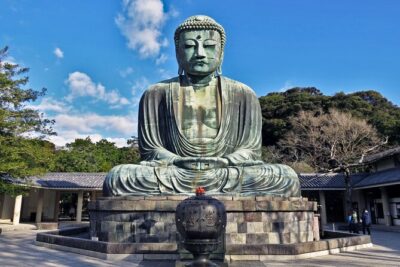
Kamakura Historical Walking Tour with the Great Buddha
Read our review →
Kamakura Private Tour: Temples, Nature, and the Great Buddha
Read our review →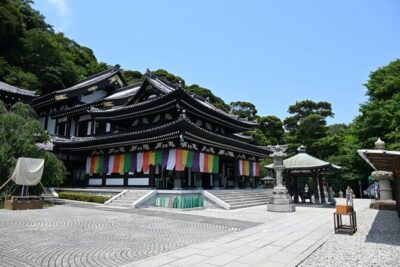
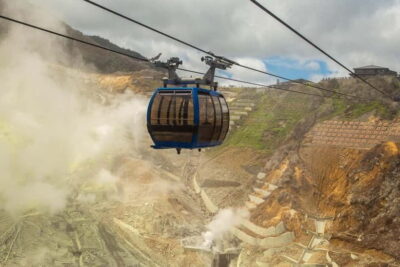
Sea of Mount Fuji, Hakone Ropeway, Ōwakudani, Enoshima
Read our review →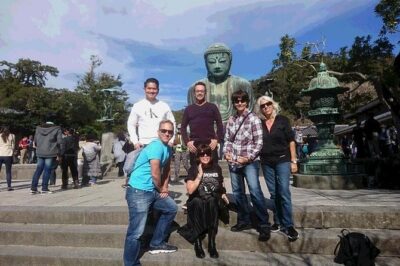
Kamakura 8 hr Private Walking Tour with Licensed Guide from Tokyo
Read our review →Browse the lists this tour appears in