
Reviewed · KAMAKURA TOURS
Kamakura&Enoshima Tour to-and-from Tokyo, Yokohama, up to 12
Kamakura gives you Japan in a wonderfully compact package: bamboo temple, samurai shrine, giant Buddha, and island views all fit into one long day. This private tour adds Enoshima, where clear weather can reveal Mount Fuji across the water, and a vehicle saves you from stitching together several train rides and a lot of walking.
I like the door-to-door pickup and the freedom to shape the day around your group. I also like the human scale of the stops, from powder tea at Hokokuji to seafood or rice and curry at a local restaurant. The catch is price: at $878 for up to 12 people, it is sensible for a larger group but costly for one or two people, especially since meals and temple entry fees are extra.
In This Review
- Key points at a glance
- Why Kamakura and Enoshima work in one day
- A private ride makes the packed route practical
- Hokokuji Temple and its bamboo garden
- Tsurugaoka Hachimangu, Kamakura’s major shrine
- The Great Buddha at Kotoku-in
- Hase-dera brings gardens and Kannon worship
- Lunch on Enoshima, with local choices
- Enoshima’s sea views and shopping streets
- What the $878 price really buys
- Pickup details, timing, and comfort
- Who should book this Kamakura day trip
- FAQ
- How long does the Kamakura and Enoshima tour last?
- Where can pickup and drop-off take place?
- Is transportation included?
- Are attraction entry fees and meals included?
- What size groups can join?
- Is the tour wheelchair accessible?
- Should you book it?
Key points at a glance
- Hokokuji pairs bamboo with powder tea, giving you a quiet start before the busier sights.
- The private vehicle covers a lot of ground, a real advantage when fitting Kamakura and Enoshima into nine hours.
- The Great Buddha and Hase-dera offer two different kinds of temple visits, one focused on a famous outdoor statue and the other on gardens and Kannon worship.
- Enoshima brings sea views, shopping arcades, and possible Mount Fuji views in one final stop.
- Pickup and drop-off can work well for cruise passengers, with Tokyo, Yokohama, Odawara, and Maihama among the listed options.
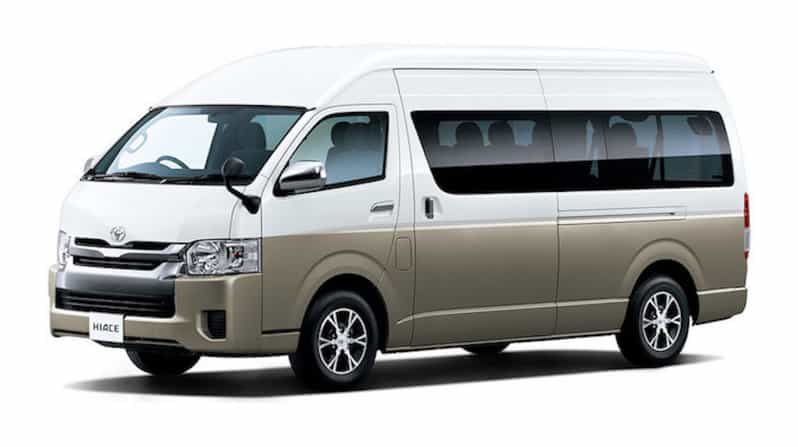
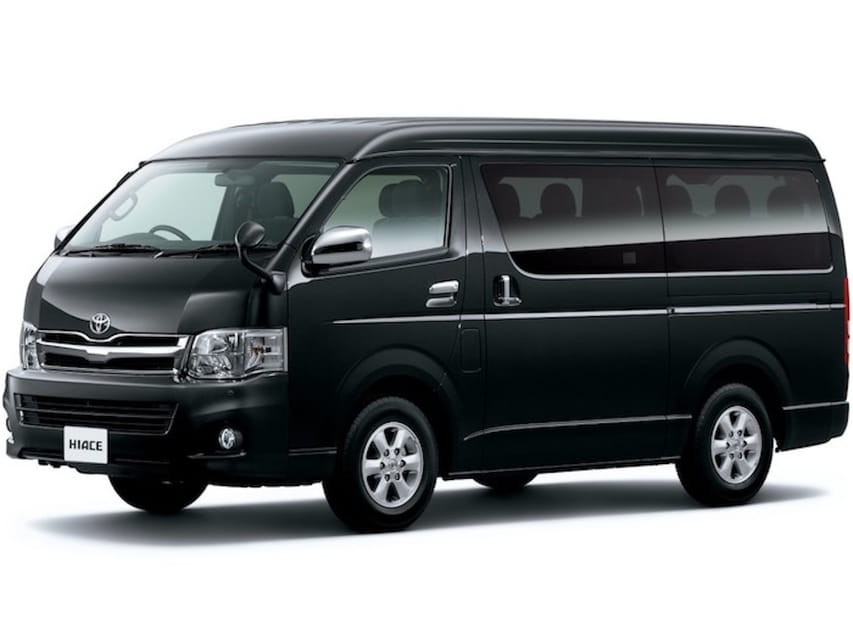
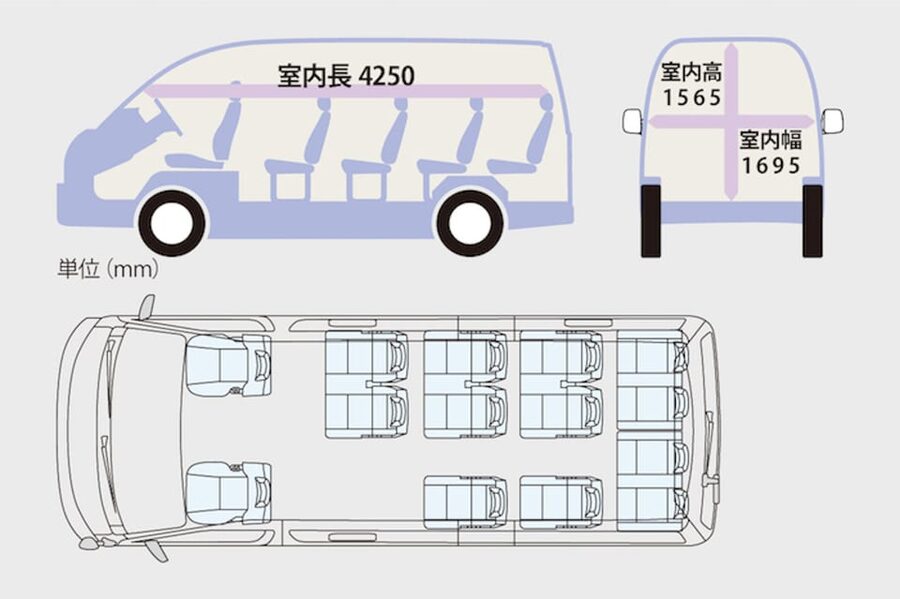
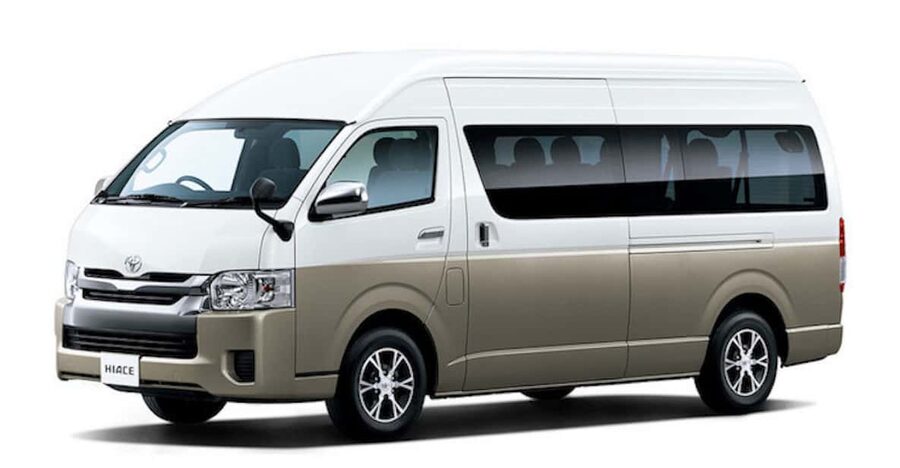
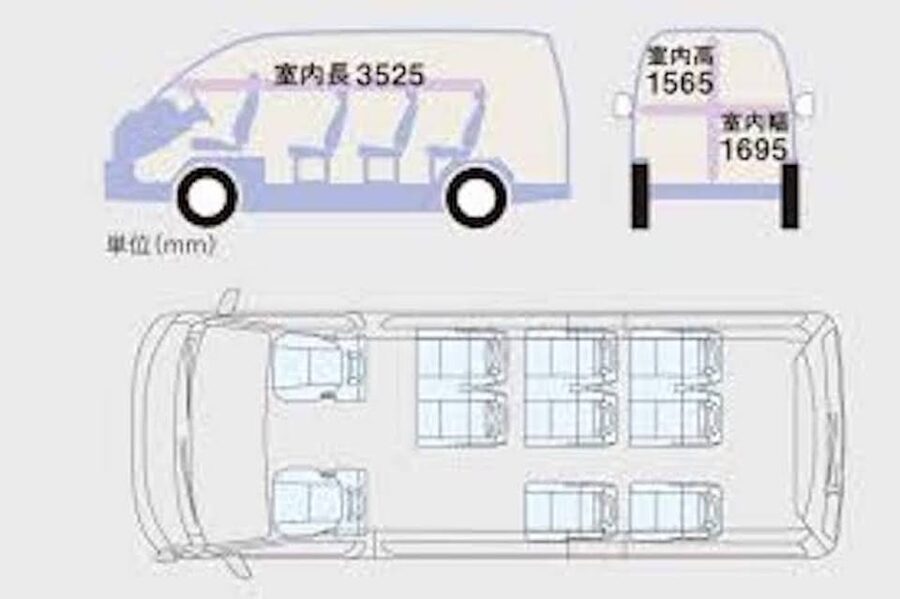
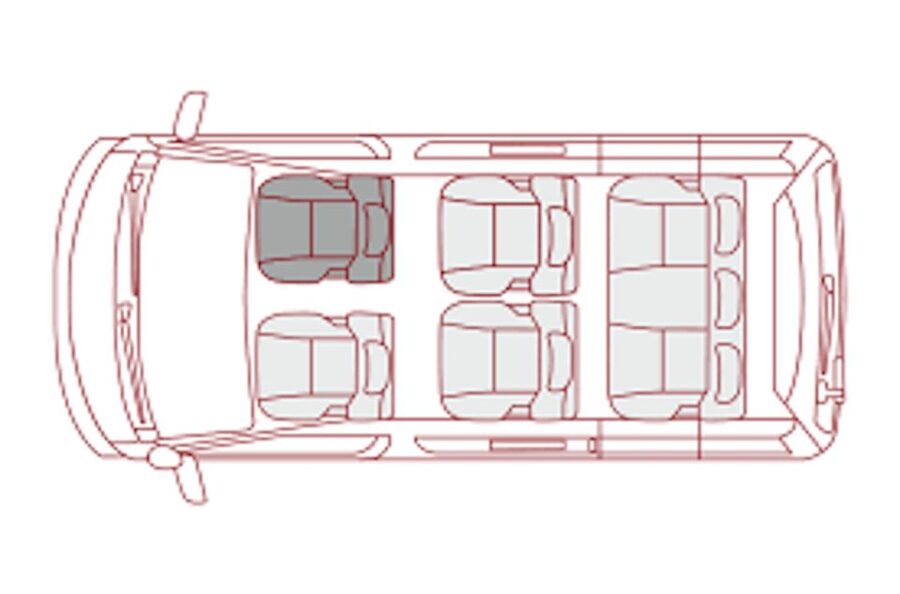
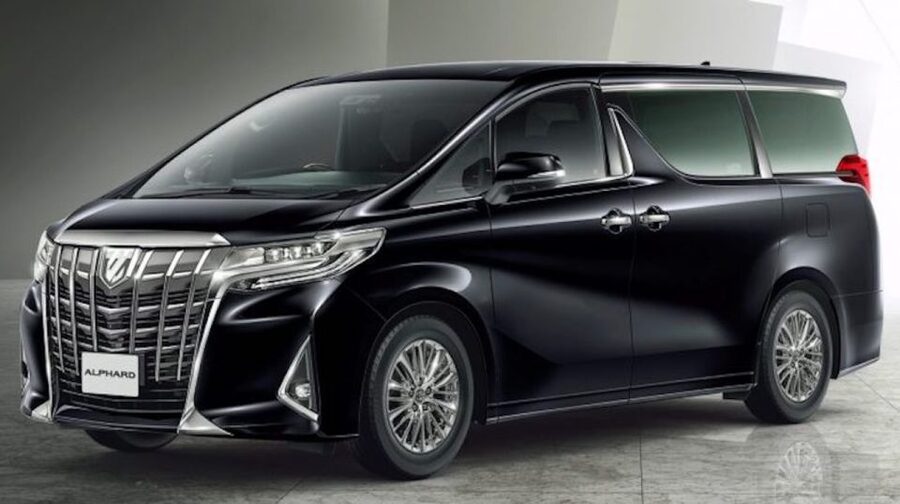
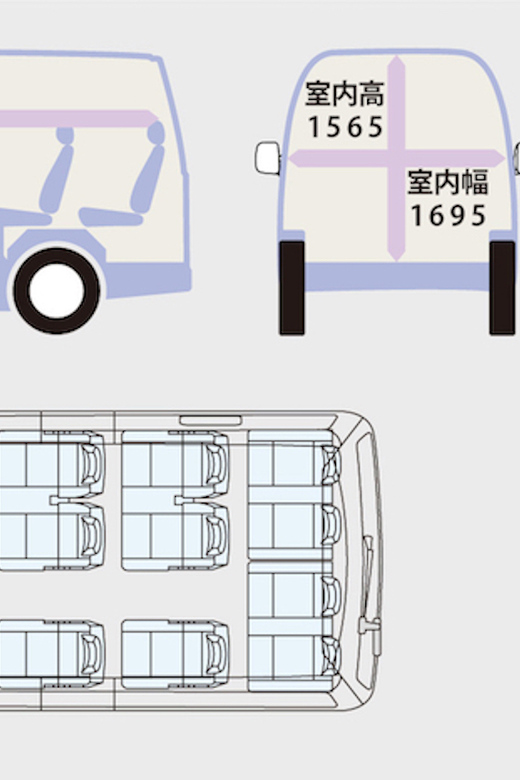
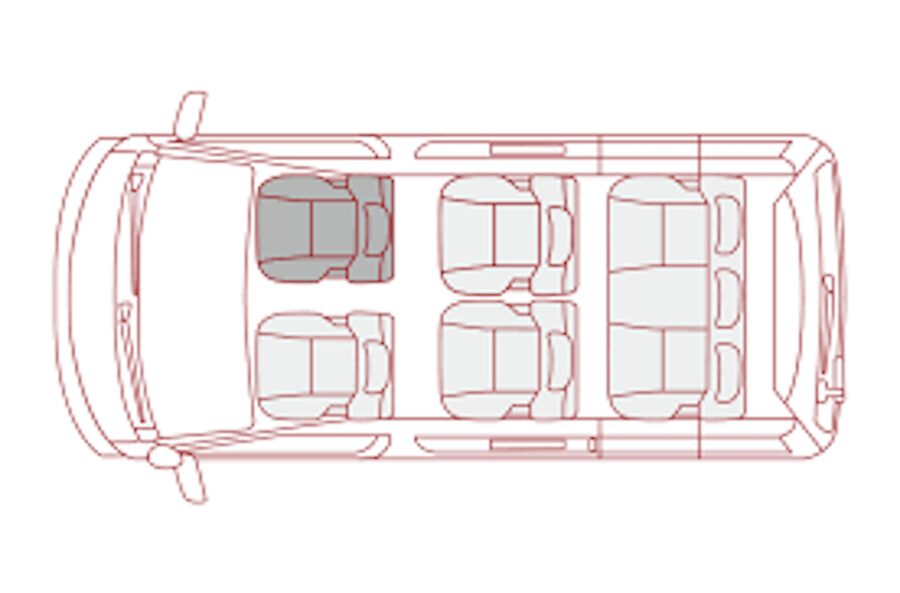
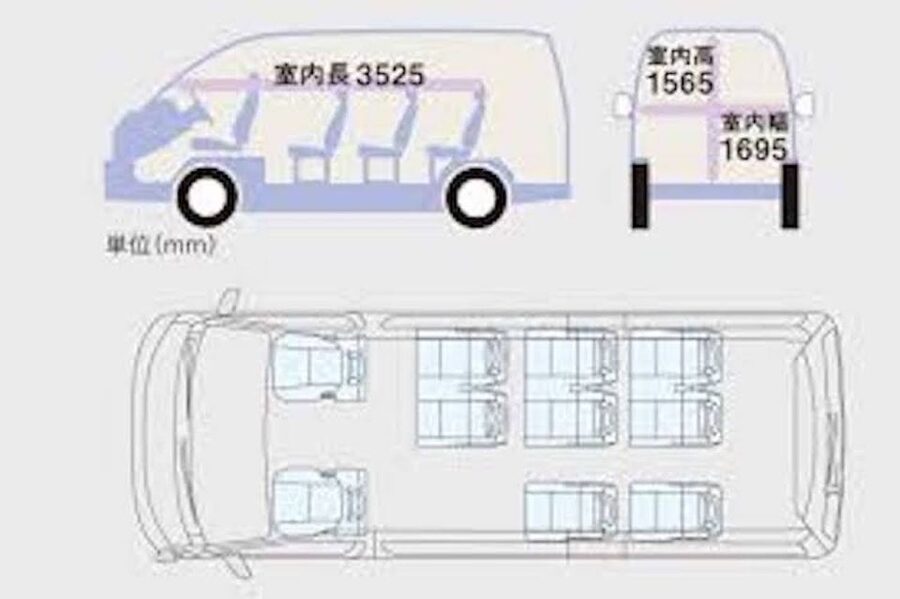
- The group limit reaches 12, with a minivan for three to four people, a small minibus for five to eight, and a middle-size minibus for nine to 12.
Why Kamakura and Enoshima work in one day
Kamakura was the center of Japan’s first samurai government, established by Minamoto Yoritomo in the late 12th century. You do not need a long history lecture to feel that change in the city. Shinto shrines, Buddhist temples, old lanes, and wooded hills sit close together, while the sea is never far away.
Enoshima shifts the mood. Instead of temple grounds and shrine steps, you get an island connected to the mainland, sea air, souvenir arcades, and the sort of broad view that appeared in ukiyo-e woodblock prints. Adding it to Kamakura makes the day feel varied, though it also makes the schedule fairly full.
That is the central tradeoff here. You cover the major sights efficiently, but you will not have unlimited time at each one. If you want a slow temple day with long café breaks, this route may feel brisk. If you have only one free day from Tokyo or Yokohama, the range is a strong reason to choose it.
More Kamakura and Enoshima days:
- Tokyo: Kamakura & Enoshima Day Trip including Temple Tickets
★ 4.5 · 1,375 reviews - Tokyo: Mt. Fuji, Kamakura, Big Buddha, & Lake Ashi Day Trip
★ 4.5 · 867 reviews - From Tokyo: Kamakura & Enoshima 1-Day Bus Tour
★ 4.5 · 189 reviews
A private ride makes the packed route practical
The tour lasts nine hours and uses a private vehicle with an English-speaking driver-guide. That matters in Kamakura, where the sights are near one another on a map but not always convenient to connect on foot. The supplied route includes four major Kamakura stops, lunch, and Enoshima, a program that could become tiring if you relied only on walking and public transport.
You can be picked up in Tokyo, Yokohama, Odawara, or Maihama, and the listed coverage includes many hotel doorways within the Tokyo metropolitan area. Tokyo and Yokohama can also be used as either pickup or drop-off points, which is useful if you are staying in one city and returning to the other.
Cruise passengers get a particularly practical option. Pickup from a cruise terminal can be arranged, and one recorded group of six people with luggage used the service this way. If you are carrying several bags, ask about a larger vehicle. The standard vehicle sizes are a minivan for three to four people, a small minibus for five to eight, and a middle-size minibus for nine to 12.
The tour is private, so you are not waiting for strangers or trying to match a fixed group’s pace. The driver-guide can also consider alternate pickup and drop-off points and vehicle needs, although extra charges may apply for some arrangements.
Hokokuji Temple and its bamboo garden
Hokokuji is known as Kamakura’s bamboo temple, and it gives the morning a calm, shaded beginning. The scheduled visit is about 45 minutes, enough for a focused look rather than a long temple stay.
The bamboo is the main visual draw, but the small tea café adds something more personal. You can enjoy powder tea there, an appealing pause after the drive and a chance to experience a Japanese tea tradition without committing to a formal ceremony.
This stop suits you if you enjoy gardens, quiet corners, and small details. It is less useful if your priority is only famous landmarks. The tour’s flexibility helps here: seasonal flowers and garden conditions may lead the guide to adjust the order or choice of stops.
Entry fees are not included, and the same applies to the tea. Bring comfortable shoes, since even a short temple visit can involve walking on uneven paths or steps.
Tsurugaoka Hachimangu, Kamakura’s major shrine
Tsurugaoka Hachimangu is the city’s best-known Shinto shrine and is closely tied to Minamoto Yoritomo, the first shogun of Japan’s samurai government. The 45-minute visit gives you time to approach the shrine, look over its main spaces, and hear how it connects to Kamakura’s political beginnings.
The shrine is a useful counterpoint to Hokokuji. There, the focus is a smaller Buddhist temple and bamboo grove. Here, the scale is more formal and public, with a broad approach and a stronger sense of ceremonial space.
I would pay attention to how the visit feels different from a Buddhist temple. Shinto shrines use their own visual language, and the guide can help you understand what you are seeing without turning the stop into a classroom. Your guide’s English-language commentary is included, though the precise depth of explanation can vary by guide.
The 45-minute slot is reasonable for a first visit, but it will not cover every corner of the grounds. If this shrine matters most to you, tell the guide early. A private tour gives you a better chance of shifting time from a less important stop.
More Yokohama outings:
- Authentic Sumo Experience in Tokyo: Enter the Sanctuary
★ 5.0 · 603 reviews - EVO, WRX, Skyline – JDM Night Run to Daikoku Car Meet
★ 4.9 · 478 reviews - Tokyo: Best Price Daikoku Parking Area JDM Car Meet
★ 4.9 · 192 reviews - Daikoku & Tokyo Private JDM Tour by 700HP R34 GT-R
★ 4.9 · 101 reviews
The Great Buddha at Kotoku-in
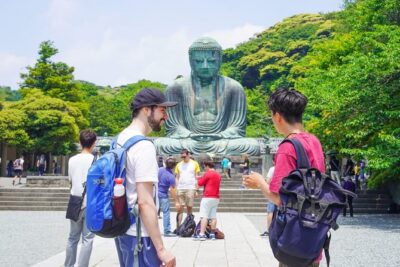
Kotoku-in is home to the Great Buddha of Kamakura, the statue most people associate with the city. The visit is scheduled for 30 minutes, so expect a direct stop focused on the statue and temple grounds.
The Buddha is powerful because of its scale and setting, but the visit is not designed as a long museum experience. You will have time to look closely, take photographs, and hear the basic story of the statue. If access inside the statue is available on the day, confirm details with your guide, since the supplied tour information does not promise that option.
This is one of the tour’s strongest stops for first-time visitors. It gives you an instantly recognizable sight and a clear connection to Kamakura’s Buddhist tradition. The short timing also keeps the day moving toward Hase-dera and Enoshima.
Admission is extra. You should also expect other visitors around a famous landmark, especially during busy periods. The private vehicle helps with transfers, but it cannot remove crowds at the attraction itself.
Hase-dera brings gardens and Kannon worship
Hase-dera is scheduled for about 45 minutes and is associated with Kannon, the Buddhist figure of compassion. The temple is known for its religious importance and garden setting, giving you a different experience from the open-air Great Buddha at Kotoku-in.
The garden is one reason the guide may change the order of the day by season. Flowers appear at different times, so the best sequence is not always the same throughout the year. Do not treat the listed order as immovable. The point of this private outing is to make sensible adjustments when seasonal conditions or your interests call for them.
Hase-dera can involve walking and steps, so comfortable shoes are more than a polite suggestion. The experience is described as wheelchair accessible, but you should still discuss your group’s exact mobility needs when booking, especially if anyone requires a particular route or extra time.
With only 45 minutes, you will get an introduction rather than a full exploration. I would use the time for the main temple view, garden areas, and the guide’s explanation of Kannon rather than trying to see every feature.
Lunch on Enoshima, with local choices
Lunch is planned for one hour on Enoshima. Seafood is identified as a local specialty, and rice or curry is another option. That gives your group some flexibility, which matters when one person wants fish and another wants a familiar, filling meal.
Food and drinks are not included, so budget separately. The benefit is choice: you are not locked into a prepaid menu or a meal selected for an entire busload. Ask the guide to point you toward a local restaurant that suits your group and the available time.
One practical caution is timing. Enoshima is not only a lunch stop. It also includes a 75-minute guided visit and shopping arcades leading toward Enoshima Shrine. If your group tends to linger over meals, you may need to choose between a leisurely lunch and more time for the island.
Enoshima’s sea views and shopping streets
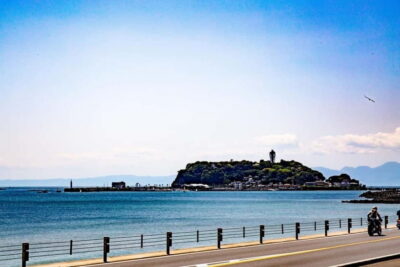
The final Enoshima visit lasts about 75 minutes and combines sightseeing with shopping. The island’s views are the main reason to come, especially on a clear day when Mount Fuji may appear in the distance. Weather controls the reward here. Fuji views are possible, not guaranteed, so you should enjoy the coast even if clouds hide the mountain.
The island was depicted in ukiyo-e, and that artistic connection helps explain its appeal. You are seeing the sort of sea-and-island view that has long been part of Japan’s visual culture, not simply ticking off another neighborhood.
The shopping arcades leading toward Enoshima Shrine are useful for small souvenirs, accessories, and gadgets. This is a good place to leave room in your bag and a little space in your schedule. The shopping is part of the local outing, but 75 minutes is not enough for a serious browse if you also want photographs and shrine time.
The island can involve walking, and you may encounter slopes or steps. Wear shoes that you can comfortably use all day. Smoking is not allowed in the vehicle, and alcohol is not allowed there either, so plan to keep drinks appropriate for a private transfer.
What the $878 price really buys
The $878 price covers the whole private group, up to 12 people, for nine hours. It includes transportation, an English-speaking driver-guide, pickup, and a flexible private program. It does not include attraction entry fees, food, or drinks.
For 12 people, that is about $73 per person before extras. For six people, it is about $146 each. For two people, the cost becomes $439 per person, which is hard to justify unless door-to-door service and total flexibility are high priorities.
The strongest value comes from sharing the cost. A large family, cruise group, or group of friends can split the fixed price while avoiding the work of arranging several train connections, managing luggage, and keeping everyone together. A group of three or four still gains comfort and privacy, but should compare the total with ordinary transport and separate guides.
The price also buys time. The route is designed to cover Kamakura and Enoshima in one day, and the private vehicle reduces wasted transfers. That does not mean every minute is sightseeing. Traffic, walking, meals, and entry procedures still take time, but the setup is efficient for a wide-ranging day.
Pickup details, timing, and comfort
You are asked to wait in your hotel lobby five minutes before pickup, with the driver holding a name board. Tokyo, Yokohama, Odawara, and Maihama are listed for both pickup and drop-off options, and Tokyo to Yokohama or Yokohama to Tokyo combinations are also possible.
Odawara drop-off can suit you if you are moving between Tokyo and Kyoto, while cruise terminal pickup can save a separate transfer. Narita arrangements are possible with extra charges: ¥20,000 for Narita pickup and drop-off, or ¥10,000 for a Narita connection with Tokyo or Yokohama. Confirm the exact arrangement and charge before you rely on it.
The tour is not suitable for people with motion sickness. You will spend substantial time in a vehicle, and a full day of temple paths, shrine grounds, and island walking can be tiring. Comfortable shoes and weather-appropriate clothing are essential.
Free cancellation is available up to 24 hours before the start for a full refund, and you can reserve now and pay later. The tour is wheelchair accessible, though it is wise to explain your needs in advance rather than assuming every path and vehicle setup will suit every chair.
Who should book this Kamakura day trip
I would choose this tour for a group that wants to see the major Kamakura sights and Enoshima without handling transport. It is especially well suited to cruise passengers, families, older adults who prefer private transfers, and groups of six or more that can spread the fixed cost.
It also works for people who value control. You can ask for more time at Tsurugaoka Hachimangu, adjust the seasonal order, discuss a different vehicle, or request alternate pickup and drop-off points. The exact flexibility depends on the day and the guide, but the private format gives you room that a standard bus tour does not.
I would hesitate if you are a solo visitor or couple on a tight budget. I would also hesitate if your main goal is a slow, unplanned day in one temple district. This is a full sightseeing circuit, not a lazy coastal afternoon.
FAQ
How long does the Kamakura and Enoshima tour last?
The tour lasts nine hours. Starting times depend on availability when you book.
Where can pickup and drop-off take place?
The listed pickup and drop-off options are Tokyo, Yokohama, Odawara, and Maihama. Tokyo and Yokohama can also be combined as pickup and drop-off points. Cruise terminal pickup may be arranged, and Narita connections are available with additional charges.
Is transportation included?
Yes. The tour includes private transportation and an English-speaking driver-guide.
Are attraction entry fees and meals included?
No. Entry fees at each attraction, food, and drinks are not included in the tour price.
What size groups can join?
The private group can include up to 12 people. The vehicle is listed as a minivan for three to four people, a small minibus for five to eight, and a middle-size minibus for nine to 12.
Is the tour wheelchair accessible?
Yes, the experience is listed as wheelchair accessible. Contact the provider in advance with your specific mobility needs so the vehicle and route can be discussed.
Should you book it?
Book this private Kamakura and Enoshima tour if you have a group large enough to share the $878 cost and you want a single, organized day from Tokyo or Yokohama. The mix of Hokokuji’s bamboo and tea, Tsurugaoka Hachimangu, the Great Buddha, Hase-dera, local lunch, and Enoshima gives you a broad look at the area without a transport puzzle.
Before booking, count your group, add separate money for meals and admission, and consider your tolerance for a full day in a vehicle. If you are six to 12 people, the value is much stronger. If you are two people, compare alternatives carefully. For cruise passengers or anyone with limited time, the private pickup and flexible route may be worth the premium.
New on our Tokyo list
- Sumi-e Experience in a relaxing green tea shop in Tokyo★ 5.0 · 3 reviews
- Tokyo : Kamikaze Street Drift Ride★ 5.0 · 3 reviews
- Private Zen Meditation in English in Shinjuku, Tokyo★ 5.0 · 3 reviews
- Easy for everyone! Now you can play handmade mini shamisen and show off to everyone! Musical instruments, sweets and live music★ 5.0 · 3 reviews
- Onsen Spa in Tokyo and Asakusa Bar Hopping with Local Guide★ 5.0 · 3 reviews
- Tokyo: Private Tsukiji Street Food & Sake with Local Guide★ 5.0 · 3 reviews
- Mt Fuji Exploration Tour with Free Japanese Kusa Mochi from Tokyo★ 4.5 · 3 reviews
- Tokyo Tsukiji Fish Market Walking and Exploring Hidden Gems Tour★ 5.0 · 3 reviews
Kamakura Tours, compared.
Kamakura & Enoshima Day Trip including Temple Tickets
Read our review →
Mt. Fuji, Kamakura, Big Buddha, & Lake Ashi Day Trip
Read our review →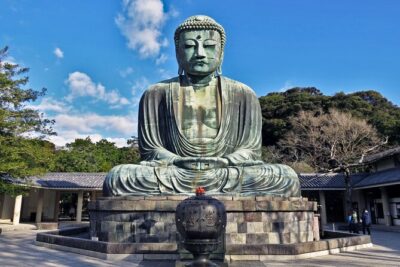
Kamakura Historical Walking Tour with the Great Buddha
Read our review →
Kamakura Private Tour: Temples, Nature, and the Great Buddha
Read our review →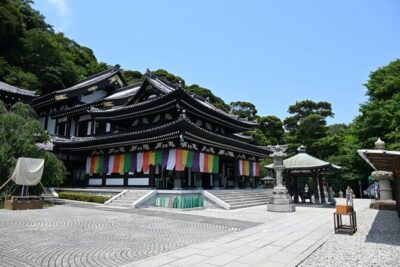
Sea of Mount Fuji, Hakone Ropeway, Ōwakudani, Enoshima
Read our review →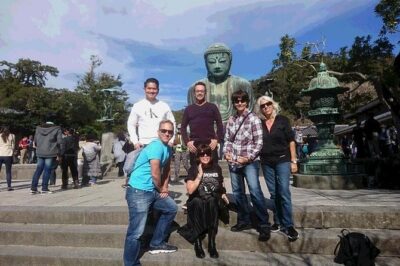
Kamakura 8 hr Private Walking Tour with Licensed Guide from Tokyo
Read our review →Browse the lists this tour appears in