
Reviewed · MARTIAL ARTS EXPERIENCES
Karate Experience with the Shotokan Karate-do Instructor
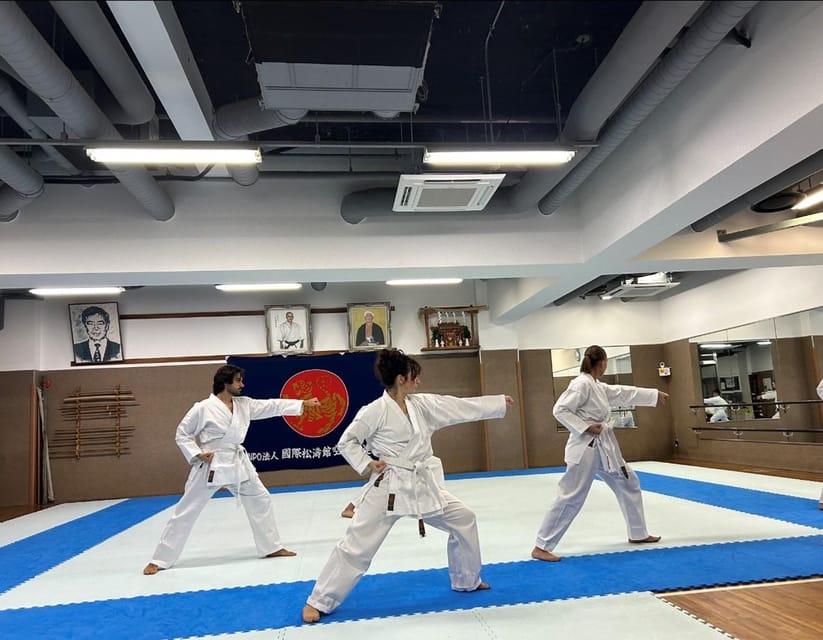
At the SKIF Headquarters dojo, you train where world champions practice and teach, not in a staged cultural attraction built for cameras. In 90 minutes, an English-speaking instructor takes you through karate basics, kata, promise kumite, board breaking, and a strong demonstration.
I like the small group limit of 10 people, which gives the instructor room to adjust the session. I also like the way the program can change for experienced karateka, especially if you send your style and training goals ahead of time. The main drawback is the price: at $220 per person, this is a serious splurge for a short class.
- Train at SKIF Headquarters: Practice inside the dojo of the Shotokan Karate-do International Federation.
- Learn more than punches: The session covers striking, kicking, kata, and pre-arranged sparring.
- Try board breaking: You get a hands-on chance to split a board under instruction.
- Meet a top-level instructor: The teacher may be a medal winner from SKIF World Championships or All Japan Karate Championships.
- Bring your own karate goals: Experienced students can request a more tailored session by sharing their background in advance.
- Arrive early: The dojo is a two-minute walk from Tokyu Ikegami Line Kugahara Station, and late arrivals lose training time.
In This Review
- Training at the SKIF Headquarters dojo
- What happens during the 90-minute class
- The board-breaking portion
- Watching a powerful instructor demonstration
- A useful choice for beginners and karateka
- Why the cultural side matters
- Is $220 a fair price?
- Getting to Kugahara Station
- What to bring and what to leave behind
- Who will get the most from this experience?
- Cancellation and booking flexibility
- Should you book the SKIF karate experience?
- FAQ
- Where does the karate experience take place?
- How long does the karate session last?
- How much does the experience cost?
- Is the instruction in English?
- Do I need previous karate experience?
- Can an experienced karate student request a specific type of training?
- What techniques will I learn?
- Can I try board breaking?
- Are uniforms provided?
- What should I bring?
- How do I reach the dojo?
- How early should I arrive?
- Are children allowed?
- Can I cancel for a refund?
Training at the SKIF Headquarters dojo
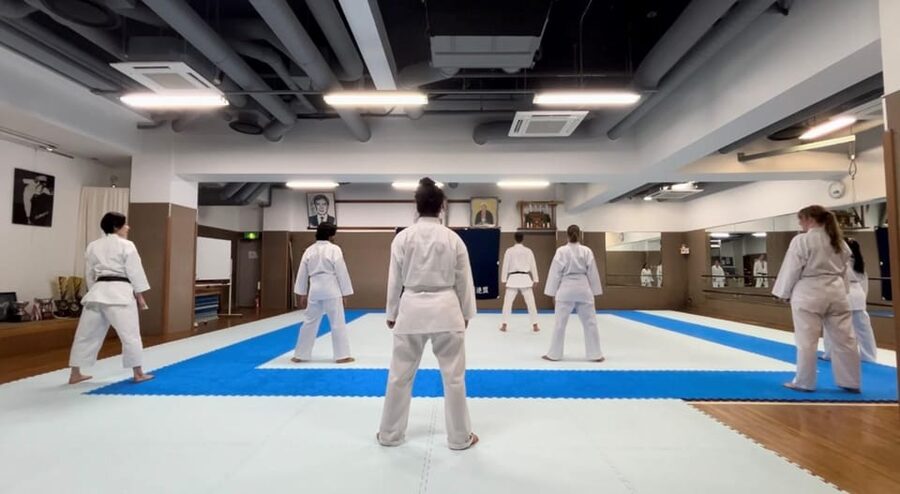
This experience gives you access to the headquarters of the Shotokan Karate-do International Federation, known as SKIF. The setting matters. You are not simply copying a few martial arts movements in a hotel room. You are entering a working dojo connected to an international karate organization.
The program is built for inbound visitors, so the instruction is in English. That removes one common worry: you do not need to know Japanese commands before stepping onto the training floor. You can focus on posture, movement, breathing, and the meaning behind each exercise.
The class is limited to 10 participants. That is small enough to make corrections possible, though the amount of individual attention will depend on the group and the instructor on your date. For a short introduction, this format is more useful than a large demonstration where you only watch.
The instructors are drawn from a high level of competitive karate. Their achievements include SKIF World Championship gold medals in kumite, national titles in kata and kumite, and runner-up finishes in major national and international competitions. You will not know in advance which instructor leads your session, but the standard is clearly high.
What happens during the 90-minute class
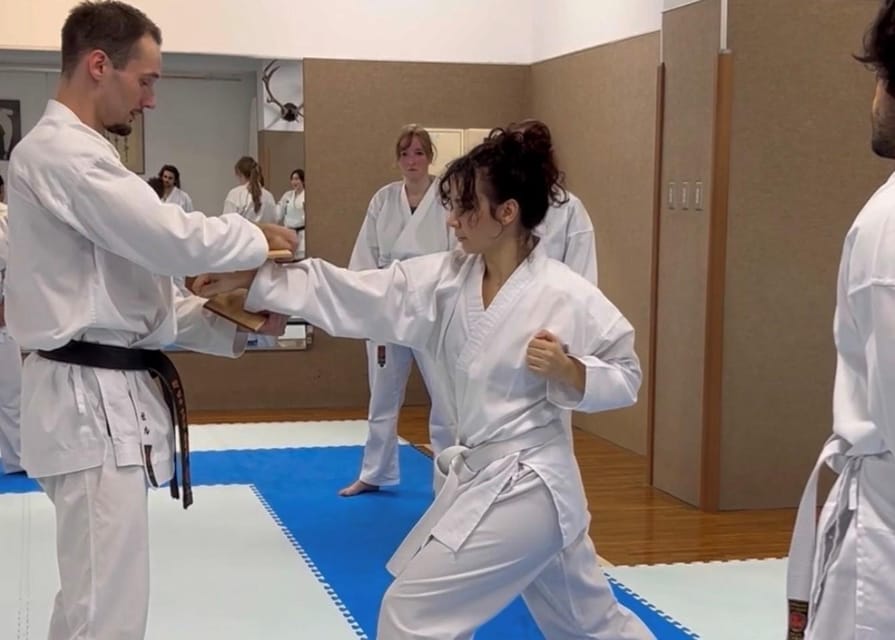
The session begins with an introduction to karate’s history and philosophy. This opening gives you a little context before the physical work begins, and it helps explain why karate includes repeated forms, formal manners, and controlled partner work.
You then move into fundamental techniques. Expect instruction in basic strikes and kicks, with attention to how the body is positioned and how the movement is completed. A beginner can treat this as a first lesson, while an experienced student can use it to sharpen familiar techniques.
The class also introduces kata, the formal sequences that combine attack, defense, footwork, and body control. Kata can look simple from a distance, but the details matter. A small shift in balance or timing changes the whole movement, so this part of the session gives you a better sense of karate as a discipline rather than a collection of flashy blows.
Next comes promise kumite, or pre-arranged sparring. This is not a free-for-all. The set movements provide a controlled way to practice distance, timing, reaction, and discipline with a partner.
For first-timers, that structure is reassuring. You get the feel of partner work without being thrown into an unpredictable contest. If you already practice karate, you may find the exercise familiar, but the instructor can adjust the level if you share your background before the class.
More dojo sessions:
- Tokyo: Samurai Sword & Archery Class from Samurai Descendant
★ 5.0 · 603 reviews - Tokyo:Samurai sword and archery class from a samurai descendant
★ 5.0 · 121 reviews - Tokyo 2-Hour Genuine Samurai Experience: Kendo in Japan
★ 5.0 · 112 reviews
The board-breaking portion
Board breaking is likely to be the most memorable physical moment for many people. You get the chance to attempt it under instruction, rather than simply watching the teacher break a board from a safe distance.
It is worth keeping the right expectations. Board breaking is a demonstration of technique, focus, and commitment, not a test of brute strength. Listen carefully to the instructor and follow the directions given on the day.
The activity includes the materials and instruction for this part of the program. You do not need to bring your own board or prepare a theatrical stunt. Still, physical activity always carries some risk, so tell the instructor if you have an injury or concern before training begins.
Watching a powerful instructor demonstration
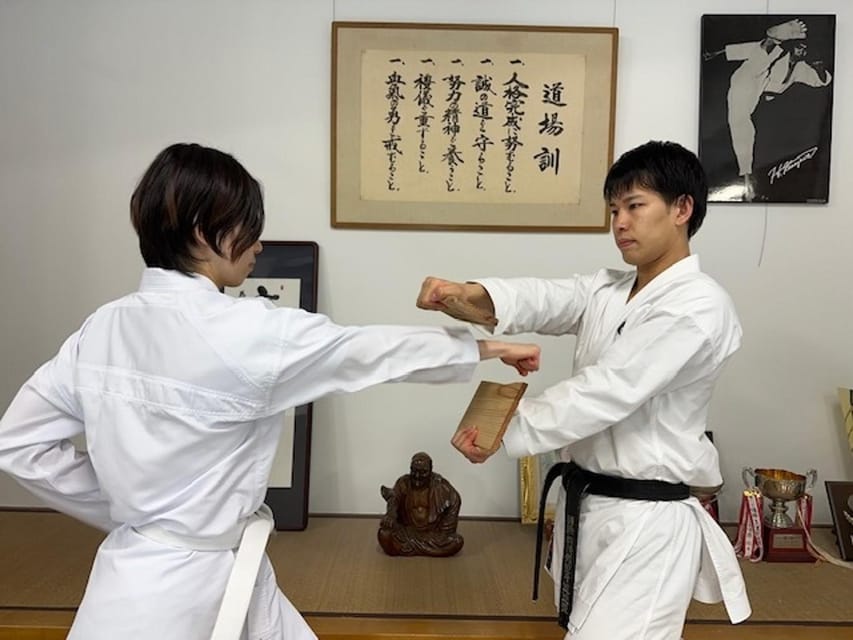
The instructor also gives a demonstration. This is where you see the difference between learning a movement and performing it at a high level.
The demonstration is described as powerful, and the instructors may have won major titles in kumite or kata. For you, the value is not just spectacle. Seeing the technique performed well can make the earlier explanations easier to understand, especially when you watch speed, control, posture, and accuracy come together.
The program does not promise a specific instructor by name. Several accomplished teachers lead the sessions. One review describes an instructor named Paul who adapted the class to a participant’s previous experience and gave especially useful explanations of traditional karate and Japanese terms. That is a helpful sign for experienced students who want more than a basic tourist lesson, though you should not assume Paul will be your instructor on every date.
A useful choice for beginners and karateka
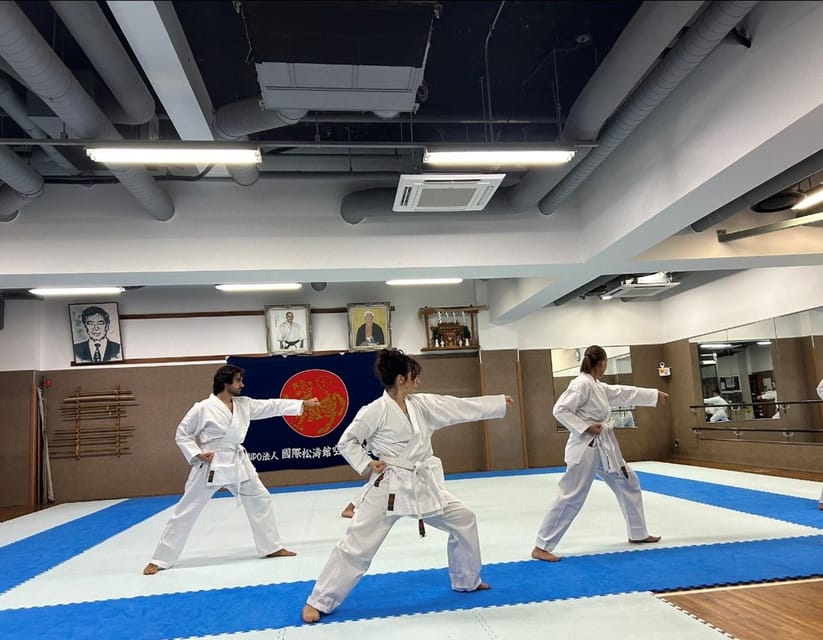
The class is designed for complete beginners, so you do not need previous martial arts training. If you have never tried karate, the sequence of basic techniques, kata, promise kumite, and board breaking gives you a broad first look without requiring a long course.
I would wear comfortable clothing and arrive ready to move. Uniforms are available for rental, which makes packing easier and gives the session a proper dojo feel. The supplied information does not state the rental price, so check that when booking if you want to budget precisely.
Experienced karateka should contact the provider before the class. Share your style, rank or level if relevant, and the kind of training you want. The session can then be made more satisfying by focusing on traditional karate or adapting the work to your experience.
This matters because a general introductory class can feel basic if you already train regularly. Advance notice gives the instructor a chance to shape the lesson rather than spending the full 90 minutes on movements you know well.
A few more Tokyo bookings worth comparing
- Mt Fuji and Hakone 1-Day Bus Tour Return by Bullet Train
★ 5.0 · 26,383 reviews - 1-Day Tokyo Bus Tour
★ 5.0 · 14,250 reviews - Tokyo: TOKYO SKYTREE® Admission ticket
★ 4.5 · 11,192 reviews - Tokyo: teamLab Planets TOKYO Digital Art Museum Entry Ticket
★ 4.6 · 9,779 reviews
Why the cultural side matters
This is not only a workout. The opening discussion of karate’s philosophy, the formal kata, the partner exercises, and the dojo setting give you a clearer sense of how Japanese martial arts are practiced.
You will also hear Japanese karate terms explained in English. That is a small but useful detail. It lets you connect the movements to the language used in training, rather than treating the lesson as a string of unrelated instructions.
The experience works best if you are curious about the structure behind karate. If your main goal is a long, hard fitness session, the 90-minute format may feel short. If you want a focused introduction with cultural context and direct instruction from a high-level teacher, the length is easier to justify.
The friendly exchange and photo opportunity at the end add a relaxed finish. You can speak with the instructor, take pictures, and mark the occasion without turning the entire class into a photo session.
Is $220 a fair price?
At $220 per person, this costs far more than a standard beginner martial arts class. You are paying for a private-style cultural activity in a small group, access to the SKIF Headquarters dojo, an English-speaking instructor, a rented uniform, board-breaking materials, and a demonstration by an accomplished teacher.
The price makes more sense for someone who places real value on the setting and instructor level. A karate student visiting Japan may consider it a rare chance to train at a major organization’s headquarters. A first-time participant may see it as a special Tokyo experience rather than a normal exercise class.
I would not call it a bargain. The session lasts only 90 minutes, and bottled water, transportation, and a towel are not included. Still, the small group and specialist setting give it more substance than a generic martial arts show.
The best value comes when you prepare. Experienced students should send their preferred style and training goals in advance. Beginners should arrive ready to learn the basics rather than expecting a full belt-level course.
Getting to Kugahara Station
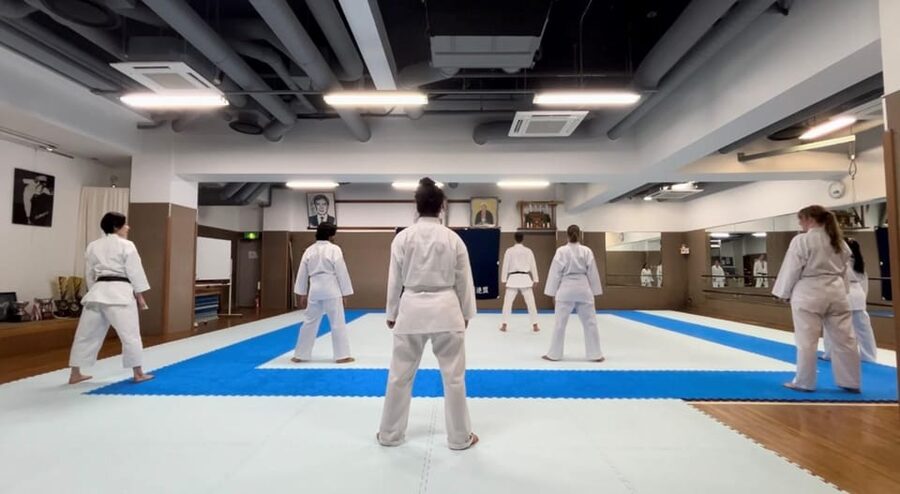
The dojo is a two-minute walk from Tokyu Ikegami Line Kugahara Station. That is convenient, but you should still allow extra time to find the correct entrance and change before the session if needed.
If you are unsure of the route, contact the provider ahead of time. A pickup at the station may be arranged. Do not wait until the starting time to solve the directions problem.
Arrive at least 10 minutes early. The session cannot be extended for late arrivals, so a delayed train or wrong turn cuts directly into your training. This is especially important because 90 minutes passes quickly once introductions and changing are included.
Transportation to and from the dojo is not included. You will need to arrange your own route to Kugahara Station and return journey.
What to bring and what to leave behind
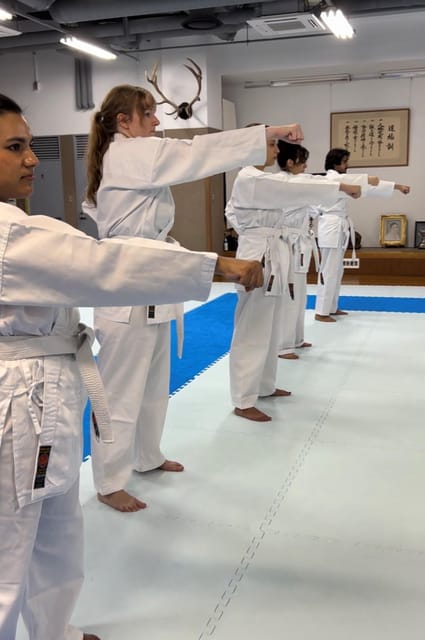
Bring a towel and drinks. Bottled water is not included, and martial arts work can leave you warm and thirsty.
Food and alcohol are not allowed, and smoking is not allowed. Drugs are also prohibited. Wear or bring clothing that allows free movement if you choose not to rent a uniform.
The activity is not suitable for children under 7. If a child aged 7 or older wants to visit only rather than participate, contact the provider in advance. The same applies if you have a younger child and want to ask about arrangements.
Non-folding wheelchairs and electric wheelchairs are not permitted. If mobility access is important for your booking, ask the provider before reserving rather than assuming the dojo can accommodate your equipment.
Who will get the most from this experience?
I would recommend this class to a visitor who has a strong interest in karate, Japanese culture, or both. It is particularly appealing if you want direct instruction instead of a performance viewed from the sidelines.
Beginners get a well-rounded first lesson. You try several parts of karate, see an expert demonstration, and learn enough vocabulary and technique to understand what makes the art demanding.
Experienced karateka should treat it as a chance to request something specific. Tell the provider your style and goals before arrival, and you may receive a more useful session than the standard introduction.
I would hesitate to recommend it to someone who wants a low-cost activity, a long training session, or a purely spectator experience. The price is high, and the class asks you to participate physically. You should also be comfortable with a program that may vary depending on which top-level instructor is teaching that day.
Cancellation and booking flexibility
You can cancel up to 24 hours before the experience for a full refund. The reserve-now, pay-later option also lets you hold a place without paying at the time of booking, which helps if your Tokyo plans are still moving around.
Starting times vary, so check availability for your date. The group limit is 10 participants, and the English-language instruction is included.
Should you book the SKIF karate experience?
Book it if training at a respected karate headquarters sounds more appealing than checking off another standard sightseeing stop. The combination of basic instruction, kata, promise kumite, board breaking, a serious demonstration, and a final photo session gives you a clear taste of traditional Shotokan practice.
I especially like it for karate students who contact the provider in advance with a specific request. Beginners can book with confidence too, provided they understand that this is a premium 90-minute introduction, not an extended martial arts course.
Skip it if $220 feels too steep for a short activity or if you want only to watch. For the right person, though, the setting and access to elite instruction make this a memorable way to connect with Japanese martial arts.
FAQ
Where does the karate experience take place?
It takes place at the Shotokan Karate-do International Federation Headquarters dojo in Honshu, Japan.
How long does the karate session last?
The experience lasts 90 minutes.
How much does the experience cost?
The price is $220 per person.
Is the instruction in English?
Yes. The listed language for the instructor is English.
Do I need previous karate experience?
No. Beginners are welcome, and experienced karateka can also participate.
Can an experienced karate student request a specific type of training?
Yes. Contact the provider in advance with your karate style and the type of training you would like.
What techniques will I learn?
The session covers basic striking, kicking, kata, and promise kumite, which is pre-arranged sparring.
Can I try board breaking?
Yes. The opportunity to try board breaking is included.
Are uniforms provided?
Uniforms are available for rental. The rental cost is not specified in the supplied information.
What should I bring?
Bring a towel and drinks. Bottled water and towels are not included.
How do I reach the dojo?
The dojo is a two-minute walk from Tokyu Ikegami Line Kugahara Station. If you need help, contact the provider in advance about a station pickup.
How early should I arrive?
Arrive at least 10 minutes before the starting time. Late arrivals cannot extend the session.
Are children allowed?
Children under 7 are not suitable for the activity. Contact the provider about children aged 7 or older who would like to visit only.
Can I cancel for a refund?
You can cancel up to 24 hours in advance for a full refund.
New on our Tokyo list
- Sumi-e Experience in a relaxing green tea shop in Tokyo★ 5.0 · 3 reviews
- Tokyo : Kamikaze Street Drift Ride★ 5.0 · 3 reviews
- Private Zen Meditation in English in Shinjuku, Tokyo★ 5.0 · 3 reviews
- Onsen Spa in Tokyo and Asakusa Bar Hopping with Local Guide★ 5.0 · 3 reviews
- Easy for everyone! Now you can play handmade mini shamisen and show off to everyone! Musical instruments, sweets and live music★ 5.0 · 3 reviews
- Tokyo Tsukiji Fish Market Walking and Exploring Hidden Gems Tour★ 5.0 · 3 reviews
- Tokyo: Private Tsukiji Street Food & Sake with Local Guide★ 5.0 · 3 reviews
- Mt Fuji Exploration Tour with Free Japanese Kusa Mochi from Tokyo★ 4.5 · 3 reviews
Martial Arts Experiences, compared.

Samurai Sword & Archery Class from Samurai Descendant
Read our review →
Samurai sword and archery class from a samurai descendant
Read our review →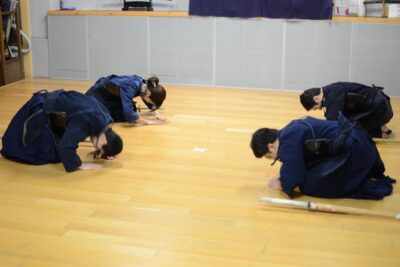
Tokyo 2-Hour Genuine Samurai Experience: Kendo in Japan
Read our review →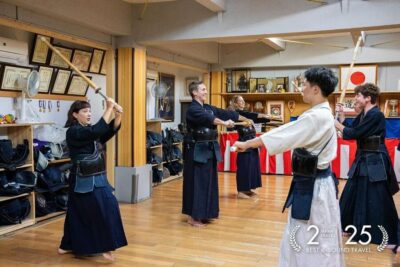
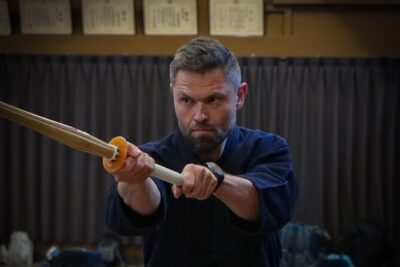
Samurai Experience – Learn Bushido through Kendo, in Tokyo
Read our review →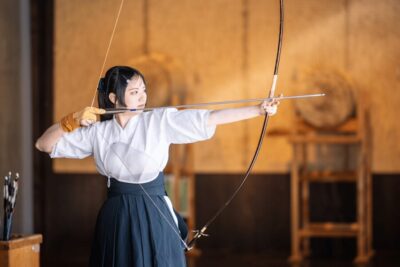
Samurai Experience – Learn Bushido through Kendo, in Tokyo
Read our review →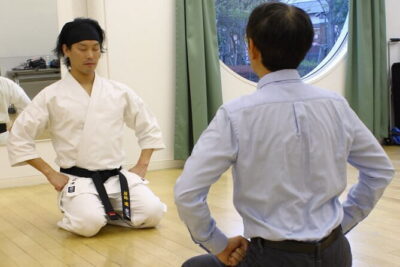
Karate Experience with Former All-Japan Champion
Read our review →Browse the lists this tour appears in