
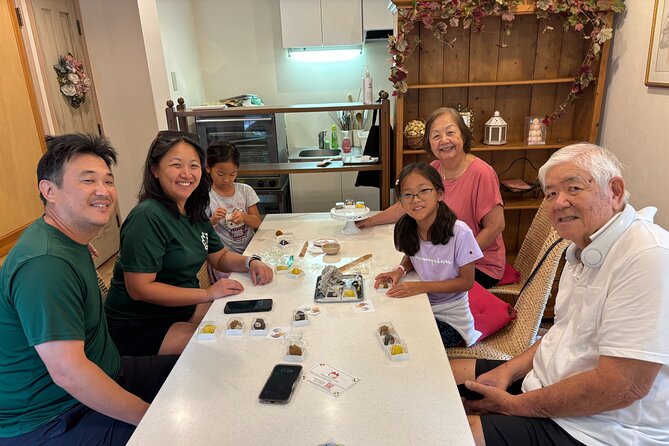
Reviewed · TEA CEREMONIES
Making Japanese desserts Nerikiri & drinking matcha in Tokyo
Nerikiri is Japanese confectionery with the look of a tiny work of art. In this 90-minute Tokyo class, you shape three seasonal sweets by hand, then eat them with a cup of matcha prepared for you. It is a practical way to learn about Japanese food beyond sushi and ramen.
I like the small maximum group of eight, since the instructor can give you real help instead of leaving you to copy a demonstration from across a crowded room. I also like that the ingredients, tools, and take-home packets are included. The main consideration is the meeting point: the class is usually in Shimokitazawa, but it may move to Toritsu Daigaku Station, with the final location sent by email.
In This Review
- Key points
- What Nerikiri Tells You About Japanese Sweets
- A 90-Minute Class With Real Hands-On Work
- Seasonal Designs Change During the Year
- Matcha and the First Taste of Your Finished Sweets
- Why the Eight-Person Limit Matters
- Planning Your Time in Setagaya
- Is $65.69 a Fair Price?
- Who Will Enjoy This Tokyo Activity Most?
- Booking Details That Matter
- My Verdict on the Nerikiri and Matcha Class
- FAQ
- How long does the nerikiri and matcha class last?
- How many sweets will I make?
- Are the designs the same throughout the year?
- Can I request an owl and needle mouse design?
- Is matcha included?
- Can I take the sweets home?
- Where does the class meet?
- What is the cancellation policy?
Key points
- Three seasonal nerikiri designs: The sweets change with the season, so the class is not identical all year.
- Hands-on from start to finish: You make the confections yourself rather than simply watching a demonstration.
- Matcha served after the shaping work: Your finished sweets are paired with powdered green tea.
- Small group of up to eight: The format allows for personal help, especially useful for first-time makers.
- Take-home packaging included: You can eat your sweets in class or carry them with you.
- Easy to pair with Setagaya exploring: The class ends back at its meeting point, leaving you free to spend time in the nearby district.
What Nerikiri Tells You About Japanese Sweets
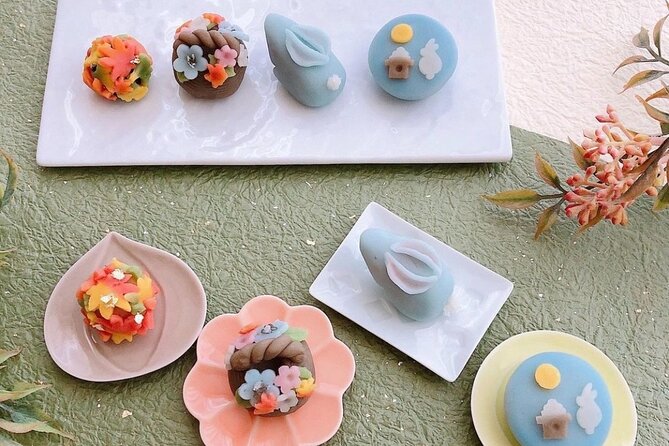
Nerikiri is made from kneaded dough and shaped into seasonal forms. The point is not only sweetness. The appearance, colors, and form often reflect the time of year, giving the confection a close link to Japanese customs and food presentation.
That makes this class more interesting than a standard cooking lesson. You are not just following a recipe. You are learning why Japanese sweets can look like flowers, leaves, animals, or other small objects, and how a simple sweet becomes part of a tea setting.
The activity focuses on three kinds of seasonal kneaded dough. The exact designs depend on when you visit, so the class changes throughout the year. That seasonal element gives the experience a local feel, although it also means you cannot know the exact finished shapes in advance.
The instructor explains the process as you work. You then handle the dough and make the nerikiri with your own hands. This is useful for you as a beginner because the lesson is based on doing, not on prior cooking skill.
More tea rooms worth booking:
- Matcha Making Class in Tokyo with Authentic Japanese Sweets Set
★ 5.0 · 744 reviews - Tokyo: Traditional Tea Ceremony with a Tea Master
★ 5.0 · 528 reviews - Tokyo: Matcha Making Experience with Mochi Sweets in Asakusa
★ 4.9 · 388 reviews
A 90-Minute Class With Real Hands-On Work
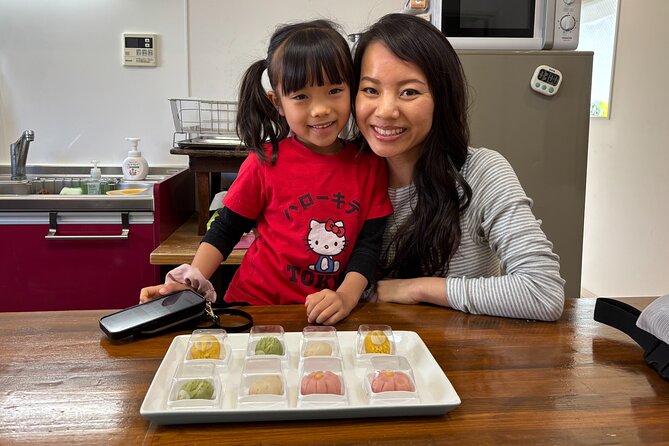
The class lasts about one hour and 30 minutes. After you reserve, the instructor sends the location details by email. The usual kitchen is in Shimokitazawa, at 3-chōme-20-4 Kitazawa, Setagaya City, Tokyo, but a rental-space issue can move the class to the area around Toritsu Daigaku Station.
That location change is the one detail I would watch closely. Do not rely only on the first address shown when you plan your day. Check the instructor’s message before setting out, since the class may be held at a different station than expected.
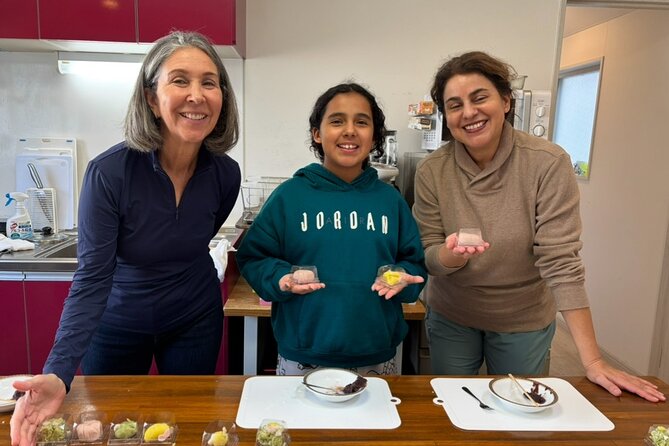
Once the group gathers, the instructor introduces the nerikiri-making process and the seasonal designs. The tools and ingredients are supplied, so you do not need to shop for specialty items or pack anything beyond what you normally carry for a short activity.
The work is tactile. You shape the kneaded dough yourself, following the instructor’s explanation. Since the group is limited to eight people, you have a better chance of getting help with details such as forming, smoothing, and shaping. Those small steps matter when you are trying to make a neat Japanese sweet for the first time.
The experience is beginner-friendly. One published assessment gives it five out of five and describes it as a fun cultural activity suitable for learning a new skill, including with friends and family. That matches the basic appeal here: you are given a clear task, useful guidance, and something edible to show for your effort.
Seasonal Designs Change During the Year
The seasonal menu is one of the best reasons to choose this class instead of treating it as a one-time fixed recipe lesson. Japanese confectionery often follows the calendar, and the shapes made here reflect the season of your visit.
You will make three seasonal forms unless you ask for something different. The available special request is an owl and a needle mouse, which appears to mean a small hedgehog-style figure. You must mention that request by email, and it may not be possible depending on when you apply.
I would treat those animal designs as a request rather than a promise. The seasonal sweets are the standard plan, and the class may not be able to change them for every booking. If you have a strong preference, send the request early and wait for confirmation.
For most people, the changing designs are a benefit. A spring, summer, autumn, or winter visit can produce a different set of shapes, which makes the activity feel tied to your time in Tokyo. The tradeoff is that the photos or expectations you bring from another season may not match what you make in class.
The class also gives you a closer look at a part of Japanese food culture that many first-time Tokyo visitors miss. You get to understand the relationship between appearance, season, and tea rather than simply buying a sweet from a shop and moving on.
Matcha and the First Taste of Your Finished Sweets
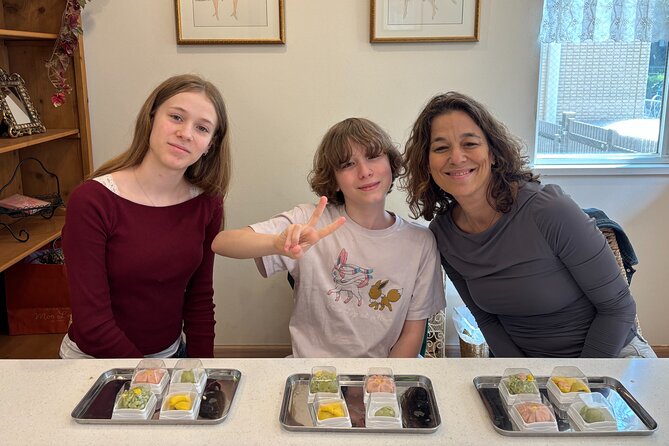
After the shaping work, the instructor prepares popular matcha, or powdered green tea. You can eat the nerikiri at the class or pack them to take away.
This ending works well because matcha is not an extra drink added at random. It is the natural partner for this type of confectionery. The tea gives you a chance to taste the sweets in the setting they are meant to accompany, while also making the final part of the lesson feel calm and complete.
You should not expect a full meal. Nerikiri are sweets, and the activity is built around making and tasting them. If you are booking this around lunch or dinner, plan separate food afterward.
The take-home packets are a useful touch. You can eat one or more sweets while they are fresh and carry the rest with you. They also make the activity easier to fit into a busy Tokyo day, since you do not need to finish everything at the table.
The precise number you take home depends on what you make and what you eat during the class, but packaging is provided. Handle the sweets carefully after leaving, since the appeal of nerikiri is partly in their delicate shapes.
A few more Tokyo bookings worth comparing
- Tokyo Bar Hopping Tour in Shinjuku (All-You-Can-Drink + Dinner)
★ 5.0 · 3,587 reviews - Best of Shinjuku: Izakaya Food Tour (4 Stops, 14+ Tastings)
★ 5.0 · 1,863 reviews - Tokyo: Shinjuku Local Bar and Izakaya Guided Walking Tour
★ 4.9 · 1,794 reviews - Shibuya Meltdown Nightlife Tour: All-You-Can-Drink Bar Hopping
★ 5.0 · 1,058 reviews
Why the Eight-Person Limit Matters
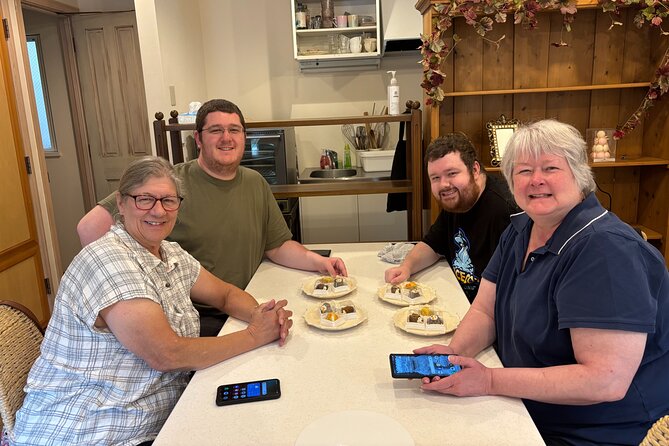
A maximum of eight people puts this class in a useful middle ground. You get the social feel of a group activity without the scale of a large food tour.
That size is especially helpful for a hands-on lesson. When you are shaping a small confection, it is easy to lose track of a step or make the dough uneven. A smaller room gives the instructor more opportunity to look at your work and guide you.
It is also a good setup for a family group or a few friends. The activity is shared, but each person produces something individually. You can compare the finished shapes without needing advanced cooking experience.
The group format does mean the pace is shared. You will follow the instructor’s timing rather than work entirely at your own speed. If you want a long, highly technical pastry course, this is not that. It is a short introduction with a cultural focus.
The available rating is 4.9 out of 5 from 20 assessments, and the recommendation rate is listed at 100 percent. The strongest praise centers on the activity being enjoyable, welcoming, and friendly to beginners. Those are meaningful strengths for a first Japanese cooking experience, though the small number of assessments means I would still keep expectations practical.
Planning Your Time in Setagaya
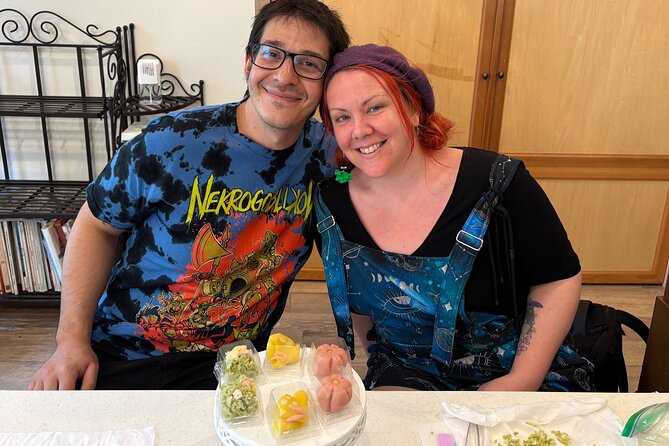
The class begins and ends at the meeting point. It does not include a separate guided walk, but the location makes it easy to continue exploring Setagaya-ku afterward.
Shimokitazawa is the usual setting, and that gives you a convenient way to build a half-day around the class. You can schedule the sweets lesson first, then continue through the nearby district after you finish. The activity itself does not provide a sightseeing route, so you will need to plan that part independently.
Allow time to confirm the exact venue before you leave. The stated starting address is 3-chōme-20-4 Kitazawa, Setagaya City, Tokyo 155-0031, but the class may instead use a kitchen near Toritsu Daigaku Station. The provider says the instructor will contact you by email about this.
The experience is near public transportation, which helps with both possible locations. Still, Tokyo station names and train connections can be confusing, especially if you are moving between neighborhoods. Read the location message carefully and give yourself enough time to reach the kitchen without rushing into the class.
Because the class takes only 90 minutes, it fits well between other plans. I would avoid booking it at the far end of a tightly timed day, however. The venue may differ, and the value of the activity is reduced if you spend the whole morning watching the clock.
Is $65.69 a Fair Price?
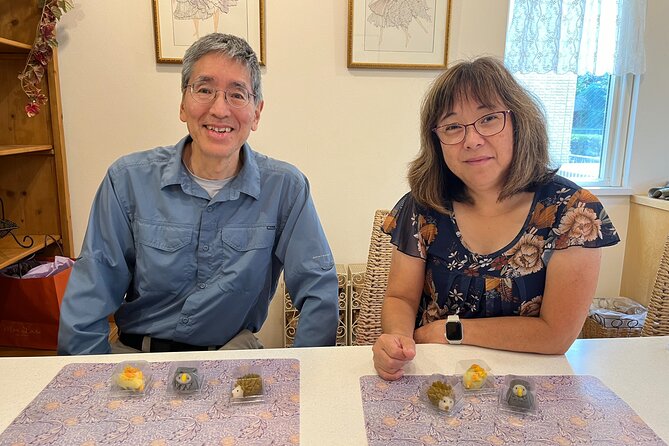
At $65.69 per person, this is not a bargain snack stop. It is priced as a small, guided cultural activity, and the value comes from several parts working together: instruction, ingredients, tools, three handmade sweets, matcha, and take-home packaging.
I think the price is reasonable if you want an experience rather than just a taste of Japanese confectionery. Buying three sweets and a tea in Tokyo would cost less, but that would not teach you how the forms are made or explain the role of seasonal nerikiri.
The small group also matters when judging the cost. A larger class could offer a lower rate, but you might receive less personal help. Here, the limit of eight supports the hands-on format and makes the lesson more suitable for beginners.
The price is less convincing if you mainly want a cheap food sample or a long cooking course. The class is short, and the sweets are the central result. You are paying for guided participation and cultural context, not a large meal or a full professional pastry workshop.
Group discounts are available, which may improve the value for families or friends booking together. Check the current discount when reserving, since the final per-person price can depend on the size of your group.
Who Will Enjoy This Tokyo Activity Most?
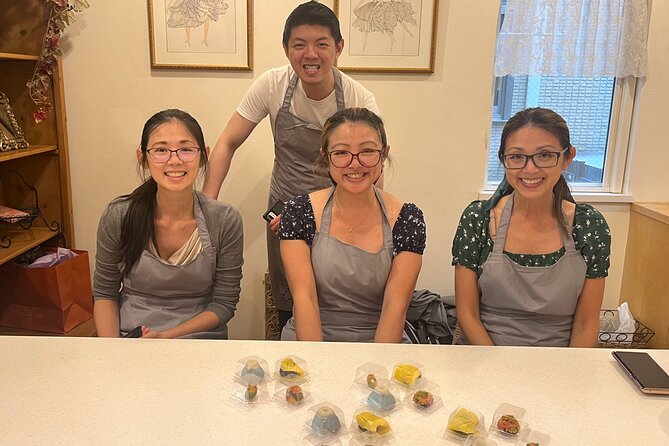
I would recommend this class to you if you like making things with your hands, enjoy Japanese food culture, or want a break from the usual sightseeing route. It suits first-time confectionery makers because the work is explained and supported rather than left to guesswork.
Families can also find it appealing, provided everyone is comfortable with a short, focused activity. Friends get a shared project and a set of handmade sweets to taste or carry away.
It is a good choice for a repeat visitor who has already seen major Tokyo sights and wants a more local-feeling food experience. The Setagaya setting also lets you combine the lesson with independent time in the district.
I would think twice if your schedule cannot handle a possible change from Shimokitazawa to Toritsu Daigaku Station. I would also choose something else if you need a substantial meal, dislike sweet foods, or prefer a large tour with a fixed route and many stops.
You do not need to be an experienced cook. The main requirement is patience with small shaping work and an interest in following instructions.
Booking Details That Matter
Confirmation is sent within 48 hours of booking, subject to availability. Since the class location may change, booking ahead gives you time to receive the email and fit the correct station into your plans.
The experience is often booked 34 days ahead on average. That does not guarantee a specific availability pattern, but it is a useful sign that you should not leave the class until the last minute if your Tokyo dates are fixed.
Mobile tickets are supported, and group discounts are listed. The provider is Shuminavi Inc. The experience accepts up to eight people, so a small party can fill a session quickly.
Free cancellation is available if you cancel at least 24 hours before the local start time. Cancellations or changes made inside that 24-hour window are not refunded or accepted. That policy is fairly flexible for normal trip planning, but it gives you little room for a last-minute change.
My Verdict on the Nerikiri and Matcha Class
Book this experience if you want a short, personal introduction to Japanese sweets and like the idea of making something seasonal with your own hands. The best features are the eight-person limit, three changing designs, matcha service, and take-home packaging.
The main caution is practical rather than cultural: confirm the venue, since the kitchen may be in Shimokitazawa or near Toritsu Daigaku Station. At $65.69, the class makes sense when you value instruction and participation. If you only want to eat nerikiri, buy the sweets separately and save your money.
For a first visit to Tokyo, this is a pleasant way to spend 90 minutes away from the major sights. You leave with a better understanding of Japanese confectionery, a cup of matcha, and handmade sweets that carry the season of your visit.
FAQ
How long does the nerikiri and matcha class last?
The activity takes approximately one hour and 30 minutes.
How many sweets will I make?
You will make three types of seasonal kneaded dough, which are shaped into nerikiri sweets.
Are the designs the same throughout the year?
No. The class makes seasonal kneaded sweets, so the designs can differ depending on the time of your visit.
Can I request an owl and needle mouse design?
You can request an owl and needle mouse by email, but the request may not be possible depending on when you apply.
Is matcha included?
Yes. After the sweets are made, the instructor prepares matcha, or powdered green tea, for you to drink with the nerikiri.
Can I take the sweets home?
Yes. You may eat the sweets at the class or take them home. Packets are provided.
Where does the class meet?
The usual kitchen is at 3-chōme-20-4 Kitazawa, Setagaya City, Tokyo 155-0031, Japan. Because of rental-space availability, the class may instead be held near Toritsu Daigaku Station. The instructor sends the confirmed location by email.
What is the cancellation policy?
You can receive a full refund if you cancel at least 24 hours before the experience start time. Cancellations or changes made less than 24 hours in advance are not accepted or refunded.
New on our Tokyo list
- Sumi-e Experience in a relaxing green tea shop in Tokyo★ 5.0 · 3 reviews
- Tokyo : Kamikaze Street Drift Ride★ 5.0 · 3 reviews
- Private Zen Meditation in English in Shinjuku, Tokyo★ 5.0 · 3 reviews
- Onsen Spa in Tokyo and Asakusa Bar Hopping with Local Guide★ 5.0 · 3 reviews
- Easy for everyone! Now you can play handmade mini shamisen and show off to everyone! Musical instruments, sweets and live music★ 5.0 · 3 reviews
- Tokyo: Private Tsukiji Street Food & Sake with Local Guide★ 5.0 · 3 reviews
- Mt Fuji Exploration Tour with Free Japanese Kusa Mochi from Tokyo★ 4.5 · 3 reviews
- Tokyo Tsukiji Fish Market Walking and Exploring Hidden Gems Tour★ 5.0 · 3 reviews
Tea Ceremonies, compared.

Matcha Making Class in Tokyo with Authentic Japanese Sweets Set
Read our review →
Matcha Making Experience with Mochi Sweets in Asakusa
Read our review →
Tea Ceremony Workshop in Tokyo by the Experienced Instrucor
Read our review →

Make Traditional Nerikiri Sweets & Matcha experience in Shibuya
Read our review →Browse the lists this tour appears in