
Reviewed · JAPANESE COOKING CLASSES
Mochi Making at a Private Studio in Tokyo
Mochi is much more than a soft, sweet snack here. In this two-hour cooking class near Meguro Station, you make several kinds, learn why mochi appears at Japanese festivals, and taste both dessert-style and savory versions. The setting is a private studio, so the lesson feels closer to a home visit than a large tourist demonstration.
I like the mix of hands-on work and cultural context. I also like the small-group format, which gives you room to ask questions and get help shaping sticky dough. The instructors, including Michiko, Ayumi, Waka, Owa, and Miho, are English-speaking and offer practical advice about Tokyo beyond the kitchen.
The main consideration is that this is an indoor cooking activity, not a tour of Tokyo sights. Some recipes may appeal to you more than others, and the class can leave you with a lot of mochi to eat or carry back to your hotel.
In This Review
- Key points to know before booking
- What this Meguro mochi class actually offers
- Starting with mochi culture and Japanese festivals
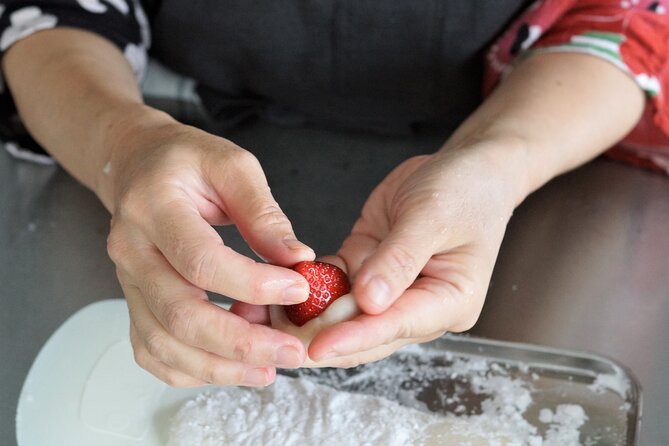
- Making strawberry daifuku by hand
- Shaping three-color dango on skewers
- Trying warabi mochi and a wider range of textures
- Discovering savory grilled mochi with soy sauce and nori
- Watching the mochi ice cream demonstration
- Finishing with tea, coffee, and your own creations
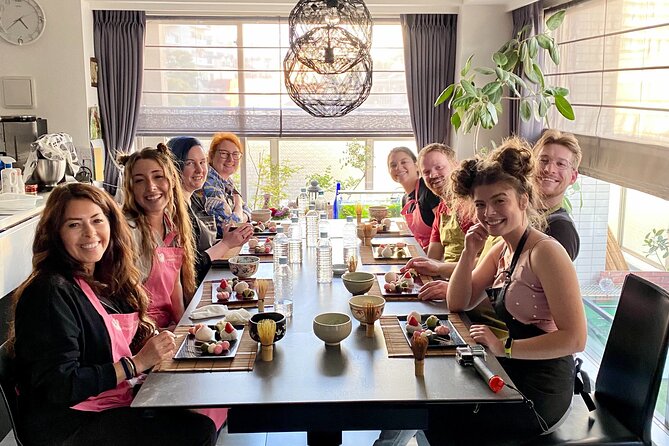
- Why the small group changes the experience
- Is $79.26 a fair price?
- Who should book this class?
- Practical details for a smooth visit
- Should you book Mochi Making at a Private Studio in Tokyo?
- FAQ
- Where does the mochi-making class take place?
- How long does the experience last?
- Which station is closest?
- What types of mochi will I make?
- Is mochi ice cream included?
- Are drinks included?
- Is the class taught in English?
- Can children attend?
- What is the group size?
- Is hotel pickup included?
- What happens if I need to cancel?
Key points to know before booking
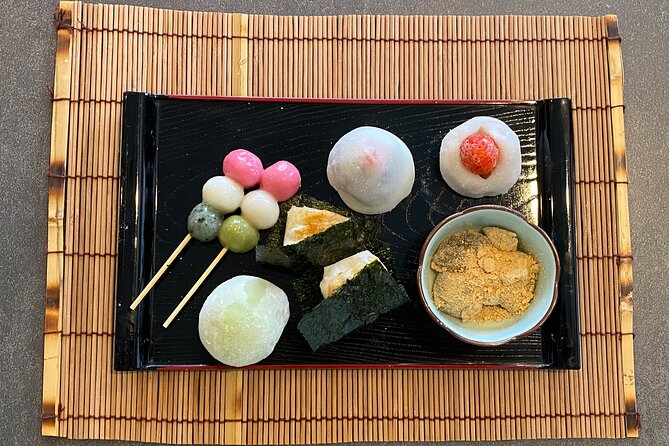
- Make four distinct styles: Prepare strawberry daifuku, three-color dango, warabi mochi, and savory grilled mochi with soy sauce and nori.
- Learn from a certified wagashi instructor: The English-speaking teacher explains both technique and the role of mochi in Japanese culture.
- Expect a private-studio setting: The class is held within a short walk of Meguro Station, with aprons and an English recipe sheet provided.
- Choose morning or afternoon: The flexible departure choice works well around sightseeing, and the afternoon class can offer a cool break on a hot Tokyo day.
- Taste sweet and savory mochi: The grilled soy-sauce version gives you a useful introduction to a side of mochi many first-time visitors have not tried.
- Plan for a young family audience: Children age four and older may attend, and the activity has worked well for families with school-age children.
What this Meguro mochi class actually offers
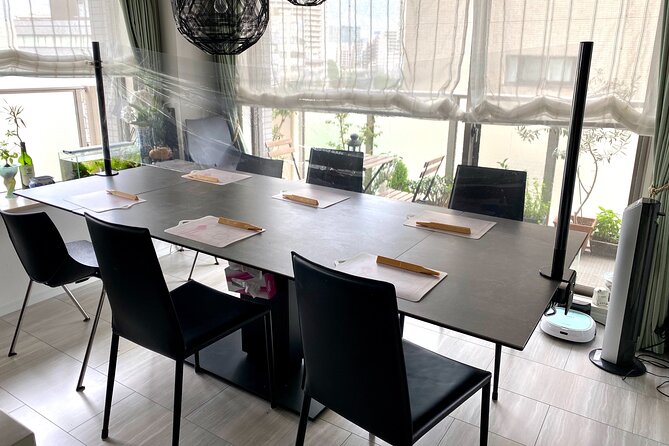
The class takes place at a private studio at 1-3-16 Meguro, Meguro City, Tokyo 153-0063. It is a short walk from Meguro Station, served by the JR Yamanote Line and the metro, so you can reach it without arranging a taxi or hotel transfer.
That location matters. Meguro is easy to fit into a Tokyo day, and the nearby station keeps the activity practical when you are managing children, jet lag, or a full sightseeing schedule. You will need to make your own way there, since hotel pickup and drop-off are not included.
The advertised small-group format has a maximum of six people. A separate capacity note gives a maximum of 12 for the activity, so group size may depend on the specific booking arrangement. If a quiet class is important to you, check the booking details carefully, particularly if you are considering a private class.
A private class can accommodate up to six people when you book for one adult. For regular bookings, at least two people are required. The minimum age is four, while children under four cannot join for safety reasons.
More cooking classes in Tokyo:
- Ramen & Gyoza Cooking Class in Tokyo with Local Supermarket Visit
★ 5.0 · 823 reviews - Tokyo: Easy Ramen Cooking Experience in Kabukicho, Shinjuku
★ 4.6 · 321 reviews - Ramen and Sushi Cooking Class with Sake Pairing Set in Tokyo
★ 5.0 · 291 reviews
Starting with mochi culture and Japanese festivals
Your instructor begins with a short presentation about mochi traditions, festivals, and its place in Japanese life. This opening gives the food some needed context before you begin handling it.
Mochi appears in both sweet and savory forms, and its meaning can change with the season, color, ingredients, and occasion. The class connects those details to the foods you later prepare, so you are not simply following a recipe without knowing why the dish matters.
The English instruction is a real advantage. The certified wagashi instructor can explain unfamiliar terms, answer questions, and share suggestions about local shopping and sightseeing. The teachers named in the class information include Michiko, Ayumi, Waka, Owa, and Miho, so your exact instructor may vary.
I would arrive ready to ask questions. This is one of the better settings in Tokyo for asking about daily life, Japanese sweets, and where to find food-related experiences, since the instructor is not rushing a group through a market stall or restaurant meal.
Making strawberry daifuku by hand
One of the main preparations is strawberry daifuku, a soft mochi wrapper around a filling and fresh strawberry. It is a good first lesson because it shows the basic challenge of working with sticky rice dough: use enough pressure to shape it, but not so much that it becomes difficult to handle.
The result is also highly photogenic. Several class participants especially enjoyed making the strawberry versions, with local fresh strawberries adding a bright contrast to the soft exterior and sweet filling.
Do not expect every piece to look like a shop display. That is part of the fun. The class is designed for ordinary visitors, not trained confectioners, and the teachers guide you step by step. One useful point from the class experience is that even people who do not consider themselves strong cooks can follow along.
You will likely make a mess as you work. Assistants help keep the workstations tidy, which lets you concentrate on shaping the sweets instead of constantly cleaning your hands and table.
Shaping three-color dango on skewers
Next comes three-color dango, the round mochi dumplings served on skewers. The colored pieces give you a chance to work on consistent sizing and presentation, while the cultural explanation helps clarify why different colors and ingredients may be used.
This is a particularly good part of the class for families. Children can take part in forming and arranging the dumplings, and the finished skewers make an easy photo to share. The activity is hands-on without requiring advanced cooking skills.
The pace is described as comfortable, with instruction followed by time to make the food yourself. That balance is important. A demonstration-only class would be easier, but far less useful if you want to repeat the recipes at home.
The dango also gives you a different texture from strawberry daifuku. Instead of one filled piece, you are working with several small portions on a skewer. That variety keeps the class from feeling like the same recipe repeated four times.
A few more Tokyo bookings worth comparing
- Mt Fuji and Hakone 1-Day Bus Tour Return by Bullet Train
★ 5.0 · 26,383 reviews - 1-Day Tokyo Bus Tour
★ 5.0 · 14,250 reviews - Tokyo: TOKYO SKYTREE® Admission ticket
★ 4.5 · 11,192 reviews - Tokyo: teamLab Planets TOKYO Digital Art Museum Entry Ticket
★ 4.6 · 9,779 reviews
Trying warabi mochi and a wider range of textures
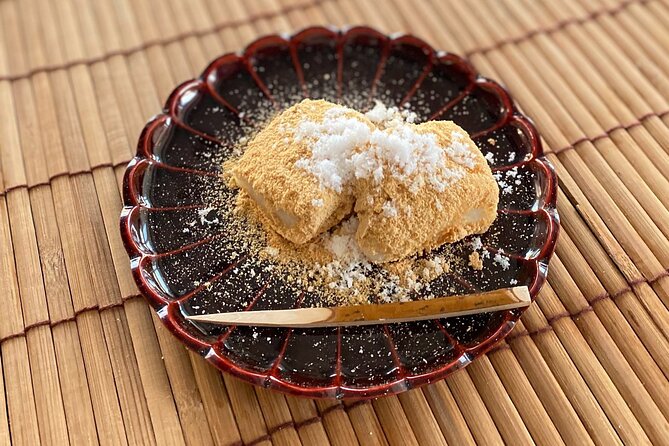
Warabi mochi adds another style to the session. Its texture is different from the more familiar soft rice-cake versions, so it helps show how broad the mochi category can be.
This is where the class becomes more than a lesson in one famous Japanese sweet. You sample different textures, fillings, shapes, and sauces, and you begin to see why a single English word, mochi, covers such a wide range of foods.
Some participants may prefer the familiar sweet fillings, while others may find warabi mochi or the savory preparations more interesting. That variety is useful if you are still deciding which Japanese sweets you like. You do not have to commit to one flavor profile for the whole class.
An English recipe sheet is included, and recipes may also be available through a QR code for printing. That makes it easier to recreate at least some of the techniques after returning home, although ingredient substitutions may be needed depending on where you live.
Discovering savory grilled mochi with soy sauce and nori
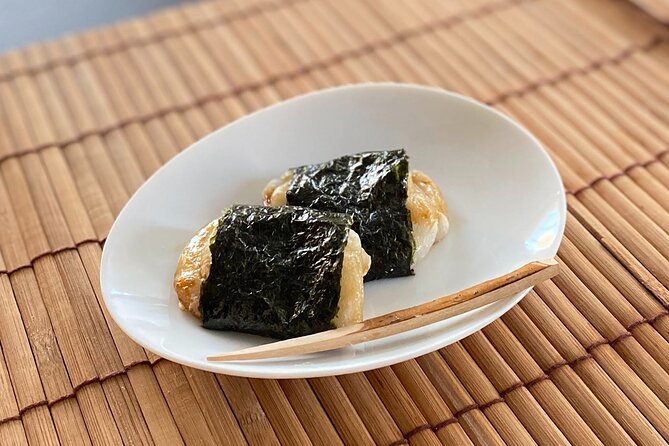
The savory grilled mochi is one of the most valuable parts of the itinerary for first-time mochi eaters. The instructor serves it with soy sauce and nori seaweed, showing that mochi is not limited to dessert.
This version brings a salty, toasted contrast to the sweeter preparations. If your only previous experience is packaged mochi or mochi ice cream, the grilled sample may change your idea of what the food can be.
It is prepared for you rather than described as a full hands-on recipe, but the tasting still adds range to the class. You can compare the chewy texture with the sweet fillings and see how soy sauce and seaweed alter the experience.
I especially like that the class includes this savory element. A lesson focused only on strawberry daifuku and mochi ice cream would be pleasant, but less revealing. The grilled mochi gives you a more complete introduction.
Watching the mochi ice cream demonstration
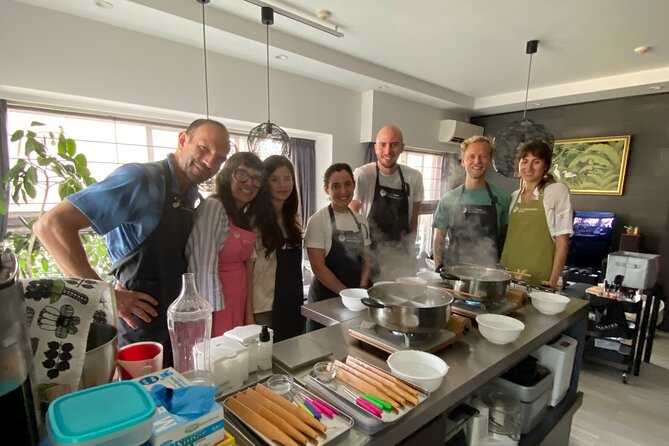
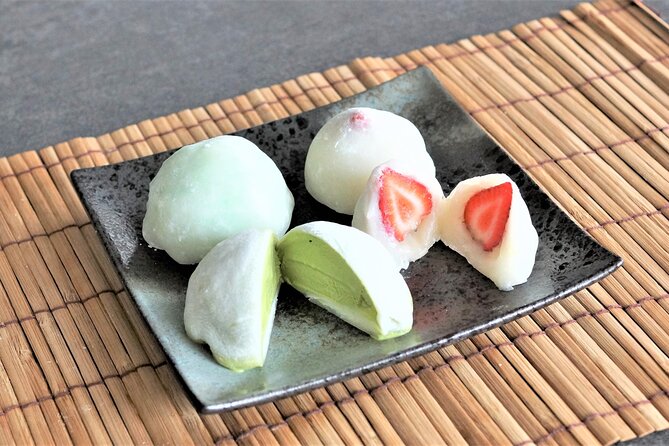
The instructor also demonstrates how mochi ice cream is made. This is not described as a full individual preparation for every participant, so you should view it as a demonstration rather than another complete recipe station.
The demonstration is still useful because frozen filling creates a different timing and handling problem from the other sweets. It also connects mochi to a familiar modern treat that many people already recognize.
Dairy-free ice cream can be prepared if you request it in advance. That is an important detail for anyone avoiding dairy. The supplied information does not promise other dietary adaptations, so you should ask before booking if you have allergies or additional restrictions.
Finishing with tea, coffee, and your own creations
The class ends with a tasting session. You sit down with your handmade mochi and a choice of green tea, hojicha, or coffee.
That final pause gives the session a pleasant rhythm. You move from presentation to preparation, then from the worktable to a shared tasting. It also lets you compare the different sweets while they are fresh.
You may have more food than you want to finish immediately. Containers are provided when needed, and some participants have taken extra mochi back to the hotel. That is convenient, but remember that freshly made sweets may not travel as easily as packaged souvenirs.
Aprons are included, so you do not need to bring special clothing. Since this is a hands-on food class, comfortable clothes and short nails may make the work easier, but the supplied details do not require any particular dress.
Why the small group changes the experience
A maximum of six people is a strong feature for a practical class. Mochi can be sticky, delicate, and slightly awkward at first, so personal help matters more here than it would in a lecture.
The teacher can watch how you shape the dough, correct a technique, and answer questions without stopping the whole room. That is especially helpful for children or anyone who has never cooked Japanese food.
The class has also been described as cozy, with helpful assistants cleaning the workstations as you go. A compact setting can feel personal, although it may not suit you if you prefer lots of space or a large social group.
The overall activity capacity is listed as up to 12, while the highlighted small-group format is six. I would confirm the expected group size before payment if the intimate setting is the main reason you are booking.
Is $79.26 a fair price?
At $79.26 per person, this is not the cheapest way to eat mochi in Tokyo. You can buy individual sweets from shops for much less. The price is easier to justify if you want instruction, several varieties, cultural background, drinks, and enough food to make the session feel like a full activity.
You are also paying for access to a private studio and an English-speaking certified wagashi instructor. The recipe sheet, apron, tasting, and hands-on guidance are included. There is no need to buy separate ingredients or equipment during the class.
Value depends on your interests. If you simply want to try mochi, a bakery or department-store food hall will cost less. If you want a memorable indoor activity, a chance to speak with a local instructor, and recipes you can attempt at home, the class offers stronger value.
The two-hour length is another point in its favor. It is long enough to include several preparations without taking an entire day away from Tokyo sightseeing. Morning and afternoon departures let you place it before or after other plans.
Who should book this class?
I would recommend it most strongly to families, couples, first-time visitors to Japan, and anyone who enjoys food activities more than passive sightseeing. Children age four and older can attend, and the hands-on format gives younger participants a clear role.
It also works well for a hot or rainy Tokyo day. One afternoon session was especially useful as a cool indoor break after a morning outside, and the short walk from the station keeps the transfer simple.
You do not need to be a strong cook. The class is structured for beginners, and the teachers explain each step in English. You should, however, enjoy sweet rice-based foods and be willing to try unfamiliar textures.
This may not be the best choice if you have severe food allergies, dislike sticky textures, or want a traditional pounding-mochi spectacle. The experience focuses on making and shaping several kinds of mochi, not on a large public mochitsuki ceremony.
Practical details for a smooth visit
Confirmation is provided at booking. The studio is near public transportation, but you are responsible for transportation to and from the meeting point. The activity begins and ends at the same Meguro location.
Morning and afternoon departures are available. I would choose the time that gives you the least rushed connection with the rest of your day, since arriving late could make it harder to follow the opening explanation and first demonstration.
The experience is non-smoking. Drinks are included when specified, with green tea, hojicha, or coffee served at the end. Hotel transfers, outside transportation, and any food or drinks beyond those included are not part of the price.
Free cancellation is available if you cancel at least 24 hours before the start time. Changes or cancellations inside that window are not accepted for a refund, and the cut-off uses Tokyo local time.
Should you book Mochi Making at a Private Studio in Tokyo?
Book this class if you want to understand mochi by making it yourself, not just eating a packaged piece from a convenience store. The strongest reasons are the range of foods, the English-speaking instructors, the private-studio setting, and the chance to try savory grilled mochi alongside sweets.
I would be more cautious if you are looking for a bargain snack stop or a major cultural performance. At $79.26, the value comes from the teaching and the personal format. For a family or food-focused visitor, that can make this one of the more memorable two-hour breaks in Tokyo.
FAQ
Where does the mochi-making class take place?
The class takes place at a private studio at 1-3-16 Meguro, Meguro City, Tokyo 153-0063. It is within a short walking distance of Meguro Station.
How long does the experience last?
The class lasts approximately two hours.
Which station is closest?
You can walk to the studio from Meguro Station on the JR Yamanote Line or from the nearby metro station.
What types of mochi will I make?
The class includes strawberry daifuku mochi, three-color dango on skewers, and warabi mochi. You will also be served savory grilled mochi with soy sauce and nori seaweed.
Is mochi ice cream included?
There is a demonstration showing how to make mochi ice cream. Dairy-free ice cream can be prepared if requested in advance.
Are drinks included?
Green tea, hojicha, or coffee is included for the final tasting session.
Is the class taught in English?
The instructor is fluent in English and provides cultural information, local advice, and an English recipe sheet.
Can children attend?
Children age four and older may attend. Children under four are not allowed in the class for safety reasons.
What is the group size?
The small-group class has a maximum of six people. The activity information also gives an overall maximum of 12 travelers, so check the specific booking details if group size is important to you.
Is hotel pickup included?
No. Hotel pickup and drop-off are not included. You must arrange your own transportation to and from the Meguro meeting point.
What happens if I need to cancel?
You can receive a full refund when you cancel at least 24 hours before the experience start time. Cancellations or changes made less than 24 hours before the start time are not accepted for a refund.
New on our Tokyo list
- From Tokyo: Mount Fuji & Hakone Full Day Private Tour★ 4.9 · 25 reviews
- Tokyo Spectacular View Day-Cruise in 90 Minutes★ 5.0 · 25 reviews
- Real Tokyo Runner Club : Daikoku Car Meet Night Tour with JDM Car★ 5.0 · 25 reviews
- 2.5 Hour-Guided Cycle Tour in the Central Tokyo★ 5.0 · 25 reviews
- Tokyo: 2-Hour Night Bike Tour of the City’s Hidden Gems★ 4.9 · 25 reviews
- Ramen Making from Scratch +Akihabara Tour –Cooking Class★ 5.0 · 25 reviews
- [Self-Drive] Tokyo & Daikoku Custom Car Driving Tour★ 4.9 · 25 reviews
- Samurai themed Entertainment show in Shinjuku★ 4.5 · 25 reviews
Japanese Cooking Classes, compared.

Ramen & Gyoza Cooking Class in Tokyo with Local Supermarket Visit
Read our review →
Easy Ramen Cooking Experience in Kabukicho, Shinjuku
Read our review →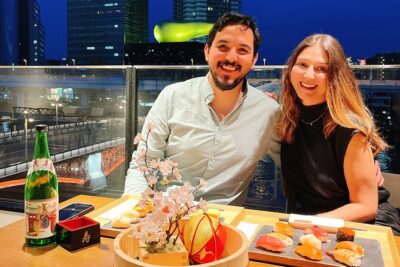
Ramen and Sushi Cooking Class with Sake Pairing Set in Tokyo
Read our review →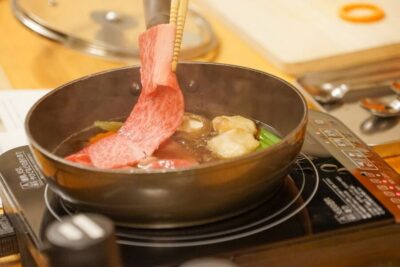
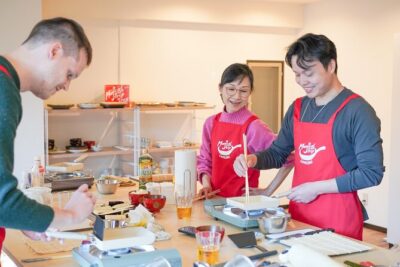
Tokyo Washoku 4-hour Cooking Class: From Market to Table
Read our review →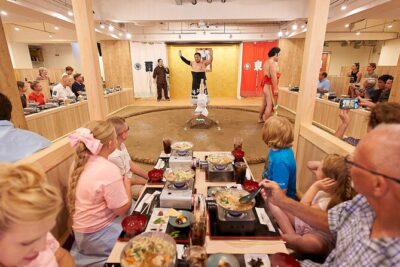
TokyoSumoShow, ChickenHotPot, and Mochi-Pounding by Pro Wrestlers
Read our review →
Professional Ramen & Gyoza with Ramen Chef in a restaurant!
Read our review →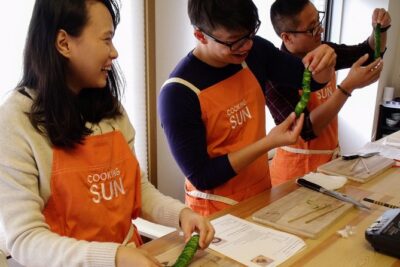
Small-Group Wagyu Beef and 7 Japanese Dishes Tokyo Cooking Class
Read our review →Browse the lists this tour appears in