
Reviewed · KAMAKURA TOURS
One Day Private Tour to Kamakura with English Speaking Driver
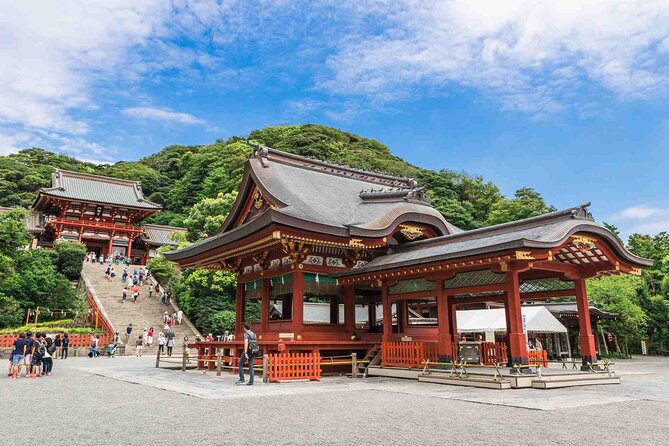
Kamakura gives you Japan in a strikingly compact package: a 13-meter bronze Buddha, quiet temple gardens, a samurai-era shrine, and the seaside setting of Enoshima. This private day trip lets you cover five major stops without following a large group or racing behind a guide with a flag.
I like the private vehicle for up to three people, especially when you want hotel pickup, air conditioning, and a flexible day. I also like the generous two-hour allocation at each stop, plus the driver’s friendly, entertaining approach. The main catch is price: at $391.22 per group, it offers better value for three people than for one or two, and admission fees and food are extra.
In This Review
- Key points to know before booking
- Why Kamakura makes a worthwhile day from Tokyo
- A private start at 8:00 am
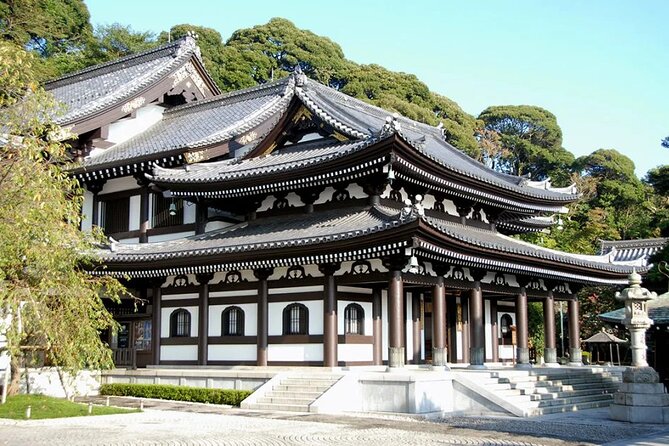
- Hokoku-ji and its bamboo corridor
- Hase-dera for gardens, incense, and hillside calm
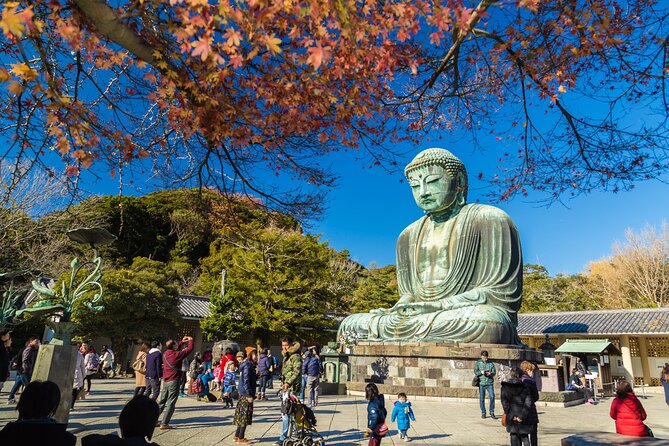
- Meeting Kamakura’s Great Buddha at Kotoku-in
- Tsurugaoka Hachimangu and the samurai connection
- Enoshima brings in the coast
- What the $391.22 price really means
- Who will enjoy this day most
- Practical details that matter
- Should you book this Kamakura tour?
- FAQ
- How long does the Kamakura private tour last?
- How many people can join the private tour?
- Is pickup included?
- Are entrance fees included?
- Is food included?
- What happens if bad weather cancels the tour?
Key points to know before booking
- Five major sights in about 10 hours: Visit Hokoku-ji, Hase-dera, the Great Buddha, Tsurugaoka Hachimangu, and Enoshima in one full day.
- Private transport for up to three people: Your group gets its own air-conditioned vehicle, with tolls and petrol included.
- Driver Hridoy receives special praise: He is described as enthusiastic and entertaining, useful qualities on a long sightseeing day.
- Two hours at every stop: The schedule gives you time for gardens, temple grounds, shrines, and coastal views instead of quick photo stops.
- Three important admission fees are extra: Budget separately for Hokoku-ji, Hase-dera, and Kotoku-in, while Tsurugaoka Hachimangu and Enoshima are listed as free.
- Weather matters: The tour requires good weather, with a different date or full refund offered if poor conditions cause cancellation.
Why Kamakura makes a worthwhile day from Tokyo
Kamakura is a good choice when Tokyo’s modern streets begin to feel like too much. The city offers a very different view of Japan, shaped by medieval government, Buddhist temples, Shinto worship, and the sea.
The appeal is not just one famous statue. You move through several kinds of places in a single day. Hokoku-ji gives you a small bamboo forest and a quiet temple setting. Hase-dera adds hillside gardens and religious art. Kotoku-in brings you face to face with the Great Buddha. Tsurugaoka Hachimangu connects the city with samurai culture. Enoshima finishes the day with beaches, shrines, shops, and views toward Mount Fuji.
I like this range because it keeps the day from feeling repetitive. You are not spending ten hours inside similar temple compounds. The drawback is that the schedule is ambitious. Five stops, each listed at two hours, leave little room for long meals, unscheduled wandering, or delays. Your private format helps, but you should still expect a full day.
More Private Tours in Kamakura
- Kamakura Private Tour: Temples, Nature, and the Great Buddha
★ 5.0 · 121 reviews - Kamakura 8 hr Private Walking Tour with Licensed Guide from Tokyo
★ 5.0 · 80 reviews - Kamakura: Private Guided Walking Tour with Local Guide
★ 4.8 · 60 reviews
A private start at 8:00 am
The tour begins at 8:00 am, and pickup is offered. You travel in a private, air-conditioned vehicle with your own group of up to three people. Tolls and petrol are included, so the advertised price covers the basic transportation costs rather than leaving you to sort out each leg yourself.
That matters in Kamakura. The attractions are spread across the wider area, and private transport gives you a direct way to connect them. You avoid the effort of planning separate train and local transport connections, though the tour details do not specify the exact pickup zone or the vehicle’s size beyond its capacity for three people. Confirm pickup details when you book.
A Wi-Fi hotspot is available in the vehicle when possible. Treat that as a useful extra, not a guarantee. The driver is English-speaking, and the tour is designed for explanation as well as transport. Driver Hridoy is singled out for an enthusiastic and entertaining manner, which should suit you if you like a lively guide rather than a quiet chauffeur.
The private setup also gives you some control. One piece of feedback praises a flexible schedule with enough time at each attraction. That is an important advantage here. If you need a few extra minutes at a temple garden or want to move on sooner from a crowded stop, a private group is easier to adjust than a large coach tour.
Hokoku-ji and its bamboo corridor
Hokoku-ji is an excellent first stop because it changes the mood quickly. The temple grounds include a tall bamboo forest where the light, sound, and narrow paths create a calm break from Tokyo’s traffic and dense streets.
You can expect to spend about two hours here, although admission is not included. The visit is less about checking off a long list of buildings and more about slowing down. The bamboo is the main draw, with green stalks rising overhead and leaves rustling in the breeze.
I would keep your expectations measured. Hokoku-ji is a focused stop, not a huge temple complex. Its value comes from atmosphere and careful looking. Notice how the paths guide you through the grove, then take a little time to appreciate the contrast between the bamboo and the surrounding temple grounds.
The two-hour allocation may feel generous if you only want photographs. That is also the point of a private tour: you do not need to pretend every place interests you equally. Use the time for a quiet walk, or ask your driver to help you judge how to balance this stop with the rest of the day.
Hase-dera for gardens, incense, and hillside calm
Hase-dera offers a broader temple visit. Stone steps lead through lush gardens, and the grounds carry the scent of incense and the quiet rhythm of a working Buddhist site.
The temple is given about two hours, with admission charged separately. The walk upward matters here. This is not a flat roadside photo stop, so wear shoes suited to steps and uneven walking. The information provided does not specify accessibility arrangements, so anyone with mobility concerns should ask the provider before booking.
I like Hase-dera because it gives you more time to observe how a Japanese temple feels as a place of worship, not simply as a historic backdrop. Gardens, incense, stonework, and sacred spaces create a slower visit than the Great Buddha alone can offer.
The two-hour window lets you avoid a rushed climb. Still, some people may find the pace demanding after the first stop, especially in warm weather. Your driver can help with timing, but the tour does not list a separate rest break. Bring water, and remember that meals and drinks are not included.
More Kamakura and Enoshima days:
- Tokyo: Kamakura & Enoshima Day Trip including Temple Tickets
★ 4.5 · 1,375 reviews - Tokyo: Mt. Fuji, Kamakura, Big Buddha, & Lake Ashi Day Trip
★ 4.5 · 867 reviews - From Tokyo: Kamakura & Enoshima 1-Day Bus Tour
★ 4.5 · 189 reviews - Kamakura Historical Walking Tour with the Great Buddha
★ 5.0 · 129 reviews
Meeting Kamakura’s Great Buddha at Kotoku-in
Kotoku-in contains Kamakura’s best-known sight, the Great Buddha. The bronze figure rises more than 13 meters and dates to the 13th century. Its scale is easy to underestimate in photographs. In person, the statue’s simple seated form and open setting give it a strong, steady presence.
Admission is not included, so add this fee to your daily budget. The tour allows about two hours, which should give you time to view the statue carefully and take photographs without reducing the visit to a quick stop.
This is the point most people will build the day around, and rightly so. Yet I would not treat it as the whole reason to visit Kamakura. The Buddha is powerful partly because the rest of the day gives you context: Buddhist gardens at Hokoku-ji and Hase-dera, then Shinto tradition at Tsurugaoka Hachimangu.
Kotoku-in can also be the busiest-feeling stop on the schedule because it is such a well-known attraction. A private tour cannot control crowds or guarantee a quiet visit. What it can do is make the rest of your day easier, with transport waiting for your group rather than requiring you to organize the next leg yourself.
Tsurugaoka Hachimangu and the samurai connection
Tsurugaoka Hachimangu is Kamakura’s major Shinto shrine and one of the clearest links between the city and the samurai era. It is dedicated to Hachiman, the Shinto god of war and a patron deity of samurai.
The shrine is listed as free to enter, though you may encounter optional paid areas or purchases on your own. The main visit lasts about two hours, giving you time to take in the approach, shrine buildings, steps, and ceremonial setting.
I like the contrast with the Buddhist temples. Japan’s religious life is not presented here as one single tradition. You see Buddhist temple spaces earlier in the day, then enter a Shinto shrine tied to military power and political history. That change helps make the day feel like a connected story rather than a string of unrelated attractions.
Two hours may again be more than you need if you are focused only on the central shrine. Use the extra time to look at the layout and surroundings, or ask for a little flexibility if Enoshima matters more to you. Since this is a private tour, your group has a better chance of shaping the balance.
Enoshima brings in the coast
Enoshima gives the day a welcome change of scenery. The island is known for beaches, gardens, historic shrines, small shops, cafes, and views toward Mount Fuji. It is a good final stop because it moves you away from temple courtyards and into a coastal setting.
The tour allows about two hours, and admission is listed as free. Food and drinks are not included, so this is the natural place to buy a snack or arrange a meal if your timing allows. The exact meal plan is not specified, so do not assume the tour includes a restaurant reservation or a dedicated lunch break.
Enoshima works best if you enjoy choosing your own pace. You might prefer a walk through the streets, a look at the shrines, time near the shore, or a cafe stop. The tour description does not promise a particular Mount Fuji view. Weather and visibility control that, so regard Fuji as a possible bonus rather than a guaranteed sight.
The two-hour limit is the main compromise. Enoshima offers enough variety for a longer visit, and you cannot fully explore every corner in a short final stop. Still, two hours gives you a taste of the island and prevents the day from becoming temple-heavy.
What the $391.22 price really means
The price is $391.22 per group of up to three people. At full capacity, that works out to roughly $130.41 per person before the separate entrance fees and any food or drinks. For one person, the cost is much harder to justify. For three people who value comfort and convenience, the calculation looks more reasonable.
Included are private transportation, an air-conditioned vehicle, tolls, petrol, meet-and-greet service, and Wi-Fi in the vehicle when available. Those inclusions matter because a long day around Kamakura can become tiring when you are handling every connection yourself.
Three admission charges are excluded: Hokoku-ji, Hase-dera, and Kotoku-in. Tsurugaoka Hachimangu and Enoshima are listed as free. The price also does not cover meals or drinks, so plan a separate food budget.
I would compare this tour with the value of your time, not only with public transport fares. You pay for a private driver, a direct vehicle, English-language help, and the ability to keep your group together. You are not paying for an elaborate meal, luxury vehicle, or included attraction tickets.
The best value comes when you are a small group with limited time in Tokyo and want a simple, full-day outing. If you are comfortable planning routes, buying tickets, and using local transport, a private tour may feel expensive. If you prefer to hand over the logistics and concentrate on the sights, the price is easier to defend.
Who will enjoy this day most
This tour suits a couple, family, or small group of three who want a full Kamakura overview in one day. It is especially useful for first-time visitors who would rather see the major temples, the Buddha, the main shrine, and Enoshima without building the route themselves.
You will also appreciate it if you like having a driver who can explain places along the way. The feedback gives driver Hridoy a clear nod for enthusiasm and entertainment, so ask about your assigned driver if a particular personality matters to you.
The schedule suits active sightseers. Each stop is planned for about two hours, and Hase-dera includes stone steps. If you want a slow day with long cafe breaks and lots of unplanned exploring, this may feel too structured, even with a flexible private format.
Families may like the variety. A giant statue, bamboo grove, gardens, shrine architecture, and the coast offer more visual change than a day spent at only one temple. People seeking a food-focused outing should note that local seafood and traditional sweets are part of Kamakura’s appeal, but meals are not included in this experience.
Practical details that matter
Confirmation arrives at booking, and the tour begins at 8:00 am. Pickup is offered, but you should verify the exact pickup arrangements before the day begins.
The tour is near public transportation, and most people can participate. It is a private activity, so only your own group joins. That makes it easier to talk openly with the driver, adjust your time at stops, and avoid the fixed social pace of a large group.
Bring comfortable shoes, especially for Hase-dera’s stone steps and the walking areas at the shrine and Enoshima. Since admission fees are separate, keep some money available for three temple entries. Meals and drinks are also your responsibility.
The tour depends on good weather. If poor weather causes cancellation, you are offered a different date or a full refund. You can cancel for a full refund up to 24 hours before the start time, but changes or cancellations made inside that window are not accepted.
Should you book this Kamakura tour?
Book it if you want to see Kamakura’s main sights in one private day and value an English-speaking driver, direct transport, and a schedule that can bend a little around your group. The strongest reasons are the range of stops, the two-hour allocation at each place, and the chance to share the $391.22 cost with two companions.
Think twice if you are traveling alone, watching every yen, or hoping for a deeply unhurried temple visit. The schedule is long, entrance fees are extra, and Enoshima deserves more time than this itinerary can give.
For a small group that wants comfort and broad coverage, I consider this a practical choice. You will not experience every corner of Kamakura, but you will come away with its key images: bamboo, incense, bronze, samurai worship, and the sea.
FAQ
How long does the Kamakura private tour last?
The tour lasts approximately 10 hours and begins at 8:00 am.
How many people can join the private tour?
The price covers one private group of up to three people. Only your group participates.
Is pickup included?
Pickup is offered, and the tour includes meet-and-greet service. Confirm the exact pickup details when booking.
Are entrance fees included?
Admission is not included for Hokoku-ji Temple, Hase-dera Temple, or Kotoku-in Temple. Tsurugaoka Hachimangu Shrine and Enoshima are listed as free.
Is food included?
No. Food and drinks are not included in the tour price.
What happens if bad weather cancels the tour?
The experience requires good weather. If it is canceled because of poor weather, you will be offered a different date or a full refund.
More Day Trips from Tokyo
- Mt Fuji and Hakone 1-Day Bus Tour Return by Bullet Train
★ 5.0 · 26,383 reviews - 1-Day Tokyo Bus Tour
★ 5.0 · 14,250 reviews - Mt Fuji & Hakone Cruise, Drum Show Bullet Train 1 Day from Tokyo
★ 4.0 · 7,413 reviews - Tokyo: DisneySea 1-Day Passport
★ 4.5 · 2,726 reviews
New on our Tokyo list
- Sumi-e Experience in a relaxing green tea shop in Tokyo★ 5.0 · 3 reviews
- Tokyo : Kamikaze Street Drift Ride★ 5.0 · 3 reviews
- Private Zen Meditation in English in Shinjuku, Tokyo★ 5.0 · 3 reviews
- Easy for everyone! Now you can play handmade mini shamisen and show off to everyone! Musical instruments, sweets and live music★ 5.0 · 3 reviews
- Onsen Spa in Tokyo and Asakusa Bar Hopping with Local Guide★ 5.0 · 3 reviews
- Tokyo: Private Tsukiji Street Food & Sake with Local Guide★ 5.0 · 3 reviews
- Mt Fuji Exploration Tour with Free Japanese Kusa Mochi from Tokyo★ 4.5 · 3 reviews
- Tokyo Tsukiji Fish Market Walking and Exploring Hidden Gems Tour★ 5.0 · 3 reviews
Kamakura Tours, compared.
Kamakura & Enoshima Day Trip including Temple Tickets
Read our review →
Mt. Fuji, Kamakura, Big Buddha, & Lake Ashi Day Trip
Read our review →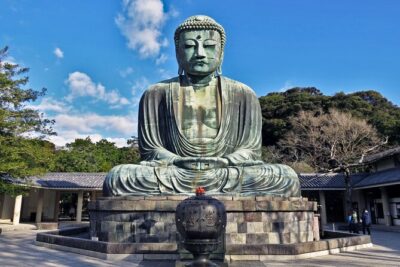
Kamakura Historical Walking Tour with the Great Buddha
Read our review →
Kamakura Private Tour: Temples, Nature, and the Great Buddha
Read our review →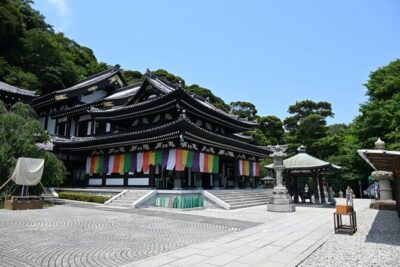
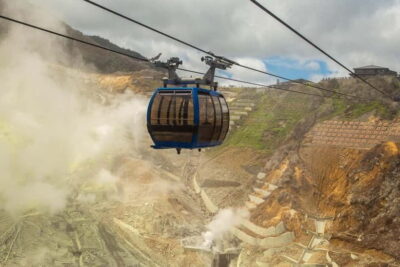
Sea of Mount Fuji, Hakone Ropeway, Ōwakudani, Enoshima
Read our review →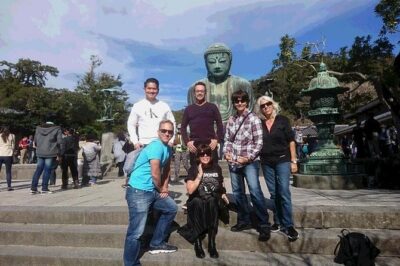
Kamakura 8 hr Private Walking Tour with Licensed Guide from Tokyo
Read our review →Browse the lists this tour appears in