
Reviewed · SUSHI EXPERIENCES
Popular Sushi Making Class near Tokyo Tower
The best part of this 90-minute sushi class is that lunch is also the lesson. An English-speaking chef shows you how to shape rice and place fish, then you eat the pieces you made. It is a friendly way to learn Japanese food culture without committing to a long cooking course.
I like the Tokyo Tower location, which makes it easy to pair the class with Zojo-ji or Shiba Park. I also like the costume photos, the clean teaching space, and the simple techniques you can repeat at home. The main drawback is value: at $87.55 per person, this is not a cheap meal, and a few people found the rice or instruction less impressive than expected.
In This Review
- Key points before you book
- What the SUSHI GARYU class is really like
- Shaping rice and placing fish
- How much food will you make?
- Costumes, photos, and the social side
- Why the Higashiazabu setting helps
- Tokyo Tower
- Zojo-ji
- Azabujuban
- Shiba Park
- teamLab Borderless Tokyo Azabudai Hills and Azabudai Hills
- Hamarikyu Wharf
- Tokyo City View Observation Deck and The National Art Center, Tokyo
- Who will get the most from this activity?
- Timing, group size, and practical planning
- Is $87.55 a fair price?
- Should you book the SUSHI GARYU class?
- FAQ
- Where does the sushi-making class meet?
- How long does the experience last?
- Is the class taught in English?
- What sushi will I make?
- Can I eat the sushi I make?
- Are vegetarian, vegan, and gluten-free options available?
- Can children join the activity?
- What is the cancellation policy?
Key points before you book
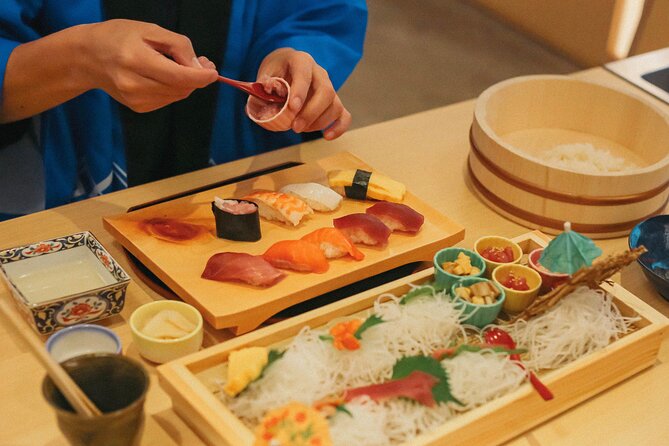
- Make and eat your own sushi: You prepare roughly eight to twelve pieces, with the exact amount varying by session and appetite.
- English instruction: The chef demonstrates each step, with a short video available beside your seat.
- Costumes and photos: Kimono-style clothing, samurai swords, and photo props may be available for pictures.
- Near Tokyo Tower: The class is in Higashiazabu, close enough to combine with Tokyo Tower, Zojo-ji, and Shiba Park.
- Good for families: Children from age four are charged, and younger children can share a dish.
- Dietary requests need advance notice: Vegetarian, vegan, and gluten-free choices are available if arranged ahead of time.
What the SUSHI GARYU class is really like
This is a hands-on class at SUSHI GARYU in Higashiazabu, not a guided sightseeing tour. You meet at 1-chōme-6-8 Higashiazabu, Minato City, and finish at the same place. The activity lasts about one hour and 30 minutes, though individual sessions can move faster or slower.
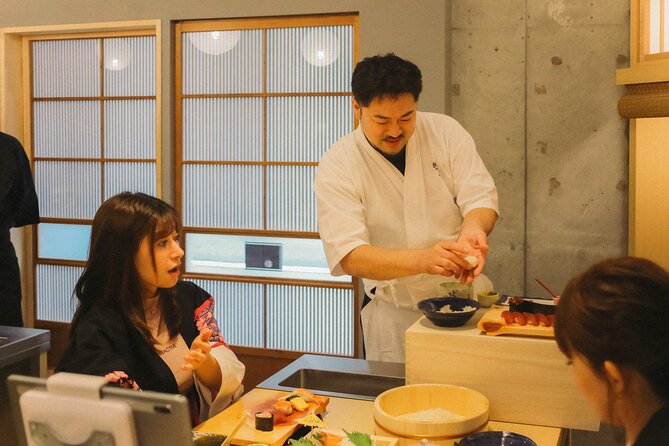
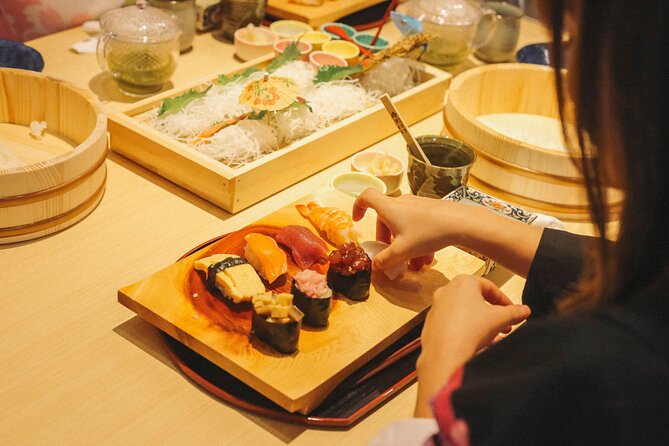
You sit at a prepared work station with the ingredients in front of you. The chef demonstrates the technique, and you copy it piece by piece. The focus is on sushi assembly, especially shaping rice and placing fish properly, rather than a long lesson on buying fish, cooking rice, or preparing a professional sushi counter.
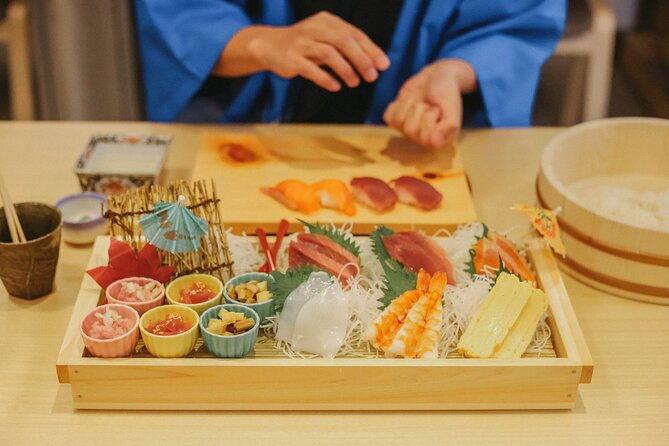
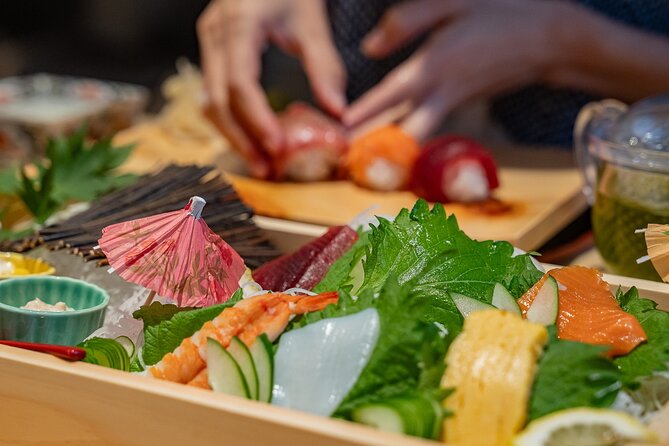
The class uses salmon, tuna, and other ingredients. You make the sushi yourself, then eat it at the end. That makes the experience feel more substantial than a demonstration, since your finished food serves as both practice and lunch.
The teaching style is designed for international visitors. Staff members named in customer comments include Keiko, Yuki, and Mickie, along with chefs associated with the Garyu team. The exact instructor depends on the session, but the format remains similar: demonstration, guided practice, and a meal.
More sushi mornings and classes:
- Sushi Making Tokyo Roll and Authentic Japanese Sushi Class
★ 5.0 · 3,971 reviews - Tokyo: Roll and Authentic Sushi Making Class in Asakusa
★ 4.9 · 1,957 reviews - Make Sushi and Create Unforgettable Memories in Tokyo
★ 5.0 · 1,413 reviews
Shaping rice and placing fish
The first useful lesson is rice control. You learn how much rice to use, how to shape it without crushing it, and how to lay the fish on top. These small movements are harder to judge when you first make sushi at home, so the chef’s demonstration helps.
A short instructional video plays beside your seat. It is useful as a visual reminder, but it is brief, so do not expect a full cooking film. The live demonstration is the important part. If you are unsure, ask the instructor to show the movement again before you continue.
The process is simple enough for children and first-time cooks. Several families used the class as a shared activity, and children from roughly seven to fifteen were able to take part. Younger children can share a dish with an adult, but the published age policy says fees apply from age four.
You may get help from staff as you work. That is good news if you are nervous about the first few pieces, though it also means the class may feel more like guided assembly than a serious culinary course. I would book it for a fun introduction, not for advanced sushi training.
How much food will you make?
The amount varies in the supplied descriptions, with some sessions producing eight pieces and others around ten to twelve. The practical message is clear: plan to eat a full snack or light meal. One customer specifically advised arriving hungry, and another said there was plenty of food.
The fish and rice are intended to be eaten immediately after preparation. Many people found the ingredients fresh and tasty, but the experience is not built around a high-end sushi tasting. You are paying for instruction, participation, location, and the social setting as much as for the food itself.
That distinction matters at $87.55. If you compare the price with an inexpensive sushi lunch in Tokyo, the class will look costly. If you compare it with a private cooking lesson or a cultural activity that includes a meal, the price is easier to justify, especially for families and couples who want one shared activity rather than separate sightseeing.
Food quality may vary with expectations and timing. Most comments praise the fresh fish and soft rice, but one dissatisfied customer found the rice hard and the fish below expectations. I would treat the meal as part of the experience, not the sole reason to book.
Costumes, photos, and the social side
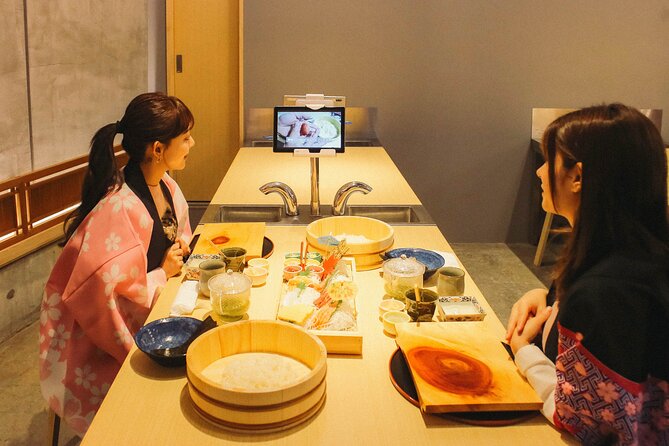
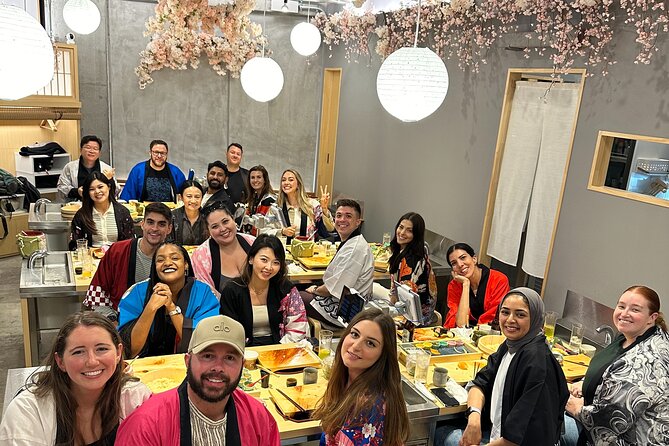
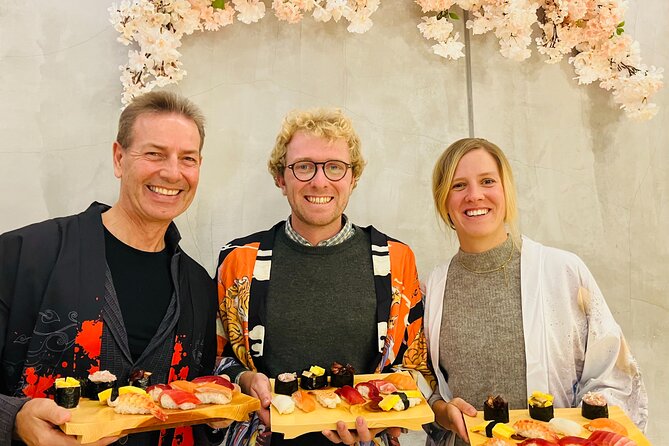
The dressing-up element gives the class a playful Japanese theme. Depending on the session, you may be offered kimono-style clothing, samurai swords, and other photo props. Staff may take pictures or make a short video after you finish.
This is especially useful for families and couples. You leave with a memory that is more visual than a standard restaurant meal, and the photos give the activity a little extra value. The costume is optional in spirit, so you can focus on the food if dressing up is not your thing.
The room is described as clean, organized, and set up for teaching. Individualized work areas keep the ingredients within reach. Depending on how busy the venue is, you may share a table or sit with other customers, and the maximum group size is 14 people.
That group limit is small enough for a personal feel, but it is not a private class. If you want uninterrupted attention, ask about the session when booking. Staff generally provide help, yet one person found the language barrier made some instructions difficult to follow. The chef speaks English, but the depth of conversation can vary by instructor.
A few more Tokyo bookings worth comparing
- Tokyo Shinjuku Chopsticks Making Class
★ 5.0 · 1,763 reviews - Tokyo: Sushi Making Class in a Happi Coat near a Famous Spot
★ 4.9 · 1,377 reviews - Chopstick Making Workshop in Ginza
★ 4.8 · 1,366 reviews - Tokyo Sushi Making Class in Tsukiji with Professional Chef
★ 5.0 · 1,177 reviews
Why the Higashiazabu setting helps
The meeting point is in Higashiazabu, a useful base for a half-day around Tokyo Tower. The class itself does not take you from sight to sight, and there is no transport between the listed places. You return to the same meeting point when the activity ends.
That makes the class easy to combine with nearby sights. I would schedule it around a Tokyo Tower visit, rather than treating the listed stops as a sightseeing itinerary. You can eat first, then walk to the tower area, or visit the sights before your class and use the sushi as a planned meal.
Tokyo Tower
Tokyo Tower is the obvious companion to the class. Its red-and-white structure is one of the city’s most recognizable landmarks, and its observation areas give you a broad view over central Tokyo. The practical benefit is simple: you can pair a food activity with a major city sight without crossing town.
At night, the tower is particularly useful as a follow-up stop, with the class location described as within walking distance. Check your exact timing before relying on a particular observation visit, since the class lasts about 90 minutes and the tower can require additional time.
Zojo-ji
Zojo-ji, near Tokyo Tower, offers a very different mood from the tower’s modern steel frame. Its temple grounds provide a quiet cultural stop and help put the sushi class into a wider Japanese context.
I like this pairing because the class explains one part of Japanese culture through food, while Zojo-ji gives you a traditional religious setting. Allow extra time if you want to explore rather than simply pass through.
Azabujuban
Azabujuban is another nearby area listed with the activity. It is a useful place to extend your food-focused outing with shops, restaurants, and neighborhood streets. Do not expect the sushi class to guide you there. Think of it as a separate place to visit before or after the lesson.
Shiba Park
Shiba Park provides open space around the Tokyo Tower and Zojo-ji area. It is a practical pause between indoor activities and observation decks. If you have children, the park can help break up a day of standing in queues and looking at city views.
teamLab Borderless Tokyo Azabudai Hills and Azabudai Hills
The class is also listed alongside teamLab Borderless Tokyo Azabudai Hills and the wider Azabudai Hills area. These are separate attractions, so check opening hours and reserve any admission you need independently.
The combination can make a full day in Minato, but do not pack the schedule too tightly. The sushi activity works best when you have time to arrive calmly, take photos, eat what you make, and then move on.
Hamarikyu Wharf
Hamarikyu Wharf is farther away than the immediate Tokyo Tower sights and is not part of the class transport. It is included among the places associated with the experience, but you should plan your own route if you want to connect the class with the wharf.
Tokyo City View Observation Deck and The National Art Center, Tokyo
Tokyo City View in Roppongi Hills and The National Art Center, Tokyo are also separate Roppongi-area stops. They can work well on another part of your Tokyo schedule, but they are not stops made during the sushi lesson.
Roppongi itself offers plenty to fill an evening. The useful planning rule is to group the class with Tokyo Tower, Zojo-ji, or Shiba Park first. Save Roppongi attractions for a separate block unless your timing and transport are clear.
Who will get the most from this activity?
I would choose this class for families, couples, first-time visitors to Japan, and anyone who wants a low-pressure introduction to sushi. Children can take part, staff are friendly with beginners, and the finished food makes the lesson immediately rewarding.
It also suits home cooks. The techniques are basic enough to repeat, and the class can make you more confident about shaping rice and arranging fish. You will not leave with professional knife skills, but you may feel ready to host a small sushi meal at home.
The class is less suited to serious food enthusiasts seeking rare fish, detailed rice science, or a long chef-led workshop. It is also not ideal if you only want the cheapest possible lunch. A few people felt the price was high for the amount of instruction and food, so set your expectations correctly.
Dietary needs can be handled, but you must message the provider in advance. Vegetarian, vegan, and gluten-free options are available when requested ahead of time. Same-day requests may not be possible, and food allergies should also be reported before arrival.
Timing, group size, and practical planning
Classes operate throughout the day, which makes it easier to fit one into a Tokyo itinerary. I would book it near lunchtime if you want the sushi to replace a meal. You can also choose another time and treat it as an early dinner or substantial snack.
The meeting point is near public transportation. Bring your mobile ticket, since the experience supports mobile entry, and allow enough time to find 1-chōme-6-8 Higashiazabu. The activity ends back there, so arrange your next stop from the same neighborhood.
The maximum group size is 14. A busy session may seat you with other customers, which can add a friendly, social feel but reduces privacy. Last-minute bookings may be accepted, though preparation for late bookings may not always be perfect. If you care about a smooth start, booking ahead is wiser.
Cancellation is free up to 24 hours before the start time. Cancel at least 24 hours ahead for a full refund. Inside that window, changes are not accepted and the payment is not refunded.
Is $87.55 a fair price?
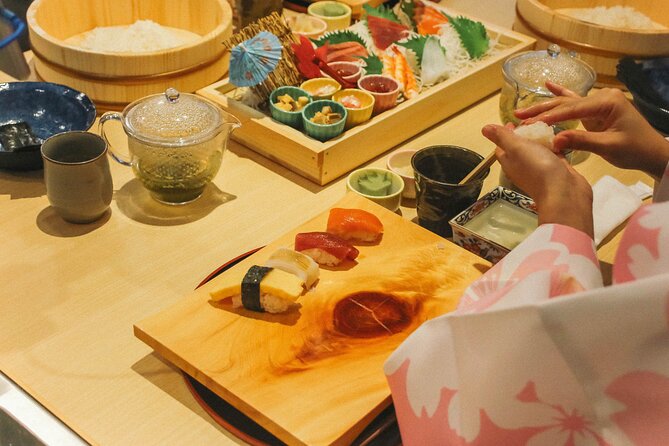
The price is fair only if you value the activity, not just the sushi. You receive instruction, ingredients, a prepared place to work, the chance to wear costumes, photos in some sessions, and the meal you make. For a family, that can be a convenient two-in-one cultural activity and lunch.
For a solo diner comparing prices with a sushi counter, it is harder to justify. You could eat sushi for less elsewhere, and the teaching is introductory. I would also remember that food quality is not guaranteed to match a premium sushi restaurant, even though most of the available feedback praises the freshness and taste.
The strongest value comes from the location and the shared experience. If you already plan to visit Tokyo Tower, this class adds a hands-on activity nearby. If Tokyo Tower is not on your schedule, there are other cooking classes in Tokyo that may offer a different style or better fit.
Should you book the SUSHI GARYU class?
Book it if you want to make your own lunch, learn a few practical sushi techniques, and take fun photos near Tokyo Tower. It is especially strong for families and couples, and the English-speaking instruction lowers the barrier for first-time cooks.
Skip it if you want a bargain meal, an advanced chef course, or a private experience. Before paying, send any allergy or dietary request in advance, and plan the class as a Higashiazabu activity rather than a sightseeing bus tour.
At $87.55, I see it as a cheerful cultural experience with food included. The location, friendly help, costumes, and chance to eat your own work make the price reasonable for the right person. Just arrive hungry, keep your expectations at beginner level, and leave room in your schedule for Tokyo Tower.
FAQ
Where does the sushi-making class meet?
The class starts at 1-chōme-6-8 Higashiazabu, Minato City, Tokyo 106-0044, Japan. The activity ends back at the same meeting point.
How long does the experience last?
The advertised duration is approximately one hour and 30 minutes.
Is the class taught in English?
Yes. An English-speaking sushi chef demonstrates the techniques and guides you through the process. A short video instruction is also available beside your seat.
What sushi will I make?
The class includes sushi made with salmon, tuna, and other ingredients. The exact number of pieces can vary, with descriptions indicating roughly eight to twelve pieces.
Can I eat the sushi I make?
Yes. You eat your hand-made sushi after completing the preparation.
Are vegetarian, vegan, and gluten-free options available?
Yes, but you must request these options in advance by message. Same-day requests may not be possible.
Can children join the activity?
Yes. Fees apply from age four. Children under four can share a dish with an accompanying person.
What is the cancellation policy?
You can cancel at least 24 hours before the start time for a full refund. Cancellations or changes made within 24 hours are not accepted and are not refunded.
New on our Tokyo list
- From Tokyo: Mount Fuji & Hakone Full Day Private Tour★ 4.9 · 25 reviews
- Tokyo Spectacular View Day-Cruise in 90 Minutes★ 5.0 · 25 reviews
- Real Tokyo Runner Club : Daikoku Car Meet Night Tour with JDM Car★ 5.0 · 25 reviews
- 2.5 Hour-Guided Cycle Tour in the Central Tokyo★ 5.0 · 25 reviews
- Ramen Making from Scratch +Akihabara Tour –Cooking Class★ 5.0 · 25 reviews
- [Self-Drive] Tokyo & Daikoku Custom Car Driving Tour★ 4.9 · 25 reviews
- Tokyo: 2-Hour Night Bike Tour of the City’s Hidden Gems★ 4.9 · 25 reviews
- Samurai themed Entertainment show in Shinjuku★ 4.5 · 25 reviews
Sushi Experiences, compared.
Sushi Making Tokyo Roll and Authentic Japanese Sushi Class
Read our review →
Roll and Authentic Sushi Making Class in Asakusa
Read our review →
Make Sushi and Create Unforgettable Memories in Tokyo
Read our review →
Sushi Making Class in a Happi Coat near a Famous Spot
Read our review →
Tokyo Sushi Making Class in Tsukiji with Professional Chef
Read our review →
Tokyo Night Foodie Tour in Shinjuku – Seasonal Sushi, Wagyu Beef
Read our review →
Tsukiji Fish Market Guided Tour and Sushi Making with Pro Chef
Read our review →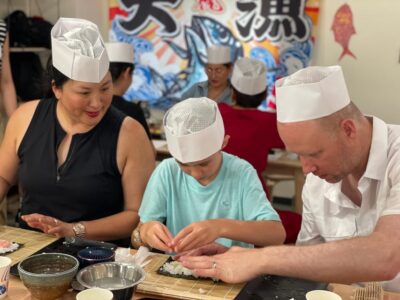
Tsukiji Fish Market Sushi Making Class with Pro Chef
Read our review →Browse the lists this tour appears in