
Reviewed · KAMAKURA TOURS
Private Kamakura plus Yokohama Tour – English Speaking Driver
Kamakura gives you Japan’s old temple town, while Yokohama adds Chinatown, gardens, and a modern waterfront. This private day trip lets you cover both without changing trains or working out unfamiliar routes. Hokoku-ji’s bamboo garden and the Great Buddha are the day’s strongest sights.
I like the hotel pickup and the roomy private vehicle, especially for families or small groups. I also like the flexibility: drivers such as Irfan and Mac have adjusted stops, suggested lunch, and added a garden or the Gundam Factory when time allowed. The main catch is simple: this is a chauffeur service, not a standard guided tour, unless you pay extra for a guide.
In This Review
- Key points for planning your Kamakura and Yokohama day
- Why this private day trip works from Tokyo
- Hokoku-ji and its quiet bamboo paths
- Hase-dera, a hillside temple with a giant Kannon
- The Great Buddha at Kotoku-in
- Tsurugaoka Hachimangu and Kamakura’s central shrine
- Komachidori for snacks, shopping, and a break
- Yokohama Chinatown after Kamakura
- Sankeien Gardens and traditional Japanese design
- Minatomirai if the clock cooperates
- What the driver does, and what the driver does not do
- Timing, admissions, and the real cost
- Who should book this experience?
- Final call: a strong private outing with clear limits
- FAQ
- How long does the private Kamakura and Yokohama tour last?
- How many people can join the private vehicle?
- Is hotel pickup available?
- Does the tour include a guide?
- Are admission tickets included?
- Is Minatomirai guaranteed?
- What happens if bad weather cancels the tour?
Key points for planning your Kamakura and Yokohama day
- Eight contrasting stops: Move from Zen temples and shrines to Chinatown, a traditional garden, and Yokohama’s modern waterfront.
- Private transport for up to five: The $650 group price can make sense when split among several people.
- English-speaking driver: Expect help with transport and basic communication, but not full historical commentary by default.
- Kamakura takes most of the cultural focus: Allow time for temple visits, the Great Buddha, Komachidori, and Tsurugaoka Hachimangu.
- Minatomirai is time-dependent: The waterfront stop is included only if the day’s schedule allows it.
- Admission costs are separate: Tickets for the temples and Sankeien Gardens are not included.
Why this private day trip works from Tokyo
Kamakura and Yokohama sit southwest of Tokyo, close enough for a long day but far enough to make public transport feel like work. This tour solves the transport problem with pickup from your Tokyo hotel or another agreed location, then keeps your group together in a private vehicle.
That matters most when you are traveling with children, older family members, luggage, or a group that does not want to study train connections. You also avoid the stop-and-start rhythm of a large group tour. The vehicle goes where your party goes, and the driver can make reasonable adjustments when time permits.
The advertised price is $650 per group of up to five people. For one person, that is a costly day. For four or five people, the calculation looks better, particularly because the cost is shared rather than charged per passenger.
The day lasts about 10 hours, including driving time. That is enough to see both cities, but it is not a leisurely visit to every stop. You should think of this as a well-packed overview, with Kamakura receiving the larger share of your attention.
More Private Tours in Kamakura
- Kamakura Private Tour: Temples, Nature, and the Great Buddha
★ 5.0 · 121 reviews - Kamakura 8 hr Private Walking Tour with Licensed Guide from Tokyo
★ 5.0 · 80 reviews - Kamakura: Private Guided Walking Tour with Local Guide
★ 4.8 · 60 reviews
Hokoku-ji and its quiet bamboo paths
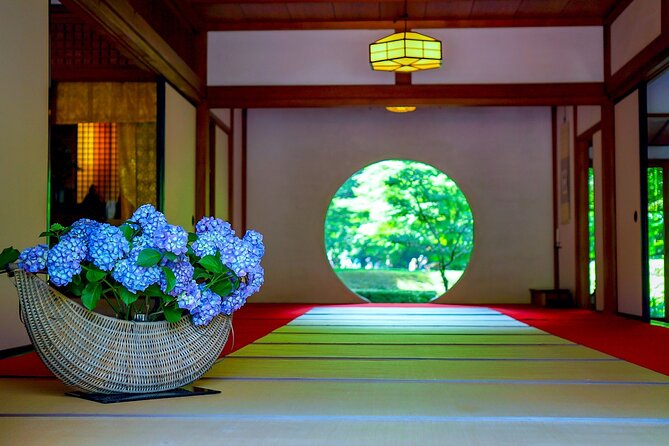
Hokoku-ji, often called the Bamboo Temple, is a fine first stop because it offers a calm change from Tokyo’s crowded streets. Its bamboo garden is the main reason to come. Tall bamboo creates a narrow green corridor, and the temple’s Zen setting gives you a quiet start to the day.
You have about an hour here. That is enough to walk through the garden and see the temple grounds without rushing. A tea ticket is worth considering if it is available during your visit. One driver specifically encouraged a visitor to take the tea option and enjoy the setting, a useful tip for anyone who wants more than a quick photo stop.
Admission is not included, so keep a little cash or a payment method ready for site fees. The stop is best for you if gardens and atmosphere matter as much as famous landmarks. If you care only about the Great Buddha, you might prefer more time elsewhere.
Hase-dera, a hillside temple with a giant Kannon
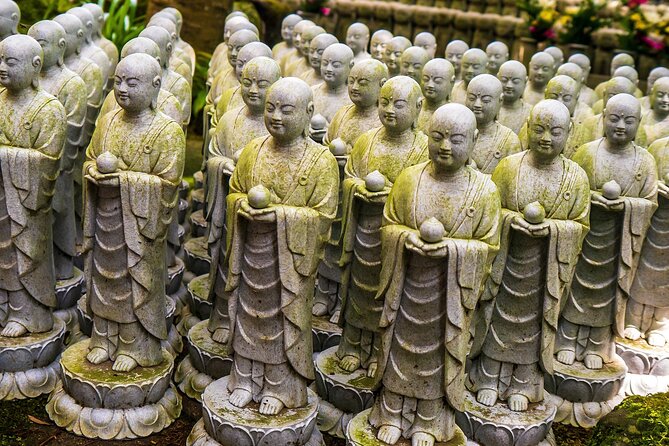
Hase-dera is another major Buddhist site in Kamakura, known for its large wooden statue of Kannon. The temple is allotted 45 minutes, which gives you a compact visit rather than a slow, detailed exploration.
The appeal here is the mix of religious art, temple buildings, and views across the surrounding area. You might find the short time enough if you move at a steady pace, but anyone who likes to linger over statues, gardens, and small details will need to keep an eye on the clock.
Admission is separate. Wear comfortable shoes, since temple visits usually mean walking across grounds and steps, though the available information does not specify the exact route taken during your visit. Your driver can get you close to the sights, but you should not expect a formal explanation of Kannon or Buddhist practice unless you arrange a guide.
The Great Buddha at Kotoku-in
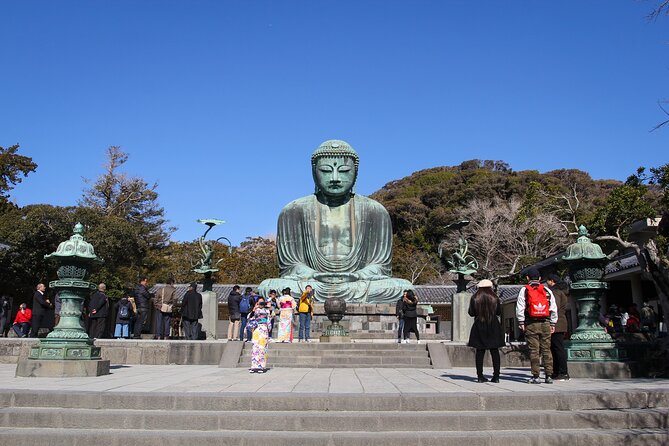
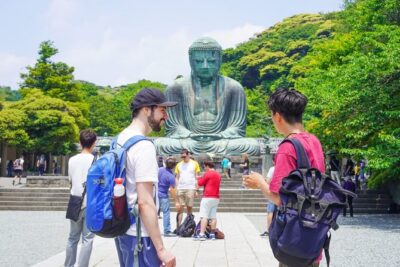
The Great Buddha, or Daibutsu, is Kamakura’s signature sight. The bronze figure at Kotoku-in is the stop most first-time visitors will already have in mind, and the 30-minute allowance is aimed at seeing the statue and temple grounds without a long pause.
This is a quick, powerful stop. The Buddha’s scale makes an impression even when you know what is coming. You can take photographs, look around the grounds, and, if available and open, pay a small additional fee to enter the statue itself. That interior visit is not stated as part of the tour, so treat it as an optional possibility rather than a promise.
Admission is not included. The short visit also means you should arrive ready to make the most of it. If you want time for careful photography or a slower look at the temple, tell the driver early in the day. A private vehicle gives you more control, but the total schedule still has limits.
More Private Tours in Yokohama
- Daikoku & Tokyo Private JDM Tour by 700HP R34 GT-R
★ 4.9 · 101 reviews - Tokyo 8hr Private Tour with Licensed Guide from Yokohama
★ 5.0 · 94 reviews - R34Skyline Daikoku PA Fast & Furious Private Experience
★ 5.0 · 63 reviews - Private Car Tour to see Highlights of Kamakura, Enoshima, Yokohama from Tokyo
★ 5.0 · 48 reviews
Tsurugaoka Hachimangu and Kamakura’s central shrine
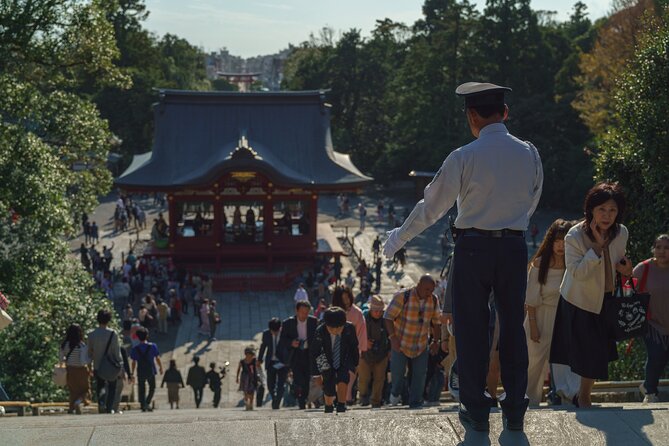
Tsurugaoka Hachimangu receives about an hour, making it one of the day’s more substantial cultural stops. This shrine is a central gathering place in Kamakura and hosts important festivals. Its two ponds are linked with the Taira and Minamoto clans, adding a political and historical layer to what might otherwise look like a scenic shrine visit.
You can expect broad approaches, shrine buildings, ponds, and a sense that this is a working cultural center rather than a small roadside temple. Two museums are also associated with the shrine, though the schedule does not promise museum entry. Admission to the shrine area is not included, so check the cost of any optional museum visit separately.
This is a good point in the day to slow down and notice how Kamakura connects religion, public ceremony, and political memory. Without a guide, you may not get much explanation of the Taira and Minamoto story. A driver can help with the practical side, but the historical meaning is yours to uncover unless you add a guide.
Komachidori for snacks, shopping, and a break
After the temples, Komachidori gives you a very different Kamakura. This busy pedestrian street is lined with clothing shops, gifts, souvenirs, eateries, and sweet shops. You have about 90 minutes, the longest single stop in Kamakura.
I like this pause because it lets you choose your own pace. You can grab lunch, browse small shops, or try Japanese sweets without being tied to one restaurant. A driver has suggested a good lunch place during a previous visit, but the supplied details do not name it, so ask for a recommendation if you want help.
Komachidori is also the least tranquil part of the Kamakura portion. It is commercial and busy, not a preserved old lane untouched by modern life. That is not a flaw, but it helps set expectations. You are seeing the town as it functions today, with shopping and food alongside its temples.
Yokohama Chinatown after Kamakura
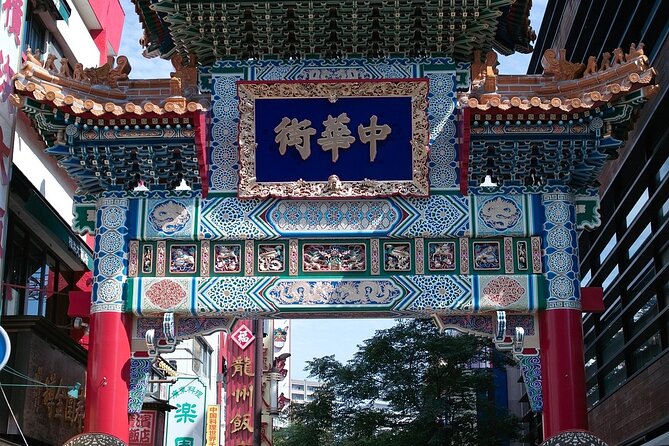
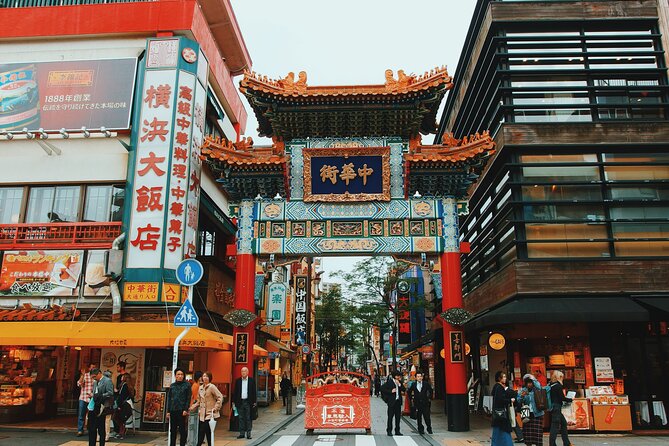
The drive to Yokohama shifts the mood again. Chinatown is about 160 years old and has a population of roughly 3,000 to 4,000, with many residents historically connected to Guangzhou. The area now works mainly as a food, shopping, and sightseeing district.
You have one hour here. That is enough to walk through the streets, look at the architecture and shopfronts, and choose a quick meal or snack. It is not enough for a slow food crawl or a detailed visit to every corner, so decide before arriving if you want to eat here or simply look around.
Chinatown is a useful contrast to Kamakura’s temples. The tour is not only an old Japan itinerary. It also shows you a major urban center shaped by international trade and migration. Again, admission is free, but food and purchases cost extra.
Sankeien Gardens and traditional Japanese design
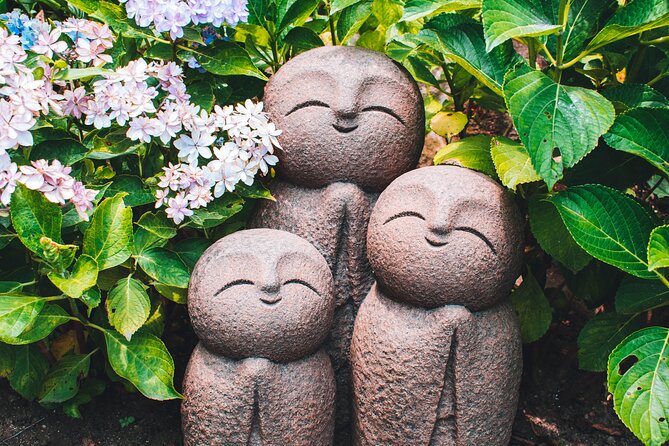
Sankeien Gardens opened in 1906 and was created by Tomitaro Hara, a silk trader who used the name Sankei Hara. The one-hour visit gives you a chance to see a traditional Japanese-style garden in a quieter setting than Chinatown or Minatomirai.
This stop is especially valuable if you enjoy ponds, paths, carefully arranged planting, and older buildings. It gives the Yokohama section a slower rhythm after the city streets. The garden’s modern opening date is also a useful reminder that traditional Japanese design does not belong only to ancient temple compounds.
Admission is not included. Because this stop comes after several earlier visits, your energy may affect how much you enjoy it. If gardens are a priority, tell the driver. If your group is tiring, Sankeien may be the place where you want to protect your walking time rather than rush through another landmark.
Minatomirai if the clock cooperates
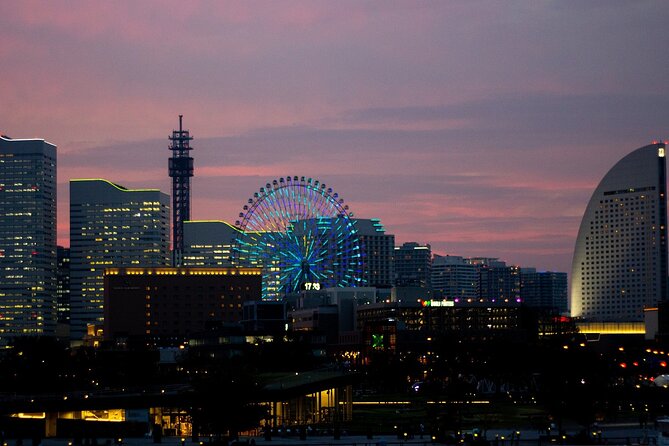
Minatomirai is the tour’s optional final note. The stop happens if time permits, with about 30 minutes set aside. Its high-rise observation deck, stylish shops, and waterfront views show Yokohama’s modern side.
You might see the area around Yokohama Landmark Tower and Plaza, and families can enjoy the skyline and waterfront setting. The short visit is enough for a look and a few photographs, but not for a full shopping trip or a long observation-deck visit.
Do not book this experience solely for Minatomirai. It is the least certain part of the schedule, since traffic, temple visits, lunch, and the distance between Kamakura and Yokohama can all affect the final hour. Treat it as a bonus.
What the driver does, and what the driver does not do
The English-speaking driver is the key to the experience. Several drivers have been praised for being polite, easy to communicate with, and attentive to comfort. Irfan has been singled out for getting a group to the first destination as it opened, adjusting a route for a son who wanted to visit the Gundam Factory, and finding time for an extra Japanese garden. Mac has also been praised for explaining sights and going beyond basic chauffeur duties.
Those examples show what can happen on a good day, but they are not a guaranteed service level for every booking. The stated arrangement is not a guided tour. You get an English-speaking driver, not automatically a historian or temple expert. If you want detailed explanations at every stop, add a guide for an extra fee.
One serious complaint involved a driver allegedly offering extra services for cash without company awareness, along with poor conduct later in the day. That is an isolated but important warning. Do not agree to unofficial add-ons or cash arrangements that are not clearly confirmed by the company. Ask for the planned service in writing if anything changes.
Timing, admissions, and the real cost
The schedule totals roughly 10 hours, including commuting. The listed stop times add up to about seven hours, leaving around three hours for the journey between Tokyo, Kamakura, and Yokohama, plus parking and transitions. Traffic can affect how much time you actually spend at the final stops.
Temple, shrine, and garden admission is not included at Hokoku-ji, Hase-dera, Kotoku-in, Tsurugaoka Hachimangu, or Sankeien Gardens. Komachidori, Chinatown, and Minatomirai have no general admission charge, but you still pay for meals, shopping, optional museums, observation facilities, and other personal expenses.
At $650 for up to five people, the value depends on your group. Five people pay about $130 each before admissions and food. Two people pay $325 each, which is harder to justify unless private pickup, a roomy vehicle, and freedom from train connections are major priorities.
I would compare the price with your comfort needs, not just with the cost of public transport. You are paying for time, door-to-door convenience, and a private setting. You are not paying for a full guided lesson in Japanese history.
Who should book this experience?
I would recommend it to a family or small group that wants to see Kamakura and Yokohama in one day without managing transport. It also suits people who value a private vehicle, flexible pacing, and hotel pickup more than a fixed group schedule.
It is a good match if you are comfortable reading signs, using your phone for background information, or exploring some sites on your own. The driver may share links before stops, as one driver did, but that is not the same as a guide walking beside you.
I would hesitate if you want slow temple visits, long meals, or detailed cultural interpretation. Eight stops make the day useful but busy. I would also think twice for a small party on a tight budget, since the group price is much better when divided among four or five people.
Free cancellation is available up to 24 hours before the start time. Within 24 hours, changes and refunds are not accepted. The experience depends on good weather, and a weather cancellation offers a different date or a full refund.
Final call: a strong private outing with clear limits
Book this tour if your priority is seeing the major Kamakura sights and adding Yokohama in one organized day. The private vehicle, hotel pickup, English communication, and ability to adjust the route can save real effort, especially for a group of up to five.
Go in with the right expectations. You will get a driver-led sightseeing day, not a traditional guided tour. Ask about adding a guide if temple history matters to you, confirm any special stops in advance, and protect time for the places you care about most. For shared convenience and a broad first look at both cities, this is a practical choice. For deep cultural study, choose a slower and more guide-focused plan.
FAQ
How long does the private Kamakura and Yokohama tour last?
The experience lasts approximately 10 hours, including commuting time between Tokyo, Kamakura, and Yokohama.
How many people can join the private vehicle?
The price covers one private group of up to five people. A larger group can be arranged for an additional cost.
Is hotel pickup available?
Yes. Pickup is offered from your Tokyo hotel or another agreed location.
Does the tour include a guide?
No. This is not a guided tour by default. You can arrange a guide for an additional cost.
Are admission tickets included?
No. Admission tickets for Hokoku-ji, Hase-dera, Kotoku-in, Tsurugaoka Hachimangu, and Sankeien Gardens are not included.
Is Minatomirai guaranteed?
No. Minatomirai is visited if time permits. The planned visit lasts about 30 minutes and has no general admission charge.
What happens if bad weather cancels the tour?
Because the experience requires good weather, a poor-weather cancellation gives you the choice of another date or a full refund. You can also cancel for a full refund if you do so at least 24 hours before the start time.
New on our Tokyo list
- From Tokyo: Mount Fuji & Hakone Full Day Private Tour★ 4.9 · 25 reviews
- Tokyo Spectacular View Day-Cruise in 90 Minutes★ 5.0 · 25 reviews
- Real Tokyo Runner Club : Daikoku Car Meet Night Tour with JDM Car★ 5.0 · 25 reviews
- 2.5 Hour-Guided Cycle Tour in the Central Tokyo★ 5.0 · 25 reviews
- Ramen Making from Scratch +Akihabara Tour –Cooking Class★ 5.0 · 25 reviews
- [Self-Drive] Tokyo & Daikoku Custom Car Driving Tour★ 4.9 · 25 reviews
- Tokyo: 2-Hour Night Bike Tour of the City’s Hidden Gems★ 4.9 · 25 reviews
- Samurai themed Entertainment show in Shinjuku★ 4.5 · 25 reviews
Kamakura Tours, compared.
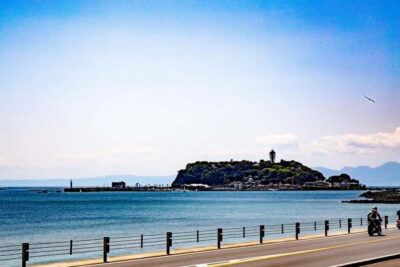
Kamakura & Enoshima Day Trip including Temple Tickets
Read our review →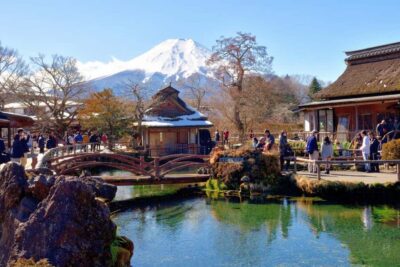
Mt. Fuji, Kamakura, Big Buddha, & Lake Ashi Day Trip
Read our review →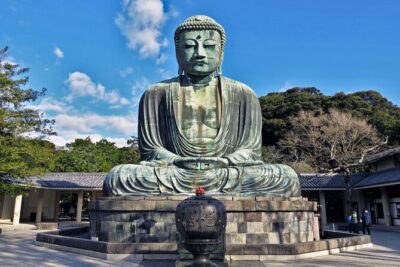
Kamakura Historical Walking Tour with the Great Buddha
Read our review →
Kamakura Private Tour: Temples, Nature, and the Great Buddha
Read our review →
Sea of Mount Fuji, Hakone Ropeway, Ōwakudani, Enoshima
Read our review →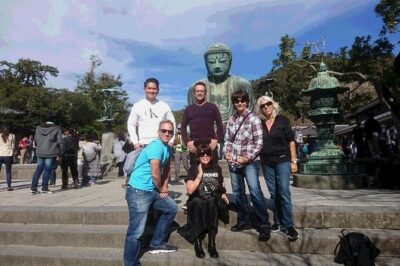
Kamakura 8 hr Private Walking Tour with Licensed Guide from Tokyo
Read our review →Browse the lists this tour appears in