Reviewed · MORNING
Private Tokyo Early Morning Tour with English-Speaking Guide
Tokyo is at its best early in the day, before Shibuya Crossing fills up and Senso-ji turns into a slow-moving stream of people. This five-hour private tour links seven major sights across western and eastern Tokyo, with an English-speaking guide to handle the route and explain what you are seeing.
I like the personal attention of a private group and the included temple and shrine admissions. I also like the practical finish in Asakusa, where you can eat, visit nearby Tokyo Skytree, or continue sightseeing. The tradeoff is a brisk schedule, with public transportation, plenty of walking, and only short stops in places such as Akihabara and Ameyoko.
In This Review
- Key points to know before booking
- Why an early start matters in Tokyo
- Starting with Hachiko and Shibuya Crossing
- Meiji Jingu, Tokyo’s forested Shinto retreat
- Takeshita Street and Harajuku’s youth culture
- Kanda Shrine and a quick look at Akihabara
- Ameyoko brings you to Ueno’s market side
- Senso-ji and the finish in Asakusa
- What the $97.22 price really covers
- The walking and transport reality
- Who will get the most from this tour
- Should you book it?
- FAQ
- How long is the Private Tokyo Early Morning Tour?
- Where does the tour start?
- Where does the tour finish?
- What places are visited?
- Is public transportation included?
- Are temple and shrine admission fees included?
- Is this a private tour?
- What happens if I cancel?
Key points to know before booking
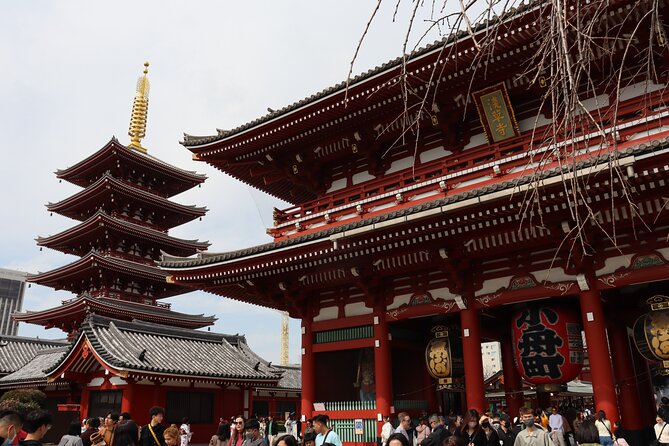
- Early timing makes Shibuya and Senso-ji easier to enjoy before the main crowds arrive.
- The route crosses several sides of Tokyo, from Harajuku and Shibuya to Ueno and Asakusa.
- Your private English-speaking guide can adjust the experience to your group’s pace and questions.
- Professional photos are included, a useful touch if you want group pictures without handing over your phone.
- Public transportation costs an additional ¥900 per person, and food and drinks are not included.
- The tour ends at Asakusa Pier, giving you a convenient next stop after the five-hour outing.
Why an early start matters in Tokyo
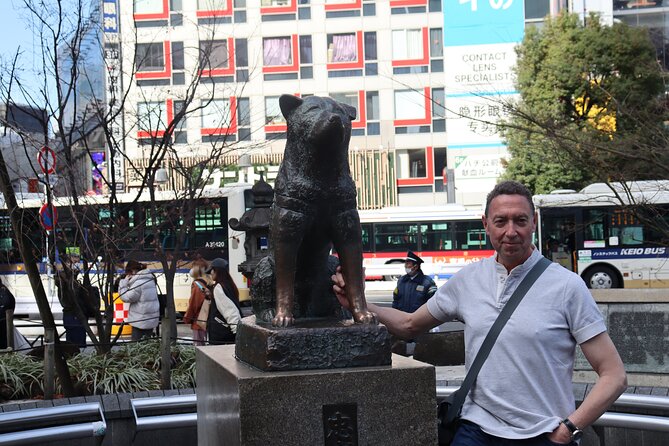
The main idea here is simple: see Tokyo’s headline sights before the day gets crowded. Shibuya Crossing is most famous when hundreds or thousands of people sweep across the intersection at once, but an early visit gives you a better chance to watch the crossing without being swallowed by the crowd.
The same logic helps at Meiji Jingu and Senso-ji. Both are major places of worship and tourist stops, so the mood changes as the morning goes on. Starting early gives you a quieter walk through the shrine grounds and a less hectic approach to Tokyo’s oldest and most famous Buddhist temple.
You should not expect a slow, neighborhood-by-neighborhood stroll. The route covers a lot of ground in about five hours. You will use public transportation and walk between sights, so the early schedule is not just about avoiding crowds. It also helps fit seven stops into one morning.
This is a private activity, meaning only your group takes part. That matters if you want to ask questions, pause for photos, or get help with Tokyo’s train and subway system without keeping up with a large group. The guide can also help you with directions after the tour.
One guide named in the tour’s feedback is Yukou, who was praised for being friendly and for helping guests understand how to do things at the sites. Guides can vary by departure, so you should not assume Yukou will lead every booking. Still, the experience is built around a personal guide rather than a simple transfer between attractions.
A few more Tokyo bookings worth comparing
- Tokyo: Sumo Morning Practice Viewing Tour
★ 4.8 · 570 reviews - Tokyo: Sumo Morning Training Visit
★ 4.4 · 370 reviews - Tokyo: Sumo Morning Practice Tour at Sumida City
★ 4.8 · 308 reviews
Starting with Hachiko and Shibuya Crossing
The meeting point is the Hachiko Statue at 2 Chome-1 Dogenzaka, near Shibuya Station. Hachiko is a familiar Tokyo meeting point, but you need to arrive on time. If you are late, you cannot join the tour and will not receive a refund.
The first stop is Shibuya Crossing, with about 20 minutes set aside. That is enough time to watch the crossing, take photographs, and get a quick explanation of why this intersection became one of Tokyo’s best-known city scenes.
The short stop is both a strength and a limitation. You get the classic photo opportunity without spending too much of the morning in one place, but you will not have time for a long look around Shibuya’s shops or department stores. If you want a full Shibuya shopping session, plan to return later.
Meiji Jingu, Tokyo’s forested Shinto retreat
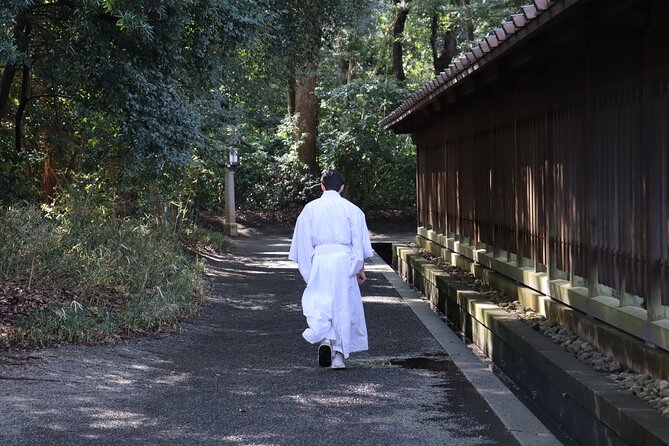
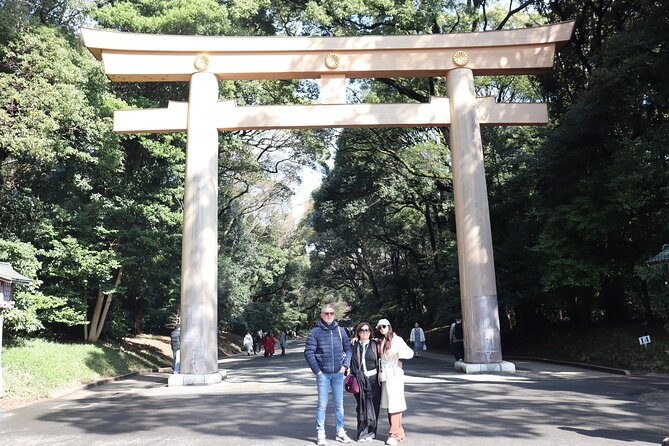
From Shibuya, the tour moves to Meiji Jingu Shrine for about an hour. This is one of the most valuable stops on the route because it offers a sharp change from giant screens, traffic, and packed sidewalks.
Meiji Jingu is dedicated to Emperor Meiji and Empress Shoken. Its grounds are surrounded by a large forest in the middle of Tokyo, making the approach feel much calmer than the city outside. Your guide can help explain the Shinto setting and show you how to behave respectfully at the shrine.
An hour gives you enough time to walk through the grounds, take in the atmosphere, and see the main shrine area without feeling rushed. Admission is listed as included, though the shrine itself does not charge an entry fee. The real value is the explanation and navigation, especially if this is your first visit to a Japanese shrine.
You should expect walking here. The tour requires a moderate level of physical fitness, and the shrine stop is not simply a quick photo from the roadside. Comfortable shoes are important from the first stop onward.
Takeshita Street and Harajuku’s youth culture
Takeshita Street gets about 20 minutes. This narrow, famous shopping street is known for trendy clothing, unusual boutiques, and colorful sweets. It is closely linked with Harajuku’s youth culture and offers a very different view of Tokyo from Meiji Jingu.
The short visit works well as an introduction. You can see the style of the street, take photos, and get a sense of why Harajuku is associated with youth fashion and playful food. It is not enough time for serious shopping, so save purchases for another visit.
Crowd levels can vary, but the tour’s early timing should help. If you have your eye on a particular shop or sweet, tell your guide, though the fixed schedule may limit how long you can stop. The point here is contrast: a peaceful shrine followed by colorful pop culture only a short distance away.
Same corner of Tokyo, a completely different plan:
- Mt Fuji and Hakone 1-Day Bus Tour Return by Bullet Train
★ 5.0 · 26,383 reviews - 1-Day Tokyo Bus Tour
★ 5.0 · 14,250 reviews - Tokyo: TOKYO SKYTREE® Admission ticket
★ 4.5 · 11,192 reviews - Tokyo: teamLab Planets TOKYO Digital Art Museum Entry Ticket
★ 4.6 · 9,779 reviews
Kanda Shrine and a quick look at Akihabara
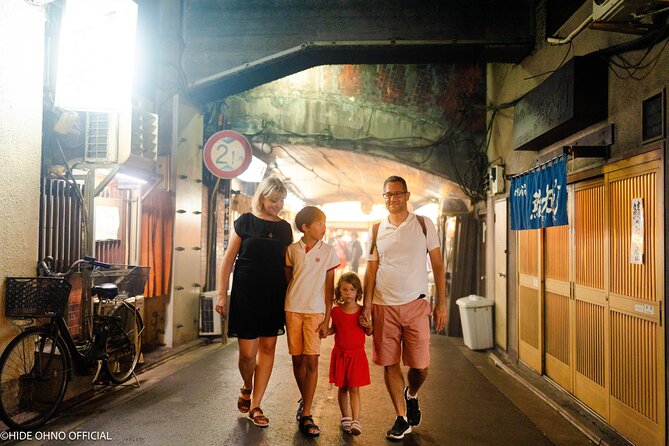
The next stop is Kanda Shrine, also called Kanda Myojin, with about 20 minutes allotted. This historic Shinto shrine is associated with prosperity and protection, and it has a modern connection to businesspeople and anime fans.
That mix makes Kanda Shrine a good fit for this particular tour. Tokyo is not divided into neat old and new sections. Traditional religious sites can sit close to electronics stores, gaming shops, and anime culture. Kanda Shrine gives you a brief look at that overlap.
You then spend about 30 minutes in Akihabara, Tokyo’s electric town. The district is known for electronics, anime, games, collectibles, otaku goods, and maid cafés. Thirty minutes is enough for an introduction and a few photographs, but not enough to explore the area in detail.
I would treat this stop as a sampler, not a shopping expedition. If you are visiting Tokyo mainly for anime, manga, games, or electronics, you will probably want to return on your own. The guide can help you understand the area and point out the types of shops that interest you, but the larger district requires more time than this tour allows.
Ameyoko brings you to Ueno’s market side
Ameya-Yokocho, usually shortened to Ameyoko, receives about 20 minutes. The shopping street developed from a postwar black market and now sells seafood, snacks, clothing, and souvenirs.
This is a useful stop because it shows a more practical, everyday side of Tokyo. The street is not presented as a polished museum district. It is a place for food stalls, shopping, and local commerce, with plenty to look at in a short walk.
Again, the timing is tight. You can get a taste of the area and decide if you want to come back for a meal or more shopping. Food and drinks are not included, so any snacks you buy are at your own expense. If you need breakfast, do not count on the tour providing it.
Senso-ji and the finish in Asakusa
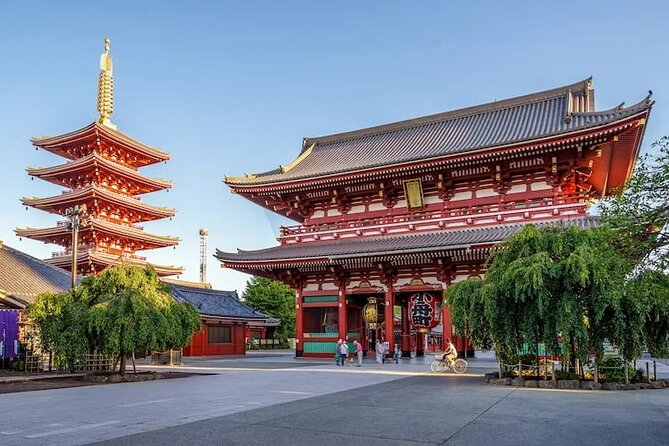
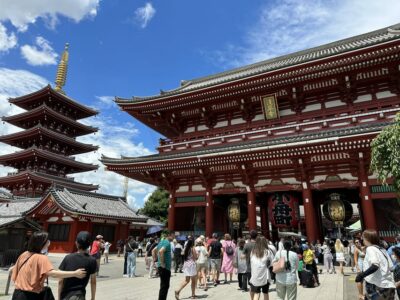
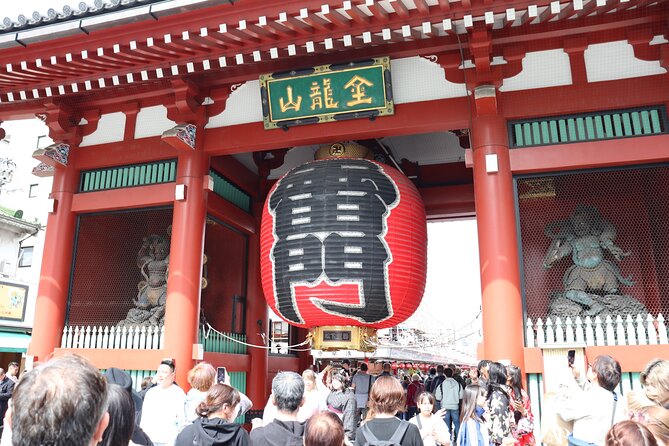
The final major stop is Senso-ji Temple in Asakusa, with about an hour to explore. Founded in the seventh century, Senso-ji is Tokyo’s oldest and most famous Buddhist temple. Its Kaminarimon Gate and Nakamise Street make it one of the city’s easiest places to recognize.
The hour is well used. You can see the gate, walk along the traditional shop-lined approach, and reach the temple grounds with time for photographs and questions. The guide can also explain the difference between a Buddhist temple and a Shinto shrine, a useful point after visiting Meiji Jingu and Kanda Shrine earlier in the morning.
Admission to the temple is included. As with Meiji Jingu, the main value is not a ticket saving. It is having someone explain what you are looking at and help you move through the site respectfully.
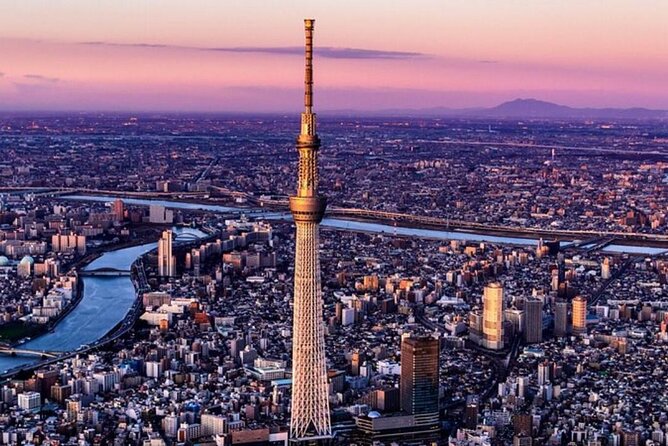
The tour ends at Tokyo Cruise Asakusa Pier, at 1-1-1 Hanakawado. This is a practical ending point. You can eat at a recommended restaurant, continue around Asakusa, take directions from your guide, or consider visiting nearby Tokyo Skytree. The end location does not return you to Shibuya, so plan your afternoon from Asakusa rather than assuming you will finish near the starting point.
What the $97.22 price really covers
At $97.22 per person, the price makes the most sense for people who value a private guide and want to cover many first-visit sights in one morning. The tour includes an English-speaking local guide, admission fees for the temples and shrines, and professional photos during the tour.
The biggest extra cost is public transportation at ¥900 per person. Food and drinks are also separate. That means the advertised price is not your full out-of-pocket cost, but the transit charge is clear and modest compared with the convenience of crossing Tokyo without planning every connection yourself.
A private tour is usually more expensive than joining a large group, but you are paying for flexibility and direct help. You can ask about shrine customs, local areas, anime culture, or the best way to continue from Asakusa. If you are traveling with several people, group discounts may improve the value.
The tour is not the best buy if you already know Tokyo well, prefer exploring at your own pace, or want extended time in one district. It is a strong option if you have limited time and want an organized overview without giving up the privacy of your own group.
The walking and transport reality
This is a walking experience that uses public transportation. The listed stops add up to roughly four hours and ten minutes, leaving part of the five-hour duration for transfers and movement between districts.
That pace is efficient, but you should be ready to walk, stand, board trains or other public transportation, and keep moving. A moderate physical fitness level is recommended. Wear shoes you can use comfortably for a full morning.
The tour is not designed around long meal breaks. Since food and drinks are not included, eat before the meeting point or plan to buy something afterward. Ameyoko and Asakusa can both work well for food, but the tour schedule may not allow a proper sit-down meal during the route.
The professional photos are a practical bonus. You do not have to choose between taking pictures and appearing in them, and a private group makes it easier to get photos of everyone together. The exact number and style of photos are not specified, so consider them a helpful extra rather than the main reason to book.
Who will get the most from this tour
This outing suits a first visit to Tokyo, especially if you want an organized introduction to several major districts. It is also useful for visitors with only a short stay who want to see Shibuya, Harajuku, Akihabara, Ueno, and Asakusa without building the route themselves.
Families and small groups may appreciate the private format. You are not sharing the guide with strangers, and you can ask for help with directions or cultural details as you go. The guide can also help you continue sightseeing after the official finish.
Photography-minded visitors should like the mix of scenes: Shibuya Crossing, the forested grounds of Meiji Jingu, Harajuku’s colorful street, Kanda Shrine, Akihabara’s signs and shops, Ameyoko’s market atmosphere, and Senso-ji’s traditional approach.
This is less suitable for anyone who wants deep shopping time in Akihabara or Takeshita Street. It is also a poor match if you dislike early starts, walking, public transportation, or a fixed route. The tour gives you a broad first look, not hours of free time.
Should you book it?
Book this tour if you want to see Tokyo’s best-known contrasts in one private morning: Shibuya’s crossing, Meiji Jingu’s quiet grounds, Harajuku fashion, shrine traditions, Akihabara pop culture, Ameyoko shopping, and Senso-ji in Asakusa.
The strongest reasons are the early timing, personal guide, included shrine and temple admissions, and practical finish in Asakusa. Keep the extra ¥900 transportation fare in your budget, arrive early at the Hachiko Statue, and wear good walking shoes.
Skip it if you would rather spend half a day in one neighborhood or make every stop at your own pace. For a first-time overview with a guide who can explain how to navigate and behave at the sites, this is a well-focused use of five hours.
FAQ
How long is the Private Tokyo Early Morning Tour?
The tour lasts approximately five hours.
Where does the tour start?
It starts at the Hachiko Statue at 2 Chome-1 Dogenzaka, Shibuya, Tokyo 150-0043, Japan.
Where does the tour finish?
It ends at Tokyo Cruise Asakusa Pier at 1-1-1 Hanakawado, Taito City, Tokyo 111-0033, Japan.
What places are visited?
The route includes Shibuya Crossing, Meiji Jingu Shrine, Takeshita Street, Kanda Shrine, Akihabara, Ameyoko Shopping Street, and Senso-ji Temple.
Is public transportation included?
No. Public transportation costs an additional ¥900 per person.
Are temple and shrine admission fees included?
Yes. Admission fees for all temples and shrines on the tour are included.
Is this a private tour?
Yes. Only your group participates in the activity.
What happens if I cancel?
You can receive a full refund if you cancel at least 24 hours before the experience start time. Cancellations or changes made less than 24 hours before the start time are not accepted for a refund.
New on our Tokyo list
- Sumi-e Experience in a relaxing green tea shop in Tokyo★ 5.0 · 3 reviews
- Tokyo : Kamikaze Street Drift Ride★ 5.0 · 3 reviews
- Private Zen Meditation in English in Shinjuku, Tokyo★ 5.0 · 3 reviews
- Onsen Spa in Tokyo and Asakusa Bar Hopping with Local Guide★ 5.0 · 3 reviews
- Easy for everyone! Now you can play handmade mini shamisen and show off to everyone! Musical instruments, sweets and live music★ 5.0 · 3 reviews
- Tokyo: Private Tsukiji Street Food & Sake with Local Guide★ 5.0 · 3 reviews
- Mt Fuji Exploration Tour with Free Japanese Kusa Mochi from Tokyo★ 4.5 · 3 reviews
- Tokyo Tsukiji Fish Market Walking and Exploring Hidden Gems Tour★ 5.0 · 3 reviews
Morning, compared.
Tokyo Ryogoku Sumo Morning Practice + Photo Shoot with Wrestlers
Read our review →