
Reviewed · SUMO EXPERIENCES
Tokyo: Sumo Morning Training Visit
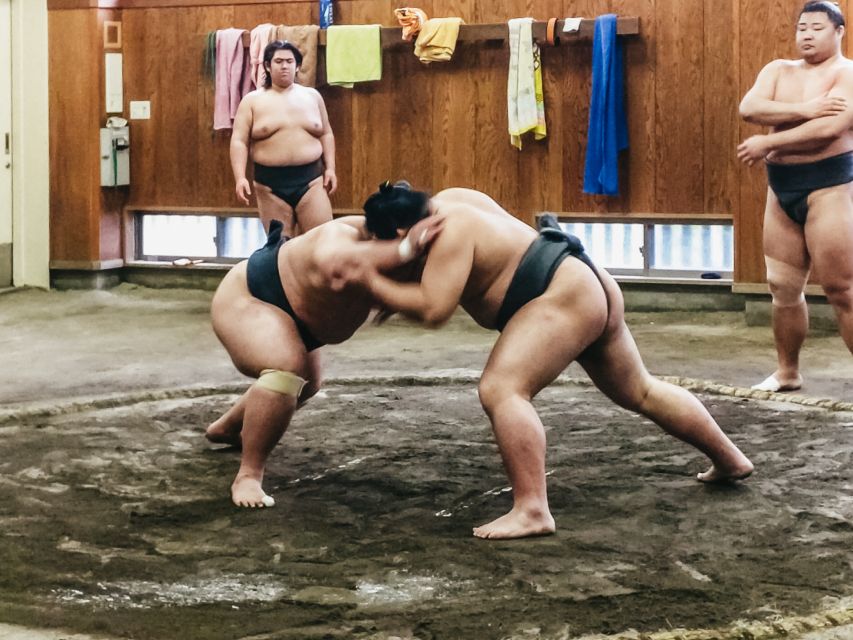
Seeing sumo inside a real Tokyo stable is far different from watching a tournament from the far side of a large arena. You sit close to the clay ring as professional wrestlers stretch, practice their movements, and collide with startling force. The quiet, serious setting is the main attraction.
I like two things here: you get an authentic working practice, not a staged show, and the group picture gives you a lasting souvenir. The main drawback is that the visit can involve a long period of sitting still on the floor, with little explanation from the host once you enter.
In This Review
- Key points to know before booking
- Entering a working sumo stable in Tokyo
- What the morning training actually looks like
- The rules inside the stable
- Floor seating and the best place to sit
- How much explanation will you receive?
- The group picture with the wrestlers
- Is $77 a fair price?
- Who will enjoy this most?
- Booking, cancellation, and practical timing
- Should you book the Tokyo sumo training visit?
- FAQ
- Where does the sumo training visit meet?
- How long does the activity last?
- Can I choose which sumo stable to visit?
- Is the tour conducted in English?
- Can I take photographs or record video?
- Do I get a photo with the sumo wrestlers?
- What should I bring?
- Is hotel pickup available?
Key points to know before booking
- The meeting place arrives late: Your actual stable and meeting instructions are normally sent by email about three days before your visit.
- The training is real: You watch active wrestlers practice, warm up, and sometimes spar, rather than attend a performance made for tourists.
- Silence matters: Keep your phone silent, avoid conversation and movement, and follow the stable’s rules closely.
- The floor is your seat: Ask in advance about a chair if your knees or back make floor seating difficult.
- Tournament months change the timing: In January, May, and September, practice may last only about 30 minutes.
- The photo comes at the end: Leave early and you may miss the group picture with the wrestlers.
Entering a working sumo stable in Tokyo
The first part of this experience is less polished than a standard sightseeing tour, and that is part of the deal. You are not heading to a fixed tourist attraction with a permanent ticket desk. You meet a host or greeter, enter the stable with that person, and take your place in the viewing area.
This arrangement makes the last-minute meeting information especially important. The Google Maps location may show a different place, and the meeting point is decided according to the day’s stable schedule. Check the voucher and the separate confirmation email, not just the automatic account page. The final instructions usually arrive two to three days before the visit.
Do not arrive early and ring the doorbell or walk inside. Check-in begins at the stated meeting time. If you have trouble, use the phone number in your confirmation email. That number has provided quick help when people had trouble finding the stable or were delayed.
Specific stable requests cannot be accommodated. All of the possible stables are in Tokyo, but the precise neighborhood and route are only confirmed shortly before the date. Build in extra time for the journey, especially since missing the start can mean missing part of the training.
An optional one-way hotel transfer is available for hotels within Tokyo’s 23 wards. It is limited to four passengers, the driver speaks Japanese rather than English, and pickup must be from a hotel with a front desk. You need to send the hotel name, check-in date, booking name, and a Japanese mobile number after booking. The pickup time arrives by email at least one day before the visit, and a no-show ten minutes after that time counts as a waiver.
More sumo mornings:
- Tokyo: Sumo Show Experience with Chicken Hot Pot and a Photo
★ 4.8 · 6,678 reviews - Tokyo: Sumo Show and Dining Experience
★ 4.8 · 2,742 reviews - the SUMO show
★ 5.0 · 1,960 reviews
What the morning training actually looks like
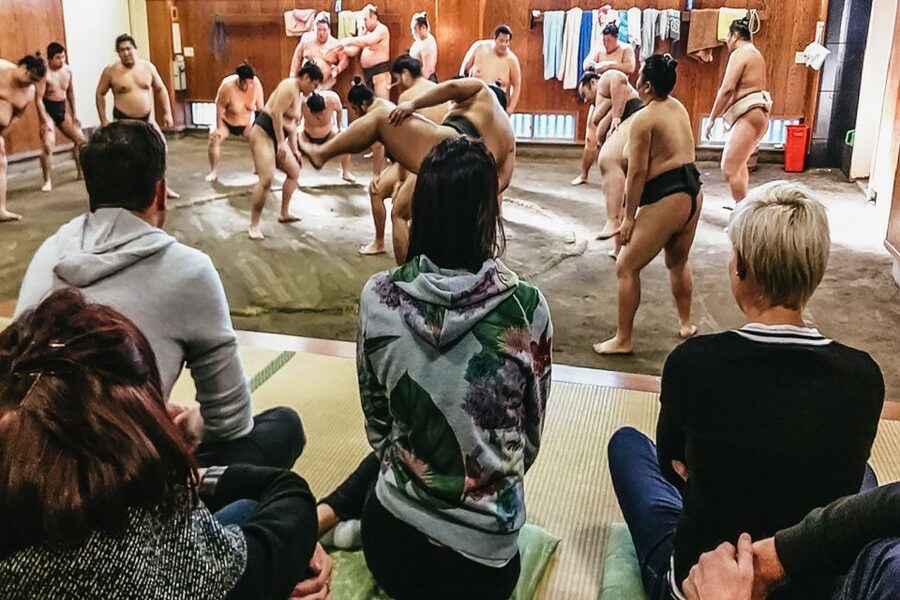
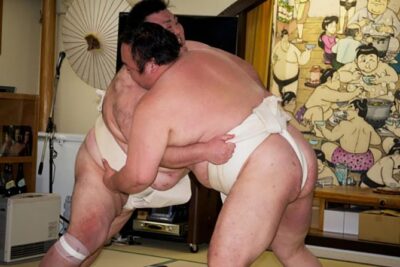
Once inside, you watch from the edge of the practice area. The wrestlers may begin with warmups and repeated drills before moving into more demanding work. You might see stretching, stance practice, pushing exercises, and bouts of sparring. The sound of bodies hitting the clay gives the session a force that photographs cannot capture.
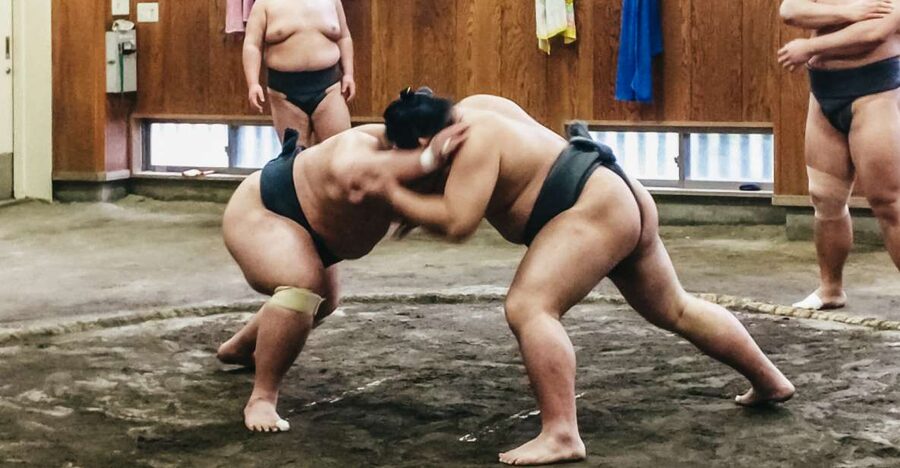
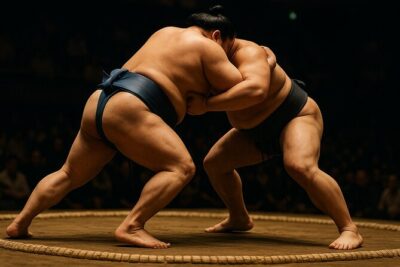
The best moments are often the small technical ones. Sumo is not simply about size. You can watch wrestlers work on balance, foot placement, timing, grip, and the ability to drive an opponent backward. Even without commentary, repeated practice helps you see that the sport depends on control as much as strength.
The practice is not arranged like a show. There may be periods when only a few wrestlers are active, or when the work looks slower and more deliberate than you expected. On another day, the sparring can be intense enough that you will want another hour. The wrestlers’ condition and the stable’s schedule can change the session.
The advertised duration is one hour, and normal training is usually about 60 minutes. Actual sessions have sometimes lasted 90 minutes or longer, and some have continued for two or even three hours. That longer period may be good news if you want to watch every stage, but it can be tough if you have knee trouble or a tight morning schedule.
During the Tokyo Grand Sumo Tournaments in January, May, and September, practice may be cut to about 30 minutes. This is a key point when choosing your date. The shorter session is not refunded, so do not book this visit during a tournament month assuming you will receive a full hour of training.
The rules inside the stable
This is a place of work and discipline, not a noisy photo attraction. Talking loudly, making sounds, or distracting the wrestlers is prohibited. Put your phone on silent, and do not eat or drink inside.
Hats and sunglasses are not allowed. Large bags and luggage should stay behind, and smoking indoors is forbidden. Bring a face mask or protective covering as requested for the activity.
Photography has limits. Flash photography is forbidden, and videos require permission in advance. Do not assume that a phone recording is acceptable. Still pictures are part of the experience, but use your camera quietly and only when permitted.
You may also be expected to sit with your feet positioned respectfully away from the training area. Avoid leaning on walls, shifting around, or leaving without a good reason. The stable’s staff may react firmly if visitors disturb the wrestlers.
That sounds strict because it is strict. The rules protect the practice and help explain why this feels different from a regular cultural demonstration. If you want a casual morning with conversation, snacks, and constant photography, this is not the right choice.
Floor seating and the best place to sit
The viewing area is usually arranged around the practice ring, with free seating. Arrive late and you may end up in the back, where people in front can block part of the action. Getting there on time is not only polite. It can make a real difference to what you see.
Expect to sit on the floor for most or all of the visit. Some people find this comfortable enough for an hour, while others struggle after 90 minutes or more. A few sessions have required visitors to sit still for roughly two hours, and there may be no convenient chance to stand, move around, or use a toilet.
If you have knee, hip, or back problems, ask ahead of time if a chair can be arranged. Do not count on chairs being available when you arrive. This is especially important for older visitors and anyone who cannot kneel or sit cross-legged for a long period.
Children can find the training fascinating because the action is close and easy to see when seated near the ring. Still, you know your child best. The requirement to remain quiet and still may be harder than the sumo itself.
A few more Tokyo bookings worth comparing
- Tokyo: Sumo Morning Practice Viewing Tour
★ 4.8 · 570 reviews - Tokyo: Sumo Morning Practice Tour at Sumida City
★ 4.8 · 308 reviews - Tokyo Sumo Morning Practice Tour at Stable
★ 5.0 · 298 reviews - Tokyo Ryogoku Sumo Morning Practice + Photo Shoot with Wrestlers
★ 4.5 · 277 reviews
How much explanation will you receive?
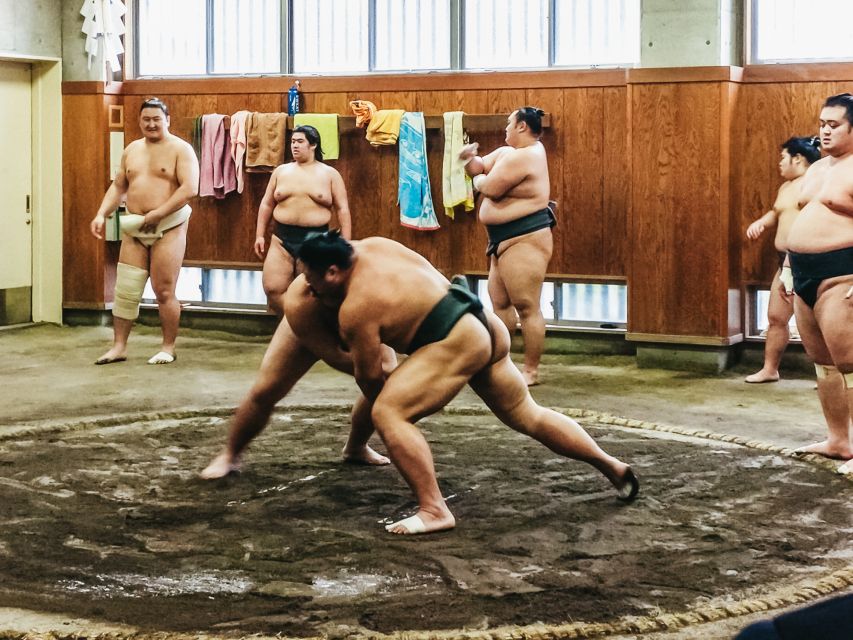
The booking includes an English-speaking host or greeter, but you should keep your expectations modest. The host may help you find the stable, check your name, explain the basic behavior rules, and organize the group picture. Several experiences have included little or no spoken background once the training began.
That means you may not receive a clear explanation of the rituals, drills, ranking system, training routine, nutrition, or the path to becoming a professional wrestler. English ability can also vary, and communication has occasionally been limited.
I would read a little about sumo before arriving. Knowing the difference between warmups, pushing drills, and sparring will help you follow the session. You will also get more from the rituals and gestures if you understand that this is an established training practice, not a contest staged for the group.
This limited commentary is the activity’s clearest weakness. It is also why some people find the experience more authentic. You are watching the stable operate on its own terms, rather than having every moment translated into a lesson.
The group picture with the wrestlers
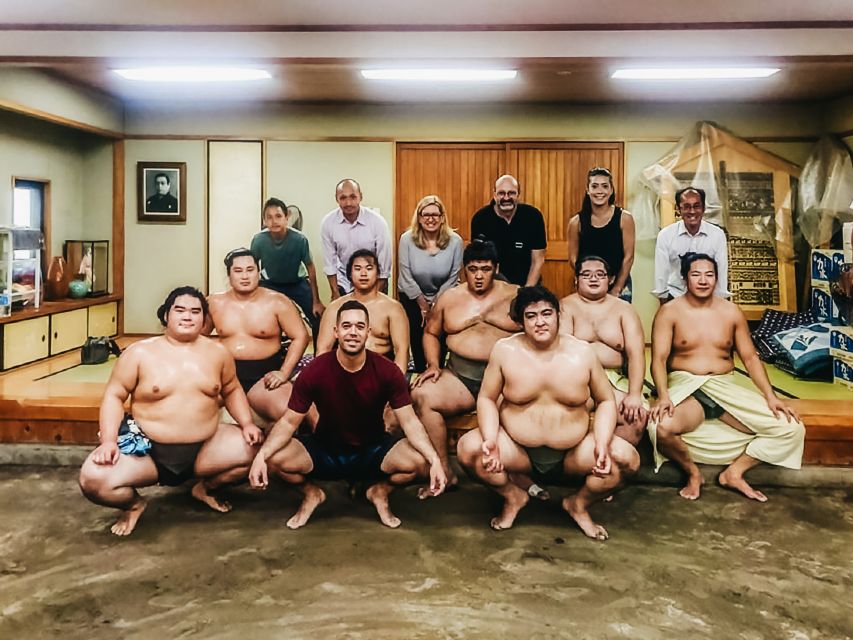
At the end, you normally get the chance to take a group picture with the wrestlers. This is included in the $77 price and gives the visit a clear finish after the quiet observation period.
The photo is not guaranteed if you leave before training ends. Plan to stay through the final moments, even if the practice has run longer than expected. The picture is usually taken with each group in turn, so be ready to follow instructions and keep the process moving.
Treat this part with the same respect as the training. Keep the camera flash off and wait for permission before taking extra pictures or attempting video. The chance to stand beside professional wrestlers is memorable, but it should not turn the stable into a noisy photo studio.
Is $77 a fair price?
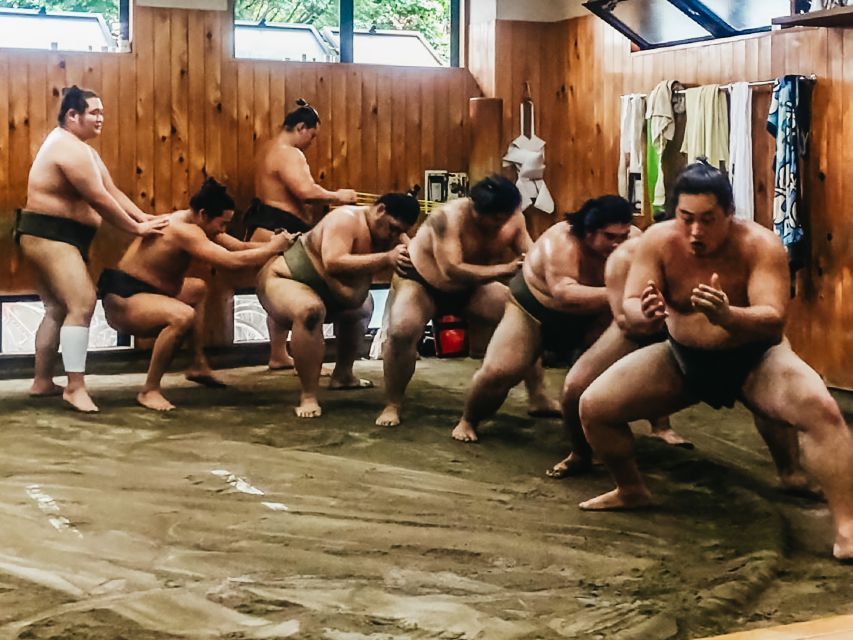
At $77 per person for about an hour, this is not the cheapest cultural activity in Tokyo. You are paying for access to a working sumo stable, a host who gets you inside, and a close view of professional training that is difficult to arrange independently.
The value depends on what you want. If you want to watch an actual tournament bout, this is not a substitute for a ticket to the Tokyo tournament. A tournament gives you a full day of matches, ceremony, and competition, while this visit shows the preparation behind the sport.
If you want to see sumo up close, the price makes more sense. The wrestlers may be only a short distance away, and you can see the effort, speed, balance, and physical impact in a way that a large arena seat cannot provide. The included group photo adds some value, though the limited explanation and uncertain session length keep this from feeling like a polished guided tour.
During tournament months, think carefully before booking. A 30-minute warmup may still be interesting, but the shorter period makes the cost harder to justify. If your main goal is to see competitive sumo, put your money toward a tournament ticket instead.
Who will enjoy this most?
I would recommend this to anyone who values access over comfort. It suits people curious about Japanese sport, ritual, discipline, and daily training. It is also a strong choice if you have already seen temples, markets, and major sights and want a more unusual morning.
Sports fans will get the most from the repeated drills and sparring. You can watch technique develop through repetition, rather than seeing only the final few seconds of a tournament bout. People interested in photography should also enjoy the close viewpoint, provided they are happy to follow the no-flash and no-video rules.
Families can enjoy it too, but the quiet format requires realistic expectations. Younger children may be captivated by the size and sound of the wrestlers, yet they must remain quiet and seated. The experience is less suitable for anyone who needs frequent movement, food, water, or bathroom breaks.
It is also a good pick for independent-minded visitors. The English host may not provide much commentary, so you need to observe carefully and accept that some parts will remain unexplained. If you need a detailed cultural lecture, choose an activity with a dedicated guide and classroom-style introduction.
Booking, cancellation, and practical timing
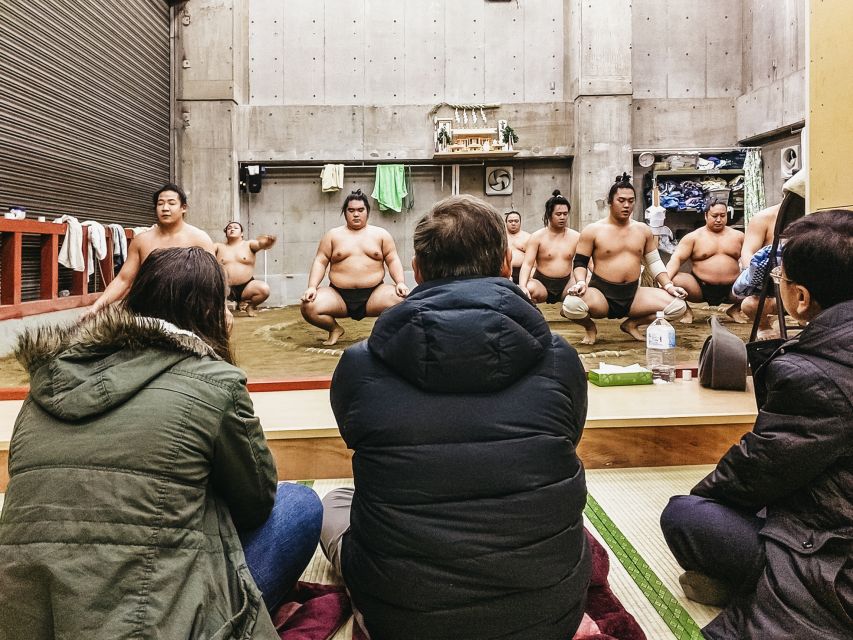
You can cancel for a full refund up to 11 days before the scheduled date. After booking, watch for the final meeting information rather than relying on the location shown by Google Maps or the automatic voucher.
The stable and start time are assigned close to the date, so keep your morning flexible. You cannot request a particular stable, and the final route may require more planning than a fixed attraction. Arrive at the stated meeting place on time, but not early enough to disturb the stable.
Wear something that allows you to sit quietly for an extended period. Leave large bags and luggage elsewhere, since they are not allowed inside. Bring your face covering, keep your phone silent, and do not bring food or drinks into the stable.
Should you book the Tokyo sumo training visit?
Book it if you want a close look at real professional practice, and if you can sit quietly on the floor while following strict rules. The strongest part is the access: you see the wrestlers warm up, work on technique, and sometimes spar at close range. The group photo is a welcome final touch.
Think twice if you need a fixed meeting location, a guaranteed full hour during tournament season, a chair, or a detailed English explanation. For the best experience, confirm the final email, arrive early enough for a good seat, request seating help in advance, and read a little about sumo before you go.
For a first look at the discipline behind Japan’s national sport, I consider this a worthwhile choice. Just book it as a quiet visit to a working stable, not as a staged show.
FAQ
Where does the sumo training visit meet?
The actual meeting place is decided about two to three days before the scheduled date. Instructions are sent by email, and the location shown on Google Maps may not be correct. Check the voucher and final confirmation for the stable and directions.
How long does the activity last?
The listed duration is one hour, and normal training usually lasts about 60 minutes. Sessions can sometimes continue for 90 minutes or longer. During the Tokyo Grand Sumo Tournaments in January, May, and September, training may last only about 30 minutes.
Can I choose which sumo stable to visit?
No. The stable and meeting point are decided according to the day’s schedule, and specific location requests cannot be accommodated. All possible stables are within Tokyo.
Is the tour conducted in English?
The activity lists English as the available language and includes an English-speaking host or greeter. The amount of explanation may be limited, and English communication can vary.
Can I take photographs or record video?
Flash photography is not allowed. Videos may only be taken with prior permission. Follow the stable’s instructions and keep phone use quiet.
Do I get a photo with the sumo wrestlers?
A group picture with the wrestlers is included. You need to stay until the end of the training session to receive it. Leaving early means you will not receive the group picture.
What should I bring?
Bring a face mask or protective covering. Do not bring food, drinks, luggage, or large bags into the stable. Hats and sunglasses are also not allowed.
Is hotel pickup available?
An optional one-way hotel transfer may be available for hotels within Tokyo’s 23 wards. Pickup is limited to four passengers, the driver speaks Japanese, and the hotel must have a front desk. You must send your hotel details and a Japanese mobile number after booking.
New on our Tokyo list
- From Tokyo: Mount Fuji & Hakone Full Day Private Tour★ 4.9 · 25 reviews
- Tokyo Spectacular View Day-Cruise in 90 Minutes★ 5.0 · 25 reviews
- Real Tokyo Runner Club : Daikoku Car Meet Night Tour with JDM Car★ 5.0 · 25 reviews
- 2.5 Hour-Guided Cycle Tour in the Central Tokyo★ 5.0 · 25 reviews
- Tokyo: 2-Hour Night Bike Tour of the City’s Hidden Gems★ 4.9 · 25 reviews
- Ramen Making from Scratch +Akihabara Tour –Cooking Class★ 5.0 · 25 reviews
- [Self-Drive] Tokyo & Daikoku Custom Car Driving Tour★ 4.9 · 25 reviews
- Samurai themed Entertainment show in Shinjuku★ 4.5 · 25 reviews
Sumo Experiences, compared.
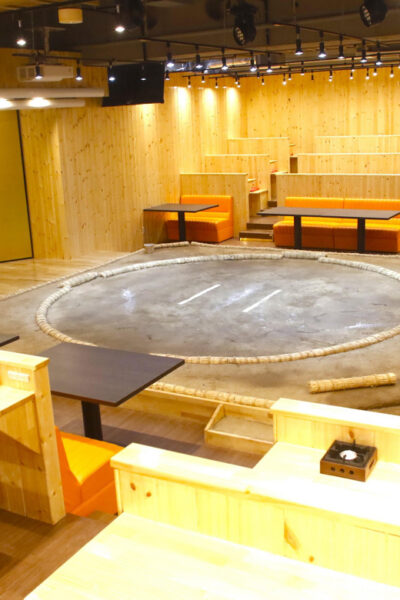
Sumo Show Experience with Chicken Hot Pot and a Photo
Read our review →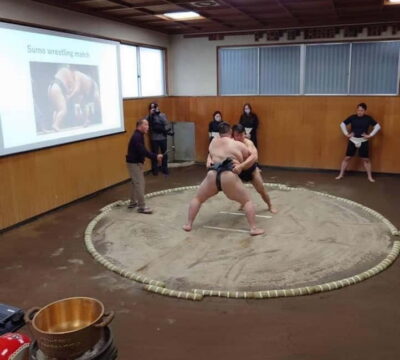
Tokyo Shinjuku Sumo Show & Experience with Photo
Read our review →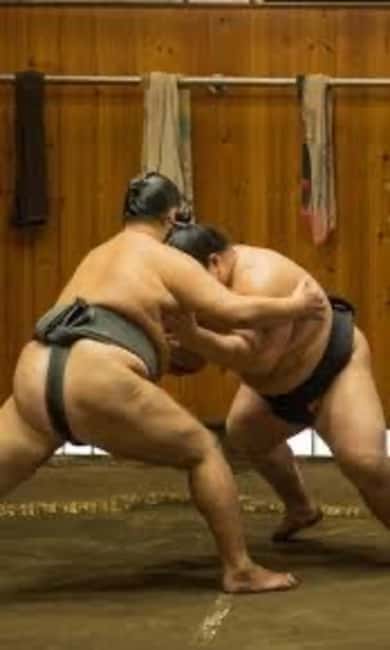

Authentic Sumo Experience in Tokyo: Enter the Sanctuary
Read our review →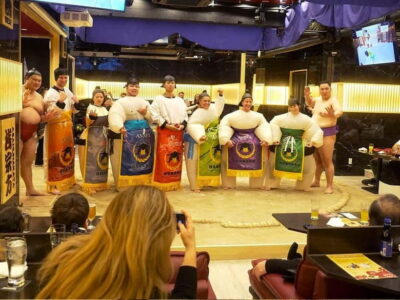
Luxury Sumo Show Experience & Japanese cuisine & Drink
Read our review →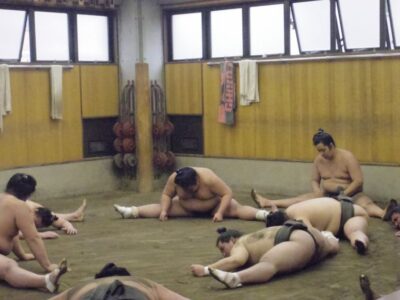
Browse the lists this tour appears in