
Reviewed · SUSHI EXPERIENCES
Shibuya Hands On Sushi Making Class with Chef
Sushi looks simple until you try to shape it. This 90-minute Shibuya class gives you a friendly introduction to the small movements that turn seasoned rice, fish, and seaweed into nigiri, maki, and gunkan sushi. Chef Tero leads the session, and the finished pieces become your meal.
I like the small maximum of six people, which gives the class a personal feel instead of turning it into a crowded demonstration. I also like the family-friendly approach. One family described Tero as especially good with children, and everyone made attractive sushi by the end. The main consideration is time: 90 minutes is enough for a lively introduction, but not a full professional sushi course.
In This Review
- Key points at a glance
- Why make sushi in Shibuya?
- Meeting Chef Tero and getting started
- Learning the rice and the toppings
- Shaping nigiri, maki, and gunkan
- Eating what you made
- A strong choice for families
- What the $43.18 price includes
- Timing, booking, and cancellation
- What this class does especially well
- Limits to keep in mind
- Who should book this sushi class?
- Should you book the Shibuya sushi class?
- FAQ
- Where does the sushi-making class meet?
- Where does the activity finish?
- How long does the experience last?
- How much does the class cost?
- How many people can join the class?
- What types of sushi will I make?
- Who leads the class?
- Can I cancel for a full refund?
Key points at a glance
- Chef Tero leads the class: You learn directly from a professional sushi chef in a relaxed group setting.
- Three sushi styles: Practice nigiri, maki, and gunkan, with more than seven types of toppings.
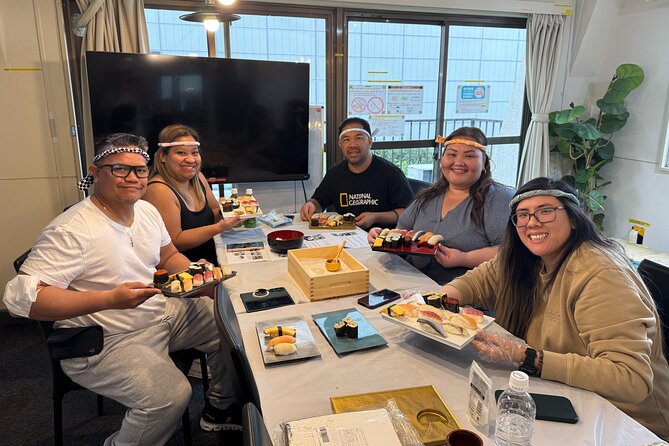
- A real meal at the end: You eat the sushi you make while chatting and taking photos.
- Small group size: The class accepts a maximum of six people, useful for families and small groups.
- Tokyo location: Meet at 2-chōme-14-6 Shibuya, Tokyo, near public transportation.
- A practical souvenir: You receive a traditional Japanese tenugui hand towel after the class.
Why make sushi in Shibuya?
Shibuya is usually linked with giant screens, shopping, and crowded crossings. This class offers a quieter reason to spend part of your time in the district: you get to work with a chef and learn a food skill you can remember long after the neon fades.
I like food activities that explain what you are eating rather than simply placing a finished dish in front of you. Here, you handle the rice, toppings, and seaweed yourself. That makes the final meal more satisfying, even if your first nigiri is slightly lopsided.
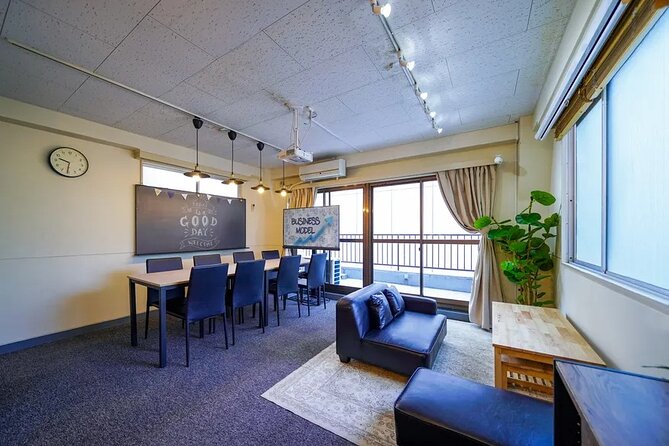
The meeting point is 2-chōme-14-6 Shibuya, Tokyo 150-0002, and the activity returns to that same location. Since the class is near public transportation, it can fit neatly into a day of sightseeing in Shibuya. Still, give yourself time to find the address, especially if you are arriving with children or carrying shopping bags.
More sushi mornings and classes:
- Sushi Making Tokyo Roll and Authentic Japanese Sushi Class
★ 5.0 · 3,971 reviews - Tokyo: Roll and Authentic Sushi Making Class in Asakusa
★ 4.9 · 1,957 reviews - Make Sushi and Create Unforgettable Memories in Tokyo
★ 5.0 · 1,413 reviews
Meeting Chef Tero and getting started
The class begins with a professional sushi chef guiding the group through the basics. Chef Tero’s role is hands-on rather than purely performative. You do not just watch a chef prepare an elegant plate while you stand at a distance. You take part in the process.
You can expect an introduction to sushi making, including the importance of well-seasoned rice and careful shaping. The rice is the foundation of every piece. If it is poorly seasoned or handled too roughly, the topping cannot rescue it. This is one of the most useful lessons for first-time sushi makers.
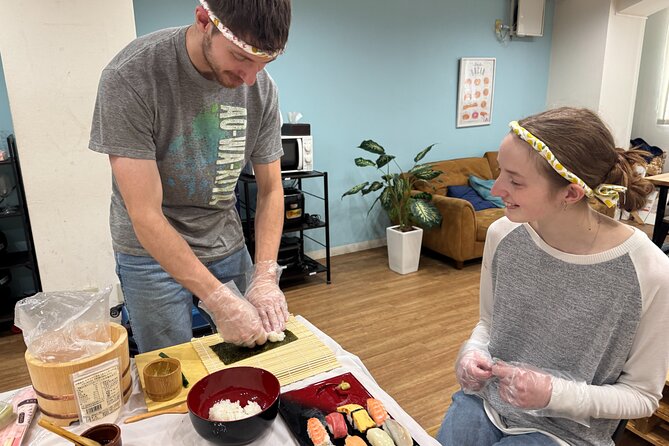
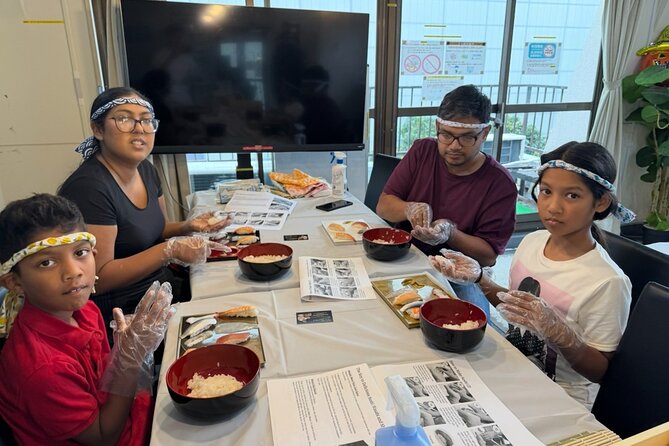
The class also includes a traditional hachimaki, or Japanese headband, to wear during the session. It is a small touch, but it helps turn a cooking lesson into an occasion. It also makes for cheerful group photographs, especially if you are booking this as a family activity.
Because the group is limited to six people, you should have more room to follow instructions and ask for help. A smaller class also matters when you are working with sticky rice and delicate toppings. You will have a better chance to see what the chef is doing and correct your technique before moving on.
Learning the rice and the toppings
Sushi making begins with more than placing fish on rice. You learn how seasoning affects the rice and how to handle it without crushing the grains. The supplied details do not give a full recipe or list every seasoning step, so you should think of this as a practical introduction rather than a technical chef-training session.
The class uses more than seven types of high-quality neta, the Japanese term for sushi toppings. Tuna and salmon are included, along with traditional choices such as gizzard shad. That variety gives you a chance to compare different colors, textures, and flavors as you work.
Gizzard shad is a particularly useful inclusion. It shows that sushi is not limited to the familiar tuna and salmon found on many international menus. You get a small look at the broader range of ingredients used in Japanese sushi.
The exact topping selection may vary, since the available information does not promise a fixed menu for every session. I would treat the named fish as examples of what you can expect, not as a guarantee that every listed topping will be served on every date.
Shaping nigiri, maki, and gunkan
The central part of the class covers three distinct forms of sushi. Each one tests a different skill.
Nigiri is the cleanest lesson in proportion. You shape a small mound of seasoned rice and place a topping over it. The goal is to create a piece that holds together without becoming a dense rice brick. Your first attempt may look more rustic than the chef’s, which is part of the fun.
Maki introduces rolling. Rice and fillings are wrapped in seaweed, then cut into individual pieces. Rolling takes coordination, and the amount of rice matters. Too much can make the roll difficult to close, while too little may leave it loose. A chef’s guidance is valuable here because small changes in pressure affect the final shape.
Gunkan has a different look and purpose. The rice is wrapped with seaweed to create a small cup that can hold a topping. It gives you another way to work with sushi ingredients and helps break up the class so you are not repeating one technique for the whole 90 minutes.
You make more than seven pieces in total. That is enough to practice several techniques and finish with a proper tasting, though the experience is not designed as a large meal. If you arrive very hungry, keep your expectations sensible. This is a cooking class with a meal, not an all-you-can-eat sushi session.
More Shibuya plans:
- Official Street Go-Kart in Shibuya
★ 5.0 · 3,435 reviews - Tokyo: Street Kart Experience in Shibuya
★ 4.9 · 1,484 reviews - Shibuya Meltdown Nightlife Tour: All-You-Can-Drink Bar Hopping
★ 5.0 · 1,058 reviews - Shibuya Official Street Go-Kart in Shibuya Annex
★ 5.0 · 972 reviews
Eating what you made
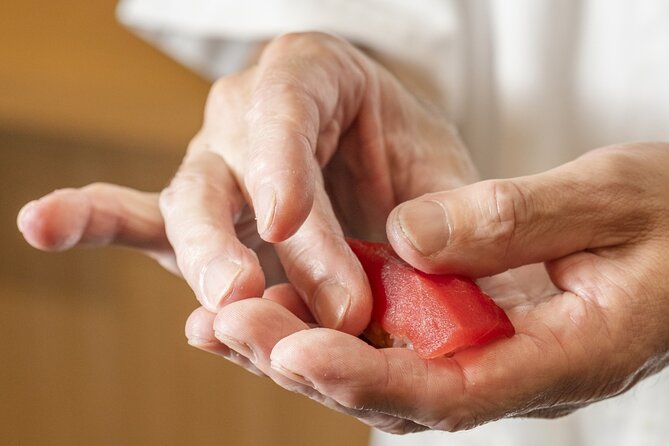
The reward comes at the end, when you sit down with your group and eat the sushi you created. This changes the mood from lesson to shared meal. You can chat, compare shapes, and take photographs before the plate disappears.
I like this format because it connects the activity to the food itself. You notice the rice more closely after shaping it. You also gain a better sense of how much effort goes into making a neat piece of sushi, even when the final product looks modest.
The food is described as using high-quality toppings, and the available comments specifically praise the freshness of the fish. That is an important point for a sushi class. The lesson would lose much of its appeal if the ingredients were an afterthought.
Still, do not expect a formal restaurant tasting with a long menu or elaborate service. You are eating your own work in the same small group. The pleasure comes from the process and the shared result.
A strong choice for families
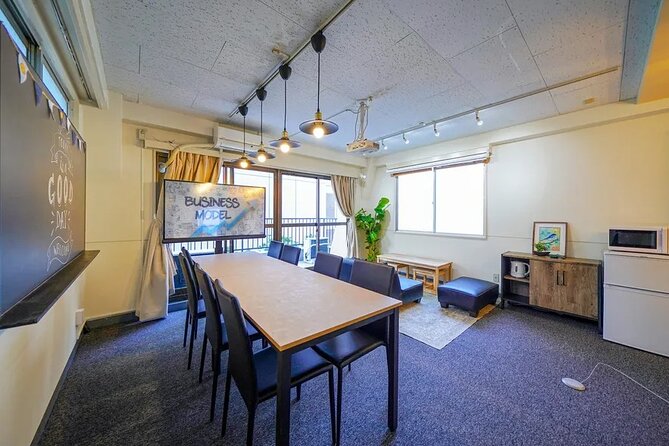
This class suits families particularly well. The group size is small, and Chef Tero has been described as friendly and good with children. The activity gives younger participants something to do with their hands, rather than asking them to sit through a long explanation.
Children can wear the hachimaki, shape their own sushi, and take part in the final meal. The class also provides a clear sense of progress. You begin with rice and toppings, then finish with several recognizable sushi pieces.
Parents should remember that this is still a food preparation class. The supplied information does not state an age range, allergy policy, or specific accommodations. If those details matter to your family, ask before booking. The class may be a good fit for children who enjoy hands-on activities, but you should confirm any dietary needs in advance.
Adults without children can enjoy it just as easily. Couples, friends, and solo participants who like Japanese food will get a direct look at a familiar dish. The small group limit should also make it easier for people who prefer a social activity without a large crowd.
What the $43.18 price includes
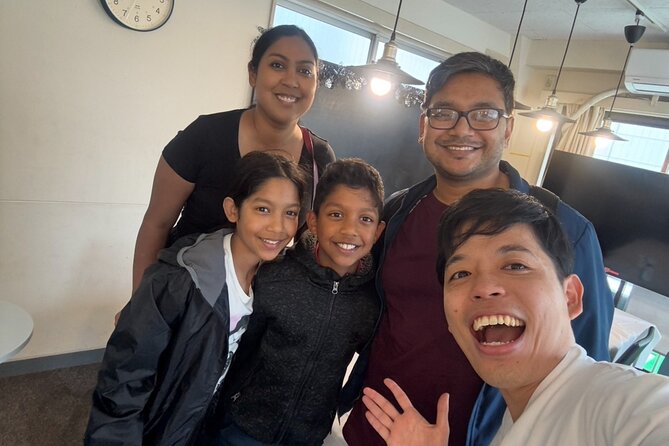
At $43.18 per person, the value depends on what you want from a food experience. You are paying for about 90 minutes with a professional chef, hands-on instruction, the ingredients for more than seven pieces, the chance to eat your sushi, and a traditional tenugui towel to take home.
That is a fair package for someone who wants more than a quick meal. The souvenir adds a practical reminder of the class, and a tenugui is more useful than a novelty trinket. You can use it as a hand towel, cloth, or small travel item after returning home.
The price may feel less attractive if you only want the cheapest sushi lunch in Tokyo. You could spend less on food alone, depending on where you eat. This experience earns its value through participation, guidance, and the memory of making the dish yourself.
The small group also helps justify the cost. A maximum of six people means the class is not built around moving a large crowd through a standard demonstration. You are buying personal attention as well as ingredients.
Timing, booking, and cancellation
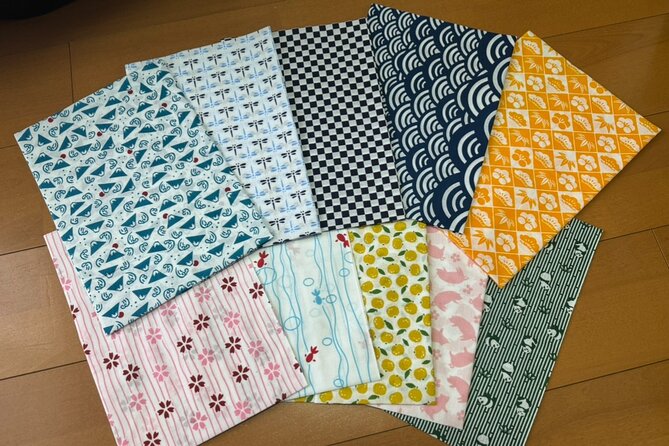
The activity lasts approximately one hour and 30 minutes, so it is easy to place between other plans. Since it begins and ends at the same Shibuya meeting point, you do not need to arrange a separate return journey.
Confirmation is provided within 48 hours of booking, subject to availability. The experience is often booked about 15 days ahead, so I would avoid leaving it until the last minute if your Tokyo schedule is tight.
A mobile ticket is provided, which keeps the booking simple while you are moving around the city. The experience has free cancellation if you cancel at least 24 hours before the start time. Cancellations or changes made inside that 24-hour window are not refunded or accepted.
The class requires a minimum number of participants. If that minimum is not met and the activity is canceled, you are offered another date or experience, or a full refund. That policy gives you some protection, but it is still wise not to place an important same-day plan immediately after the class.
What this class does especially well
The strongest part of the experience is the combination of instruction and shared eating. You are not simply shown how sushi is made, and you are not only served a meal. You learn a few basic forms, make your own pieces, and then taste the result.
Chef Tero’s manner is another advantage, particularly for families. A cooking class can become awkward if the instructor is too formal or rushes through the steps. The available feedback points to a warm approach and clear help for children.
The freshness of the fish also matters. Tuna, salmon, and gizzard shad give you a useful range of familiar and more traditional toppings. You can focus on technique without wondering if the ingredients are merely there for show.
The small size is perhaps the most practical benefit. Six people is enough for conversation, but small enough that the session can feel personal. It should also make the class more comfortable for first-time sushi makers who need a second attempt at rolling or shaping.
Limits to keep in mind
This is a short workshop, not a full education in Japanese culinary culture. You will learn key sushi basics, but you should not expect advanced knife skills, a long lecture on regional sushi, or professional certification. The supplied details focus on seasoning rice, shaping sushi, and enjoying the finished pieces.
The 90-minute length also means the pace may feel brisk. You make several forms of sushi and use a broad selection of toppings in a limited time. If you want a slow, highly technical session, this may feel more introductory than you hoped.
The food information is useful but not exhaustive. No allergy guidance, vegetarian menu, age policy, or accessibility details are provided. I would contact the provider before booking if you have dietary restrictions or need a particular arrangement.
Finally, the meeting point is given as a street address rather than a named attraction. Near public transportation is helpful, but you should still check the route and allow time to locate the exact entrance. A few extra minutes can prevent a rushed start.
Who should book this sushi class?
I would recommend it to first-time visitors who want a cultural activity that is easy to fit into a Tokyo itinerary. It works especially well for families, since children can take part in nearly every stage and Chef Tero is experienced at helping younger participants.
It is also a good pick for anyone who enjoys food but does not want a formal, intimidating lesson. The class covers recognizable sushi styles, uses appealing ingredients, and finishes with a meal you helped create.
You may want to choose another activity if your main goal is a large sushi dinner, advanced culinary training, or a fully planned menu for dietary reasons. The class is best understood as a friendly introduction with a tasty result.
Should you book the Shibuya sushi class?
I would book this experience if you want a small, social activity with a clear beginning and end. The combination of Chef Tero, a maximum of six participants, fresh fish, three sushi styles, and a meal at the finish gives the $43.18 price solid value.
Families should give it especially close consideration. The hachimaki, hands-on shaping, photographs, and tenugui souvenir create several memorable moments without requiring a full day.
Before paying, confirm any food restrictions and check the route to 2-chōme-14-6 Shibuya. If you want a relaxed introduction to sushi making rather than a serious chef course, this is a sensible choice.
FAQ
Where does the sushi-making class meet?
The meeting point is 2-chōme-14-6 Shibuya, Tokyo 150-0002, Japan.
Where does the activity finish?
The class ends back at the meeting point.
How long does the experience last?
The activity lasts approximately 90 minutes, or one hour and 30 minutes.
How much does the class cost?
The listed price is $43.18 per person.
How many people can join the class?
The experience has a maximum of six participants.
What types of sushi will I make?
You will practice making nigiri, maki, and gunkan sushi, with more than seven types of toppings, including tuna, salmon, and gizzard shad.
Who leads the class?
A professional sushi chef leads the workshop. The available information identifies the chef as Tero.
Can I cancel for a full refund?
Yes. You can cancel at least 24 hours before the start time for a full refund. Cancellations or changes made less than 24 hours before the start time are not refunded or accepted.
More Workshops in Tokyo
- Tokyo Shinjuku Chopsticks Making Class
★ 5.0 · 1,763 reviews - Tokyo: Sushi Making Class in a Happi Coat near a Famous Spot
★ 4.9 · 1,377 reviews - Chopstick Making Workshop in Ginza
★ 4.8 · 1,366 reviews - Tokyo Sushi Making Class in Tsukiji with Professional Chef
★ 5.0 · 1,177 reviews
New on our Tokyo list
- Tokyo : Kamikaze Street Drift Ride★ 5.0 · 3 reviews
- Private Zen Meditation in English in Shinjuku, Tokyo★ 5.0 · 3 reviews
- Sumi-e Experience in a relaxing green tea shop in Tokyo★ 5.0 · 3 reviews
- Onsen Spa in Tokyo and Asakusa Bar Hopping with Local Guide★ 5.0 · 3 reviews
- Easy for everyone! Now you can play handmade mini shamisen and show off to everyone! Musical instruments, sweets and live music★ 5.0 · 3 reviews
- Tokyo: Private Tsukiji Street Food & Sake with Local Guide★ 5.0 · 3 reviews
- Mt Fuji Exploration Tour with Free Japanese Kusa Mochi from Tokyo★ 4.5 · 3 reviews
- Tokyo Tsukiji Fish Market Walking and Exploring Hidden Gems Tour★ 5.0 · 3 reviews
Sushi Experiences, compared.
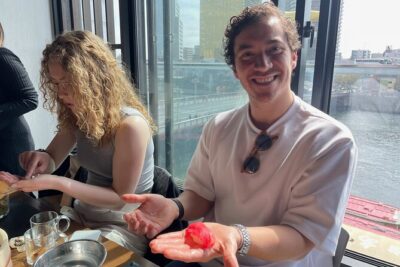
Sushi Making Tokyo Roll and Authentic Japanese Sushi Class
Read our review →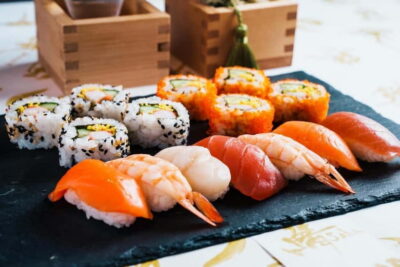
Roll and Authentic Sushi Making Class in Asakusa
Read our review →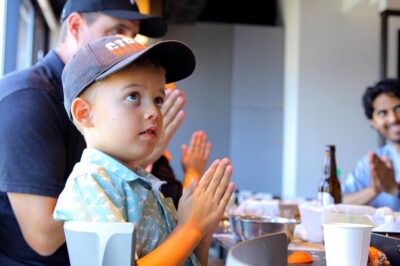
Make Sushi and Create Unforgettable Memories in Tokyo
Read our review →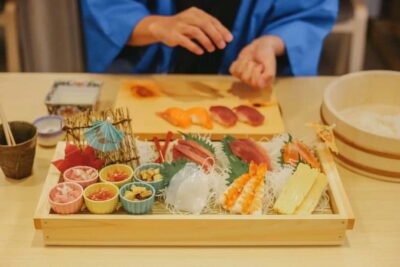
Sushi Making Class in a Happi Coat near a Famous Spot
Read our review →
Tokyo Sushi Making Class in Tsukiji with Professional Chef
Read our review →
Tokyo Night Foodie Tour in Shinjuku – Seasonal Sushi, Wagyu Beef
Read our review →
Tsukiji Fish Market Guided Tour and Sushi Making with Pro Chef
Read our review →
Tsukiji Fish Market Sushi Making Class with Pro Chef
Read our review →Browse the lists this tour appears in