
Reviewed · TEA CEREMONIES
Tea Ceremony Experience in a Private Tea Room in Shibuya
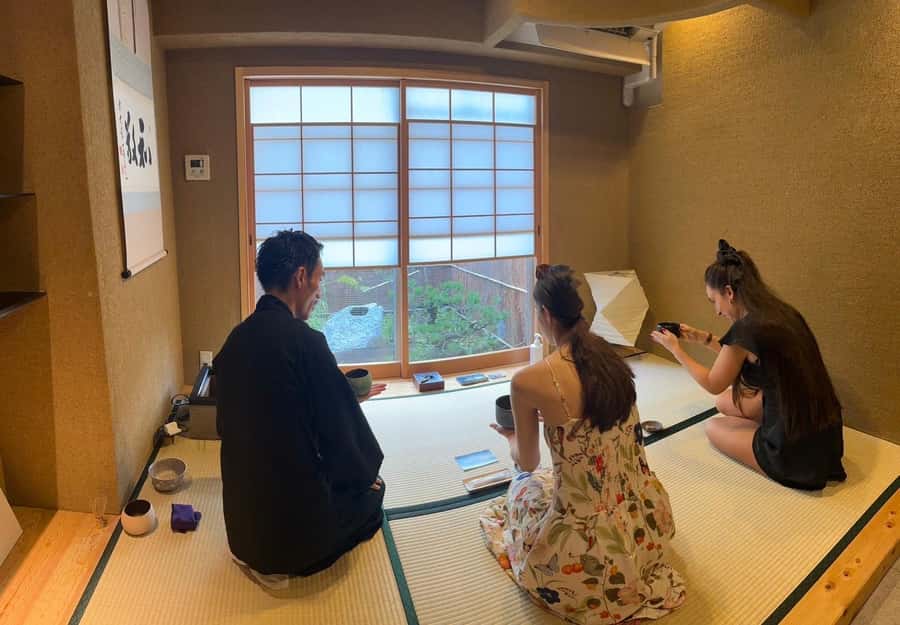
The rare treat here is not simply drinking matcha. You enter a small private tea room in the middle of Shibuya, then trade the noise of the city for the quiet pace of a formal tea ceremony. Tatsu, also referred to as Tatsuya, explains the customs, the tea-growing process, and the meaning behind each movement.
I like two things especially: the premium organic matcha, said to make up only 2 percent of Japan’s total circulation, and the chance to prepare your own cup rather than watch a demonstration from the sidelines. The sweets also come from a wagashi shop with more than 200 years of history.
The main consideration is the setting. The tea room is inside an apartment building, so the first impression may feel less grand than a historic temple. There is also no toilet in the room, and the activity is not suitable for children under 10 or pregnant women.
In This Review
- Key points to know before booking
- From central Shibuya to a quiet tea room
- What the formal tea ceremony teaches you
- The matcha tasting and traditional sweets
- Your turn to whisk matcha
- A personal guide makes the difference
- Why the apartment setting can work
- Price, timing, and who gets good value
- Matcha souvenirs and questions after the ceremony
- Who should book this Shibuya experience?
- Should you book Tea Room Kakoi?
- FAQ
- Where does the tea ceremony begin?
- How far is the meeting point from Shibuya Station?
- What is included in the price?
- Can I make my own matcha?
- What language is the experience offered in?
- Is the tea room suitable for children?
- Is there a toilet in the tea room?
Key points to know before booking
- Eight minutes from Shibuya Station: Meet at the entrance of The OneFive Tokyo Shibuya, close to Hachiko, the Scramble Crossing, and other central sights.
- A private tea room in an apartment building: The modest entrance opens into a quiet, carefully arranged room designed for tea practice.
- Tatsu leads the session: He explains tea ceremony customs, matcha production, and the proper way to make and drink the tea.
- Rare organic matcha is included: You taste a high-grade organic tea supplied by EAST GREEN MATCHA.
- You make your own bowl: After the formal serving, you whisk matcha yourself with direct instruction.
- Practical limits matter: Matcha contains caffeine, there is no toilet in the tea room, and assistance dogs are allowed but other pets are not.
From central Shibuya to a quiet tea room
Shibuya is one of Tokyo’s loudest and busiest districts. The station area is packed with department stores, giant screens, crossing crowds, restaurants, and pop-culture stops such as the Pokémon Center. That makes this activity useful as a change of pace. You do not need to travel to a remote temple or garden to learn about tea.
You meet at the front entrance of The OneFive Tokyo Shibuya, at 1-8-11 Jinnan, Shibuya-ku. Look for the guide holding a sign marked TEA ROOM KAKOI. From Shibuya Station, the walk takes about eight minutes, which is short enough to fit into a day of sightseeing.
The meeting point is worth treating seriously. Shibuya has several station exits and large crowds, so allow enough time to find the hotel entrance. The activity ends at the same meeting point, making it easy to continue sightseeing afterward or return to the station.
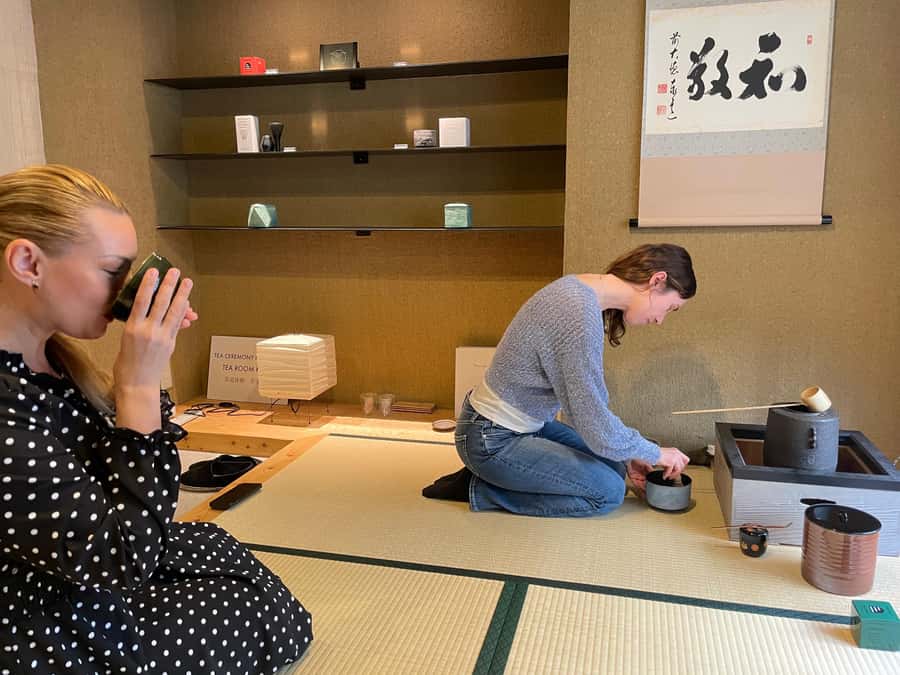
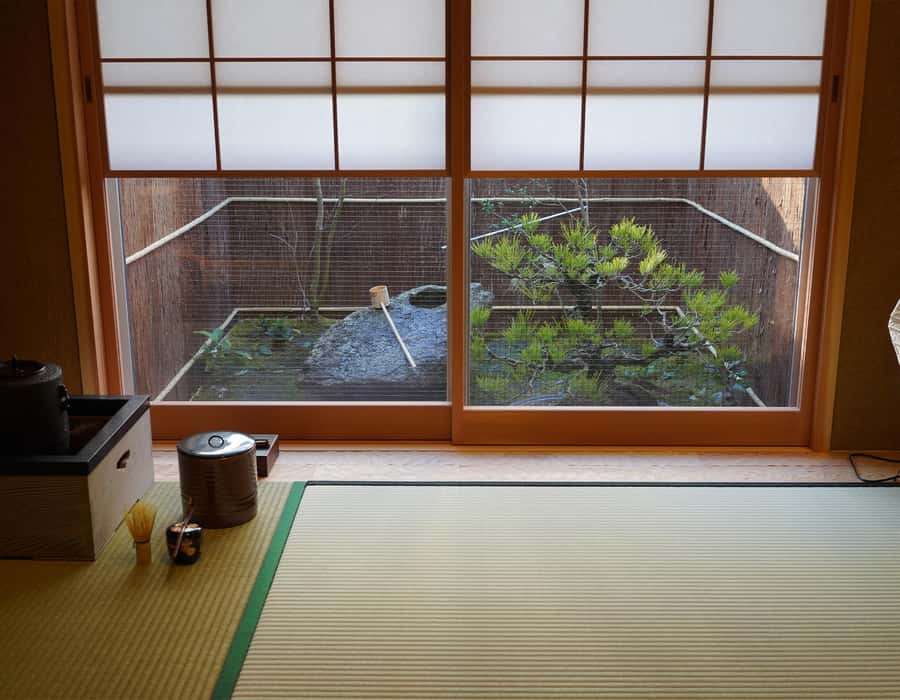
The tea room itself is in an apartment complex. That may sound ordinary, but it is part of the charm. One of the first surprises is the contrast between the plain building and the calm room inside. You leave the frantic street scene behind and enter a space arranged around concentration, courtesy, and careful movement.
More tea rooms worth booking:
- Matcha Making Class in Tokyo with Authentic Japanese Sweets Set
★ 5.0 · 744 reviews - Tokyo: Traditional Tea Ceremony with a Tea Master
★ 5.0 · 528 reviews - Tokyo: Matcha Making Experience with Mochi Sweets in Asakusa
★ 4.9 · 388 reviews
What the formal tea ceremony teaches you
This is not presented as a silent ritual where you are expected to know every rule. Tatsu first explains the basics of the Japanese tea ceremony, including its history, the role of the tea room, and the manners connected with serving and drinking matcha.
The useful part is the explanation of why the actions matter. You learn that the objects used in the ceremony are treated with care, and that the order of movements is not random. The bowl, whisk, tea, sweets, and other tools all have a place in the process.
You also receive guidance on how to drink the tea properly. That matters because matcha is not served like a regular cup of green tea. It is whisked into a fine, bright drink, and the ceremony gives you a set way to receive and enjoy it.
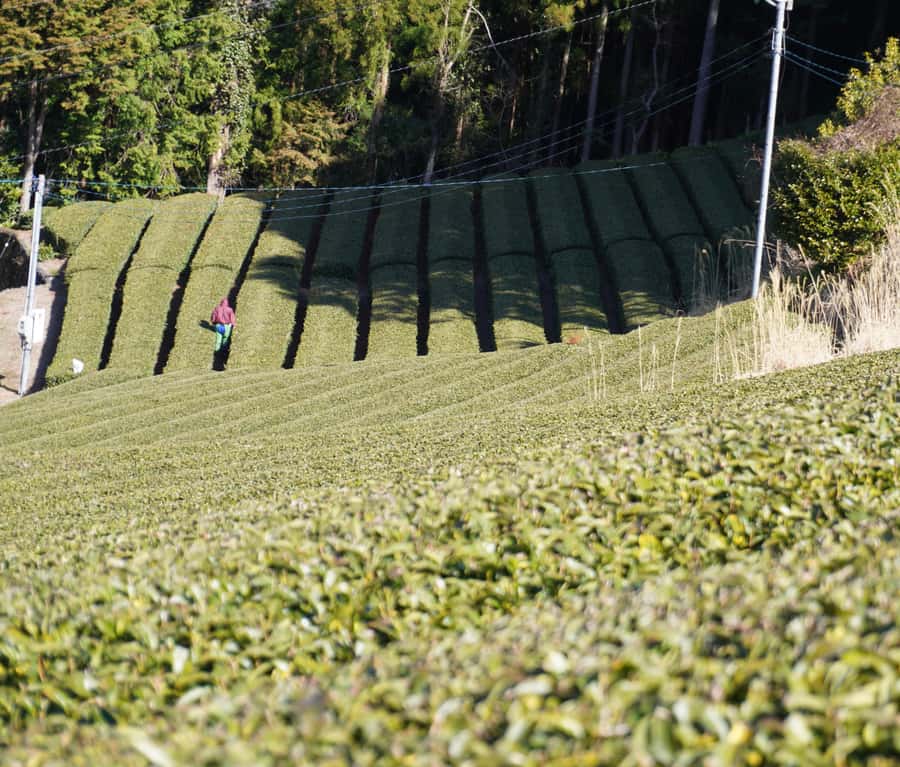
The style here is relaxed and educational rather than intimidating. Tatsu has been described as having family connections to tea farms across two generations, and that personal background gives his explanations a practical quality. He can discuss matcha not only as a ceremonial product but also as an agricultural one.
You should expect time for questions. At the end, you can ask about tea ceremony customs, how matcha is produced, and the differences between grades and types of tea. If you are curious about Japanese food traditions, farming, or etiquette, this discussion may be just as useful as the formal serving.
The matcha tasting and traditional sweets
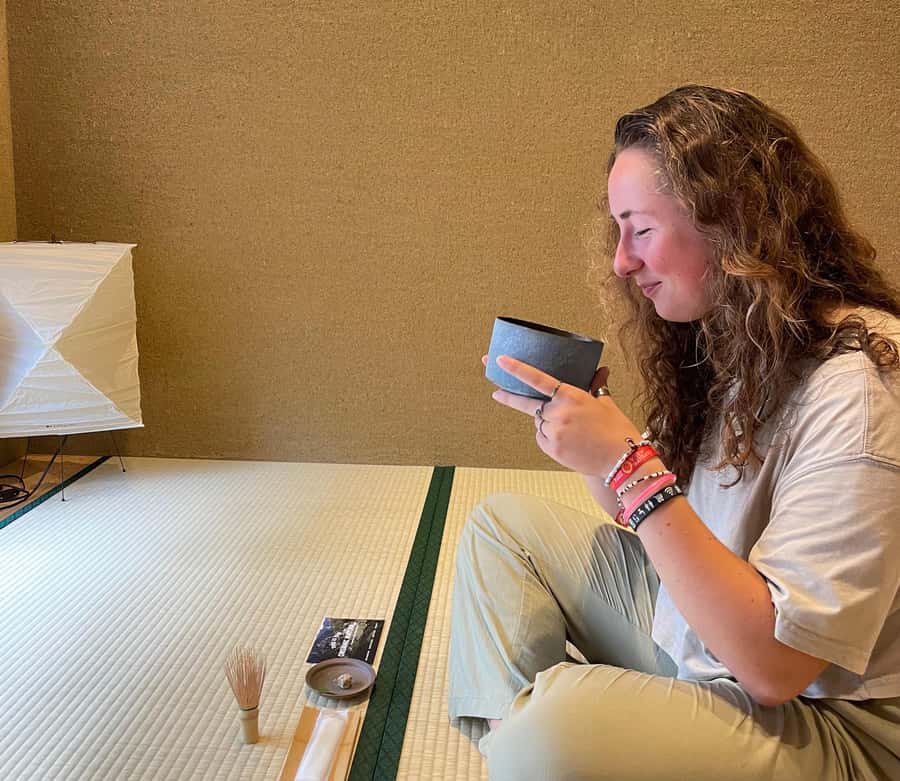
The tea included with the activity comes from EAST GREEN MATCHA, the premium organic matcha brand connected with the tea room. The tea is described as a rare, high-grade organic matcha that represents only about 2 percent of total circulation in Japan.
That figure is a useful way to understand the experience, but it does not mean you need to be a tea expert to enjoy it. The guide explains what you are tasting and gives you a point of comparison with more common matcha products.
Matcha can taste grassy, savory, sweet, bitter, or slightly astringent depending on the tea and preparation. The point of a guided tasting is that you do not have to guess what to notice. Tatsu can explain the flavor, texture, and preparation as you drink.
A traditional Japanese sweet is served with the tea. These sweets come from a long-established wagashi shop with more than 200 years of history. The sweet is not just a snack on the side. In Japanese tea practice, it helps prepare your palate for the bitterness of the matcha.
I like this pairing because it gives the ceremony a clear rhythm. First, you learn. Then you receive the tea and sweet in the formal style. The flavors work together, and you get a better sense of why wagashi is part of the tea experience.
The matcha contains caffeine, so keep that in mind if you are sensitive to it or planning several coffee and tea stops in the same day. The amount served is not specified, but the tea is a concentrated drink rather than a large mug.
Your turn to whisk matcha
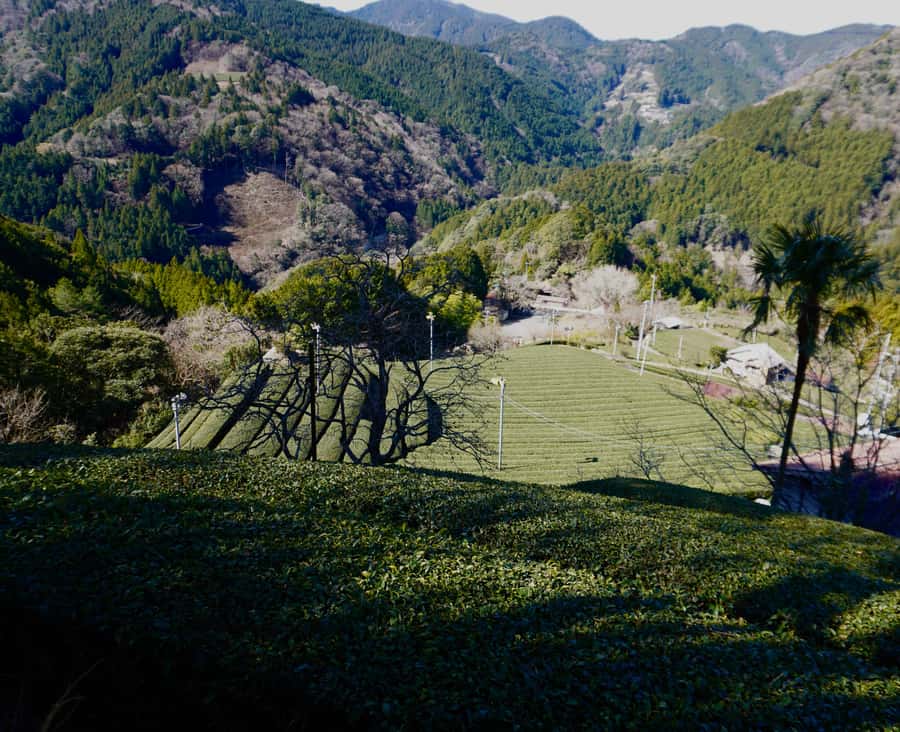
The activity becomes more hands-on after the formal serving. Tatsu guides you through the process of making your own matcha, showing you the techniques and explaining their significance.
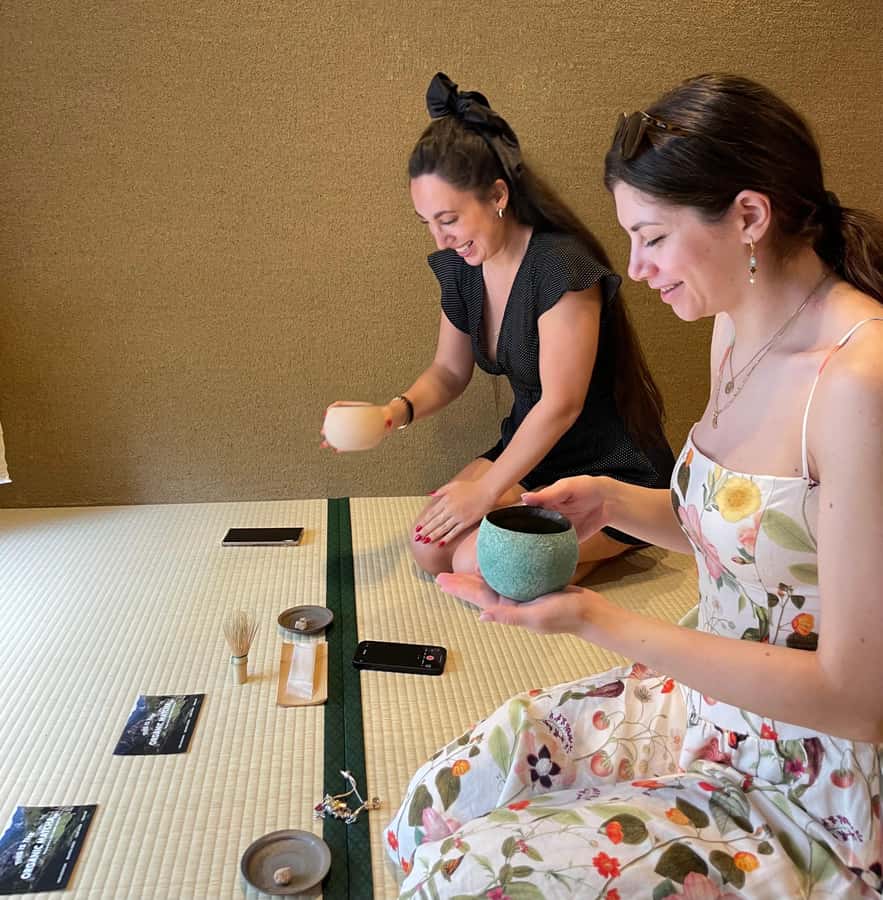
You are not left to figure out the tools alone. The host gives you direct instruction so you understand how the tea is prepared and how to create the froth. This makes the experience more memorable than a simple tasting, since you take part in the central skill yourself.
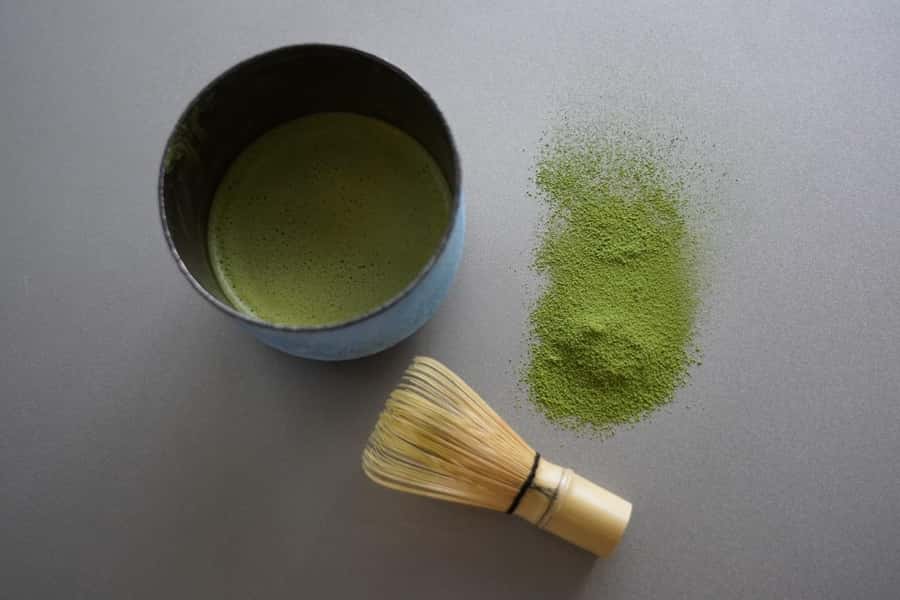
The practical lesson also helps you appreciate the work behind a good bowl of matcha. The tea powder must be combined with water and whisked properly. Small changes in movement affect the texture, and the finished drink should have a smooth, frothy surface.
Do not approach this as a test. The atmosphere is designed for learning, and the guide is patient with beginners. You can ask questions while you prepare the tea, then drink what you have made using the manners explained earlier.
This is one of the best reasons to choose this activity over a short cultural demonstration. You get both sides of the experience: the formal ceremony as an observer and the preparation as a participant. It gives you a better understanding of the care behind the ritual.
More Shibuya plans:
- Official Street Go-Kart in Shibuya
★ 5.0 · 3,435 reviews - Tokyo: Street Kart Experience in Shibuya
★ 4.9 · 1,484 reviews - Shibuya Meltdown Nightlife Tour: All-You-Can-Drink Bar Hopping
★ 5.0 · 1,058 reviews - Shibuya Official Street Go-Kart in Shibuya Annex
★ 5.0 · 972 reviews
A personal guide makes the difference
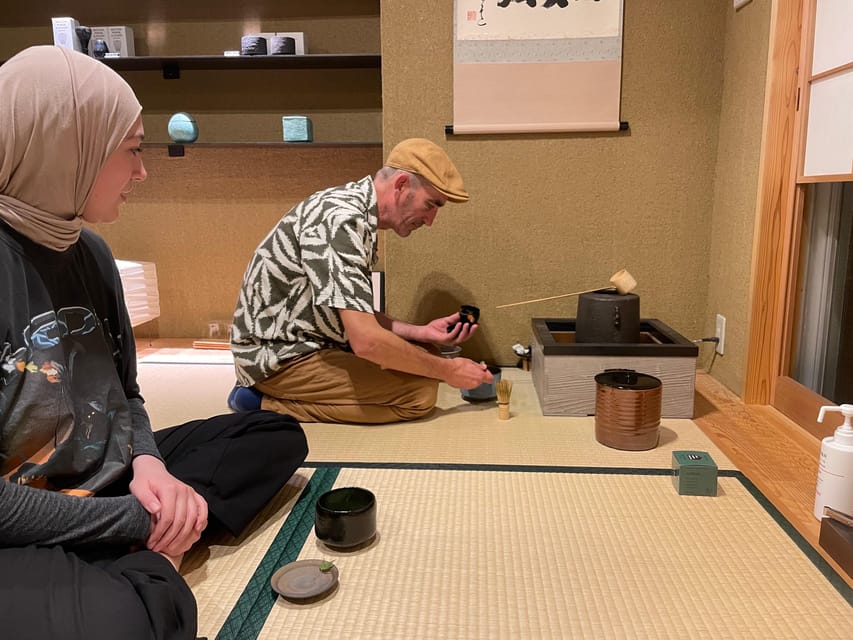
The strongest feature of the experience is the host. Tatsu is described as friendly, patient, and professional, with a particular passion for matcha. His family connection to tea farms adds a personal link to the subject, especially when he discusses cultivation and the difference between teas.
His English and Japanese are listed as the available languages. The English explanations are intended to cover the ceremony, the tea’s background, the production process, and the method for making your own bowl.
You should still expect a focused cultural lesson, not a broad tour of Shibuya. The guide’s attention stays on tea ceremony and matcha. That is a strength if you want a clear subject, but it may not suit you if you are looking for a general Tokyo history talk or a long sightseeing route.
The small setting allows for questions and conversation. You can ask about the objects in the room, how to drink matcha, the meaning of particular gestures, or the qualities of organic tea. Several parts of the session are built around explanation, so this works well for curious first-time visitors.
The room also makes the guide’s role more important. In a large venue, the physical surroundings might carry much of the experience. Here, the calm mood depends on the room and the host’s ability to explain the ceremony without making it feel stiff. The feedback about Tatsu is consistently positive on this point.
Why the apartment setting can work
A tea ceremony in a famous temple or historic garden sounds appealing, but it can also bring crowds, distance, and a more formal tourist setup. This experience takes place in a purpose-arranged tea room inside a city apartment building, close to the center of Shibuya.
That setting has two sides. It is extremely convenient, and the room can feel like a quiet pocket in the city. You do not spend much of your sightseeing time getting there. On the other hand, the building entrance may feel unremarkable, and you should not book this expecting an outdoor garden, temple architecture, or sweeping old-Japan scenery.
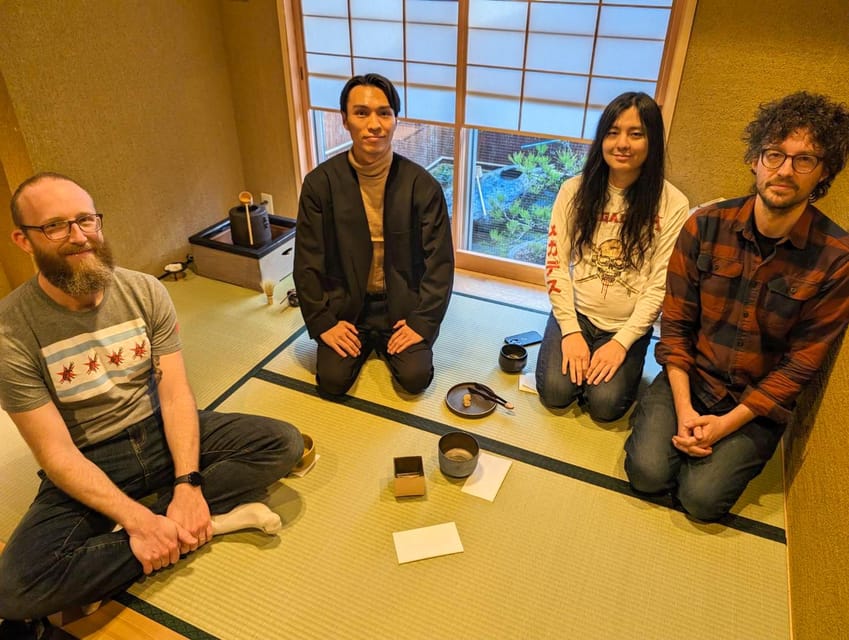
Once inside, the room is described as authentic, beautiful, and carefully decorated. The change from the ordinary apartment building to the peaceful tea space is part of the experience. The contrast helps you notice how much atmosphere can be created through arrangement, simplicity, and quiet.
The small size also supports conversation. You can pay attention to the tools and movements without looking across a large hall. If you enjoy intimate activities with a host rather than big group presentations, this is a strong match.
One practical warning: there is no toilet in the tea room. Use one before meeting if you need to. The activity finishes back at the meeting point, but you should not count on leaving the room during the session.
Price, timing, and who gets good value
At $30 per person, this is a modestly priced cultural activity for central Tokyo. The fee covers the organic matcha, traditional sweets, the formal tea service, the hands-on matcha lesson, the tea room, and the guide’s instruction.
The value depends on what you want from a tea ceremony. If your goal is a quick photo and a taste of matcha, you may find a simpler café visit less expensive. If you want context, etiquette, a formal serving, a rare tea, and the chance to prepare your own bowl, the price is easier to justify.
The location adds value. You can combine it with Shibuya’s major sights instead of spending much of your day traveling across Tokyo. Visit the Hachiko Statue or Shibuya Scramble Crossing before the session, then use the tea room as a quiet break. Meiji Shrine and the Pokémon Center are also in the wider sightseeing area.
The exact duration and group size are not provided, so check the current booking details before you reserve. The small tea room suggests a personal format, but you should not assume you will have the room entirely to yourself unless the booking specifically says so.
The experience is not suitable for children under 10, babies under 1, or pregnant women. Pets are not allowed, though assistance dogs are allowed. These restrictions may matter more than the price for some families.
You can reserve now and pay later, which helps if your Tokyo schedule is still changing. Cancellation is available up to 24 hours before the activity for a full refund. Those terms give you some flexibility, but check the booking conditions at the time you reserve.
Matcha souvenirs and questions after the ceremony
The session ends with free time for questions. This is a good moment to clear up points you did not understand during the formal ceremony, especially if the gestures and vocabulary came quickly.
You can also buy high-quality organic matcha and original tea tools as souvenirs. That option makes sense if you want to continue the practice at home, but you do not need to purchase anything to complete the activity.
A tea whisk or bowl may be more meaningful than a generic souvenir because it connects directly with what you learned. Still, ask about care and use before buying. Matcha tools require cleaning and proper storage, and the most useful souvenir is one you will actually use.
The free question period also gives you a chance to ask about preparation outside the ceremony. You can learn more about the tea’s production, the differences between matcha grades, and the traditions surrounding the drink.
Who should book this Shibuya experience?
I would recommend it to first-time visitors who want a clear introduction to Japanese tea ceremony without leaving central Tokyo. You do not need prior knowledge, and the guide explains both the ritual and the practical method.
It is also a good choice for tea lovers, food-focused visitors, couples, and solo visitors who prefer a calm indoor activity. The private-room format feels personal, and the chance to make your own matcha gives you something active to do.
You may want to skip it if you are looking for a grand historic setting, a temple visit, a garden ceremony, or a full-day cultural tour. The apartment building is convenient but not picturesque from the outside, and the tea room has no toilet.
Should you book Tea Room Kakoi?
Book this experience if you want hands-on instruction, a rare organic matcha tasting, and an easy cultural stop near Shibuya Station. The combination of formal serving, traditional sweets, personal guidance, and your own matcha-making session gives the $30 price solid value.
I would be especially happy to recommend it to someone who feels curious about tea ceremony but worries that a formal ritual may be difficult to follow. Tatsu’s explanations make the customs approachable, while the small room provides the quiet needed to pay attention.
Before booking, confirm the timing and group details, use a toilet beforehand, and remember that matcha contains caffeine. If those points suit you, this is a practical way to experience an important Japanese tradition without giving up a full day of Tokyo sightseeing.
FAQ
Where does the tea ceremony begin?
Meet at the front entrance of The OneFive Tokyo Shibuya, located at 1-8-11, Jinnan, Shibuya-ku, Tokyo, 150-0041. The guide holds a sign marked TEA ROOM KAKOI.
How far is the meeting point from Shibuya Station?
The tea room can be reached in about eight minutes on foot from Shibuya Station.
What is included in the price?
The experience includes premium organic matcha, traditional Japanese sweets, the formal tea ceremony, a matcha-making session, and the equipment needed for the activity.
Can I make my own matcha?
Yes. After the guide serves matcha in the formal ceremony style, you receive instruction on how to prepare your own cup.
What language is the experience offered in?
The activity is available in English and Japanese.
Is the tea room suitable for children?
The activity is not suitable for children under 10 years old. It is also not suitable for babies under 1 year or pregnant women.
Is there a toilet in the tea room?
No. There is no toilet in the tea room, so plan accordingly before the activity begins.
New on our Tokyo list
- Tokyo Spectacular View Day-Cruise in 90 Minutes★ 5.0 · 25 reviews
- From Tokyo: Mount Fuji & Hakone Full Day Private Tour★ 4.9 · 25 reviews
- Real Tokyo Runner Club : Daikoku Car Meet Night Tour with JDM Car★ 5.0 · 25 reviews
- 2.5 Hour-Guided Cycle Tour in the Central Tokyo★ 5.0 · 25 reviews
- Ramen Making from Scratch +Akihabara Tour –Cooking Class★ 5.0 · 25 reviews
- [Self-Drive] Tokyo & Daikoku Custom Car Driving Tour★ 4.9 · 25 reviews
- Tokyo: 2-Hour Night Bike Tour of the City’s Hidden Gems★ 4.9 · 25 reviews
- Samurai themed Entertainment show in Shinjuku★ 4.5 · 25 reviews
Tea Ceremonies, compared.
Matcha Making Class in Tokyo with Authentic Japanese Sweets Set
Read our review →
Matcha Making Experience with Mochi Sweets in Asakusa
Read our review →
Tea Ceremony Workshop in Tokyo by the Experienced Instrucor
Read our review →

Make Traditional Nerikiri Sweets & Matcha experience in Shibuya
Read our review →Browse the lists this tour appears in