
Reviewed · CYCLING TOURS
Tokyo: 2-Hour Night Bike Tour of the City’s Hidden Gems
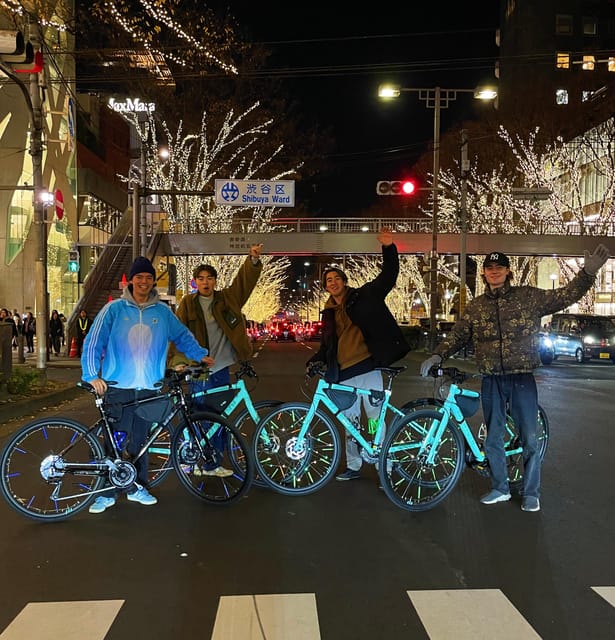
Tokyo looks made for this tour after sunset. You pedal a neon-lit Bianchi or Fuji bike from Yoyogi Park through Shibuya, Omotesando, Roppongi, Tokyo Midtown, and on to Tokyo Tower, seeing bright streets from road level instead of behind a train window.
I like the glowing bikes, which make the ride feel playful without turning it into a costume show. I also like the flexible guiding style, especially with Kei, who can adjust the route and answer questions along the way. The catch is simple: you need to ride confidently in city traffic, since some roads do not have bike lanes.
In This Review
- Key points to know before booking
- Starting with glowing wheels at Yoyogi Park
- Shibuya after dark, seen from the street
- Omotesando’s seasonal lights and polished streets
- Roppongi’s glass towers and modern glow
- Tokyo Midtown and the changing seasonal displays
- Finishing beneath Tokyo Tower
- What the $73 price really covers
- Who will enjoy this ride most
- What can make or break the evening
- Should you book the Tokyo neon bike tour?
- FAQ
- Where does the Tokyo night bike tour begin?
- Where does the tour finish?
- How long does the bike tour last?
- Which places does the route include?
- Is the tour conducted in English?
- What kind of bicycles are provided?
- Who should not book this activity?
Key points to know before booking
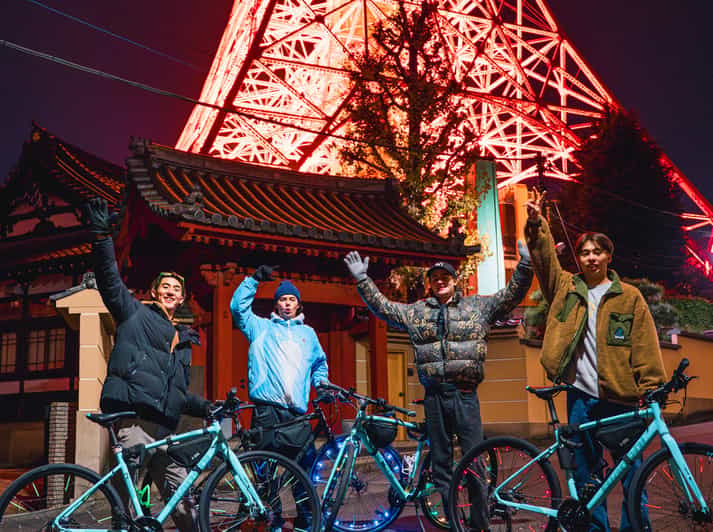
- Neon bikes make the ride easy to spot and fun to photograph, with high-quality Bianchi and Fuji bicycles provided.
- Yoyogi Park is both the meeting and finishing point, so you do not need to arrange a second pickup.
- The two-hour route links several of Tokyo’s best night views, including Shibuya Crossing and Tokyo Tower.
- Guides speak English, and Kei has been praised for being flexible, friendly, and willing to shape the route around your interests.
- This is a cycling tour, not a lesson, and you may need to ride on roads without dedicated bike lanes.
- The $73 price includes the guide, bicycle, bike insurance, and a small pouch for your phone, wallet, or keys.
Starting with glowing wheels at Yoyogi Park
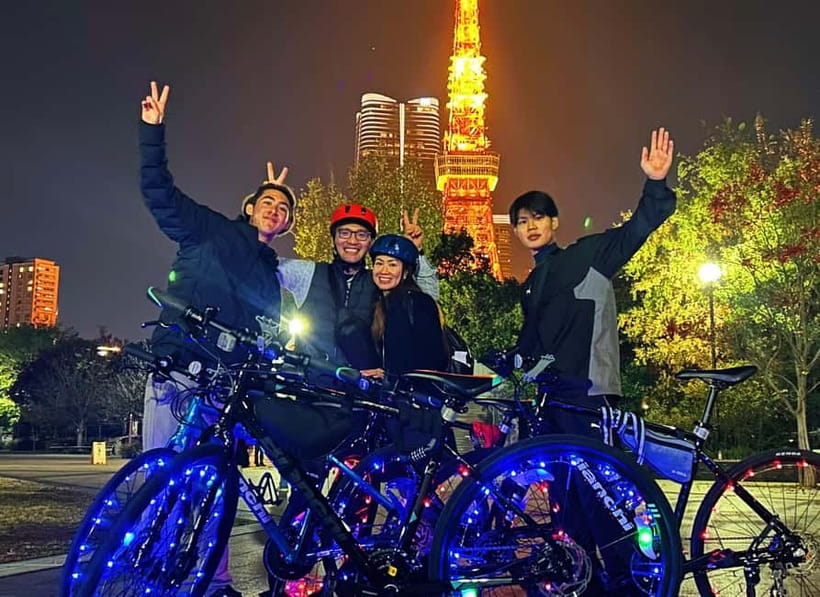
Your meeting point is the main entrance of Yoyogi Park. Look for the bikes with their lights switched on. That detail matters in a city where a large park entrance can still feel confusing at night, especially if you are arriving after a full day of sightseeing.
The tour ends back at the same point. You therefore begin and finish in one familiar place, rather than having to find your way across Tokyo after the ride. The meeting point also puts you near the opening stretch toward Shibuya and Omotesando.
The bikes are customized for this night ride and come from Bianchi and Fuji. A small pouch attached to the bike holds a phone, wallet, and key, so you do not need to keep reaching into a shoulder bag while riding. Bring water, wear comfortable clothes, and choose shoes that stay secure on the pedals.
The lights are part of the fun, but the bike is still your main piece of equipment. Take a moment to get comfortable before setting off. If you are rusty on a bicycle, this is the wrong place to relearn balance, braking, and turning.
A few more Tokyo bookings worth comparing
- Tokyo Guided Small-Group Biking Tour
★ 5.0 · 1,250 reviews - Tokyo Great Cycling Tour
★ 5.0 · 811 reviews - Tokyo Top Highlights 3h Guided E-bike Tour
★ 5.0 · 714 reviews
Shibuya after dark, seen from the street
Shibuya is one of the strongest parts of the ride. The famous Scramble Crossing is usually experienced as a pedestrian, from a station walkway, or through a phone screen. On a bike, you approach it at street level, moving through the surrounding streets and taking in the signs, headlights, and constant flow of people.
The tour description places Shibuya among the city’s major illumination stops. Exact riding details can change with traffic and the guide’s judgment, so do not expect a fixed photo stop at every landmark. The value is in connecting the sights by bicycle and seeing how quickly the mood changes from one block to the next.
You should also understand the tradeoff. Shibuya is busy, and cycling there asks more of you than walking. Keep your eyes on the road, follow the guide’s directions, and do not let the glowing bike distract you from traffic.
This is where the difference between a confident cyclist and a casual rider becomes clear. One rider described Tokyo cycling as difficult because some roads lack bike lanes. That is useful advice, not a minor footnote. The ride can be exciting, but you must be comfortable sharing urban roads.
Omotesando’s seasonal lights and polished streets
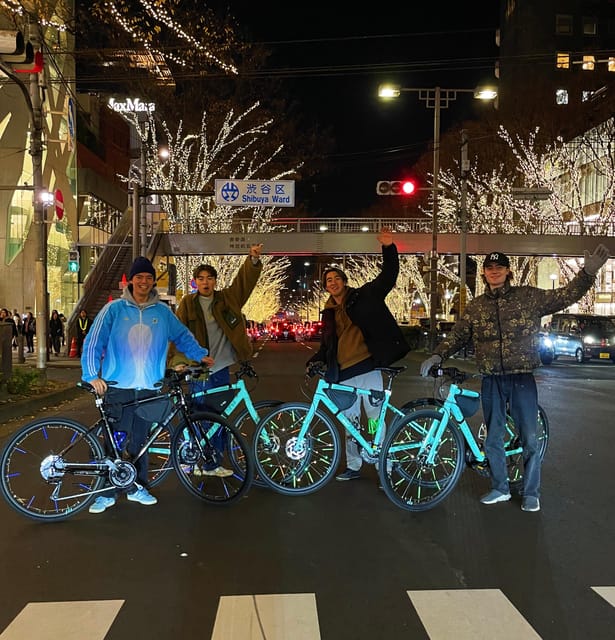
From Shibuya, the route includes Omotesando, known for its broad avenue, designer shops, and seasonal illumination displays. At night, the trees and building fronts can take on a clean, carefully designed look that feels very different from the crowded energy of Shibuya.
Omotesando works well by bike because you can take in a longer stretch of the avenue without stopping at each block. You are close enough to see the lights and reflections, yet moving slowly enough to notice the change in atmosphere.
Seasonal displays are exactly that, seasonal. If you book at another time of year, the lighting may be less elaborate or different from the images used to describe the experience. The route still includes Omotesando, but you should not treat one particular decoration as guaranteed.
I like this section because it gives the tour some variety. Tokyo at night is not only giant screens and red signals. Omotesando offers a calmer, more stylish type of illumination, and the neon bikes add a cheerful contrast to the area’s polished design.
Roppongi’s glass towers and modern glow
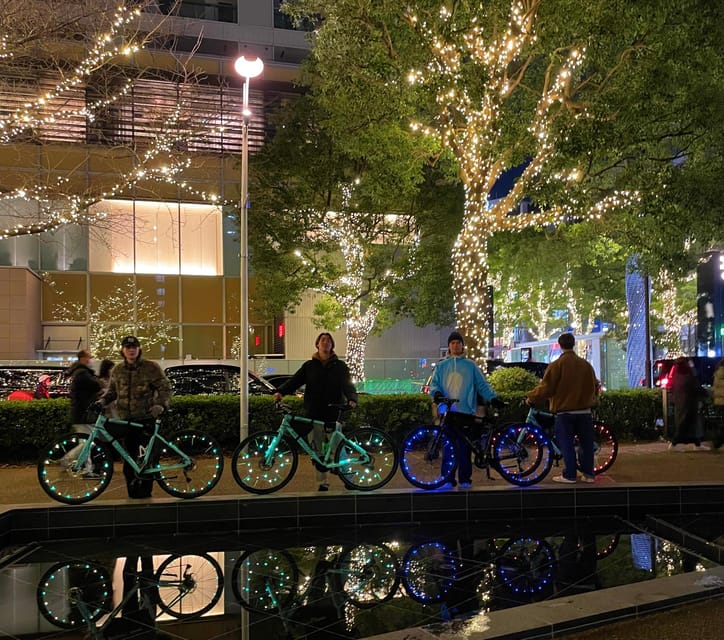
The ride then reaches Roppongi, where large buildings, glass surfaces, and public lighting create a more contemporary mood. The route passes through an area where reflections matter as much as the light sources themselves. Look for illumination bouncing across windows and polished surfaces as you pedal.
Roppongi is also a useful place for the guide’s local commentary. The tour includes stories and local insights, so you are not simply following a glowing bicycle through the city. A good guide can explain what you are seeing and respond to your questions instead of reciting only a memorized route.
Kei is a guide associated with this experience and is described as especially accommodating. If Kei leads your ride, you can ask about places that catch your attention and request some flexibility in the route. That does not mean every detour is possible, since traffic, timing, and the two-hour limit still matter.
The biggest benefit of a guide here is orientation. Tokyo can feel like a collection of separate districts on a subway map. Cycling links them physically. You notice the distance between Shibuya, Omotesando, Roppongi, and the tower in a way that public transport tends to hide.
Same corner of Tokyo, a completely different plan:
- Mt Fuji and Hakone 1-Day Bus Tour Return by Bullet Train
★ 5.0 · 26,383 reviews - 1-Day Tokyo Bus Tour
★ 5.0 · 14,250 reviews - Tokyo: TOKYO SKYTREE® Admission ticket
★ 4.5 · 11,192 reviews - Tokyo: teamLab Planets TOKYO Digital Art Museum Entry Ticket
★ 4.6 · 9,779 reviews
Tokyo Midtown and the changing seasonal displays
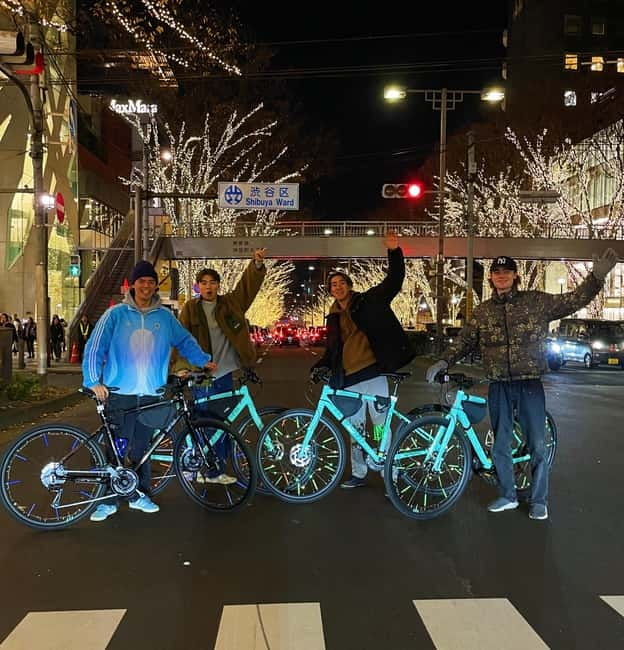
Near Tokyo Midtown, the route passes seasonal illumination installations. This section is likely to appeal to you if you enjoy designed light shows more than ordinary street signs. The complex gives the ride another change of pace, with modern architecture and planned displays rather than the raw visual noise of a major crossing.
The word seasonal deserves attention. Tokyo’s night decorations change throughout the year, and the exact colors or installations cannot be guaranteed from one visit to the next. The general stop remains part of the planned ride, but the display you see will depend on the date.
This is also a good place to appreciate the bike itself. The neon lighting on your bicycle makes the group part of the evening scene, not just an audience passing through it. It gives the tour a social, slightly playful character that a standard sightseeing bicycle ride would not have.
Still, the lighting should not be confused with safety equipment or a promise of empty roads. You are riding in an active city. Keep your pace under control, leave room between bikes, and listen closely to the English-speaking guide.
Finishing beneath Tokyo Tower
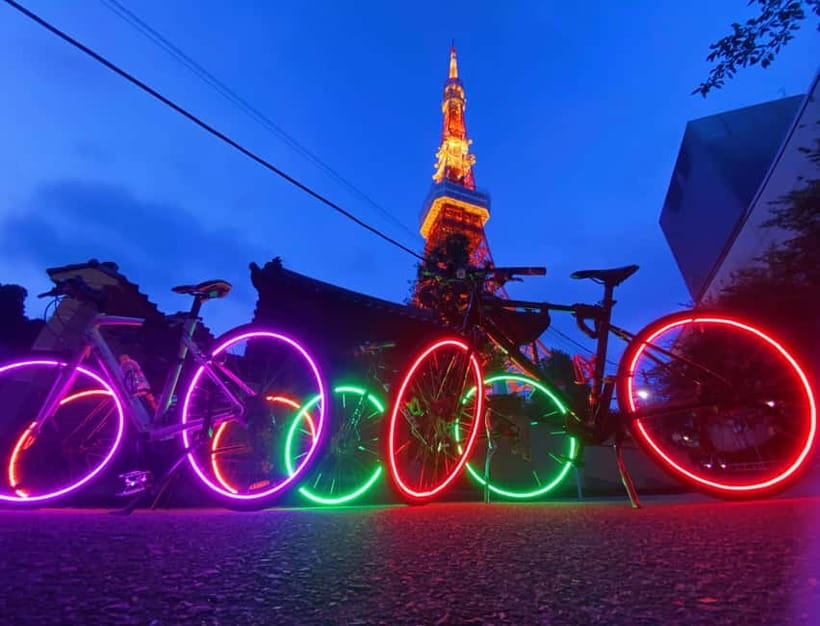
The ride culminates at Tokyo Tower, one of the clearest night views in central Tokyo. Its red and white structure gives the tour a strong final image, especially after the glass towers and commercial lighting of Roppongi and Tokyo Midtown.
Tokyo Tower works as an ending because it is easy to recognize and visually different from the earlier stops. Shibuya is about movement and screens. Omotesando is about trees and seasonal lighting. Roppongi and Tokyo Midtown are about modern buildings. Tokyo Tower gives you a classic city landmark to finish the sequence.
The available information does not promise a long stop, special access, or a separate tower ticket. Think of it as a cycling viewpoint and a route highlight, not a visit inside Tokyo Tower. If entering the tower is important to you, plan that separately.
The ride returns to Yoyogi Park after the tower. Since the activity lasts two hours, the schedule is designed for a moving tour with selected views, not an evening of extended stops. You should expect a good overview of several districts rather than a detailed visit to each one.
What the $73 price really covers
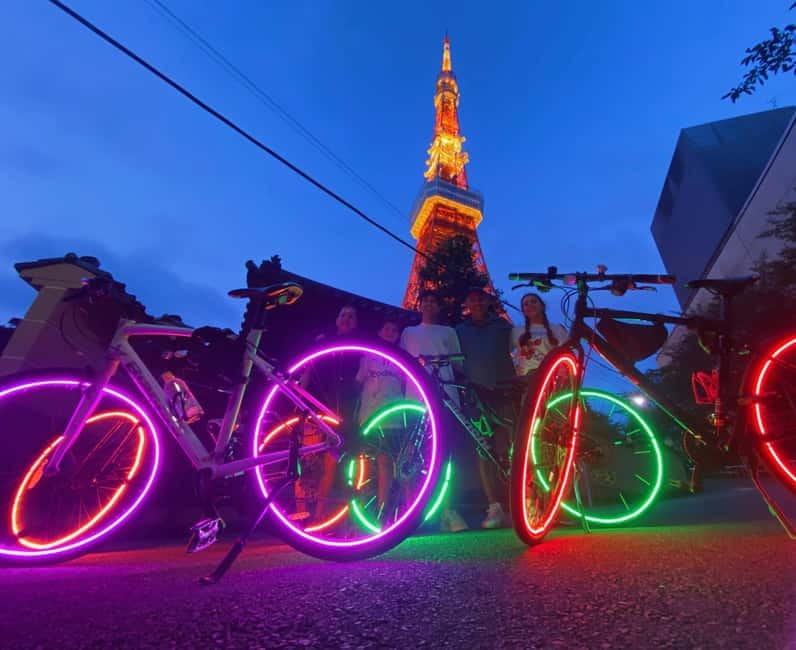
At $73 per person, this is not the cheapest way to see Tokyo at night. You can walk through many central districts for free, and public transport costs far less than a guided bicycle outing.
The price becomes easier to justify when you count what is included: a two-hour English-speaking guide, a customized Bianchi or Fuji bike, bike insurance, local stories, and the pouch mounted on the bicycle. You are paying for the route planning and the chance to connect several districts without arranging the ride yourself.
The guide is the main value. A bicycle lets you move between areas, but the guide helps you understand where to go, when to slow down, and how to adjust the route. The strongest feedback centers on guides who are kind, flexible, and willing to accommodate preferences. That matters more here than a long list of stops.
I would see the tour as good value for a confident cyclist who wants an active evening and has already seen Tokyo’s main sights from trains and sidewalks. It is less convincing for someone who wants a slow photo tour, a private vehicle, or a beginner cycling class.
You can reserve now and pay later, which helps if your schedule is still changing. Cancellation is free up to 24 hours before the activity, giving you some useful flexibility.
Who will enjoy this ride most
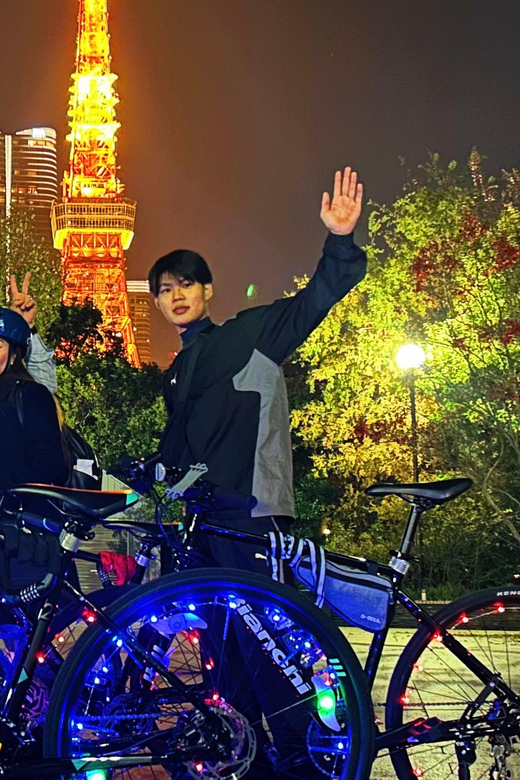
This tour suits adults, older children, couples, families with cycling experience, and friends who want something more active than another restaurant or observation deck. Children under 12 cannot join, and the tour is not suitable for pregnant women, people with back problems, or anyone who cannot ride a bicycle.
Teenagers may especially enjoy the glowing wheels. The lights make the ride feel different from a standard city cycle, and the route includes the kind of major Tokyo sights that are easy to recognize even on a first visit.
You should be honest about your cycling ability. The ride is not a lesson. You need to control the bike, share roads with other traffic, and keep up with a guided group. If you have not cycled in years, a two-hour night ride through central Tokyo may be more stressful than fun.
Comfortable clothes and shoes are practical, not optional decoration. Bring water, and leave alcohol and drugs at home. Smoking and littering are not allowed during the activity.
What can make or break the evening
The best part is the combination of movement and light. You are not fixed to one viewing platform, and you are not underground on a train. You move through several districts while Tokyo changes around you.
The human element matters just as much. Guides such as Kei have been praised for being kind, entertaining, and open to route preferences. A guide who listens can turn a standard route into a better match for your interests, especially if you have visited Tokyo before and want something beyond the usual checklist.
The main concern is road cycling. Some streets do not have bike lanes, and Tokyo traffic can require concentration. The tour is not a carefree pedal through a closed park. You need to pay attention to signals, pedestrians, cars, and the riders around you.
The other limitation is timing. Two hours gives you a lively overview, but not much time for long breaks. If you stop often for photos, you may see less of the route. If you prefer to linger at each illumination display, a walking tour may suit you better.
The 4.9 rating from 25 reviews suggests a very strong response, but the practical lesson is more useful than the number: the tour earns its praise from its guides, scenic route choices, and neon bicycles, while confident cycling remains the entry requirement.
Should you book the Tokyo neon bike tour?
Book it if you can already ride comfortably, want to see Tokyo from street level, and like the idea of linking Shibuya, Omotesando, Roppongi, Tokyo Midtown, and Tokyo Tower in one evening. The neon bikes, English-speaking guidance, and flexible approach give the outing more personality than a basic rental.
Skip it if you are a nervous cyclist, need bike lanes, have back trouble, or want a relaxed sightseeing experience with frequent long stops. At $73, the tour is worth the cost for the right rider, but the right rider is an experienced city cyclist, not a beginner looking for a lesson.
FAQ
Where does the Tokyo night bike tour begin?
It begins at the main entrance of Yoyogi Park. The neon-lit bikes should make the meeting point easy to identify.
Where does the tour finish?
The ride ends back at the Yoyogi Park meeting point.
How long does the bike tour last?
The tour lasts two hours.
Which places does the route include?
The route includes illumination spots around Shibuya, Omotesando, Roppongi, Tokyo Midtown, and Tokyo Tower.
Is the tour conducted in English?
Yes. An English-speaking guide leads the activity.
What kind of bicycles are provided?
The tour provides customized neon-lit Bianchi and Fuji bicycles.
Who should not book this activity?
It is not suitable for children under 12, pregnant women, people with back problems, or people who cannot ride a bike. You should also be comfortable cycling on city roads, including roads without bike lanes.
More 2-Hour Experiences in Tokyo
- Ninja Samurai 2-hour hands-on lesson by Japanese master in Tokyo
★ 5.0 · 194 reviews - Tokyo 2-Hour Genuine Samurai Experience: Kendo in Japan
★ 5.0 · 112 reviews - Tokyo: Flagship 2-Hour Street Go-Kart Tour by Street Kart
★ 4.9 · 94 reviews - Tokyo: Shinjuku Izakaya and Golden Gai Bar Hopping Tour (2h)
★ 4.9 · 67 reviews
More Evening Experiences in Tokyo
- Tokyo Night Foodie Tour in Shinjuku – Seasonal Sushi, Wagyu Beef
★ 5.0 · 1,161 reviews - Tokyo: Daikoku JDM Car Meet & Night Car Culture Tour
★ 4.8 · 626 reviews - Tokyo After 5: Authentic Japanese Food & Drink Night Tour
★ 4.5 · 560 reviews - EVO, WRX, Skyline – JDM Night Run to Daikoku Car Meet
★ 4.9 · 478 reviews
New on our Tokyo list
- From Tokyo: Mount Fuji & Hakone Full Day Private Tour★ 4.9 · 25 reviews
- Tokyo Spectacular View Day-Cruise in 90 Minutes★ 5.0 · 25 reviews
- Real Tokyo Runner Club : Daikoku Car Meet Night Tour with JDM Car★ 5.0 · 25 reviews
- 2.5 Hour-Guided Cycle Tour in the Central Tokyo★ 5.0 · 25 reviews
- Ramen Making from Scratch +Akihabara Tour –Cooking Class★ 5.0 · 25 reviews
- [Self-Drive] Tokyo & Daikoku Custom Car Driving Tour★ 4.9 · 25 reviews
- Samurai themed Entertainment show in Shinjuku★ 4.5 · 25 reviews
- Tokyo: Mt. Fuji, Owakudani, Hakone Shrine, & Open-Air Museum★ 4.7 · 25 reviews
Cycling Tours, compared.
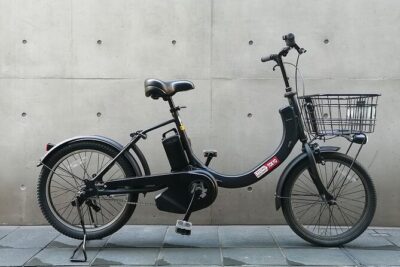
3h Tokyo E-Bike Tour: Hidden Gems, and Local Life with guide
Read our review →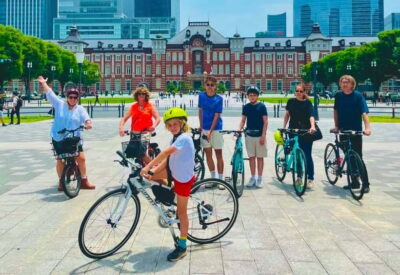
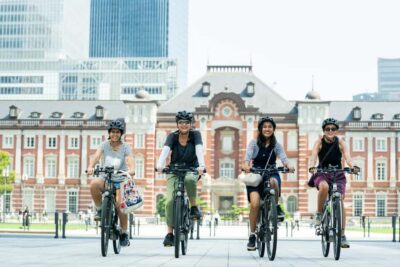
3-hour Guided E-Bike Tour of the City’s Hidden Gems
Read our review →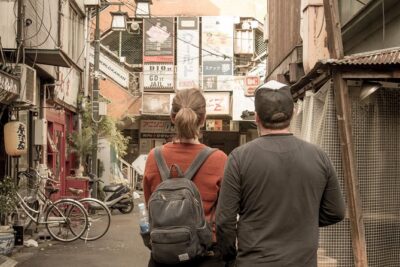
3-Hour Bike/E-Bike Tour of the City’s Highlights
Read our review →Browse the lists this tour appears in