
Reviewed · DESSERT TOURS
Tokyo 6hr Private Guided Tour & Japanese Sweets Making Experience
Tokyo’s most useful private tour feature is not the long list of famous places. It is the chance to choose two or three sites and have a guide explain what you are seeing, then finish with hand-made wagashi sweets in Asakusa. That combination gives you both big-city orientation and a small cultural activity.
I like the one-to-one attention, especially for questions about shrine customs, temple etiquette, and Tokyo’s train system. I also like the mix of sightseeing and making something by hand at Jidaiya. The catch is important: you cannot visit every place listed, and private transportation is not included.
In This Review
- Key points at a glance
- Why the two-part format works in Tokyo
- Jidaiya and the art of making wagashi
- Asakusa, Senso-ji, and old Tokyo
- Tsukiji for food and market atmosphere
- Meiji Jingu and Harajuku’s sharp contrast
- Three gardens, three different moods
- The Imperial Palace without an inside visit
- Akihabara and modern Tokyo
- Takeshita Street and Shinjuku Golden Gai
- What the private guide adds
- Cost, transport, and timing
- How I would choose the stops
- Should you book this Tokyo tour?
- FAQ
- How long does the Tokyo private tour last?
- Is the tour private?
- How many Tokyo attractions can I visit?
- Is wagashi making included?
- Is private transportation included?
- Is admission to the gardens included?
- Can children join the experience?
Key points at a glance
- Choose your focus: Build the six-hour outing around two or three places instead of racing through all 13 listed stops.
- Make wagashi in Asakusa: The Jidaiya workshop adds a hands-on Japanese culture experience to the sightseeing.
- Get practical Tokyo help: Guides such as Sachi and Ted have helped visitors feel more confident using the train system.
- See Tokyo through different eras: Pair Asakusa’s old downtown character with Meiji Shrine, a Japanese garden, or modern Akihabara.
- Plan for public transport: You meet your guide in Tokyo and walk between sights, while transport fares and a Metro Pass cost extra.
- Know the age limit: This private activity is for people aged 12 and over, not babies or young children.
Why the two-part format works in Tokyo
Tokyo can feel like several cities packed together. One moment you are at a Buddhist temple with a centuries-old legend, and soon after you are surrounded by electronics shops, youth fashion, or office towers. A guide helps connect these scenes instead of leaving you to view them as unrelated photo stops.
This experience combines a private walking tour with a wagashi-making session. The sightseeing portion is customizable, while the sweets workshop at Jidaiya gives the day a fixed cultural anchor in Asakusa. You get time to ask questions that are easy to skip on a large group tour, including how to behave at a shrine, what a temple is for, or how to handle Tokyo’s rail network.
The six-hour length is enough for a useful introduction, but not enough to cover every listed neighborhood. Treat the list as a menu, not a promise. A good plan would be Asakusa plus one or two areas that match your interests.
A few more Tokyo bookings worth comparing
- Matcha Making Class in Tokyo with Authentic Japanese Sweets Set
★ 5.0 · 744 reviews - Tokyo: Matcha Making Experience with Mochi Sweets in Asakusa
★ 4.9 · 388 reviews - Make Traditional Nerikiri Sweets & Matcha experience in Shibuya
★ 5.0 · 130 reviews
Jidaiya and the art of making wagashi
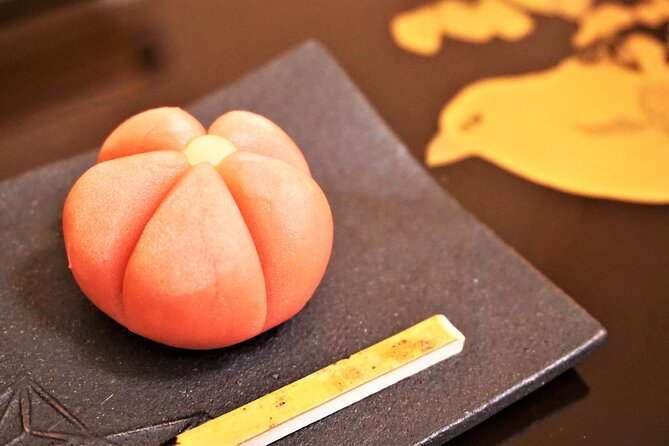
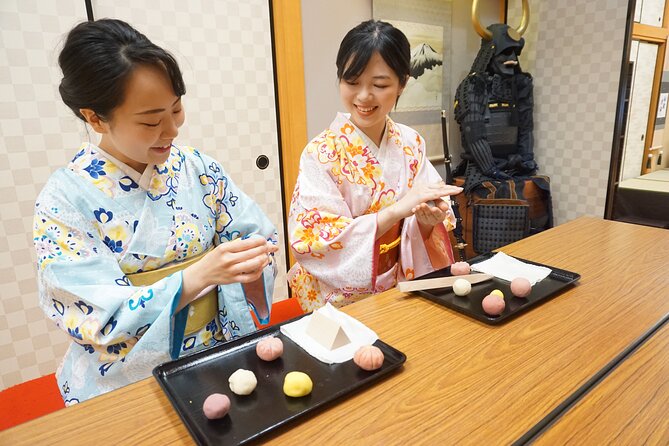
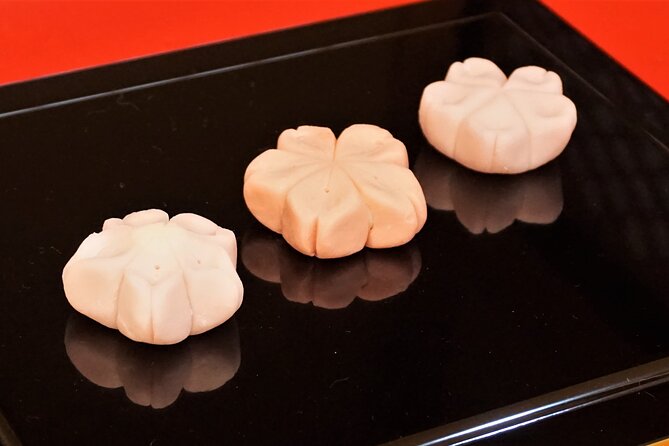
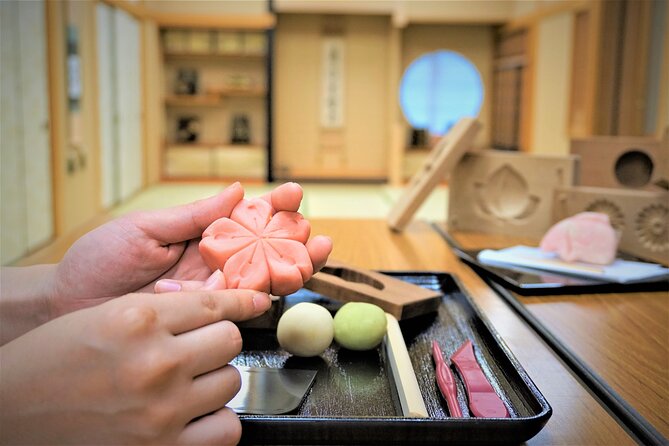
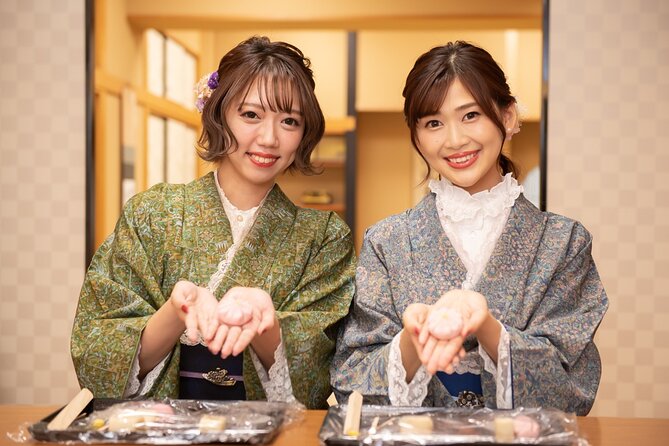
Jidaiya is the most distinctive part of the experience. Its programs are aimed at people who want more than ordinary Asakusa sightseeing, and the included wagashi session lets you work with traditional Japanese sweets by hand.
Wagashi are closely tied to Japanese tea culture and seasonal presentation. The provided details do not specify the exact sweets you will make, so you should ask your guide or the provider what the session includes when you book. The key value is the process: instead of only looking at Japanese culture, you take part in a small craft activity.
The workshop lasts about an hour. That gives the day a welcome change of pace after walking around Tokyo. It also makes the tour a good choice if you want an activity you can remember beyond photographs.
Jidaiya is in Asakusa, so it fits naturally with Senso-ji and the surrounding old downtown district. Depending on your chosen route and meeting arrangements, the workshop may come before or after sightseeing. Confirm the order with the guide so you know how much walking comes first.
Asakusa, Senso-ji, and old Tokyo
Asakusa is the strongest choice for a first visit if you want to understand Tokyo’s older character. It is the center of the city’s shitamachi, or low-city district, where an atmosphere from earlier decades remains visible.
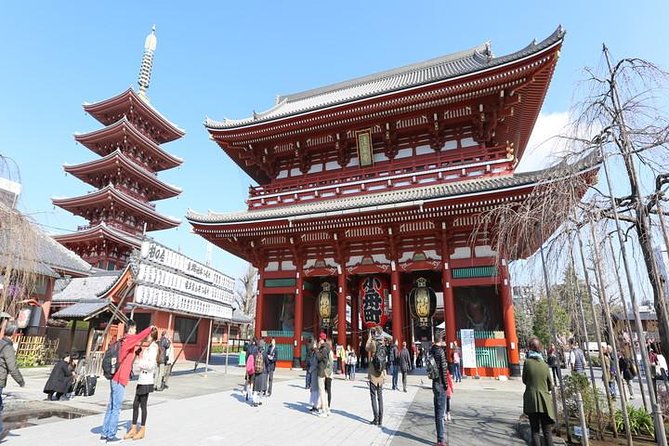
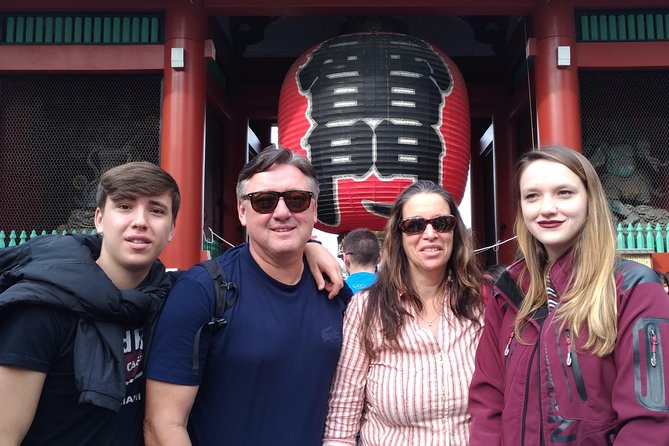
Senso-ji is the area’s main attraction. This Buddhist temple is one of Tokyo’s most colorful and popular religious sites. Its story reaches back to the year 628, when two brothers reportedly found a statue of Kannon, the Buddhist figure of compassion, in the nearby river. The temple that followed became one of the city’s major spiritual centers.
A private guide can explain the difference between a Buddhist temple and a Shinto shrine, along with basic customs and behavior. That practical context matters. You will get more from the incense, gates, worship area, and surrounding streets when you understand what each part means.
The listed sightseeing time for Asakusa and Senso-ji is short, only about 20 minutes at Asakusa and 15 minutes at the temple. Those times should be read as approximate planning blocks, not a full exploration of the district. If Asakusa is your main interest, ask for enough time to include the workshop and temple area without feeling rushed.
One useful option is to devote two of your chosen sites to Asakusa and Jidaiya, then add a third stop elsewhere. That keeps the day coherent and limits unnecessary travel across Tokyo.
Tsukiji for food and market atmosphere
Tsukiji is described as Japan’s old fish market and a place filled with distinctive foods. The suggested stop lasts about 30 minutes, which makes it a quick food-oriented visit rather than a long market morning.
This is a good pick if you want your guide to help explain what you are seeing and what might be worth buying. The experience specifically encourages you to purchase something, supporting the local shops. The information does not identify particular vendors or guarantee tastings, so keep your expectations flexible.
Tsukiji works best for people who enjoy food and want a lively contrast to temples and gardens. It is less useful if your main goal is quiet scenery or detailed historical sightseeing. If you choose it, ask the guide how it fits with the timing of your wagashi workshop and other stops.
Same corner of Tokyo, a completely different plan:
- Mt Fuji and Hakone 1-Day Bus Tour Return by Bullet Train
★ 5.0 · 26,383 reviews - 1-Day Tokyo Bus Tour
★ 5.0 · 14,250 reviews - Tokyo: TOKYO SKYTREE® Admission ticket
★ 4.5 · 11,192 reviews - Tokyo: teamLab Planets TOKYO Digital Art Museum Entry Ticket
★ 4.6 · 9,779 reviews
Meiji Jingu and Harajuku’s sharp contrast
Meiji Jingu Shrine is dedicated to the deified spirits of Emperor Meiji and Empress Shoken. It sits beside busy Harajuku Station, yet the shrine offers a very different setting from the surrounding city.
The stop is scheduled for about 30 minutes. A guide can help you understand the customs and behavior expected at a Shinto shrine, which is especially helpful if this is your first shrine visit. You can also ask about the role of Emperor Meiji and why the shrine matters.
Pairing Meiji Jingu with Takeshita Street creates a strong contrast. Takeshita Street is the center of some of Japan’s most extreme teenage fashion and youth culture. One stop gives you a major Shinto site, while the other shows a modern side of Tokyo shaped by clothing, shops, and pop culture.
The two places are thematically linked by location, but the schedule is still tight. You should select both only if you want a quick taste of each rather than a leisurely visit.
Three gardens, three different moods
The tour offers several gardens, but you should choose carefully. Seeing all of them would be impossible in six hours, especially since the experience includes walking and public transport.
Shinjuku Gyoen National Garden is one of Tokyo’s largest and most popular parks. Its lawns, walking paths, and quiet scenery offer a break from dense city streets. The listed time is about 30 minutes, enough for a sample walk but not a full circuit.
Koishikawa Korakuen is one of Tokyo’s oldest Japanese gardens. It was built in the early Edo Period for the Mito branch of the Tokugawa family. This is the garden to choose if you want a strong connection to Edo-era history and formal Japanese garden design.
Hamarikyu Gardens sits beside Tokyo Bay and includes seawater ponds that change with the tides. It also has a teahouse on an island. The 20-minute visit is brief, but the tidal ponds give this garden a feature you will not find in the same form at the inland sites.
Rikugien is often considered one of Tokyo’s most beautiful Japanese gardens, along with Koishikawa Korakuen. Built around 1700 for the fifth Tokugawa shogun, it is named the six poems garden. The stop is listed at about 20 minutes.
Admission is not included for Shinjuku Gyoen, Koishikawa Korakuen, Hamarikyu Gardens, or Rikugien. The tour details do not give entrance prices, so allow extra yen for whichever garden you select.
My practical advice is to choose one garden, not several. Koishikawa Korakuen and Rikugien suit you if traditional garden design is the priority. Hamarikyu is a good choice if you like the unusual tidal ponds and central waterfront setting. Shinjuku Gyoen is the simplest pick for broad lawns and a calm pause in the city.
The Imperial Palace without an inside visit
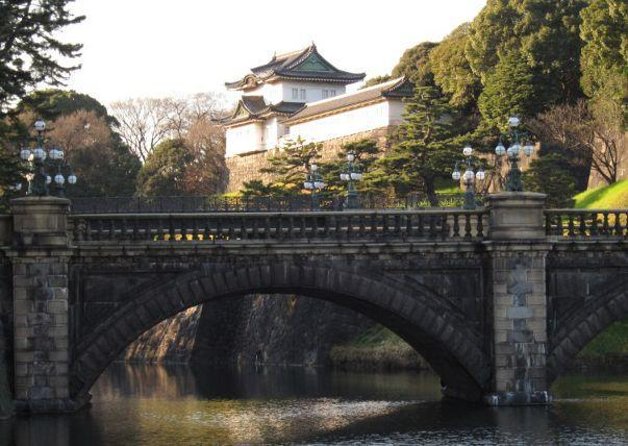
The Imperial Palace occupies the former site of Edo Castle. The area is surrounded by moats and large stone walls, giving you a sense of the former castle’s scale.
The tour does not include access inside the Imperial Palace. That point should guide your expectations. You are seeing the exterior setting and former castle area, not touring palace rooms.
At about 30 minutes, this stop works well for visitors interested in Tokyo’s political and historical center. It is not the best choice if you specifically want an indoor palace visit, since that is not part of the experience.
Akihabara and modern Tokyo
Akihabara is famous for electronics shops and has become a center of Japanese pop culture. The listed visit lasts about 20 minutes, so it is a quick introduction rather than a serious shopping trip.
Choose Akihabara if you want to see a modern district that feels far removed from Asakusa’s temples. You can ask your guide for context about the area and its changing identity. The tour does not promise shopping discounts, special store access, or time for extensive purchases.
This stop is also useful for first-time visitors who want help finding their way around Tokyo’s varied neighborhoods. The private format lets you ask questions that a fixed group schedule might not allow.
Takeshita Street and Shinjuku Golden Gai
Takeshita Street gives you a short look at Harajuku’s youth fashion culture. At about 30 minutes, you can see the area’s main character, though the time may pass quickly if you want to browse.
Shinjuku Golden Gai is listed as a 20-minute stop in the Kabukicho area. The description also points to Godzilla looming over the district and Don Quijote, known locally as Donki, as a place to find unusual gifts. This is a good choice if you prefer neon, shopping, and city energy to temples or gardens.
Again, the short timing matters. Golden Gai is better for a quick orientation and atmosphere than for a long evening of exploring small bars. The tour is a daytime six-hour experience unless you arrange another start time, so confirm exactly when this portion will take place.
What the private guide adds
The guide is the main reason to choose this over a self-guided day. You receive undivided attention from a licensed local guide, and the tour is limited to your own group.
Several guides are associated with the experience. Takako is described as personable, professional, and good at customizing the day. Sachi has helped people learn about local customs, Japanese food, and basic language. Aiko is attentive and explains Asakusa’s history and etiquette clearly. Emiko has very good English and can explain shrine customs in detail. Coco is described as pleasant and well informed, while Ted is especially useful for Tokyo culture and the train system.
Guide quality can vary from person to person, but the repeated strength here is practical help. One guide has helped visitors feel confident enough to use the train system independently and travel to Hakone the next day. That makes this tour especially useful early in your Tokyo stay.
Do not hesitate to ask for help with the Metro. Tokyo’s rail system is efficient, but its lines and operators can confuse first-time visitors. The tour includes no private vehicle, so learning how to move around the city is part of the day’s real value.
Cost, transport, and timing
The price is $172 per person. That is a serious price for a six-hour outing, but it includes a private licensed guide and wagashi making, not just transportation between landmarks.
You should judge the value based on group size and your need for personal guidance. For a couple or small group that wants a flexible introduction, the private format can make sense. If you are comfortable planning routes, reading about shrine etiquette, and using the Metro alone, a self-guided day will cost less.
Private transportation is not included. You meet the guide in Tokyo and travel on foot and by public transport. A 24-hour Metro Pass is listed at 800 yen for adults and 400 yen for children, with transportation fees paid separately. The activity is for people aged 12 and over, so it is not designed for families with babies or young children.
Most people can participate, and service animals are allowed. Confirmation arrives at booking, and free cancellation is available if you cancel at least 24 hours before the start time. Changes or cancellations inside that window are not accepted for a refund.
How I would choose the stops
If you want the best cultural introduction, choose Asakusa, Jidaiya, and Meiji Jingu. This gives you Buddhism, Shinto, old Tokyo, and a hands-on sweets session.
If gardens are your priority, choose one garden, Asakusa, and Jidaiya. Koishikawa Korakuen or Rikugien will suit you if you want formal Japanese garden design and Edo-era background. Hamarikyu is better for its waterfront setting and tidal ponds.
For modern Tokyo, choose Akihabara, Takeshita Street, and Jidaiya. You will see electronics and pop culture, then end with a traditional craft experience.
For food and shopping, consider Tsukiji, Asakusa, and Jidaiya. Ask the guide how much time you can spend buying food at Tsukiji, since the listed stop is only about 30 minutes.
The main mistake would be trying to squeeze in too much. A private tour is flexible, but Tokyo’s size still sets the rules. Two or three well-chosen stops will give you more understanding than a rushed checklist.
Should you book this Tokyo tour?
Book it if you want a personal introduction to Tokyo, especially during your first day or two. It suits couples, friends, and families with older children who value explanations, train advice, and the freedom to ask questions. The wagashi session makes it more memorable than a standard walking tour.
Skip it if you want a large number of attractions, private vehicle transport, or long visits inside each site. The listed places are possibilities, not a route you can complete, and admission to several gardens costs extra.
For the best value, decide on your top three interests before booking and tell the guide clearly. If you want culture, Asakusa, Meiji Jingu, and Jidaiya form the strongest combination. If you want help getting around Tokyo as well as sightseeing, schedule this early in your stay.
FAQ
How long does the Tokyo private tour last?
The experience lasts approximately six hours.
Is the tour private?
Yes. Only your group participates, and the guide gives your group undivided attention.
How many Tokyo attractions can I visit?
You can customize the tour around two or three sites from the available choices. You cannot visit every place listed during the six-hour experience.
Is wagashi making included?
Yes. The tour includes a wagashi-making experience at Jidaiya in Asakusa.
Is private transportation included?
No. You meet the guide in Tokyo and travel on foot and by public transportation. Transportation fees are separate.
Is admission to the gardens included?
No. Admission to Shinjuku Gyoen National Garden, Koishikawa Korakuen, Hamarikyu Gardens, and Rikugien is not included.
Can children join the experience?
The activity is for people aged 12 and over. It is not available for young children or babies.
New on our Tokyo list
- Tokyo : Kamikaze Street Drift Ride★ 5.0 · 3 reviews
- Private Zen Meditation in English in Shinjuku, Tokyo★ 5.0 · 3 reviews
- Sumi-e Experience in a relaxing green tea shop in Tokyo★ 5.0 · 3 reviews
- Onsen Spa in Tokyo and Asakusa Bar Hopping with Local Guide★ 5.0 · 3 reviews
- Easy for everyone! Now you can play handmade mini shamisen and show off to everyone! Musical instruments, sweets and live music★ 5.0 · 3 reviews
- Tokyo: Private Tsukiji Street Food & Sake with Local Guide★ 5.0 · 3 reviews
- Mt Fuji Exploration Tour with Free Japanese Kusa Mochi from Tokyo★ 4.5 · 3 reviews
- Tokyo Tsukiji Fish Market Walking and Exploring Hidden Gems Tour★ 5.0 · 3 reviews
Dessert Tours, compared.

Matcha Making Class in Tokyo with Authentic Japanese Sweets Set
Read our review →
Matcha Making Experience with Mochi Sweets in Asakusa
Read our review →
Make Traditional Nerikiri Sweets & Matcha experience in Shibuya
Read our review →
Private Mochi Sweets Making class near Shibuya area
Read our review →
Japanese Traditional Sweets making and Tea Ceremony
Read our review →
Tokyo Local Food Tour: Noodles, Skewers, Dumplings, Sweets
Read our review →
Two Types of Japanese Sweets Making and Tea Ceremony
Read our review →
Mochi Matcha Gluten Free Japanese Sweets Class near Shibuya area
Read our review →Browse the lists this tour appears in