
Reviewed · TEMPLE & SHRINE TOURS
Tokyo: Asakusa and Tokyo’s Oldest Temple Senso-ji Tour
Senso-ji is more than a quick photo stop. It is the doorway into old Tokyo, and this two-hour walk gives you the customs, stories, and neighborhood context that are easy to miss when you explore alone. I like the tour’s small-group limit of 10 and its focus on both famous sights and quieter corners of Asakusa.
I also like the practical touches. Guides such as Shino, Embla, Nicolas, Aska, and Joe have helped visitors understand how to approach a temple, choose local snacks, and find worthwhile shops after the tour. The main drawback is time: two hours is enough for a smart introduction, but not enough to explore all of Asakusa’s food streets, shrines, shops, and museums.
In This Review
- Key Points at a Glance
- Why Asakusa Makes a Smart First Tokyo Walk
- Meeting at Asakusa Station
- Kaminarimon, Asakusa’s Grand Entrance
- Nakamise Street and the Flavor of Old Tokyo
- Senso-ji Temple and the Meaning Behind the Rituals
- Asakusa Shrine and the Neighborhood Beyond the Temple
- What the Guides Add
- Is Two Hours Enough?
- What the $14 Price Really Buys
- Who Should Book This Walk?
- Final Verdict: A Strong First Look at Traditional Tokyo
- FAQ
- How long does the Asakusa and Senso-ji tour last?
- What language is the tour conducted in?
- How many people can join the tour?
- Where does the tour begin?
- What is the meeting point’s location?
- Which places are included on the route?
- Is a guide included?
- Is admission to Senso-ji included?
- Do I need WhatsApp for the meeting?
- Can I cancel for a full refund?
Key Points at a Glance
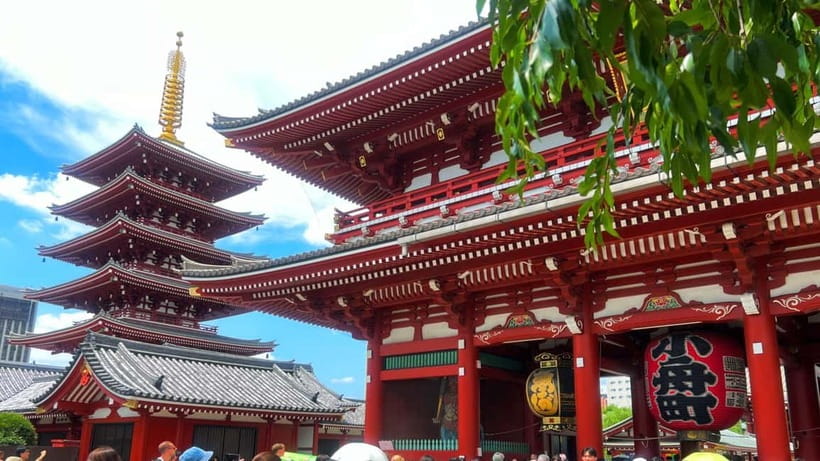
- Senso-ji with cultural context: Learn how to approach the temple, use the purification fountain, and understand basic Buddhist customs.
- A short route with four major stops: Visit Kaminarimon, Nakamise Shopping Street, Senso-ji Temple, and Asakusa Shrine.
- Local food and souvenir advice: Guides point out specialties such as ningyo-yaki, a small red bean-filled cake, along with useful shopping suggestions.
- English-speaking guides: Shino, Embla, Nicolas, Aska, Joe, and others have led tours with clear explanations and friendly help.
- Good for first-time Tokyo visitors: The tour connects the temple, neighborhood, religion, and history in one manageable morning or afternoon.
- Strong value at $14: For a two-hour guided walk, the price is modest, especially if you want more than photographs.
Why Asakusa Makes a Smart First Tokyo Walk
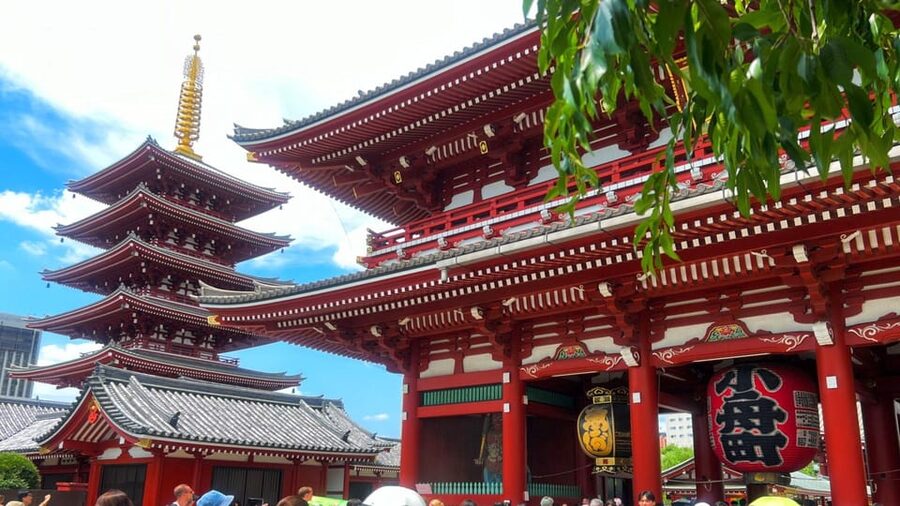
Tokyo can feel enormous and modern, with trains, towers, neon signs, and shopping centers competing for your attention. Asakusa gives you a different starting point. Its streets connect present-day Tokyo with the old Edo period, when the city grew around temples, entertainment districts, merchants, and craftsmen.
The center of the neighborhood is Senso-ji, founded in the seventh century and widely regarded as Tokyo’s oldest temple. You can certainly visit it without a guide, but the first impression can be confusing. There are gates, lanterns, incense, ritual steps, side buildings, crowds, and a long shopping street leading toward the main hall.
This tour puts those pieces in order. You are not simply led from one photo opportunity to the next. You learn why the gates matter, how the temple area developed, and how Asakusa changed from samurai-era Tokyo through wartime destruction and post-war rebuilding.
I especially value the balance between the major sights and the neighborhood itself. The famous route is busy, but Asakusa is not only Kaminarimon and Senso-ji. Guides may point out lesser-known shrines, old lanes, food specialties, and places that make the district feel like a lived-in part of Tokyo rather than a stage set.
More temples and shrines near Tokyo:
- Tokyo: Meiji Shrine, Asakusa, Skytree Bus Tour and Cruise
★ 4.7 · 1,986 reviews - Tokyo: Asakusa Walking Tour with Sensoji Temple Visit
★ 4.8 · 1,583 reviews - Nikko: Kegon Falls, Lake Chuzenji & Toshogu Temple
★ 4.6 · 1,577 reviews
Meeting at Asakusa Station
The meeting point is in front of the Starbucks closest to Asakusa Station, at approximately 35.7119461, 139.7979446. That is a practical place to gather, but Asakusa has several train lines and station exits, so you should check the map carefully before setting out.
You are asked to download WhatsApp before meeting the guide. This matters because the guide may use it to help the group connect, and one guide, Nicolas, has even shared his location with a delayed participant so the person could catch up.
Arrive with comfortable shoes. The route is a walking tour, and you will spend time outside on busy streets and temple grounds. The tour lasts about two hours, so it is not physically demanding in the way a full-day city walk might be, but standing and walking on hard surfaces can still wear you down.
The group limit is 10 people. That is a useful size for Asakusa, where large groups can easily block narrow paths or lose sight of one another. Guides have also been praised for keeping an eye on slower walkers and making sure no one is left behind.
Kaminarimon, Asakusa’s Grand Entrance
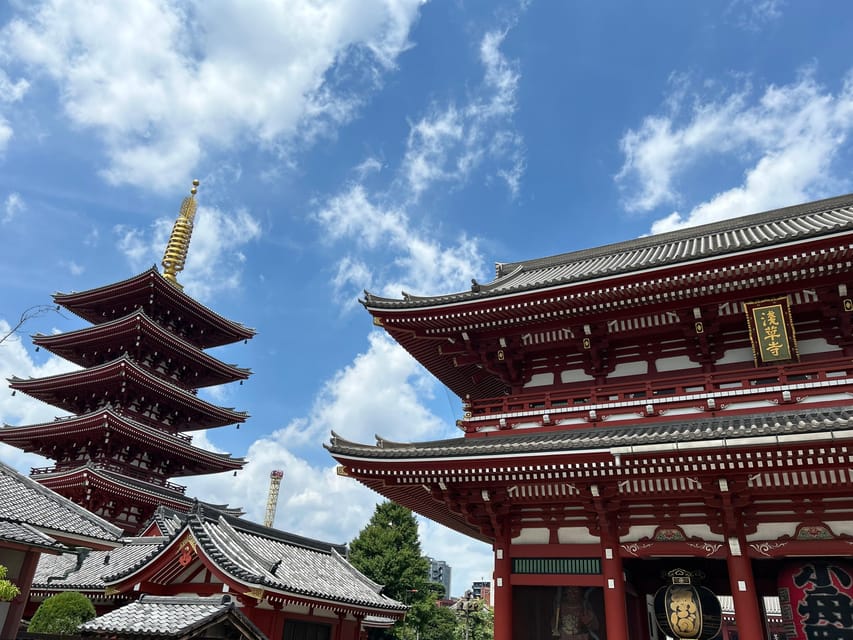
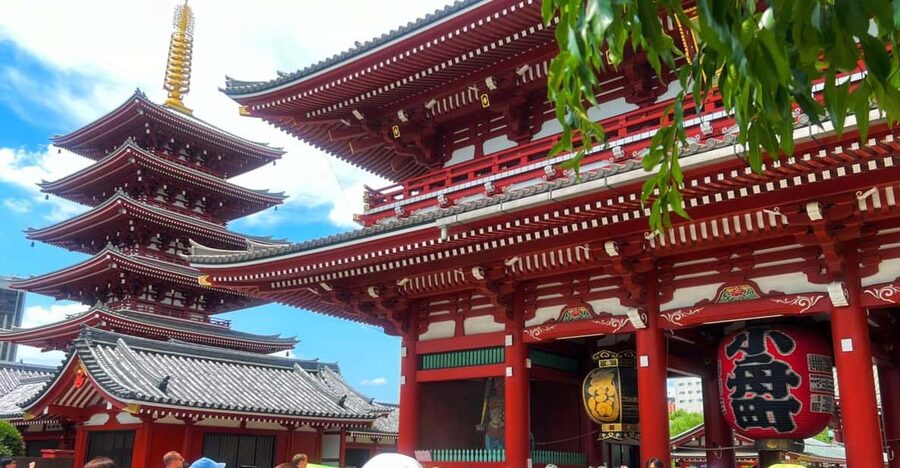
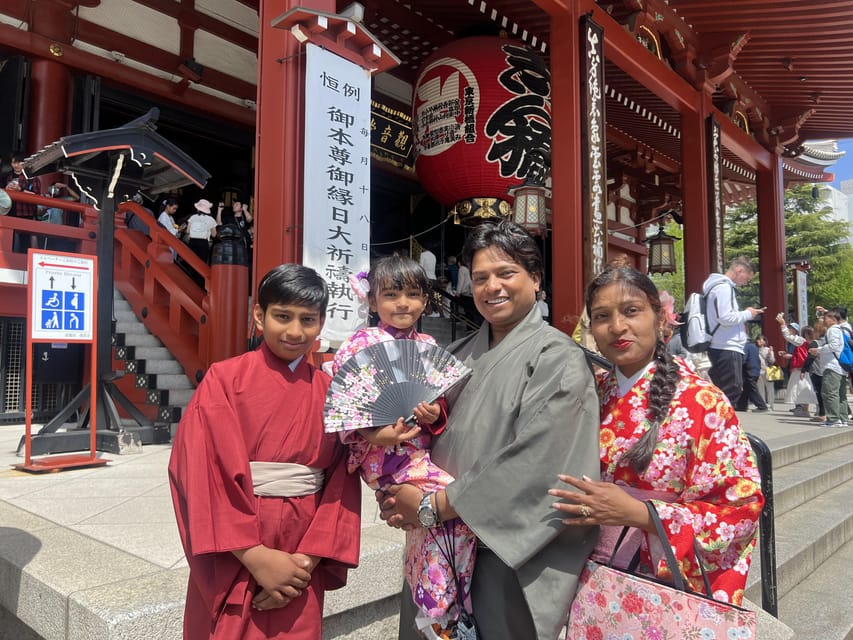
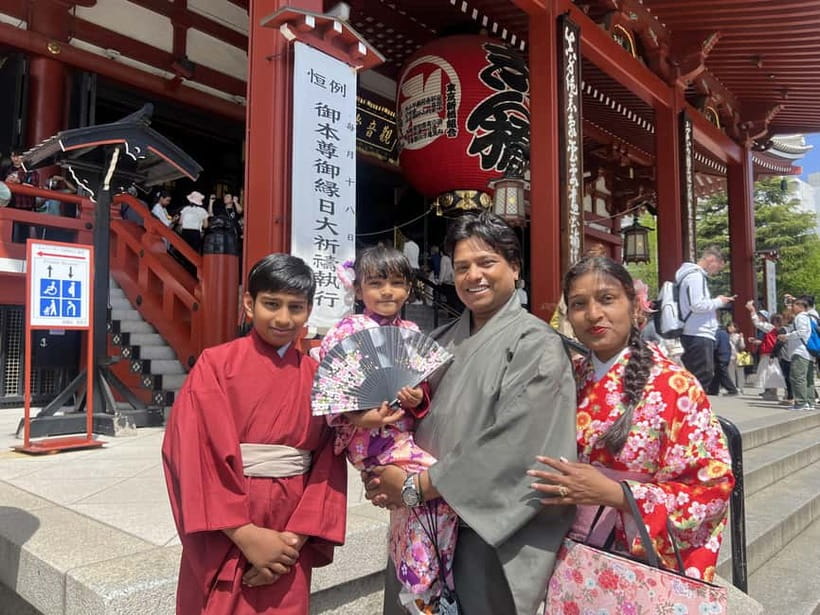
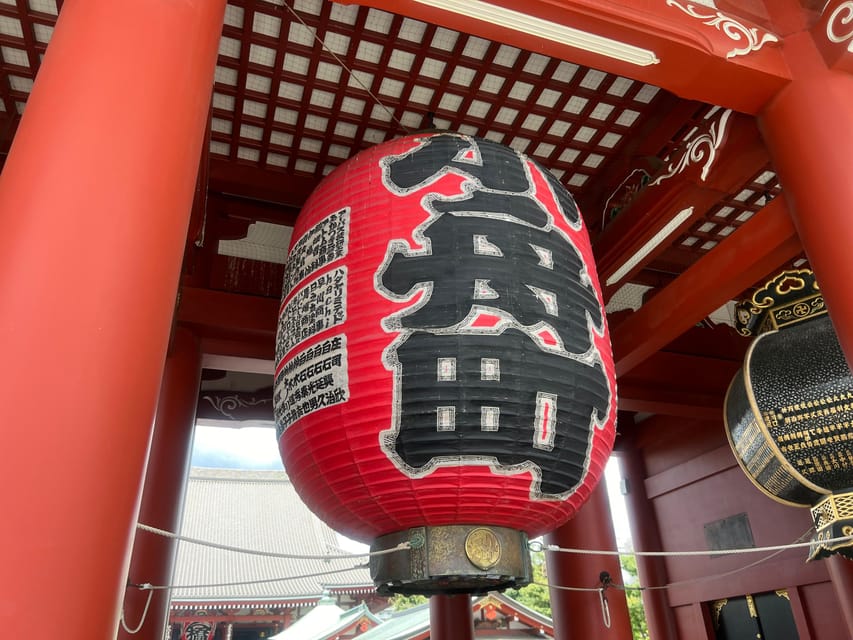
The first major stop is Kaminarimon, or the Thunder Gate. Its huge red lantern creates the classic Asakusa photograph, but the gate is more than a backdrop. It introduces the religious and civic importance of the temple approach.
Expect about 30 minutes here for a guided visit and photographs. That may sound long for one gate, yet it gives the guide time to explain the figures, symbols, and role of the entrance before the group moves into the shopping street.
This is also where the crowd can shape your experience. Kaminarimon is one of Asakusa’s busiest points, so getting a clear photograph may take patience. A guide is useful because you can listen for the explanation instead of spending the entire stop trying to position yourself for a picture.
The first stop sets the tone for the rest of the walk. You begin with a major landmark, then move into the more detailed world of street life, temple practice, and local traditions.
Nakamise Street and the Flavor of Old Tokyo
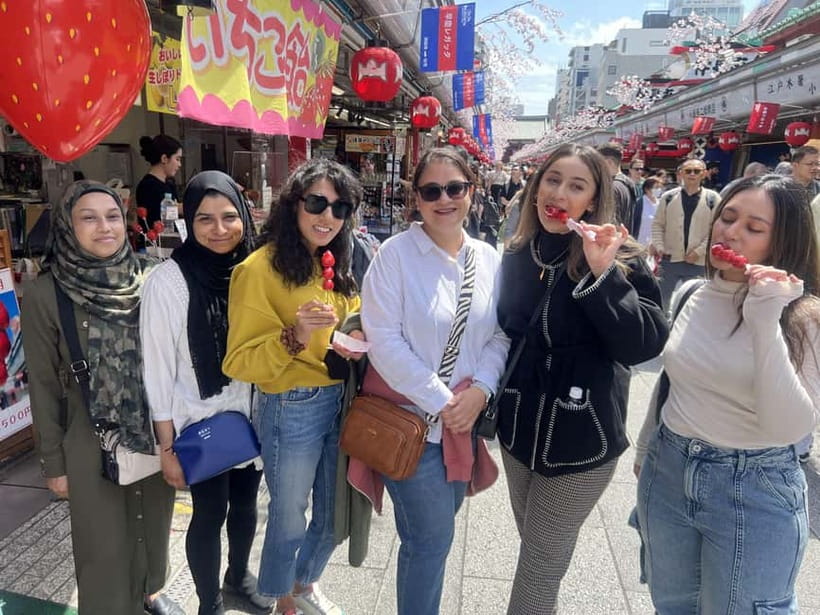
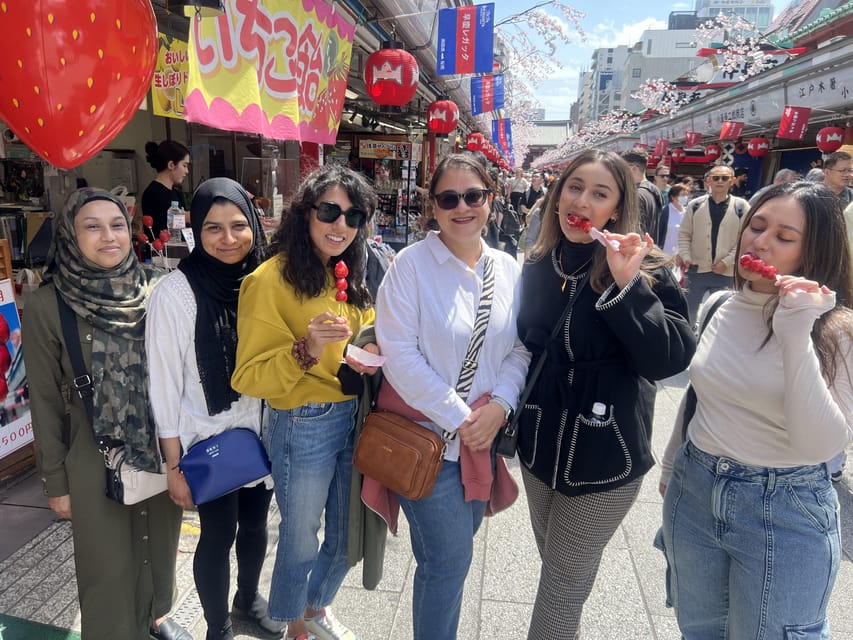
From Kaminarimon, you walk along Nakamise Shopping Street toward Senso-ji. The route takes about 20 minutes, though the pace may feel slower when the street is crowded.
Nakamise is lined with traditional shops, colorful lanterns, sweets, small gifts, and food stalls. It is a commercial street, but it has long been part of the temple approach, and that connection between worship and shopping is one of the area’s most interesting features.
This is a good place to ask questions. Guides have recommended local foods and souvenirs with some thought behind them, rather than pointing you toward random tourist purchases. Ningyo-yaki, a small cake filled with red bean paste, has been singled out as a tasty local treat.
You should think of this stop as an introduction, not a dedicated shopping session. The tour schedule does not allow time to browse every shop or eat at length. Instead, you get the layout, a few food suggestions, and advice on what to notice when you return on your own.
I like that practical approach. A guide can tell you which foods are tied to Asakusa and which souvenirs have a cultural meaning. Then you can come back after the tour with a better idea of where to spend your yen.
More Asakusa visits:
- Tokyo: Japanese Dance Cabaret Theater Asakusa-Kaguwa Ticket
★ 4.8 · 2,270 reviews - Tokyo: Roll and Authentic Sushi Making Class in Asakusa
★ 4.9 · 1,957 reviews - Tokyo Asakusa Rickshaw Tour
★ 5.0 · 1,375 reviews - Tokyo Panoramic 1 Day: Meiji Shrine, Asakusa, Odaiba and SKYTREE®
★ 4.5 · 1,222 reviews
Senso-ji Temple and the Meaning Behind the Rituals
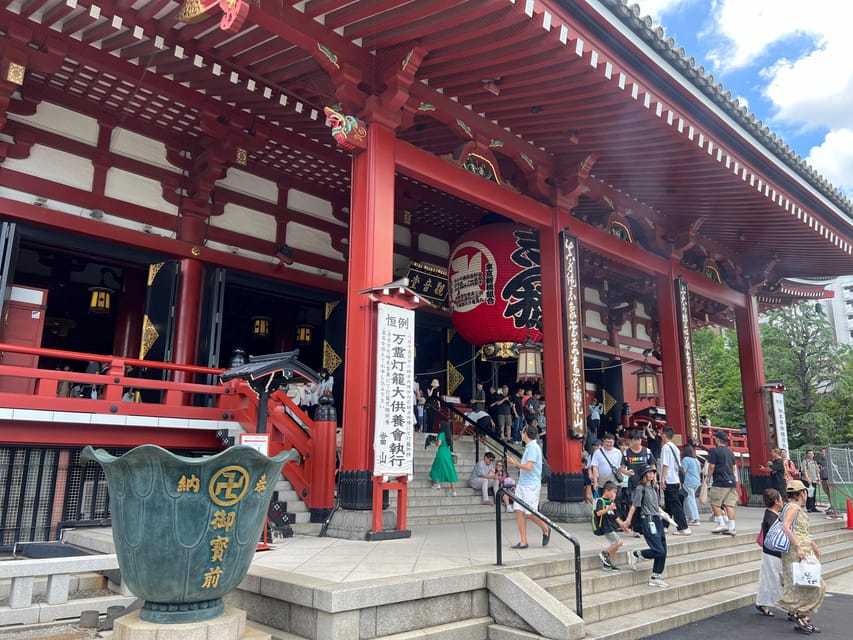
Senso-ji receives about 30 minutes of guided time, including a photo stop and a walk through the temple grounds. This is the heart of the experience.
The temple’s age gives it weight, but the tour’s real value is in helping you read the space. Guides explain Buddhist customs, the significance of the temple buildings, and the proper way to approach the site. Several guides have taken time to demonstrate how to pray and how to behave around the religious spaces.
You may also learn how to use the incense area and how fortunes fit into a temple visit. One participant particularly enjoyed getting a fortune, while another appreciated a careful introduction to temple traditions. These details turn a quick visit into a respectful one.
The guide’s presence is especially useful if you have never visited a Japanese temple. You can copy what others are doing, but copying is not the same as understanding. A short explanation helps you take part without treating the ritual as a novelty.
Senso-ji is also a place where patience helps. The grounds can be packed, and the guide may need to pause, regroup, or speak firmly when people drift into the crowd. That is not a flaw in the route. It is simply the reality of visiting one of Tokyo’s best-known religious sites.
The explanations vary by guide, but the strongest guides combine religion with everyday Tokyo life. Nicolas has been praised for explaining Buddhism and temple customs, while Shino has been noted for explaining local history and small cultural habits in clear English.
Asakusa Shrine and the Neighborhood Beyond the Temple
The final major stop is Asakusa Shrine, with about 30 minutes for a guided visit and photographs. The shrine gives you a chance to compare Shinto practice with the Buddhist setting at Senso-ji.
That contrast is one of the tour’s most useful teaching moments. You are not just visiting two attractive religious buildings. You are seeing how different traditions exist side by side in Japan, with their own customs, symbols, and ways of approaching the sacred space.
The guide can also connect the shrine to Asakusa’s wider story. The neighborhood was once a major center of Edo entertainment and has passed through major changes over the centuries. The tour touches on geisha districts, hidden shrines, samurai-era life, and the area’s post-war recovery.
Do not expect a museum-style lecture packed with dates. The appeal is conversational storytelling while you walk. Guides have been praised for answering questions, sharing anecdotes, and explaining aspects of current Tokyo life alongside older traditions.
This is also where the tour’s local angle becomes clearest. A guide such as Aska may show you small details you would probably walk past, while Joe has been praised for making the history feel more like a friend explaining the neighborhood than a formal classroom lesson.
What the Guides Add
The activity is offered in English, and the guide roster has included Shino, Embla, Nicolas, Aska, Joe, Naoya, Ryota, Yota, Haydn, Connie, and others. The individual style will vary, but the repeated strengths are clear: friendly communication, solid English, careful pacing, and an ability to answer questions.
Shino has been especially praised for local Tokyo insight, food tips, and stories about customs. Embla has been noted for organization, including sending useful information before the tour. Nicolas has earned praise for patience, temple explanations, and help with delayed arrivals.
Aska has been appreciated for showing lesser-known details and explaining how to pray. Joe brings an energetic, relaxed style, while Naoya has been praised for clear English and lively explanations. Ryota and Yota have also been recognized for personal attention, local recommendations, and cultural detail.
Because guides change, you should not book expecting one particular person unless the operator confirms it. Still, the range of positive comments suggests that the experience depends less on a single personality than on a consistent guiding approach.
A small group helps here. With up to 10 people, you can ask questions without holding up a huge crowd. Solo visitors may find it particularly comfortable, since the group format provides company without the pressure of joining a large bus tour.
Is Two Hours Enough?
Two hours is enough for orientation. You will see the principal entrance, walk Nakamise, visit Senso-ji, compare it with Asakusa Shrine, and receive ideas for food and shopping afterward.
Two hours is not enough for full exploration. You will not have much time to browse every stall, eat a full meal, or wander far beyond the central route. If you want to visit more of Asakusa, plan to stay in the area after the tour.
That short length is actually useful on a first day in Tokyo. You get a clear introduction without giving up half a day. The route can also work well before lunch, before an afternoon activity, or on a day when you want a gentle start.
The pace is generally described as comfortable, though crowds and slower group members can affect movement. In hot weather, the guide may need to watch the group’s comfort and adjust the rhythm. Wear light clothing in summer, carry water, and avoid scheduling the walk too tightly against another appointment.
What the $14 Price Really Buys
At $14 per person, this is an inexpensive guided introduction to one of Tokyo’s most important neighborhoods. The price includes the guide, walking tour, and admission connected with Asakusa, Senso-ji, and Nakamise Street.
The real value is not entry access. These sites are public areas that you could visit independently. You are paying for structure, explanation, cultural guidance, and local suggestions.
That makes the tour a stronger deal for first-time visitors than for someone who already knows Asakusa well. Even repeat visitors have found new details with a guide, but independent explorers who enjoy reading signs and researching temple customs may prefer to spend two hours at their own pace.
The booking terms also reduce risk. You can cancel up to 24 hours ahead for a full refund, and you can reserve now and pay later. Check available start times when booking, since the activity runs for two hours but does not list one fixed daily departure in the information provided.
Who Should Book This Walk?
I would choose this tour if you are visiting Tokyo for the first time, want a cultural introduction, or feel unsure about temple and shrine customs. It also suits solo visitors who prefer a small social group rather than exploring every major sight alone.
Families may appreciate the short format and the guide’s effort to keep everyone together. History fans will enjoy the links between Edo, samurai-era traditions, entertainment districts, and post-war Tokyo. Food-focused visitors will benefit from the snack and souvenir suggestions, though this is not a food tour.
You may want something else if you want a long photography session, extensive shopping time, or a full-day walk through eastern Tokyo. The route is focused and efficient, not leisurely in the sense of stopping at every shop.
The tour is also less ideal if you need a completely private experience. A small group can be as intimate as two people, but it may also include the full 10 participants.
Final Verdict: A Strong First Look at Traditional Tokyo
I recommend this Asakusa tour for the traveler who wants context without spending a lot of money or time. The route covers the district’s essential sights, but the best part is the explanation of how to behave, what the rituals mean, and where local food and shopping fit into the neighborhood.
Book it early in your Tokyo stay if possible. The guide’s suggestions can help shape the rest of your visit, and you can return to Nakamise or the surrounding streets after the walk with a better sense of place.
At $14, the risk is low. Just remember that two hours gives you a strong introduction, not the whole Asakusa story. If that matches your plans, this is a sensible and worthwhile way to meet Tokyo’s traditional side.
FAQ
How long does the Asakusa and Senso-ji tour last?
The tour lasts two hours.
What language is the tour conducted in?
The live tour guide speaks English.
How many people can join the tour?
The group is limited to 10 participants.
Where does the tour begin?
You meet in front of the Starbucks closest to Asakusa Station.
What is the meeting point’s location?
The listed coordinates are 35.7119461, 139.7979446.
Which places are included on the route?
The route includes Kaminarimon, Nakamise Shopping Street, Senso-ji Temple, and Asakusa Shrine.
Is a guide included?
Yes. A live English-speaking guide leads the walking tour.
Is admission to Senso-ji included?
Yes. Admission to Senso-ji Temple is included in the activity.
Do I need WhatsApp for the meeting?
You are asked to download WhatsApp before the meeting so the group and guide can connect smoothly.
Can I cancel for a full refund?
Yes. You can cancel up to 24 hours in advance for a full refund.
New on our Tokyo list
- From Tokyo: Mount Fuji & Hakone Full Day Private Tour★ 4.9 · 25 reviews
- Tokyo Spectacular View Day-Cruise in 90 Minutes★ 5.0 · 25 reviews
- Real Tokyo Runner Club : Daikoku Car Meet Night Tour with JDM Car★ 5.0 · 25 reviews
- 2.5 Hour-Guided Cycle Tour in the Central Tokyo★ 5.0 · 25 reviews
- Tokyo: 2-Hour Night Bike Tour of the City’s Hidden Gems★ 4.9 · 25 reviews
- Ramen Making from Scratch +Akihabara Tour –Cooking Class★ 5.0 · 25 reviews
- [Self-Drive] Tokyo & Daikoku Custom Car Driving Tour★ 4.9 · 25 reviews
- Samurai themed Entertainment show in Shinjuku★ 4.5 · 25 reviews
Temple & Shrine Tours, compared.
Meiji Shrine, Asakusa, Skytree Bus Tour and Cruise
Read our review →
Asakusa Walking Tour with Sensoji Temple Visit
Read our review →
Kamakura & Enoshima Day Trip including Temple Tickets
Read our review →
Nikko Toshogu Shrine and Kegon Waterfall Tour
Read our review →
Tokyo Panoramic 1 Day: Meiji Shrine, Asakusa, Odaiba and SKYTREE®
Read our review →
Mt. Fuji Heritage Tour: Traditional Villages, Lakes & Shrine
Read our review →Browse the lists this tour appears in