
Reviewed · KIMONO EXPERIENCES
Tokyo: Asakusa Kimono Rental Experience
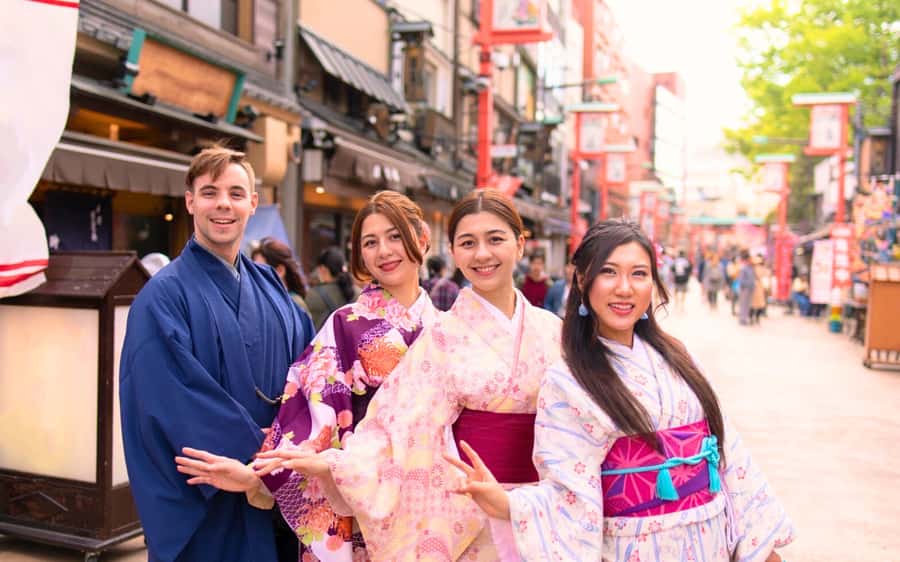
Asakusa is one of Tokyo’s best places to wear a kimono, since Sensoji Temple and the old streets begin just a few minutes from the shop. You choose from a collection of real traditional kimonos, then receive help with the obi, sandals, bag, and simple hairstyling. I like the easy access to Sensoji and the personal help from Kazune, who grew up in Asakusa.
I also like that another staff member is a Japanese National Certified Kimono Dresser. Wako receives especially warm praise for being kind, cheerful, and careful about making sure people look properly dressed. The main consideration is timing: you need to arrive 10 minutes early and return the kimono by 17:30 unless you pay extra for an overnight rental.
In This Review
- Key Points to Know Before You Book
- Why Asakusa Is the Right Place for a Kimono Rental
- Choosing Your Kimono and Getting Dressed
- Simple Hairstyling Adds a Finishing Touch
- Walking to Sensoji Temple in Traditional Dress
- What the $47 Price Actually Covers
- Optional Rickshaw and Tea Ceremony Add-Ons
- Timing, Comfort, and Practical Limits
- Who Will Enjoy This Asakusa Experience Most
- Should You Book This Kimono Rental?
- FAQ
- Where does the kimono rental begin?
- Which stations are near the meeting point?
- What is included in the rental?
- Is hairstyling included?
- Who helps with the dressing?
- When must I return the kimono?
- Can I return the kimono the next day?
- Can I keep the kimono later on July 22?
- Are a rickshaw ride and tea ceremony included?
- Is transportation to the shop included?
- Who cannot take part?
Key Points to Know Before You Book
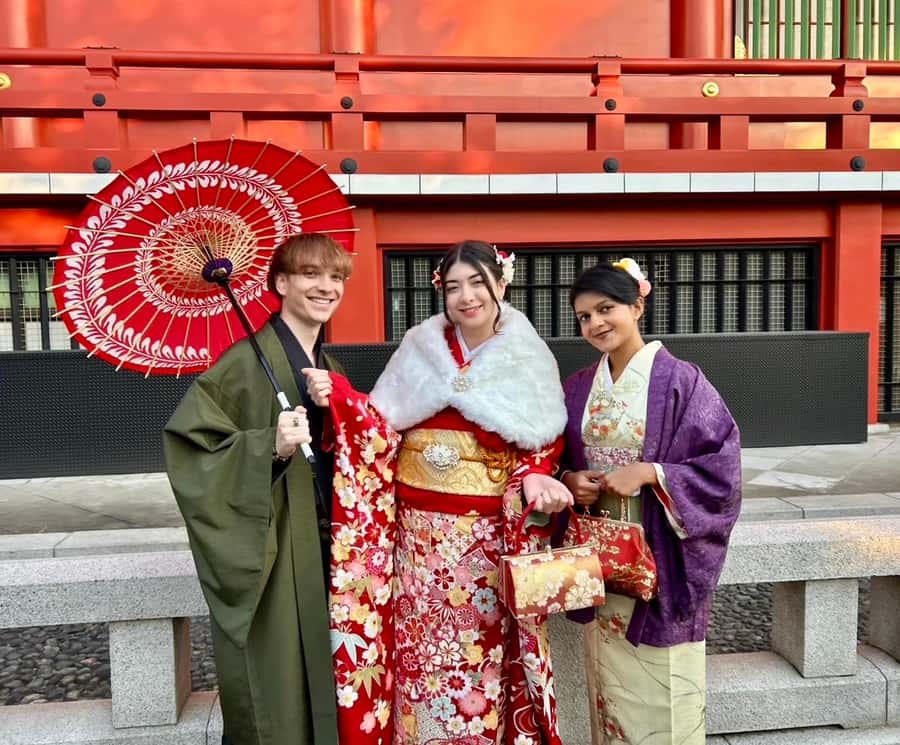
- Three minutes from Sensoji Temple: You can move from the dressing room to one of Tokyo’s best-known historic sights without arranging transport.
- Local help from Kazune and Wako: Kazune grew up in Asakusa, while Wako has been praised for friendly, careful dressing assistance.
- A full kimono set is included: You receive the kimono, obi belt, zori sandals, bag, storage for your clothes, and simple hairstyling.
- Extra options are available: Rickshaw rides, tea ceremony activities, and nicer clothing or accessories can be arranged for an additional fee.
- Plan around the 17:30 return time: A next-day return is possible for a small extra charge, and July 22 has a special late-return arrangement.
- Best for able-bodied visitors: The activity is not suitable for wheelchair users, babies under one, children under two, or anyone over 120 kilograms.
Why Asakusa Is the Right Place for a Kimono Rental
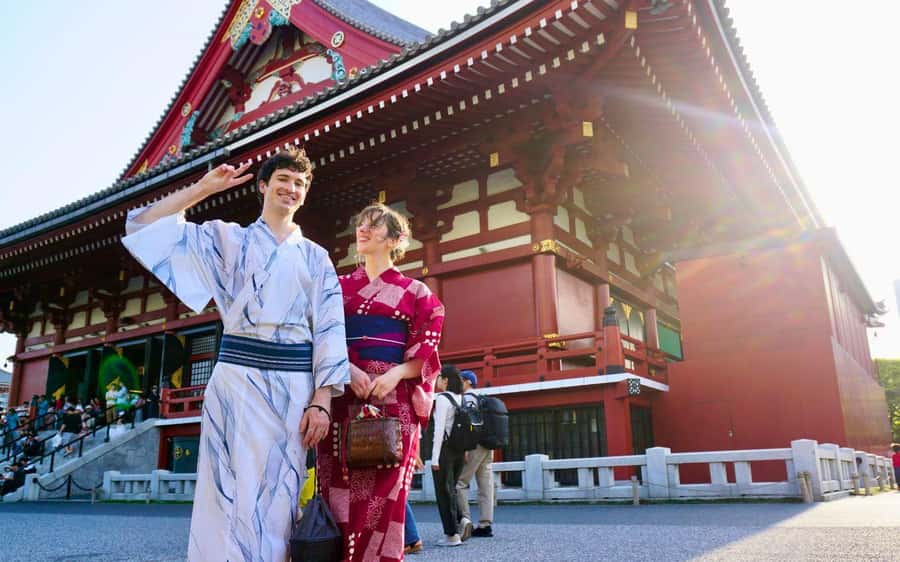
Tokyo gives you plenty of modern settings, but Asakusa lets your clothing and surroundings match. The area around Sensoji Temple has the kind of old Tokyo atmosphere that makes a kimono feel connected to the place rather than simply used as a costume for a photo.
You do not need to spend much time getting from the shop to the sights. The shop is about a three-minute walk from Sensoji, and the meeting point is also only a few minutes from Asakusa Station on the Tokyo Metro Ginza Line or Toei Asakusa Line. That short walk matters because kimono dressing takes planning, and you will appreciate not having to cross a large part of Tokyo afterward.
I like the fact that this is a self-guided stroll rather than a tightly managed walking tour. Once you are dressed, you can set your own pace around Asakusa and Sensoji Temple. You can focus on photos, temple visits, or simply enjoy the feeling of moving through an old part of Tokyo in traditional clothing.
The tradeoff is that the activity does not include transportation to the shop. You need to make your own way to Asakusa Station and follow the directions carefully. The entrance has a black-and-white checkered pathway and a silver metal gate. After entering, you proceed to the elevator area, where staff will greet you.
More kimono fittings and strolls:
- Let’s make kimono !(Kimono is a gift for you
★ 5.0 · 252 reviews - Tokyo: Matcha and Kimono Experience
★ 4.7 · 219 reviews - Tokyo: Asakusa Kimono Dressing and Matcha Experience
★ 4.9 · 173 reviews
Choosing Your Kimono and Getting Dressed
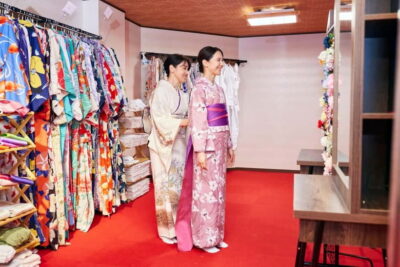
The first important part of the visit is choosing your kimono from the shop’s authentic collection. The information provided does not list the exact number of garments, colors, or sizes, so you should think of the selection as a chance to choose from what is available on the day rather than a guarantee of a specific pattern.
The basic rental includes the full set. That means the kimono, obi belt, zori sandals, and bag are covered in the $47 price. Your regular clothes and belongings can be stored while you are out, which saves you from carrying extra items through Asakusa.
Kazune helps with the dressing process and grew up in the neighborhood. That local connection gives the visit a friendly, personal touch before you even reach the temple. Another staff member holds a Japanese National Certified Kimono Dresser qualification, so the dressing is handled by someone with formal training as well.
You should not expect to put on a kimono in a quick, casual fashion like slipping into a jacket. The obi belt needs to be arranged properly, and the overall look depends on how the layers and accessories sit. Staff help make sure the fit is comfortable and the outfit looks presentable.
This is where the experience becomes more than a clothing rental. You are not left to guess which pieces go where. Wako, in particular, has been praised for being warm, helpful, and attentive to presentation. That is useful if you are renting a kimono for the first time or if you are arranging the visit for a group of friends.
Simple Hairstyling Adds a Finishing Touch
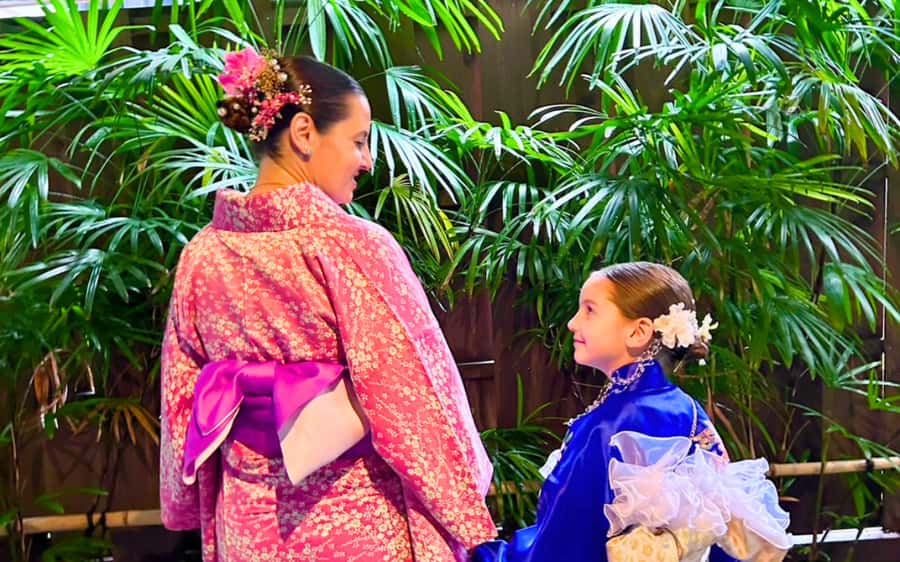
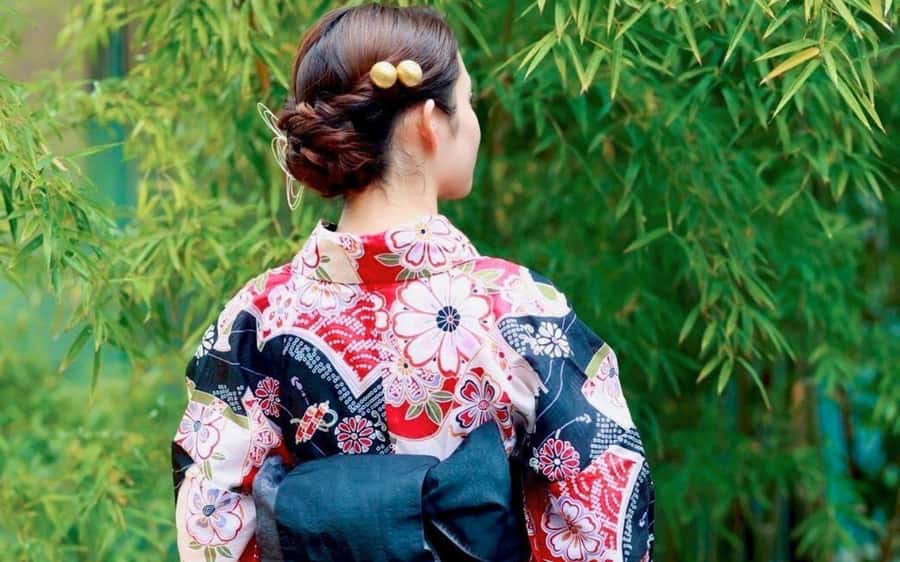
Simple hairstyling is included, which is a practical bonus for anyone hoping to take photographs. The service is not described as a full salon appointment, so keep your expectations sensible. It is intended to complete the traditional look rather than provide an elaborate makeover.
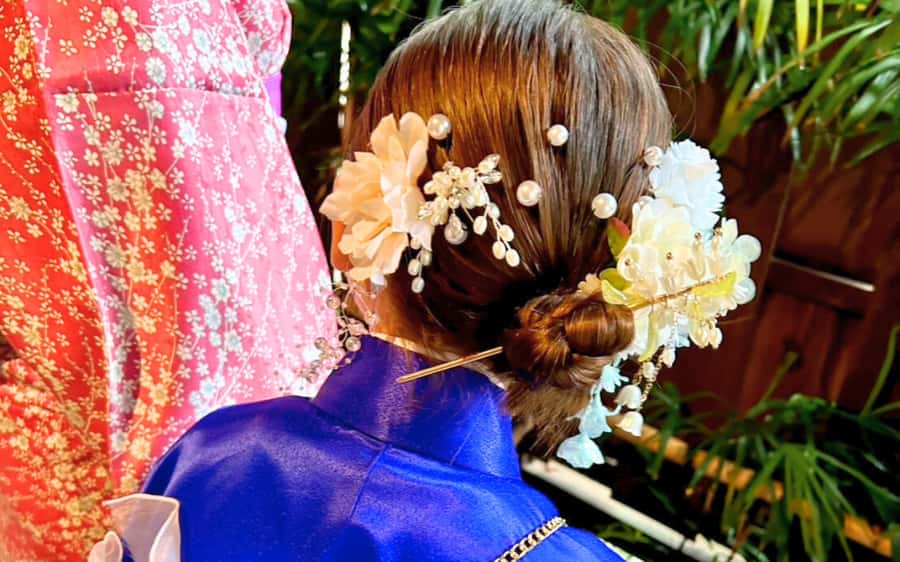
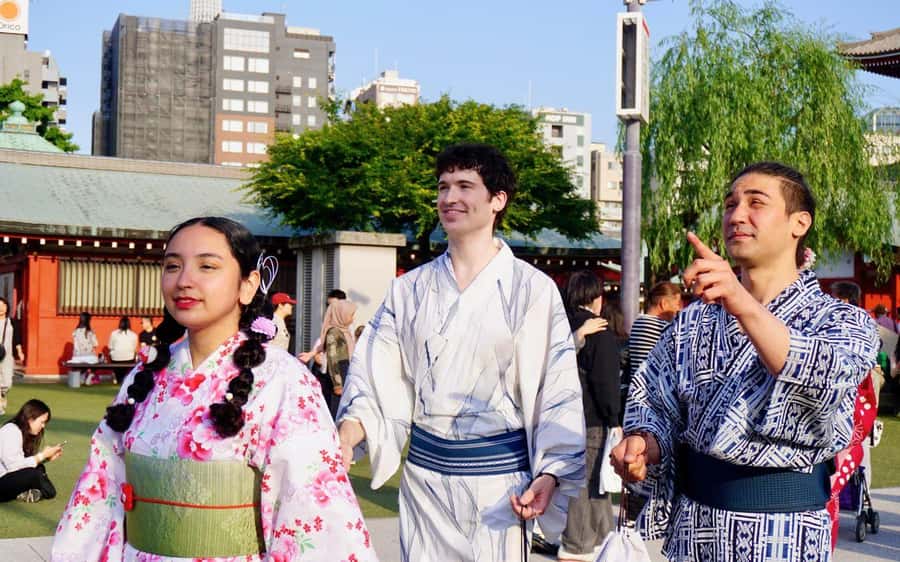
A woman who visited with three male companions received a traditional hairstyle with hairpins and was especially happy with the result. Her companions also enjoyed the activity, which suggests the visit can work well for mixed groups rather than only for people who already have a strong interest in Japanese clothing.
The hairstyle matters because a kimono can look unfinished if your hair is styled exactly as it was for a normal day of sightseeing. Even a simple arrangement with hairpins helps the clothing feel like a complete outfit in photographs.
The clothing selection may also include nicer items for an extra charge. That option is useful if you are marking a special occasion or care greatly about having a particular finish, but the basic booking already includes a real kimono and the key accessories.
Walking to Sensoji Temple in Traditional Dress
After dressing, you walk toward Sensoji Temple and the surrounding old streets of Asakusa. The shop’s location makes this transition easy. You do not need a taxi, train ride, or long walk in zori sandals before reaching the main sightseeing area.
Sensoji is the natural focus of the outing. Wearing a kimono beside one of Tokyo’s best-known temples gives your photographs a setting with a clear sense of place. It also changes the pace of sightseeing. You may find yourself walking more slowly, noticing your sleeves and sandals, and paying more attention to how you move through the neighborhood.
That slower pace is part of the appeal, but it can also be a minor drawback. Traditional clothing and zori sandals may not feel as effortless as ordinary sightseeing clothes. The supplied information does not state how long the kimono rental lasts during the day, only that the garment must be returned by 17:30. Plan your route with that fixed deadline in mind.
You can visit Sensoji, stroll through the old streets, and take photographs without a guide directing every stop. This freedom suits you if you prefer to decide how long to stay at each place. It is less suitable if you want a detailed temple tour, historical commentary, or a planned sightseeing route, since those are not included.
Remember that the kimono must be returned to the shop, not simply left at another location. Keep the shop’s address and emergency contact handy, especially if you are exploring beyond the immediate temple area.
More Asakusa visits:
- Tokyo: Japanese Dance Cabaret Theater Asakusa-Kaguwa Ticket
★ 4.8 · 2,270 reviews - Tokyo: Meiji Shrine, Asakusa, Skytree Bus Tour and Cruise
★ 4.7 · 1,986 reviews - Tokyo: Roll and Authentic Sushi Making Class in Asakusa
★ 4.9 · 1,957 reviews - Tokyo: Asakusa Walking Tour with Sensoji Temple Visit
★ 4.8 · 1,583 reviews
What the $47 Price Actually Covers
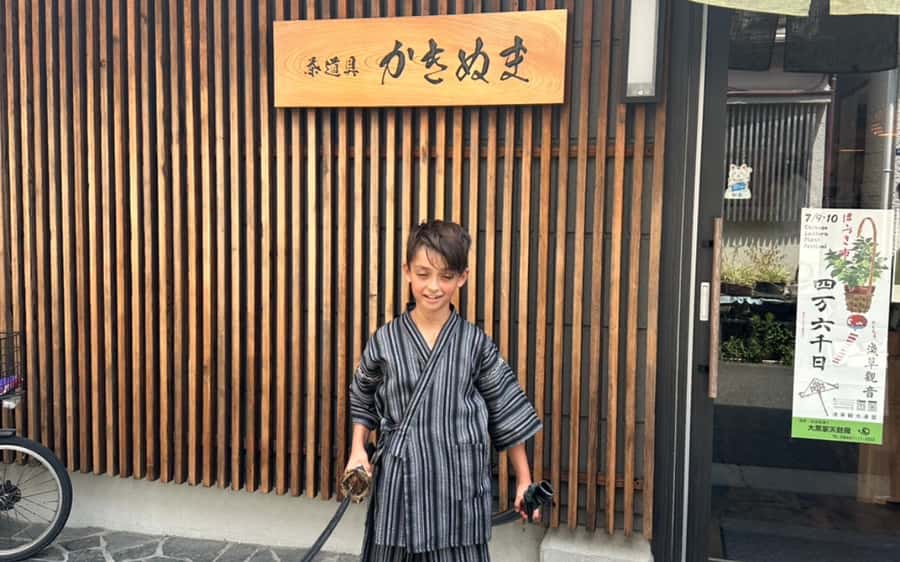
At $47 per person, the value depends on how much of the included service you would otherwise pay for separately. This is not just a garment loan. The price covers the kimono, obi belt, zori sandals, bag, dressing assistance, simple hairstyling, and storage for your clothes and belongings.
The dressing help is the strongest part of the package for a first-time renter. If you had to arrange a kimono, accessories, fitting, and hairstyling separately, the visit would become harder to manage. Here, those pieces are handled in one place close to Sensoji.
The price does not include transportation to the meeting point. It also does not include a rickshaw ride or tea ceremony. Those activities can be added at the shop for an extra fee, so ask about the cost before agreeing if you are working with a strict budget.
The rental becomes better value if you plan to spend a meaningful part of the day in Asakusa and want photographs in the clothing. It is less compelling if you only want to try on a kimono for a few minutes and leave, since the practical benefit comes from having time to walk around the neighborhood.
You can also pay a small additional fee to return the kimono the next day. That may help if you have a late schedule or want to wear it longer, but confirm the arrangement directly at the shop. On July 22, there is a special arrangement connected with the Katsushika fireworks festival in Tokyo, allowing the kimono to be rented until 21:30 that day.
Optional Rickshaw and Tea Ceremony Add-Ons
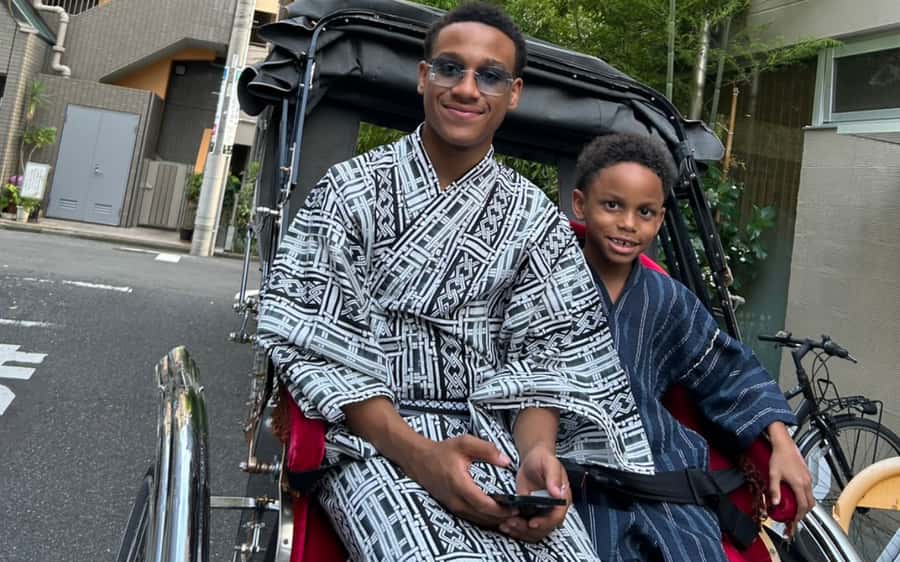
The basic outing does not include a rickshaw ride or tea ceremony, but both can be added at the shop for an extra fee. These options let you turn a simple rental into a fuller traditional-Japan activity.
A rickshaw ride can be appealing if you want someone else to guide your route through Asakusa while you remain dressed for photographs. The supplied details do not state the ride’s length, route, or price, so ask for those specifics before adding it.
The tea ceremony option gives the day a more formal cultural element. Again, no duration or price is provided, so treat it as an optional supplement rather than part of the $47 package.
I would book the basic kimono rental first if your main goal is exploring Sensoji and taking photos. Add the rickshaw or tea ceremony only if you want a more structured day and are comfortable paying beyond the listed price.
Timing, Comfort, and Practical Limits
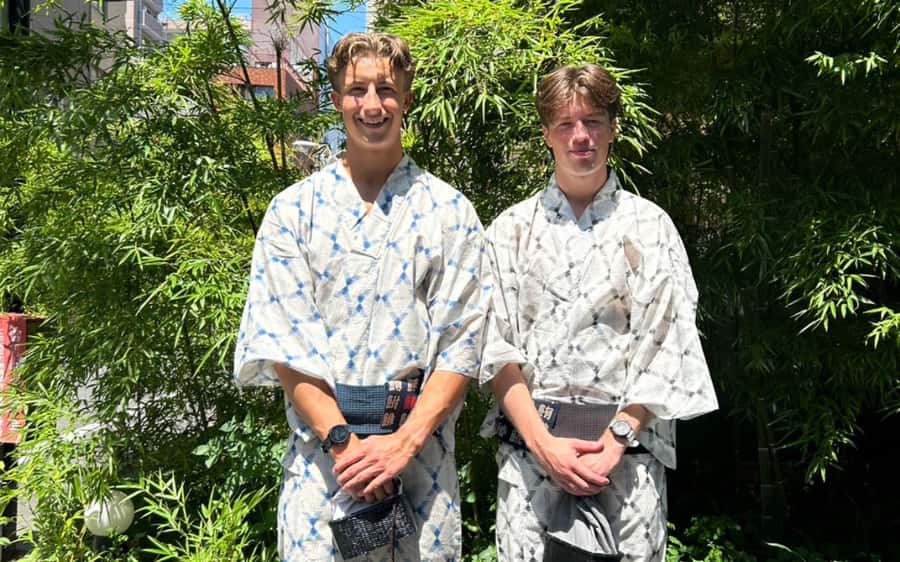
Arrive at least 10 minutes before your reserved time. This is not a suggestion to stroll in at the last second. Staff need time to prepare your outfit, assist with dressing, and complete the hairstyle before you head out.
The same-day return deadline is 17:30. Since no total rental duration is given, do not build your entire Tokyo day around an assumption that the kimono can be kept until evening. If you want a next-day return, arrange it directly at the shop and expect a small extra fee.
The activity is offered in English and Japanese. That makes the dressing process easier for English-speaking visitors, especially when staff are explaining the clothing and helping with the fit.
The rental is not suitable for wheelchair users, children under two, babies under one, or people over 120 kilograms. Those limits are important because dressing, storage, walking, and the fit of the garments all affect how comfortable the outing will be.
For everyone else, comfort will depend on your tolerance for traditional clothing and zori sandals. You should wear or bring what you need for the shop, but the provided information does not specify recommended underlayers or footwear. Ask the staff if you have concerns about fit or mobility.
Who Will Enjoy This Asakusa Experience Most
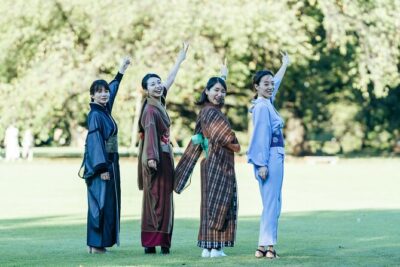
I would recommend this for you if you want a personal connection to Asakusa without committing to a full-day guided tour. It works particularly well for couples, friends, families with older children, and mixed groups where some people want a traditional outfit and others simply want to watch and take photographs.
It is also a good choice for first-time kimono renters. Kazune and the trained dresser handle the parts that can feel confusing, while the short walk to Sensoji keeps the rest of the day simple.
Photographers and people celebrating a special occasion may want to ask about the nicer rental items and hairstyle choices. The nearby temple and old streets provide the setting, while the staff help you look properly dressed rather than hurriedly assembled.
I would be more cautious if you have limited mobility, need a wheelchair, dislike fixed return times, or want a detailed cultural lesson included in the price. This is primarily a kimono rental with dressing assistance and independent sightseeing, not a full historical tour.
Should You Book This Kimono Rental?
Book it if you want to wear an authentic kimono in a historic Tokyo neighborhood, prefer friendly hands-on help, and can work within the 17:30 return time. The location near Sensoji is excellent, and the included dressing, accessories, hairstyle, and storage make the $47 price reasonable for a first-time visit.
Skip it if you want an evening rental without paying extra, need wheelchair access, or are mainly looking for a guided explanation of Sensoji Temple. For the right visitor, though, this is a straightforward way to make Asakusa feel personal and memorable without spending the whole day on a formal tour.
FAQ
Where does the kimono rental begin?
The shop is a few minutes’ walk from Asakusa Station and about three minutes from Sensoji Temple. Look for the entrance with a black-and-white checkered pathway and a silver metal gate, then continue to the elevator area.
Which stations are near the meeting point?
You can reach the area from Asakusa Station on the Tokyo Metro Ginza Line or the Toei Asakusa Line.
What is included in the rental?
The package includes a kimono, obi belt, zori sandals, bag, dressing assistance, simple hairstyling, and storage for your clothes and belongings.
Is hairstyling included?
Yes. Simple hairstyling is included with the rental.
Who helps with the dressing?
Kazune helps with the dressing and grew up in Asakusa. Another staff member is a Japanese National Certified Kimono Dresser. The activity is offered in English and Japanese.
When must I return the kimono?
The kimono must be returned to the shop by 17:30 on the same day.
Can I return the kimono the next day?
Yes. You can arrange a next-day return directly at the shop for a small extra fee.
Can I keep the kimono later on July 22?
On July 22, a special arrangement allows the kimono to be rented until 21:30 because of the Katsushika fireworks festival in Tokyo.
Are a rickshaw ride and tea ceremony included?
No. Both can be added at the shop for an extra fee.
Is transportation to the shop included?
No. You are responsible for transportation to and from the meeting point.
Who cannot take part?
The activity is not suitable for children under two, babies under one, wheelchair users, or people over 120 kilograms.
New on our Tokyo list
- Tokyo Spectacular View Day-Cruise in 90 Minutes★ 5.0 · 25 reviews
- From Tokyo: Mount Fuji & Hakone Full Day Private Tour★ 4.9 · 25 reviews
- Real Tokyo Runner Club : Daikoku Car Meet Night Tour with JDM Car★ 5.0 · 25 reviews
- 2.5 Hour-Guided Cycle Tour in the Central Tokyo★ 5.0 · 25 reviews
- Ramen Making from Scratch +Akihabara Tour –Cooking Class★ 5.0 · 25 reviews
- [Self-Drive] Tokyo & Daikoku Custom Car Driving Tour★ 4.9 · 25 reviews
- Tokyo: 2-Hour Night Bike Tour of the City’s Hidden Gems★ 4.9 · 25 reviews
- Samurai themed Entertainment show in Shinjuku★ 4.5 · 25 reviews
Kimono Experiences, compared.

Tokyo Asakusa: Traditional Kimono Rental Experience at Wargo
Read our review →
Tokyo Asakusa: Miu Kimono Rental and Optional Photoshoot
Read our review →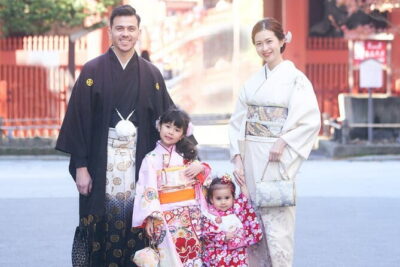
Tokyo Authentic Kimono Rental in Asakusa with Photography Option
Read our review →Browse the lists this tour appears in