
Reviewed · SAMURAI & NINJA EXPERIENCES
Tokyo Asakusa : Samurai School, Become a Samurai Warrior
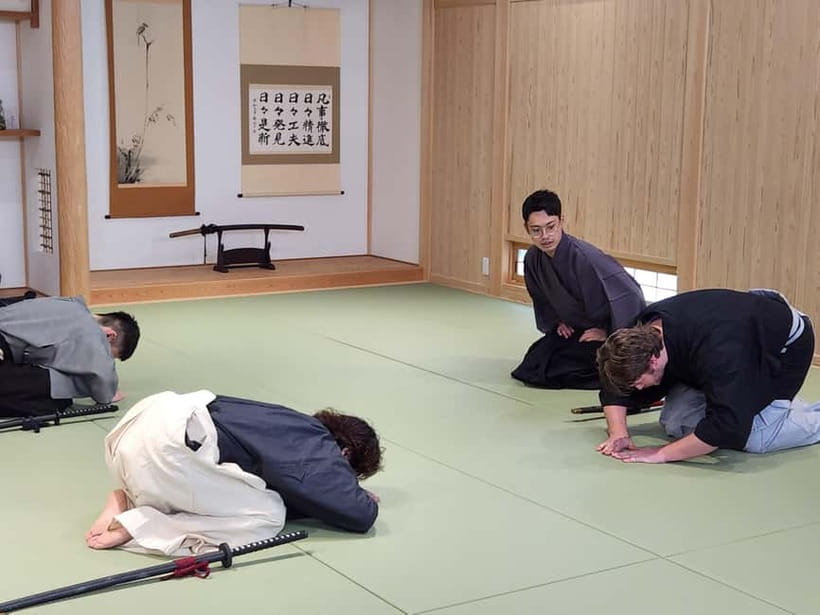
Tokyo’s samurai class is part martial-arts lesson, part film set, and part costume portrait session. You’ll bow to the master, learn how to draw and handle a practice sword, then work through stylized stances and strikes under a professional with 25 years of samurai action experience. The small group, limited to six, keeps the teaching personal.
I like the clear blend of hands-on swordplay and photo time, since you leave with more than a quick demonstration. I also like the friendly English interpreter and the chance to learn camera movements from people trained alongside the choreographer associated with Kill Bill. The main catch is the location: although this is sold as an Asakusa experience, sessions are currently held at Soushi-Kan in Kita City, near Shimo Station, not at the usual Asakusa dojo.
In This Review
- Key points to know before booking
- What this samurai class really offers
- Getting to the current dojo near Shimo Station
- Changing into samurai clothing
- Learning the bow, draw, and first strikes
- From sword practice to a choreographed battle
- Photos, video, and the completion certificate
- Is $90 a fair price?
- Who will enjoy it most
- What to bring and what to expect
- Should you book the Tokyo samurai class?
- FAQ
- Where does the samurai class currently meet?
- Is the class currently held in Asakusa?
- How long does the activity last?
- How many people are in each group?
- What languages are available?
- What is included in the price?
- What should I bring?
- Is the activity suitable for everyone?
Key points to know before booking
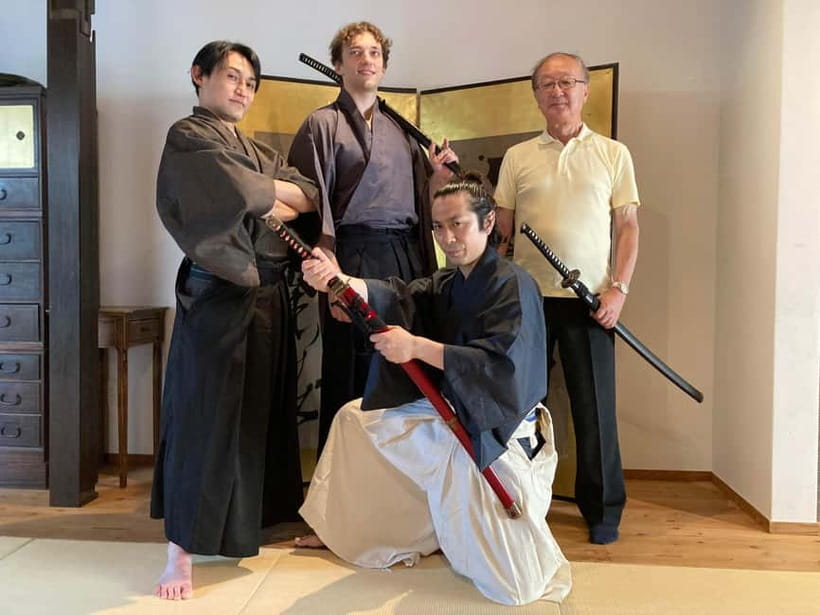
- You dress as a samurai before class begins, so the costume is part of the lesson, not just a final photo prop.
- A professional action master teaches the basics, including bows, sword drawing, stances, strikes, and respectful movement.
- The group is capped at six people, which gives you more room for correction and practice.
- Photos and videos are central to the fun, including a choreographed scene you can perform with the master.
- The current meeting point is six minutes from Shimo Station, despite the experience’s Asakusa name.
- You receive a completion certificate, along with the included costume, practice sword, interpreter, and photo session.
What this samurai class really offers
This is not a historical lecture or a formal kendo course. It is a short, theatrical introduction to samurai movement, designed for people who want to learn recognizable swordplay and create memorable images.
That distinction matters. You will not spend 90 minutes studying battlefield tactics, old weapons, or the full history of Japan’s warrior class. Instead, the instructor focuses on how a samurai moves, bows, draws a sword, pauses, strikes, and presents an action scene to a camera.
I think that makes the class especially useful for first-time visitors who want a cultural activity with a physical element. You get to do something rather than simply watch. At the same time, anyone expecting a serious martial-arts qualification should keep expectations modest. This is a guided performance workshop, not a long-term training program.
The professional background of the teaching team adds appeal. The master has 25 years of samurai action experience, and the staff have trained with the choreographer associated with Kill Bill. That background helps explain the class’s focus on stylized movements, safe control, and camera-ready poses.
More samurai and ninja sessions:
- Tokyo: Samurai Ninja Museum Guided tour and Experience
★ 4.6 · 1,010 reviews - Tokyo: Samurai Sword & Archery Class from Samurai Descendant
★ 5.0 · 603 reviews - Best Samurai Experience in Tokyo
★ 5.0 · 458 reviews
Getting to the current dojo near Shimo Station
The listed meeting point is Soushi-Kan, at 4-6-2 Shimo, Kita City, Tokyo 115-0042. Shimo Station on the Namboku Line is the nearest station, and the dojo is about a six-minute walk from Exit 2.
Pay close attention to this detail when planning your day. The experience is presented as a Tokyo Asakusa samurai activity, but the Asakusa dojo is temporarily unavailable. Sessions are currently held at this different dojo. Do not assume you can simply walk from Senso-ji or the Kaminarimon Gate.
The address is supplied in Japanese as 颯志館, or Soushi-Kan. Meet in front of the dojo. One useful practical warning: a map application sent one participant to the wrong side of the street. The mistake was easy to correct, but checking the map pin before you leave the station can save a few minutes.
Arriving early is sensible, especially if you are unfamiliar with Tokyo’s station exits. One family arrived well ahead of time and found the staff welcoming when they were waiting nearby. You can use that extra time to confirm the entrance and settle in before changing.
The location change is the weakest part of the arrangement. Communication about the change has been described as good, but you should still check the confirmed location close to your class date. If Asakusa is an important part of your day, plan this as a separate activity rather than assuming it fits naturally into an Asakusa sightseeing route.
Changing into samurai clothing
Once you arrive, you change into traditional samurai attire. This is a simple but important part of the experience because it shifts the mood from ordinary sightseeing to role play right away.
You get to choose your sword from the available practice swords and select a costume. The choice itself can be a highlight, particularly for children. A 10-year-old participant enjoyed picking a samurai outfit almost as much as learning the choreographed scene.
Bring a T-shirt, towel, and water. The session includes movement, repeated stances, and sword work, so comfortable clothing underneath the costume is the practical choice. Food is not allowed, and smoking is not allowed.
The provider can offer alternatives if you cannot prepare the requested items. Contact the supplied email address before the class rather than waiting until you arrive. That is especially helpful for families or anyone traveling with limited luggage.
Learning the bow, draw, and first strikes
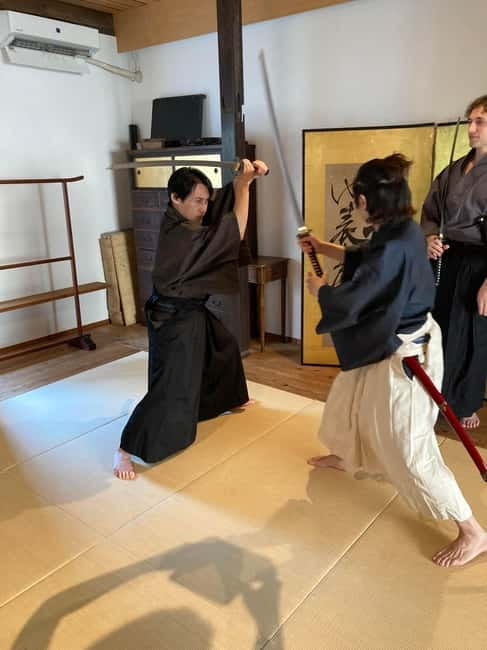
The class begins with an introduction to samurai culture and basic manners. You learn how to bow and how to show respect to your opponent with the sword. These details give the swordplay a sense of purpose. The lesson is not simply about swinging a blade around.
The bow is also useful for understanding the tone of the class. The focus is controlled movement and respect, with the master showing you how to enter the exercise properly. I like this opening because it gives the activity a cultural frame before the more theatrical work begins.
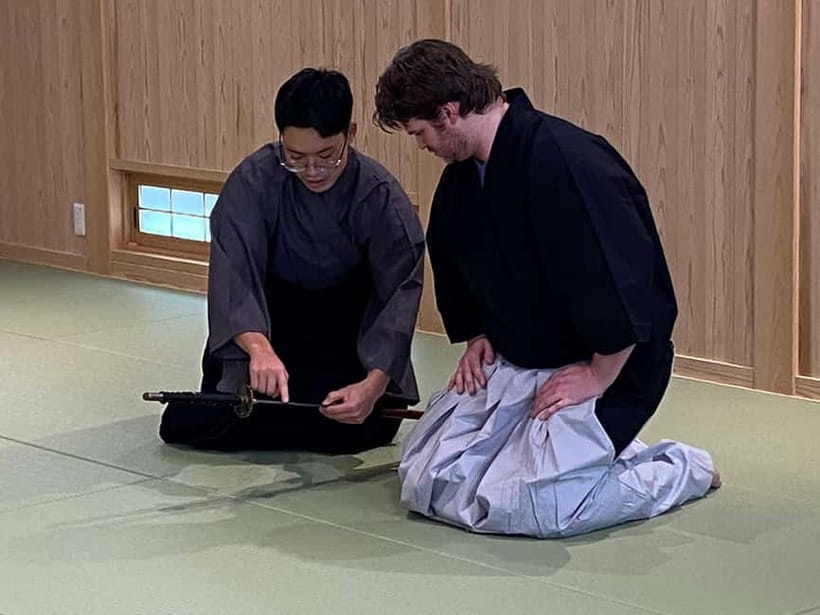
Next comes the sword draw. You learn how to remove the sword in a stylized manner, then move into fundamental stances, strikes, and body positions. The teacher demonstrates the actions first, and you follow along under guidance.
Do not worry if your first attempt feels stiff. The movements are unfamiliar, and the camera work adds another layer. You are learning where to place your feet, how to hold your arms, when to pause, and how to make a strike look clear rather than rushed.
The class is limited to six people, which matters here. A large group would make it harder to see corrections or get time with the instructor. In this small setting, you have a better chance to ask questions and repeat a movement until it feels natural.
English and Japanese are both available, with a friendly English-speaking interpreter included. That makes the class workable even if you know only a few Japanese phrases. The interpreter is particularly useful when the instructor gives timing or position instructions for the photo and video work.
More Asakusa visits:
- Tokyo: Japanese Dance Cabaret Theater Asakusa-Kaguwa Ticket
★ 4.8 · 2,270 reviews - Tokyo: Meiji Shrine, Asakusa, Skytree Bus Tour and Cruise
★ 4.7 · 1,986 reviews - Tokyo: Roll and Authentic Sushi Making Class in Asakusa
★ 4.9 · 1,957 reviews - Tokyo: Asakusa Walking Tour with Sensoji Temple Visit
★ 4.8 · 1,583 reviews
From sword practice to a choreographed battle
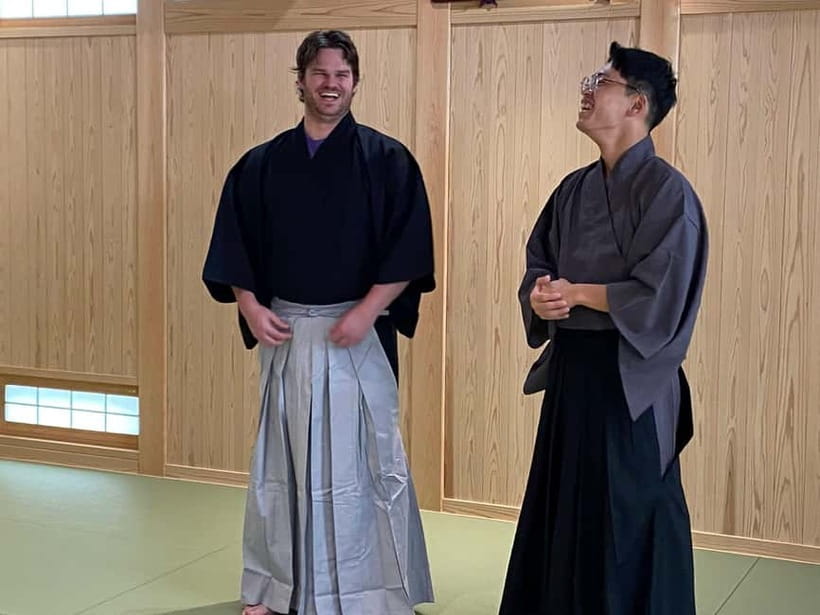
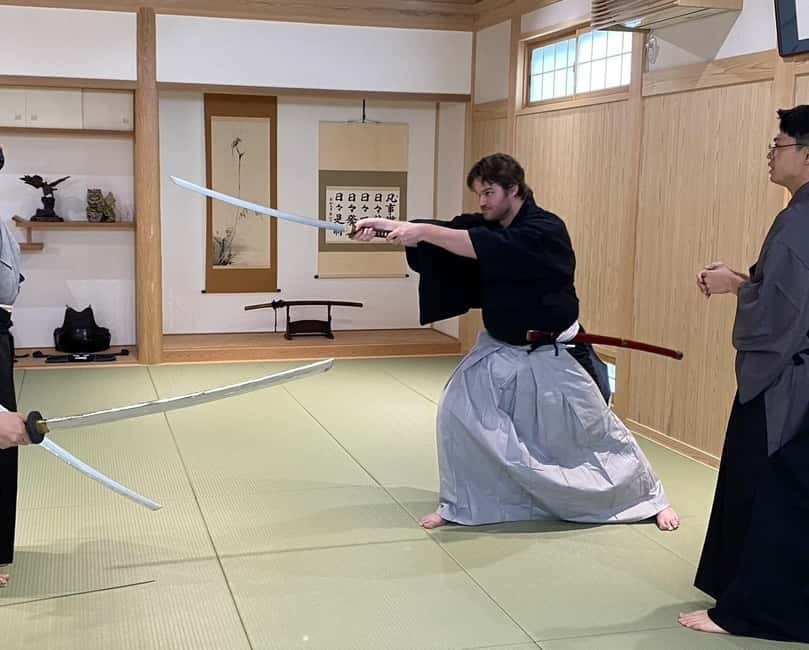
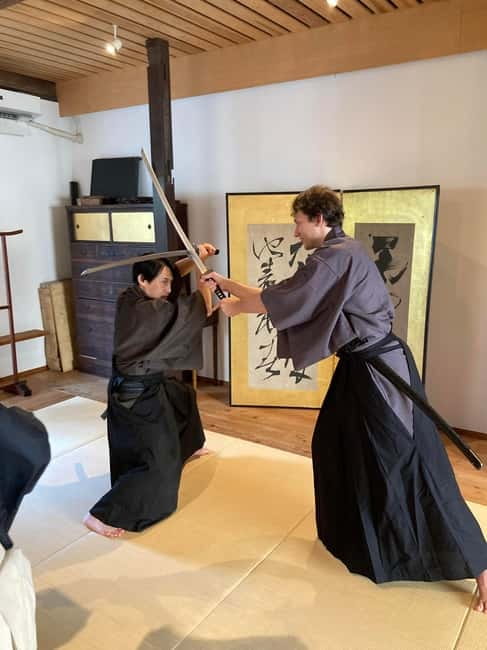
The final active portion can include a choreographed sword fight. It is presented as a controlled performance rather than a free-for-all duel. You use the movements learned earlier and combine them into a short scene that reflects the drama of a samurai confrontation.
This is where the class becomes most like an action workshop. You are not merely copying a stance for a photo. You are learning a sequence, remembering your cues, and presenting the movement with enough shape for a camera to capture it.
The camera element is a major reason to book. You can create your own samurai photo or video with the master, and the staff take commemorative pictures at the end. One family received many photos and videos, including footage of the child performing the choreographed scene.
The class also includes a demonstration by the masters. Watching a professional perform the movements gives you a better sense of the difference between a beginner’s careful practice and polished action choreography. It is also a welcome visual break while you prepare for your own sequence.
The word battle should not mislead you. This is a stylized, supervised activity with practice swords. You should follow the instructor’s directions closely and treat the sword as a prop for controlled movement, not as a toy. The value comes from timing, posture, and performance.
Photos, video, and the completion certificate
The photo session is not an afterthought. Costume photos are built into the experience, and the activity specifically allows you to pose with the master and capture your own samurai video or photo.
If you enjoy travel photos with a story behind them, this is stronger than a standard costume rental. You have just learned a few movements, so the finished images can show you in an action pose rather than simply standing in borrowed clothing.
The class also ends with a completion certificate. It is a small souvenir, but a useful one for children and families. It gives the session a clear finish and marks the fact that you learned the basic sequence rather than only dressing up.
You should not expect a professionally edited film unless that is confirmed separately. The included benefit is a photo shoot, and the supplied information also describes photos and videos taken during the class. Ask the provider what file format and delivery method apply if the video is especially important to you.
Is $90 a fair price?
At $90 per person for 90 minutes, this is not a cheap photo stop. It is also more than you would pay for a quick temple visit or a costume rental without instruction.
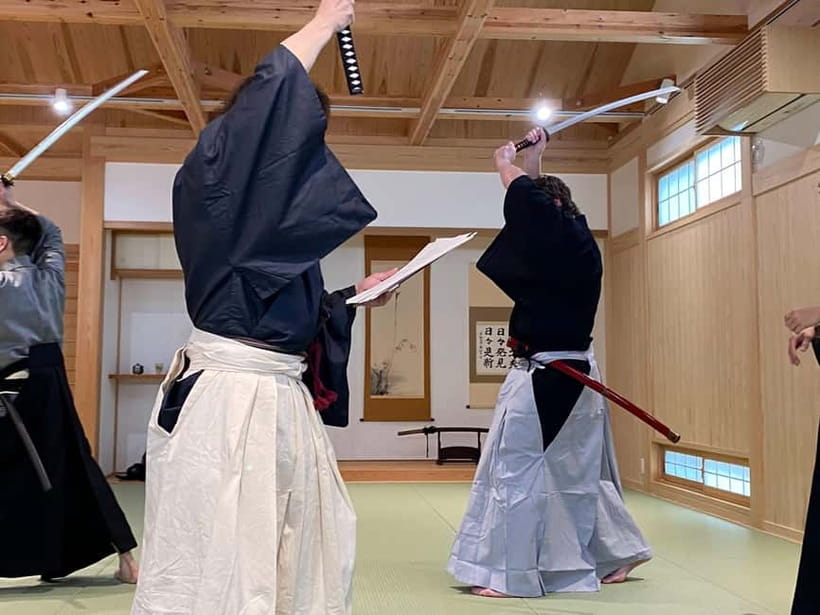
The value improves if you make use of every part: the costume, small-group teaching, interpreter, practice sword, master demonstration, choreographed scene, photos, and certificate. You are paying for an organized activity with professional performance guidance, not just access to clothing.
I think the price makes the most sense for couples, families, and solo visitors who specifically want an interactive Japanese activity. It is less convincing for someone who only wants a samurai portrait and has little interest in learning movement. In that case, a shorter photo experience could be a better fit, if available.
The small group helps justify the cost. With no more than six participants, you are not lost in a crowd while waiting for your turn. The interpreter and action background also add practical value for international visitors who want clear instruction.
Keep in mind that transportation, food, and snacks are not included. The 90-minute length makes this easy to combine with other plans, but the trip to the current Shimo location is your responsibility.
Who will enjoy it most
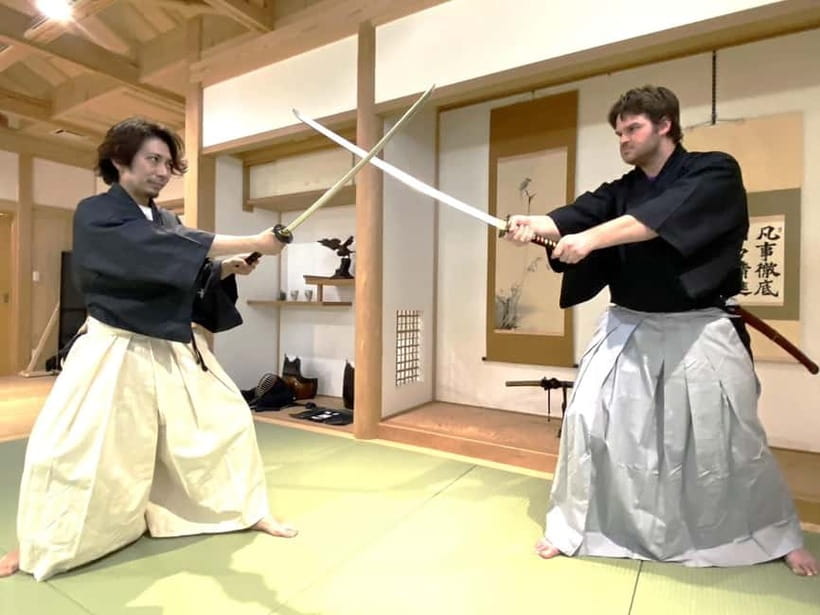
This class suits you if you like active cultural experiences, costume photos, movie-style action, or small-group instruction. It works particularly well for families, provided everyone can follow the physical directions and the listed restrictions do not apply.
The experience is also a good choice for a parent and child. A 10-year-old successfully took part with a parent and enjoyed the costume selection, choreography, recording, and sword actions. That does not establish a universal minimum age, so families should confirm age suitability before booking.
You do not need previous sword experience. The class teaches the basic stances and movements from the beginning. A willingness to listen, repeat actions, and perform in front of a camera matters more than athletic ability.
I would be cautious if you dislike role play or do not want to be photographed. Much of the appeal comes from acting out the samurai image. You may also want to skip it if you are pregnant or have back problems, since those conditions are listed as unsuitable.
The dojo is wheelchair accessible, which is useful, though the supplied information does not explain every detail of the swordplay setup. If you need specific accommodations during the movement portion, contact the provider ahead of time.
What to bring and what to expect
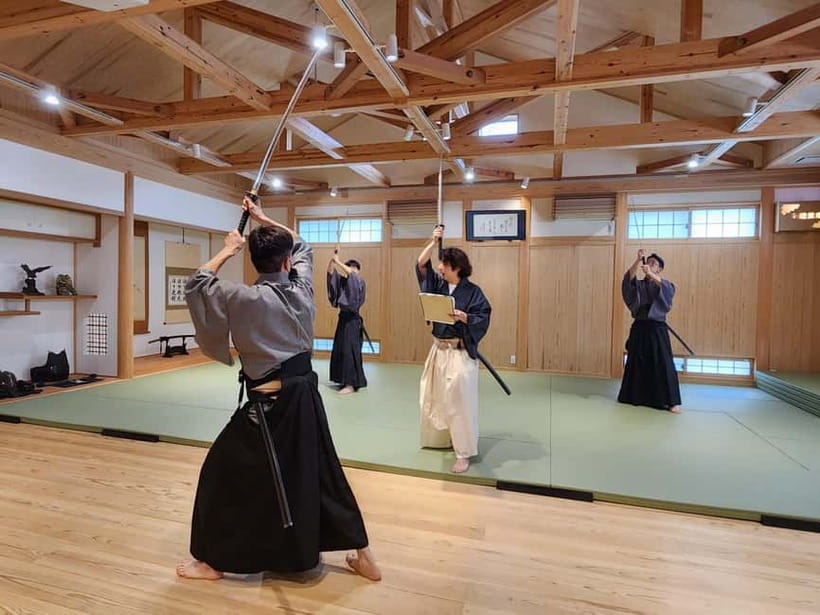
Pack a T-shirt, towel, and water. Wear something comfortable underneath the costume, and avoid bringing food into the dojo.
Allow enough time to reach the current meeting point. The walk from Shimo Station Exit 2 is about six minutes, but a map app may place you on the wrong side of the street. Meet in front of Soushi-Kan and confirm the address if the Asakusa name causes confusion.
The activity lasts 90 minutes, and starting times depend on availability. It is a compact session, so you will not need to surrender an entire day. Still, do not schedule a major attraction immediately afterward if you want time for changing, photos, or an unexpected delay finding the dojo.
Free cancellation is available up to 24 hours before the activity for a full refund. You can also reserve now and pay later, which is useful when Tokyo plans are still shifting.
Should you book the Tokyo samurai class?
Book it if you want to perform samurai culture rather than only read about it. The best reasons are the small group, the professional action instruction, the costume-and-camera combination, and the cheerful support in English.
I would especially recommend it for families with older children, couples who want unusual photos, and visitors who enjoy film-style choreography. The completion certificate adds a pleasant souvenir, while the photos and video give you something more personal than a standard sightseeing snapshot.
Think twice if your main goal is Asakusa sightseeing, because the current dojo is in Kita City near Shimo Station. Also think twice if you want serious martial-arts training, a long historical lesson, or a quiet cultural ceremony.
For the right audience, $90 buys a lively 90-minute activity with real participation and a clear keepsake. Confirm the temporary location before booking, bring the requested items, and arrive ready to bow, pose, and learn a few precise sword movements.
FAQ
Where does the samurai class currently meet?
The current meeting point is Soushi-Kan, 4-6-2 Shimo, Kita City, Tokyo 115-0042, Japan. The nearest station is Shimo Station on the Namboku Line, about a six-minute walk from Exit 2.
Is the class currently held in Asakusa?
The Asakusa dojo is temporarily unavailable. Sessions are currently held at the different Soushi-Kan dojo in Shimo, Kita City.
How long does the activity last?
The samurai class lasts 90 minutes.
How many people are in each group?
The group is limited to six participants.
What languages are available?
Instruction is available in English and Japanese. A friendly English-speaking interpreter is included.
What is included in the price?
The price includes a samurai costume, practice sword, English-speaking interpreter, photo shoot, and completion certificate.
What should I bring?
Bring a towel, water, and a T-shirt. If you cannot prepare these items, contact [email protected] before the event to discuss alternatives.
Is the activity suitable for everyone?
The activity is wheelchair accessible, but it is not suitable for pregnant women or people with back problems.
New on our Tokyo list
- Sumi-e Experience in a relaxing green tea shop in Tokyo★ 5.0 · 3 reviews
- Tokyo : Kamikaze Street Drift Ride★ 5.0 · 3 reviews
- Private Zen Meditation in English in Shinjuku, Tokyo★ 5.0 · 3 reviews
- Onsen Spa in Tokyo and Asakusa Bar Hopping with Local Guide★ 5.0 · 3 reviews
- Easy for everyone! Now you can play handmade mini shamisen and show off to everyone! Musical instruments, sweets and live music★ 5.0 · 3 reviews
- Tokyo: Private Tsukiji Street Food & Sake with Local Guide★ 5.0 · 3 reviews
- Mt Fuji Exploration Tour with Free Japanese Kusa Mochi from Tokyo★ 4.5 · 3 reviews
- Tokyo Tsukiji Fish Market Walking and Exploring Hidden Gems Tour★ 5.0 · 3 reviews
Samurai & Ninja Experiences, compared.
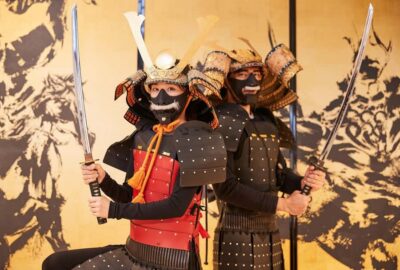
Samurai Ninja Museum Guided tour and Experience
Read our review →
Samurai Sword & Archery Class from Samurai Descendant
Read our review →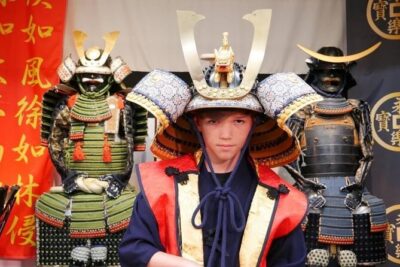
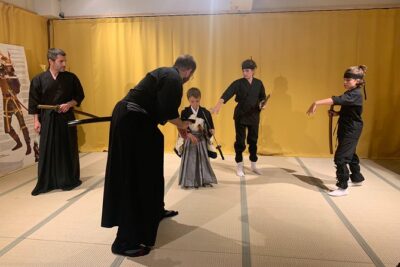
Ninja Experience (Family Friendly) at Samurai Ninja Museum TOKYO
Read our review →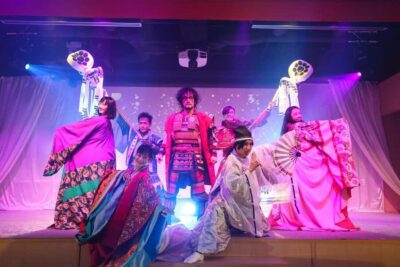
Samurai Entertainment Night Show in Kanda Shrine
Read our review →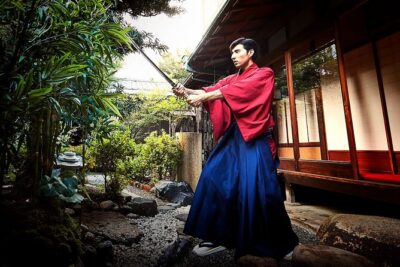
Tokyo Sword Experience – includes Museum Ticket/Ninja Experience
Read our review →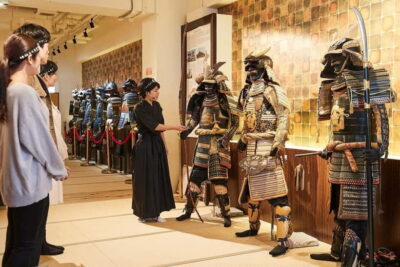
Samurai Ninja Museum Asakusa: Samurai Sword Lesson & Tour
Read our review →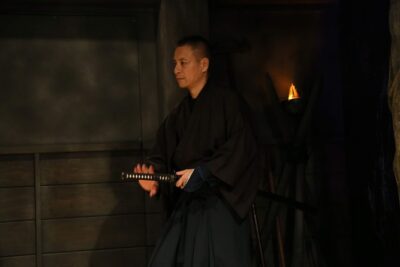
Ninja Samurai 2-hour hands-on lesson by Japanese master in Tokyo
Read our review →Browse the lists this tour appears in